Of all the frustrating aspects of being outdoors in the winter, the one I personally find most unbearable is cold extremities. I'm sure there are many people who would agree with me
Cold extremities are one thing if they're simply cold, but if you let your guard down on snowy mountains, you could end up with frostbite or other serious consequences, so it's something you should never take lightly. I use a camera, so cold hands and fingers are a particular concern for me, and for that reason, I've always been very particular about finding warm, easy-to-use gloves
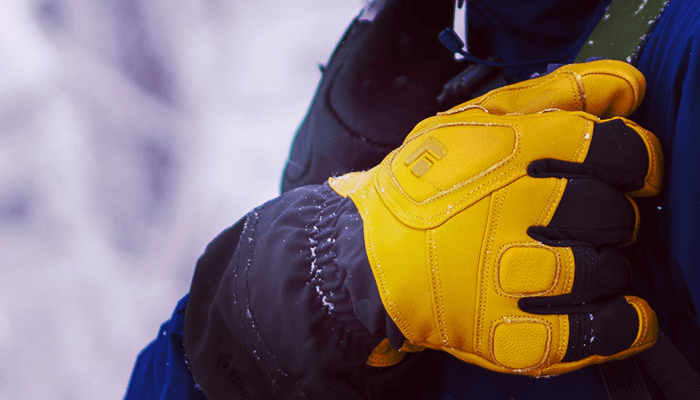
Sorano Gloves, an electrically heated winter mountain glove, a few years ago, I was one of the first to grab them. In terms of heat retention alone, they are probably the best gloves for serious mountain climbing, and I still rely on them to this day, even on snowy mountains in the depths of winter.
Related articles
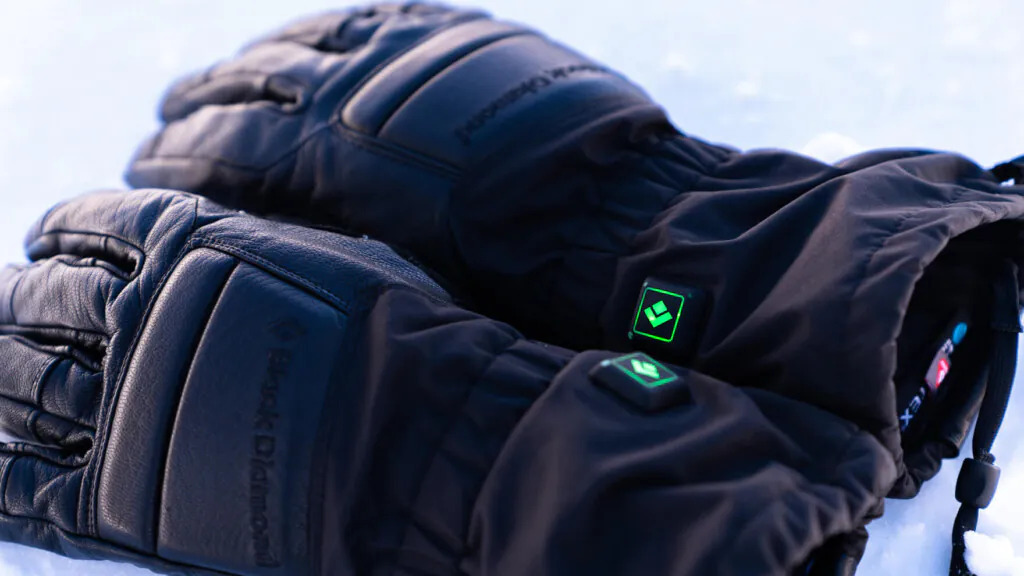

Unfortunately, I noticed that the Black Diamond Solano Gloves were no longer available for sale this season. Perhaps there are issues with electronic devices, but I hope they will evolve and return
However, I'm not entirely satisfied with the delicacy of the fingertips and the stiffness of the fabric, and they may be overkill for autumn and winter when the cold isn't such a big deal. In fact, I've recently been using these gloves only in Hokkaido and northern Tohoku during the harsh winter months of late January and February
In that sense, not everyone needs super-heated, expensive gloves, and the "ideal (optimal) gloves" vary depending on various uses and purposes. Also, people may have different preferences for types, such as mittens, three-finger gloves, or five-finger gloves
So this time, we've compiled a list of 177 models of gloves that are perfect for autumn and winter, focusing on those available in Japan, as we always do, and independently selected the best models for a variety of winter activities, from winter mountain climbing to backcountry skiing and winter hiking. In the second half of the article, we've also summarized the points you should pay attention to in order to wisely choose the most suitable model
As usual, we've only introduced one or two items in each category here, but we've made available to members a comparison table that includes other recommended models and all of their specifications and features. Outdoor Gearzine's content is supported by your support. If you're interested, please take this opportunity to consider becoming a member!
All recommended gloves and a comparison table of all 177 models are available with a paid membership
table of contents
- [By Use/Preference] Best Winter Gloves
- Best High-End Gloves for Serious Snow Mountain Climbing: Black Diamond Guide Gloves / Finger Gloves
- What I like about Black Diamond Guide Gloves
- Best mid-range gloves for serious snow mountaineering: OUTDOOR RESEARCH Arate Modular GORE-TEX Gloves / Black Diamond Soloist Gloves
- What I like about the OUTDOOR RESEARCH Arate Modular GORE-TEX Gloves
- What I like about the Black Diamond Soloist Gloves
- Best Winter Outdoor Gloves: OUTDOOR RESEARCH Revolution Gore-Tex Gloves
- What I like about the OUTDOOR RESEARCH Revolution Gore-Tex Gloves
- Best Ski Gloves: HESTRA TOPO GTX 3-FINGER / Swany SX-205 Alaska 3 Finger
- What I like about the HESTRA 3004112 TOPO GTX 3-FINGER
- What I like about the Swany SX-205 Alaska 3 Finger
- Best Mitten Gloves: Swany TS-100A Bocco
- What I like about Swany TS-100A Bocco
- Best Ski Touring Gloves: Black Diamond Heliotour Gloves
- What I like about the Black Diamond Heliotour Gloves
- Best Low-Cost Winter Gloves: Mont-Bell Powder Trigger Finger Mittens
- How to Choose: 5 Tips for Choosing Winter Gloves Wisely for Mountaineering and Backcountry Skiing
- Point 1: Shape - What's the difference between five-fingered, lobster (three-fingered), and mitten (two-fingered) gloves?
- Point 2: Structure - What is the difference between integrated and separate types and which is better?
- Point 3: Liner (Inner, Heat-Insulating Material) - Which padding material is best?
- Point 4: Shell layer (outerwear) - Waterproof, breathable, dexterity, durability, and many other things to consider
- Point 5: Pay attention to other small features
- Summary: Choose warmth, strength, and other characteristics according to the purpose and occasion
[By Use/Preference] Best Winter Gloves
Best High-End Gloves for Serious Snow Mountain Climbing: Black Diamond Guide Gloves / Finger Gloves

It's easy to say that winter mountain climbing is a harsh experience, but when you actually experience it, you realize that the environment is many times more difficult than you can imagine
Especially when traversing the Alps in January and February, or on variation routes in high mountains above 2000m, gloves that offer the ultimate in protection and functionality are required, including overwhelming warmth to prevent snow and cold air from entering and to withstand the biting cold, as well as absolute durability to withstand both momentary stress and long-term abuse such as tearing, friction, getting wet, and loose stitching, while also being as light as possible and allowing for excellent dexterity
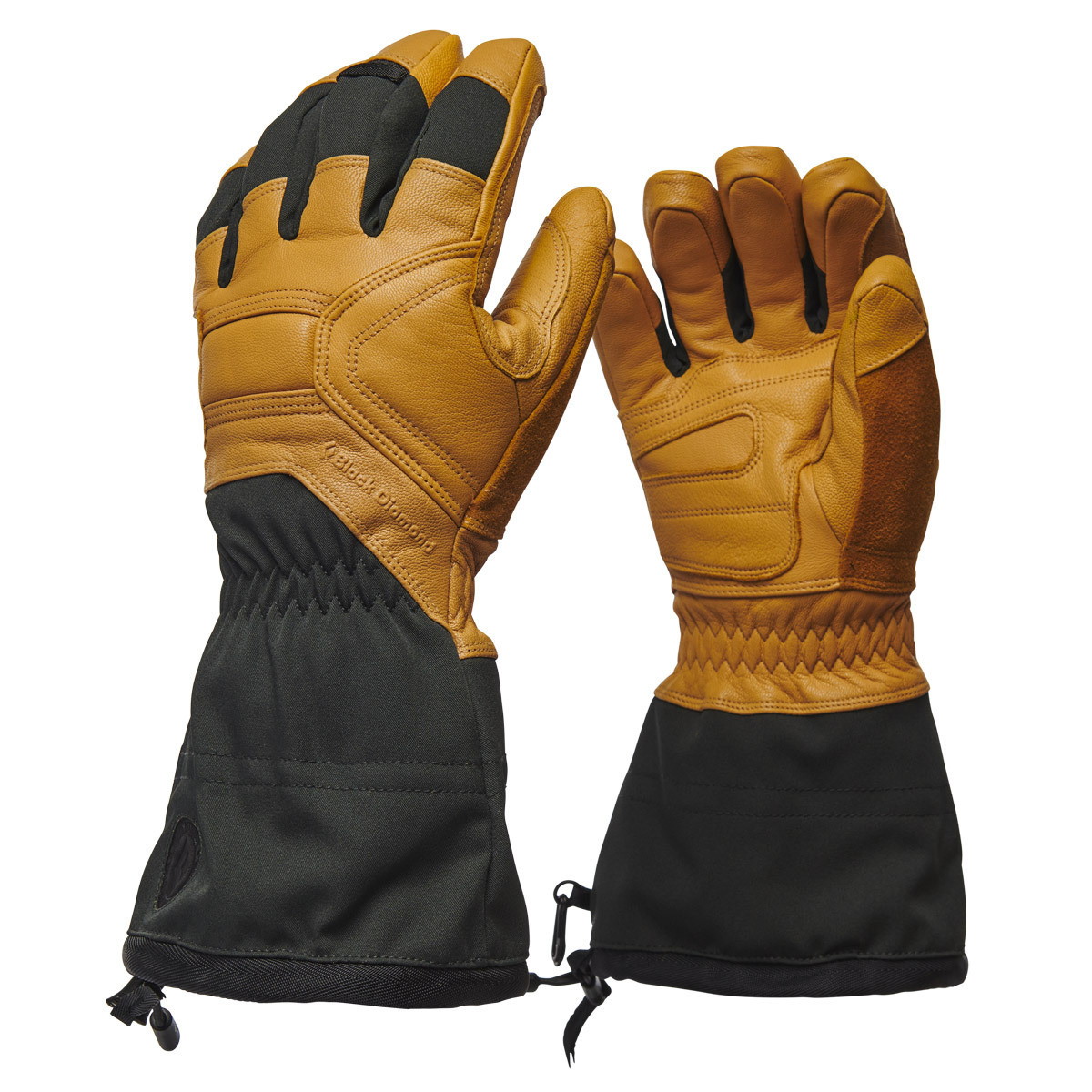
This category represents the pinnacle of winter mountaineering gloves that can meet the highest level of demands; in other words, as long as you wear these, you can be confident in winter mountaineering. There are many attractive flagship models from the world's top brands, but I can't think of any other model that can be called the best of them all except the Black Diamond Guide Gloves .
These iconic BD snow gloves, which have long received high praise from outdoor specialty websites around the world, are made with a combination of goatskin and nylon for flexibility and durability, Primaloft and boiled wool for warmth and comfort (plus a removable liner for easy drying), a Gore-Tex membrane for waterproof and breathable protection, and a long gauntlet for added protection. While other flagship models from other brands are certainly excellent, these Guide gloves are the only ones that offer such a hole-free design. Plus, they're available in three- and five-finger styles, so if you plan on skiing or prioritizing warmth, choose the three-finger style, while if you plan on climbing snowy mountains or prefer dexterity, choose the five-finger style (though dexterity is the only weak point of these gloves).
As for other brands, if you are looking for something more flexible and suitable for delicate fingers, we recommend the Rab Guide GTX Gauntlets or Swany TR-803 Alpine Quest 5Finger / TR-804 Alpine Quest 3Finger , and if you need more warmth (other than heated gloves), we recommend THE NORTH FACE Inferno Seeker Gloves
What I like about Black Diamond Guide Gloves
- Top-class heat retention
- Top-class robustness
- GORE-TEX provides reliable waterproof and breathable performance
- Separate liner for easy drying
- Long cuff for excellent sealing
- It's warm, durable, and allows for good finger mobility
Best mid-range gloves for serious snow mountaineering: OUTDOOR RESEARCH Arate Modular GORE-TEX Gloves / Black Diamond Soloist Gloves

In terms of performance alone, the Guide Glove is excellent, but considering the price range, it could certainly be said to be over-specced.
In that sense, this category is considered to be the best balance between price and performance for snow mountain climbing in Japan. If you are not someone who will be handling ropes vigorously on snowy mountains or spending dozens of days in a season, this class will be sufficient
The candidates in this category are, frankly, the "classics" that take up the most shelf space at specialty mountain shops, in other words, the standard models for snow mountain climbing in Japan. In that sense, the results may not be particularly novel. However, the two models mentioned here are long-selling models that could be considered the benchmark for leading brands of gloves for snow mountain climbing, and there are good reasons for their selection, including price
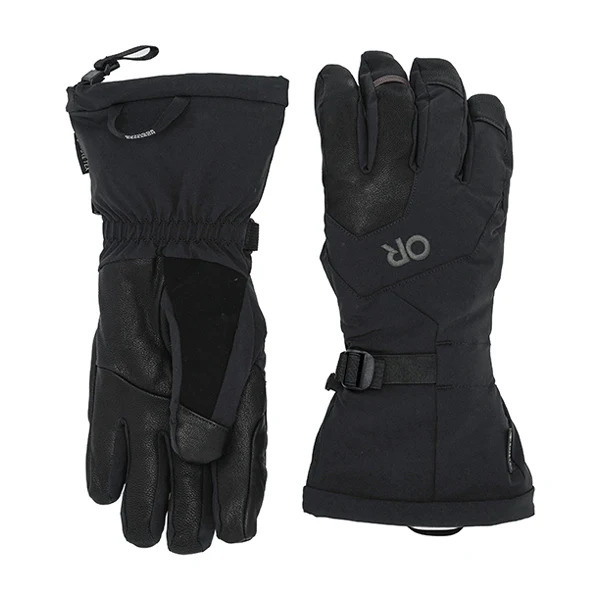
First up, the " OUTDOOR RESEARCH Arate Modular GORE-TEX Gloves " are a flagship model from OUTDOOR RESEARCH, one of the top brands offering a wide variety of high-quality authentic outdoor gloves. The gloves are made with a lightweight, not-too-bulky soft shell outer and a removable liner, yet offer excellent maneuverability and are lined with leather on the palm for durability. Furthermore, the gloves are well thought out for ease of use, with features like a nose wiper, leash cord, and carabiner hook, which adds to the appeal.
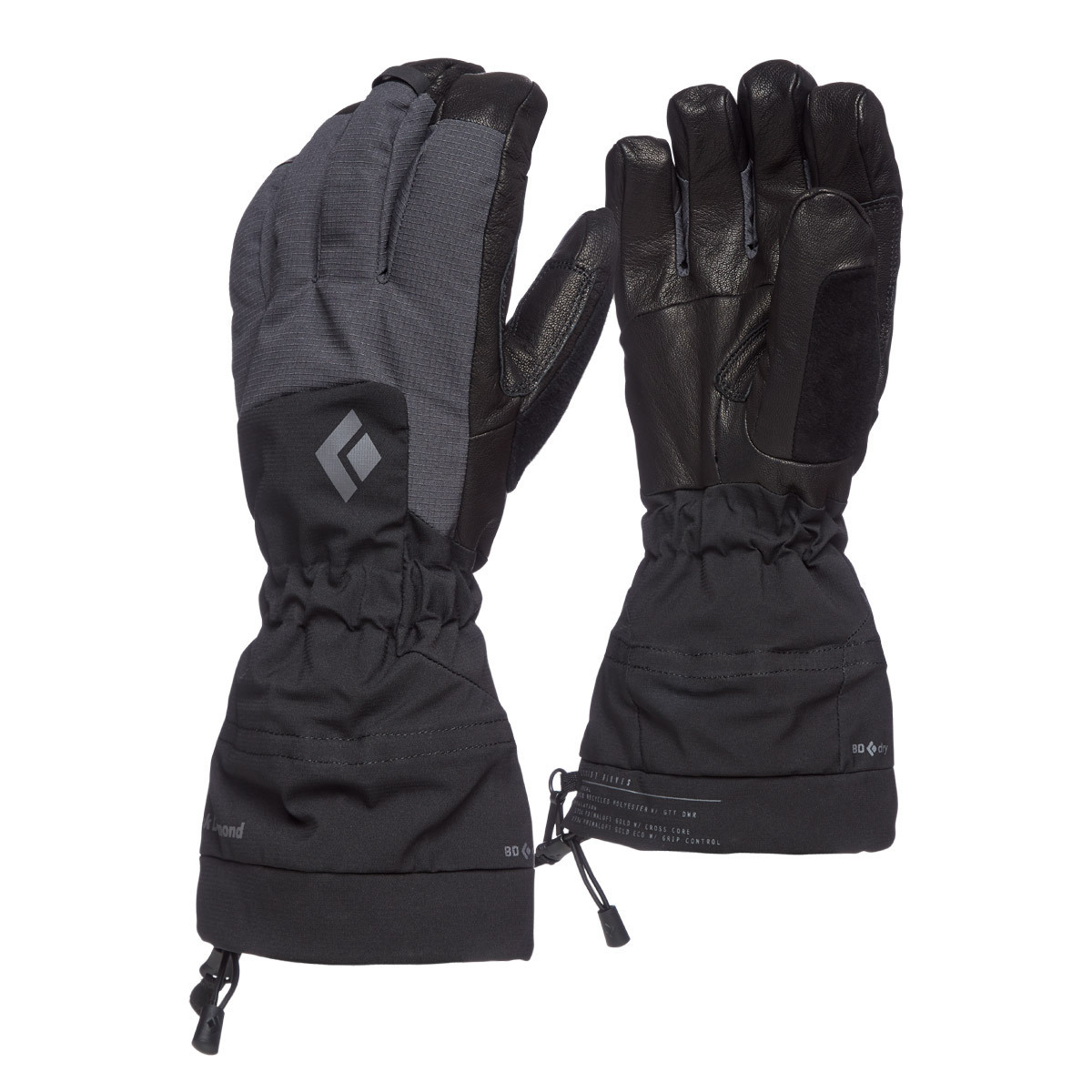
Another example is the Black Diamond Soloist Gloves , which are particularly attractive for their outstanding warmth (using PrimaLoft® Gold Cross Core) when compared to similar standard models from other companies. They also offer excellent durability and operability, and overall offer excellent value for money (these gloves were priced at 10,000 yen until about five years ago). The shell and inner lining are separate, making them easy to change and dry even when wet, and the supple goat leather reinforcement is also a plus.
Both of these gloves are the first pair that any climber looking to take on serious winter mountain climbing should purchase
What I like about the OUTDOOR RESEARCH Arate Modular GORE-TEX Gloves
- Lightweight, flexible, comfortable to wear and highly maneuverable
- Leather reinforcement for durability
- Sufficient heat retention
- Separate shell and inner for ease of use
- Waterproof and breathable with GORE-TEX
- Long cuff for superior sealing
- Convenient details such as nose wipe, carabiner loop, and leash cord
What I like about the Black Diamond Soloist Gloves
- PrimaLoft® Gold Cross Core insulation provides lightweight and exceptional warmth
- Comfortable to wear and highly operable
- Leather reinforcement for durability
- Separate shell and inner for ease of use
- Waterproof and breathable with GORE-TEX
- Long cuff for superior sealing
- Convenient details such as nose wipe, carabiner loop, and leash cord
Best Winter Outdoor Gloves: OUTDOOR RESEARCH Revolution Gore-Tex Gloves
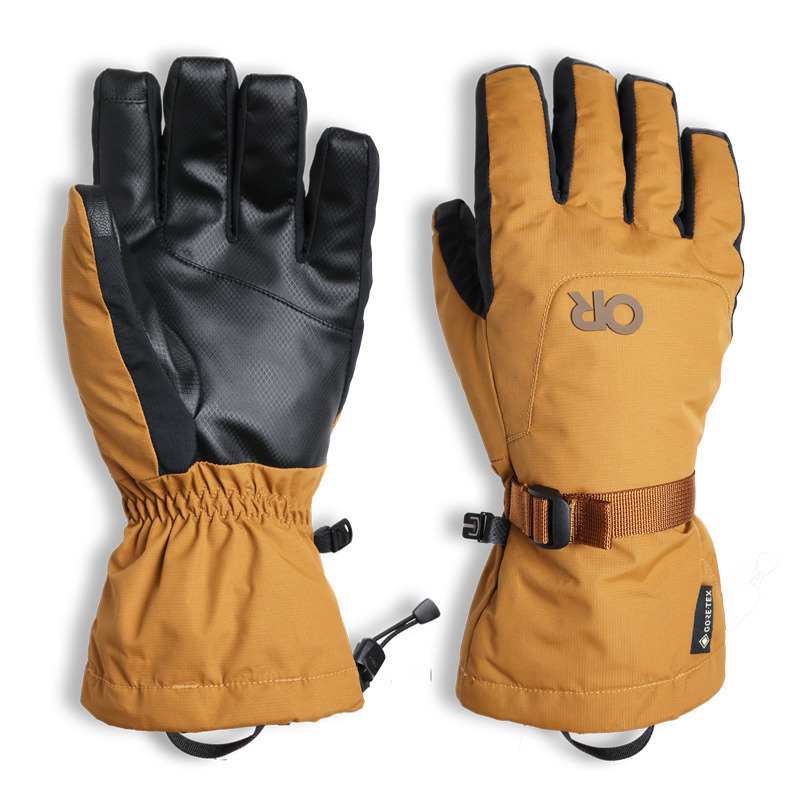

Even if you don't want to go on a full-scale snowy mountain climb, you'd still like to experience it. For example, if you're looking for a pair of gloves that are just right for keeping your hands warm when trekking in intermediate mountains from around March when the weather calms down, or for hiking in low mountains where it's bitterly cold even if there's no snow, I would recommend OUTDOOR RESEARCH Revolution Gore-Tex Gloves
The inner and outer layers are one piece, and the palm reinforcement isn't leather, so they're not particularly suited to rigorous mountain climbing, but the waterproof and breathable GORE-TEX construction provides ample protection for day trips to snowy mountains. The detailed specifications are impeccable, as you'd expect from OUTDOOR RESEARCH. Highly versatile, they're suitable not only for snowy mountain climbing, but also for winter running and side-country skiing
Arc'teryx Venta Gore-Tex Gloves are highly complete and well worth the price. Also, the Black Diamond Cirque Gloves , which were released this season, were originally developed for backcountry ski touring, but their unique combination of five-finger softshell and a windproof hood makes them suitable for other winter activities, so we've chosen them.
What I like about the OUTDOOR RESEARCH Revolution Gore-Tex Gloves
- A good balance of warmth, breathability, durability, and price
- Reliable waterproof and breathable GORE-TEX
- Easy to use basic parts such as carabiner loops and leash cords
Best Ski Gloves: HESTRA TOPO GTX 3-FINGER / Swany SX-205 Alaska 3 Finger

This category selects gloves that are ideal for snowy mountain activities, especially backcountry skiing. Of course, gloves for snowy mountain climbing are also perfectly suitable, so the models introduced so far are also highly recommended. However, ski gloves require higher warmth and comfort and operability when gripping the poles, even if they sacrifice some durability compared to those for mountain climbing. And, of course, compatibility with a ski jacket is also important
This market is larger than that for mountaineering, and many manufacturers around the world are competing fiercely, with many excellent brands and models that are difficult to choose between
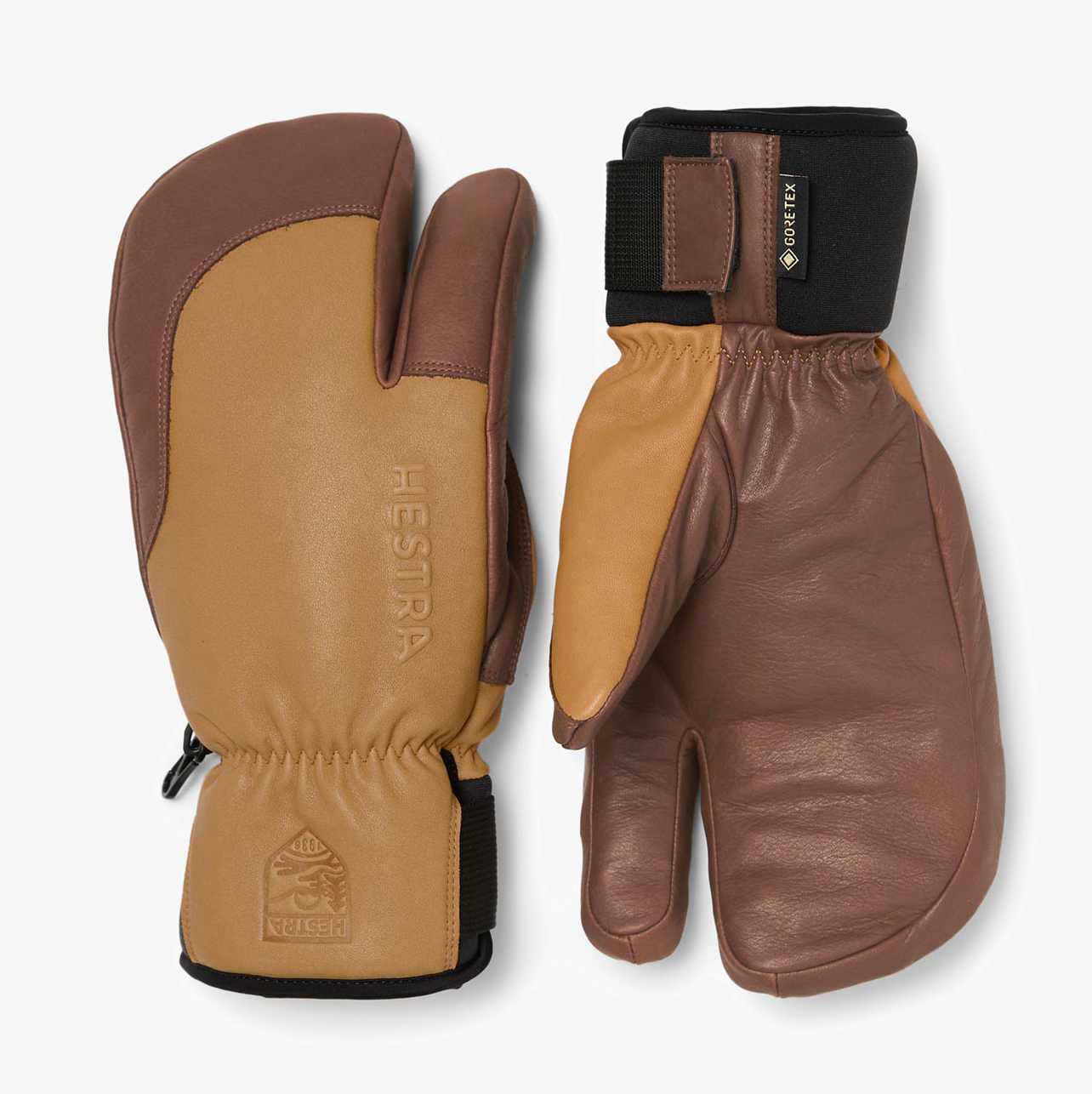
Outdoor Gearzine tried out these ski gloves and chose the best models: the HESTRA 3004112 TOPO GTX 3-FINGER and the Swany SX-205 Alaska 3 Finger .
First, there are two things I cannot compromise on when considering the best ski gloves. First, they must have three fingers . This is for practical reasons: when backcountry skiing, most movements are performed while gripping the poles, so the fingers do not need to move precisely one by one, and three fingers provide better warmth. Second, the palm must be reinforced with leather, preferably all leather . I have ruined many gloves in the past, and the damage almost always started in the non-leather parts of the palm, particularly the grip area from the thumb to the index finger and the knuckles. It usually ends there, and the leather reinforcement almost never breaks. Leather is also more reliable than synthetic fibers in terms of waterproofing and heat retention (although daily care is required).
HESTRA's TOPO GTX 3-FINGER is a particularly outstanding model that meets these requirements, and we have chosen it as our best.
Above all, the combination of lightweight and durable goat leather and supple cowhide, and the hollow fiber G-LOFT® that combines lightness with high thermal insulation, create a soft, warm and comfortable fit. I still remember the shock I felt when I first put it in my hands
I prefer short cuffs that fit under a ski jacket, and the design is excellent in that respect. The biggest news this season is that while previous models didn't have a waterproof/breathable membrane, this GORE-TEX insert model has finally been released. I liked the basic model, but these are unbeatable. For me, these are the best gloves in every respect at the moment (my only regret is that they now have a shell and inner layer in one piece)
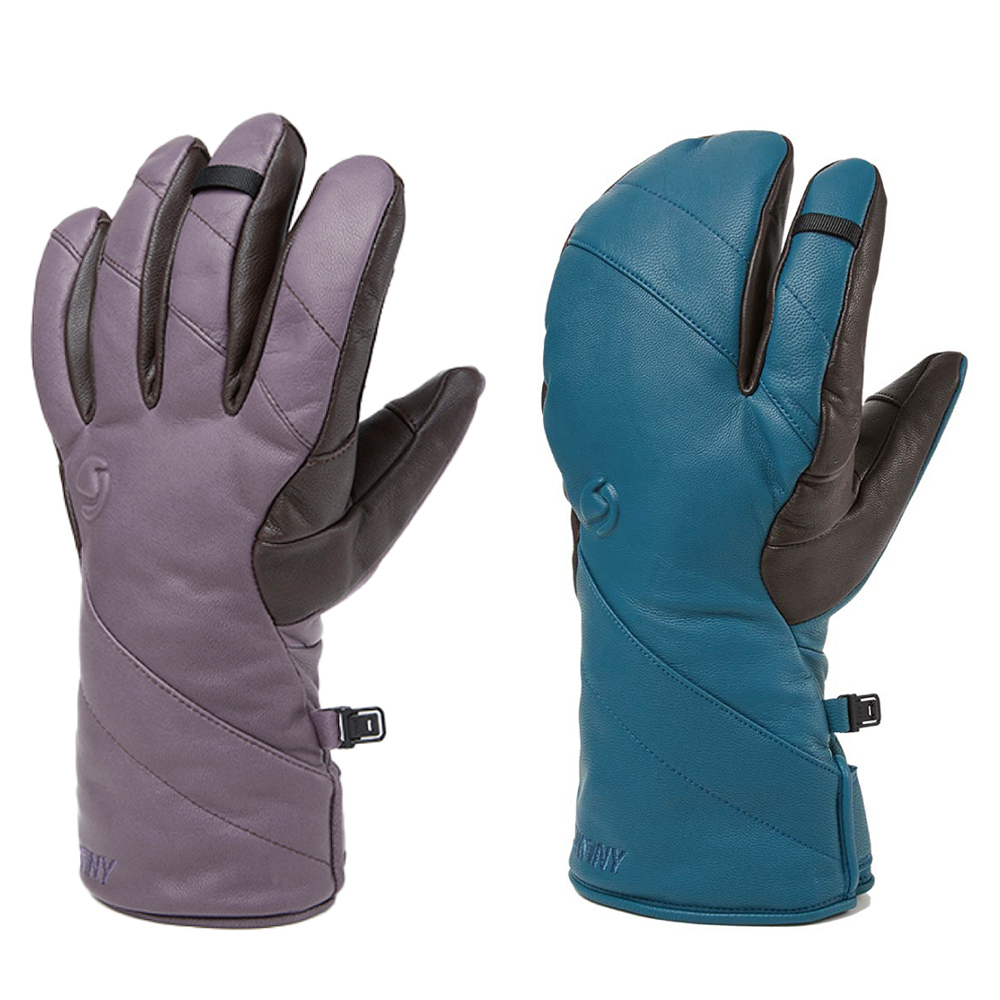

Another glove that's so well-made it's almost difficult to choose the " SX-205 Alaska 3 Finger Swany . The leather is incredibly supple! And the three-dimensional cut, modeled after the natural shape of the hand, makes for an easy grip and excellent finger control! Honestly, in terms of cut and delicacy, these gloves are even the TOPO . The rest of the gloves are also meticulously crafted, and the multi-layer padding provides exceptional warmth. And the reliable GORE-TEX insert. No matter which one you choose, you won't regret it.
What I like about the HESTRA 3004112 TOPO GTX 3-FINGER
- A comfortable feel that you can feel the moment you put your hand in
- Top-level durability, warmth and comfort
What I like about the Swany SX-205 Alaska 3 Finger
- Draped fingertips allow for delicate manipulation
- Multi-layered padding for exceptional warmth and comfort
Best Mitten Gloves: Swany TS-100A Bocco

In terms of heat retention alone, it's impossible to find warmer gloves than mitten (two-finger) gloves, which leave almost no space between the fingers. However, due to the lack of grip and maneuverability, two-finger gloves are unlikely to be used as the main gloves for skiers or winter mountain climbers, with the exception of snowboarders, and are therefore positioned as spare gloves or for protection from the cold in limited situations. As proof of this, most mitten gloves from each manufacturer are models that are positioned specifically for use in polar regions, with enhanced heat retention
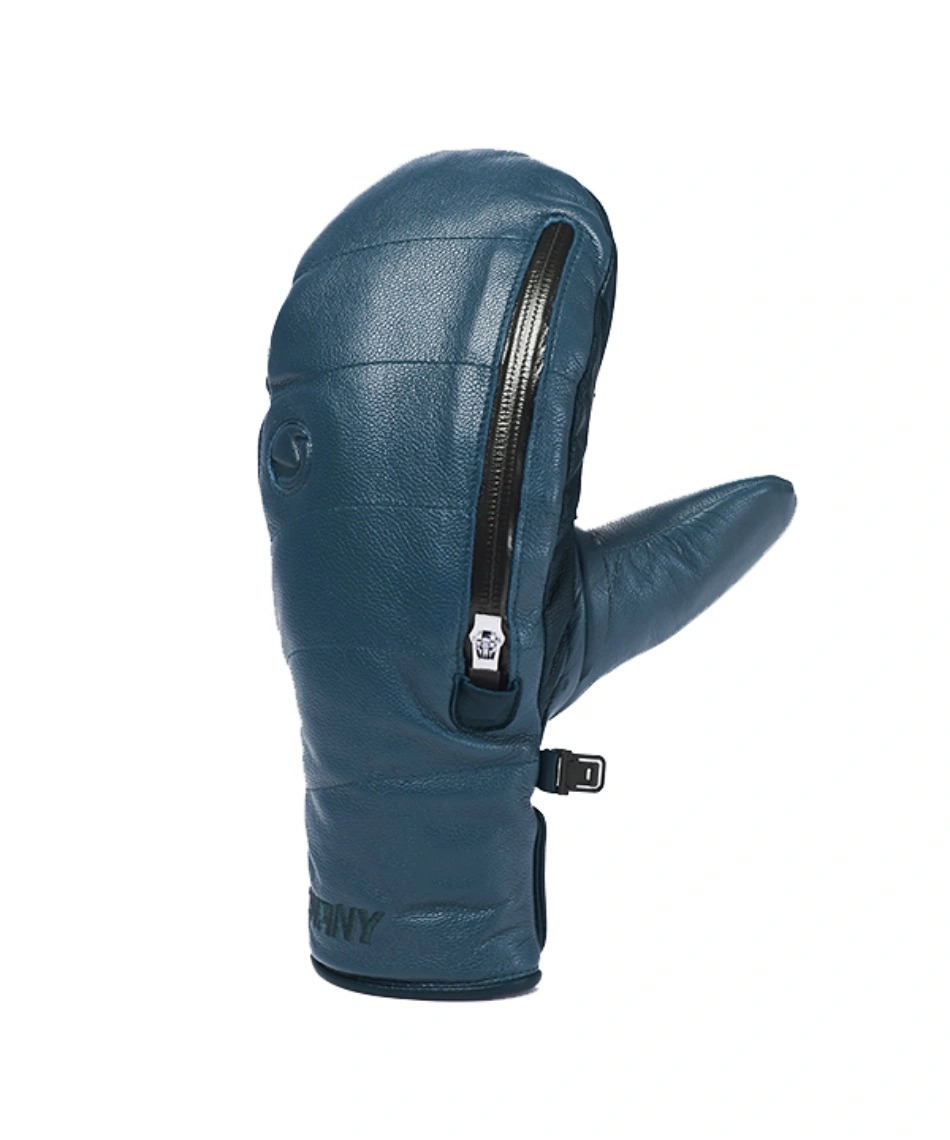
With this in mind, my pick for the best mitten gloves is one that is warm, but also has practical functionality: a "fingertip-accessible" type with a zipper inside the shell for accessing the hands inside
Several brands sell this type of glove, but we chose the Swany TS-100A Bocco because of its excellent heat retention, easy zipper operation, excellent construction, and finally, its reasonable price (as a secondary .
As mentioned in the previous section, the appeal lies in the supple, easy-to-move goat leather and the excellent three-dimensional cutting. The zipper is also not stiff, making it easy to put your fingers in and out without any stress, which is also a plus. Another item, the " mont-bell Powder Zip Mitten ," is also a very satisfying product, with a solid construction that is hard to believe is half the price of the Bocco
What I like about Swany TS-100A Bocco
- High-quality, water-repellent down, a clever baffle structure that enhances warmth while remaining lightweight, and XReflex processing that enhances insulation and heat reflection for superior insulation performance
- It's designed to fit perfectly with your mattress, and it's also practical with features like a compression stuff sack
Best Ski Touring Gloves: Black Diamond Heliotour Gloves
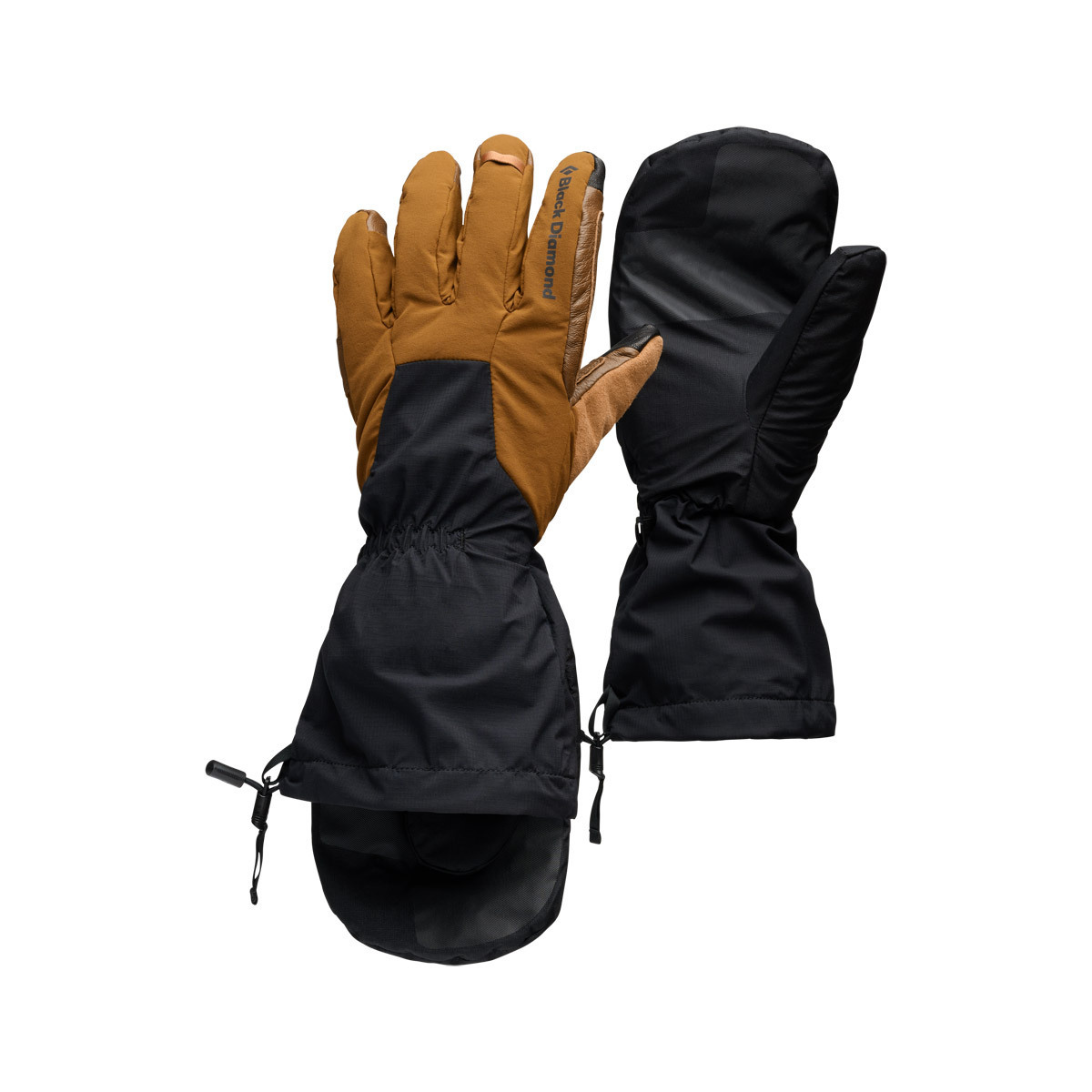
As the ski season enters March, the hours of sunlight increase considerably, and it gets warm enough that wearing just one layer during the day is fine. What's more, when hiking uphill on spring backcountry skis, you'll sweat just as much as you would in spring or summer, and your gloves will become damp with sweat. However, once the sun goes down and the wind starts to blow, spring ski touring (mountain skiing) is like a sudden return to winter. So you'll want to make sure you have the right protection just in case
The best gloves for these tricky seasons are the Black Diamond Heliotour Gloves . They feature a modular design with three components: a stretchy, windproof, and water-repellent soft shell outer layer reinforced with goat leather, a removable brushed soft shell inner layer, and a padded over-hood that tucks neatly inside the wrist. Their "3-in-1 design" allows you to combine these components as needed, and their excellent construction is what makes them so appealing. Use just the soft shell inner layer when climbing, the inner and outer shell layers when the wind picks up or you're skiing, and even add the padded hood when you're waiting patiently for the fog to clear at the summit. This single pair of gloves can handle a variety of situations.
Although not as versatile, other brands' ski touring models include the NORRONA lyngen Windstopper leather Gloves Rab Khroma Tour GTX Gloves for those who want lightweight comfort with excellent warmth and durability .
What I like about the Black Diamond Heliotour Gloves
- "3-in-1 design" that can be combined depending on the situation
- Leather reinforcement on the palm for durability
Best Low-Cost Winter Gloves: Mont-Bell Powder Trigger Finger Mittens
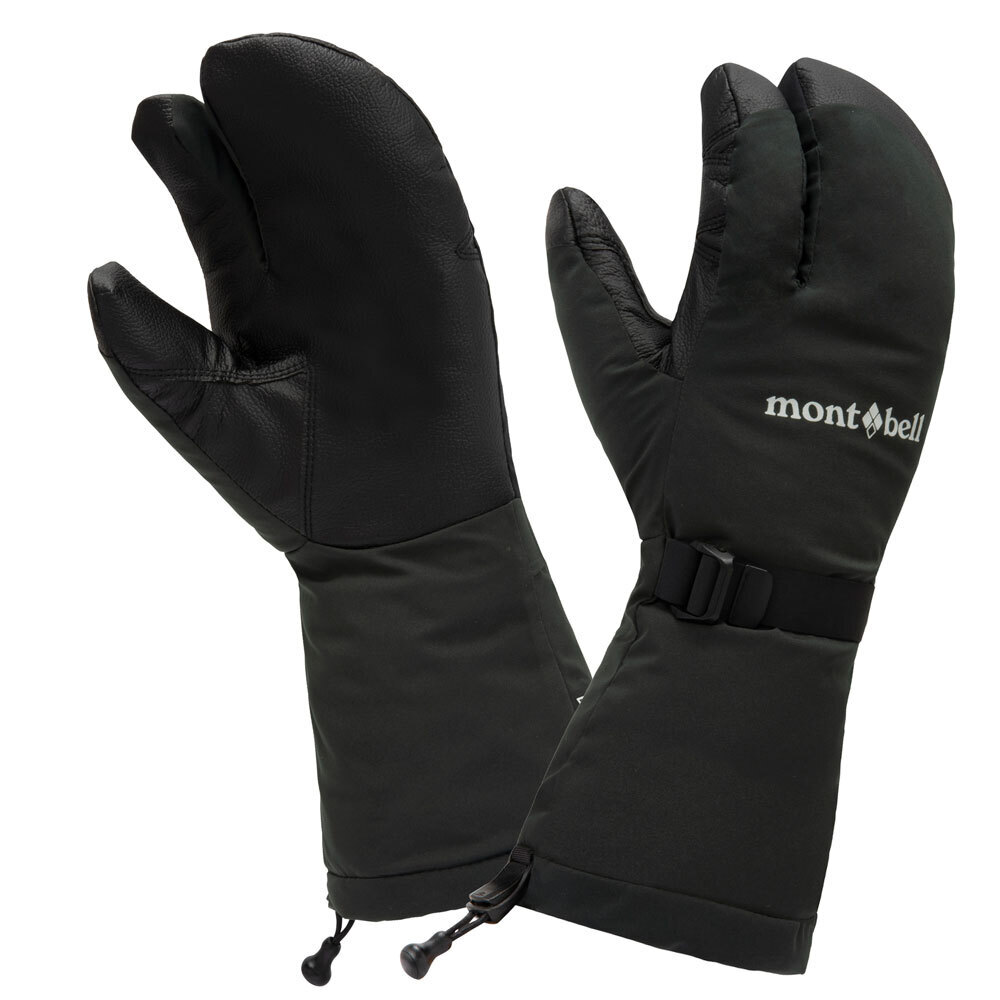
Finally, we will introduce a selection of gloves for activities such as snow mountain climbing and backcountry skiing that are extremely affordable and offer more than the minimum functionality and practicality
First of all, I can say this about Montbell's winter gloves in general, but the balance between performance and price is so bad that it makes no sense. In particular, the " Powder Gloves " for mountain skiing have the functionality you'd normally need for winter mountain climbing, yet are priced at less than 10,000 yen, which is a very reasonable price nowadays.
Black Diamond's Glisade Gloves are also worth considering as they offer slightly less heat retention but are still well-made overall and are reasonably priced
TEMRES , a super-low-priced, cold-weather, waterproof, and breathable glove from Japan that's now becoming a global phenomenon . The fleece-lined winter model is particularly suitable for winter mountain climbing. However, they're not particularly durable, so be prepared to throw them away.
However, recently they have started to become a bit more attractive and the price is not as good as it used to be, but they are still extremely useful as a spare
In addition to the above, all recommended winter gloves and a comparison table of all 177 models are available with a paid membership
How to Choose: 5 Tips for Choosing Winter Gloves Wisely for Mountaineering and Backcountry Skiing
Point 1: Shape - What's the difference between five-fingered, lobster (three-fingered), and mitten (two-fingered) gloves?
Generally, winter gloves are all characterized by their high thermal insulation, but they are divided into three shape patterns depending on the purpose and style. There is no clear superiority to any of these, so the first step in making a smart choice is to understand the advantages and disadvantages and choose the right one based on your preferences and the situation
| type | Five-fingered gloves | Three-fingered lobster | Two-fingered mittens |
|---|---|---|---|
| Reference image |  |
 |
 |
| merit |
|
|
|
| Disadvantages |
|
|
|
| Recommended activities and how to use |
|
|
|

Points to consider when choosing
- If you are purchasing for the first time, it is safer to buy five-finger or three-finger gloves.
- , where dexterity is not required, the three-finger type is warmer and recommended .
- If you want to prioritize dexterity over warmth, choose a five-finger glove. In that case, choose the thickness of the glove by considering the balance between dexterity and warmth .
- two fingers, especially if you have a constitution that makes your hands cold easily or if you expect to spend a lot of time still in low temperatures .
Point 2: Structure - What is the difference between integrated and separate types and which is better?
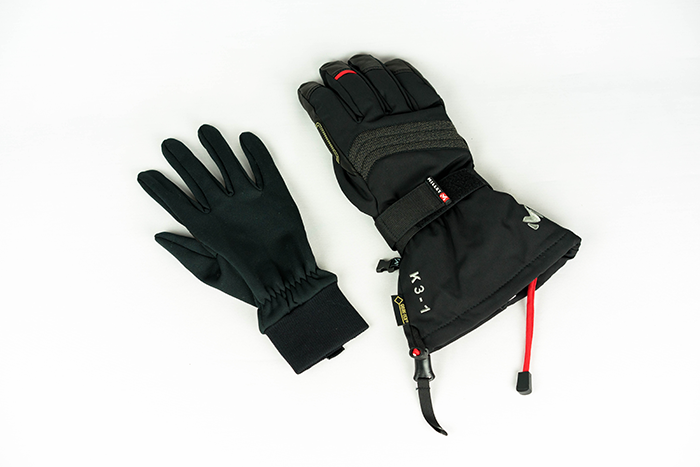
Unlike regular gloves, snow gloves have a multi-layer structure consisting of a liner layer for insulation and a shell layer for wind and water protection, maximizing heat retention, durability, and breathability
Currently, many manufacturers offer gloves that combine these layers in one model, and separate (3-in-1) models that do not. By knowing the advantages and disadvantages of each, you can choose the gloves that are best suited to you
| type | Integrated type | Separate (3-in-1) |
|---|---|---|
| Reference image | 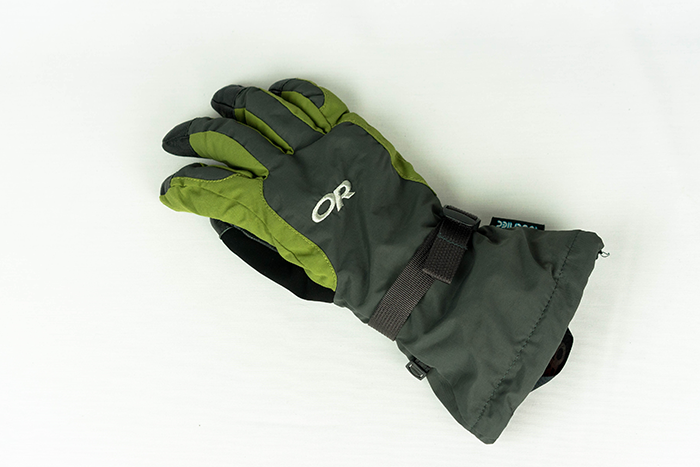 |
 |
| merit |
|
|
| Disadvantages |
|
|
Points to consider when choosing
- If you want to use it for a wide range of purposes and seasons, we recommend the versatile separate type .
- If you need more dexterity or prioritize simplicity, we recommend the all-in-one type, which is easy to use and carry .
*Many basic models, including those for skiing on the slopes, are all-in-one, so in that sense, not all all-in-one gloves are designed with advanced and delicate finger movements in mind.
[Additional Information] Is it necessary to use inner (liner) gloves even with one-piece gloves?
One-piece gloves can be worn with bare hands, but doing detailed work with bare hands in sub-zero temperatures is a no-no . Touching snow will quickly remove body heat, and touching metal or other surfaces can cause the skin on your fingers to stick to them, resulting in injury. In that sense, even if you use one-piece gloves, it's safer to always have thin inner (liner) gloves on hand.
What's interesting here is that people "wear their innerwear at all times" and those who "keep it in a pocket ." One shop clerk explained that even if it's a one-piece jacket, the innerwear will be worn at all times, so you should choose the size with that in mind. On the other hand, one guide cited the example of a customer who suffered frostbite because he had been wearing wet innerwear for a long time after working, and recommended that you put on an innerwear each time you work. There are pros and cons to both approaches, and neither is wrong. The outdoors is about each person taking responsibility for avoiding danger using their own approach. Use a variety of information and experiences to find your own way of doing things .
Point 3: Liner (Inner, Heat-Insulating Material) - Which padding material is best?
The insulation material used in the liner (inner part) of snow gloves has a major impact on their warmth. With the exception of some gloves for polar regions, the materials currently used in liners are a wide variety of approaches, including synthetic insulation, fleece, the ever-popular unbleached wool (such as Hungarotex), and blends of these
The heat retention capacity of snow gloves varies greatly not only depending on the quality of the material, but also on the volume (volume) of the material. For this reason, it is not possible to determine which is the warmest, which is one of the difficult aspects of choosing snow gloves
Of course, in addition to heat retention, the feel, fit, thinness, and other aspects of comfort that can only be determined by actually trying them on are also important selection criteria
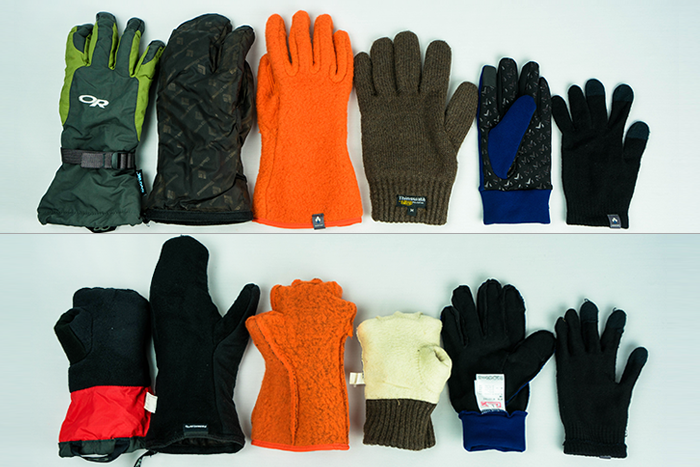
Not only is it important to keep you warm, but it also comes into direct contact with your skin, so comfort and a good fit are important. We recommend trying it on to avoid any regrets
Points to consider when choosing
In reality, the strength of this effect varies depending on the manufacturer and model, but I will summarize what I can say from experience
- Wool liners have a long history of reliability and provide good warmth, but they tend to feel stiff and don't fit well .
- Fleece liners offer a good balance of warmth, quick drying, and a comfortable fit, prioritizing comfort .
- Synthetic insulation is the most rapidly evolving field, with improvements in warmth, lightness, and feel coming in every day. However, due to its thickness and the smooth surface of the liner (in the case of separate types), it is somewhat difficult to work with intricate details .
[Additional Information] You can also choose to prepare your own inner gloves separately
Some people like to always use their favorite inner gloves, no matter what gloves they are wearing. This has the advantage that the fit and feel will remain consistent no matter what gloves you use. However, be sure to check the fit when you purchase the gloves by wearing the inner gloves
Point 4: Shell layer (outerwear) - Waterproof, breathable, dexterity, durability, and many other things to consider
The basic idea of layering is the same for gloves. The shell layer, which is your contact point with the outside world, must be highly windproof, waterproof, and cold-resistant above all else in order to maintain warmth.
Furthermore, to protect your fingers from frostbite, it is absolutely necessary to avoid getting your gloves wet, so breathability, which expels moisture and water, is equally important. For this reason, the shell of winter mountain gloves must be made of waterproof and breathable fabric at the same level as that used in rainwear and hard shells
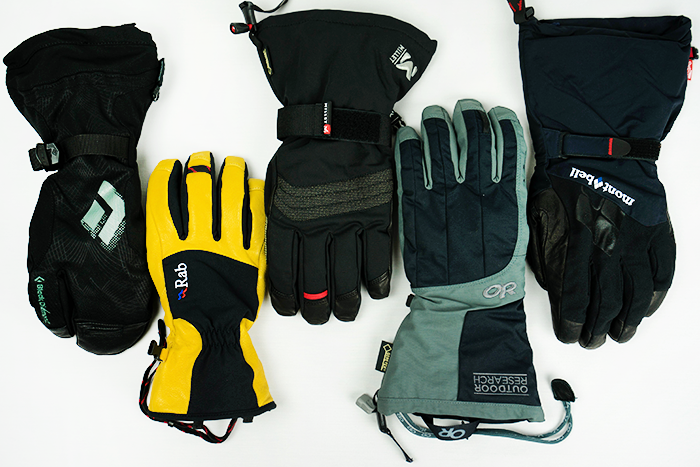
By looking at the reinforced parts, you can tell which field the gloves are suitable for, such as skiing gloves with reinforcement in the area where you grip the poles, climbing gloves with protection on the back of the hand, and leather reinforcement to prevent wear from rope work
Another distinctive feature of glove outer layers is that they are not only weather-resistant, protecting against wind, snow, and rain, but are also reinforced in various places depending on the purpose, so that they can withstand physical obstacles such as friction with rocks, ice, and ropes. This is optional, but if you're doing a style that involves ropework, be sure to get gloves that are fully covered in durable leather all the way to the sides
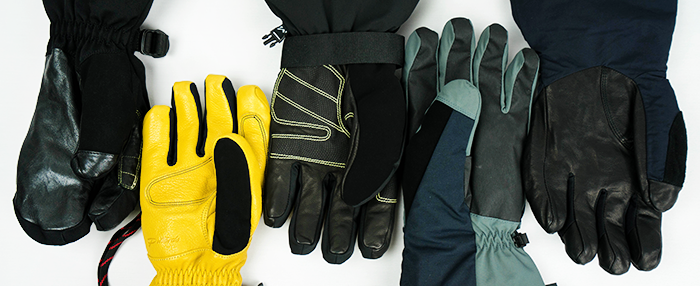
The palm is the part of the hand that is most susceptible to wear and tear, and leather is the most commonly used reinforcement material. Durability varies depending on the type of leather and whether it is double-layered or not
Additionally, gloves specifically designed for backcountry skiing may have a three-dimensional cut to improve grip on the poles, or may have extra reinforcement in the grip area, making them more suitable for skiing. These models may not be necessary for other uses, so be sure to check the shell shape and reinforcement
Points to consider when choosing
- For shell layers, we recommend models that are not just waterproof, but also made with sturdy waterproof and breathable material
- Even among waterproof and breathable materials, each has different strengths, such as durability, flexibility, stretchability, and breathability , so choose a shell that is as suited to your activity as possible.
- The palms and around the fingers are particularly vulnerable areas that can easily become loose or worn out (in a year at worst), so choose a durable model that is reinforced with leather or other materials .
Point 5: Pay attention to other small features
Should the cuffs be long or short?
Long glove cuffs prevent snow from getting in between the gloves and your clothing. In areas with heavy snowfall, such as Japan, where there are many opportunities to break through heavy snow, there is a high risk of snow getting in between the wrists due to large movements, so these long cuffs are a more useful feature than you might imagine, depending on the purpose .
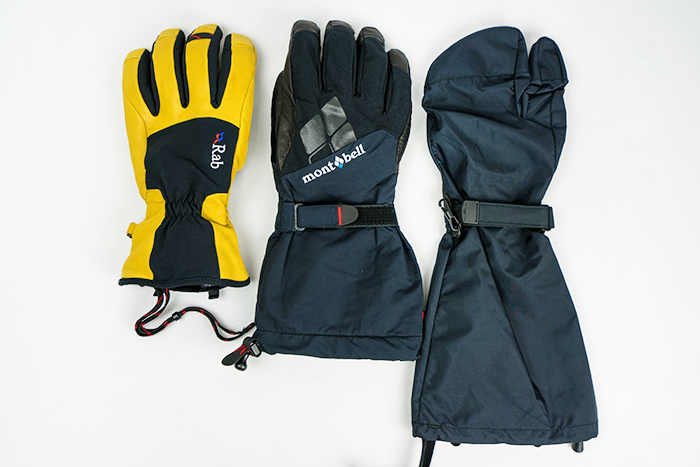
The long cuffs and the drawcords that tighten the sleeves almost completely shut out snow, but the downside is that they can be a pain to put on and take off
On the other hand, there are many models of gloves for backcountry skiing that have extremely short sleeves that can be tucked under an outer layer. This is because they are not designed for shoveling snow while breaking snow, and prioritize ease of putting on and taking off, storage, and design. It's best to choose which is best for you and your purpose
Touchscreen compatibility is convenient
Using smartphones while hiking has become commonplace in recent years. However, in winter, you have to take off and put on gloves every time, which creates small but significant risks, such as exposing your hands to the cold and losing your gloves. Being able to use your smartphone without removing your gloves reduces the risk of frostbite and losing your gloves, and also saves time . It's not an absolutely essential feature, but it's better to have it be easy and safe.
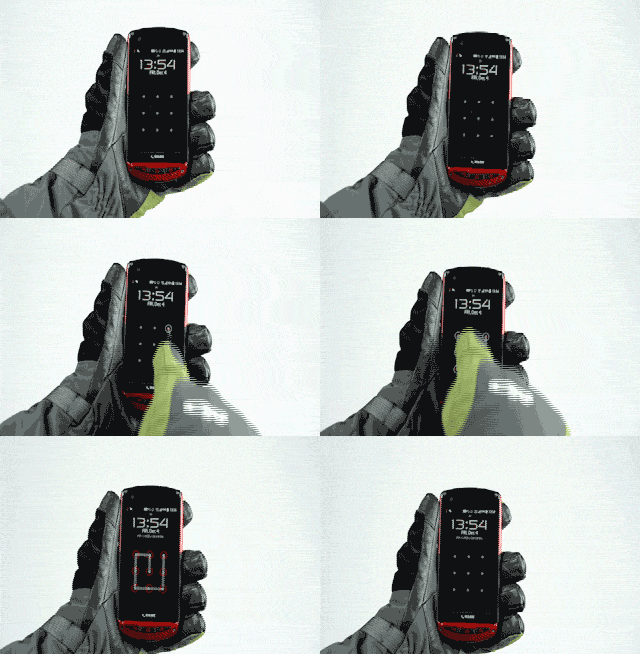
Not only can you operate your smartphone with inner gloves, but now there are many gloves available that allow you to operate your smartphone while wearing your outerwear, as shown in the photo
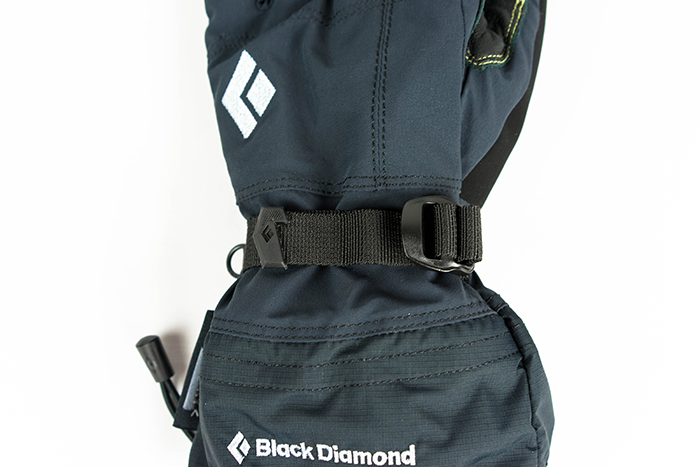
Velcro drawcord for wrist adjustment
Velcro or drawcords are used to adjust the tightness of the wrist to improve the fit and prevent cold air from getting in. Some gloves have rubber built into the wrist area that provides just the right amount of tightness, and it's now difficult to find gloves that don't have any of these features. However, just in case, make sure that your gloves have some kind of feature .
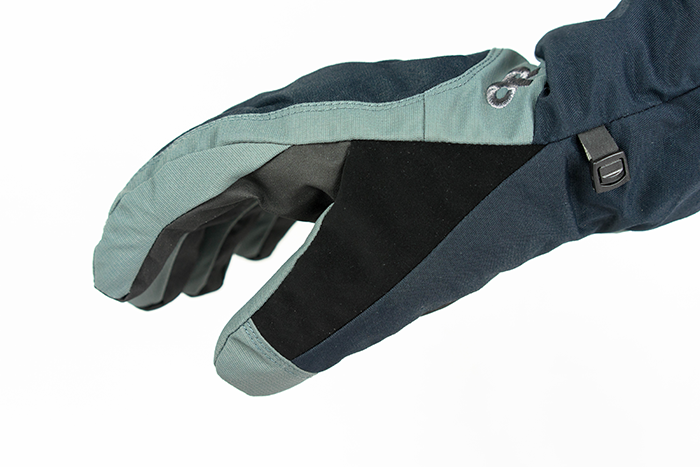
Nose (goggle) wiper
Some snow gloves have a suede-like raised fabric placed on the back of the thumb. This is used to wipe snow and water off goggles and to wipe your nose. However, I've never found it particularly useful, and I've even had some experience with them getting worn out and worn out from constant use, so it's a feature I don't really care about.
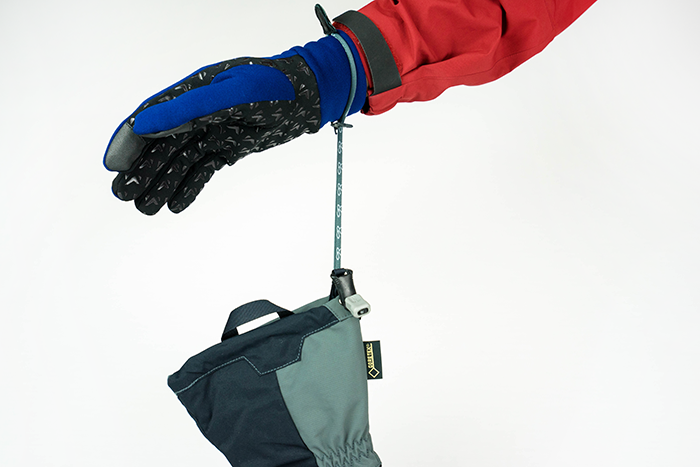
Leash cord (water stopper)
This is a surprisingly important part. When working with snow gloves, you often have to remove your outer layer in strong winds, and if you're not careful, the gloves can easily fly away in an instant. To prevent this, a string called a leash cord is important , and it's basically a thin cord or elastic string that ties the glove to your wrist. It's of course convenient if one is included from the start, but even if it isn't, there should be a ring for attaching it, so if you don't have one, make one yourself and be sure to wear it when you're out and about .
Summary: Choose warmth, strength, and other characteristics according to the purpose and occasion
Winter gloves are an important piece of gear to protect your hands, which are the most susceptible to getting cold, when out in the mountains in winter. It's important to choose the right pair that has the right insulation for the season and the location you're going to, as well as the durability and functionality for the activity you're doing. Use this review and tips on how to choose to find the perfect pair for you
Related reading