


This content is brought to you with the cooperation of the Japan Gas and Kerosene Equipment Industry Association
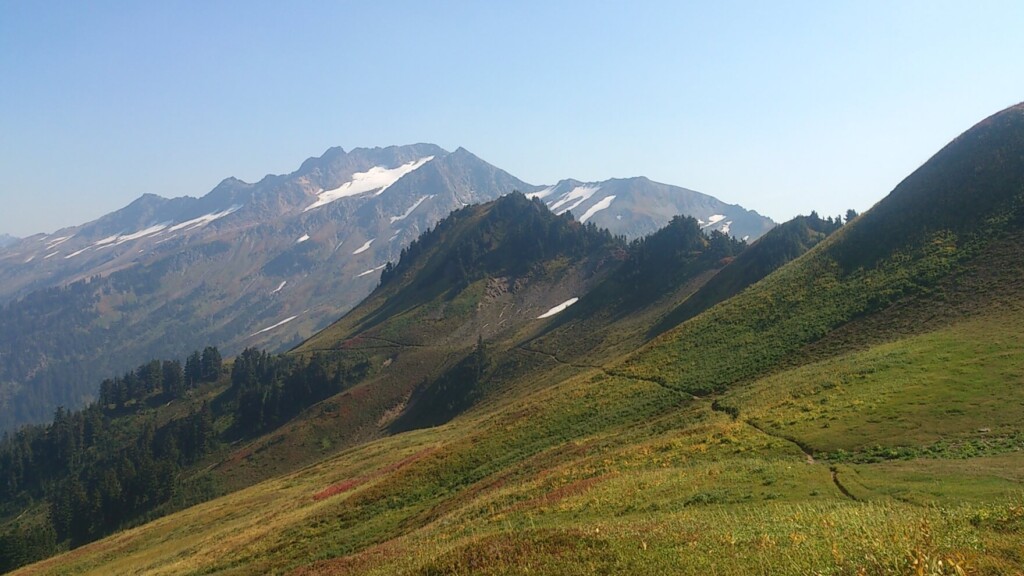

Since I was a child, nature has been my favorite playground
When I returned to my hometown of Yamagata, I happened to come across an overseas documentary program
Seeing young people attempting to hike the 3,500km Appalachian Trail in North America,
For some reason, I had a feeling that I might end up there too
Two years later, I found myself standing at the entrance to this trail, which at the time was only walked by a handful of Japanese people
Since then, he has continued to walk uncharted territory to spread the word about the appeal of walking on trails
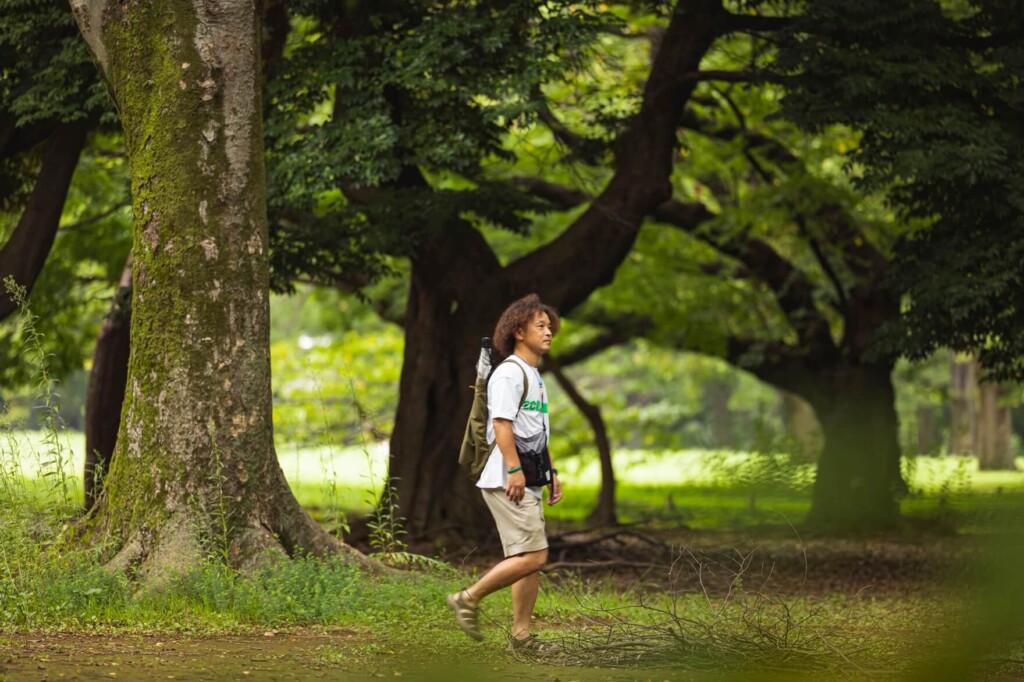

Why do I keep walking?
What is the best part of a through-hike?
What did they prepare and how did they continue their journey from scratch?
What do you consider when choosing travel gear?
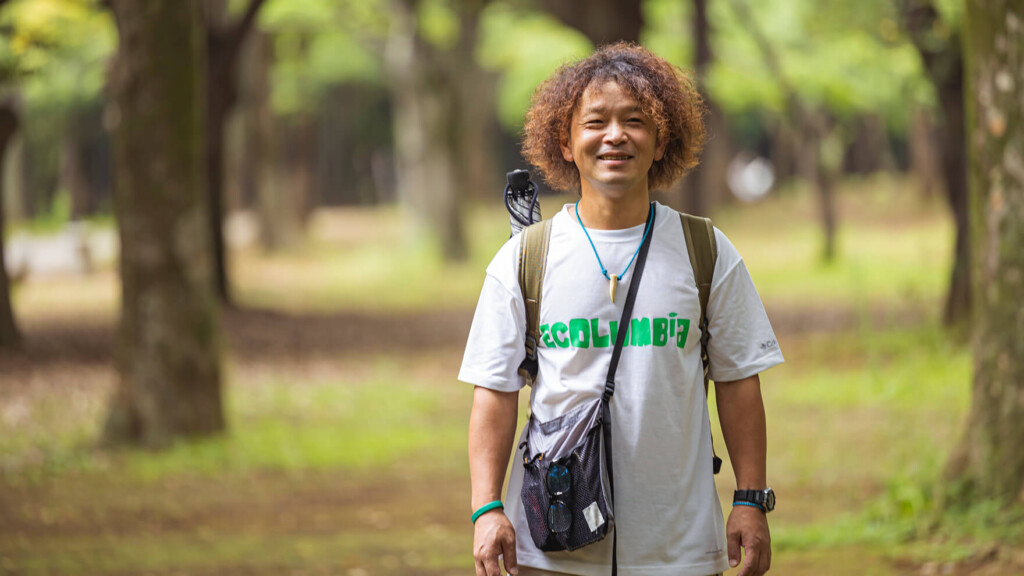
We spoke to Masafumi Saito, a professional hiker who has completed long trails all over the world, about walking on trails, trail culture, and how he discovered his gear
table of contents
- A Yamagata outdoor enthusiast is led to the North American Long Trail
- And the Appalachian Trail
- Noriyoshi Kato taught me how to approach the trail
- When choosing tools, it's best to choose the bare minimum for yourself plus a little extra
- Mr. Saito's way of discovering your own tools
- For hikers heading out on the trail, here's what you need to remember if you're using a combustion appliance:
A Yamagata outdoor enthusiast is led to the North American Long Trail

I was born in Shinjo City, Yamagata Prefecture. My father was a Japanese National Railways employee, so he was transferred a lot, but he eventually said, "I don't want to go back to a place with a lot of snow," and we settled in Kaminoyama City, where we live now. My father loved mountains, fishing, and motorcycles, so I was heavily influenced by him. Ever since I was a child, I would ride on the back of my father's motorcycle and go to the mountains to pick wild vegetables. I did all of those things, haha
I came to Tokyo as a student and got a job there for a while. However, when my father passed away, I decided to move back to Yamagata because I was the eldest son and had a younger sister who was in high school at the time. From there, I returned to a life of motorbikes, fishing, touring, camping, and hiking
Then, one night, I happened to come across a documentary about the Appalachian Trail, I think it was on BBC or something. It followed several hikers, and there was a scene where a young hiker was starting out on the Appalachian Trail. "I'm going now," he said, and as I watched him walk down the trail, I don't know why, but I had a premonition that "I feel like I'm going somewhere." At least that image has stayed in the back of my mind ever since. That happened in 2003
Later, when my sister got married and I was being transferred to another location at the company I was working for at the time, that premonition suddenly appeared before my eyes again. I thought, "Hey, maybe now is the time to go?" When I talked to my relatives, colleagues, and friends about it, they all encouraged me, saying, "That's just like you," and my sister simply said, "I think it's okay (because you've worked hard up until now)." I no longer had any doubts

I set off for North America in 2005. At the time, the term "long trail" was still almost completely unknown, and I think there were probably only about five Japanese people who had walked a long trail.
And the Appalachian Trail
On my first trip, I knew next to nothing. I didn't understand much English, and I didn't know where to start when ordering materials, so I was fumbling around with everything. Fortunately, Amazon.com existed, so I managed to get a guidebook. So, I decided that I would just prepare before leaving, and then I would have to get everything else I needed when I got there, leaving it all up to luck


The New Hampshire-Maine border in the mountains
Then, by chance, a hiker who happened to be at the same bus stop said to me, "It'll be cheaper if we split the cost, so let's go together." From then on, he walked with me for about three days. He introduced me to other hikers and always taught me things like, "This is how you do things" and "This is what you should eat on the trail." We parted ways because we were at different speeds, but after that I met various section hikers (hikers who walk only a section of a long trail) in various situations and they were really kind and gave me advice like, "In America, it's dangerous to make eye contact with bears, so it's better to wear sunglasses. Buy some in the next town," or, " Crocs are really convenient, so you should try them out ( at the time, Crocs hadn't yet been imported to Japan and become popular )."
The internet wasn't very developed back then, so the "registers" ( contact books for hikers to communicate with each other ) left in shelters along the trail were also a valuable source of information. They would say things like "This pizza in this town is good" or "This pizza at this restaurant is terrible." If there was information about a good pizza, everyone would walk along shouting "pizza, pizza" or "Beer, beer." Looking back, it was a time when people were united by a shared love of nature, and such simple encounters were possible in nature ( of course, this doesn't mean you can rely on others to get onto the trail ).
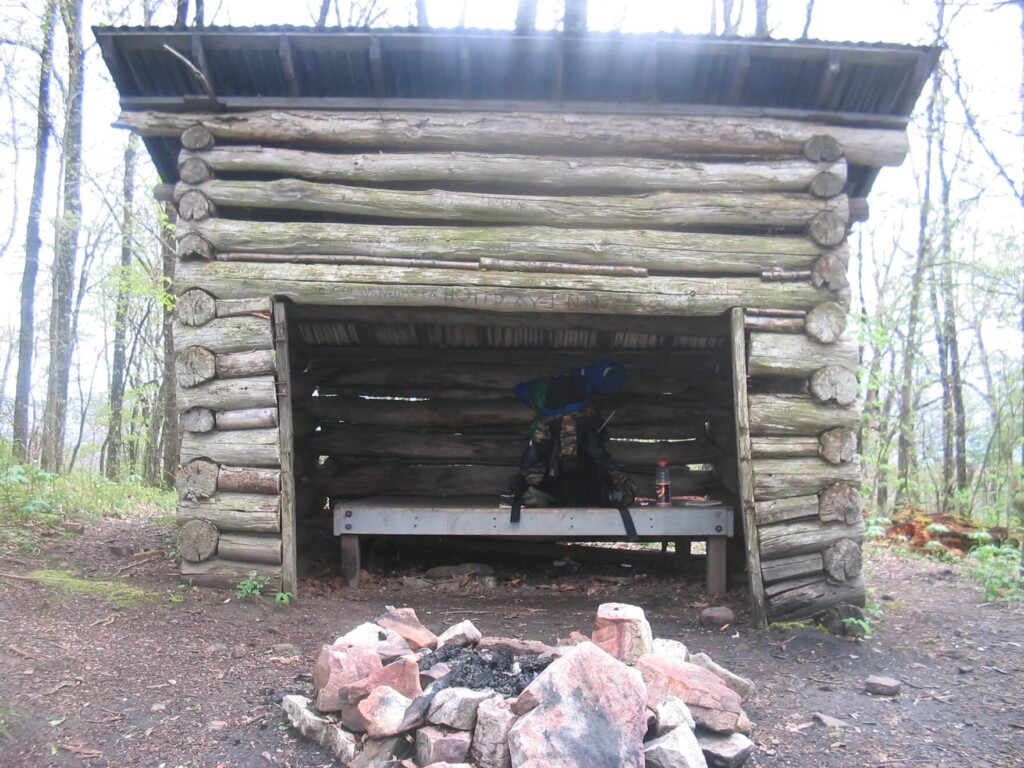
A small shelter for two people
But this is actually part of the Appalachian Trail's charm. You can come into contact with a variety of communities in a variety of situations, and you can continue walking through nature while being showered with encouragement and support from many people and lots of trail magic ( a general term for lucky coincidences on the trail and wonderful, once-in-a-lifetime encounters ), and in the end, everyone reaches the finish line together. This experience can make you fall in love with trails, and make you think, "Okay, let's do the PCT (Pacific Crest Trail) next." In that sense, the Appalachian Trail is a low-key but ideal first trail to tackle in the United States.
Noriyoshi Kato taught me how to approach the trail
It was on the Appalachian Trail that I met Noriyoshi Kato
My backpack broke on the way, so I ended up having to stay in a certain town. I went in the store as soon as it opened early in the morning, and after about three hours of packing and unpacking my belongings, I finally bought the biggest backpack at the first store, repacked everything, and as I was about to leave and opened the door, I thought I passed someone who looked Asian, so I turned around and it was Kato. We both asked each other, "Mr. Saito?" "Are you Mr. Kato?" It turns out that Kato had also lost his map and had stopped in this town by chance. So we decided, "Since we're here, let's have some pizza."
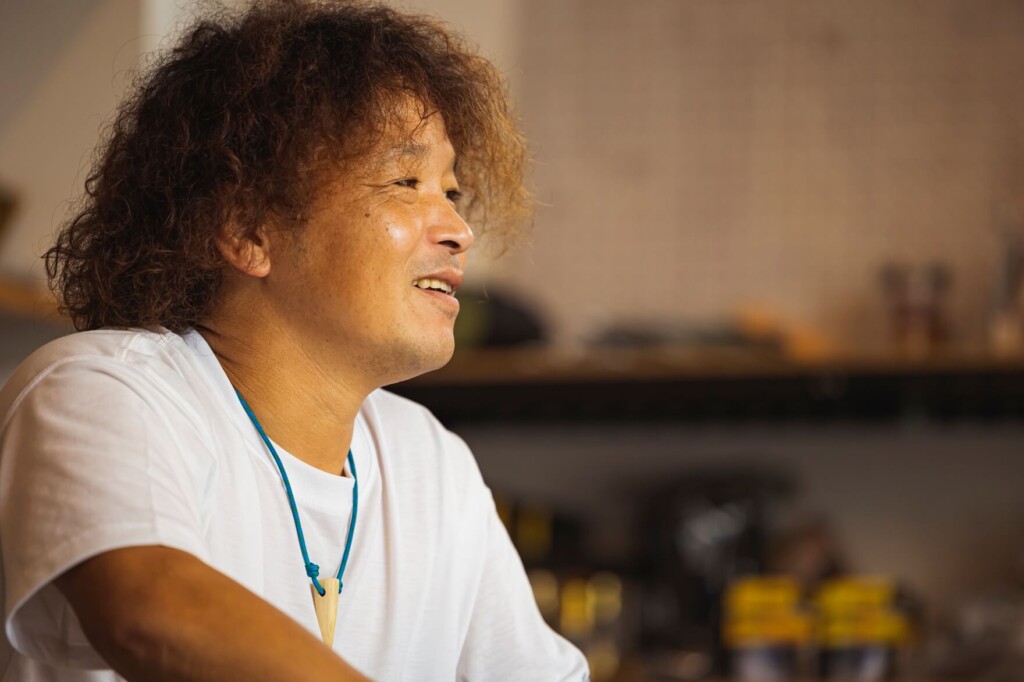
Noriyoshi Kato, who was a leading thru-hiker at the time, and I had just met him by chance in town, and we chatted over pizza. There was so much going on that I don't remember it all clearly, but what I do remember is that Kato said that walking this trail would give him a glimpse into American society. That's why he wanted to approach the trail from this angle. My low level of awareness at the time meant I couldn't understand a word of it, but I still remember how passionately he spoke. In fact, when we met again after that, he told me the same story, and it was a refreshing inspiration to realize that even though we were walking the same trail, he was looking at the world from a completely different perspective than I was. Although, I don't think I understood it all that well at the time

But now that I've decided to carry on Kato's legacy, what he said really hits home when I'm walking the trail. The stories I'd heard on the news from Japan, but when I actually meet people from all kinds of backgrounds on the trail (I meet a truly diverse range of people on the trail), I realize that there are many different perspectives and that things aren't simply black and white. Neither is correct; both are real. For me, the act of walking the trail is of course about the satisfaction and sense of accomplishment I get from venturing into nature, but it's also just as important to come into direct contact with all kinds of people on my journey and experience a reality that is different to the knowledge I get from watching the news on TV
In that sense, the Michinoku Coastal Trail is one of the trails in Japan that I highly recommend you walk. If you actually walk through the area, which is said to have recovered from the earthquake disaster, including in nature, rather than just admiring it from afar and then walking back, you'll be able to see the true nature and atmosphere beyond the processed information that's reported on television. You can't really understand the distortion and strangeness of the endless high seawalls unless you actually go there and see it with your own eyes, and I really want people to feel that strangeness more. I think it would be great if you could actually experience the site and hear the voices of various people and understand it well through your own filter

Before he passed away, Noriyoshi Kato often said, "We've entered an age where you can be born and die without ever having any direct contact with nature." While some people might be okay with that, I vaguely hoped to provide an entry point for those people to appreciate the value of nature, one that would make them think, "Maybe I should take a little trip into nature." If people could even begin to realize the comfort and irreplaceable value of nature that lies dormant in humans as living beings, perhaps they could understand the feelings of non-human creatures a little better. I think that if more people like this were to emerge, things would become more normal. "I hope that one day it will become commonplace to see foreign hikers walking Japan's trails." Kato often talked about this even before he fell ill. I hope that hikers will hike in all three seasons, not just in Japan, where there's powder snow
When choosing tools, it's best to choose the bare minimum for yourself plus a little extra
I try to choose equipment that is as light as possible when I take it on the trail, but in the end I end up carrying a lot of stuff, so the overall weight of my backpack is not light at all lol
Especially when it comes to sleeping gear, I don't think about weight limits, I just want to ensure that I'm comfortable enough. When walking long trails, you need to fully recover your strength while you sleep. Rather than skimping on weight and sleeping in the cold, I would definitely rather bring something warmer, even if it's over-spec
Some hikers change their equipment along the way to achieve their goal. This allows them to walk faster with lighter gear and increases their chances of success. However, for me, I think that a hiker is someone who sticks with the same equipment from start to finish, even if it doesn't increase my speed. I want to enjoy the act of adapting to nature, or rather, I want to enjoy being immersed in nature. In that sense, the concept of my equipment list is more like "the bare minimum for me" rather than the bare minimum (lightest)
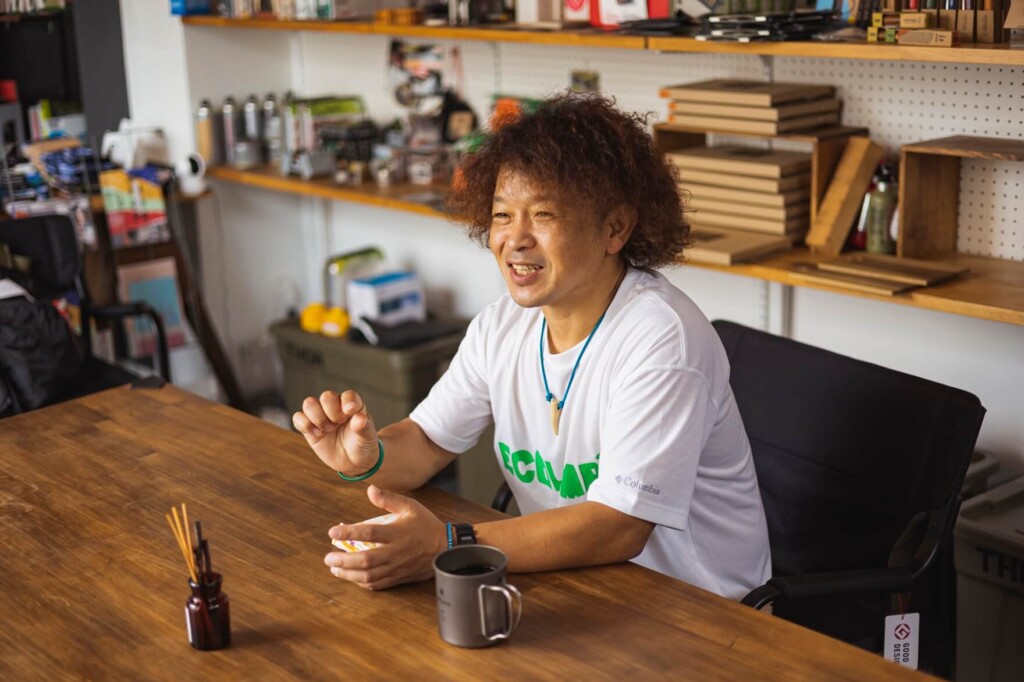
When walking the trail, there are quite a lot of people who have their own preferences, and there are quite a few people carrying things that at first glance make you wonder, "Why are you carrying that?" But on the other hand, this can be helpful, and encountering the preferences of other hikers is one of the joys of traveling
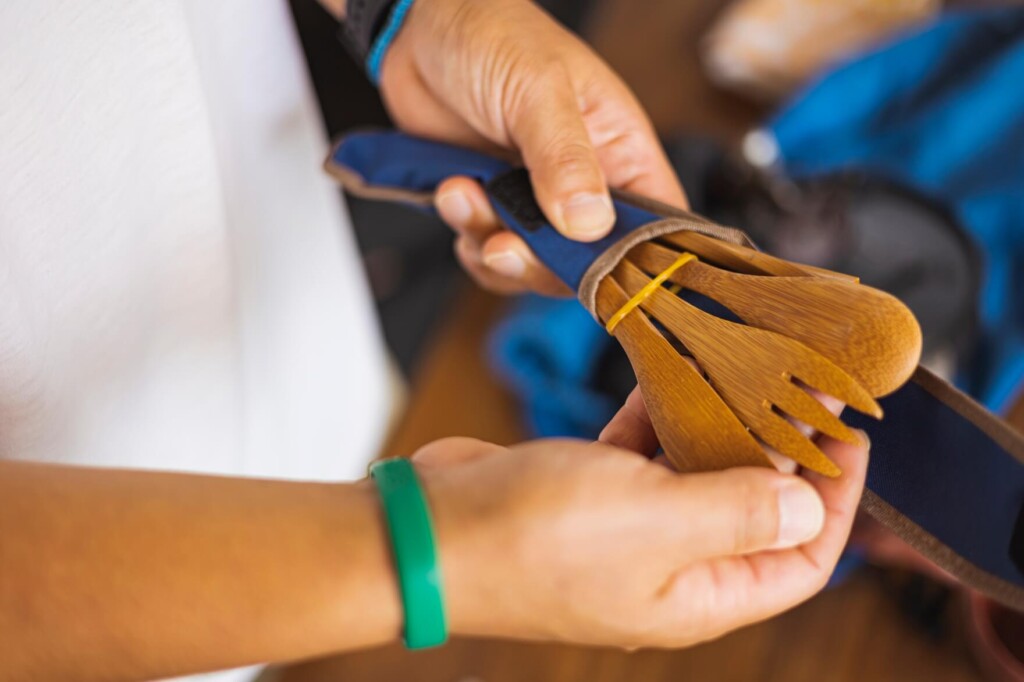
For example, in my case, I've been using bamboo cutlery now available in Japan ) that I came across by chance in a town called Ashland in 2012. At first glance, it's bulky, not light, and may not seem very functional, but it's simple, easy to use, and makes spreading butter incredibly easy. It's been a big hit with toast, bagels, and English muffins over there. And the bamboo material just feels so good when you're using it. Of course, it would be better if it was lighter and more compact, but for me, I just don't like the feeling of cutting things up with a flimsy spoon when I'm trying to relax.
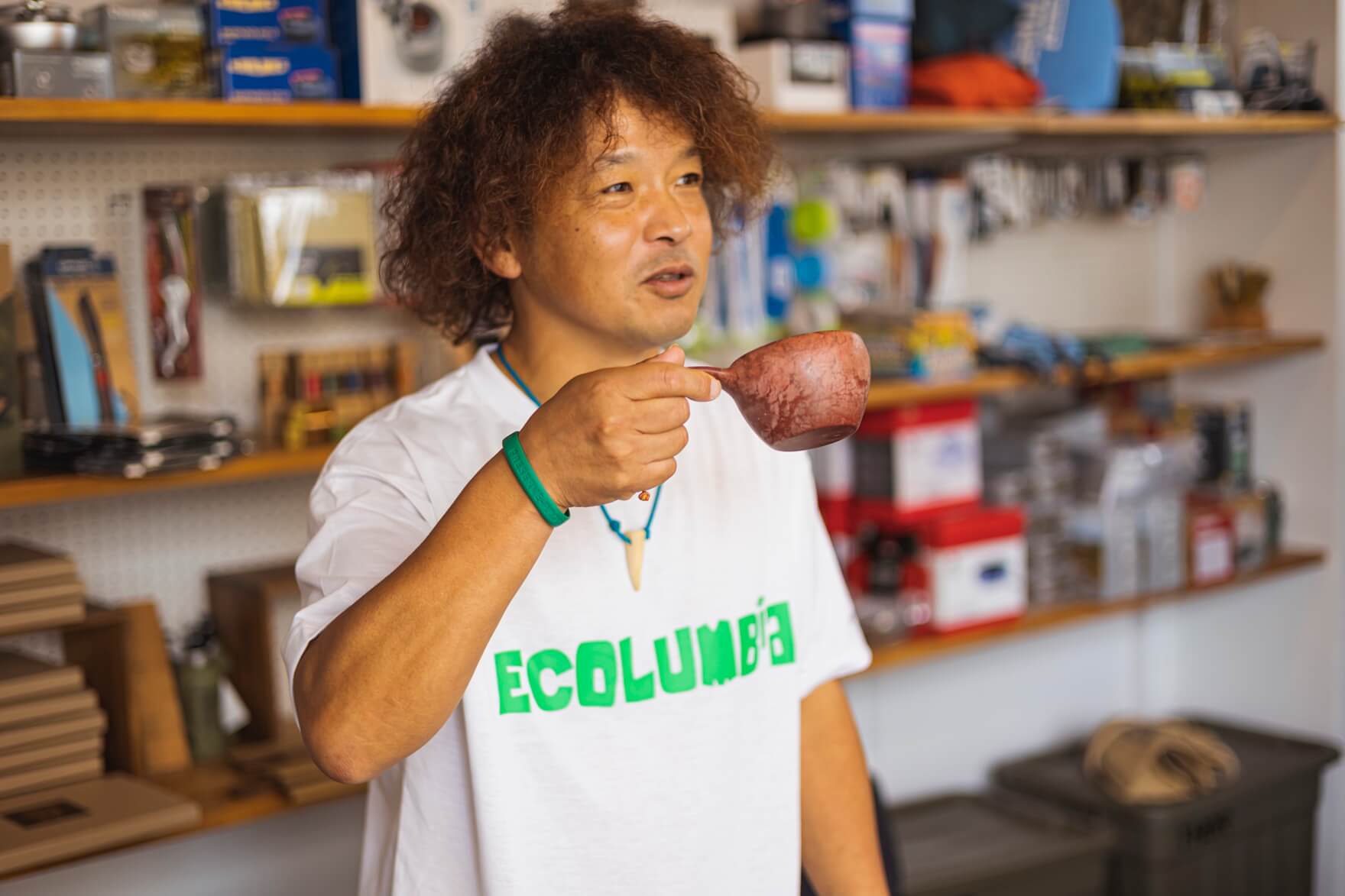
this Kupilka cup ?", but when I use it to keep warm and drink coffee, I feel a sense of comfort, like, "Ah, I'm drinking." It's a small thing, but it's precisely because the backcountry is such an extraordinary space that I don't want to give up my everyday life. By retaining even a little of my everyday life, I can release tension and be myself. These things pile up and my luggage grows, but they're important when I'm walking the trail for a long time. If a different cup can make coffee taste better, then this one is better! I can't help but think that.

Unless the purpose of your trip is "speed," I don't think "lightness" is the only right thing. So when it comes to things you can't compromise on, you should prioritize what you like (after satisfying the necessary performance requirements). I think that's where a person's individuality comes out. For example, if you can tolerate the cold, you can choose a thinner down jacket, and if you don't like the cold, you can choose a thicker one or bring an extra layer
I don't think that luggage and equipment should follow a textbook at all. At least that's my style. There's no "this is the right answer," but rather I think that "the bare minimum, plus a little extra" that suits your body is just right. Ultimately, my style may look normal to others, but of course, that's different for each person. I think that what you choose, and whether it ends up being ultralight or classic style, is something that you can just think about in hindsight
Mr. Saito's way of discovering your own tools
Because I was in an era of limited information, I didn't have a reliable, smart list from the start when it came to choosing my gear. It was a case of trial and error, and the accumulation of real-life experiences, including failures and discoveries through once-in-a-lifetime encounters. It sounds cool when you put it into words, but in reality, it's difficult because there are so many unexpected things. During the Appalachian expedition, I changed my tent for a hammock tent, and I bought three pairs of shoes in total. I broke four backpacks and had to replace them
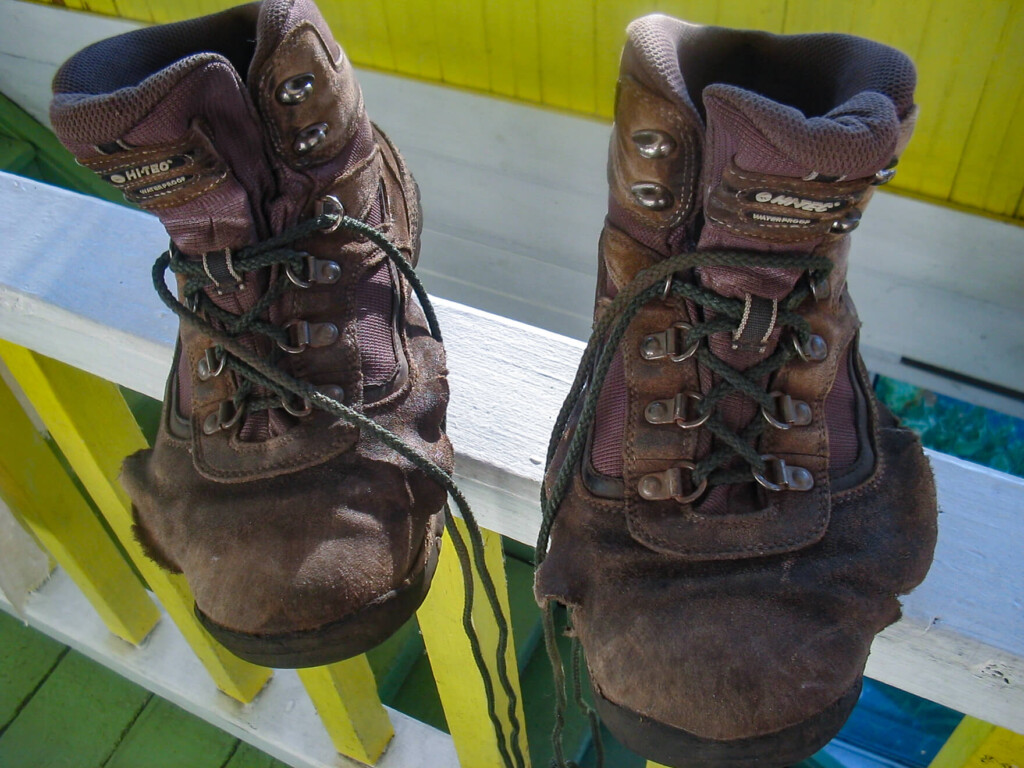
Second Pair of Boots (New Hampshire)
I don't have a particular preference for stoves; I've always chosen the fuel and model that suited the era and the trail. When I started hiking trails in 2005, outdoor gas cartridges were hard to come by, so everyone used alcohol stoves. But by 2012, the only people using alcohol stoves were people like me who had been hiking for a long time, and gas had become the mainstream fuel. At the time, I really felt the generation gap. It's probably because gas is much easier to obtain than it used to be, but the situation is constantly changing, with some areas now banned from using alcohol due to its risk of causing wildfires
When I walked the CDT (Continental Divide Trail) in 2013, I tried out a variety of products while I was there, and ultimately chose SOTO's gasoline stove (Muka Stove). This stove can use regular gasoline as fuel, and I thought it was the most versatile in the US, considering how easily available the fuel is. I used it for both the CDT and New Zealand
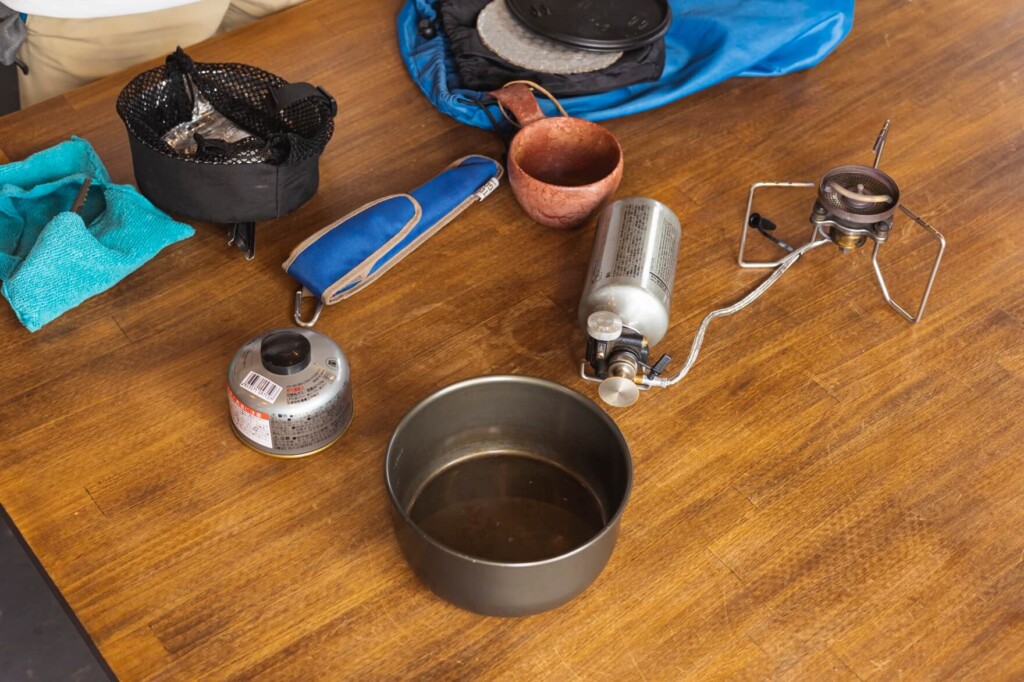
The next time I went to Australia, I was in trouble because gasoline was hard to come by. So I quickly made do with a gas burner, and then I started using the latest model that can be used with both gas and petrol. Gasoline is still cheaper than gas, so this model that can be used with both is still my first choice. In this way, I don't stick to one firearm, but try to use what is best for each era and each trail
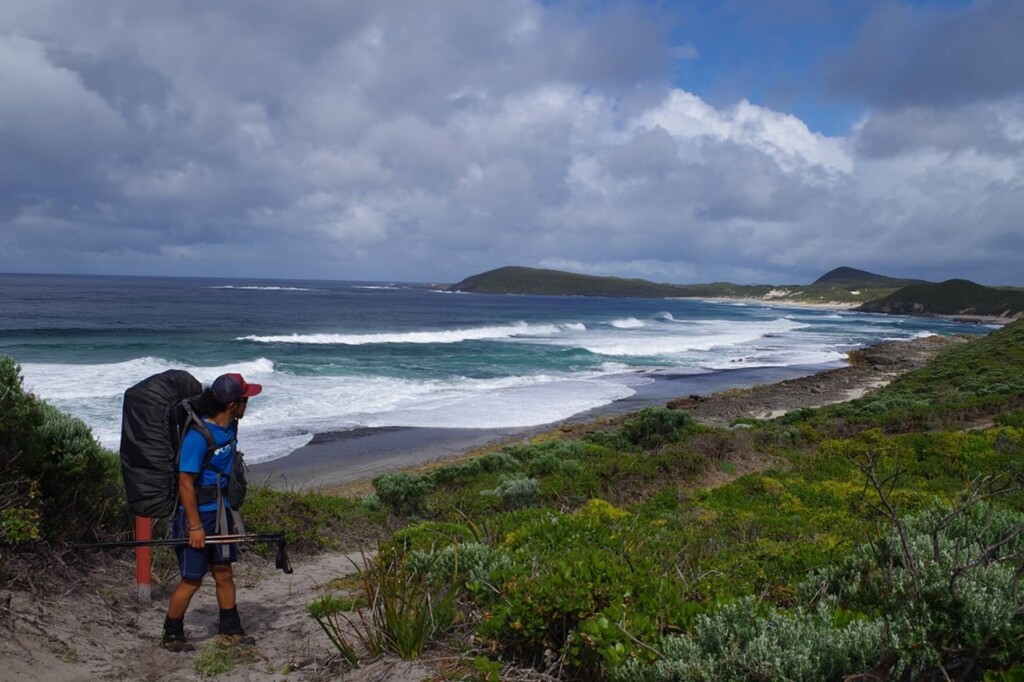
Bibbulman Track (Australia)
Even if you've used a variety of tools, in the end, you'll always come to the point where you realize that no matter what tool you use, you won't really understand it until you try it out. Even if something seems superior to you, or someone else recommends it, it's incredibly important to actually try it out in your hands. This isn't just limited to firearms, but when you're hiking on a trail, for example, if you get injured, there's no hospital nearby, so you can't just rest. You have to keep healing as you go, so in that sense, you have to understand your own body
It's the same with tools; even if they break along the way (because back then it wasn't easy to buy or order new ones), you have to somehow extend the life of the tool, so you have to understand it. For me, hiking a long trail felt like a huge test of my overall strength for survival. So when it comes to choosing tools, I want to value whether they actually suit my instincts or not. You really can't know that until you use them, after all. In that sense, I don't want to settle on a set tool, and I want to continue to challenge myself with new tools

For hikers heading out on the trail, here's what you need to remember if you're using a combustion appliance:
The precautions for handling both gasoline and gas stoves are the same, but this time we will use a gas stove as an example
1. Don't be fooled by ignorance! Beware of carbon monoxide poisoning
One of the most important things to be careful of when using gas appliances such as stoves and lanterns is accidents caused by carbon monoxide poisoning. Accidents occur every year not only outdoors but all over Japan. If you use gas appliances, you should be aware of this risk first and foremost
When gas appliances are used in poorly ventilated areas, there is a lack of oxygen necessary for combustion, which causes incomplete combustion and produces carbon monoxide. When inhaled, this inhibits the transport of oxygen by the blood, causing oxygen deficiency in cells and tissues throughout the body, leading to various symptoms and, in the worst case, death. This is carbon monoxide poisoning
What's scary is that there are almost no clear signs that you are suffering from carbon monoxide poisoning. Carbon monoxide is colorless and odorless , making it difficult to determine whether it is present or not. Furthermore, the subjective symptoms of carbon monoxide poisoning in the early stages are headache, nausea, dizziness, decreased concentration, vomiting, and drowsiness, which are generally similar to cold (flu) symptoms , making it difficult to notice. Once the condition progresses to moderate or severe, it becomes too late as the person becomes unable to move on their own. This is why carbon monoxide poisoning is said to be a disease that can lead to death before you know it.
The key to avoiding this troublesome and terrifying carbon monoxide poisoning is to "avoid creating situations that could result in the production of carbon monoxide." Even if it's cold outside, make sure you don't use gas appliances in tents, cars, or other enclosed spaces. If you experience any of the symptoms above that make you feel strange, make sure to move to a place with fresh air immediately

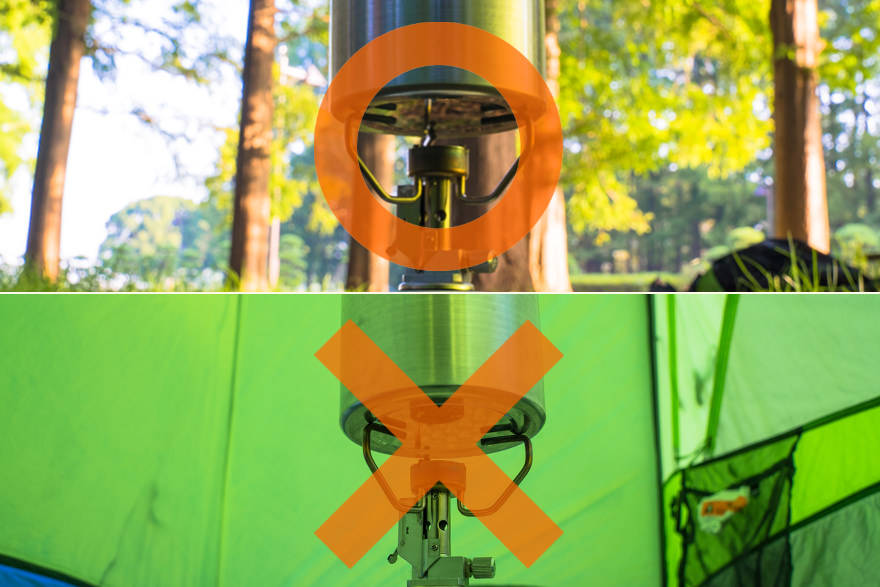
It is dangerous to use gas appliances indoors, such as in a tent
2. Before taking it to the trail, don't forget to check the O-rings to make sure it's working properly
An "O-ring" is a rubber ring attached to the part that connects the gas appliance and the gas cartridge. Because this O-ring is made of rubber, it is a consumable item that deteriorates over time, even if it is not used
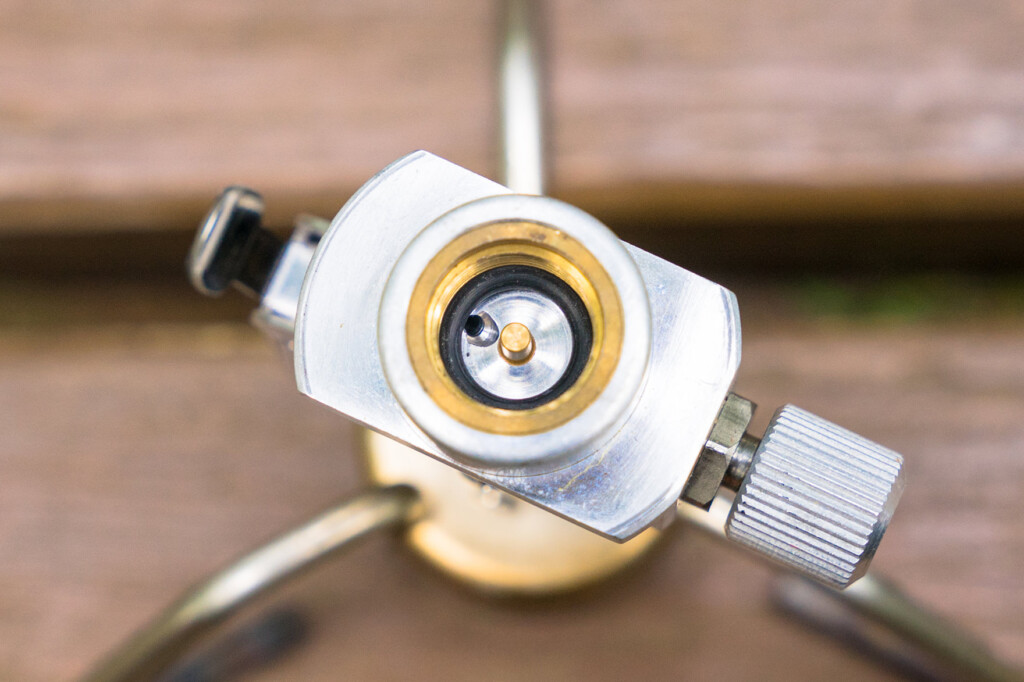
Deterioration of the O-ring is difficult to notice, but it is necessary to check it just in case
That's why it's important to check for deterioration. Are there any cuts, fraying, or cracks? Shrinkage or hardening are also signs of deterioration. To prevent accidents caused by gas leaks (burns, fires, explosions, etc.), be sure to visually check for any abnormalities before packing your luggage
By the way, here is a comparison of an O-ring that hadn't been replaced in over 10 years with a brand new one (O-ring photo). The old one has shrunk slightly and has a clear dent. The surface is rough and has lost its elasticity. On the other hand, the new O-ring (right side of the photo below) has a smooth surface and is elastic, so the difference is obvious

[O-ring photo] The O-ring on the left has deteriorated over time. The surface is scratched, it has lost its elasticity, and it has become stuck in its shape due to pressure and is unable to return to its original shape. The difference from a normal O-ring (photo on the right) is immediately obvious
If you notice any strange noises or odors when the gas cartridge is installed, never use it, and if there are any abnormalities, consult your retailer or manufacturer. Also, never use any O-rings other than the genuine ones specified by the manufacturer. Even if you replace the O-rings, they have a lifespan and there may be invisible deterioration. We also recommend replacing your stove every 10 years
3. Before you buy! Does the burner you plan to use in Japan have the "PSLPG mark"?
In Japan, gas-fueled outdoor cooking burners must be rated with the "PSLPG Mark" in order to be sold. The "PSLPG Mark" indicates that the product has passed strict inspections and complies with the national gas stove standards. In other words, products bearing this mark are proof that they have passed the inspections required by law. However, in recent years, there have been many imported products circulating online that do not have the "PSLPG Mark."

The PSLPG mark is attached and displayed on the product itself, so check at the store before purchasing to see if it has been certified
Of course, even if a product has this mark, it cannot be said to be 100% safe unless each individual uses the gas stove correctly, but products without the mark have not passed the inspections required by law. For safe mountain climbing, be sure to check that the product has the "PSLPG mark" before purchasing (if you are not sure whether it has the mark, ask the store staff)
Supervised by: Japan Gas and Kerosene Equipment Industry Association → https://www.jgka.or.jp/index.html
Masafumi Saito Profile
Since 2012, he has been active as Japan's only professional hiker. In order to promote trail culture, he walks trails overseas and contributes mainly to outdoor media, while also working to create trail courses in his hometown of Yamagata. He is committed to thru-hiking (walking a route in one go in a single year), and has thru-hiked over 22,000 km of trails (more than halfway around the earth). He is also active in all aspects of the outdoors, and is a lecturer on camping, crafts, slacklining, and trail cooking
Saito's life's work is the Yamagata Long Trail (YLT), an initiative to build trails in his hometown of Yamagata, and this year he is developing the Shirataka Hill Trail, which even beginners can easily tackle. If you are interested in other projects, please see this page for details. →Go to the YLT Club homepage
