


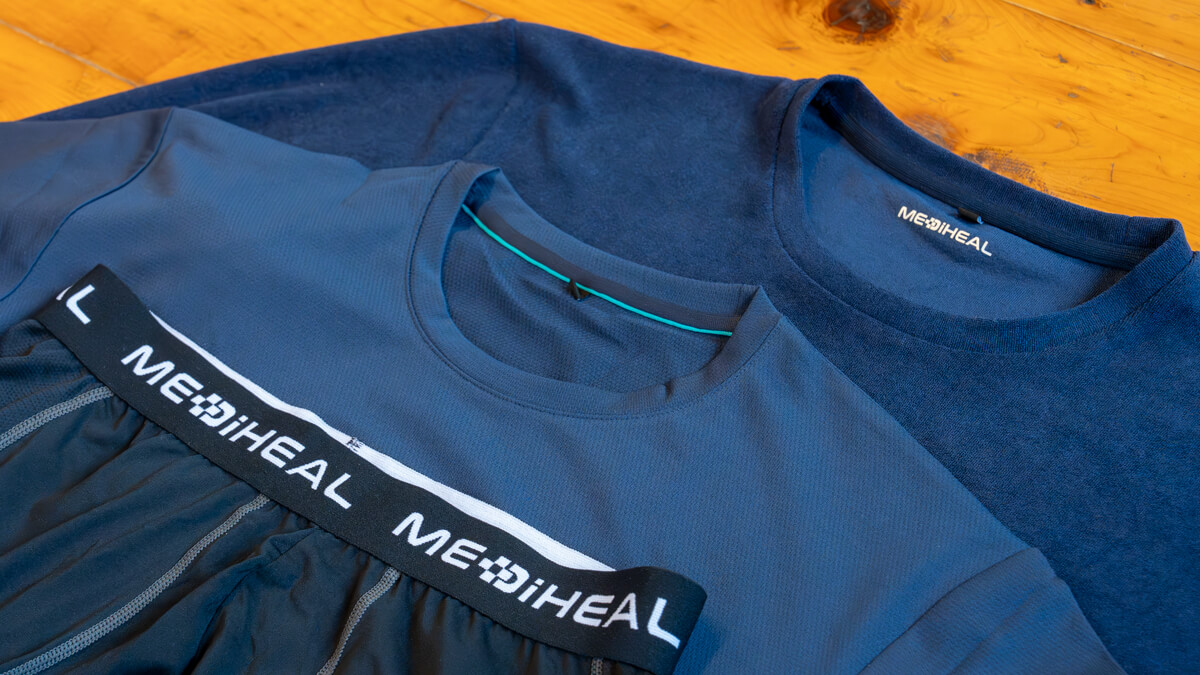
Rumor has it that "recovery wear" has exploded in popularity in recent years. Apparently it was even nominated for the buzzword award last year, and although I don't watch TV, I didn't know about it, but apparently there were TV commercials featuring famous celebrities
This time, Mediheal recovery wear sold by Workman this winter (it seems that the lineup has been dramatically expanded this spring and summer to include a wide variety of items), so I would like to share my impressions of it, as well as my thoughts on checking out whether there are any models that can be used for upcoming mountain climbing and outdoor activities as the season gets into full swing.
table of contents
- Rather than calling it "recovery wear," I think it would be suitable for use in the mountains as "wear using far-infrared radiation technology."
- How Mediheal works, its lineup, and what to expect from it for mountain climbing
- Three recommended Mediheal models that can be used for mountain climbing
- 1. [Active] Mediheal® Dry Short Sleeve T-Shirt (1,490 yen) I'm yet to use it in earnest, but it's cool and not too sticky, and the radiant effect keeps it "just right" cool
- 2. [Support] Mediheal® Recovery Full Leggings (1,500 yen) & Long Sleeve Crew Neck (1,490 yen) - Not too tight compression and moderate warmth make them ideal for spring and autumn tights and winter innerwear
- 3. [Relax] Mediheal® Room Pile Long Sleeve Crew Neck (1,900 yen) Comfortable to the touch and quick-drying, it's perfect as a top to wear at the tent or to take a change of clothes
- Summary: High-performance synthetic shirts and pants that provide the perfect balance of not being too cold even in the summer, at an unbelievable price
Rather than calling it "recovery wear," I think it would be suitable for use in the mountains as "wear using far-infrared radiation technology."
Roughly speaking, most of the products called "recovery wear" basically refer to clothing that can efficiently radiate far infrared rays from the body by using fibers that have been specially processed to incorporate mineral materials such as ceramic (although of course there are likely to be minor differences depending on the manufacturer)
However, while we tend to be swayed by novel names, products with similar properties are in fact nothing new to mountaineering enthusiasts. For example, Goldwin's " Photoelectron® " technology, which utilizes far-infrared radiation from the body, has been incorporated into various mountaineering wear products for over 20 years, and its effectiveness in maintaining body temperature in harsh environments has already been recognized.
However, at the time, the focus was on the "heat retention effect" of far-infrared radiation, and there was no particular focus on the "fatigue recovery" function (Goldwin later launched a new brand, "Re-Pose," for conditioning wear specifically for recovery)
It's interesting how the timing and marketing method can change the reaction so much, but the true nature of the product that's garnering so much attention as "recovery wear" is the same "far-infrared radiation technology" that's been around for a while, and the important thing is "what it does and how it works." With that in mind, the fact that Workman is selling what was once high-performance wear, made with a material with the same kind of mechanism as Photoelectron Down, under the name " Mediheal " for less than 2,000 yen is something that avid hikers like me can't ignore.
Can this incredibly cost-effective garment really be a "useful tool" in the mountains? This time, I Mediheal 's men's products (probably all of them), which have a mixed lineup for everyday wear, in my daily life, and I'd like to report on three models that I thought had potential and wanted to "try out in the mountains" based on the material feel, fabric composition, cutting, and suitability for layering for mountain climbing.
How Mediheal works, its lineup, and what to expect from it for mountain climbing
To recap, according to information from the official website, Mediheal is a clothing series that "creates an environment conducive to fatigue recovery by radiating far-infrared rays emitted by the body using high-purity ceramics kneaded into the fibers using a unique technology, thereby promoting blood circulation with the far-infrared rays. The radiation of far-infrared rays is said to have the effect of recovering from fatigue, promoting blood circulation, easing muscle firmness and stiffness, and reducing muscle fatigue*
*Effects vary from person to person
*The medical device effect applies when wearing the top and bottom set
Before trying it, I actually thought that recovery wear, including Mediheal, was just loose sweatpants to wear while sleeping. However, Mediheal comes in a wide variety of styles, including long and short sleeves, long and short pants, crew necks, hoodies, and compression wear, allowing you to enjoy the benefits of far-infrared radiation in a variety of situations
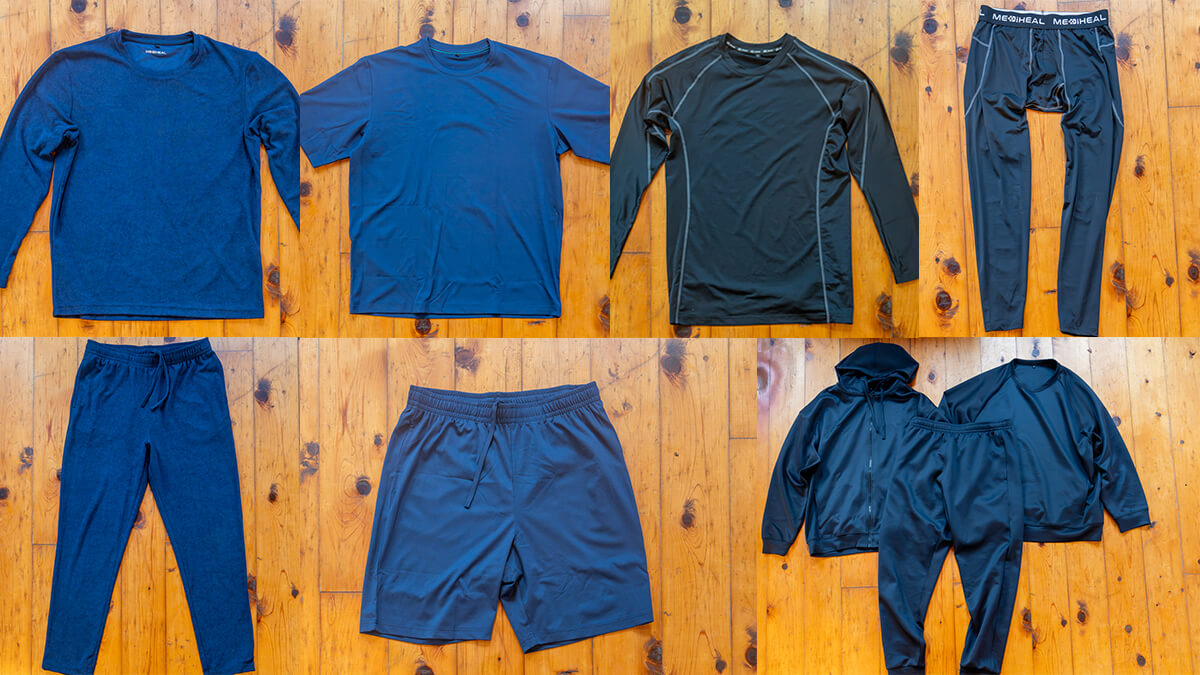
In that sense, I'll be looking at the diverse lineup of clothing that has the unique feature of this garment, "the ability to radiate far-infrared rays emitted from the body," and pick out some models that I think I could use in the mountains. For example, could they be used as underwear or base layers that are breathable, quick-drying, and have efficient heat retention? Or could they be used as tent wear, keeping you warm and wearing as little clothing as possible even when camping in a cold tent, and relieving fatigue from the day? Of course, since each piece isn't made directly for mountain climbing, I won't worry about the imperfections here and there. As long as I can imagine wearing them in the mountains, they're fine
Three recommended Mediheal models that can be used for mountain climbing
1. [Active] Mediheal® Dry Short Sleeve T-Shirt (1,490 yen) I'm yet to use it in earnest, but it's cool and not too sticky, and the radiant effect keeps it "just right" cool
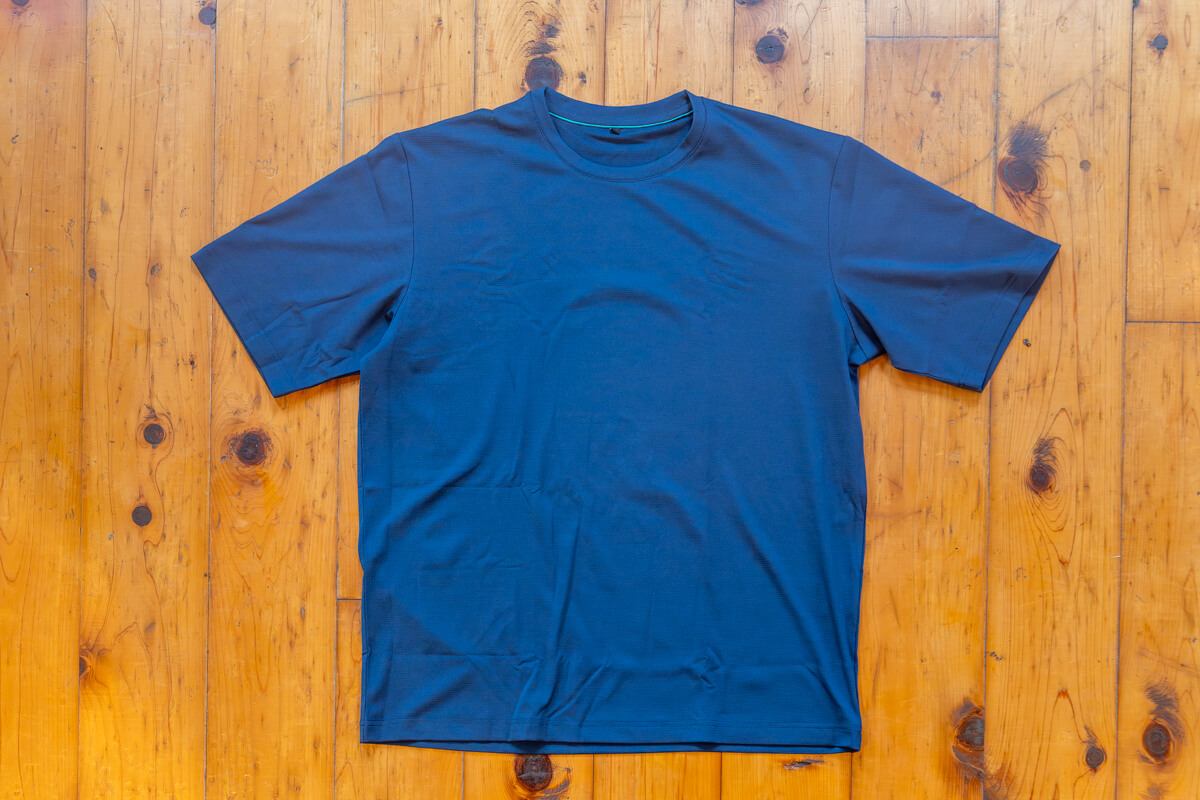

First, I would like to mention the Mediheal® Dry Short Sleeve T-Shirt 2366, a short sleeve T-shirt made from a cool mesh material that is highly absorbent and does not stick even when you sweat, with the aforementioned high-purity ceramic components kneaded into it
Fabric Composition:
85% polyester, 15% polyurethane
weight:
191 g (L size actual measurement)
How can you use it in the mountains?:
Like the KODESIGN® base layer, by taking advantage of far infrared rays while exercising, you can prevent excessive cooling of muscles and aim to maintain performance
Try-on impressions:
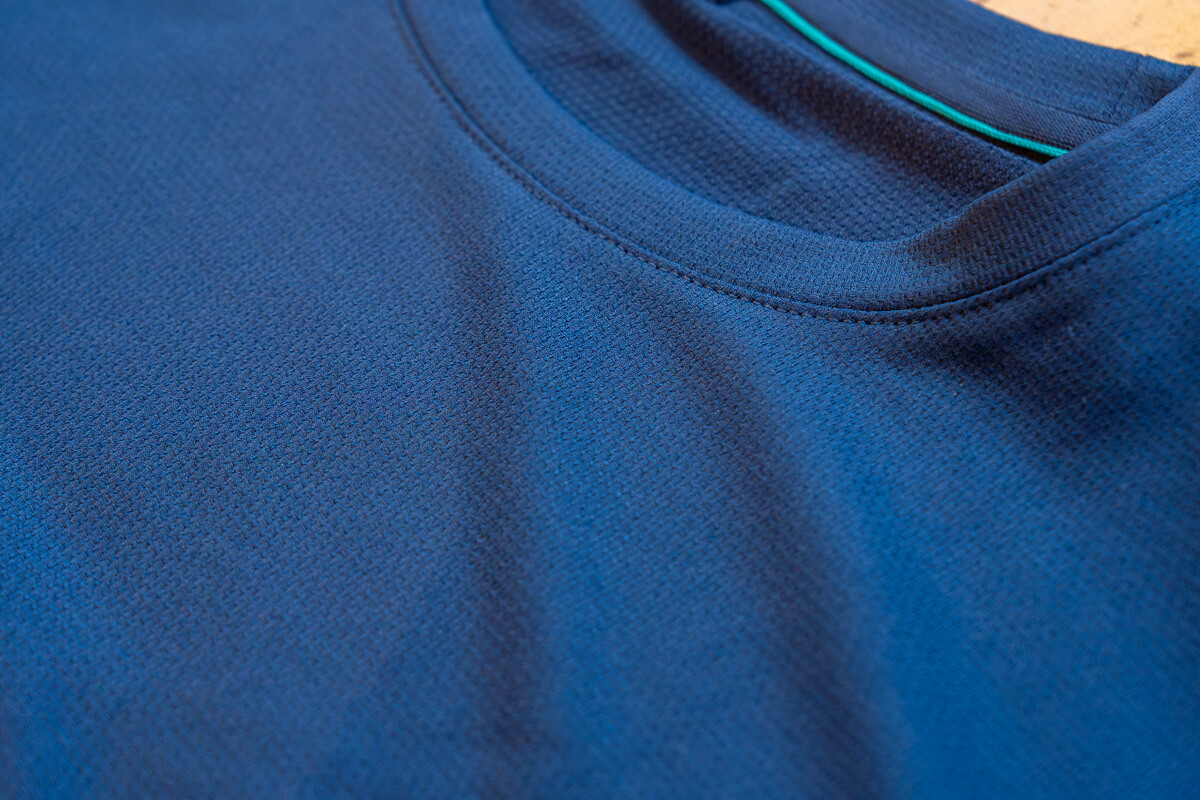
As the name "Dry" suggests, this item is characterized by its polyester-based fabric. The smooth texture is noticeable the moment you touch it, and it feels different from the "loungewear" feel of so-called recovery wear. It feels more like a regular summer shirt, and is very comfortable to wear even when you're active
It's not too tight like Workman's sportswear, but has just the right amount of room, making it a great active T-shirt for casual hiking in the middle of summer. It's also well worth trying as a base layer in the spring and fall
Here's what I'm wondering:
The 15% polyurethane content to add stretch is really unnecessary. It makes it feel a little heavy and doesn't last long due to hydrolysis
2. [Support] Mediheal® Recovery Full Leggings (1,500 yen) & Long Sleeve Crew Neck (1,490 yen) - Not too tight compression and moderate warmth make them ideal for spring and autumn tights and winter innerwear
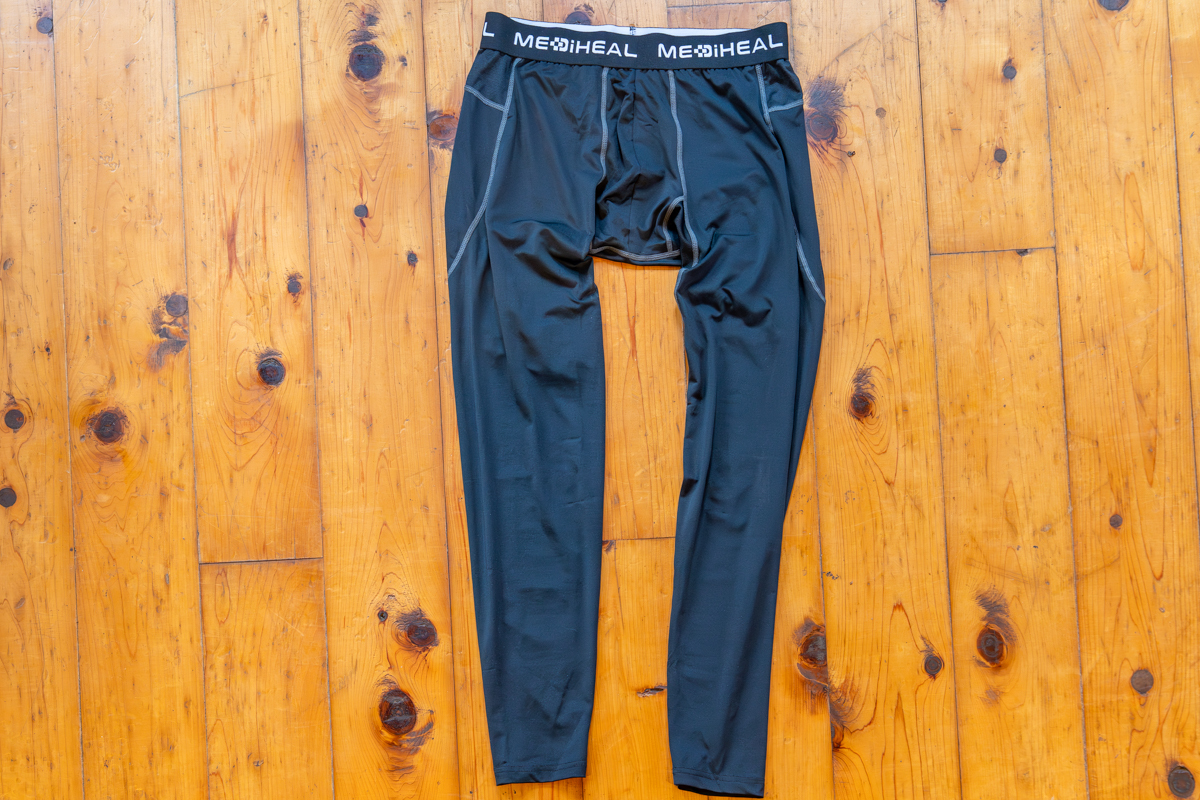
Mediheal has released a new compression leggings. They also sell tops, but I'm not a fan of them, so I'm interested in these bottoms
Fabric Composition:
Body and mesh: 85% polyester, 15% polyurethane
Elastic waistband: 60% nylon, 40% polyester
weight:
141 g (L size actual measurement)
How to use it in the mountains (I've tried it in autumn and winter):
When hiking long distances over several days, you want to avoid feeling tired the next day. As a countermeasure to the "heavy legs" that come with accumulated fatigue, we hope that the "compression x radiant heat" will improve blood circulation in the legs
Another thing I'd like to try is wearing it while I sleep to see how much it reduces muscle stiffness the next morning. The tights shape allows the far infrared rays to adhere more easily to the skin, which I hope will provide the most efficient recovery effect
Mountain try-on impressions:
I wear this as an inner layer for winter skiing in low mountains. I'm not a fan of strong compression, but this jacket provides a gentle fit from the thighs to the calves, and I really like how it supports moderate mobility. The elastic waistband in particular is wide but not too tight, and has just the right amount of tension to prevent excessive pressure on the abdomen even when worn for long periods of time, so it seems like it would be comfortable even if worn 24 hours a day
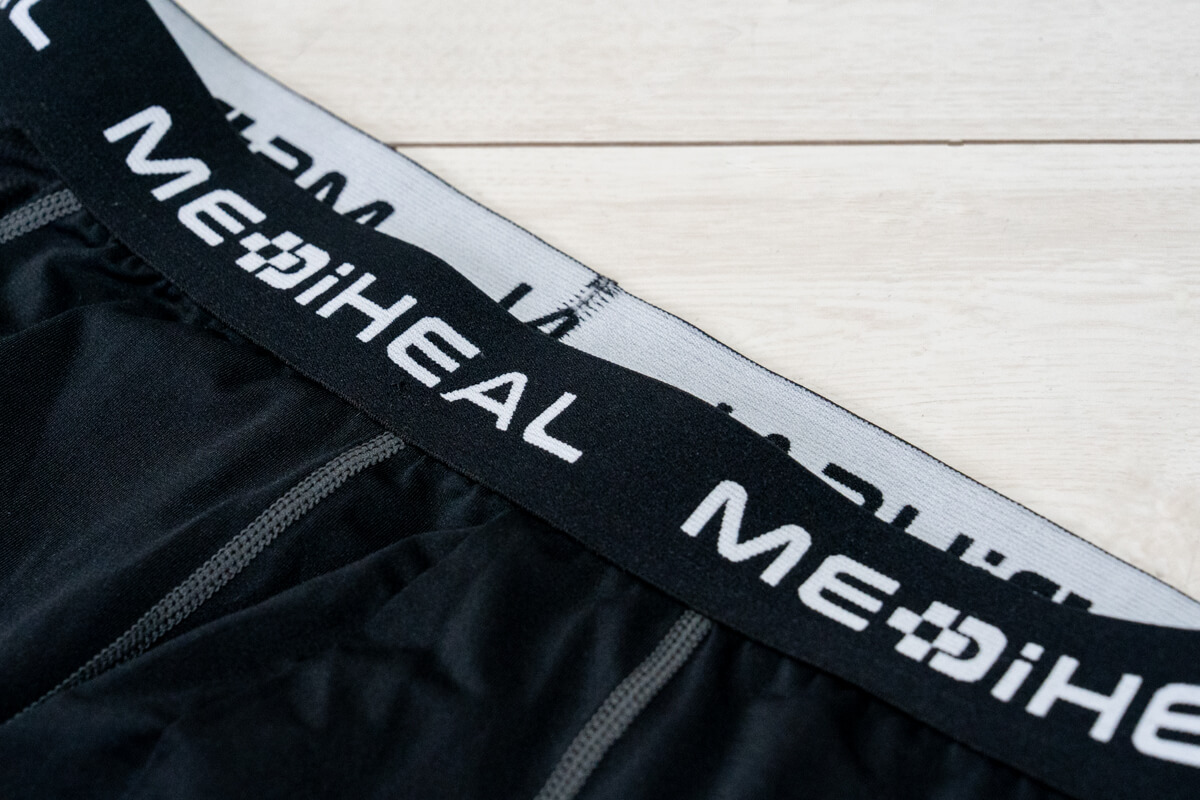
The flat seams are also perfect, providing a snug fit without any bulky seams, making for a comfortable fit. The gentle warmth helps keep your lower body warm, and the mesh in the back and crotch area provides good ventilation, preventing stuffiness when you start to sweat during winter hikes
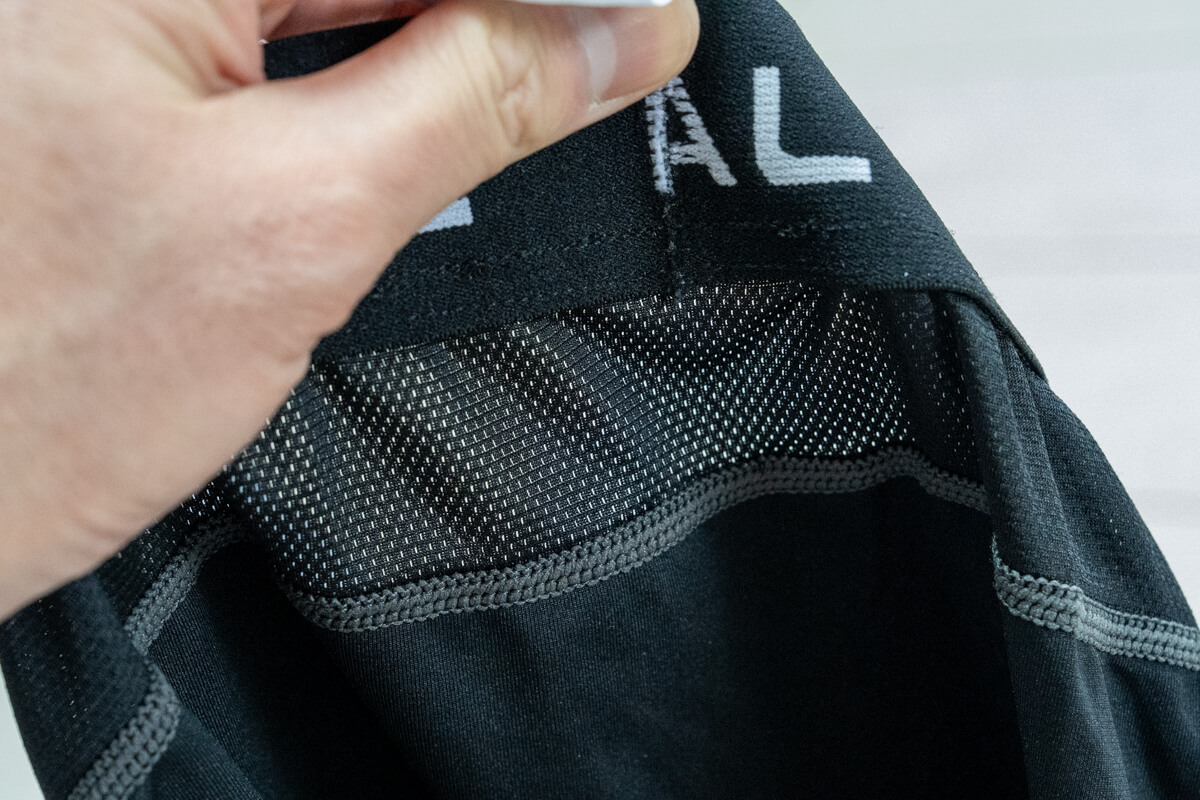
Honestly, it's an excellent inner layer for mountain climbing in the fall and winter. I'm thinking of pairing it with shorts in the spring and summer, and I have high hopes for it
Here's what I'm wondering:
What happens when you sweat a lot? Also, the weight of the 15% polyurethane blend and its vulnerability to hydrolysis
3. [Relax] Mediheal® Room Pile Long Sleeve Crew Neck (1,900 yen) Comfortable to the touch and quick-drying, it's perfect as a top to wear at the tent or to take a change of clothes
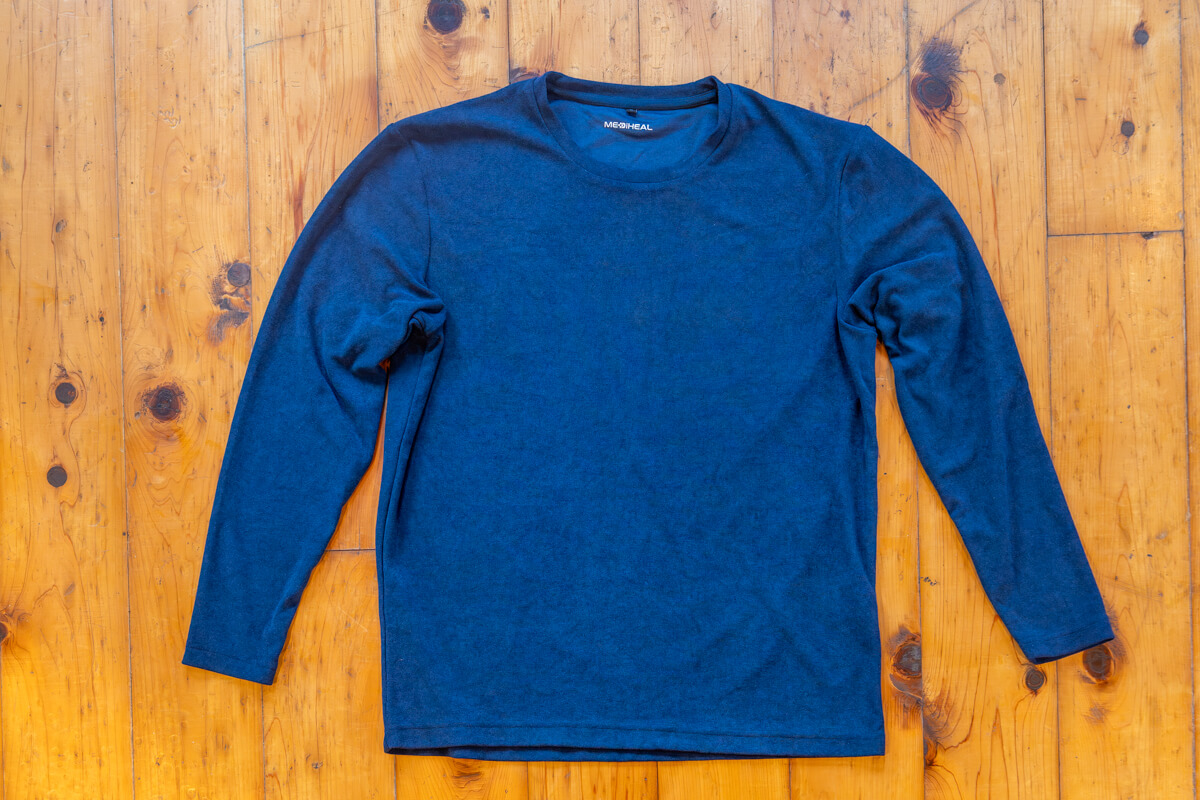
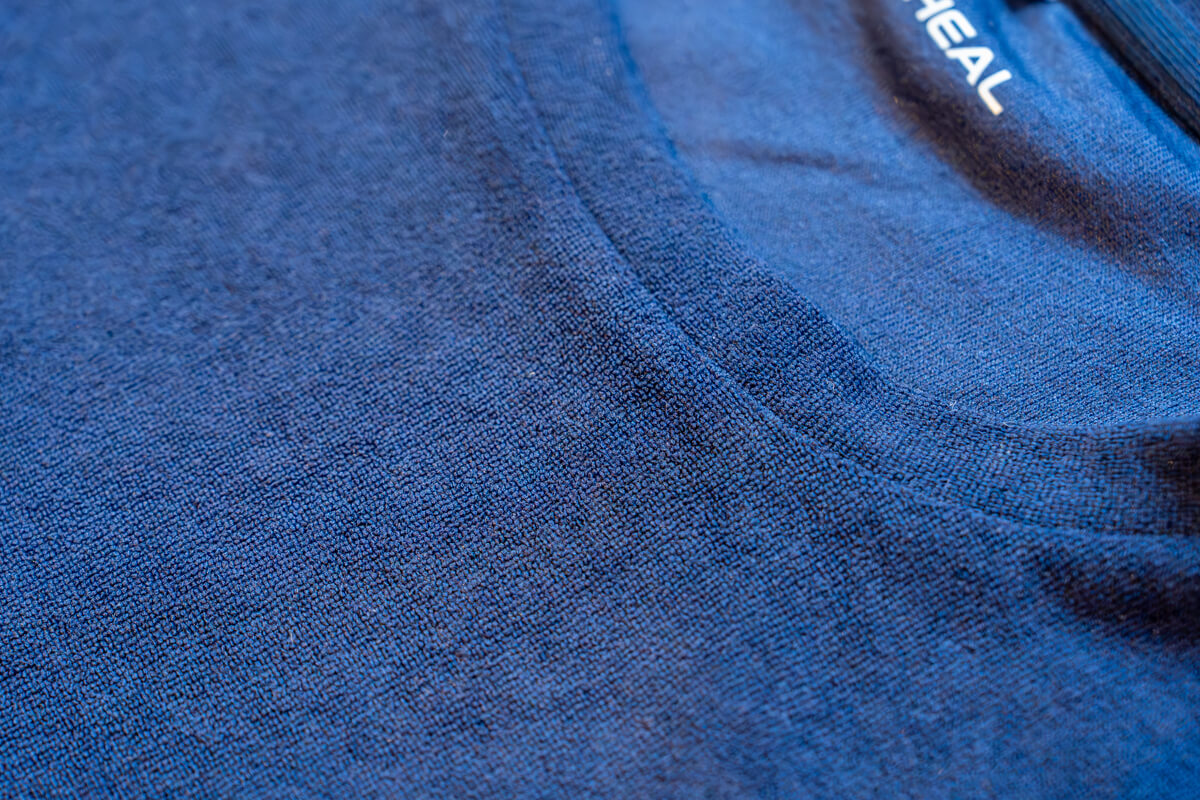
The third item is a terry cloth T-shirt that aims to help you sleep better with minimal weight, excellent comfort, and warmth, which may (perhaps) turn your tent nights into "the ultimate care time." I chose the long-sleeved version, but they also have short-sleeved versions, so depending on the season, the short-sleeved version may be more convenient
Fabric Composition:
100% polyester
weight:
262 g (measured in size L)
How can you use it in the mountains?:
It's comfortable to wear when relaxing at the tent site, and it also works as a spare mountain shirt, striking a balance between comfort and functionality. Even in slightly chilly environments, it works as a mid-layer that's just a step above fleece, with circulation-promoting properties and warmth thanks to the pile
The looped knit pile traps dead air, adding a "physical heat retention" effect to Mediheal's far infrared effect
Try-on impressions:
Above all, terry fabric feels amazing against the skin. Its softness against the skin is the ultimate relief from being constricted by hard shells and backpack straps all day. The relaxed silhouette also means you won't look bulky even when layering a thin base layer underneath, making it ideal as both cold weather gear and recovery wear while in a sleeping bag
Here's what I'm wondering:
Isn't it a bit too luxurious and relaxing for mountain climbing? Won't it just be unnecessary baggage?
Summary: High-performance synthetic shirts and pants that provide the perfect balance of not being too cold even in the summer, at an unbelievable price
There is no reason not to take advantage of the fact that you can now get the far-infrared radiation mechanism using ceramic-blended fibers, which has been proven by cutting-edge technology up to now, at the shocking price of around 1,000 yen
Of course, compared to mountaineering gear, it is true that it is not as durable or effective at managing sweat, but as with the three models we have carefully selected here, if you incorporate them into your layering in the right places, they have the potential to function as excellent mountain gear
I'm looking forward to trying out the three layers in the bottom of my backpack this spring and seeing if they can actually be used as layers in the upcoming season
Finally, please be aware that the above information is merely a personal opinion and speculation. While this product is a general medical device, please be aware that the perceived effectiveness of this product may vary from person to person
Go to Workman's official Mediheal page