OGZ Membership Now accepting new members
Alpaca wool base layers are so perfect for winter underwear that they've become a hot topic among my friends
These days, the idea that merino wool base layers are good is becoming common knowledge among outdoor enthusiasts
Of course, I don't disagree, but the world is vast and nature is deep. Somewhere on the planet there must exist fibers that are both more functional and environmentally friendly than ever before. For a mountain gear enthusiast like me who is constantly searching for the best layering, the search for the ideal layering is far from over, and my quest for unknown materials continues
Then, in 2023, I noticed on an American outdoor forum that a new, high-performance natural material is emerging that may finally replace merino wool. This is alpaca wool, a new natural fiber that has been getting a lot of attention in the outdoor community since last year
In fact, the fiber known as alpaca wool has been around for quite some time, and I myself have been using several pairs of alpaca wool "socks" for several years. They are very comfortable, yet durable and long-lasting, so I was aware of the existence and benefits of this fiber
It was around last summer that I learned that there was a "base layer" made from alpaca wool
To be honest, I was surprised because I didn't think that alpaca wool was still being used in base layers, which require many delicate features such as softness, comfort, stretchability, thinness, and lightness. Now that I knew about it, I had no choice but to look into it further
There are several manufacturers that make base layers out of alpaca wool, but as far as I could tell, the only manufacturer that makes high-quality, thin base layers made from 100% pure alpaca wool was a manufacturer I had never heard of called Arms of Andes .
Arms of Andes is a new brand launched five or six years ago by four siblings with roots in Peru and based in Los Angeles. As a new brand, they are not only exploring the potential of alpaca wool, a new material, but also have a mission to practice sustainable business involving Peruvian farmers and preserve Peruvian traditional culture, which is very relatable (the brand name "Arms" is apparently a combination of the first initials of the four siblings' first names).
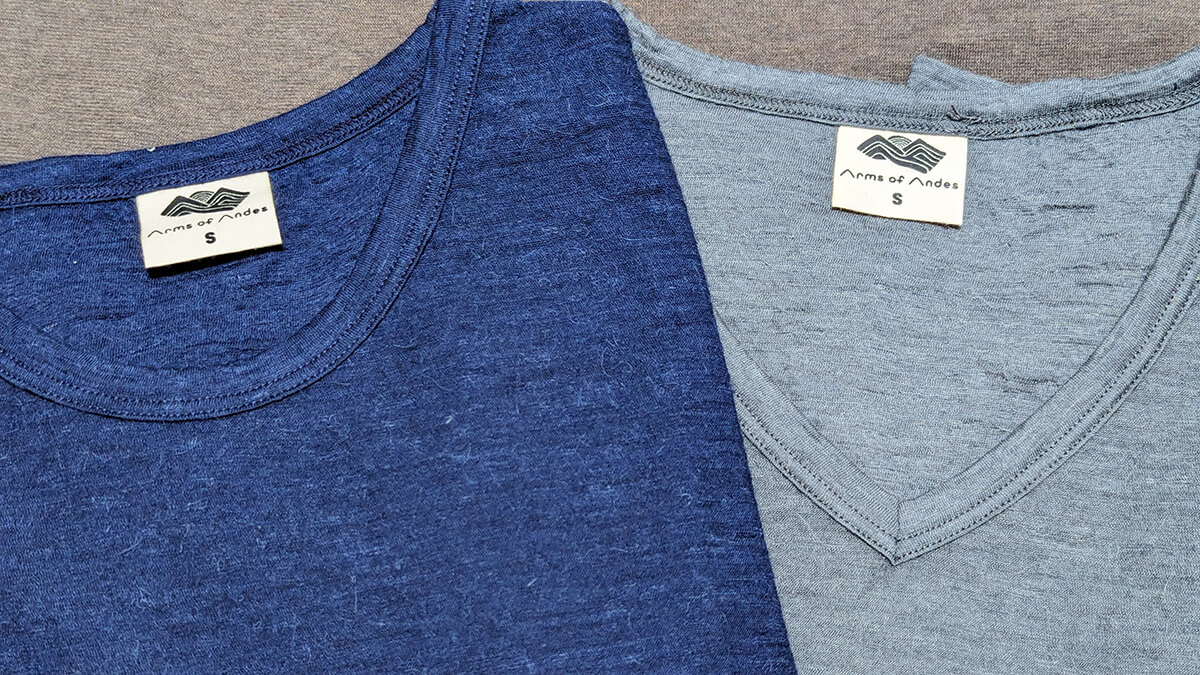
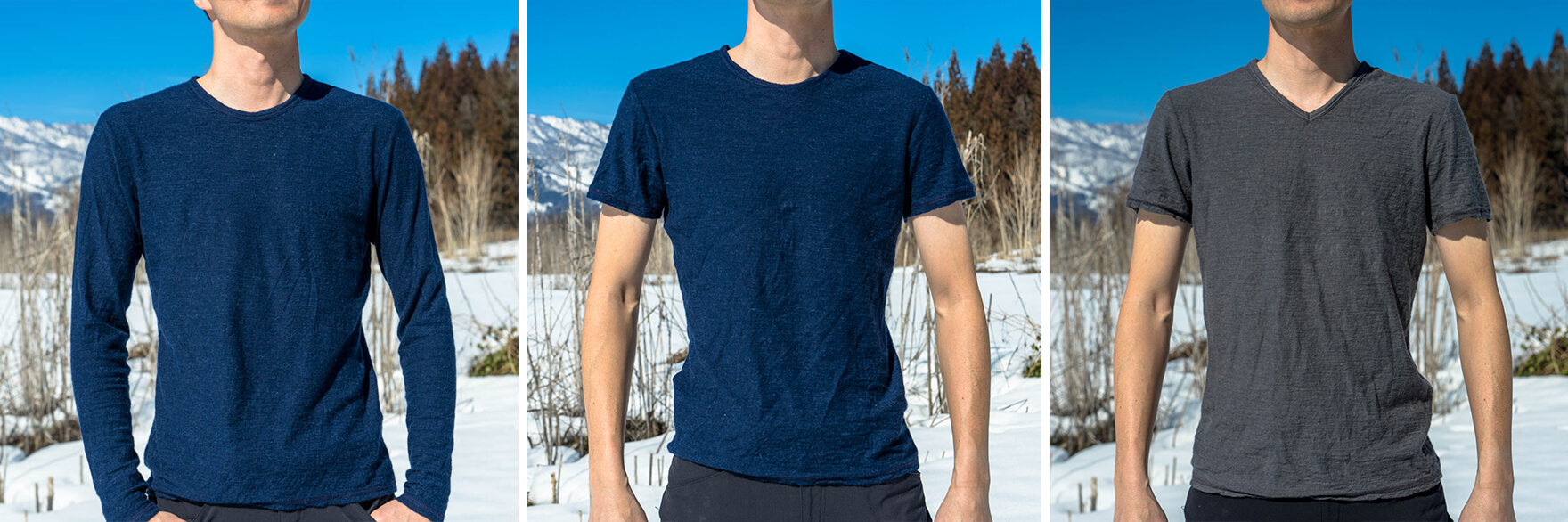
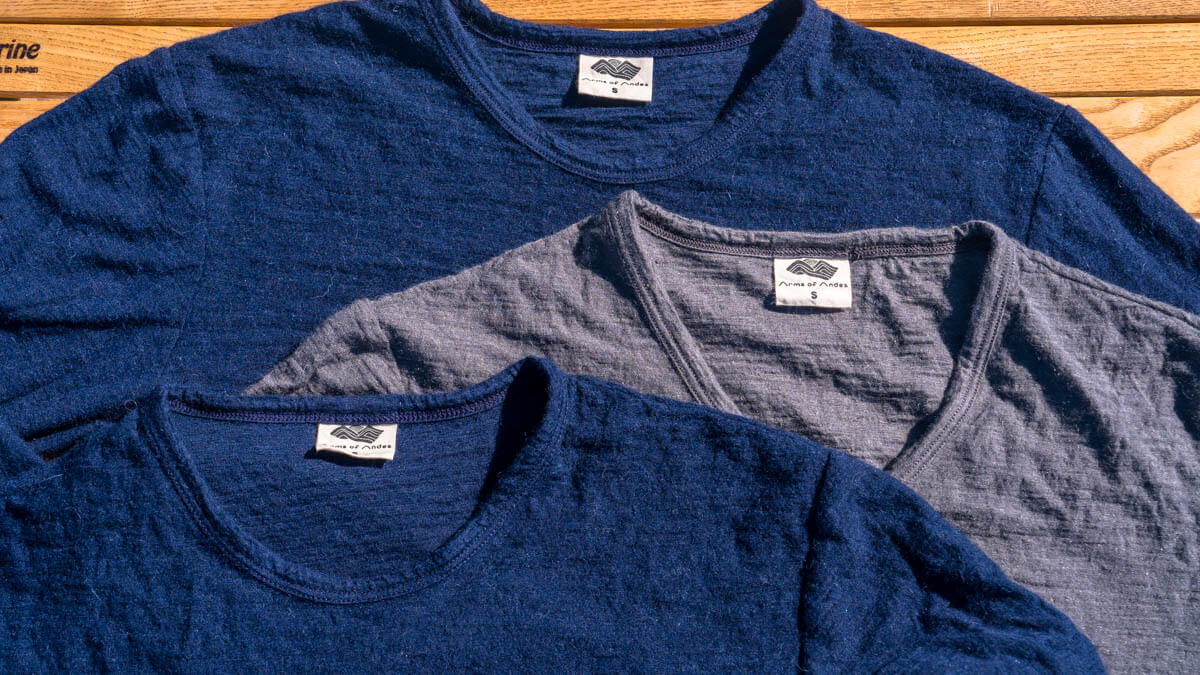
Unfortunately, it's not yet available in Japan, so this alpaca wool base layer (a set of three: long sleeve, short sleeve, and short sleeve V-neck) through personal import. It was on sale at the time, so each piece was less than 10,000 yen. There was a small customs fee, but it wasn't a bad price.
I've been trying it out for a number of activities this winter, so I'd like to share my review right away
table of contents
- Arms of Andes Alpaca Wool Shirt 160 Ultralight Base Layer: Key Specifications and Ratings
- Introduction: What kind of fiber is alpaca wool? What makes it so great compared to merino wool?
- A highly functional fiber that has been treasured since ancient times as the "fiber of the gods" and is collected from alpacas that live at altitudes of over 3,000 meters
- Lighter and warmer than merino wool, it's naturally breathable, and has excellent temperature regulation and moisture wicking properties
- Stronger than merino wool?
- Is it softer, smoother and hypoallergenic than merino wool (i.e. more comfortable to wear)?
- A detailed review of various items worn this winter
- Comfort and comfort: Although it feels a little strange at first, the unprecedented "light, fluffy, and smooth" feel is addictive
- Heat retention and sweat management: Thin and light, yet surprisingly warm, and less likely to cool down from sweat while on the move
- Odor resistance: Like other wools, there is no odor or discomfort even after wearing it for several days
- Care: No need to wash by hand and no pilling. "Machine washable" for peace of mind
- Summary: Merino wool is entering a new era
- Learn more and purchase Arms of Andes base layers
Arms of Andes Alpaca Wool Shirt 160 Ultralight Base Layer: Key Specifications and Ratings
Favorite points
- Thin yet very warm
- light
- Stretchy and easy to move in
- Temperature control
- Sweat absorbent and quick drying
- Naturally odor-resistant
- Durability (tear-resistant and pill-resistant)
- 100% biodegradable (natural dye model)
Points of concern
- The only thing that bothers me is that it feels a little itchy when I first start wearing it (this gets better after soaking it in conditioner or washing it a few times)
- The hem rises up when I'm moving around (I wish the back length was longer)
- The flat seams on the lining were better as they caused less discomfort
- For now, the only way to get it is by personal import
| item | Arms of Andes Alpaca Wool Shirt 160 Ultralight |
|---|---|
| material | 100% Royal Alpaca Wool (low-impact dyeing and OEKO-TEX® production) |
| Fabric Thickness | 18 microns or less / 160g/m2 |
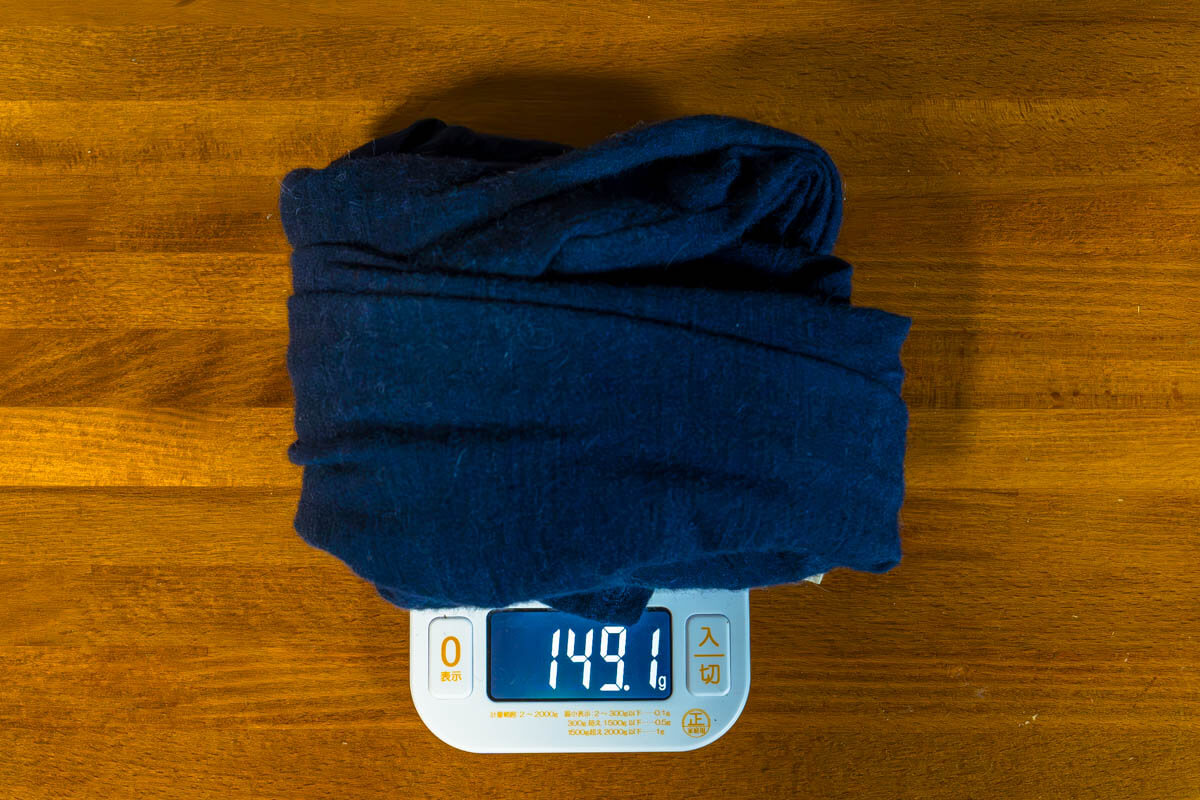
| Actual weight (g) | 149.1 (S size long sleeve crew) |
| Variations |
|
| Color variations | 9 types including natural dyes |
| Thumbhole | × |
| Outdoor Gearzine Review | |
| Comfort | ★★★☆☆ |
| Heat retention | ★★★★★ |
| Breathable | ★★★★☆ |
| quick drying | ★★★★☆ |
| Ease of movement | ★★★★☆ |
| durability | ★★★★☆ |
| weight | ★★★★★ |
Introduction: What kind of fiber is alpaca wool? What makes it so great compared to merino wool?
Before I jump straight into reviewing the product, I'd like to briefly summarize the characteristics of alpaca wool, a fiber the Arms of Andes website and other sources, as I wasn't even familiar with the characteristics of the fiber.
A highly functional fiber that has been treasured since ancient times as the "fiber of the gods" and is collected from alpacas that live at altitudes of over 3,000 meters
Alpacas are members of the camelid family that have traditionally been kept as livestock in the highlands of South America, such as Peru and Bolivia. Unlike their relatives, llamas, which are primarily used for transporting cargo, alpacas have traditionally been bred for their soft, luxurious fibers, and it is said that during the Inca Empire, alpaca wool was considered the "fiber of the gods" and was even used to make clothing for royalty
Later, the alpaca fiber culture was temporarily destroyed by the invading Spanish, but was revived in the 19th century...I won't go into the details here, but I personally found it very interesting, so if you're interested, I recommend you read History of Alpaca Wool
Lighter and warmer than merino wool, it's naturally breathable, and has excellent temperature regulation and moisture wicking properties
Alpacas have survived in the high altitudes of the Andes Mountains in South America, at altitudes exceeding 3,000 meters, and have thrived for thousands of years by wrapping their bodies in alpaca wool to protect themselves from the harsh environment of scorching sun during the day and freezing cold at night
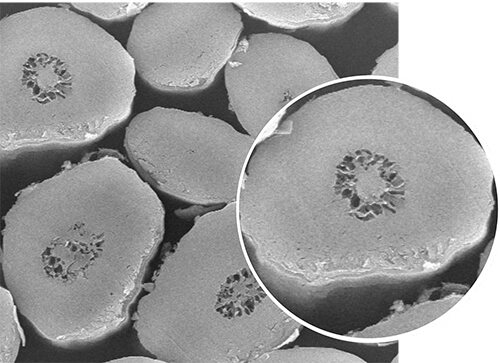
For this reason, alpaca wool fibers have exceptionally high heat retention compared to other natural fibers, including merino wool, allowing them to withstand extreme temperature changes. One of the main reasons for this is that, unlike sheep's wool, alpaca wool fibers have a "semi-hollow structure" with a hollow space in the center. The air trapped in this space creates a high level of insulation
This semi-hollow structure not only provides insulation but also allows for natural breathability and lightness. When the fibers move, they breathe, circulating fresh air and dissipating excess heat. This keeps you warm naturally and comfortably without retaining too much heat, and allows moisture to escape even during intense activity. Additionally, alpaca wool absorbs less moisture than other wools ( merino wool absorbs about 30% of its weight, while alpaca wool absorbs about 10-11% ), making it easier to stay dry and comfortable even during activities that cause a lot of sweating.
Stronger than merino wool?
Alpaca wool is a stronger and more durable fiber than merino wool (of course, the strength, durability, and lifespan of each individual fiber will vary depending on the manufacturing method and thickness). One test showed that alpaca has a tensile strength of 50, while merino has a tensile strength of 30-40 . Also, due to its structural properties, alpaca wool is a fiber that is less susceptible to wear and tear such as shedding, pilling, and deformation, so in that sense it can be said to last longer than merino wool.
Is it softer, smoother and hypoallergenic than merino wool (i.e. more comfortable to wear)?
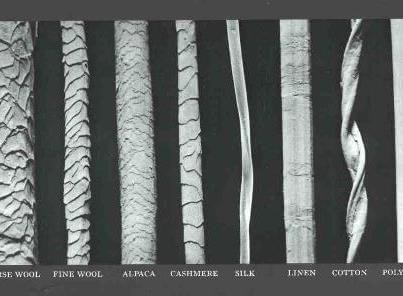
Alpaca fiber has smaller scales than merino wool, a smoother, more uniform surface, and its straight, oily hairs make it feel smoother and less itchy against the skin. It also doesn't contain lanolin, a waxy substance naturally found in sheep's wool that can cause irritating allergic reactions. Furthermore, the finest quality alpaca fiber, known as Royal Alpaca (as used in Arms of Andes base layers), is as fine as high-quality merino wool (said to be less than 21 microns in diameter), making it smoother and less itchy against the skin
To sum up, alpaca wool is roughly described as a " lighter, softer, stronger, warmer, and less water-retaining (i.e. quick-drying) wool ." Hearing this alone is sure to excite mountain lovers who are sensitive to heat or cold.
A detailed review of various items worn this winter
Comfort and comfort: Although it feels a little strange at first, the unprecedented "light, fluffy, and smooth" feel is addictive
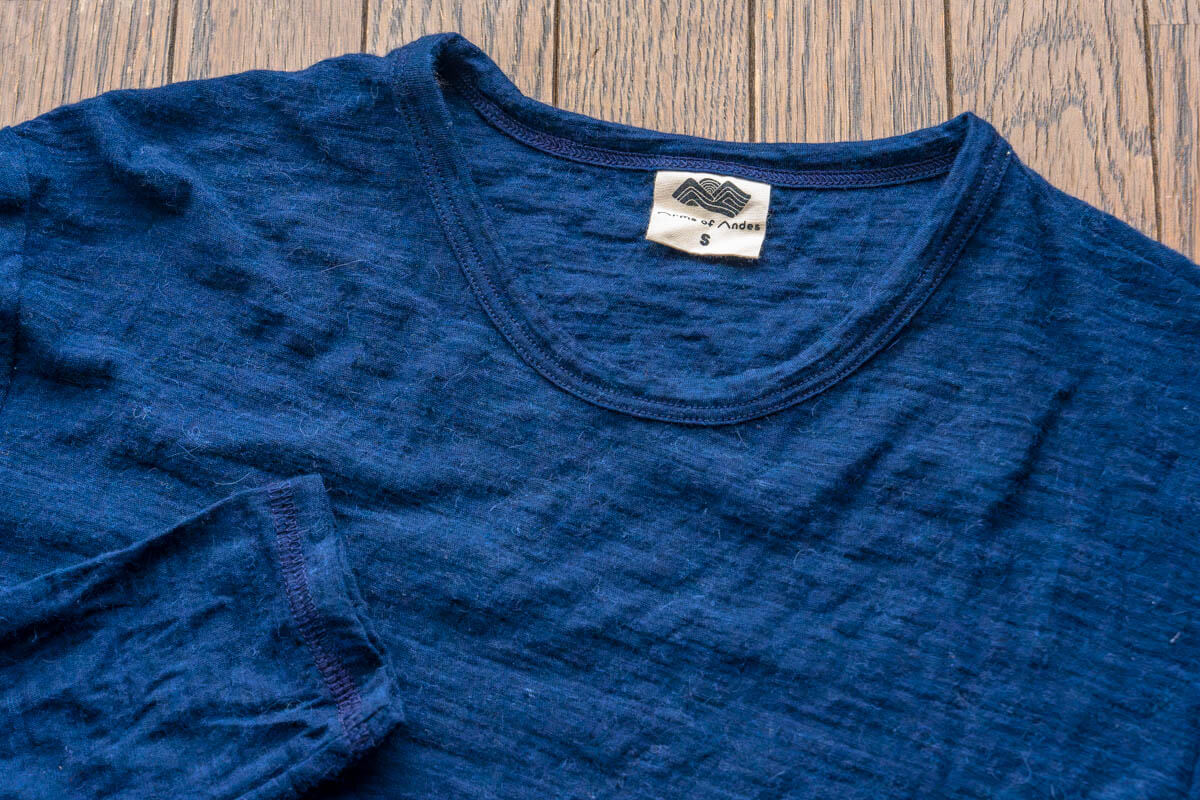
My expectations were sky-high after doing my research. I almost fell for the trap of ordering from overseas, and there was a month of hassle (delay) before it arrived, but I finally got my alpaca wool base layer in time for the New Year. It has a fine texture, a subtle grain, and feels fluffy and voluminous despite its thinness. The slightly uneven dyeing adds to its charm, and my first impression was very good
A slight tingling sensation that is bothersome
However, when I put it on, it felt a little strange
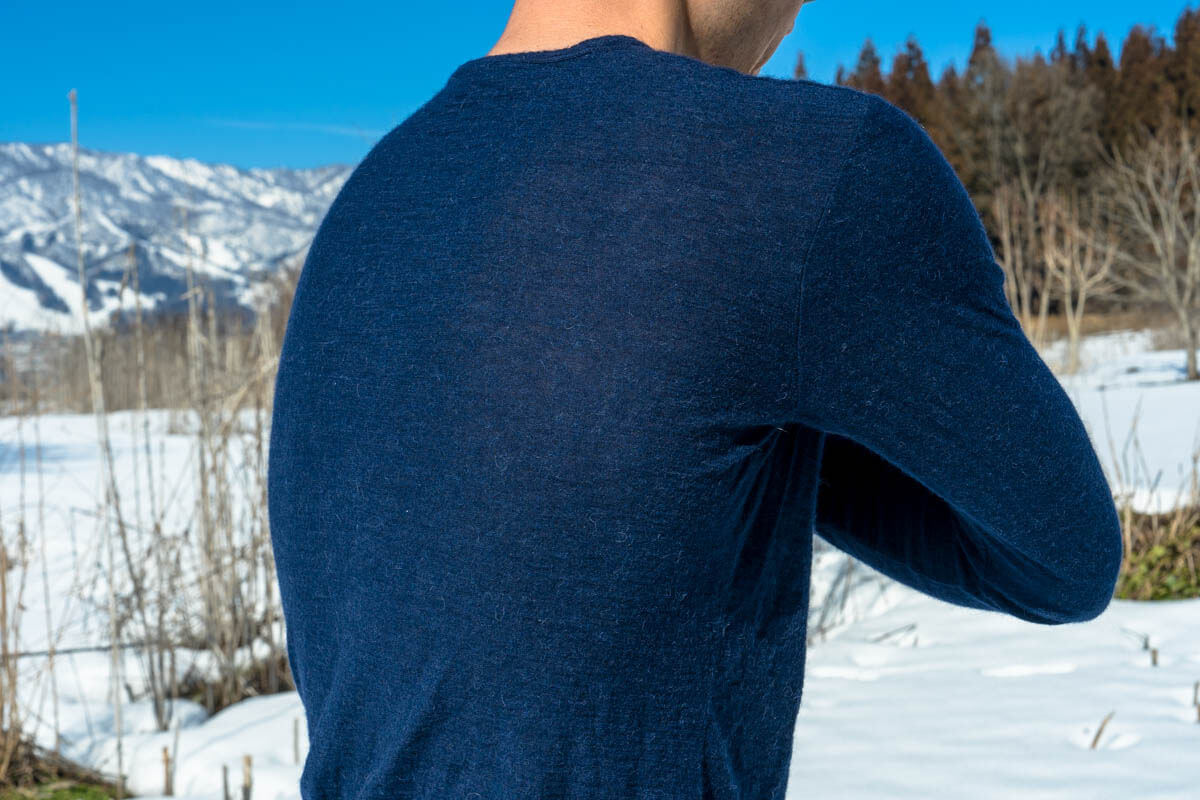
As for the fit, it fits snugly to the body line without being too tight, providing a very comfortable fit and a beautiful silhouette. Alpaca wool is also more stretchy than you might imagine, allowing for excellent freedom of movement. It will easily adapt to a variety of body types
Size S (176cm, 63kg). It was almost the perfect size, but I'm concerned about the back hem riding up, so next time I might go for size M
However, there was one thing that bothered me: a very slight prickly sensation when I put it on. It wasn't so uncomfortable that I couldn't wear it, and I even forgot about it while I was moving around, but it was a subtle irritation to my skin that I had never felt with merino wool base layers for mountain climbing before
Rinse away any annoying tingling sensations
So, wondering if there was any way to reduce the itchiness, I tried soaking it in rinse (or conditioner) after washing, just like I do with wool, and the itchiness was successfully eliminated to the point where it was barely noticeable. Also, this may just be because I got used to it, but it seems like the itchiness has decreased as I've worn it more and washed it more. Another indirect way to reduce the itchiness was Millet Drynamic Mesh and then put on this base layer over that, which was also effective.
Why did it feel itchy? As mentioned above, it's true that alpaca wool is structurally "hypoallergenic and non-itchy." According to the brand, the fiber used in this base layer is 100% "Royal Alpaca Wool," which grows on the backs of alpacas and is the rarest, finest (less than 18 microns in diameter), and therefore softest of all alpaca wool varieties
However, alpaca wool is not made up of just one type of hair, and it is not uniform depending on the age or part of the body, and the quality also varies depending on the spinning technique. Alpaca wool production technology is still in its infancy, and not all manufacturers are always able to produce high-quality yarn. For this reason, it cannot be said that there are no technical or quality control issues at all, and it may take a little more time to address the comfort issues of alpaca wool products, which are still in their infancy
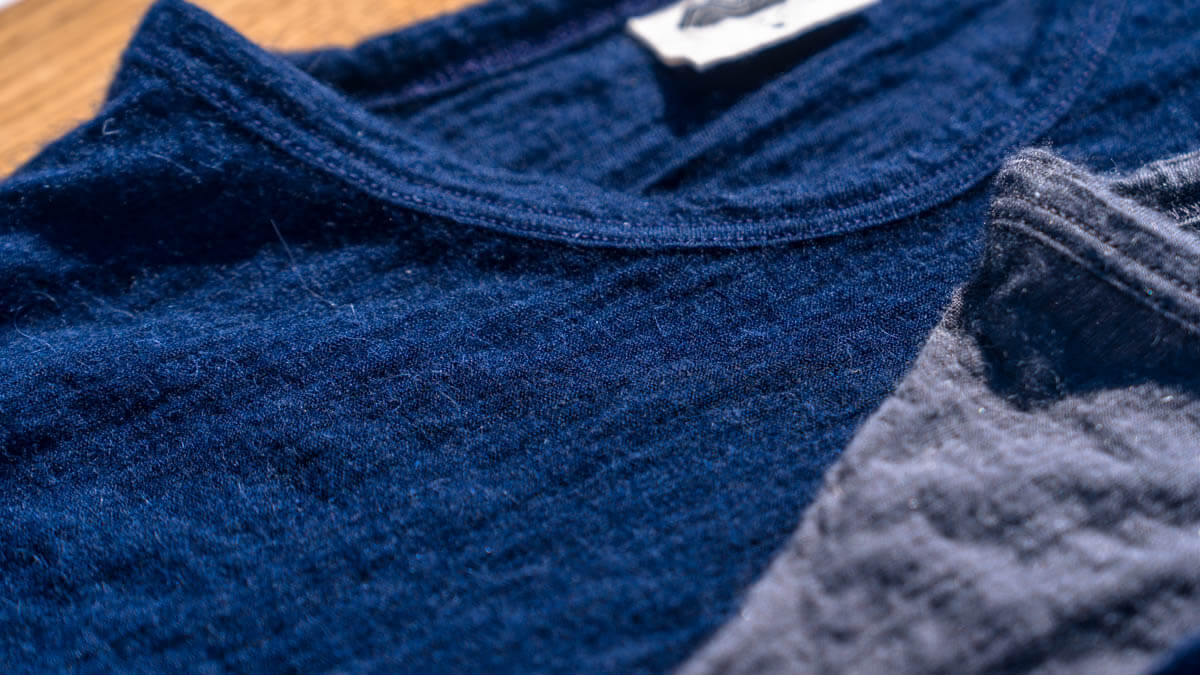
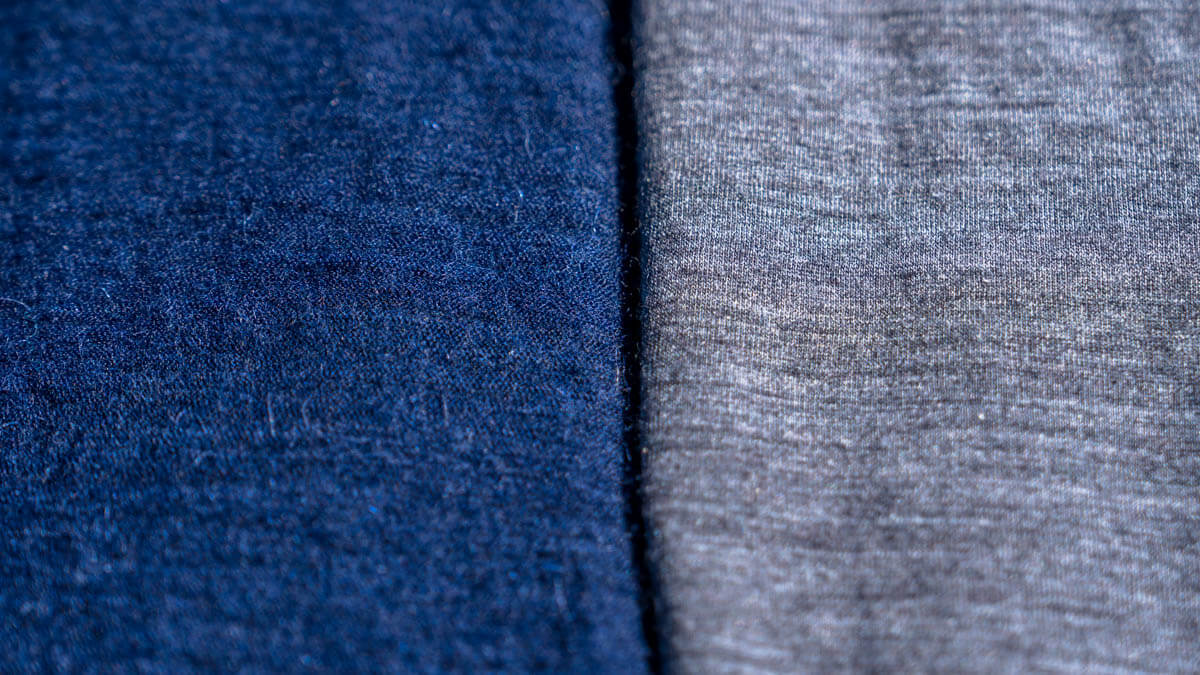
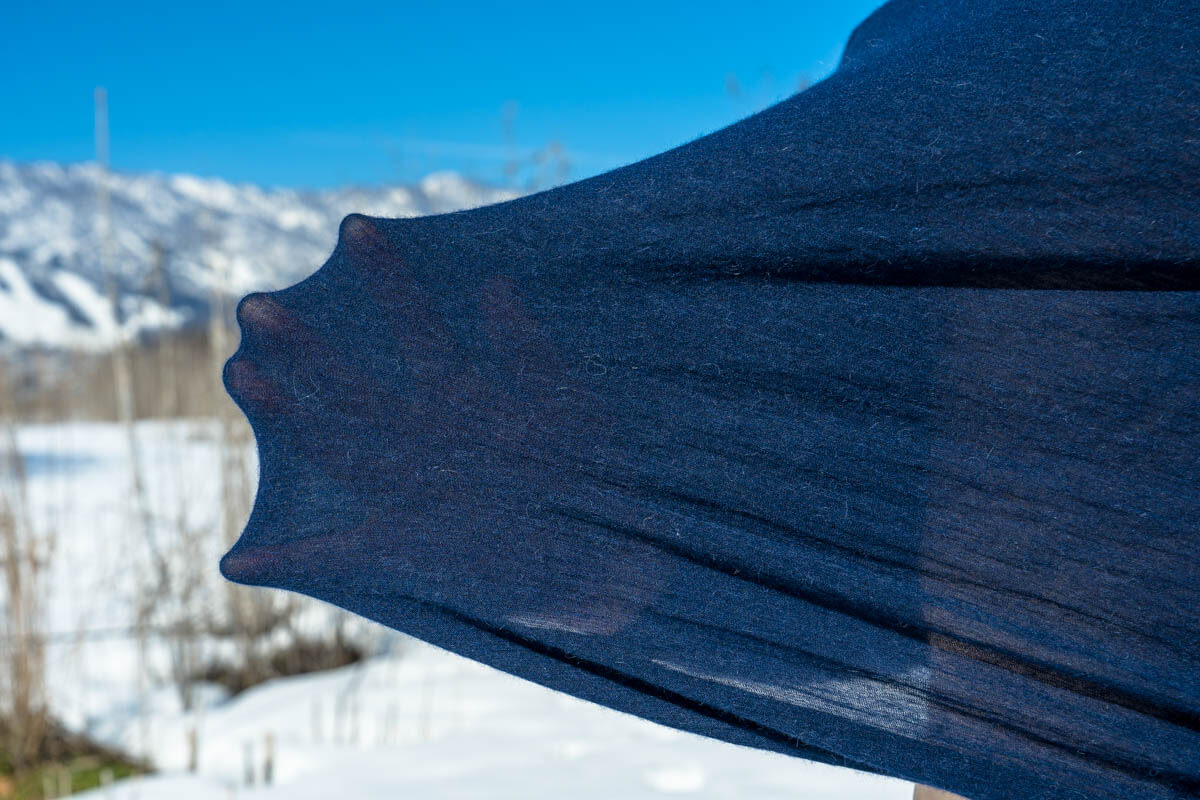
Alpaca wool (left) has a slightly wrinkled texture compared to merino wool (right), and the subtle unevenness and brushed surface give it a fluffy, voluminous feel
Unfortunately, it is not designed for serious outdoor use in winter
Another thing that needs to be mentioned, although it may be unavoidable given the original positioning of this shirt, is that it is not designed to be suitable for serious outdoor use, which is disappointing
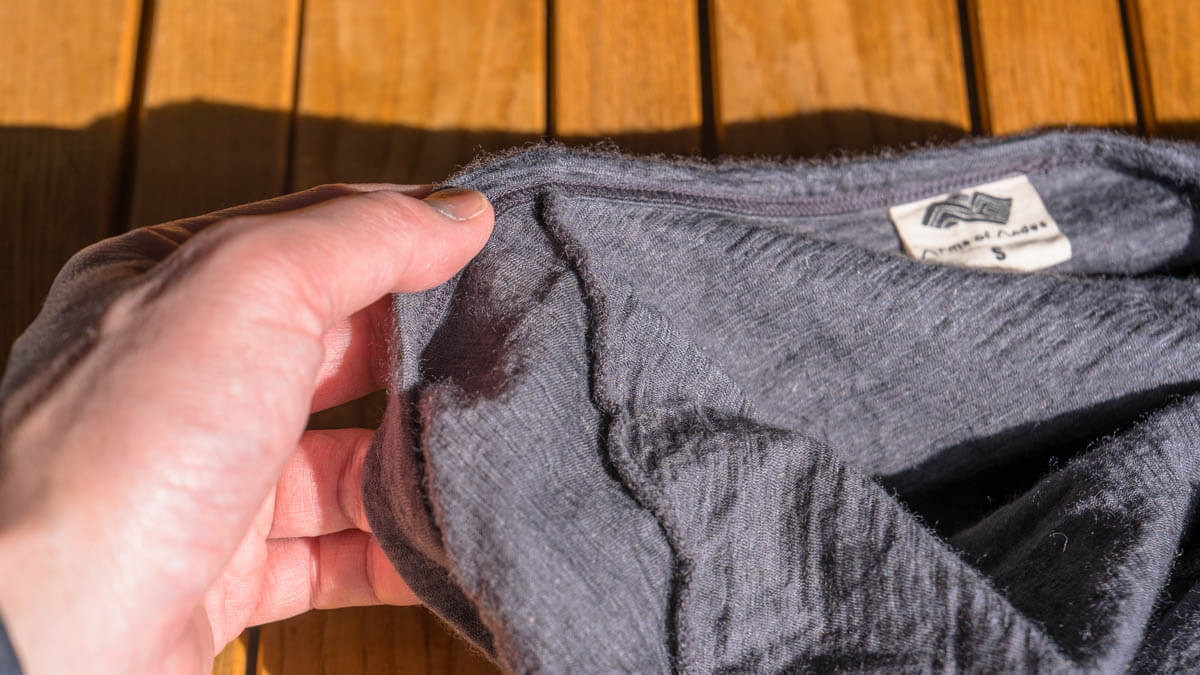
For example, the lining seams around the shoulders are not flat, which causes slight unevenness, and the back hem is not long, so it tends to ride up when you move your upper body. If the jacket is targeted at outdoor enthusiasts, these are areas that should definitely be addressed in future updates
The seams around the shoulders are not flat seams as are commonly used in outdoor base layers, but are sewn in a standard way, so there is some discomfort
Heat retention and sweat management: Thin and light, yet surprisingly warm, and less likely to cool down from sweat while on the move
Alpaca's outstanding heat retention
I felt a bit put off when I first put it on, but when I pulled myself together and actually got going, I was surprised to find that such a warm base layer existed. The incredible warmth it provided made the slight itchiness seem like a minor issue
The fabric I'm wearing is so thin, weighing just 149 grams, it could be called a summer base layer. Despite this, the moment I put it on, a gentle, natural warmth spread across my skin, and before long, it felt as warm as if I was wearing a sweater. I knew it would be warm, but the semi-hollow fibers grown at altitudes of over 3,000 meters are no joke. It exceeded my expectations, delivering a natural gentleness and powerful warmth I'd never felt before. To achieve the same warmth with other fibers, a thicker, or heavier, fabric would be necessary
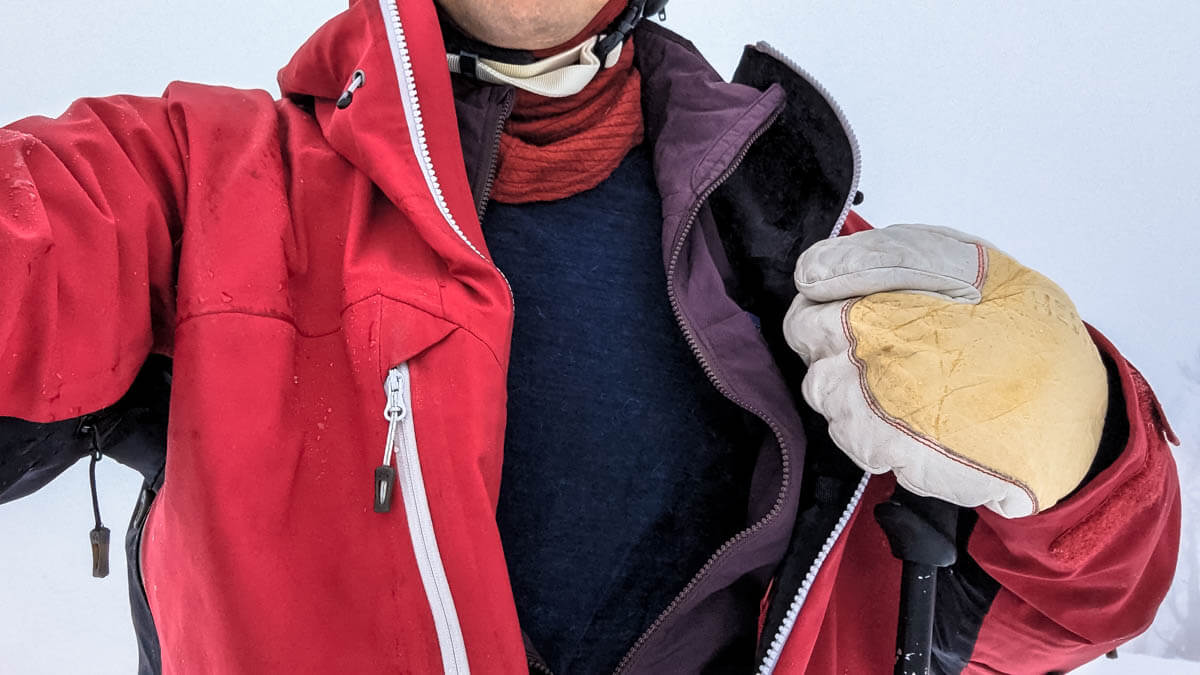
In my case, I wore this base layer over a thin mid-layer (active insulation such as Octa or Polartec Alpha), and then a hard shell on top of that.I went skiing, mountain climbing, and backcountry skiing from Nagano (Hokushin, Hakuba, Norikura) to Hokkaido (Niseko, Asahikawa) from January to March, and I never had any concerns about the warmth
Quickly dissipates moisture from sweat without trapping it
What's even more amazing is that despite being so warm, you rarely feel stuffy or uncomfortable due to sweating. Merino wool also has natural moisture-regulating properties, but alpaca wool is less likely to retain moisture and is more breathable. This means that moisture inside the clothing is more easily dissipated, and you rarely feel stuffy. Of course, in the warmer months of spring and summer, it may be too warm and you may sweat too much, so I imagine this unparalleled comfort is only possible in the cold winter months. However, this was the first base layer I've ever found that was so light, warm, and comfortable to wear while outdoors in the winter
When hiking on a nice day, I just wore the alpaca base layer and mid-layer, and it provided just the right amount of warmth and moisture-wicking properties
Odor resistance: Like other wools, there is no odor or discomfort even after wearing it for several days
Arms of Andes , but all alpaca wool, like merino wool, has natural odor-resistant properties. In this review, I was able to confirm that the product did not smell even after wearing it for about a week straight.
Care: No need to wash by hand and no pilling. "Machine washable" for peace of mind
The label on the inner cotton fabric says that this base layer can be washed on the gentle cycle of a home washing machine and air-dried, so hand-washing isn't necessary. Of course, just like with other mountain wear, avoid using fabric softeners or bleach, and don't tumble dry. It's also easy to care for, with less pilling than merino wool, meaning less deterioration from washing. Its lightweight, semi-hollow fibers also make it extremely quick to dry
Summary: Merino wool is entering a new era
Available in multiple neck sizes, sleeve lengths, and color variations. In addition to the standard color variations, multiple natural colors are also available
I found myself feeling a bit excited about discovering a new material for the first time in a while. This base layer made from an unknown natural material has definitely made my winter mountain life that much more comfortable
Arms of Andes now become an essential part of my everyday winter wear, like a uniform, not just in the mountains. I've bought three, so I can wear long-sleeved shirts in the mountains and short-sleeved crew neck or V-neck shirts for everyday wear, washing them as I please, without interruption. While there's still room for improvement in the finer details, this is still within acceptable scope for growth. In terms of winter undergarments, I can't currently find anything as lightweight, comfortable, highly functional, and sustainable as this alpaca wool. This new material has so much potential, and I'm convinced that in a few years, its quality will be further improved and many brands will begin releasing alpaca wool products.
If you're searching for the perfect winter base layer, looking for extra winter outdoor comfort, or have a passion for new materials, now's the time to jump in
Learn more and purchase Arms of Andes base layers
Arms of Andes Alpaca T-shirts and Base Layers are currently available for purchase from the official US online store below.