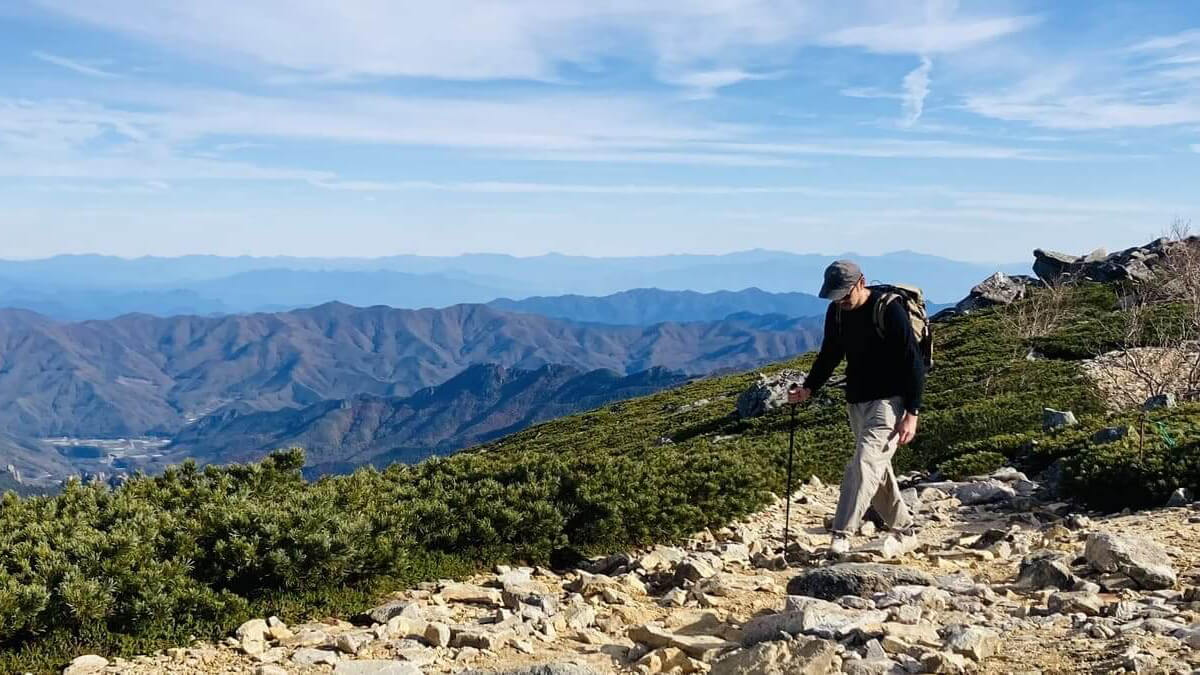
Trekking poles are a rather unimpressive piece of equipment, but they play an important role in making hiking in the mountains comfortable
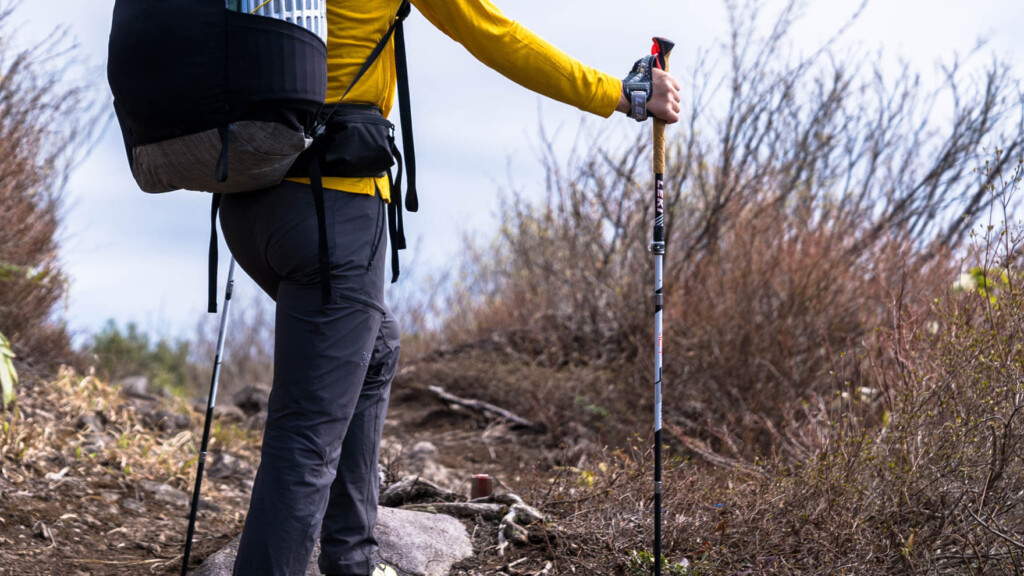
Using two trekking poles and walking as if walking on all fours not only reduces the strain on your lower body, but also prevents falls and increases stability when crossing unstable footing or streams. When climbing, you can use the power of your upper body through the poles to propel yourself forward, or you can use the trekking poles to pull yourself up and walk more lightly. You can also use one trekking pole for leisurely mountain hikes, switching between them to maintain balance
Trekking poles are heavy items that support walking in a variety of situations
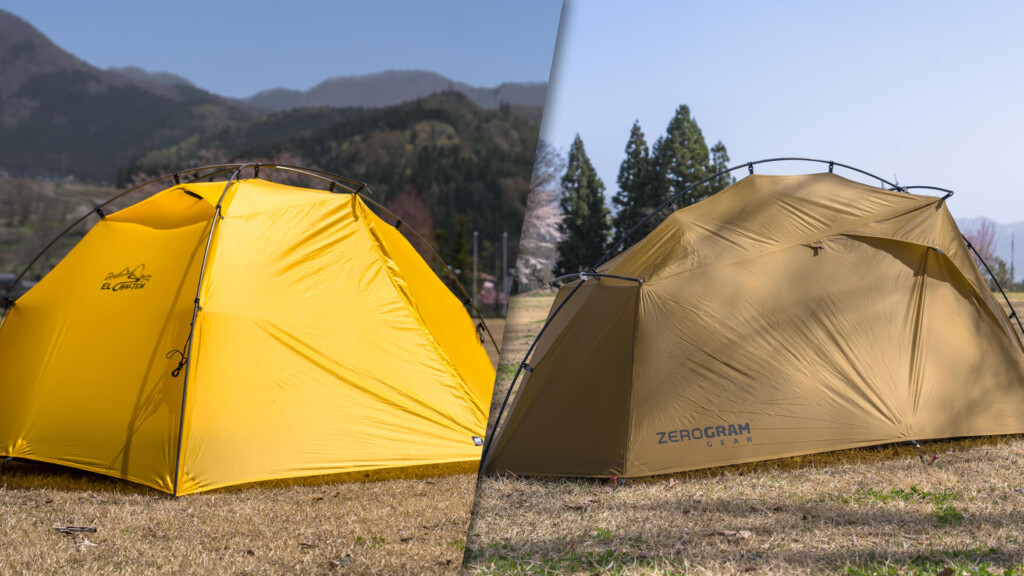
These days, trekking poles are no longer just for walking support. They can also be used as support poles for frameless tents, making equipment lighter. Many UL hikers are actively using trekking poles to enjoy mountain hiking with lightweight shelters and tents
After roughly researching the weight of about 50 different types of trekking poles, I found that most weigh around 250g each, and anything under 200g can be considered lightweight. Today, I'll be introducing the lightest trekking pole, the Johnnie Hiker , at under 150g (there are only a handful of trekking poles that weigh under 150g).
Trekking poles are often used to support the body, but if they are too light, will they be too strong?
I had some doubts and worries before purchasing, but once I actually used them, my doubts were blown away. The ultra-lightweight trekking poles " Johnnie Hiker " not only make your equipment lighter, but are also extremely useful items that allow even those with less muscle strength to use them with minimal strain on their arms.
table of contents
- Main features of EVERNEW Johnnie Hiker
- Detailed Review
- Lightweight, weighing less than 150g
- Made of CFRP, it is sturdy enough to withstand your weight
- Easy-to-hold grip shape
- You can choose whether to wear a strap or not
- Steplessly adjustable from 600 to 1350 mm
- It can be extended up to 1350mm and can be used as a shelter support pole
- It may seem like just a pattern, but it actually contains a message
- Summary: When it comes to hiking, the lightest trekking poles with excellent strength are the perfect solution for UL hikers!
Main features of EVERNEW Johnnie Hiker
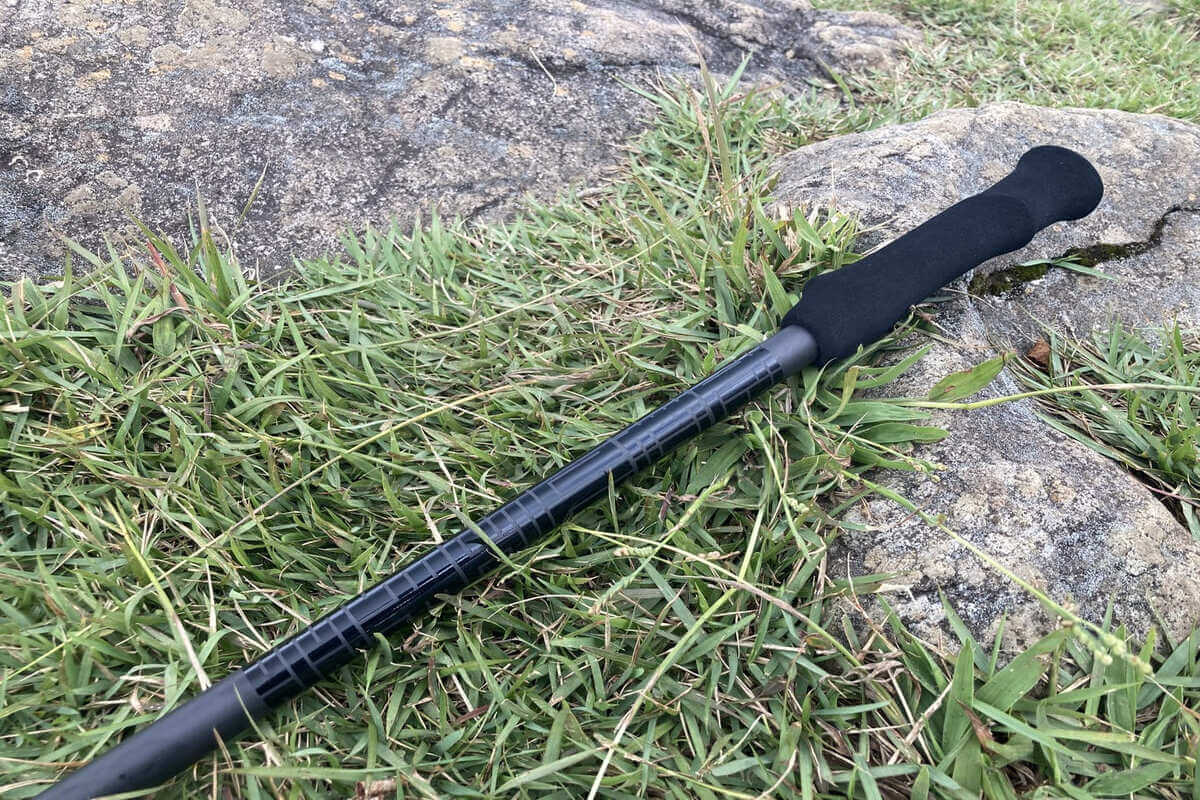

The Johnnie Hiker is an extremely simple carbon trekking pole released in 2024 by Evernew, a long-established Japanese outdoor manufacturer celebrating its 100th anniversary. The material used is CFRP (carbon fiber composite), which is lightweight with a specific gravity of about two-thirds that of aluminum, yet is about 10 times stronger and more rigid than steel, achieving a high level of both lightness and durability
The Johnnie Hiker is designed to be as simple as possible, and is telescoping and fastened with a screw lock. Its length can be extended up to 135cm to accommodate the frameless tents used by many UL hikers
As a trekking pole, it can be freely adjusted from 60cm to 135cm, making it suitable for anyone, regardless of height or body type
Favorite points
- Lightweight, weighing less than 150g
- Made of CFRP, it is sturdy enough to support your weight
- Easy-to-hold grip shape
- You can choose to wear it with or without a strap
- Steplessly adjustable from 600 to 1350 mm
- It can be extended up to 1350mm and can be used as a shelter support pole
- It may seem like just a pattern, but it actually contains a message
Points of concern
- There are no markings to indicate the length, so it is done intuitively
- Screw lock type requires more effort to secure than flip lock type
- It would be nice to have a snow basket option
Main specifications and evaluation
| Item Name | Johnnie Hiker |
|---|---|
| weight | 145g |
| Connection method | Telescoping |
| rock | Screw Lock |
| Size (cm) | 600mm to 1,350mm |
| Storage size (cm) | 600mm |
| Shaft Material | CFRP |
| accessories | ・Flange protector ・Basket |
| Outdoor Gearzine Review | |
| Comfort | ★★★☆☆ |
| weight | ★★★★★ |
| Fixing/adjustment | ★★★☆☆ |
| Storage capacity | ★★★★★ |
| durability | ★★★☆☆ |
| Cost performance | ★★★★☆ |
Detailed Review
Lightweight, weighing less than 150g
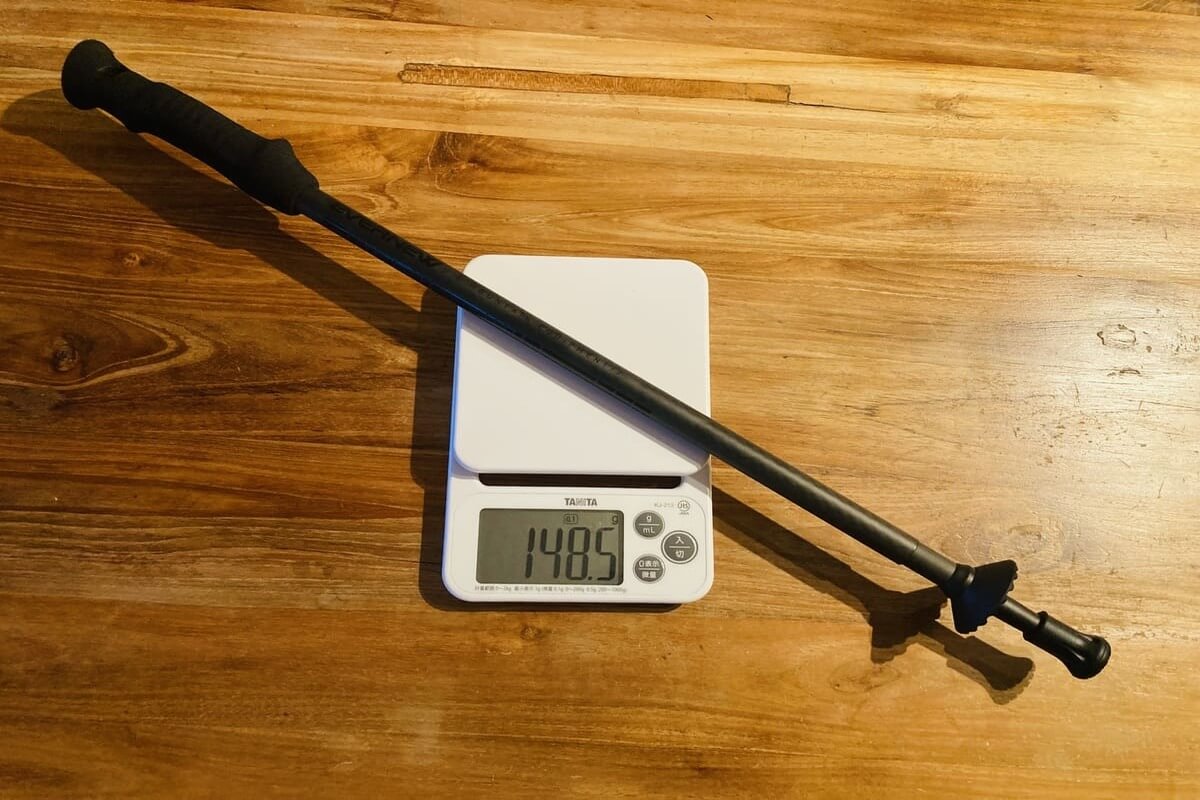
The Johnnie Hiker's greatest feature and appeal is its lightness
As mentioned at the beginning, a typical trekking pole weighs around 250g. There are very few trekking poles that weigh less than 150g. The Johnnie Hiker is one of the lightest trekking poles
If we assume that a typical trekking pole weighs 250g, the Johnnie Hiker can be made about 100g lighter per pole (200g for two poles), which has a significant impact on the weight of your equipment. For UL-oriented hikers, 200g is a weight that cannot be ignored
Why I think lighter trekking poles are better
Using trekking poles reduces the strain on your lower body and cushions the impact, which in turn distributes the strain to your upper body
Prolonged use puts strain on the upper body (especially the arms). (Have you ever experienced sore arms after a few days of hiking where most of the walking is involved?)
It is true that making your equipment lighter reduces the strain on your body, and that building up the muscle strength and stamina to be able to carry heavy equipment for long periods of time is also true
In my case, I like to carry light equipment and walk with less strain on my body
Until now, I had been using trekking poles weighing about 250g each without much hesitation, but after using the Johnnie Hiker, I realized how much it minimizes the strain on my upper body and reduces the impact on my lower body (I was so impressed that even after a long period of activity, the fatigue in my upper body was visibly reduced)
Less strain on the body gives you more room to breathe, and even if you're in the middle of a tough climb, if the view is beautiful you can point your camera and take a picture
Using trekking poles will not eliminate the strain on your arms. A minimum level of muscle strength is required, but the lighter the poles themselves, the less strain you will put on your arms
Made of CFRP, it is sturdy enough to withstand your weight
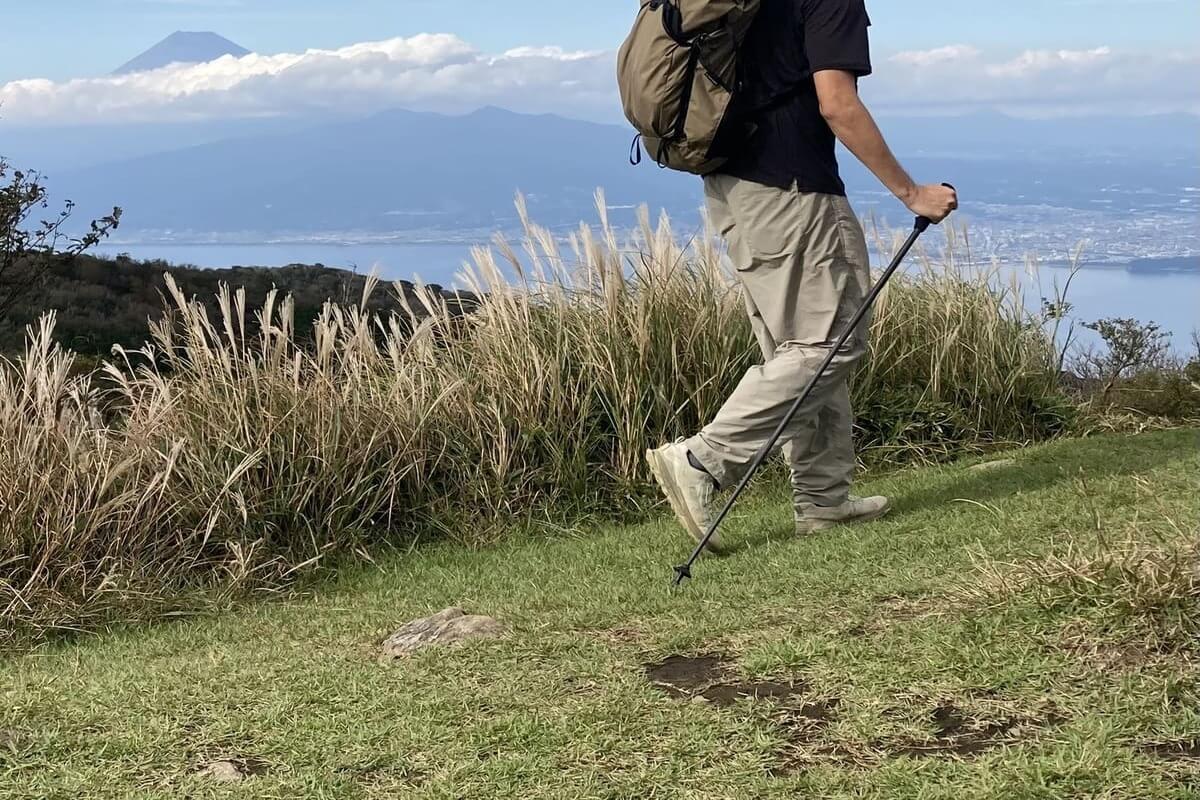
Lightweight UL gear often comes at the expense of other things. It's not uncommon to see cheaply made gear or fabrics that are as thin as possible, trading strength and durability for lightness
Before using the Johnnie Hiker, I was concerned about its strength. Trekking poles are often used to support your body or pull you up, so they need to be strong. While the poles are attractive at less than 150g, I was worried about their strength, but when I actually used them, I found that my concerns were largely unfounded
I tried putting my entire weight on the trekking poles, but I didn't feel any particular anxiety
I haven't tested them for strong side impacts or for hiking while carrying a large load, so I don't know, but at least they feel just as good to use as the trekking poles I've used in the past
Easy-to-hold grip shape
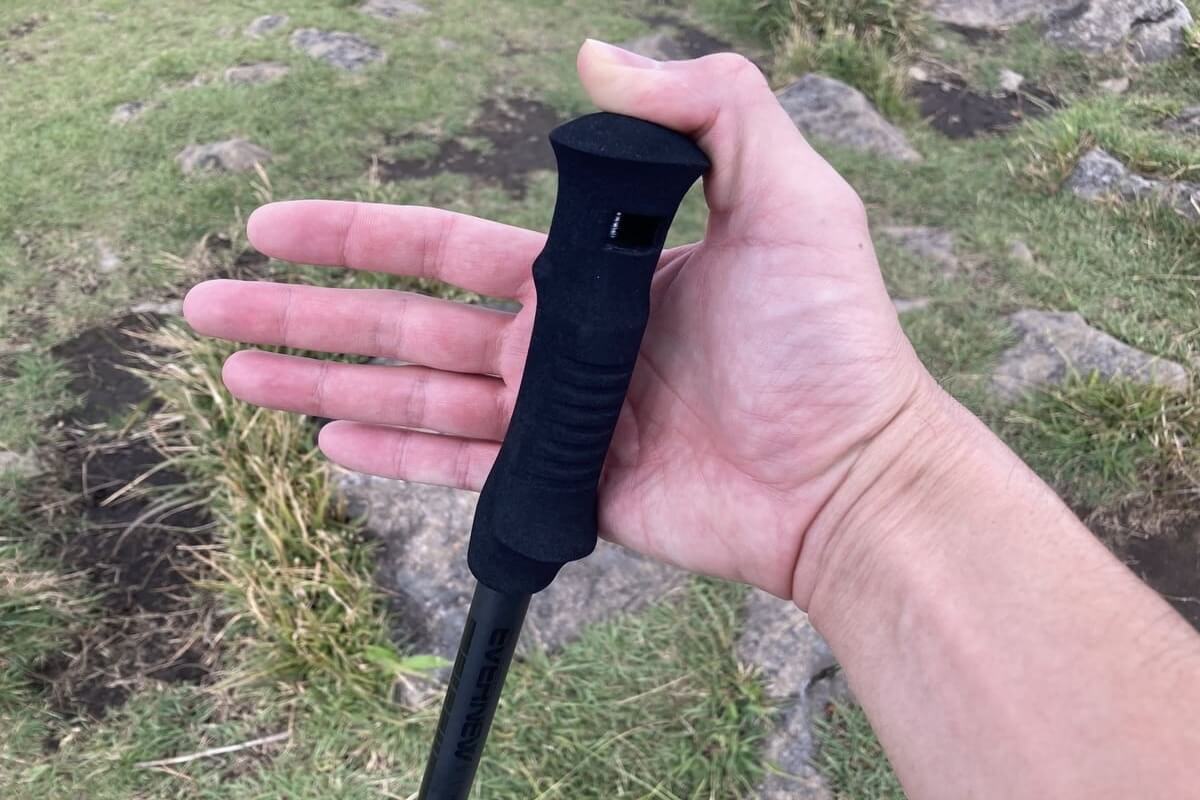
The exact material of the grip is not specified in the catalog or on the official website, but it is made of a high-resilience sponge, which makes it non-slip and easy to hold. The thickness is also perfect; I consider my hands to be large, but the grip is neither too thin nor too thick. It was just right
The grip has a textured surface, so you can apply weight firmly to the pole even with little force
The grooves make them less slippery even when you sweat, and I didn't feel any discomfort even when using them for long periods of time
You can choose whether to wear a strap or not
Trekking poles usually come with straps. The straps are used to prevent them from falling and when using double poles to propel yourself forward. Johnnie Hiker offers optional straps (sold separately), so you can attach them as needed
When I go mountain climbing or hiking, I usually use one pole, alternating between my left and right hands to maintain balance, so I was grateful that the strap was optional and unnecessary
I'd like to have a snow basket option too
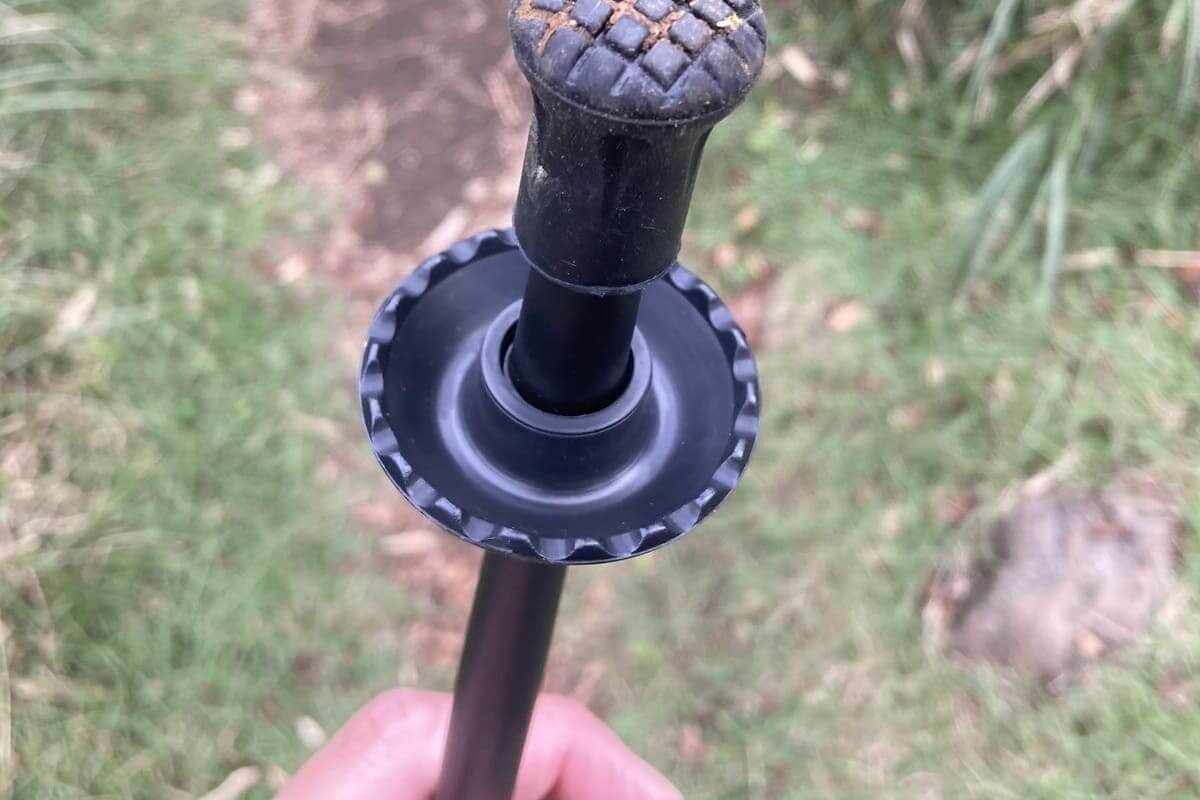
The basket that comes with the bag is a little small for use on snowy mountains. As someone who climbs snowy mountains, I would like to have a larger snow basket as an option so that it can be used properly in deep snow
Steplessly adjustable from 600 to 1350 mm
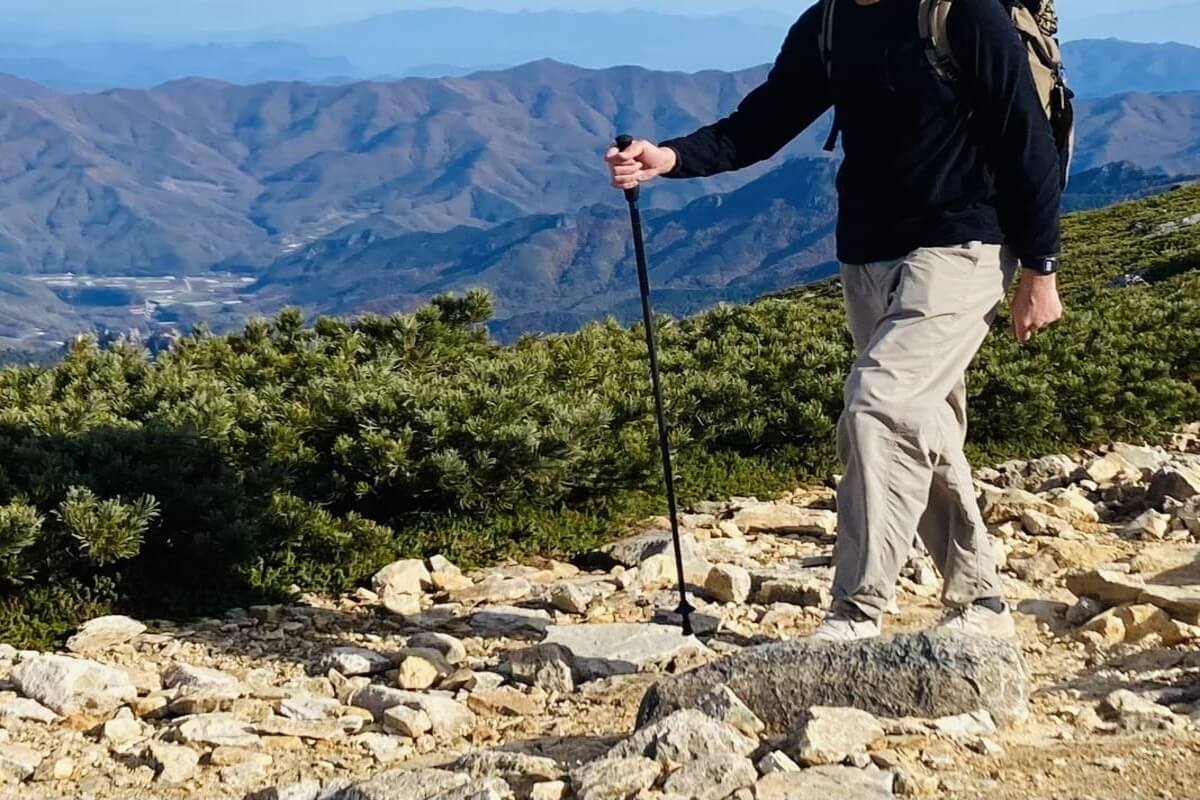
The Johnnie Hiker can be freely adjusted from 60 to 135cm, making it suitable for people of all heights and builds
There is no need to adjust the length when walking on flat roads, but there are fewer flat areas on mountain trails. When climbing mountains with lots of uphill and downhill sections, where there are large rocks and you take many large steps, or when descending stairs at regular intervals, you can adjust the length to provide more effective walking support
Some lightweight trekking poles cannot be adjusted in length. These poles are designed to be lightweight by eliminating the adjustable length feature, but the Johnnie Hiker is a pole that achieves "lightness" without compromising the convenience of trekking poles
There are no scales to indicate the length, so it is done intuitively
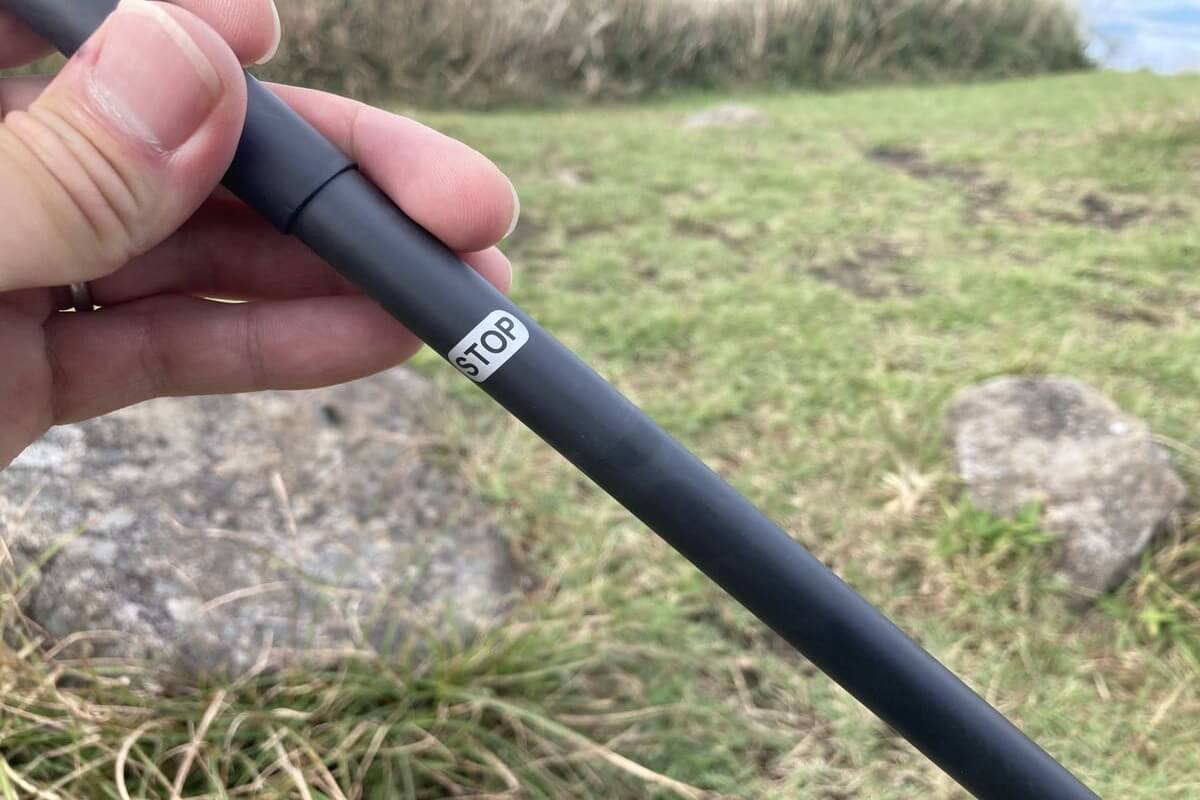
One thing that bothered me, and took me a while to get used to, was the lack of a scale to indicate length
All the trekking poles I've used up until now have had markings on them so that I could see the length at a glance, and I would decide on a standard length of ◯cm when climbing and ◯cm when descending.However, the Johnnie Hiker does not have any markings, so I have to decide the length by feel
Compared to when the length was obvious at a glance because there were markings, it can be a bit awkward to get used to determining the length intuitively
Once you get used to it, you'll be able to tell the right length by feel, so the lack of markings no longer bothers you
Screw lock type requires more effort to secure than flip lock type
The Johnnie Hiker has a screw lock system that locks the pole by twisting it around, but if it is not secured properly it will retract when you put your weight on it
This can be frustrating for those who use flip-lock trekking poles that can be locked and unlocked with a single touch
To be honest, I too find screw locking stressful
There's nothing to complain about as these trekking poles are lightweight, weighing just 148.5g in actual measurements, but when it comes to practicality such as length adjustment, flick-lock trekking poles probably win out
The CP3 trekking poles from Locus Gear are the ones I struggled to decide between the Johnnie Hiker and the CP3. At 155g, the CP3 is slightly heavier than the Johnnie Hiker, but the flip-lock mechanism makes it easy to adjust the length, making it highly practical
So why did I choose the Johnnie Hiker? It was because of its dimensions when stored. The Locus Gear CP3 is 65cm long, while the Johnnie Hiker is 60cm long, so that was the deciding factor
If you think weight and practicality don't matter, then please listen a little more
I'm over 180cm tall, and I frequently hit my head on trees on hiking trails. Also, when I attach my trekking poles to my backpack, the protruding parts of the poles often get caught on trees. For these reasons, I chose the Johnnie Hiker, which has a screw lock system that requires more effort to secure, but still allows for a smaller storage size
It can be extended up to 1350mm and can be used as a shelter support pole

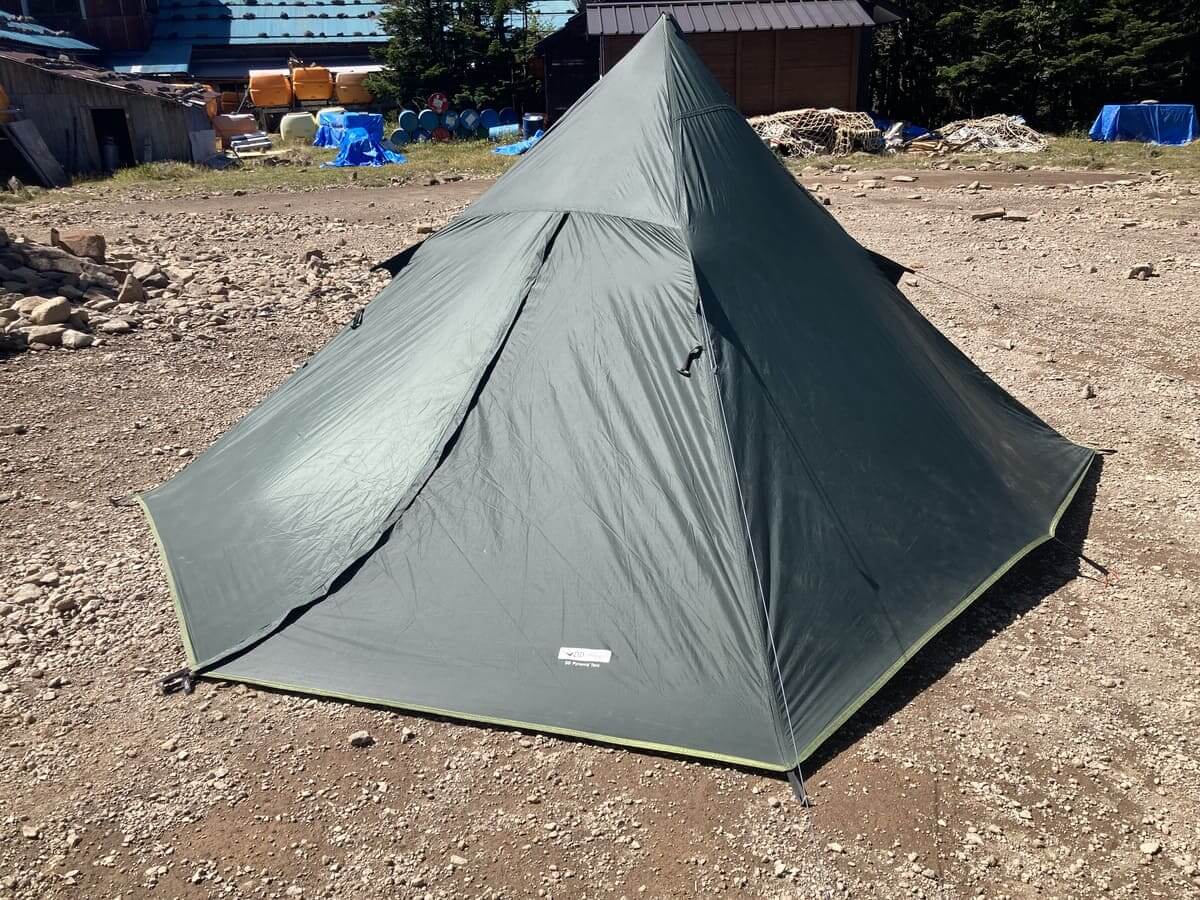
Photos from when we stayed in a tent at the Youth Lodge in Yatsugatake
The Johnnie Hiker can be extended to a maximum length of 135cm, making it suitable for use as a pole in many one-pole shelters
Many UL-oriented hikers prefer one-pole shelters and tents over dome-shaped tents. A one-pole tent for one to two people that can be extended to 135cm will be able to cover most terrain
When used as a tent pole, the pole length is determined by the tent, so adjusting the length of the Johnnie Hiker, which has no markings, can be a bit of a hassle. If you want to know the length immediately when using it as a pole, you can make adjustments easier by sticking a sticker or something on the pole as a marker
It may seem like just a pattern, but it actually contains a message
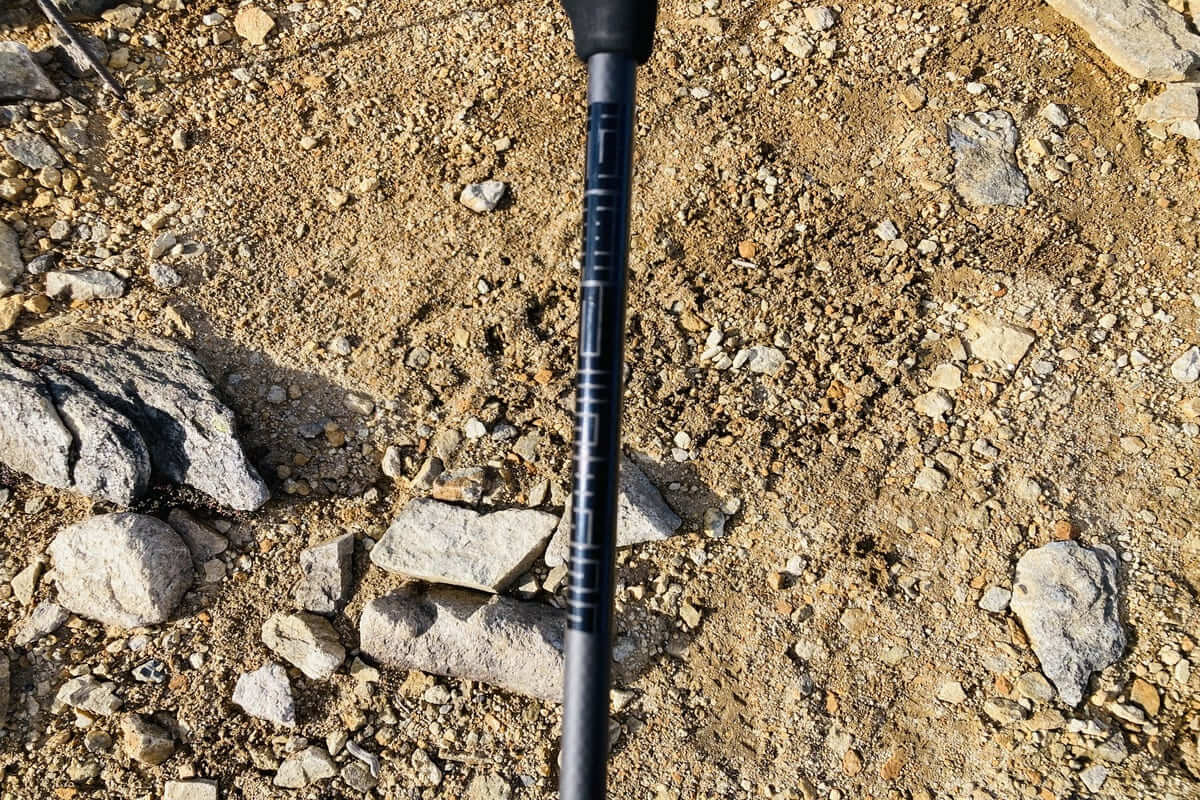
The design printed on the Johnnie Hiker looks cool, but upon closer inspection, there is a message
The design, which I thought was cool, turned into something I loved when I could read the message, and it became one of my favorite features
While it is basic to choose tools based on their functionality and performance according to their intended use, incorporating humor and uniqueness into the design is an important element when it comes to using tools for a long time
I am personally a fan of Evernew, and their recent products have names that are playful and humorous, and some even have poetry written on them, making me want to own them
Summary: When it comes to hiking, the lightest trekking poles with excellent strength are the perfect solution for UL hikers!
We introduced Evernew's lightweight trekking poles, the Johnnie Hiker
Lightweight tools often come with a trade-off between strength and durability, and there are many tools that are not recommended for beginners
But the Johnnie Hiker is different. It's lightweight yet strong enough for hiking, providing solid walking support for anyone, making it a recommended choice for UL-oriented hikers!
Walk lightly in the mountains with the lightweight Johnnie Hiker trekking poles!
Please consider a paid membership to support the website while enjoying exclusive articles and events!
Yosuke

From spring to autumn, I go fishing in mountain streams in pursuit of char deep in the mountains. I hike the mountains in search of spectacular views that cannot be seen from the ground. I camp to relax by a bonfire. I snowboard to experience the feeling of floating in the silvery white mountains
A freelance writer with over 20 years of outdoor experience who enjoys the outdoors in his own way all year round. Based on his experience writing articles for over a dozen outdoor web publications, he will share his own experiences and the best tools he has used
Related reading