Active insulation, a new type of insulation that combines breathability and heat insulation, has been on the market for about 10 years, and is now on track to replace fleece. As a new winter activewear, it has grown into one of the most vibrant genres in the fall and winter outdoor apparel market. As a result, each manufacturer has recently released a variety of unique models with slightly different features depending on the target activity and season
Patagonia was one of the first to enter the popular active insulation market and has been driving the evolution of this genre with its popular "Nano Air" series. One of my personal favorites, the Patagonia Nano Air Light Hybrid , which is particularly focused on active scenes, has been updated this season.
Below, I'd like to share my review of this new jacket after wearing it for backcountry skiing and mountain climbing in winter, spring (February, April) and autumn (October, November) 2023, as well as the recommended seasons and how to use it
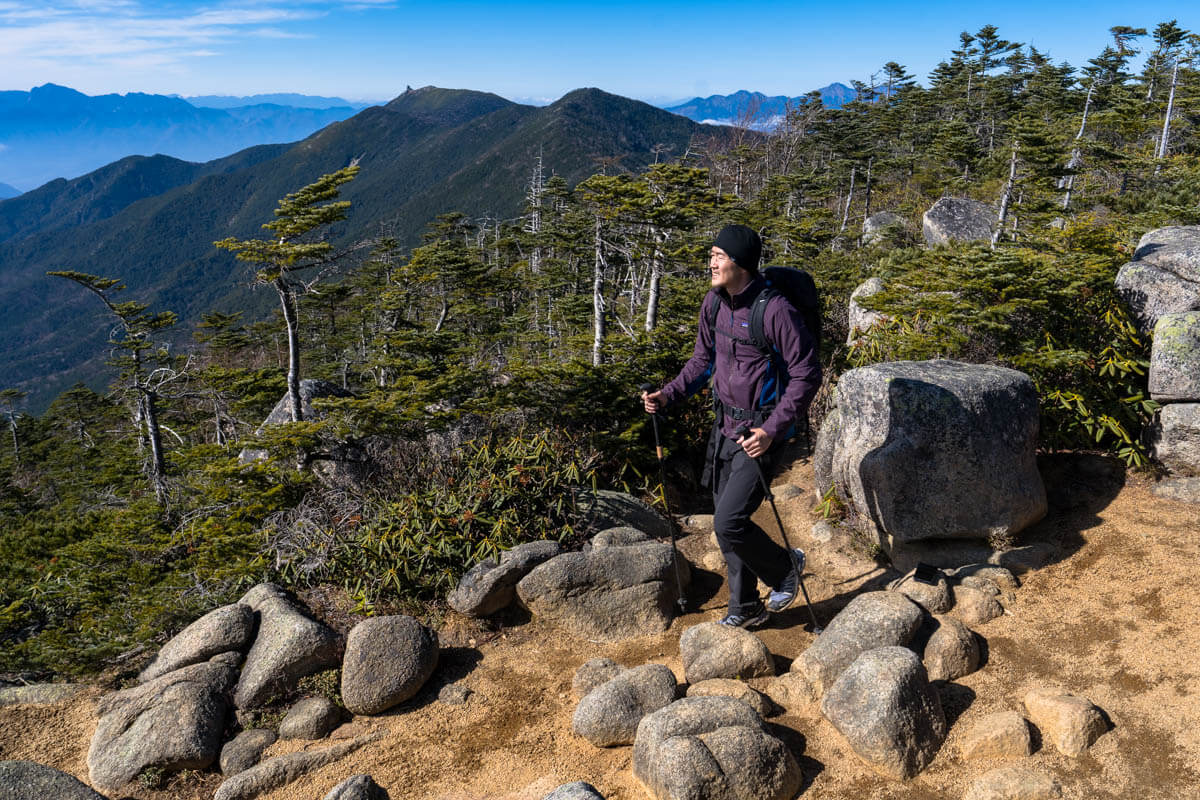
table of contents
Key Features of the Patagonia Nano Air Light Hybrid
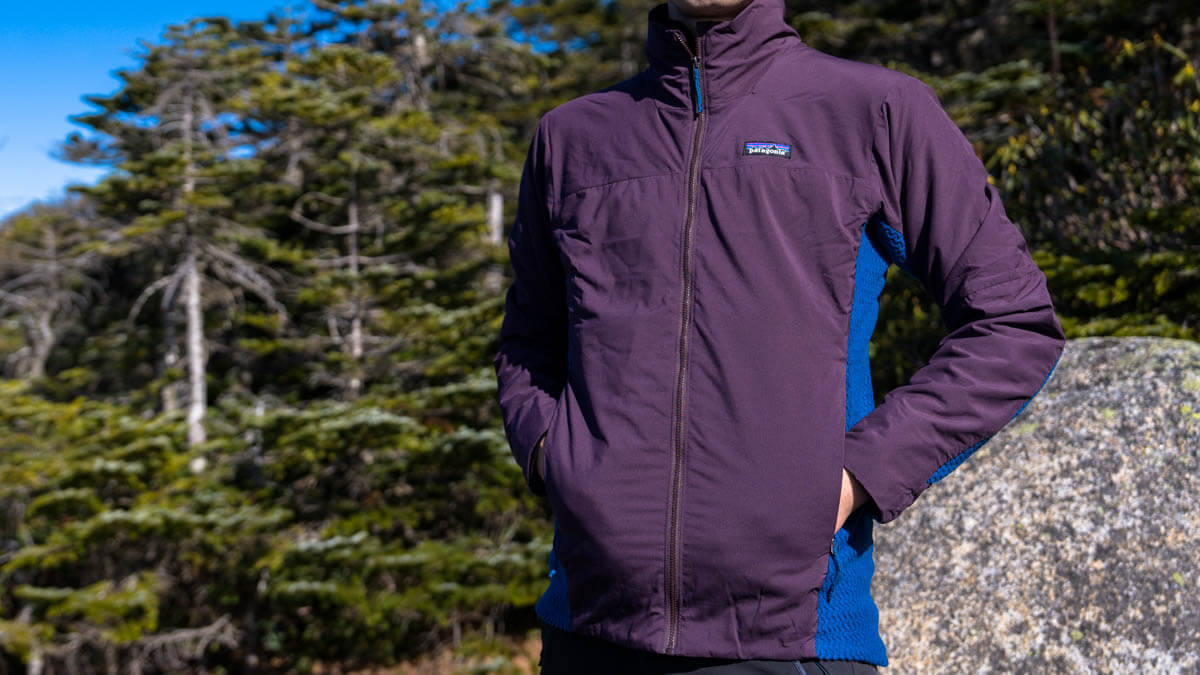
The Patagonia NanoAir Light Hybrid (Jacket/Hood) is a lightweight active insulation jacket ideal for high-tempo activities in cold temperatures. Its 40-gram FullRange insulation provides breathable and stretchy insulation while retaining body heat. The front torso and upper arms feature breathable, quick-drying, and stretchy fleece panels from Patagonia's R1 Air underarms and back. This combination provides both warmth and comfort during intense winter activities. Carefully selected features, such as a snug-fitting hood (in the hoodie version) and elevated hand pockets, are designed with practicality in mind. This jacket is ideal for players seeking lighter, faster, and more comfortable cold weather activities like midwinter hikes, runs, backcountry skiing, and ice climbing. Available in both hoodie and jacket versions.
Recommended points
- Lightweight and comfortable to the touch, easy to move in and comfortable to wear
- Just the right amount of warmth for high-output activities in cold weather
- Breathable so you don't get too sweaty during activities
- Pockets designed to not interfere with harnesses or backpacks
- (Hoodie type) hood with excellent fit
Points of interest
- When it gets warmer than around 10°C, vigorous exercise can be a little hot
- Shell outer fabric durability
- No odor-resistant treatment as in the previous model
Main specifications and evaluation
| item | Nano Air Light Hybrid Jacket | Nano Air Light Hybrid Hoody |
|---|---|---|
| Actual weight | 282g (S size) | 316g (S size) |
| color | Obsidian Plum, Black, Nouveau Green, Shrub Green, Sedge Green (old colors) | Obsidian Plum, Black, Nouveau Green, Wax Red (old color) |
| size | XS / S / M / L / XL | |
| Shell and lining | Highly breathable 1.6-oz 30-denier 100% recycled polyester Shadow Stretch ripstop with a PFC-free DWR (durable water-repellent coating) finish | |
| fleece | 5.7-oz 100% recycled polyester hollow-yarn jacquard fleece | |
| Insulation | 40g FullRange 100% polyester (93% recycled polyester) | |
| Two hidden zippered handwarmer pockets | ||
| Outdoor Gearzine Review | ||
| Comfort | ★★★★★ | |
| Heat retention | ★★★☆☆ | |
| Stuffiness | ★★★★★ | |
| Ease of movement | ★★★★☆ | |
| Functionality | ★★★☆☆ | |
| weight | ★★★★☆ | |
| Storage capacity | ★★★☆☆ | |
| Winter mountain satisfaction | ★★★★★ | |
Detailed Review
Keeps you warm where it matters most, while providing breathability where you need it most – the perfect balance for active activities in temperatures below single digits
The Patagonia Nano Air Light Hybrid is a hybrid winter jacket made with two different fabrics. The front and arm panels are filled with 40-gram Full Range insulation. This is thinner than the 60-gram Full Range used in the original Nano Air jacket, which has remained unchanged since the company's launch seven years ago. By reducing the insulation slightly, this model suggests that the intention is to improve lightness and breathability for more active situations.
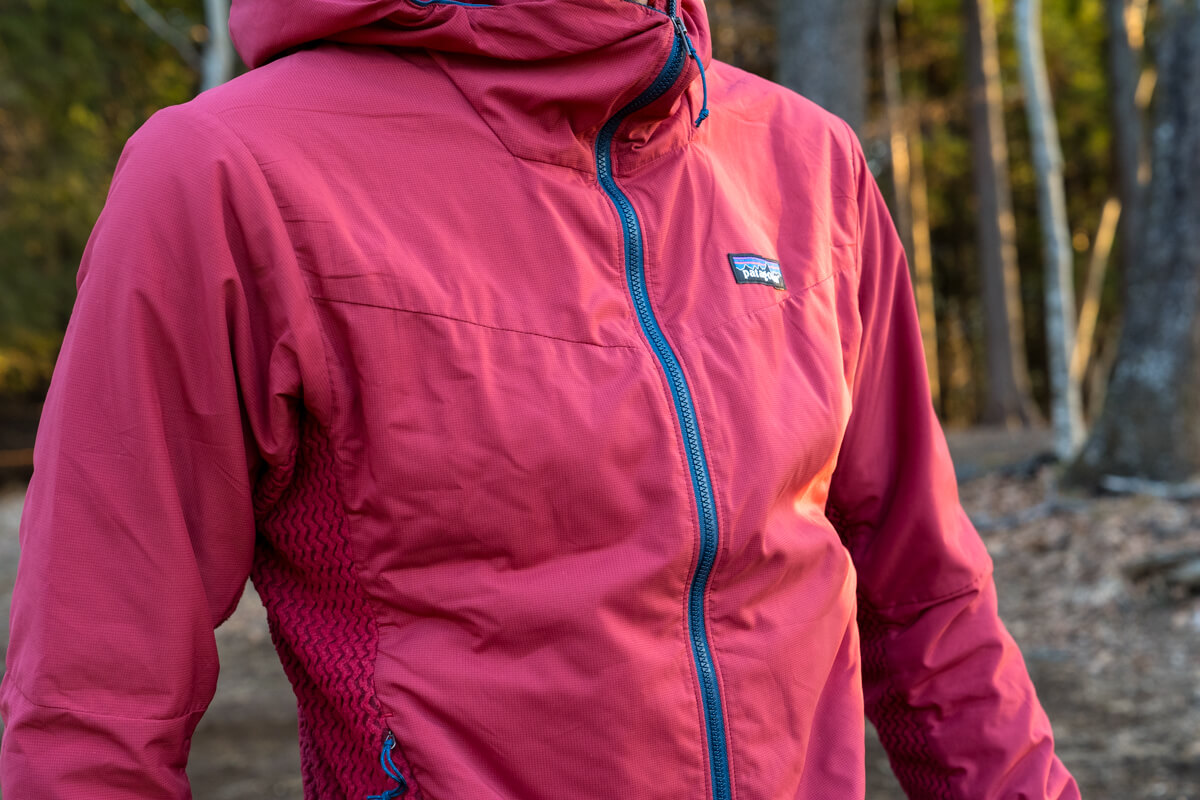
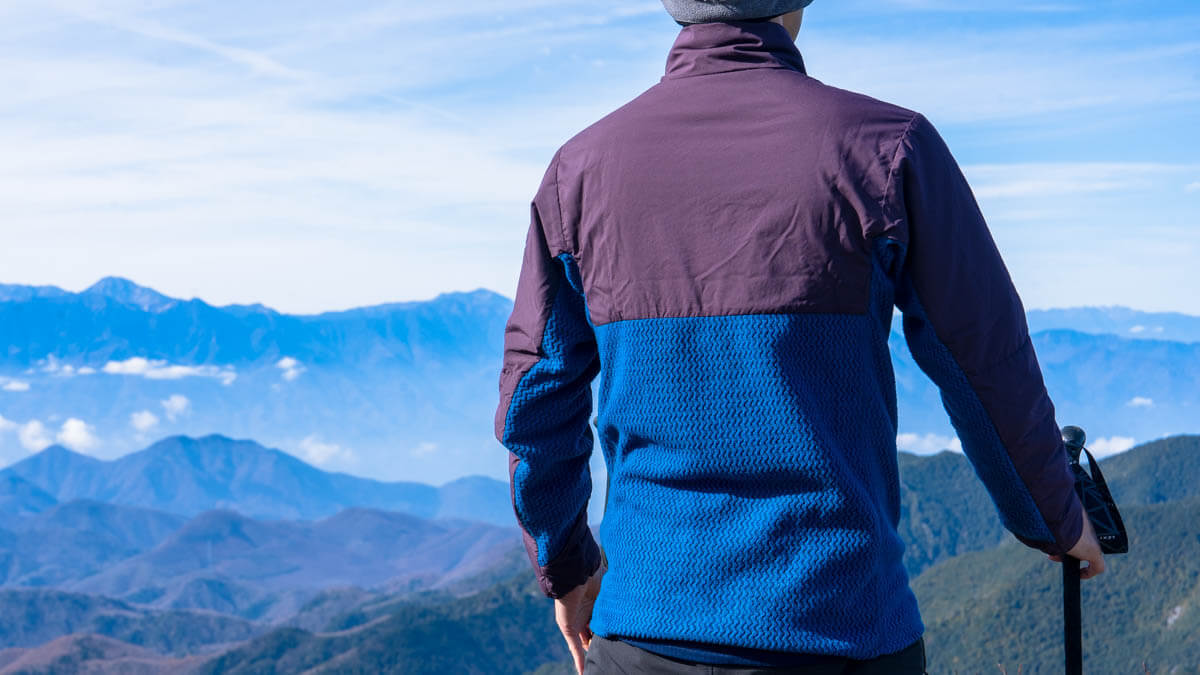
The front and upper arms are padded with breathable material, providing just enough wind protection to make it ideal for use as an outer layer
This is a welcome feature for many winter runners, beginner snow mountain climbers, and backcountry skiers who have experienced (as I did myself) hoping to be able to wear it all day in winter (without taking it off), only to find it surprisingly hot and end up taking it off. For those who are more concerned about the heat caused by constant activity than the cold, this amount of padding is actually just right. Incidentally, it is still warmer than the company's R1 fleece, so I think it will start to feel too hot while you're out and about when the temperature hits around 10°C. In that sense, the best time to wear it is now, during the upcoming winter season
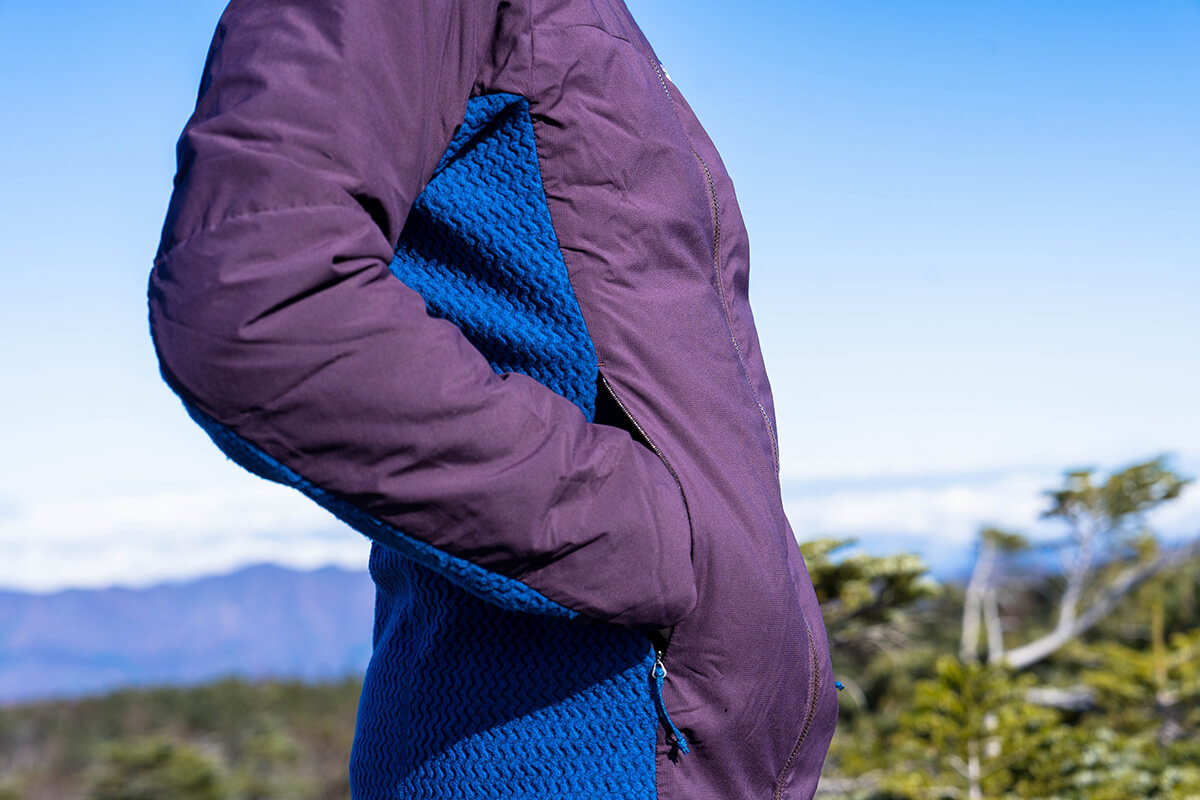
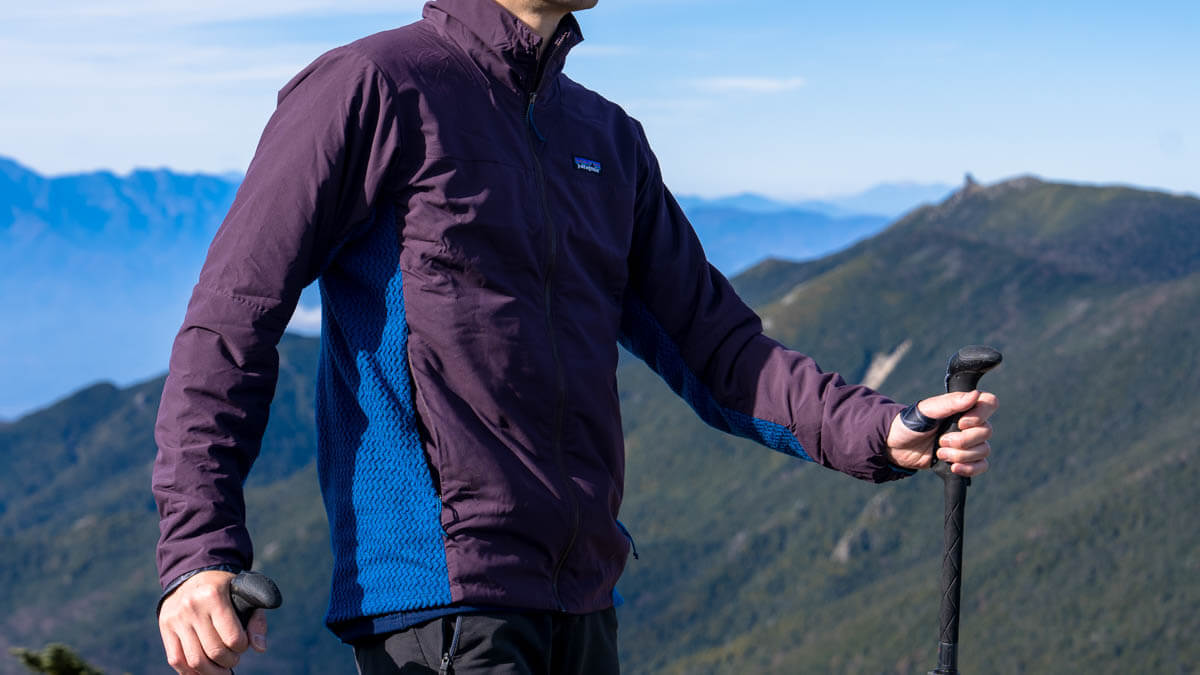
Meanwhile, the back and underarms feature a jacquard fleece with a wavy, three-dimensional pattern. Yes, this is the Patagonia R1 Air, which we previously praised . It's a major improvement over the previous model, which used a waffle-knit fleece. Made from 100% recycled polyester hollow yarn, the fleece is lightweight, stretchy, and moisture-wicking, while the three-dimensional surface provides excellent breathability and quick-drying properties, achieving superior sweat management while maintaining a lightweight design.
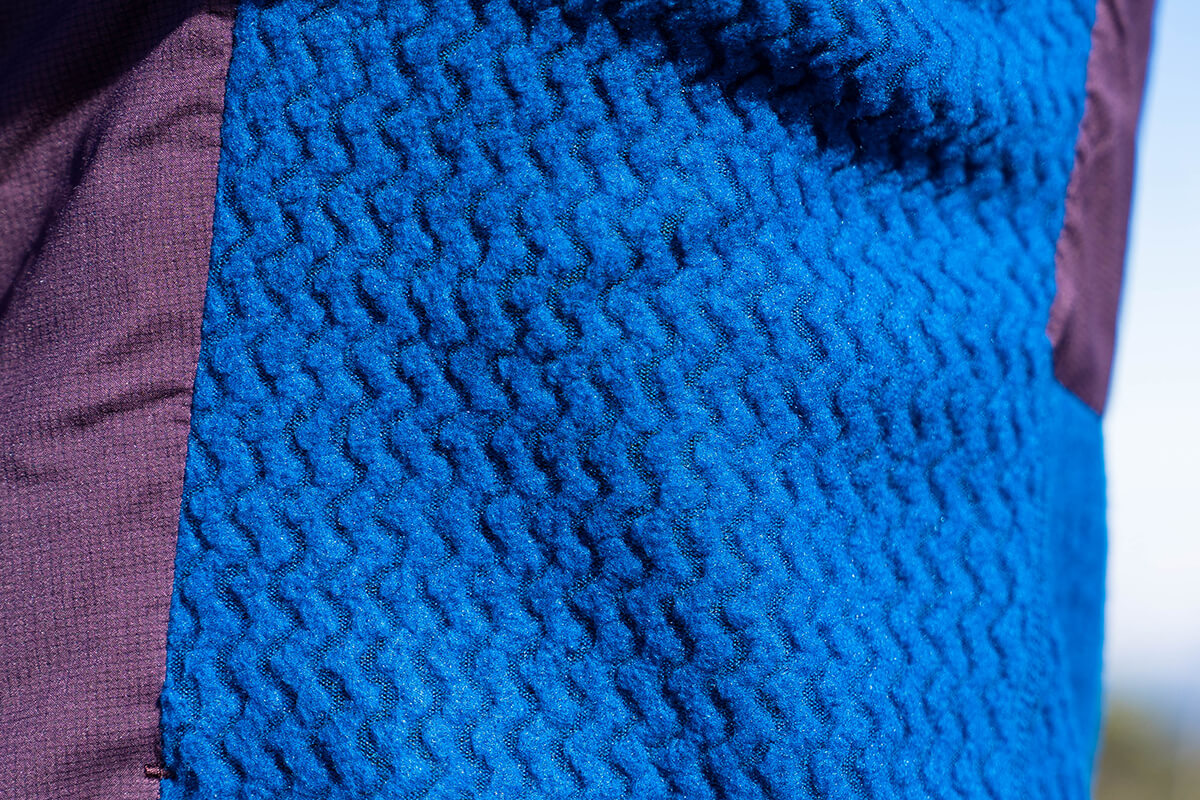
The zigzag fleece panels, also used on the R1 Air, allow moisture to escape easily while you're on the move
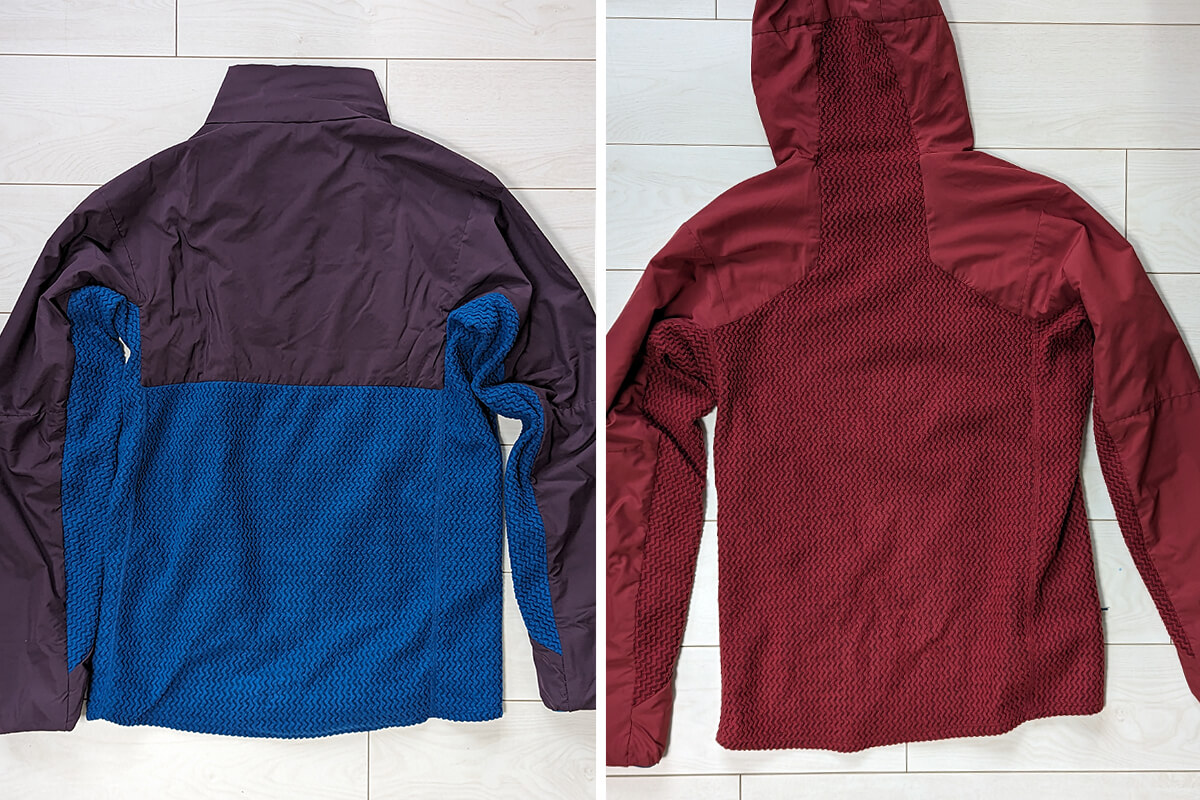
The hoodie type has a slightly larger fleece area on the back than the jacket type, likely intended to make the hoodie more breathable as heat tends to build up in the hoodie
The feeling of heat radiating from under my armpits is irresistible
This combination of Full Range and R1 Air Fleece fabrics worked surprisingly well in the field
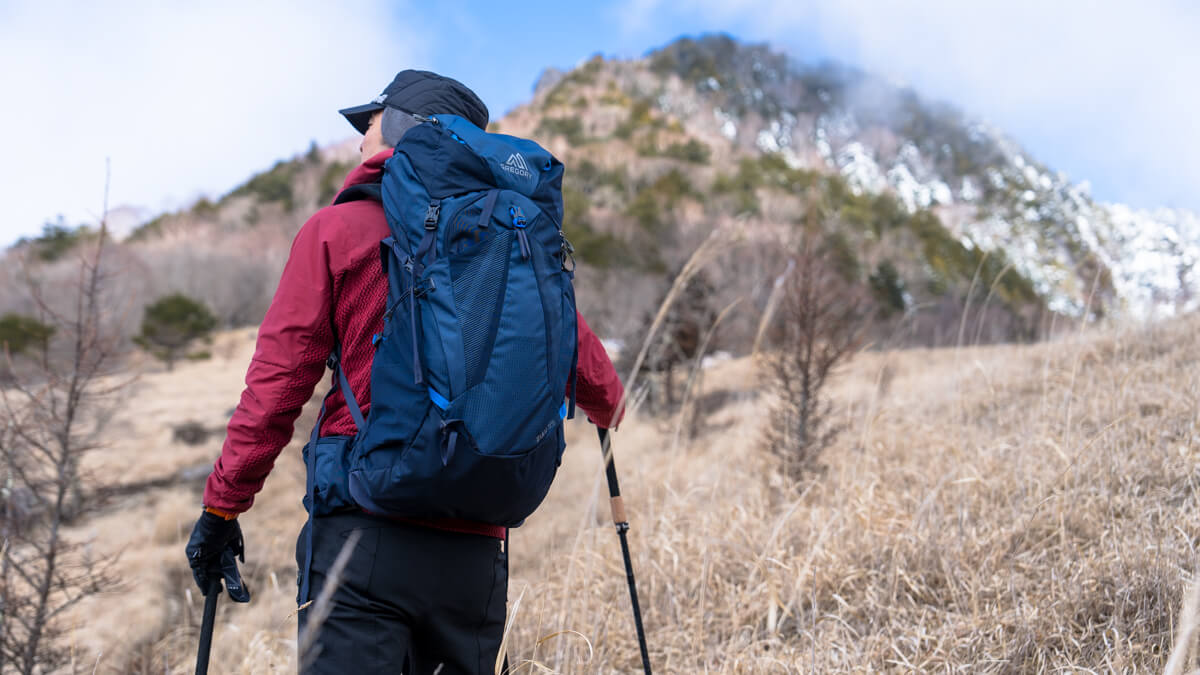
I tested it while carrying a day's worth of gear, backcountry skiing in temperatures around freezing, and hiking with a heavy load in temperatures between single digits and 0°C. First, I didn't feel too cold because the front of my body and the forearms and shoulders, which are exposed to the outside air and are more susceptible to the chill, were protected. Meanwhile, even though my body was generating a fair amount of heat, I could clearly feel the cold air and wind cooling my armpits. Overall, I didn't overheat, and as a result, I was able to continue moving around without having to remove my clothes. The sweat I'd accumulated on my base layer didn't accumulate to an uncomfortable degree, and it dried without me even noticing

This jacket has an excellent balance of warmth and breathability, so even if you're hiking in the backcountry on a sunny winter day and sweating profusely, you won't overheat
The lower the temperature, the more comfortable it is to wear, especially for activities that involve intense exercise. This balance of sweat management and warmth in low temperatures is what makes this product stand out from the rest (although on the other hand, it may not be suitable for leisurely skiing on the slopes or activities that require you to stay still for long periods of time)
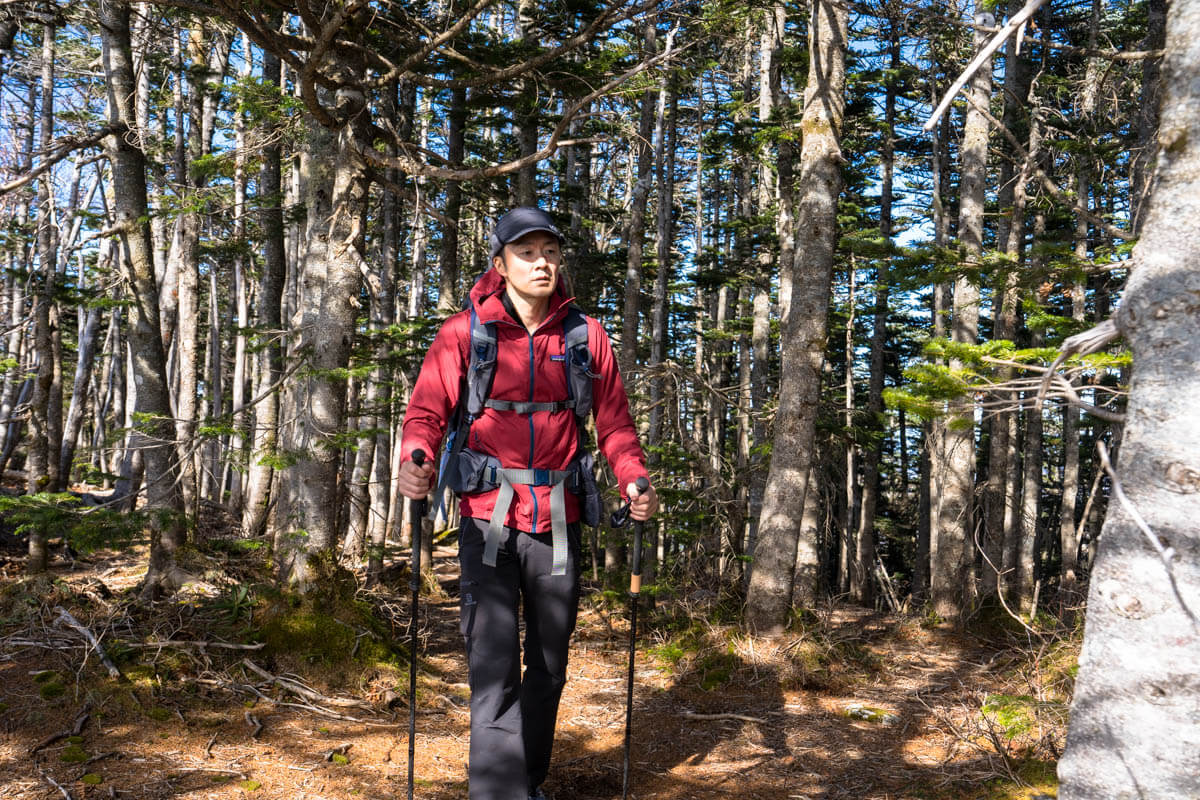
Moderate wind resistance and DWR (durable water repellent) treatment provide protection from wind and unexpected rain
This jacket's protection against wind, rain, and snow is by no means high. However, the outer fabric on the front and shoulders/arms, which are more exposed to rain, is treated with DWR (durable water repellent), so in that sense it does have a minimum level of weather resistance. This minimum level of weather resistance is an important function, especially when used as an outer layer, so it's important to regularly perform a water-repellent restoration treatment to maintain its performance
In terms of wind resistance, the fleece portion allows wind to pass through easily, while the shell portion (while still being breathable) provides a cushion of wind protection. Naturally, it would be nice to have solid wind protection when you're stationary, but when it comes to balancing that with comfort while you're moving around, I personally feel that this level of wind resistance is sufficient, or at least just right

The outer fabric of the padded portion is treated with DWR. I washed it once after purchasing it, but it still retained its water-repellent properties
Lightweight and comfortable against the skin, ideal fit and comfort
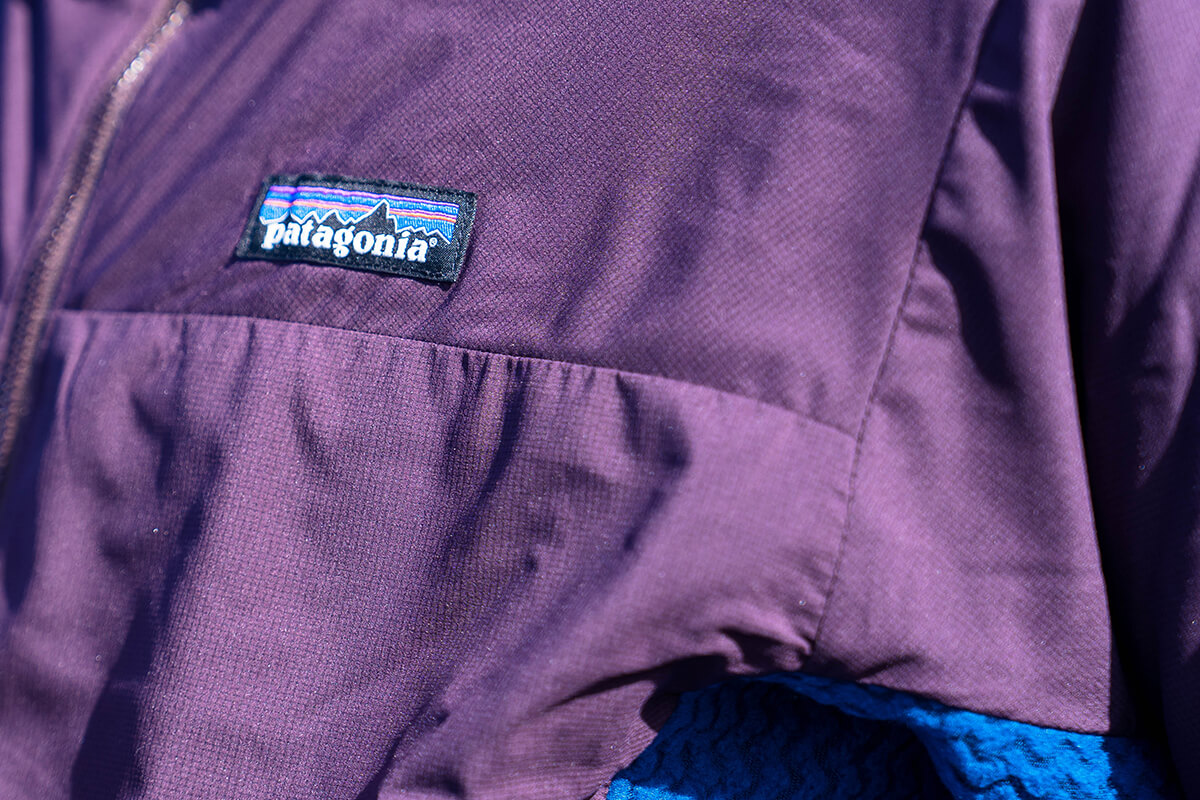
The ultra-thin, 100% recycled polyester ripstop fabric used on the front and back of the shell is fluffy, light, and supple to the touch. You can tell it's high quality just by touching it. I also like how comfortable it feels against the skin, even when worn over a short-sleeved T-shirt
However, this extreme thinness (although of course it is more durable than regular fabrics of the same thinness) does not mean that you can completely ignore the abrasions and tears in the field. Especially when wearing it as an outer layer, you need to be a little careful not to accidentally damage it with sharp tree branches or rough, hard rock surfaces
When I put it on, I found that the length was slightly long and roomy enough that even my 177cm tall self could wear the S size comfortably. The back length is also longer to accommodate wearing a harness
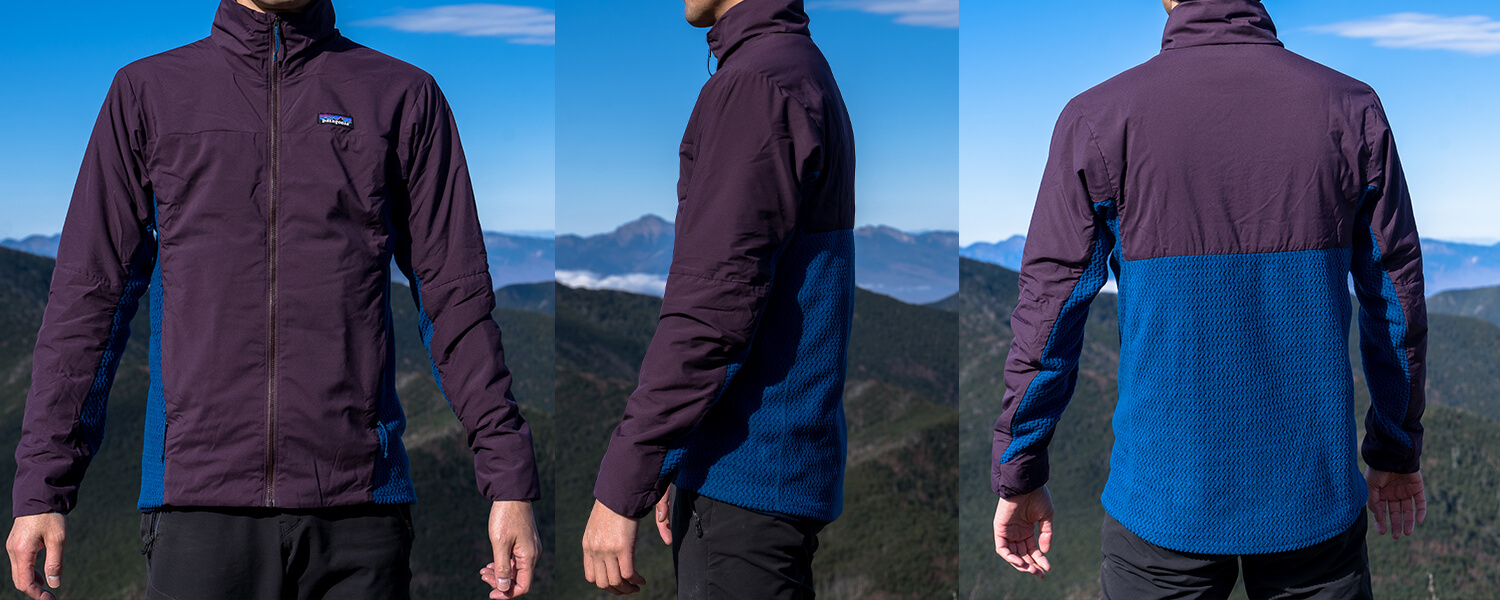
The width is slim, taking into consideration layering, and it fits the body line perfectly. However, it doesn't feel restrictive at all, and the soft fleece insulation is both stretchy, so it doesn't restrict movement. Even when you raise your arms high, the hem hardly gets pulled up, and your shoulders move smoothly. Overall, it's hard to find a more comfortable jacket
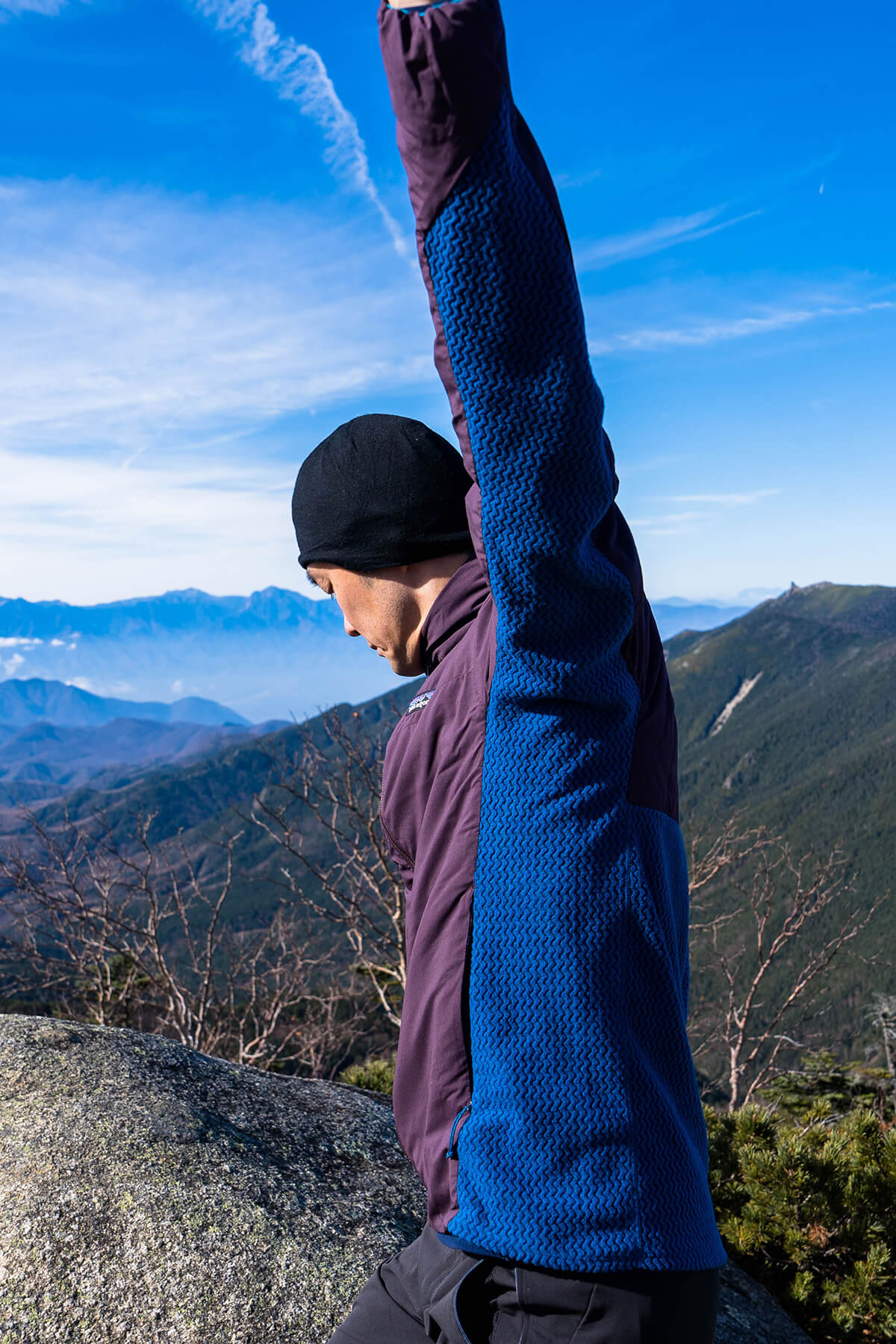
The clever three-dimensional cutting and stretchy fabric ensure that your body movements are not restricted

The cuffs are cut longer on the back of the hand and made of elastic material on the palm side, with every detail designed to provide a comfortable fit and protection
Close-fitting hood
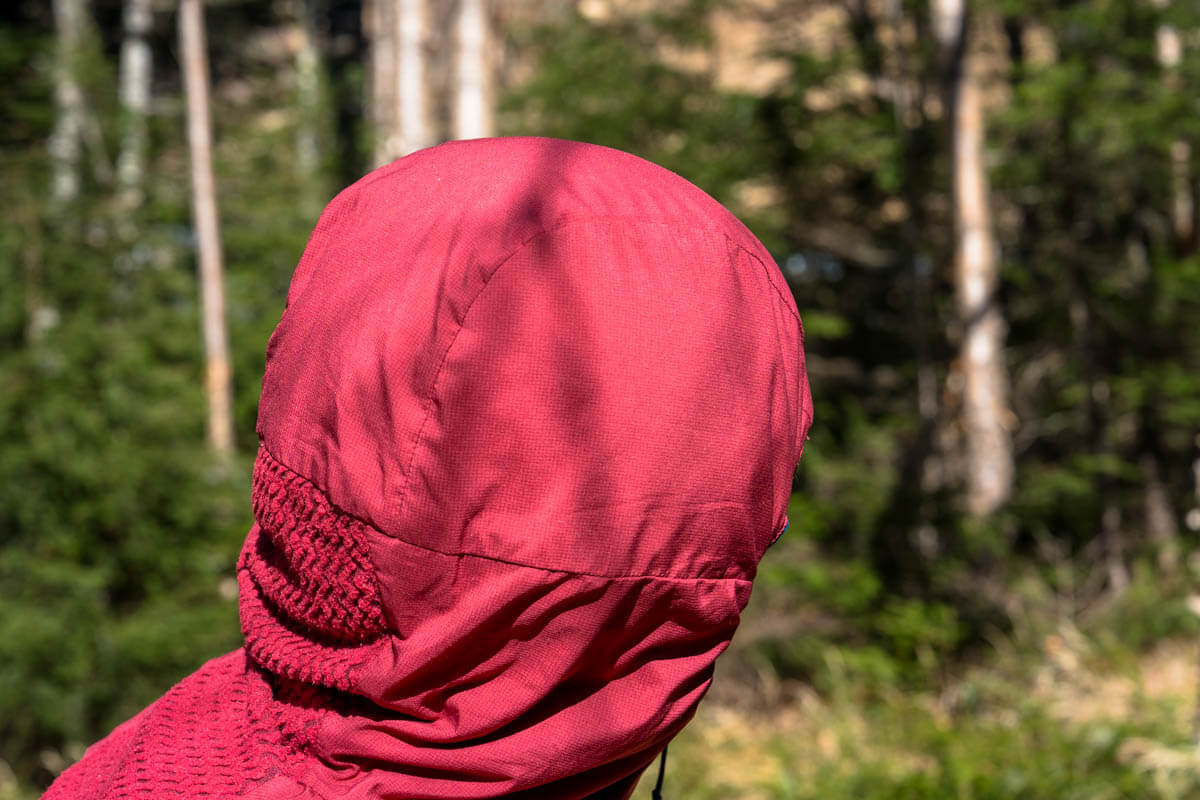
I've been impressed by the quality of the hoods on many Patagonia products, and the hood on the Nano Air Light Hybrid Hoody fits perfectly, stays in place, doesn't get stuffy, and is incredibly comfortable. Elastic bands are placed in just the right places on both sides to mold to your head and prevent drafts.
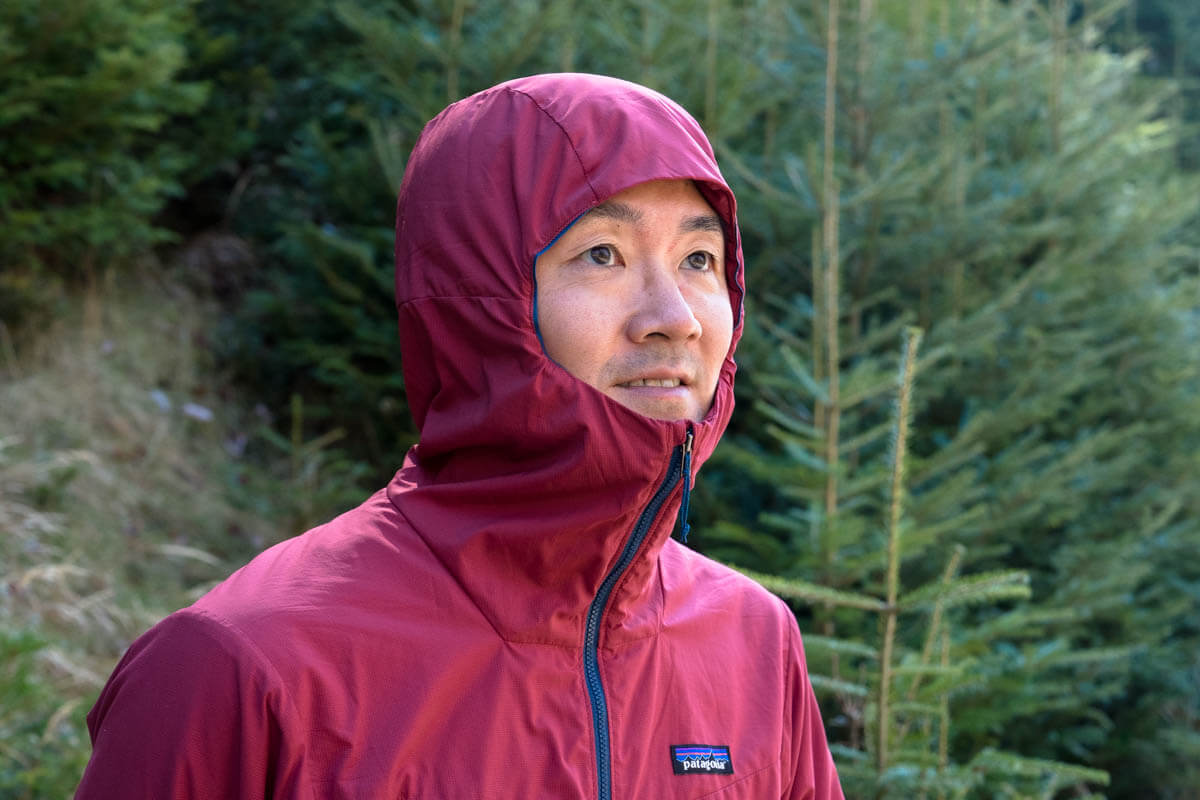
It follows the movement of your face even when you turn your head from side to side, so your field of vision is not obstructed and you remain comfortable. Furthermore, the back of the neck is made of fleece, which allows heat from the head to escape easily. Every detail has been carefully considered, resulting in an incredibly high level of perfection (see photo below)
Storage and functionality are minimized to achieve lightness
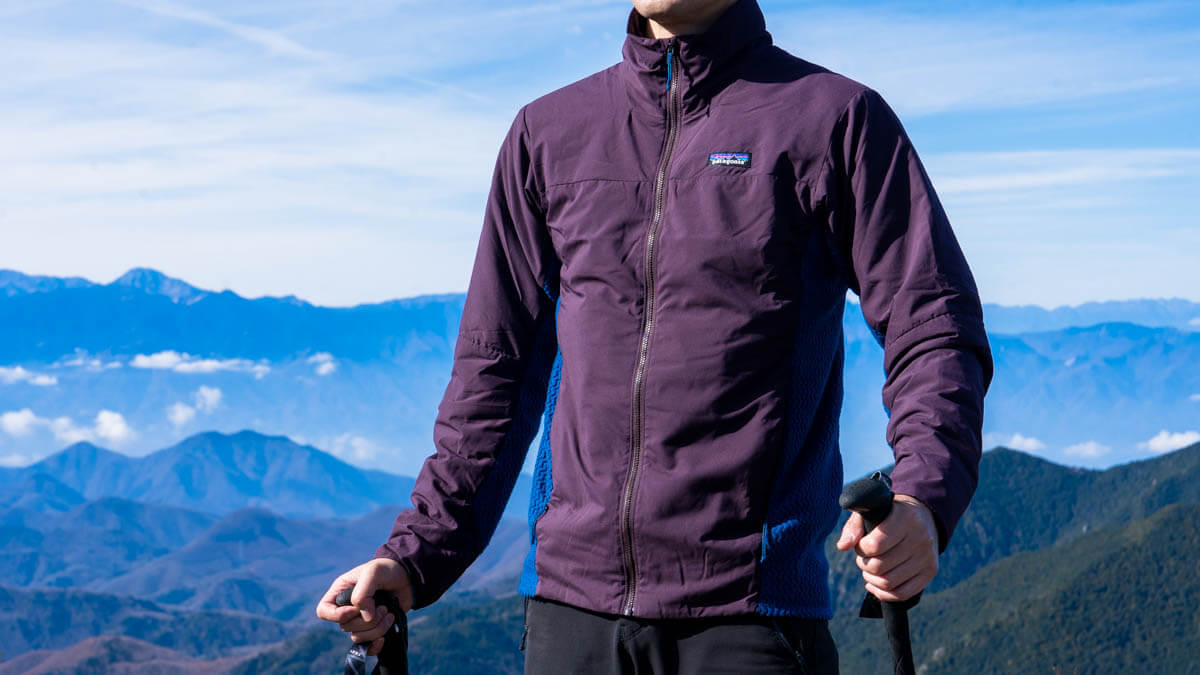
This jacket's storage features include a simple front zipper and hand pockets to keep your hands warm. Given how light it is, I was prepared for some storage, but there's nothing more or less than necessary. However, these carefully selected pockets are positioned high enough to accommodate a harness, and the hidden zippers are unobtrusive, showing just how well-crafted they are
The intention is clear: rather than carrying everything in your pockets and walking around feeling heavy, you want to be as light as possible with only the bare necessities (while never skimping on the remaining functionality). However, I wonder if it would be considered extravagant to ask for a chest pocket. Personally, I find chest pockets convenient for storing my smartphone and battery, as they are easy to access and can be warmed by body heat
Summary: The perfect balance of "warmth and breathability" that all winter mountain enthusiasts have been waiting for
When I think about winter mountain climbing, backcountry skiing, trail running in sub-zero temperatures, or speed hiking, which involves repeated stop-and-go activities and intense sweating in the cold winter weather, the Patagonia Nano Air Light Hybrid is the jacket that currently meets most of the requirements I'm looking for in a mid-layer to wear over a base layer. This jacket dramatically reduces the number of times I have to take off and put on my clothes, something I'd taken for granted during winter activities.
What's even better is that it functions not only as a mid-layer, but also as an outer layer. As you can see from the photos in this article, it's extremely comfortable to wear over a thin base layer or short-sleeved T-shirt in early spring, late fall, or even in winter when you're hiking and sweating a lot
The winter mountain season has finally begun. This is recommended for all winter mountain enthusiasts who want to continue tackling the harsh cold
Disclosure: The author was provided with the product for this review and has maintained complete independence in accordance with our editorial policy
Related reading