table of contents
A super convenient hydration system or a reliable water bottle?
When I first got into mountaineering in the 1990s, water bottles were the only option for hydration, and for some reason, the Evernew Poly Tank was the only option. But now, I suddenly realize that the variety of outdoor hydration gear has evolved dramatically compared to 20 years ago. The sturdy, heavy body, the bland, translucent design reminiscent of medical equipment, and the faint chemical smell that turned even the clearest spring water into "poly tank water" are now just sepia-hued, nostalgic memories. And now, with the times, things have evolved in various ways, becoming "lighter," "more compact," "more efficient," and "safer." Among these, hydration systems are perhaps the most eye-catching in appearance


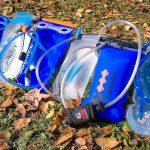
It certainly does look quite unusual. When I first got one, I was laughed at quite a bit by the people around me (sweats). Not only does it look like an IV drip, but the sight of you drinking from the tube in your mouth is honestly pretty scary. However, only those who have used it will understand, and the reason you become addicted once you try it is because it is so convenient that it more than makes up for that. Hydration is currently the hottest area in the outdoor hydration equipment industry, with many manufacturers constantly releasing the latest models
On the other hand, traditional water bottles are no slouch either. They have thin, light, and durable bodies, and best of all, they're odorless and safe for the body. They come in a variety of materials, from traditional aluminum to newer metal bottles like stainless steel, to newer synthetic resin bottles that prevent chemicals from leaching out, a weakness of plastic containers, to film-like bottles that fold up compactly after drinking, and the surprisingly convenient plastic bottles. Each has its own unique features, and frankly, it's hard to know which one to choose! For those of you who are in a difficult situation, we've created a comparison table for each in the next chapter, so please use it as a reference for all you water bottle refugees out there
Here's a recommended article about hydration packs:
Summary of how to stay hydrated in the mountains
| item | plastic bottles | Metal bottle | Film-type bottle | plastic bottles | Hydration System | Insulated bottle |
|---|---|---|---|---|---|---|
| Easy to drink | ◎ | ◎ | ◯ | ◎ | △ | ◯ |
| Ease of refilling | ◎ | ◎ | △ | ◎ | △ | ◯ |
| Storage capacity | ◯ | ◯ | ◎ | ◯ | ◎ | ◯ |
| independence | ◯ | ◯ | ◯ | ◯ | × | ◯ |
| Visibility of contents | ◯ | × | ◯ | ◯ | △ | × |
| Capacity Variety | ◎ | × | ◎ | ◎ | ◎ | × |
| Easy to wash | ◯ | ◯ | × | ◎ | ×~◯ | ◯ |
| price | ◎ | △ | ◯ | ◎ | × | × |
| weight | ◯ | ◯ | ◎ | ◎ | ◎ | × |
| Reference value (1L weight) | 180g (Nalgene Wide Mouth 1L) | 174g (Klean Kanteen 800ml) | 38g (Platypus PLUS 1L bottle) | 35g (500ml plastic bottle) | 90g (Platypus HOSER 1L) | 390g (Thermos Mountain Bottle 900ml) |
| durability | ◎ | ◎ | ◯ | × | ◯ | ◯ |
| Variations | ◎ | ◯ | △ | ◯ | ◯ | △ |
| merit | A wide variety of prices, capacities, shapes, and parts | Environmentally friendly, hygienic, safe and durable | Lightweight and easy to store after drinking | Lightest, cheapest and disposable | Easy hydration anytime | You can carry a hot drink |
| Disadvantages |
|
|
|
|
|
|
plastic bottles
Water bottles are primarily made of synthetic resins such as polycarbonate, and in the past they were thick and would develop a chemical taste if filled with water for a long time. However, recent models do not impart any flavor and do not contain BPA, a substance harmful to the body, so they remain popular for outdoor use. There are many sizes, shapes, colors, and brands available, and you can choose from a variety of spout sizes and parts, so they can be quite easy to use if you use them in a creative way. Major brands include Nalgene and CAMELBAK .
Metal bottle
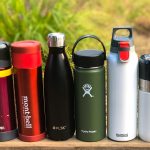
In the early days of mountaineering, aluminum was the standard for water bottles, but recently, stainless steel bottles, which have evolved rapidly in recent years as a response to the BPA issue with plastic bottles, seem to be gaining popularity. The two major players in metal bottles each have slightly different features, but one thing they both have in common is that they are more environmentally friendly than plastic (some aluminum products have a partial interior coating). Other features are not significantly different from plastic bottles, and the options for capacity and parts are gradually increasing. Weight, which used to be a significant factor, now seems to be quite comparable. Major brands include Klean Kanteen , SIGG , and LAKEN
Film-type bottle
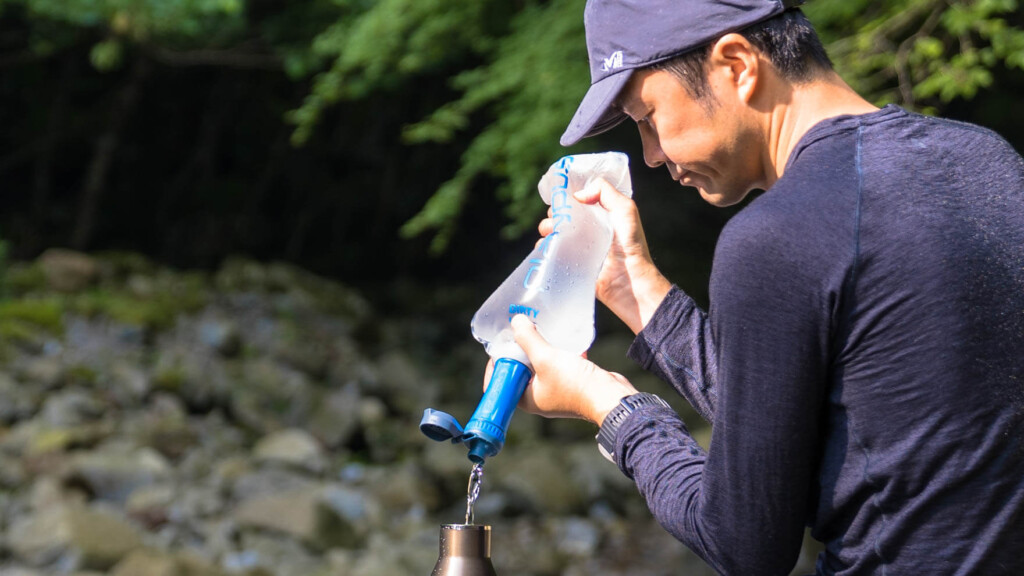
They have a multi-layered plastic laminate structure, and their main feature is that they can be rolled up and stored after use. When they first came out, I thought they were a pretty good idea, but due to their structure, the drinking spout is basically small and soft, making it difficult to hold, making it a little difficult to drink from. The bag also doesn't expand easily, making it difficult to scoop water from streams or replenish in places with low water flow. And most importantly, they are difficult to wash and dry, so it's hard to recommend them without reservation. Major brands include Platypus and Evernew .
plastic bottles
These are the so-called plastic bottles sold at convenience stores. They weren't originally designed for mountain climbing, so they have no other advantages than being "light, easy to use, and disposable." However, when you first start mountain climbing, you'll probably spend a lot of money, so in a way, this is enough. They are very fragile, so you definitely can't take them to the mountains in winter or other harsh environments
Hydration System
This is a plastic film bottle with a tube attached to the end, allowing you to drink water. Its most revolutionary feature is that it allows you to drink frequently while walking, overturning the conventional wisdom that water should only be obtained during breaks. Drinking small amounts frequently is scientifically sound, and it makes hiking safer, so it's a truly revolutionary piece of gear, even if you ignore the appearance of drinking. However, there's still room for improvement. Since you have to pinch the spout or suck on it yourself to get the water, it's more difficult to drink from than a bottle. It's especially difficult to drink while wheezing. And, as is typical of film bottles, some items are difficult to clean. Major brands include CAMELBAK and Platypus .
Insulated bottle
This is a multi-layered water bottle with thermal insulation like a thermos. Unlike other bottles, this type of water bottle has no other benefits than keeping things warm (or cold), but if you're a hiker considering climbing in the winter mountains (or climbing in the winter or near winter), it's worth having one for that specific purpose. Major brands include THERMOS .
What's the best choice?
In conclusion, each has its own characteristics and weaknesses, so it can be said that there is no perfect solution. So, what I finally arrived at is to divide the amount I need into several bottles and take them with me. The best combination at the moment is
"Hydration & Stainless Steel Bottle"
There are several reasons for this, so I will explain the purpose of each
(1) Hydration
The best hydration solution, in terms of being able to replenish the necessary amount of fluid frequently while walking, is to mix a small amount of powdered sports drink and use it while you're out and about. Generally, if you're going to be out and about for the whole day, bring about 2L, and if you're going for a short distance of 3-4 hours, about 1L. Even if you drink too much and run out of water along the way, you can make up for the disadvantage of not being able to see the contents by having a separate bottle
(2) Stainless steel bottle
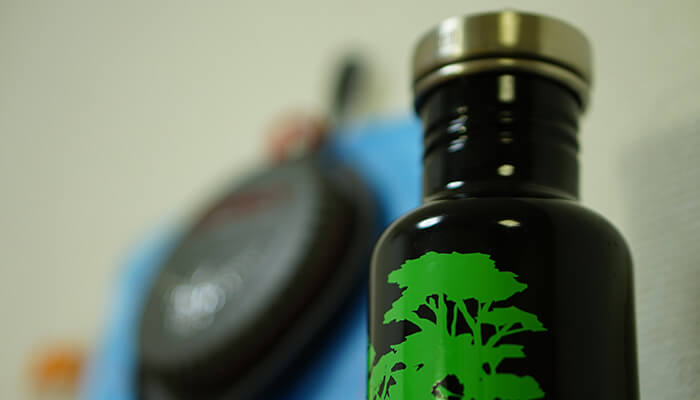
I always fill this bottle with tap water from home. I use it as drinking water in case my hydration pack runs out, and also to rinse or cool a wound in case of an injury, so I keep it on hand at all times so I don't run out of water as an emergency supply. For this reason, the capacity is up to each individual, but I think you need at least 500ml. I don't really have any particular preference for using stainless steel, other than the fact that I personally like cool bottles and have a shape that I'm attached to. I think it's fine to use a Nalgene bottle or aluminum bottle, it's up to your preference
Incidentally, dividing it into smaller portions like this has the added benefit of making packing easier. Some people don't like hydration, so you can use two bottles, or use a plastic bottle as a spare, and it's up to the individual to decide, but this idea of "combining" is recommended for everyone
summary
I hope that the features of each bottle and my recommended "hydration and bottle" combination will be helpful when choosing your bottle in the future. Of course, there are no rules that say "it has to be like this" when climbing mountains. Everything is your own responsibility, which is why it's fun to try and find your own way, and the issue of the best hydration is unlikely to end anytime soon
Related reading