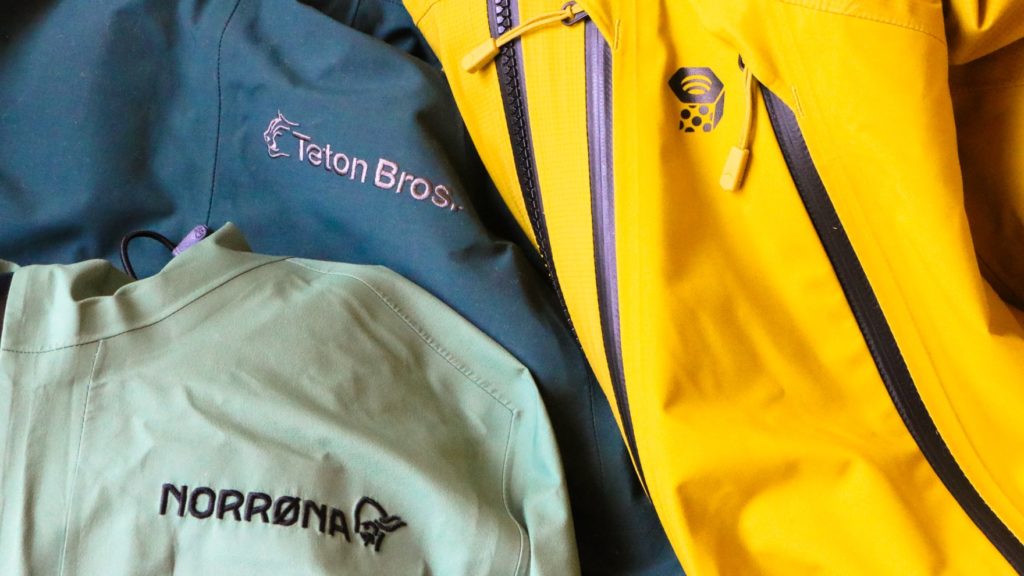
Hard shells are essential outerwear for winter mountain climbing. In the past, robust models that could withstand the harsh conditions of winter mountains were the norm, but now many material manufacturers and brands have released a variety of models tailored to different uses and purposes, and we often hear complaints that they are difficult to afford
we tried out a range of hard shell jackets made from a variety of materials and with different features . However, as this comparative review shows, no hard shell is perfect in every regard, so it's important to understand the features and pros and cons of each model and use them according to your purpose.
The models introduced in that review are still in use as of January 2019, so if you're interested, please take a look
table of contents
This season's hard shells, the ones that caught my eye were "lightweight, highly breathable, and comfortable" models
Among the new and redesigned hard shells released in the 2018-19 season, we were particularly interested in lightweight backcountry models that have been made as light as possible, with improved breathability and fabric flexibility, primarily in terms of comfort. So, this time we'll be comparing and reviewing three noteworthy models
First of all, I should point out that all three models were developed by specialized brands that cover serious mountaineering, and compared to hard shells from ski brands, the basic construction of all three models is high-level, making this a difficult comparison
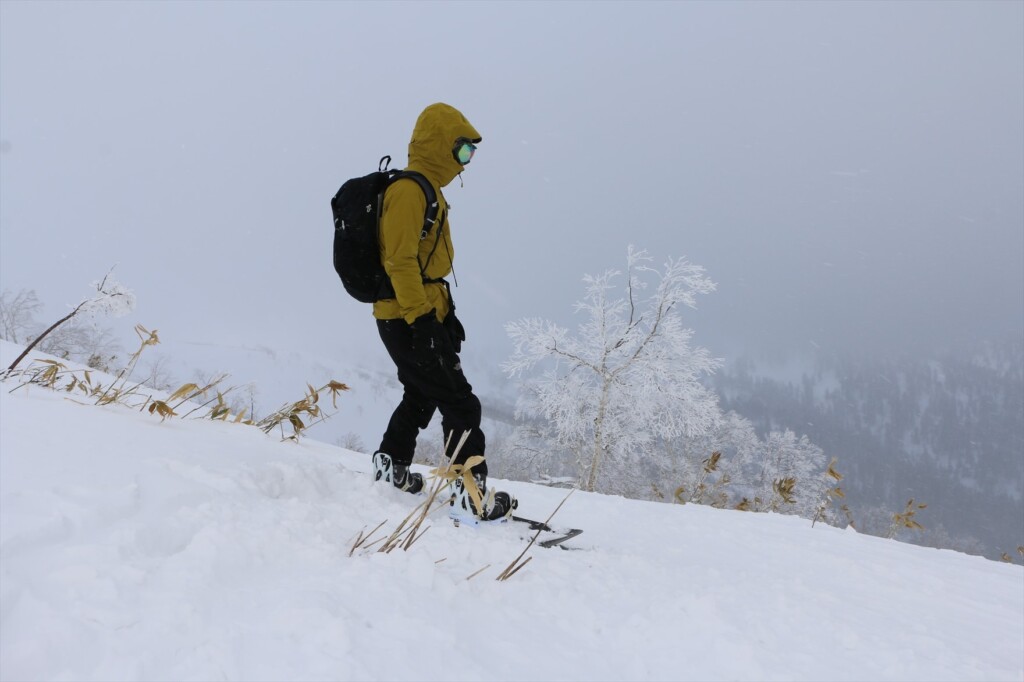
table of contents
- About the items tested this time
- Test Results & Spec Comparison Table
- Impressions of each model
- summary
About the hard shells compared this time
The three models compared this time. *The material in parentheses is breathable
- Teton Bros. TB Jacket (Polartec NeoShell)
- Norrona lofoten Gore-tex Active jacket(Gore-tex Active)
- Mountain Hardwear Cloudseeker Jacket (Dry Q Elite)
Test environment
I wore it in the winter mountains of Hokkaido from November to December. I wore it not only on the slopes and in the backcountry (snowboarding), but also on snowy mountain hikes to check when I started sweating. I experienced a variety of weather conditions, including sunny, cloudy, snowy, and blizzards. I also wore a base layer and fleece underneath. I hiked up for at least an hour and evaluated the breathability after sweating profusely. As someone who sweats a lot, it was perfect for me. To thoroughly test the breathability, I left each ventilation vent open for at least an hour after I started sweating, and checked how well it let moisture escape from the fabric. After that, I opened each vent and checked ventilation, comfort, and other detailed aspects
The following five points were set as indicators for the evaluation items and the review was conducted
- Weather resistance: Weather resistance, the ability to block rain, snow, wind, and cold air, is the primary requirement when carrying out hard activities in all kinds of weather changes
- Comfort and mobility: Winter outdoor activities involve surprisingly active movements, such as ski pole work, hammering in axes when climbing, and shoveling snow when breaking through snow, so clothing needs to be shaped and comfortable enough to handle intense movements
- Breathability and ventilation: No matter how cold it is, sweating is inevitable when you move vigorously. Whether or not there is a system in place to expel sweat from your entire body as water vapor and prevent your body from getting wet is important
- Weight: It is true that the thicker the material, the better it is at blocking out the elements, but advances in technology have made it possible to make materials thinner and lighter while still maintaining weather resistance
- Functionality: The shape and ease of adjustment of the hood, the number, position and size of pockets and other aspects related to functionality and ease of use are important elements that bring out the concept and individuality of each model, whether it is specialized for the intended activity or general-purpose. Simply having more functions is not always better, but having too few functions also makes it less user-friendly

Test Results & Spec Comparison Table
| comprehensive evaluation | AAA | AAA | AA |
|---|---|---|---|
| item | 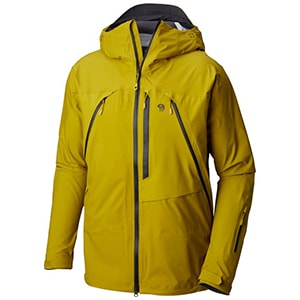 |
 |
 |
| Reference price | 64,800 yen | 73,440 yen | 59,400 yen |
| Here is ◎ |
|
|
|
| Here is △ |
|
|
|
| weather resistance | ★★★★☆ | ★★★☆☆ | ★★★★☆ |
| Comfort and mobility | ★★★★☆ | ★★★★★ | ★★★★☆ |
| Breathable and breathable | ★★★★★ | ★★★★★ | ★★★★☆ |
| weight | ★★★☆☆ | ★★★★★ | ★★★★☆ |
| Functionality | ★★★★★ | ★★★☆☆ | ★★★★☆ |
| Specifications | |||
| item | Mountain Hardwear Cloudseeker Jacket | Norrona lofoten Gore-tex Active jacket | Teton Bros. TB Jacket |
| Actual weight | 602g (size S, 546g excluding powder skirt) | 450g (S size, 388g excluding powder skirt) | 520g (medium size) |
| material | Dry-Q Elite 20D Air Palm 3L Stretch Ripstop (100% Nylon) | GORE-TEX ACTIVE 30D Nylon | Polartec NeoShell Surplex Nylon |
|
|
|
|
| Ventilation | ○ | ○ | ○ |
| Powder skirt | ○ | ○ | × |
| Other features |
|
|
|

Impressions of each model
Mountain Hardwear Cloudseeker Jacket
Here is ◎
- Excellent breathability and ventilation
- Plenty of storage space, including a large pocket that doubles as ventilation
- Stretchy fabric for easy movement
- RECCO
Here is △
- The hood adjustment straps are hidden inside the collar and are difficult to see
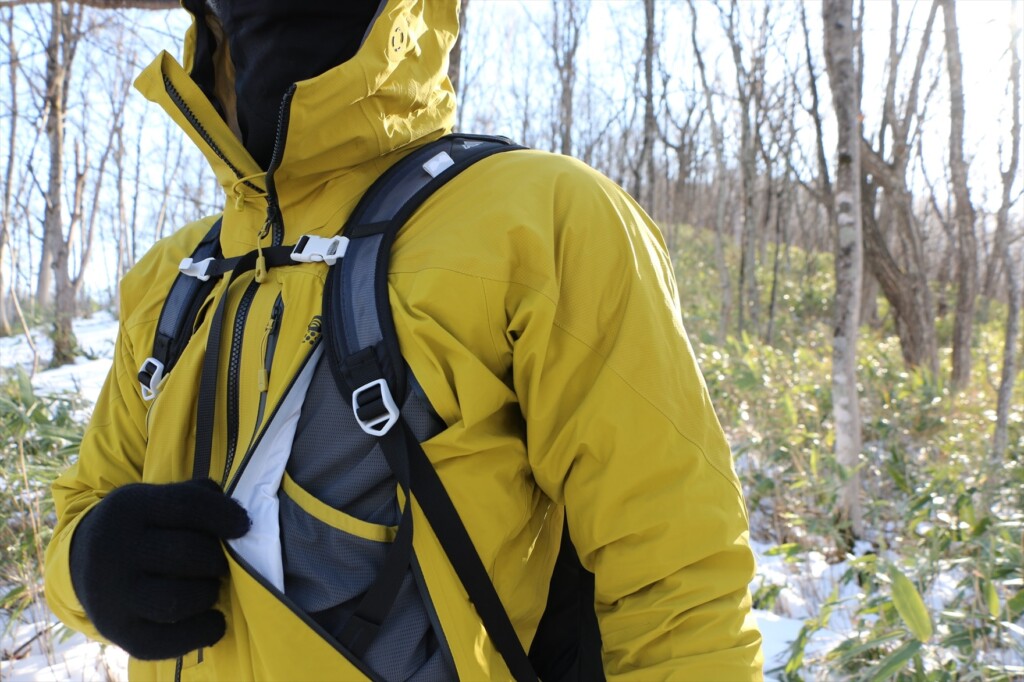
I was impressed when I put it on. The lightweight, stretchy fabric allowed for great freedom of movement, without causing any stress whatsoever. The standard snow skirt has a hook that prevents snow from getting in without interrupting the continuity with the pants. What's more, it can be attached to pants other than those made by the same manufacturer, which is surprisingly convenient
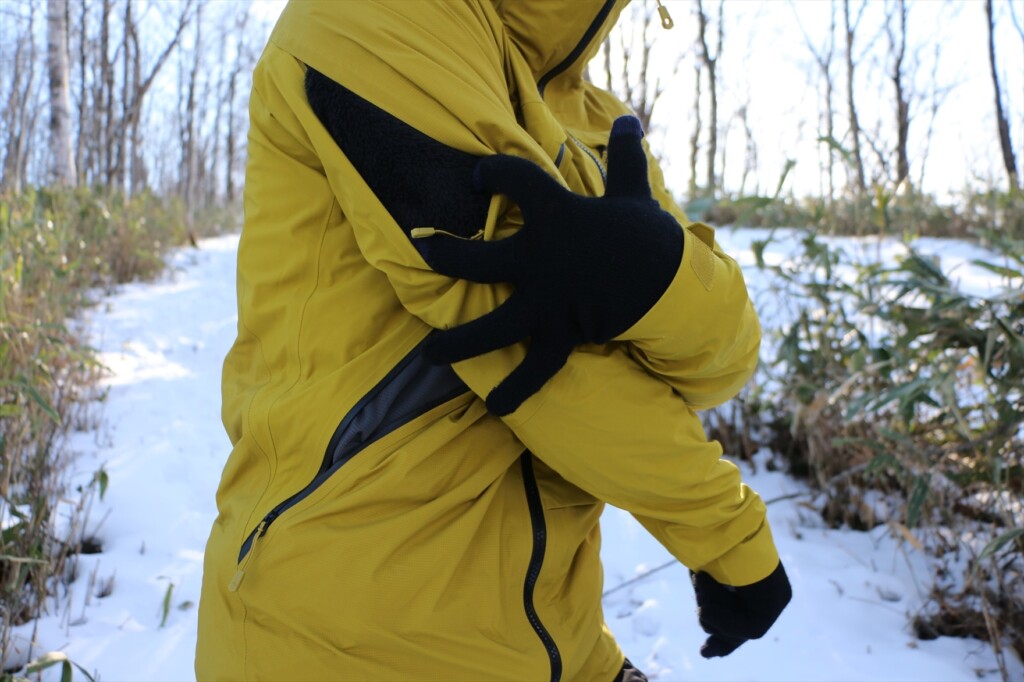
The zippers are all positioned high up to accommodate a harness, making it perfect for all-around use in alpine, on the slopes, and in the backcountry
NORRONA lofoten Gore-Tex Active Jacket
Here is ◎
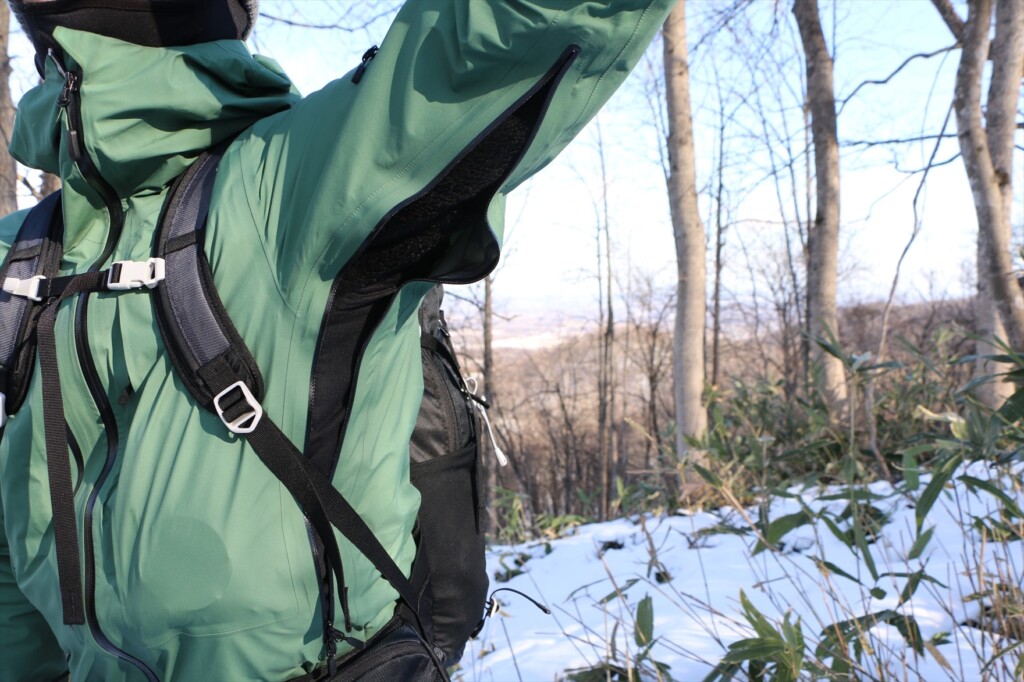
- Incredibly lightweight
- Comfortable to wear
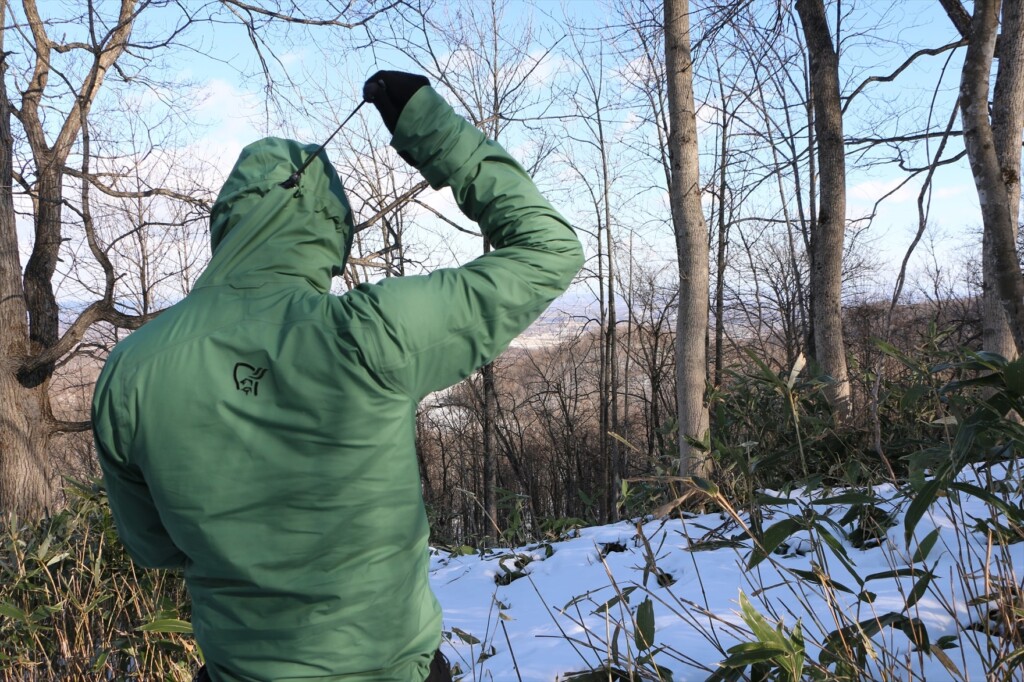
- One-handed adjustable hood
- Smart equipment
Here is △
- Lack of pockets
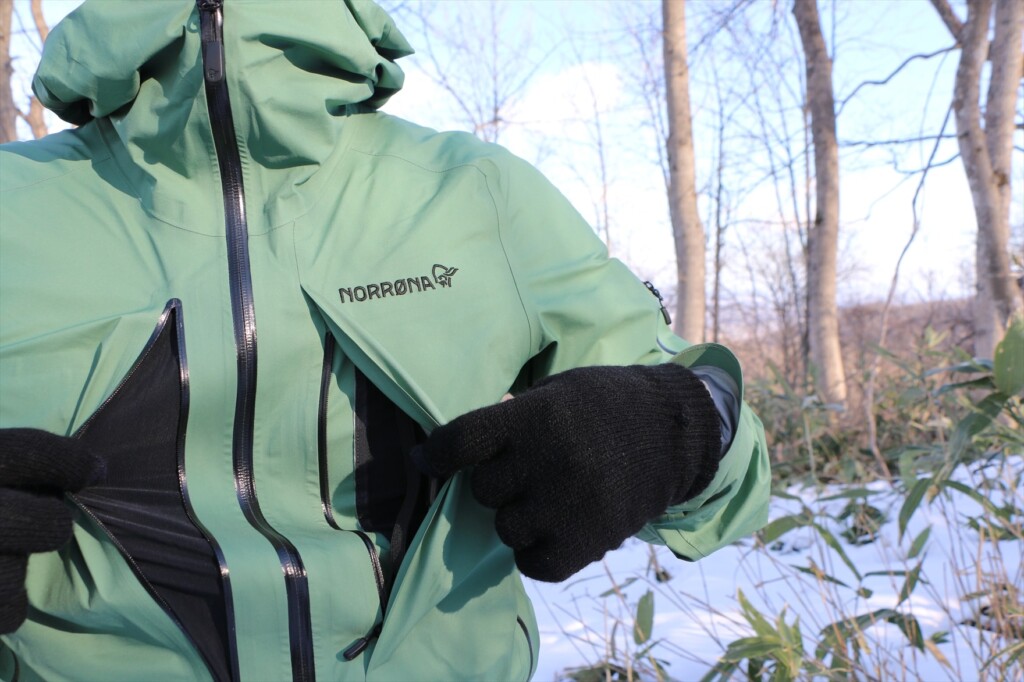
In addition to its extraordinary lightness, the perfect three-dimensional cut and slight stretch provide stress-free movement, so you won't even notice you're wearing it. Furthermore, the knit lining, a feature of the latest Gore-tex Active, feels amazing against the skin. It's safe to say that it's a world apart from a stiff, crunchy hard shell
Teton Bros. TB Jacket
Here is ◎
- Highly maneuverable ventilation
- Comfortable to wear
- Stylish design
- Various parts that can be easily operated while wearing gloves
Here is △
- Snow skirt not included
- Zipper slippage
Teton Bros. is a proud Japanese outdoor brand that continues to pursue high-quality products with an unwavering philosophy The TB Jacket one of the brand's signature pieces, did not disappoint. The soft, comfortable fabric, three-dimensional cut, and slight stretch make it comfortable to wear and easy to move in.
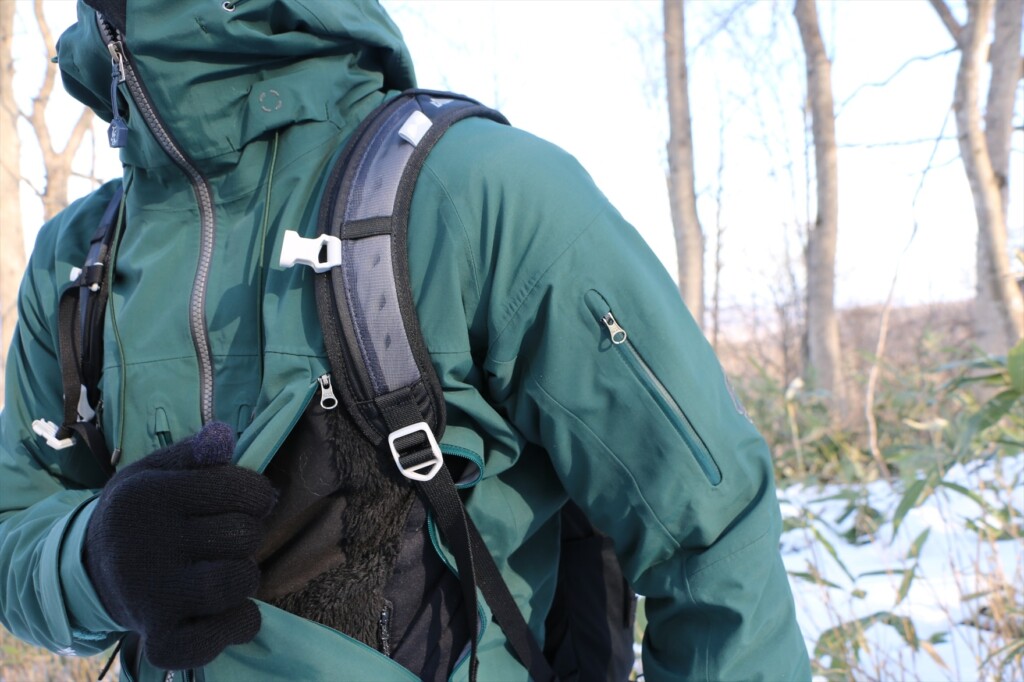
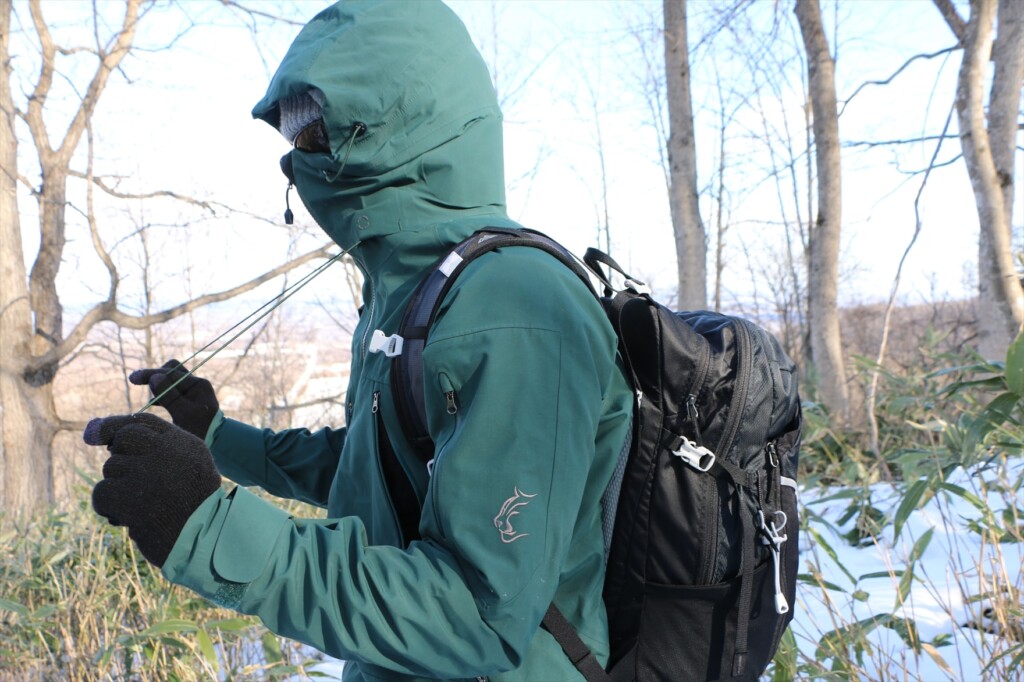
These many less visible details that seem to have been carefully designed with the actual user in mind the TB Jacket , and its high overall performance makes it an undeniable hard shell that is ideal for the backcountry.
summary
Basically, all three models have excellent basic performance as hard shells, and there were no significant differences between them in light backcountry conditions like those tested in this test
In terms of breathability, none of the models were disappointing. All three were excellent and provided the comfort I expected. In terms of heat release speed, Dry Q Elite was better than Gore-tex Active and Polatec NeoShell, but this only seemed to be a matter of how quickly breathability began, and it was difficult to say which was better in terms of how little stuffiness there was after wearing them for a long time
On the other hand, there were some differences in the finer details of usability, such as the ventilation system and position, pockets, etc. The basic specs are high, so no matter which one you choose, it won't be a fatal mistake, but it's a good idea to use this review as a reference to choose a model with the features you prefer
The above is a comparison review of hard shells chosen from the perspective of use in backcountry hiking, although there are evaluations from various perspectives. Please feel free to use it as a reference
We also recommend this article about hard shells
- Comparison Review: Hardshell Jackets, Your Best Friend in the Snowy Mountains
- Snow season is here! This season's must-have hard shell jackets [2017-2018]
- Essential for the harsh winter outdoors! How to choose a hard shell jacket
- 5+5 Recommended Hard Shell Pants for Snow Mountain Climbing and Backcountry Skiing!
TAC
We are looking for reviewers
Outdoor Gearzine is always looking for members who love the outdoors and want to write reviews about outdoor gear. For more information, please visit the REVIEWERS page here !
Related reading