



[Fall/Winter 2025] This season's best hard shell jackets, essential for the harsh snowy mountains, and tips on how to choose them safely

Written by Yasushi Hisatomi
A hard shell is the outermost layer of clothing worn during winter outdoor activities, including mountain climbing. Simply put, it is " an outer layer designed with mountaineering and skiing in mind, especially on snowy mountains and ice walls ." In fact, even on snowy mountains, thick rainwear may be sufficient depending on the weather and snow conditions. However, when it comes to severe cold or challenging routes, the weather resistance and toughness of the fabric inevitably become insufficient, so a hard shell with durable fabric and detailed construction designed for snowy mountains is still the safest option.
So, in this article, we will introduce the best hard shells for winter outdoor activities, and introduce "recommended models for different uses and preferences" of hard shell jackets that our editorial team can confidently recommend. In the second half, we will summarize the points you should pay attention to when choosing a hard shell jacket wisely
Please note that we are only introducing one or two items in each category here, but you can view the other best candidates and a comparison table of all 144 items by becoming a member .
Outdoor Gearzine's content is made possible by your support. If you're interested, please consider becoming a member!
All recommended hard shell jackets and a comparison table of all 144 models are available with a paid membership.
table of contents
- Impressions of this season's hard shell market trends
- Best hard shells for different uses and preferences
- 1. All-around hard shell
- 2. All-around lightweight hard shell
- 3. All-around low-cost hard shell
- 4. All-around low-cost, lightweight hard shell
- 5. Highly protective and durable hard shell
- 6. Alpine Hard Shell
- 7. Lightweight alpine hard shell
- 8. Low-cost alpine hard shell
- 9. All-around backcountry hard shell
- 10. Freeride hard shell
- 11. Lightweight hard shells for ski touring
- 12. Low-cost hard shells for backcountry use
- Five important points to remember when choosing a hard shell jacket
- What is a hard shell?
- Differences between hard shell, soft shell and rainwear
- Important point 1 when choosing a hard shell jacket: Choose the right type for your needs
- Important point 2 when choosing a hard shell jacket: Choose waterproof and breathable fabrics and materials
- Important point 3 when choosing a hard shell jacket: Consider the balance between fabric thickness (durability) and weight
- Important point 4 when choosing a hard shell jacket: Make sure it has the necessary features
- Important points for choosing a hard shell jacket: Check the fit and comfort
- summary
Impressions of this season's hard shell market trends
As usual, we've taken a thorough look at all the items available in Japan for the 2025-26 season (some of which are not officially available in Japan), totaling around 150 models
Excessively high prices that are reaching their limits
My first impression after making the list was, as expected, "expensive."
Before the COVID-19 pandemic, if you wanted to buy a decent model, it would cost around 80,000 yen at most, but now it's common for them to cost over 100,000 yen across the board. When I bought my Arc Alpha SV in 2015, it cost 86,000 yen, but this year's model is almost double that at 150,000 yen (although it wouldn't be a problem if your income doubled as well...)
It seems like all kinds of pressures are working together to raise prices: raw material supply shortages, inflation, tariffs, a weak yen, etc. Unfortunately, the current situation is that climbing snowy mountains requires not only physical strength but also financial strength
However, the good news is that there are still a few models that can be purchased for under 30,000 yen. This time we have picked out many such low-priced models, and we will introduce some excellent models that are easy on the wallet later
PFAS-free GORE-TEX PRO ePE membrane models now available from various brands
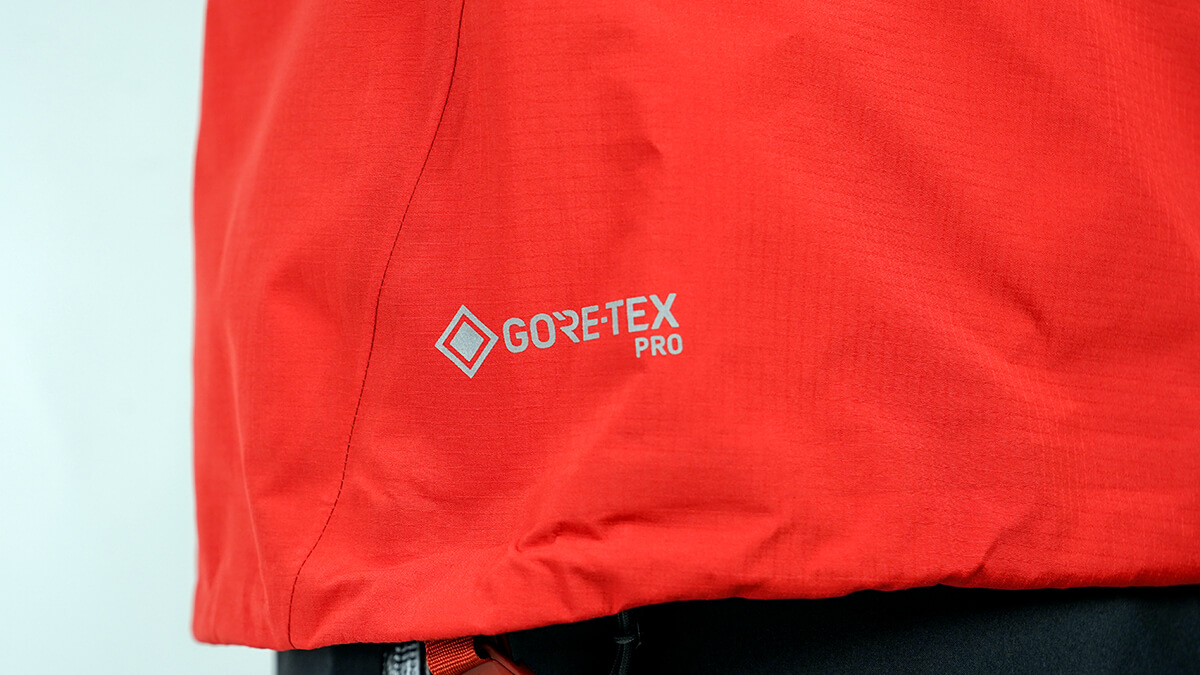
The next big topic this season is the release of PFAS-free GORE-TEX PRO products from various brands
In recent years, with the shift to PFAS-free materials, the number of hard shells using GORE-TEX PRO fabric has become extremely limited, but it seems that new products have finally started to appear again from various brands this year
With its excellent durability and breathability, there's no doubt that it remains one of the most reliable fabrics for extreme conditions like winter mountain climbing. I haven't tried it thoroughly yet, but I'm looking forward to it because I've heard that the lighter and more flexible membrane makes it more comfortable to wear
However, I am concerned about the potential for a decrease in water repellency due to the new PFAS-free DWR treatment, and to be honest, I am not hopeful about this as there has not yet been a definitive technological leap. So this year, I purchased a fluorine-based water repellent for outdoor clothing, which was recently launched by Senshoya, a well-known dry cleaning service specializing in outdoor products. I am planning to experiment with using this to see if it improves water repellency
Don't underestimate non-GORE-TEX models either. They offer stretch, water repellency, breathability, and cost performance that GORE-TEX doesn't offer
Because of the superior performance of GORE-TEX PRO (or its lower-end model, GORE-TEX 3L), it is inevitably the first choice when choosing a hard shell for snowy mountains this year, but other proprietary fabrics are by no means inferior
In particular, pay attention to models that offer excellent stretchability, water repellency, and cost performance, which are not available in current GORE-TEX products
GORE-TEX PRO stretch technology was introduced in an update a few years ago, but it disappeared without a trace due to the shift to PFAS-free products. Furthermore, as mentioned above, GORE-TEX models (and other PFAS-free DWR products) still have low water repellency, and GORE-TEX products are inevitably quite expensive
In that respect, there is also a chance for using proprietary fabrics. For example, "Tasma," a material jointly developed by Teton Bros. and Toray, is a fabric with features not found in GORE-TEX, such as stretch and breathability, and it also uses the existing C6 water-repellent treatment (which has high water-repellent properties, even if it does have some environmental concerns), all while remaining affordable. Jackets that take advantage of these benefits are attractive enough even compared to mediocre GORE-TEX PRO models. In that sense, depending on the application and conditions, "GORE-TEX" is not the only option
Best hard shells for different uses and preferences
1. All-around hard shell
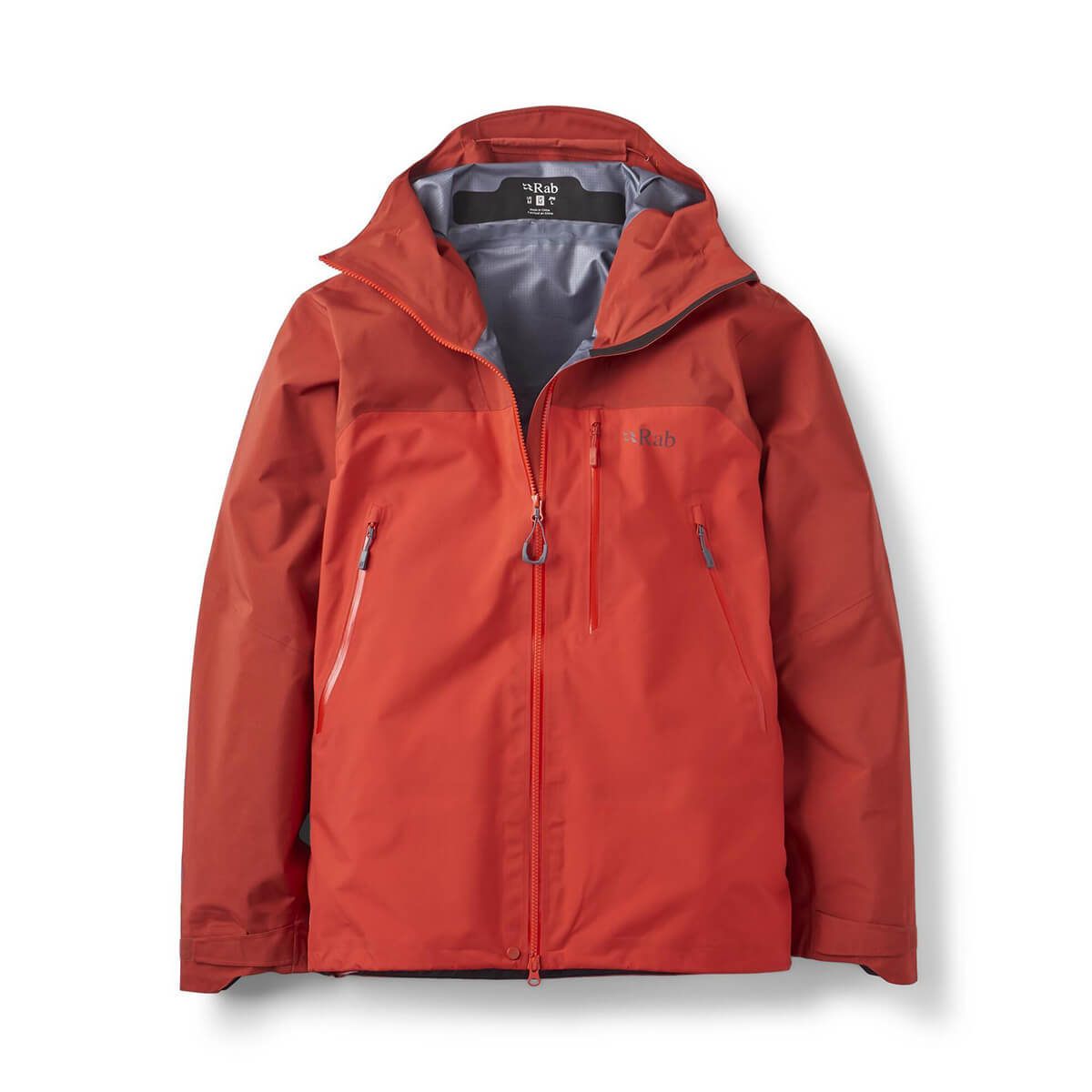
Rab Latok Mountain GTX Jacket
First of all, hard shells can be roughly divided into "alpine" and "ski" types based on their construction, and "all-around" types, which are somewhere in between. Of course, there are gradations within each, but when it comes to purchasing, it's safe to think of them as roughly divided into these three categories
Among them, the all-round model is safe and has the widest range of protection, and its overall good balance makes it an attractive piece
While the basic performance of a hard shell is high, what makes it different from other categories is that:
- The length is neither too long nor too short
- A silhouette that is neither too slim nor too baggy
- Not too many pockets, not too few
That's about it
There are many classic, long-selling models that represent each brand, and these models can be recommended to a wide range of people, from beginners who have not yet narrowed down their purpose to those who want to do everything with just one piece of clothing
If I had to choose just one, it would be the Rab Latok Mountain GTX Jacket . The latest GORE-TEX PRO fabric is used in both 80D and 40D, achieving a high level of lightness and durability. The three-dimensional cut pattern provides reliable freedom of movement, and there are plenty of pockets on the chest, left and right sides, and inside for added storage.

2. All-around lightweight hard shell
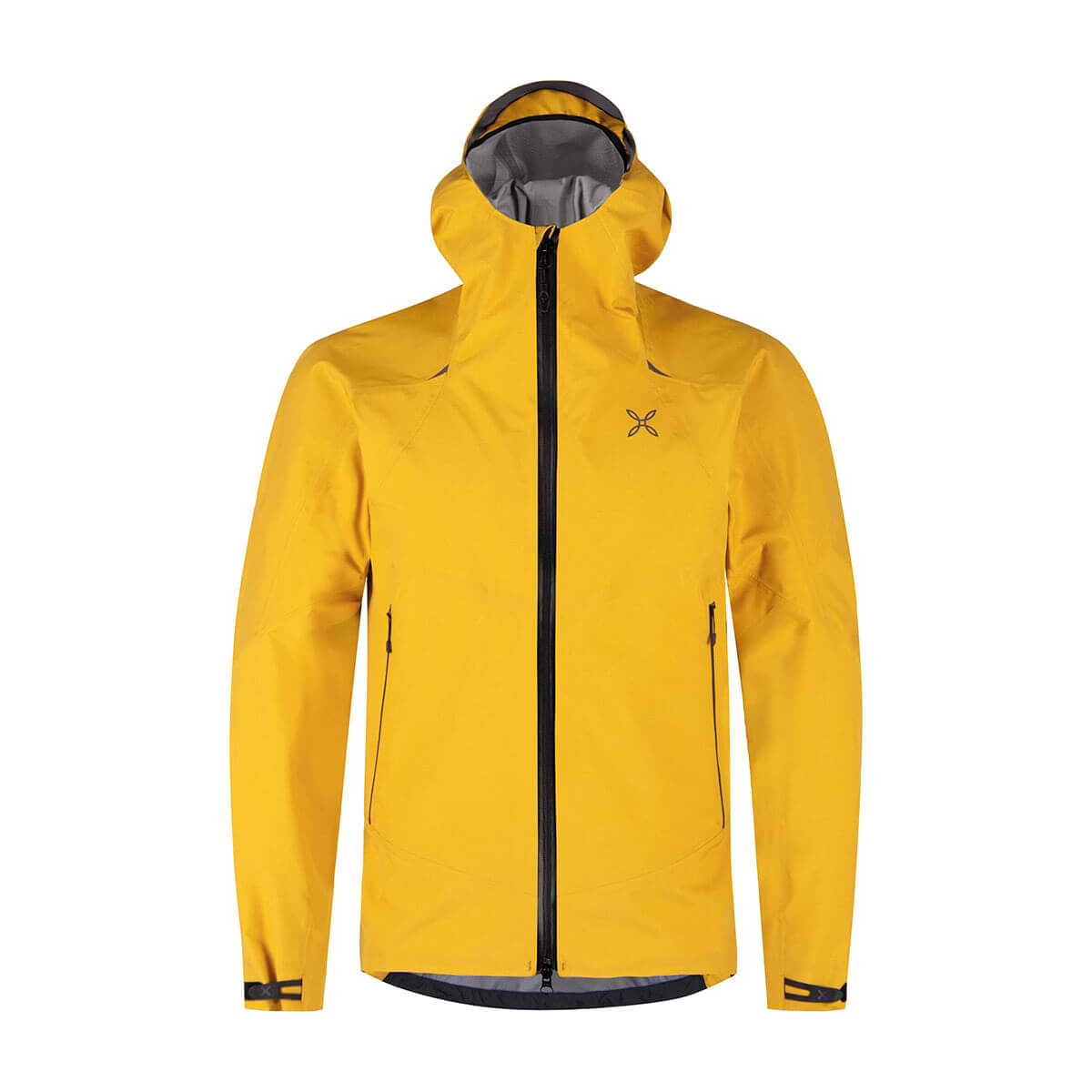
MONTURA MAGICA GTX PRO JACKET
We designed a particularly lightweight model that combines the all-around features mentioned above. It is perfect for those who want to go light and fast on the snow
The criteria are to have all-round characteristics and
- Weight less than 400 grams
Model
One item that caught my eye was the " MONTURA MAGICA GTX PRO JACKET ." Who would have thought that MONTURA had been discontinued last year, but it's back so soon! Apparently, this time it'll be called "Montura."
This jacket uses the latest, flexible GORE-TEX PRO and has been trimmed down to the bare minimum, resulting in an astonishing weight of just 300 (330?) grams. It even has pockets and underarm pit zips. While I wouldn't recommend it for mountaineering in the dead of winter, it seems like it would be great for a wide range of high-tempo activities, from snow trekking to ski touring
3. All-around low-cost hard shell
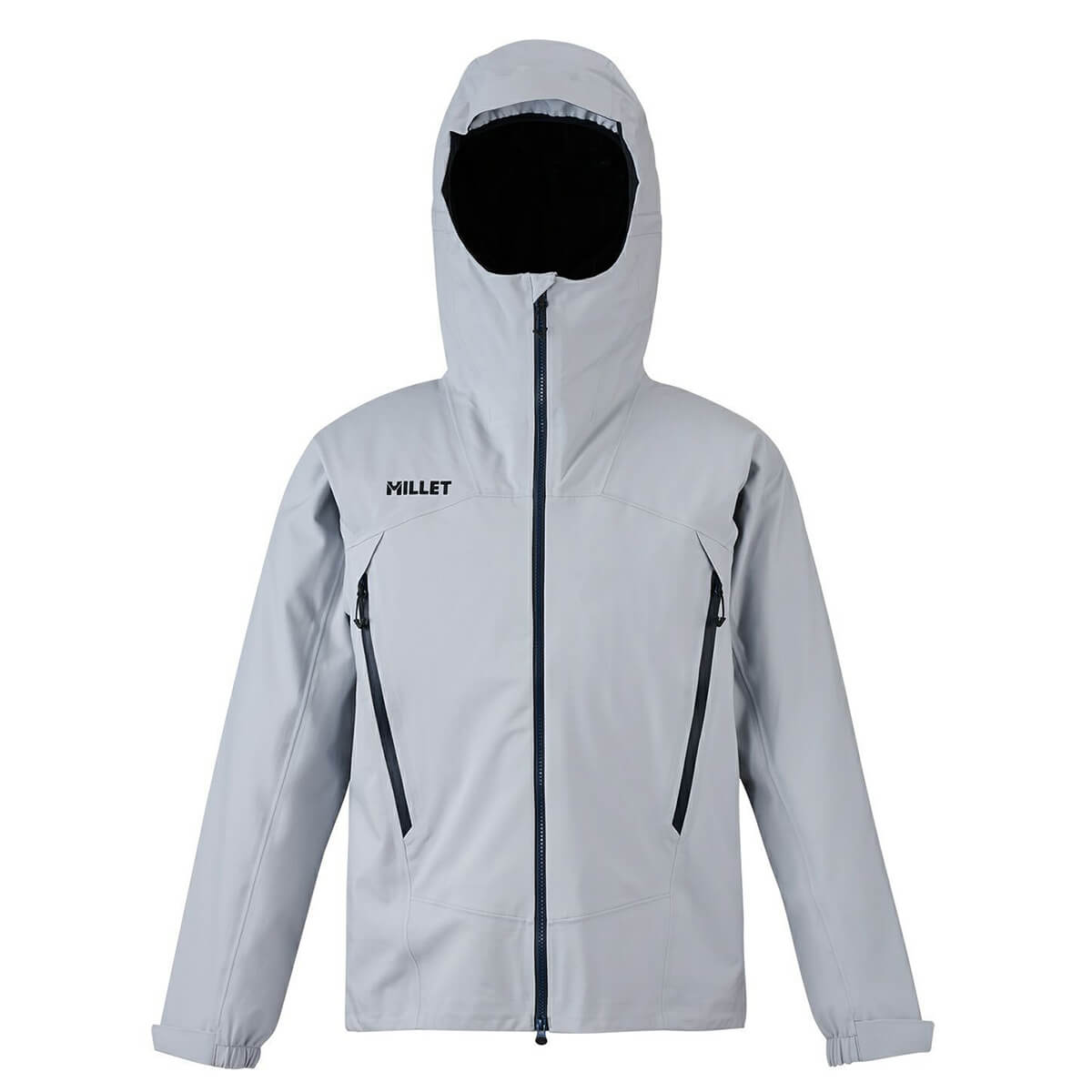
MILLET Typhon Warm Next Stretch Jacket
This category was chosen based on the constraint that models have all-round features and are priced at roughly under 50,000 yen
Our top pick here is the Millet Typhon Warm Next Stretch Jacket . Made from durable nylon fabric, it boasts top-class water resistance and breathability, and is made from high-quality stretchable fabric. It's well-made and suitable for climbing snowy mountains, yet is reasonably priced at just under 40,000 yen.

4. All-around low-cost, lightweight hard shell
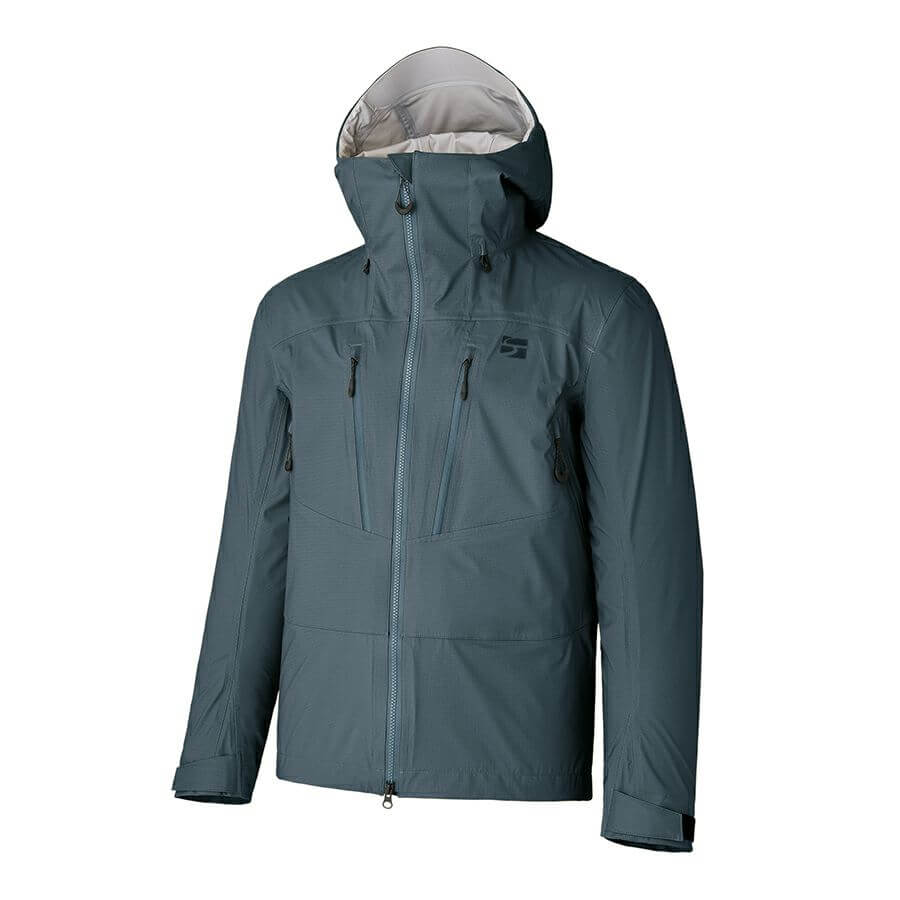
finetrack Everbreath Primo
If you are looking for an all-around, lightweight (under 500g) model that is also priced at just under 50,000 yen, the finetrack Everbreath Primo is an interesting choice.
Above all, the Everbreath fabric is excellent, with excellent waterproof, breathable, and stretch properties, and it has also been carefully crafted down to the smallest detail by a manufacturer with extensive knowledge of Japan's winter mountains
Of course, this one piece won't be enough to get you through the harsh winter in the Alps, but it will do the job well as your first hard shell
5. Highly protective and durable hard shell
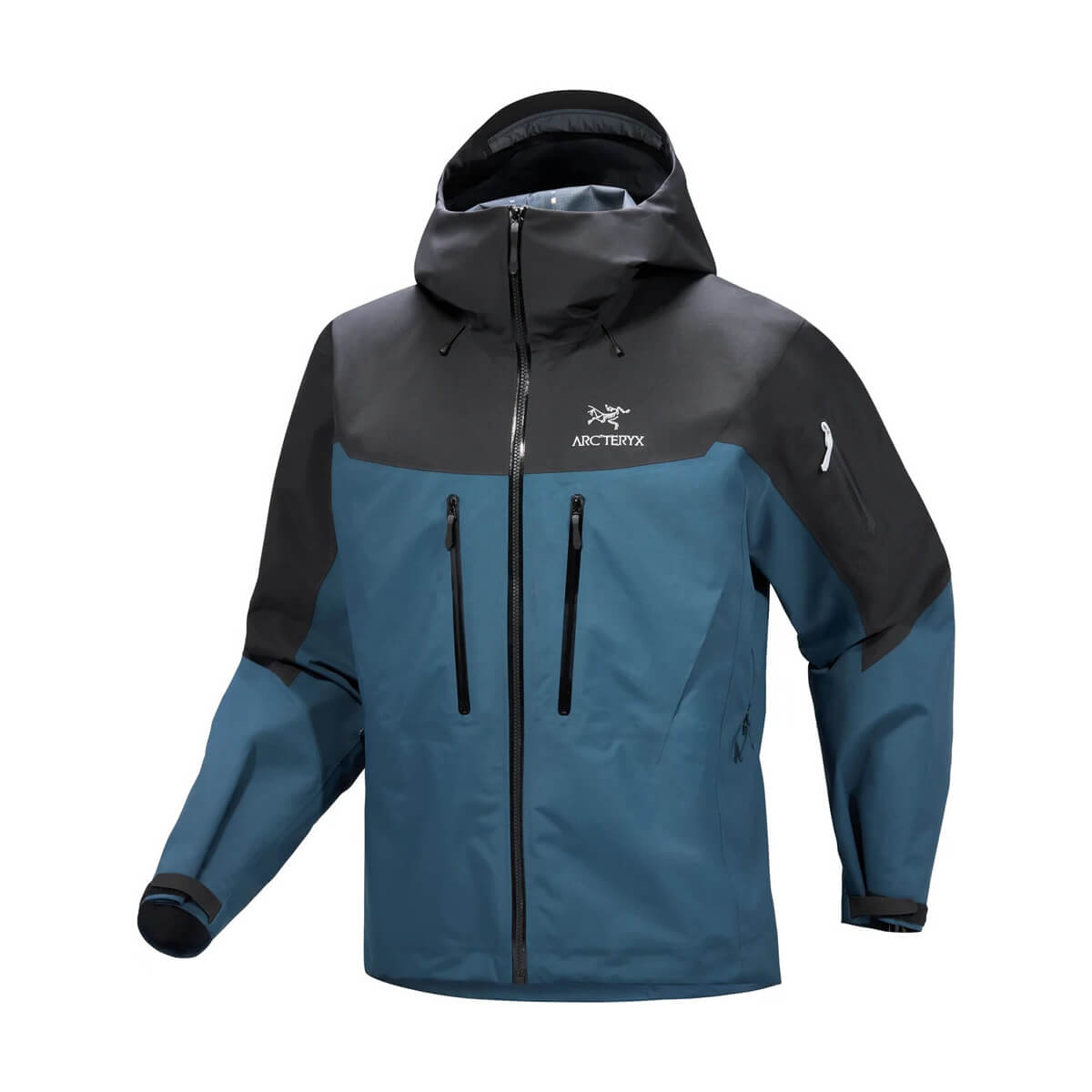
Arc'teryx Alpha SV Jacket
Here are some noteworthy models that prioritize weather resistance, robustness, and durability, whether you're hiking long distances through the mountains in the harsh winter or on a variation route that must withstand harsh conditions. They are basically all-round or alpine-style structures, and on top of that,
- Cold protection to withstand severe cold
- Weatherproof against rain, wind and snow
- Durable fabric that won't break easily
If this is your first priority, the one to watch is the ever-famous "Mr. Tough" jacket, the Arc'teryx Alpha SV Jacket . Made with Arc'teryx's most durable and waterproof/breathable 100D nylon fabric, this lightweight model is packed with cutting-edge technology, making it a true symbol of Arc'teryx.
6. Alpine Hard Shell
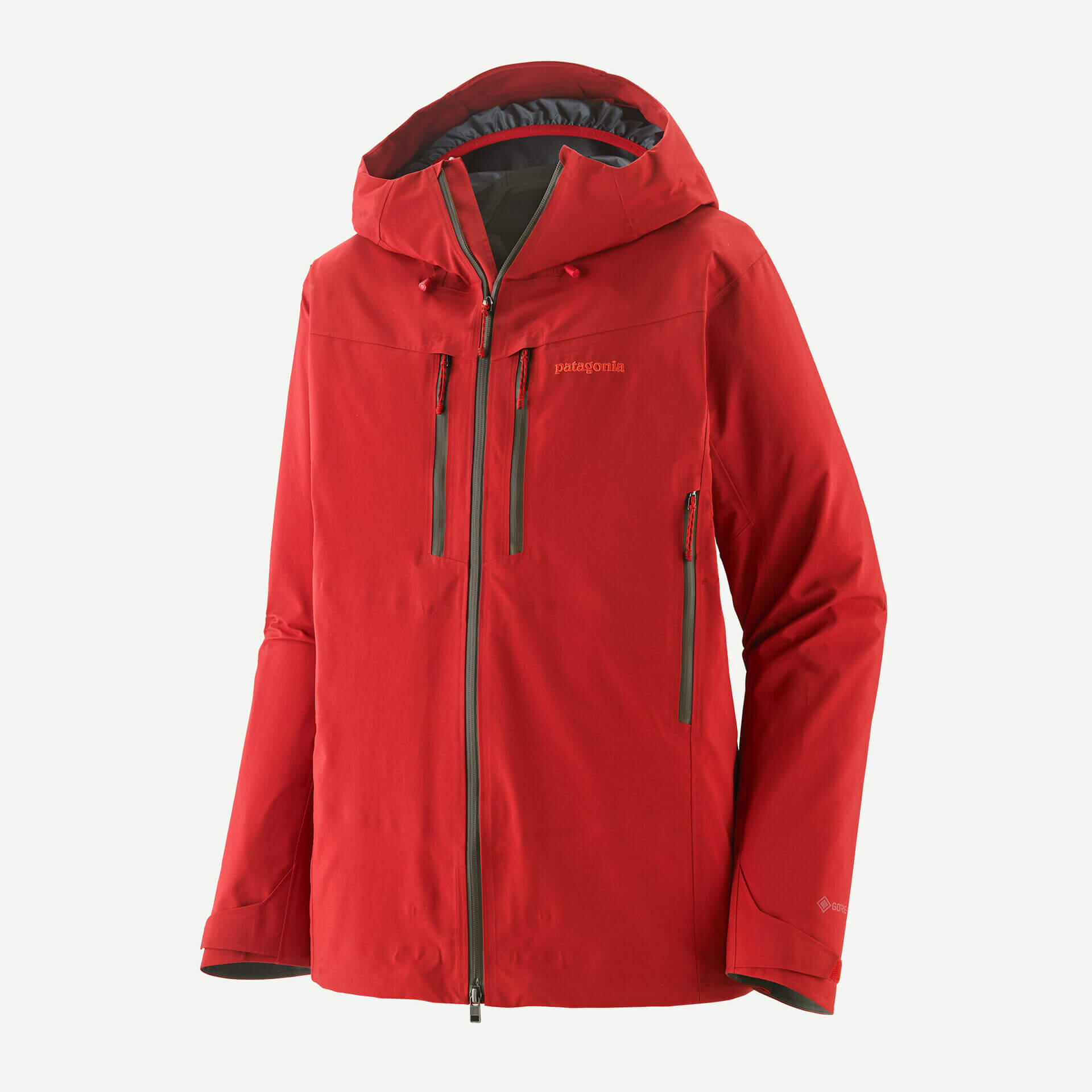
Patagonia Pluma Pro Jacket
This "alpine" classification places more emphasis on comfort for climbing activities such as ice climbing and winter variation routes. Of course, it's not impossible to use it for all-around climbing, but when climbing, the more difficult the situation, the more comfort there is
What is different is that the main features are:
- Slim, body-hugging silhouette prevents chafing and flapping
- Stress-free mobility even with large upper body movements such as swinging your arms
- A weather-resistant hood that fits snugly over a helmet
- Careful considerations based on the assumption that the rider is wearing a harness
Is that so?
It was quite difficult to choose just one jacket to recommend, but I'd like to recommend the Patagonia Pluma Pro Jacket . The reason is that it's made with durable GORE-TEX PRO 80D fabric. Its slim, three-dimensional cut allows for easy movement, the hood fits perfectly, and the chest, left and right, and inside pockets provide ample storage—it's a truly outstanding alpine hard shell. However, the other models aren't necessarily inferior, so feel free to choose.


7. Lightweight alpine hard shell
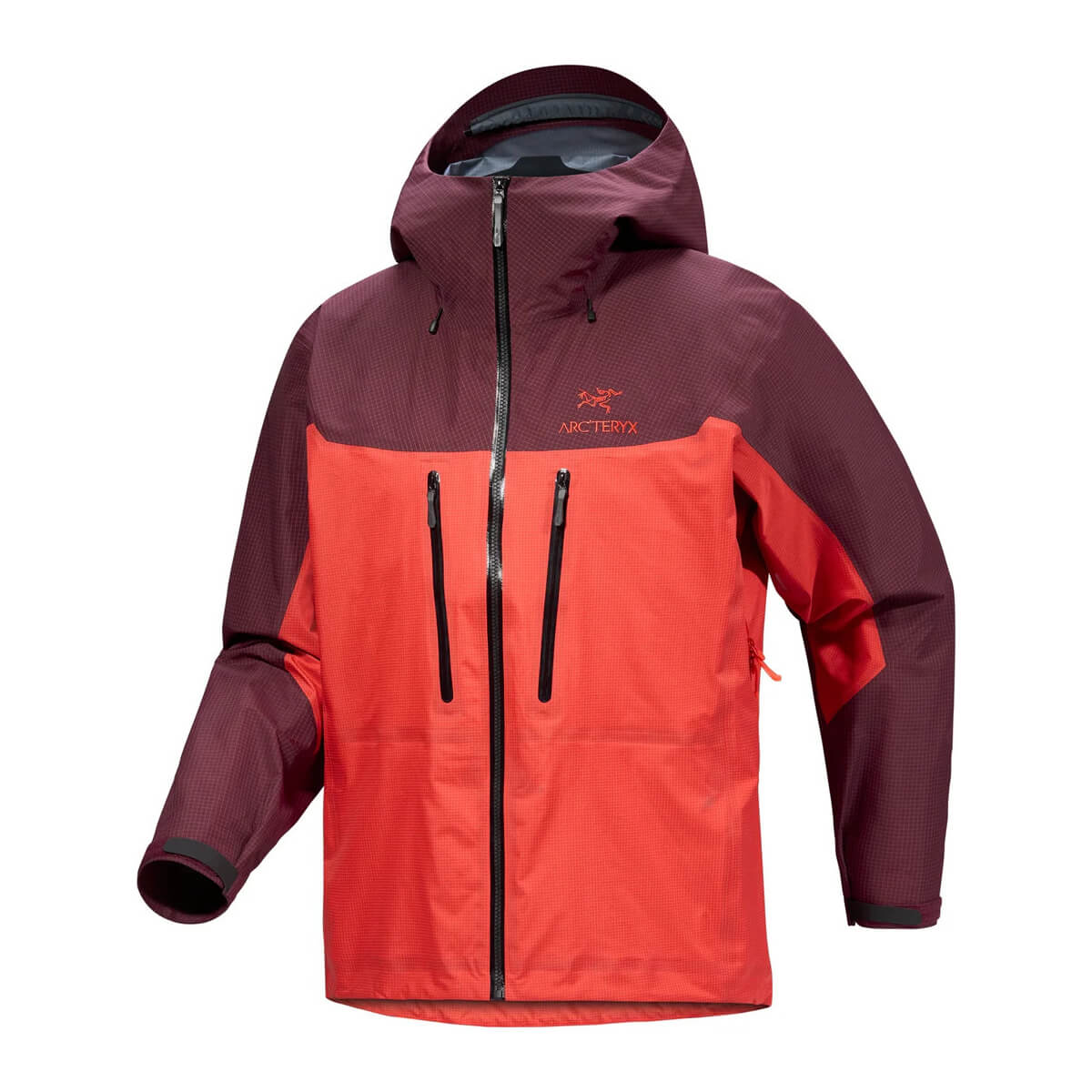
Arc'teryx Alpha Jacket
Among climbing gear, models that have been particularly lightened to emphasize lightness are not recommended for everyone as they can easily break with the slightest thing, but they are still recommended for those who prioritize lightness and ease of movement
I'll try to choose an outfit for someone
Among these, the Arc'teryx Alpha Jacket is our top pick for its overall performance despite being lightweight. It uses incredibly thin 20D and 40D nylon, blended with ultra-durable 50D Hadron™ ripstop fabric for lightweight yet high tear strength. The stable draping makes it perfect for an alpine jacket.

8. Low-cost alpine hard shell
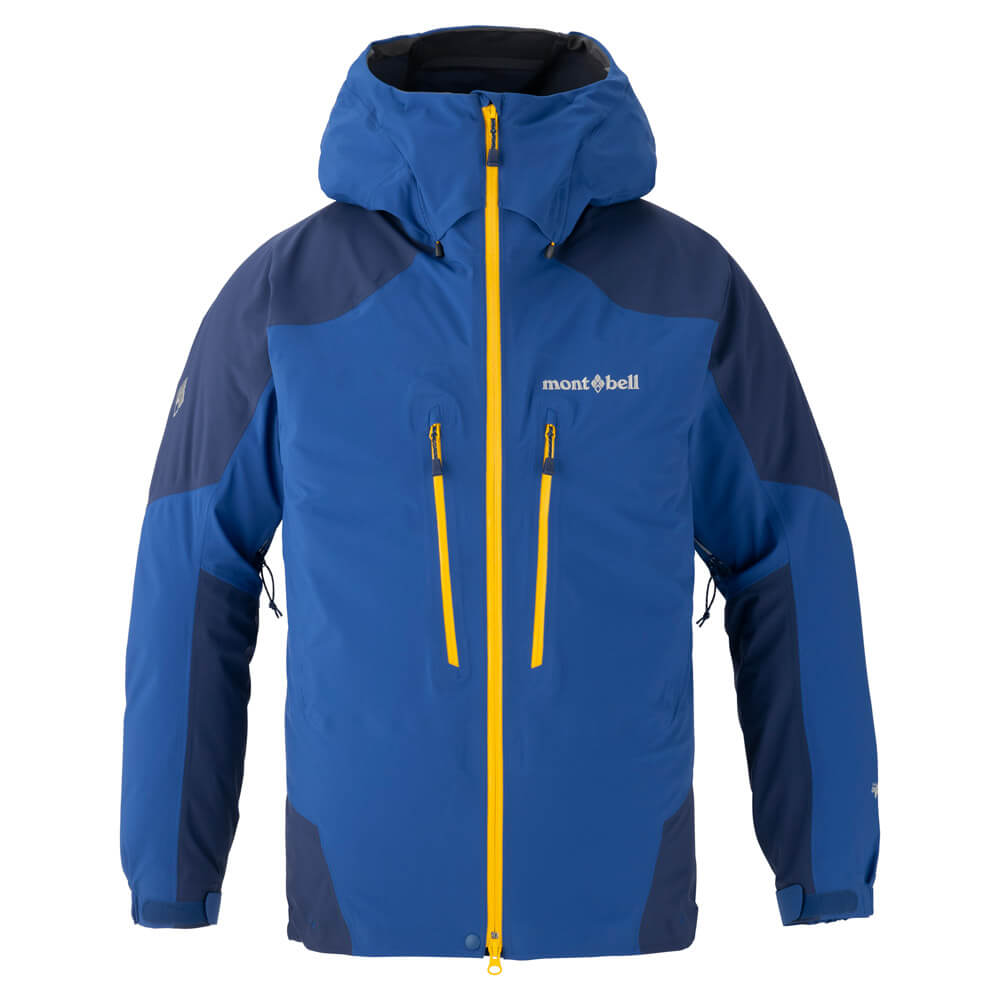
Mont-Bell Stream Parka
Mont-Bell Stream Parka undoubtedly the best. This latest 2025 model from the familiar Mont-Bell brand is made with their unique "Super Dry Tech" highly breathable, stretchy three-layer fabric, making it lightweight yet durable. It also boasts ample functionality for stress-free winter mountaineering, and yet is surprisingly priced at just under 30,000 yen. Even those on a tight budget will appreciate this.
9. All-around backcountry hard shell

Teton Bros. TB Jacket
The last category is hard shells specifically designed for mountain skiing, such as slope skiing, side country, freeride, and backcountry skiing/snowboarding. In addition to the basic functions of a hard shell, their main features are:
- Longer lengths and relaxed silhouettes are designed for layering and style
- Powder skirt to prevent deep snow from entering
- Hood designed to accommodate large helmets
- Plenty of storage space for lift tickets, goggles, gloves, climbing skins, etc
- Practical, activity-specific features like effective ventilation and goggle wipers
The following are some of the most notable examples:
Among these backcountry skis, this one is an all-around type that can be used for skiing, climbing, and sloping
There are so many excellent models here that it wasn't easy to narrow it down to just one, but if I had to choose based on my personal preferences, I would say the Teton Bros. TB Jacket is still my favorite this season.
Up until now, most models other than the low-priced models have been GORE-TEX-based, but Teton Bros.'s proud ``Tasma'' has excellent performance, from moderate breathability to flexibility, stretchability, and durable water repellency.I've been using it for about three years now and have no complaints at all except in the harshest of winters
There are so many other things I like about it, even down to the small details, such as the relaxed, easy-to-move silhouette that isn't too loose, the easy-to-use ventilation, and the Velcro cuffs that are easy to use (the only thing I like is that the hood could be made a little better)
I'm both happy and worried that it's difficult to find a BC ski jacket that surpasses this one

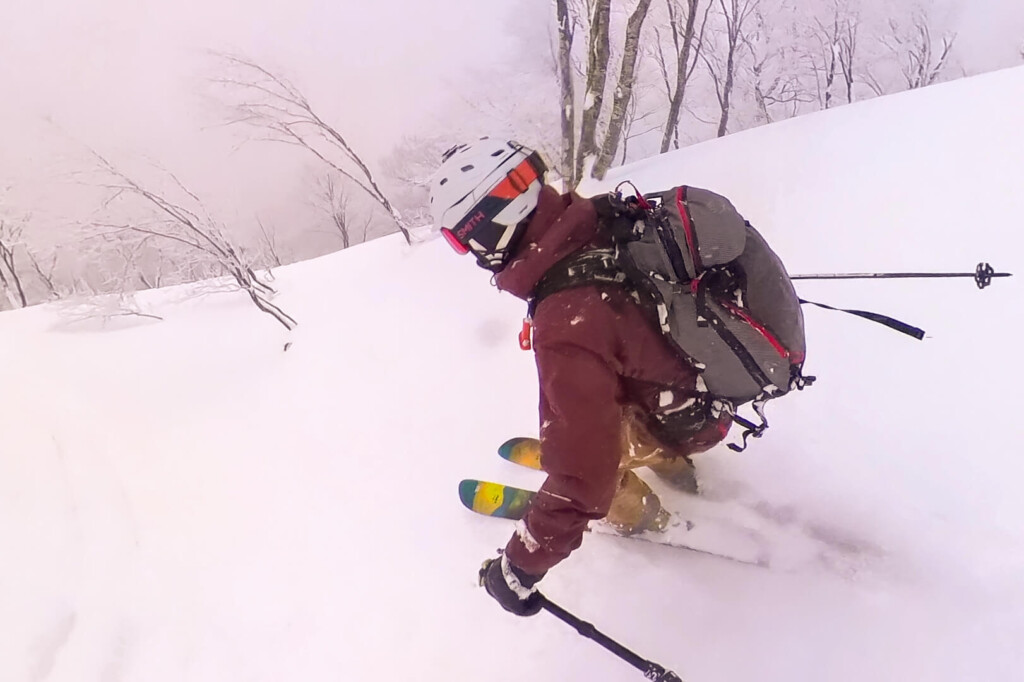
However, this season will see the start of GORE-TEX PRO's counterattack, so we can't rest easy. In particular, I'm secretly looking forward to the Patagonia Powslayer Jacket , as the fabric, appearance, and pockets all have specifications that are close to my ideal so far.

10. Freeride hard shell
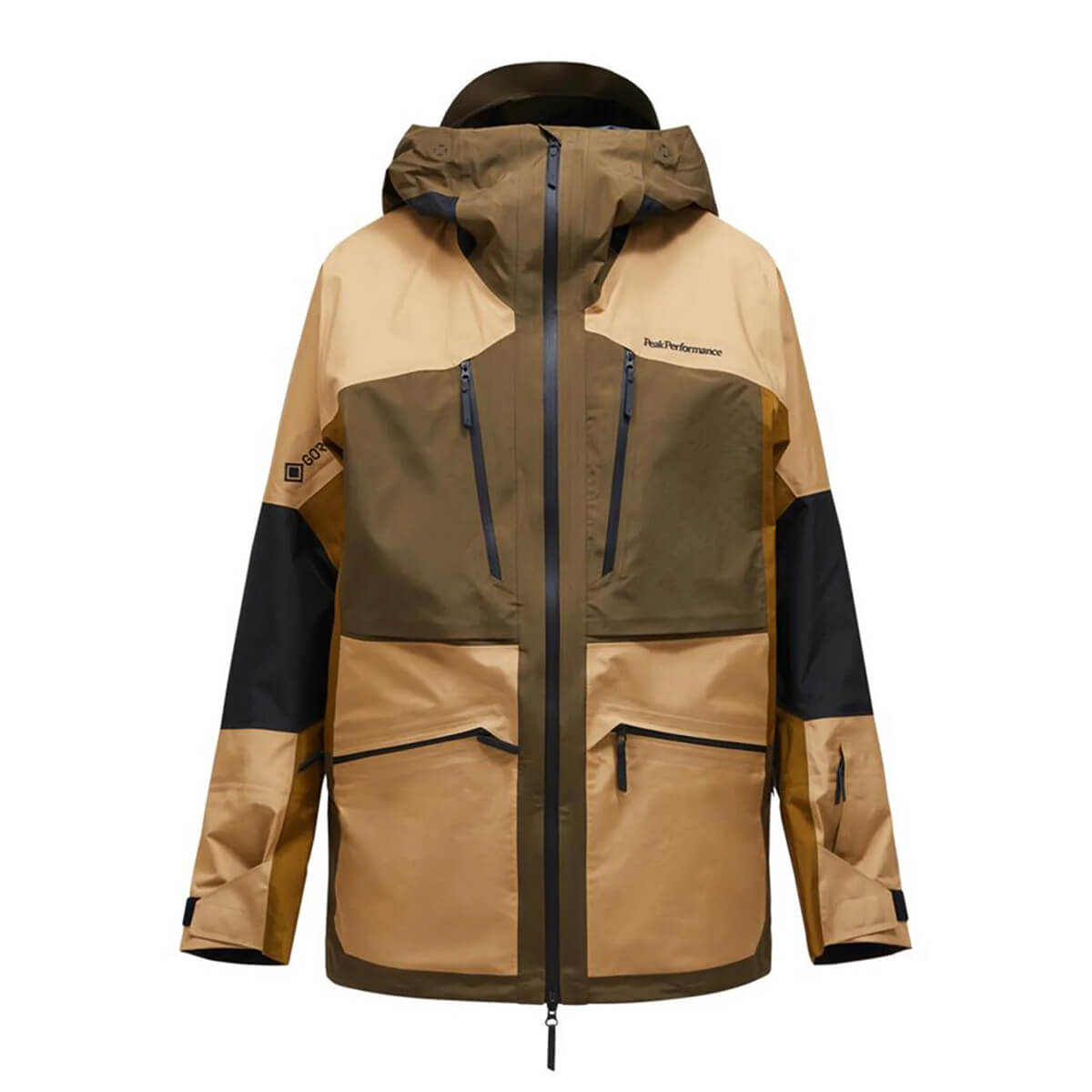
PeakPerformance M Vertical Gore-Tex Pro Jacket
You want to tackle powder snow, but you don't necessarily want to hike all the way from the trailhead. At most, you'll hike up from the top of the lift for a few minutes, so for those who are focused on skiing, sweat management isn't really necessary. Instead, you'll want convenience on the slopes, comfort while skiing, and style. For those of you who want to tackle powder snow, the PeakPerformance M Vertical Gore-Tex Pro Jacket is the perfect choice. Its relaxed fit and slightly heavier weight make it less suited to light mountain skiing, but it's perfect for enjoying the side country slopes of Niseko, Happo, Kagura, and Tanigawadake, and occasionally venturing out to puff up the powder.
11. Lightweight hard shells for ski touring
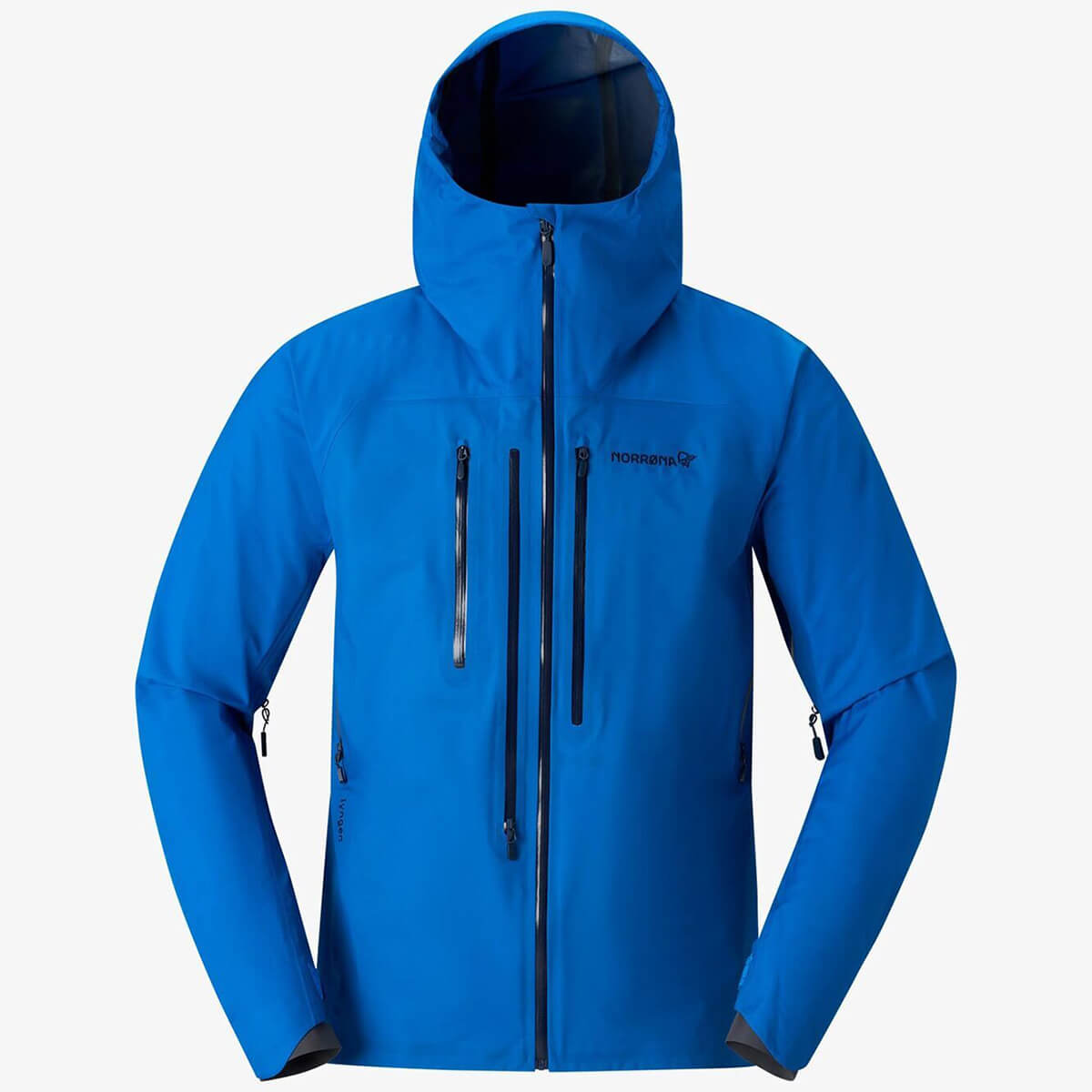
NORRONA lyngen Gore-Tex Jacket
To begin with, mountain skiing is an activity where you climb snowy mountains using skis instead of feet, so in that sense, accessing the mountains from the slopes is a bit of a heresy. Setting aside my fussy side, I'm more of a fan of this style... In short, this is a hard shell suited to backcountry skiing, where you focus on a touring style of "long, hard climbs and quick descents."
It has the opposite characteristics to freeride, namely,
- Minimizing weight with minimal functionality and fabric thickness
- Good at dealing with sweat and stuffiness
- Slim and easy-to-move pattern that prioritizes lightness
We place importance on this
For this type of "lightweight BC" type hard shell, we highly recommend the NORRONA lyngen Gore-Tex Jacket . Its lightweight design weighs just 362 grams, and its slim yet easy-to-move silhouette makes it both lightweight and durable. The 3-layer GORE-TEX uses a C-knit backing for a supple and comfortable lining. It also has two chest pockets, and the underarm ventilation has been removed to avoid restricting movement, with a large one placed on the front instead. Because of its slim silhouette, be sure to choose a size that takes layering into consideration.
12. Low-cost hard shells for backcountry use
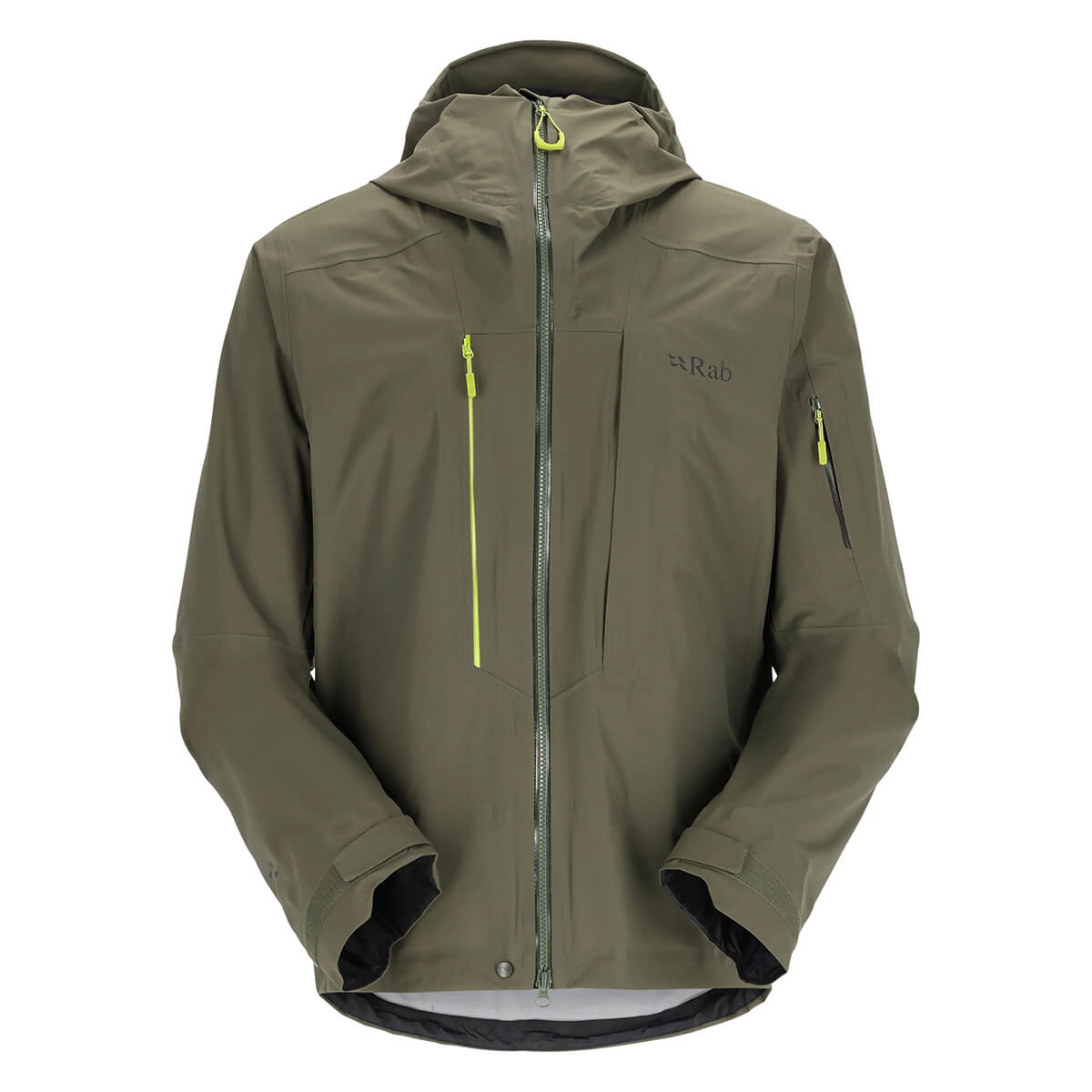
Rab Khroma Kinetic Jacket
Finally, I'd like to finish by looking at a low-priced model of backcountry-style hard shell
Modestly priced models with features suited to mountain skiing—a slightly oversized silhouette, ample pockets, deep snow protection, helmet- and glove-compatible hoods and cuffs—are quite rare, and for a model with even the minimum level of functionality, you'd have to be prepared to shell out over ¥50,000 (excluding Montbell, lol). However, even among these, the Rab Khroma Kinetic Jacket . Its supple softshell-like fabric boasts high specs, with a water resistance of 20,000mm and breathability of 25,000g. Its precise three-dimensional cut and high stretchability allow for ease of movement, and the three exterior pockets and two interior pockets are sufficient. At ¥60,000, this jacket is by no means expensive in this world of rising prices.

Five important points to remember when choosing a hard shell jacket
What is a hard shell?
To put it simply, the reason why hard shells are essential for snowy mountains is that they incorporate the latest technology to deliver the best performance in the harshest snowy seasons in the mountains, and are waterproof, windproof, durable, breathable, and breathable, making them suitable for all weather conditions, including not only rain but also wind and snow .
Even in the snowy mountains during the snowy season, if the weather is good you can feel the warmth of the sun and move around comfortably in the warmth, but if the weather worsens, the weather can suddenly change and a blizzard or heavy snowstorm can hit. At times like these, a hard shell can protect you from the blizzard
However, if you go to an outdoor shop, you will notice that there are many types of jackets that can be worn as outerwear, such as hard shells, soft shells, and rainwear. At first glance, it may be difficult to tell how they differ from rainwear. What is the difference between them? Some people may be wondering this
First, let's look at why hard shells are essential for winter outdoor activities by comparing their features with other shell layers and rainwear
Differences between hard shell, soft shell and rainwear
Hard shells are a must-have item for snowy mountain activities
| kinds | hard shell | Rainwear | soft shell |
|---|---|---|---|
| waterproof | ◎ | ◎ | ◯ |
| Windproof | ◎ | ◎ | ◯ |
| Cold protection | ◎ | ◯ | ◯ |
| Breathability (breathability) | ◯ | ◯ | ◎ |
| durability | ◎ | ◯ | ◯ |
| Stretchability | △ | △ | ◎ |
| weight | ◯ | ◎ | △ |
| Rough texture of fabric | Rough | Smooth | Moist and smooth |
| cuff | Wide-mouth adjustable structure designed for wearing gloves | Variable structure designed for use with bare hands | Variable structure designed for use with bare hands |
| Food | Adjustable with helmet on | Both helmet-compatible and non-helmet-compatible models available | Both helmet-compatible and non-helmet-compatible models available |
| Ventilation | Most models have them, and many of them open wide | Available in both with and without models | Basically, it's not attached |
Hard shells are waterproof, windproof, and breathable, and are strong enough to withstand harsh environments. They also have a variety of other small features and innovations that make them comfortable to wear on snowy mountains, such as collar and hood structures that keep out the cold, rough-textured outer fabrics that increase friction resistance and water-repellent properties when sliding down snow, and sleeves and hems designed to be worn with gloves
Depending on the season and activity, rainwear made of sturdy fabric may be a viable alternative, but for those planning serious snowy mountain climbing or backcountry skiing/snowboarding, a hard shell is a reliable must-have item
Important point 1 when choosing a hard shell jacket: Choose the right type for your needs
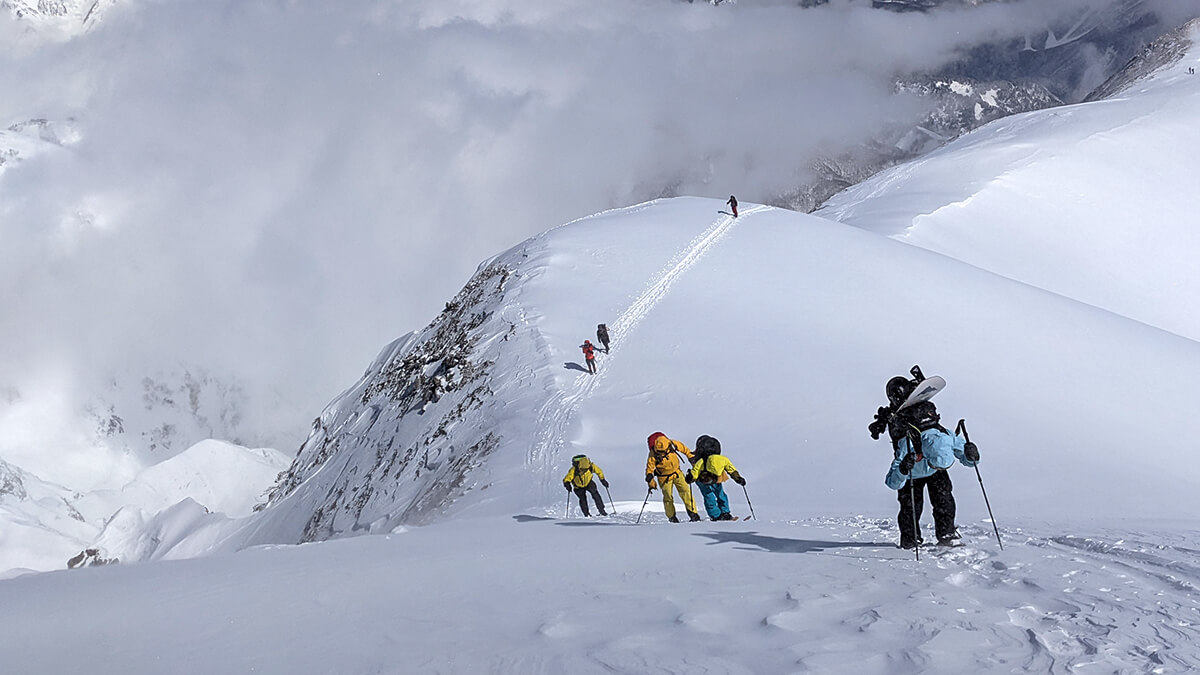
When choosing a hard shell jacket, you first need to decide what you'll be using it for. Hard shell jackets vary in sizing, functionality, and design depending on whether they're made for alpine climbing or backcountry skiing/snowboarding
- For alpine climbing: Slim fit with emphasis on upper body mobility, designed to be worn with climbing equipment such as harnesses
- For mountain skiing/snowboarding: A slightly looser fit (so you can wear thicker winter clothing underneath) that keeps snow out while you're skiing
If you're planning on winter mountain climbing or ice climbing, loose-fitting clothing will get in the way when wearing a harness, so the general rule is to choose slim-fitting clothing. Wearing a harness can make it difficult to use abdominal pockets, so you'll want to carefully check the position of the pockets
When skiing or snowboarding, you'll be moving around a lot, so loose-fitting, long-length clothing will help prevent snow from getting in and make it easier to move around. When you're on the slopes, it's cold while riding the lift, so it's best to choose clothing that takes into account the need to layer up
Hard shell jackets are not clearly defined as being for XX or XX purposes, so it's not that you can't wear alpine climbing clothing to snowboard (and vice versa), they are simply designed to be suitable for that purpose.However, deciding on the purpose will make it easier to choose a hard shell jacket
Important point 2 when choosing a hard shell jacket: Choose waterproof and breathable fabrics and materials
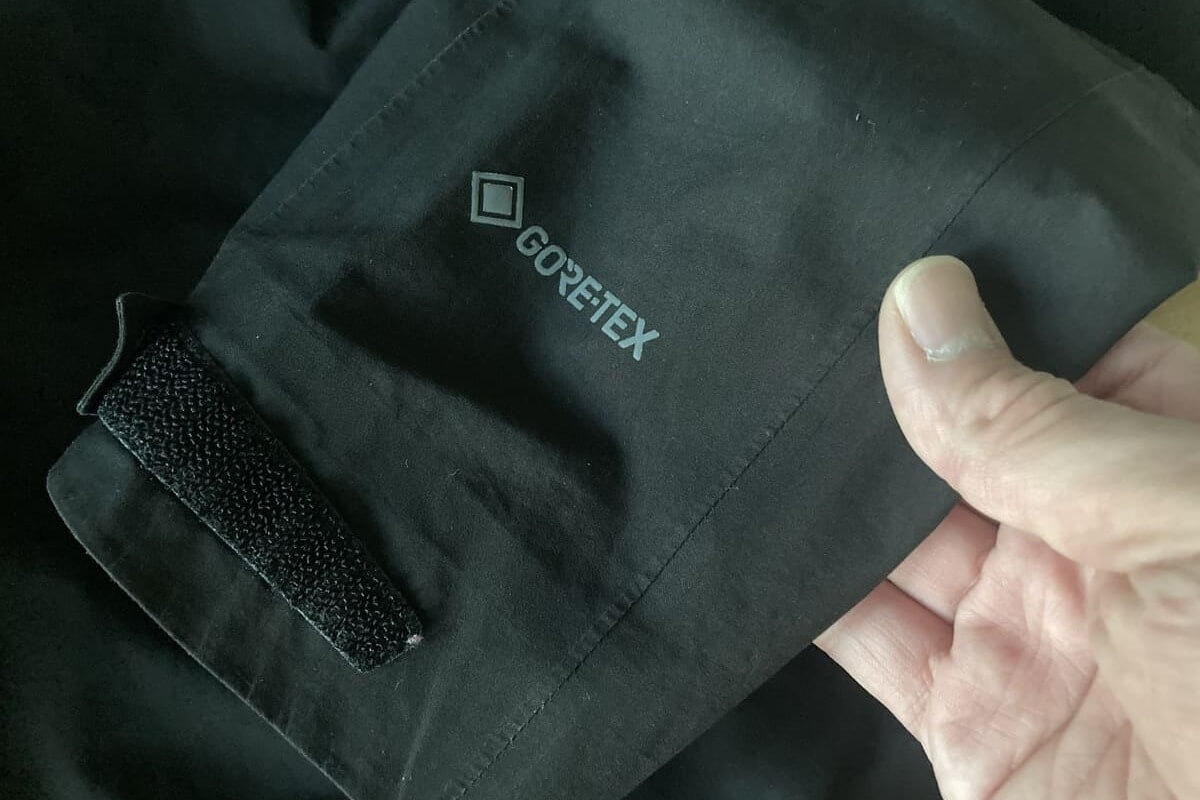
Hard shell jackets are designed to be worn all the time, so they are made with waterproof and breathable fabrics that are comfortable in all weather conditions, so you can stay comfortable whether it's sunny, snowy, or raining. Naturally, the more waterproof and breathable the fabric, the higher the quality of the garment
Among the various waterproof and breathable fabrics, GORE-TEX has been used by many outdoor manufacturers for decades. It has high windproof, breathable, and water-resistant properties, and all products are made through rigorous testing in laboratories and in the field. In that sense, it is a material that can be used with confidence in any tough activity
Among them, GORE-TEX PRO, a high-end line designed for use in the harshest conditions, features durable outer and inner linings, sufficient wind and water resistance, and excellent breathability to withstand heavy sweating, providing peace of mind and comfort for all tough winter mountain activities. Of course, there are other types of hard shells available from GORE-TEX, but if you are considering mountain climbing in the harshest winter conditions, GORE-TEX PRO is recommended
If the use and purpose are decided and the price range is also taken into consideration, the manufacturer's own materials are also a good option
On the other hand, waterproof and breathable materials other than GORE-TEX are also being developed independently by various manufacturers, and it is worth noting that recently there are high-performance materials that are just as good as the reigning champion GORE-TEX. These materials are often superior to GORE-TEX not in overall performance, but in specific areas such as breathability, weight, and comfort. What's even better is that they are often priced slightly lower than GORE-TEX
To briefly introduce some of the more well-known brands, there are Patagonia's proprietary waterproof and breathable material, H2No Performance Standard Shell , Montbell's Super Dry Tech® , The North Face's FUTURELIGHT™ , Mountain Hardwear's DRY Q Täsmä, developed in collaboration with Teton Bros. and Toray.
Although no other material can match GORE-TEX in terms of the track record it has built up over the years, there are many materials that are superior to GORE-TEX in some respects, such as individual features and price. Once you have met the basic waterproof/breathable performance requirements, choose a fabric or material that is optimal for your purpose, environment, and price range
Important point 3 when choosing a hard shell jacket: Consider the balance between fabric thickness (durability) and weight
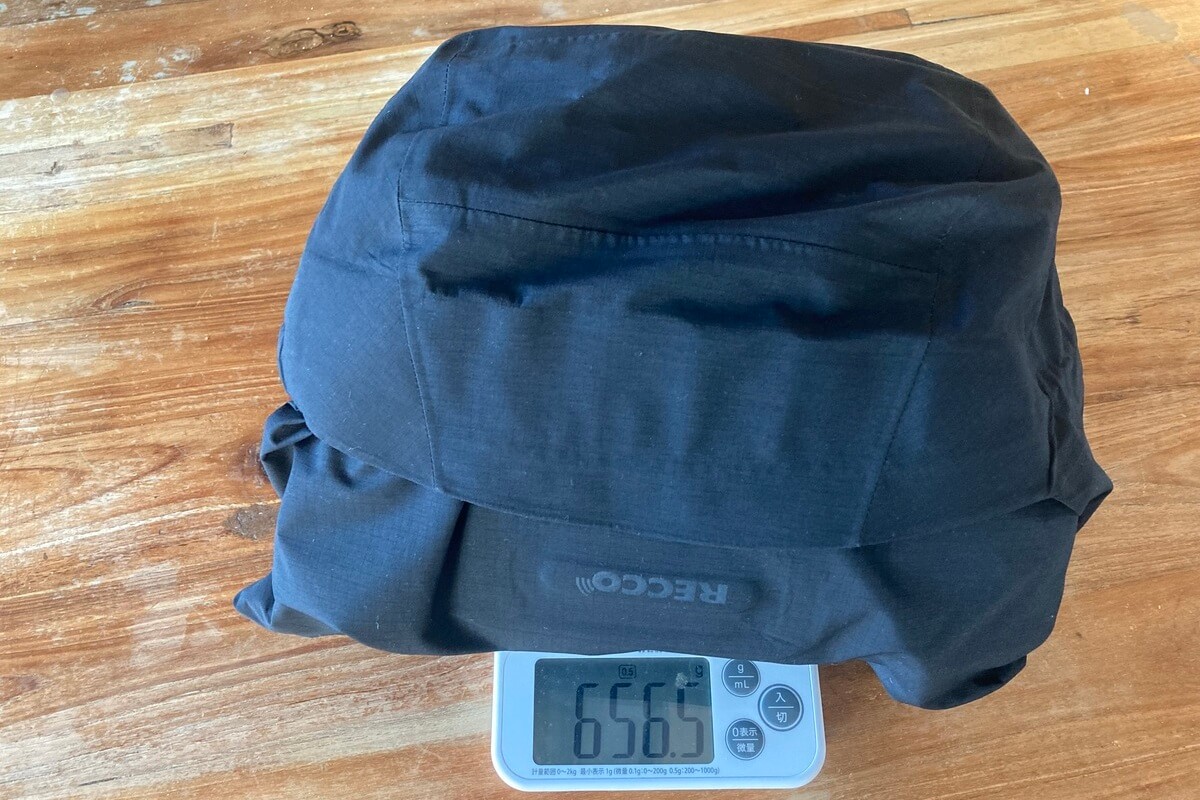
When engaging in outdoor activities in harsh environments and carrying all the necessary equipment, weight and durability are important
Although a hardware jacket is something you wear all the time, if it is heavy it will put a lot of strain on you when you are moving around, and you will feel stressed because it will be difficult to move
When carrying all your essentials for food, clothing, and shelter on your back and walking long distances, you should choose clothing that is as light as possible. When backcountry skiing (snowboarding), when doing tree runs or climbing steep areas with a mix of rock and snow, you need clothing that is durable enough to not get torn even when caught on twigs or develop holes when scraping against rocks
The weight of a hard shell jacket varies depending on the thickness of the thread used, the number of layers of fabric, and additional features (pockets, etc.). Generally, jackets made with thick threads will be heavier, and the seam tape used for waterproofing also has an impact
The thickness of the fabric varies depending on the "thread" used, but the thickness of the thread does not necessarily equal durability
For example, if we think about it simply, clothing made with 80 denier thread will have a thicker and heavier fabric than clothing made with 40 denier thread, but it will also be more durable.However, even if the thread is thin, if it is woven tightly, it will be stronger and heavier, so we learned that there is no general correlation between thread thickness and durability
Few manufacturers disclose the thickness of the thread they use or the density of the stitching, so it's best to try them on to check how comfortable they are and how heavy they feel when worn
After roughly checking the weight of about 50 pieces of clothing, we found that hard shell jackets for alpine climbing weigh an average of 500g to 600g, with clothing weighing under 500g being considered lightweight and anything over 600g being considered heavy
When it comes to clothing for backcountry skiing, many models have snow skirts and large pockets, so they are heavier than clothing for alpine climbing, typically weighing in the 600g range
Important point 4 when choosing a hard shell jacket: Make sure it has the necessary features
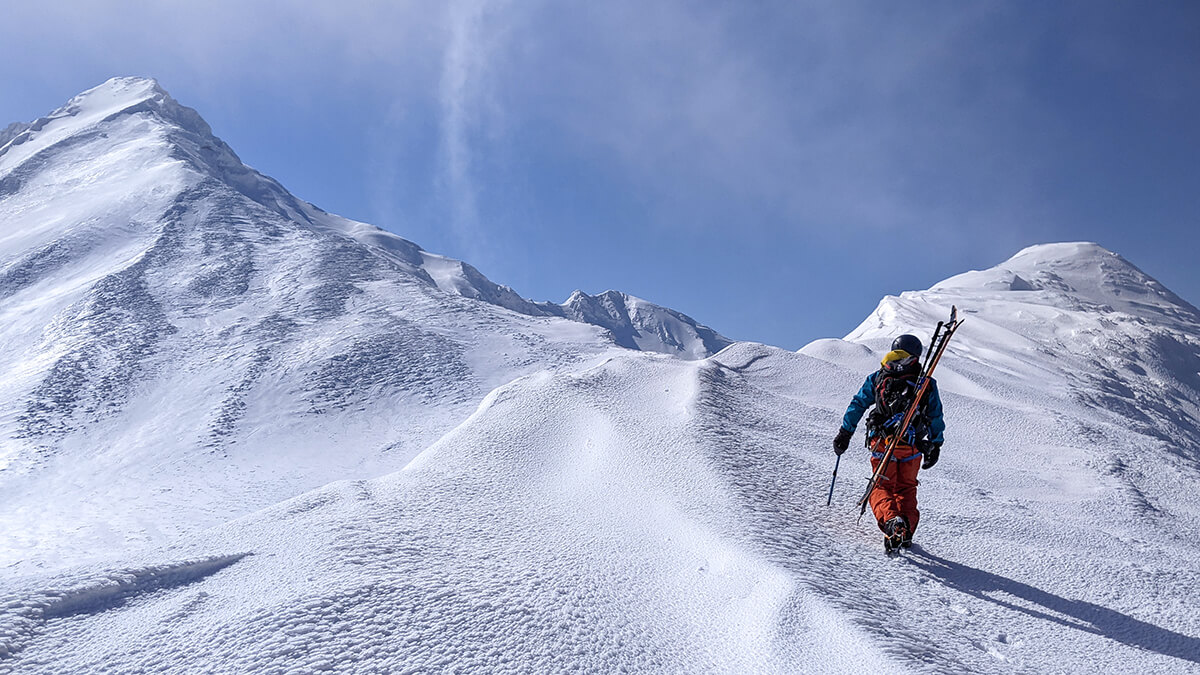
The required functions vary depending on the application
The features of each garment will ultimately have a big impact on ease of use and comfort, so to avoid making a mistake when choosing a hard shell jacket, make sure it has the features you need before purchasing
Parts and features to check before purchasing
- front zipper
- Food
- Snow skirt
- Ventilation
- collar
Zipper: Check for ease of opening and closing and waterproofness
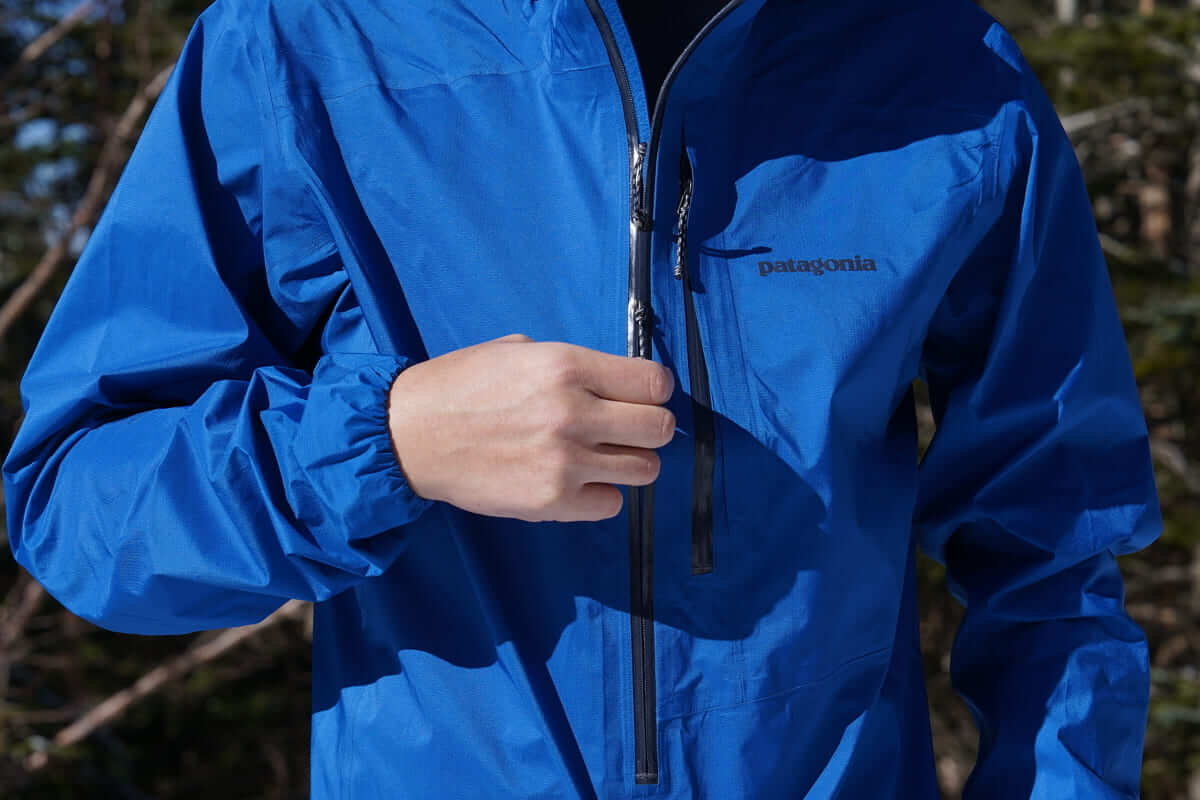
There are many different types of zippers, and they are an important part that determines ease of use
Make sure the zipper is highly waterproof. It's also important that it's easy to open and close. Some waterproof zippers are stiff and can't be opened or closed with one hand, so be careful. Be sure to check not only the main zipper you use to put on and take off the jacket, but also the zippers for the ventilation and pockets
Vislon-type waterproof zippers are hard to break, resistant to freezing, highly waterproof, and lightweight, making them a highly reliable zipper that is widely used for winter mountaineering (see photo below)
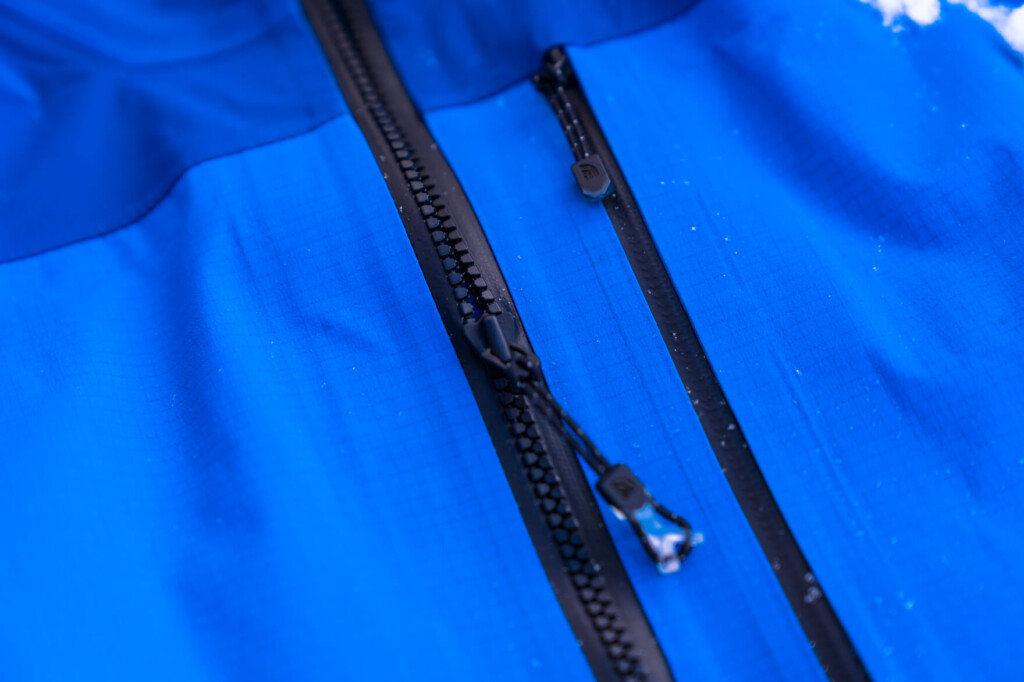
Not only should it be easy to open and close, but if it has a double zipper, it will prevent the jacket from flapping around while still allowing for effective ventilation. Make sure the zipper is easy to open and close even when wearing gloves
Pockets: The placement and number of pockets vary depending on the purpose, so check how easily you can access them when you're on the move
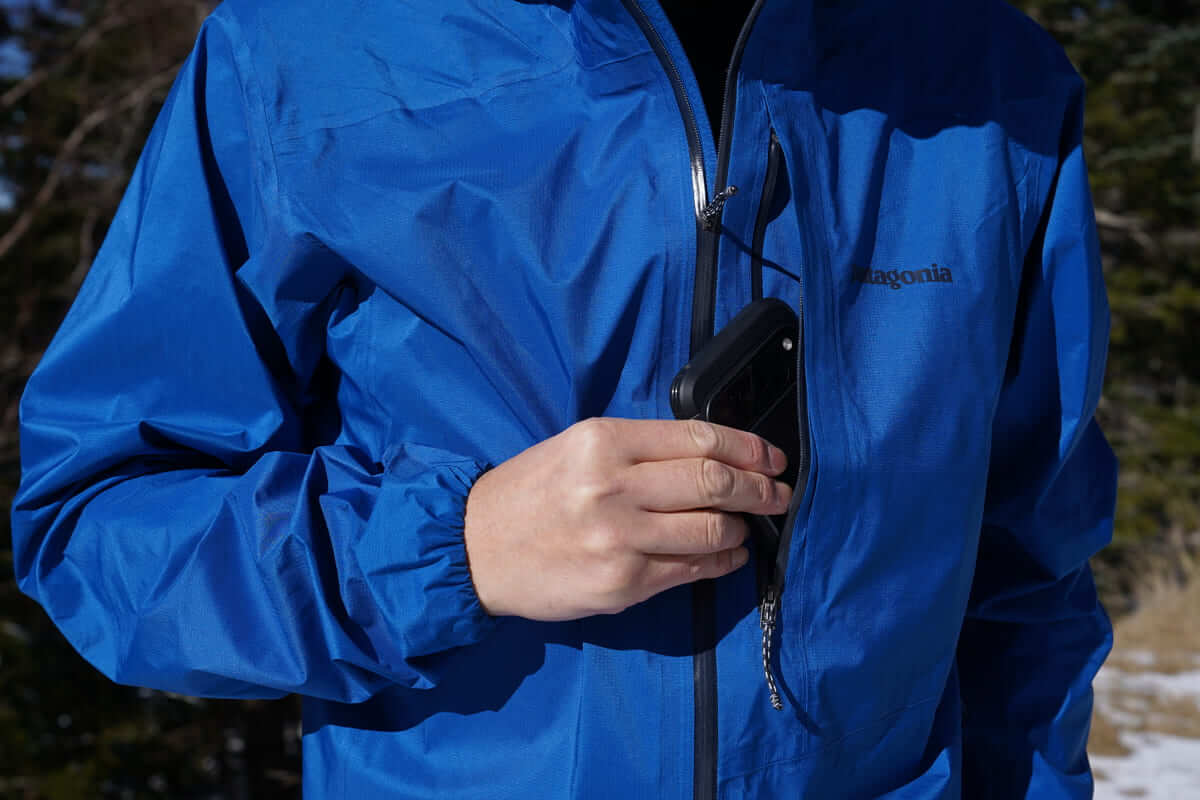
The chest pocket is convenient for storing smartphones etc
It's not just the number of pockets that's good. Where they're located is also important. Some models for alpine climbing have no pockets on the abdomen, and instead have large chest pockets on both sides, as they are designed to be worn with a harness
Clothing for backcountry skiing (snowboarding) often has small chest pockets, but instead has inner pockets large enough to hold goggles, snow gloves, stickers, etc. (This is very convenient). Many models also have pockets on the arms, which makes it easy to pass through gates at slopes that use IC chips
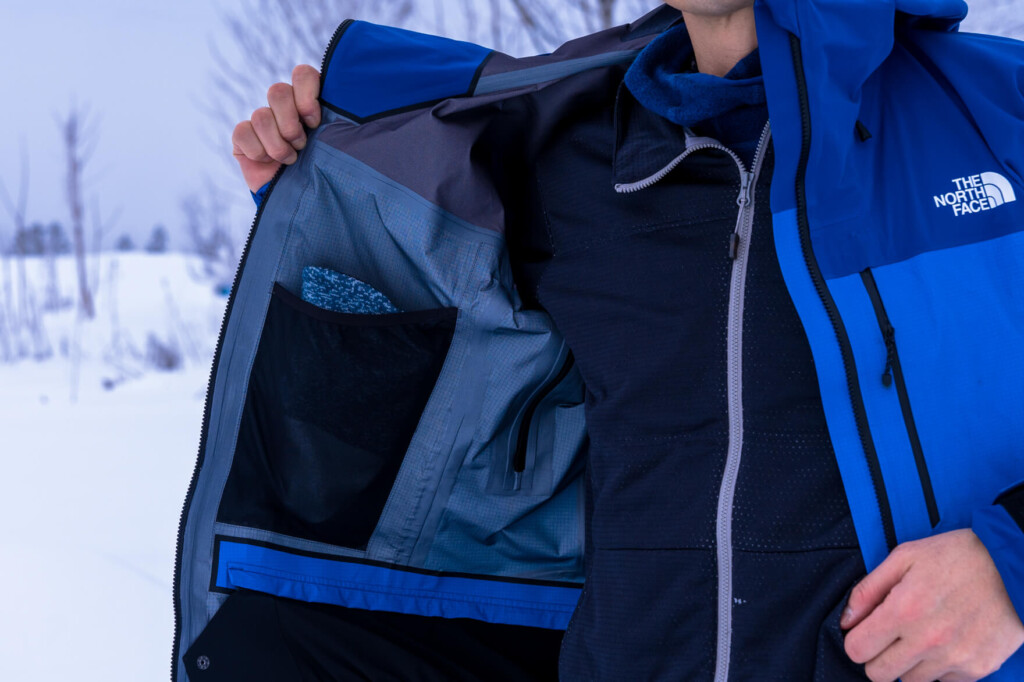
It is recommended to keep valuables such as keys in an inner pocket that is not accessed frequently. Be aware that some clothing does not have inner pockets
Hood: Check the fit when using the adjuster
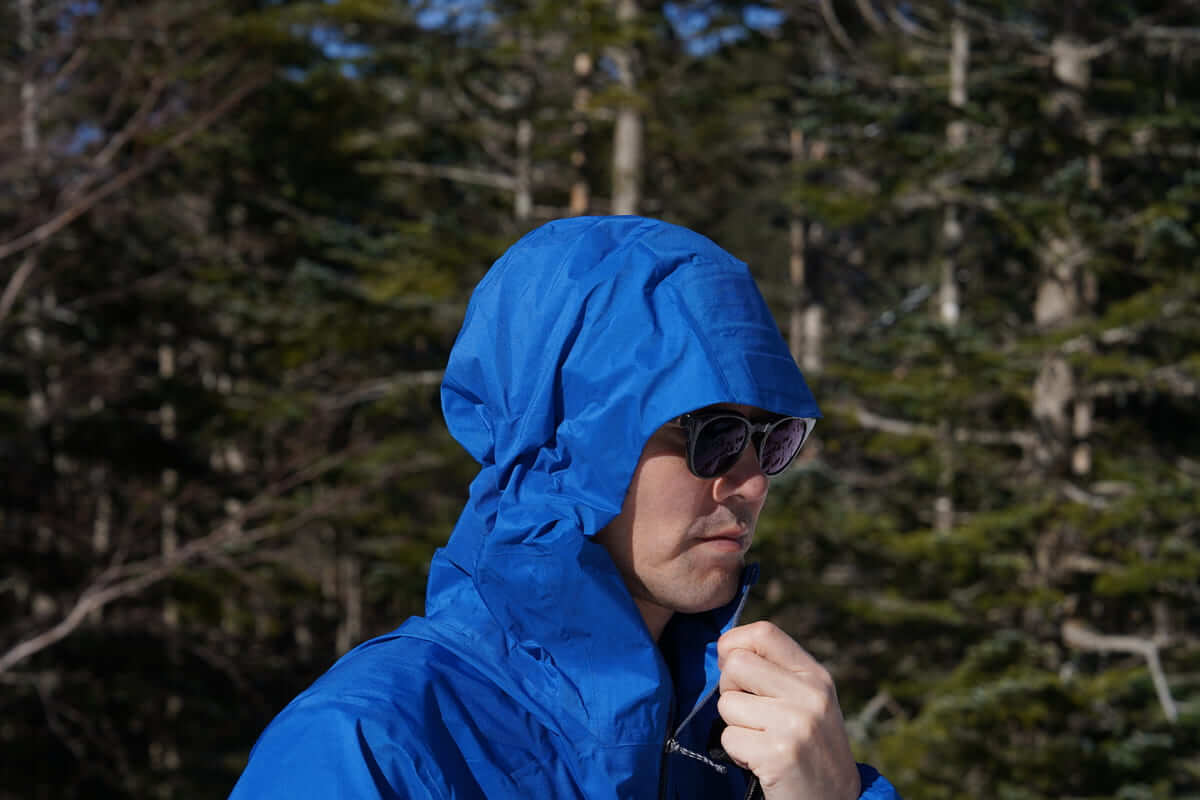
A hood is a must when it comes to bad weather. Sizes vary widely depending on the manufacturer, so be sure to check the fit
If the hood does not have a brim, the exposed parts of your face will get wet more easily when it rains or snows. The length of the brim is a matter of preference, but a longer brim provides more protection, so we recommend it
Most models are designed to be large enough to be worn over a helmet, but if the hood is too large, it may not fit properly without a helmet. There is an adjuster, so be sure to check the fit without a helmet
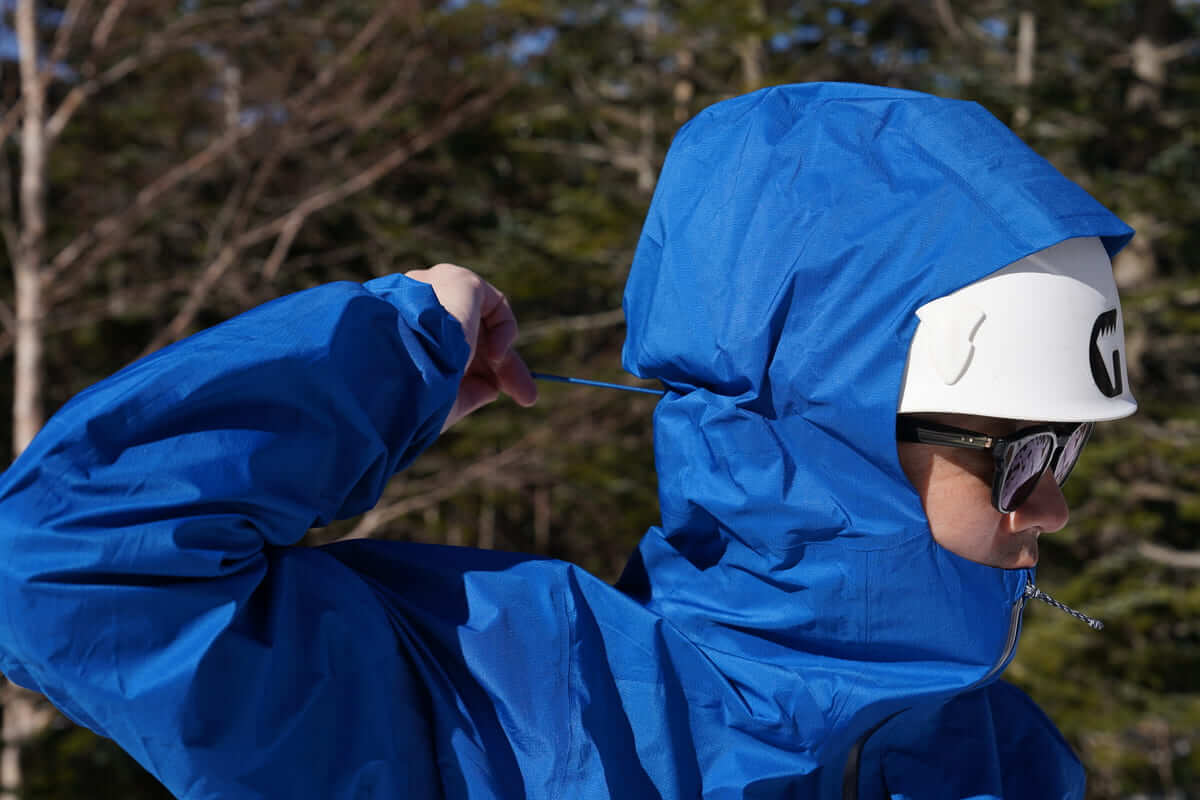
Check the fit with the adjuster
Even if the hood has an adjuster, if the size is not right it may block your view when you turn to the side, so when trying it on, turn your head from side to side to make sure you can see clearly
Snow skirt: Keeps out snow
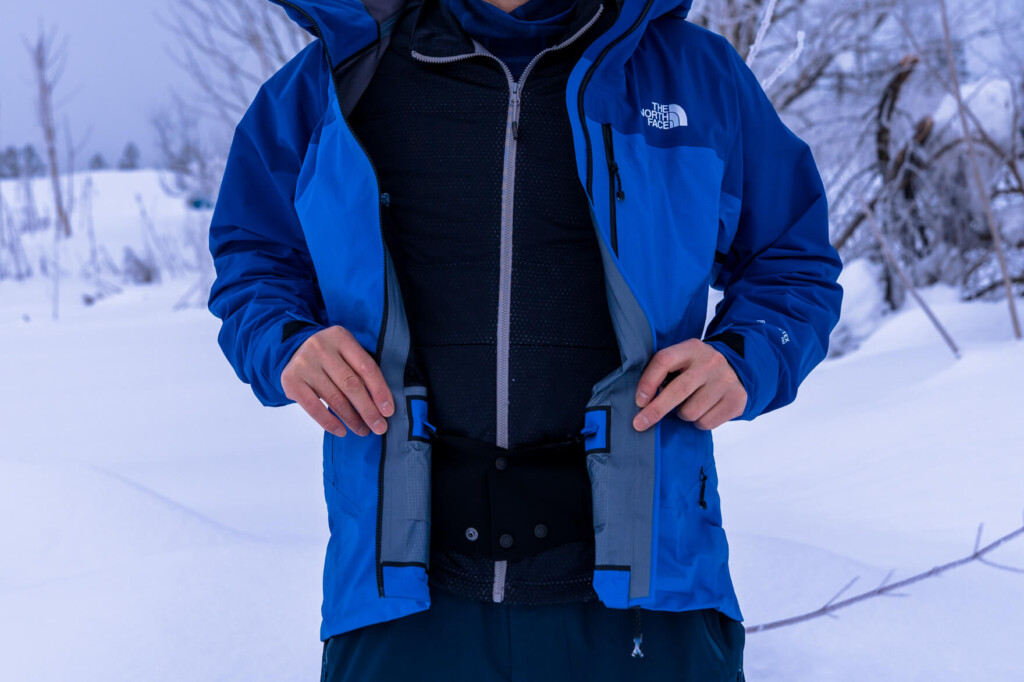
A snow skirt prevents snow from getting inside your hard shell. It's often equipped on clothing designed for backcountry skiing (snowboarding). I've never had a bad experience without one, but it's useful when you want to be well protected from snow getting in when doing powder runs. It prevents snow from getting in if you fall, so beginners to backcountry skiing should choose clothing with a snow skirt
On the other hand, if you plan to use the skis primarily for ice climbing or other vertical snowy mountain climbing, a snow skirt will likely just make them heavier and unnecessary, so in that case, it would be wise to choose a model without a snow skirt or one that can be removed
Ventilation: Check ease of operation, size, stiffness, etc
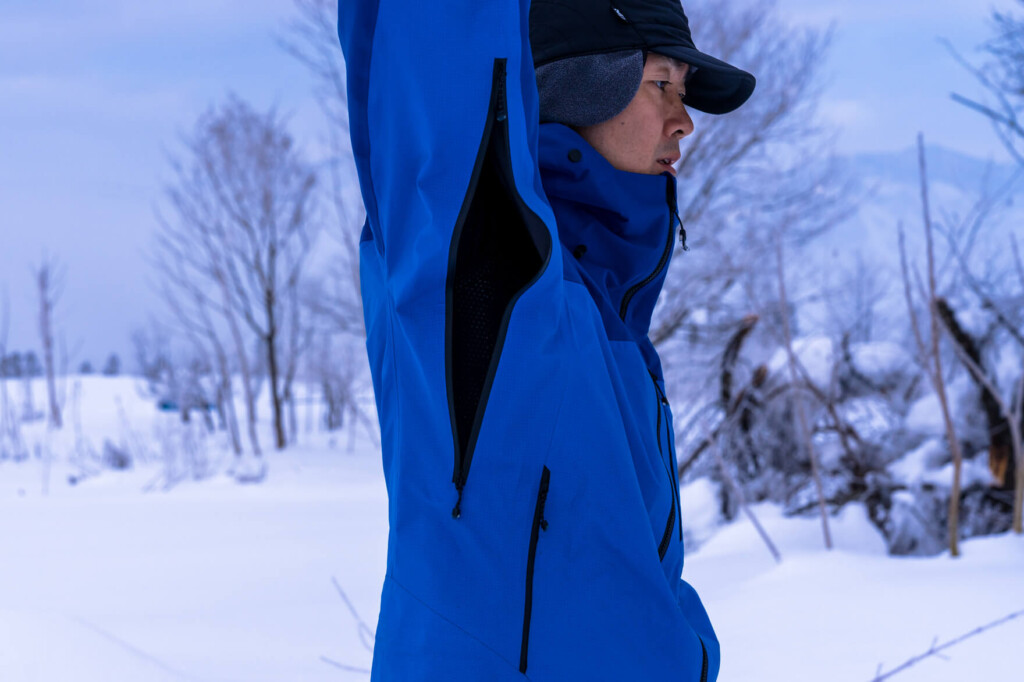
Ventilation is a ventilation hole that is provided to prevent overheating while active. Since hard shell jackets are designed to be worn at all times while active, most models have ventilation
The larger the opening, the more ventilation there is, which is convenient, but the zipper may not be easy to open and close, and the position and size of the ventilation may make the jacket feel stiff, so it's a good idea to try it on carefully to make sure it fits you well
Collar: Check that it does not interfere with your chin when you wear it
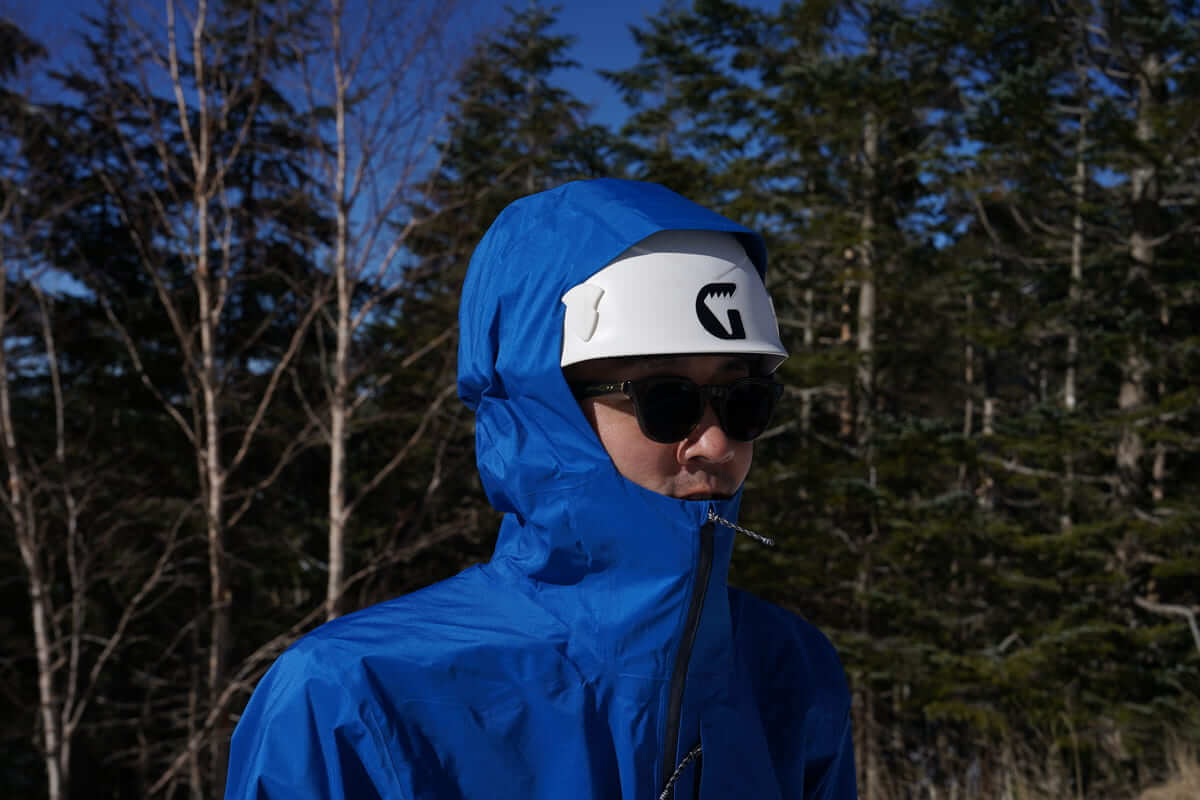
The collar protects your face when it's windproof, but the design varies depending on the manufacturer and model, which has a big impact on comfort
Try on your hard shell jacket and check the position of the collar when it's zipped up all the way, and make sure it's comfortable (is it too tight?). This is a subtle but surprisingly important point. If it's in a position that touches your chin while you're wearing it, it can be stressful. If the collar is too high, it can interfere with your chin and cause it to curl up, so be sure to check the firmness of the fabric
Important points for choosing a hard shell jacket: Check the fit and comfort
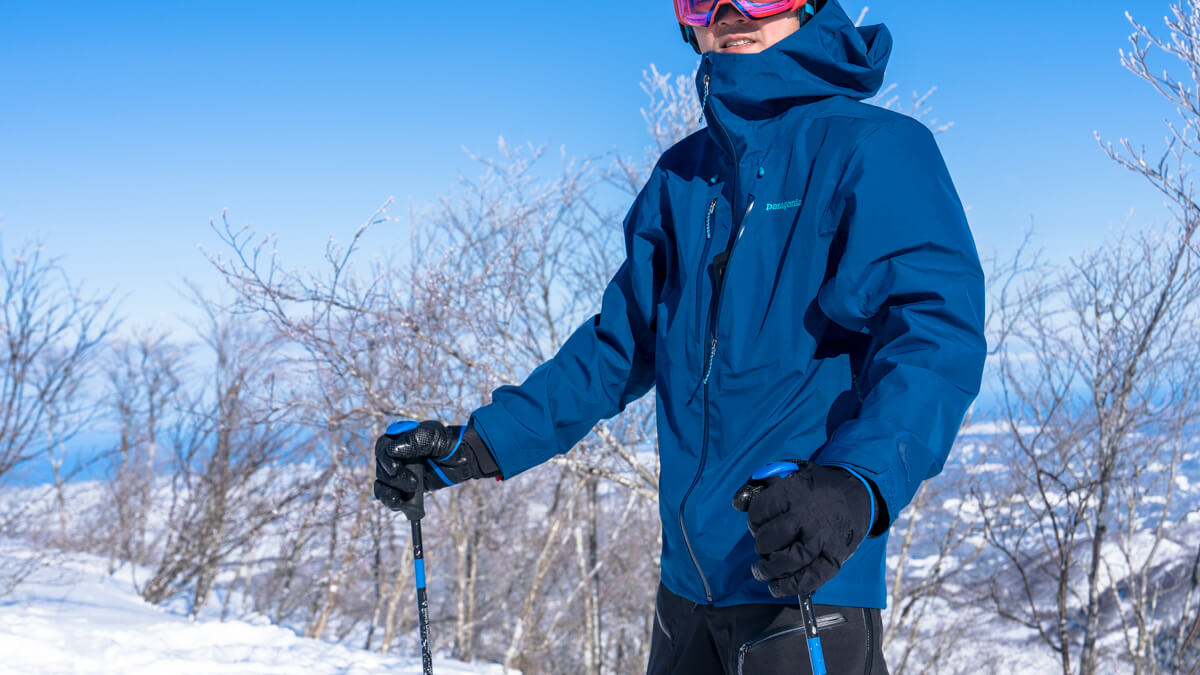
No matter how well-equipped a jacket is with performance and functionality, it's useless if it's uncomfortable to wear. As we explained in the section on uses, even if they're basically the same hard shell jacket, those for alpine climbing will have a slim silhouette that hugs the body, while those for backcountry skiing (snowboarding) will be slightly looser, and each jacket will be designed to suit different activities. In addition, the details of construction and fit will vary depending on the manufacturer and trends, so it's best to try it on thoroughly before purchasing rather than choosing based solely on the popular manufacturer or design
Also, the sizing can often vary from what you imagine depending on the manufacturer and model. If the size is too snug, it may feel cramped when layering, or it may feel tight or your arms may stick out when you move, so when trying it on, try raising and stretching your arms as if you were actually moving around, and try out the layering and movements you might make as much as possible to avoid overlooking anything
summary
Hard shell clothing is durable and will protect you in the harsh outdoors. Find the right hard shell clothing for you and head out into the field!
Nowadays, with environmental considerations in mind, recycled materials are being used, and PFC-free models that do not contain the fluorine compounds that have traditionally been used in water-repellent treatments are becoming more common. While it is great that clothing for outdoor activities is made with eco-friendly materials and processes, there are fewer and fewer products that can maintain their water-repellent properties for long periods of time without maintenance, as was the case in the past
Once you find your favorite hard shell, maintain it regularly to maintain its performance and use it for a long time!
You can read all the recommended hard shell jackets and a comparison list of all 144 models in the paid membership article
Related reading
 [Fall/Winter 2025] Down? Synthetic? Fleece? The key to comfortable layering is choosing the right material. The best mid-layers for mountaineering (cold weather gear) by type, and tips for choosing the right one
 [Fall/Winter 2025] We've selected the best synthetic insulation for fall/winter outdoor activities from approximately 200 models, and here are some tips on how to choose the right one
 10 Recommended Hard Shell Jackets I Impulsively Picked Up This Year [2016-2017]
 [Fall/Winter 2025] Recommended base layers for this season and purpose, selected after comparing over 200 items, and how to choose the perfect one for you