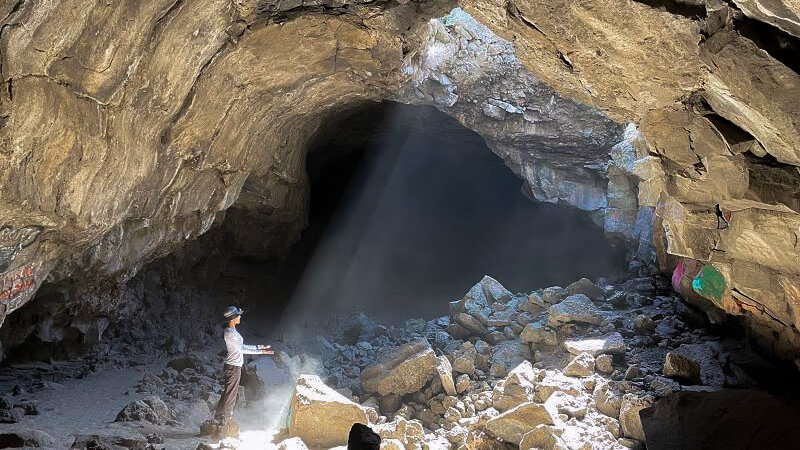
We continue our introduction to the amazing gems scattered around Mount Shasta, this time featuring Pluto's Cave
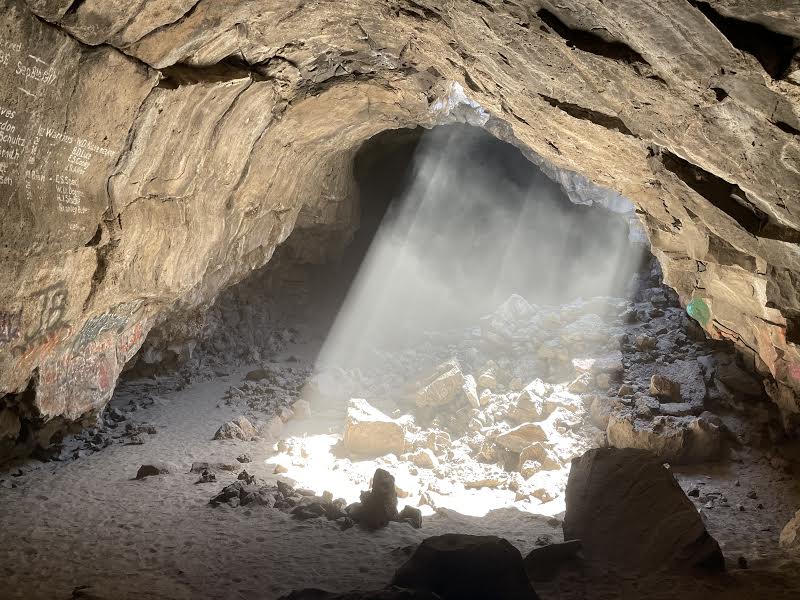

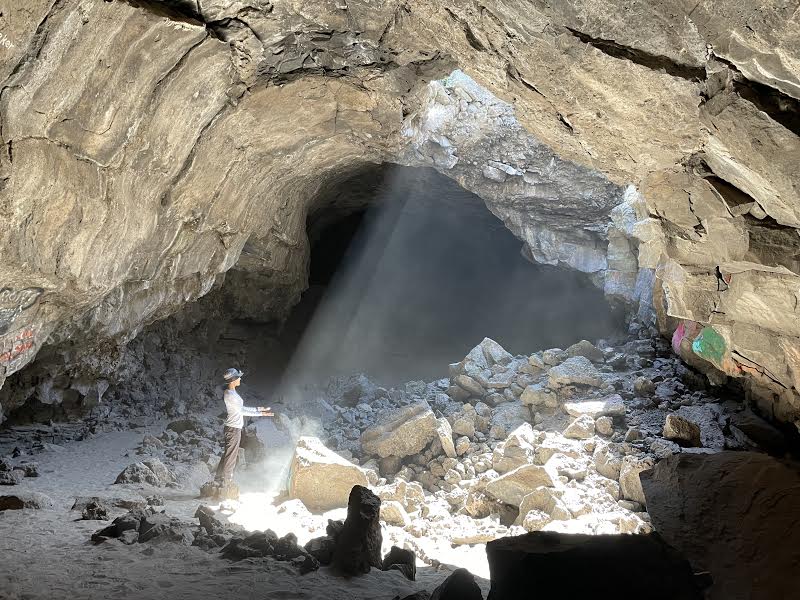
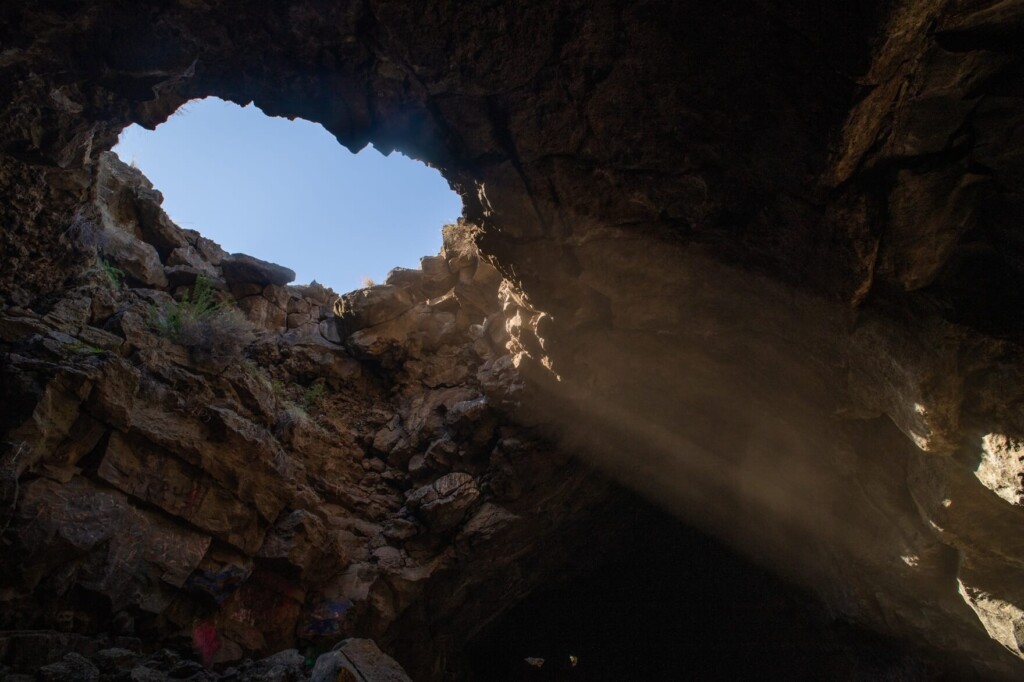
In Weed, the town next to Shasta, there is a mysterious cave where light pours down from the sky. It is truly a secret, hidden power spot. Shasta is deep!
Located north of Mount Shasta, this dry desert area is home to several caves carved into valleys created by volcanoes. These caves, which can be easily accessed by hiking, are a very unique and unusual place
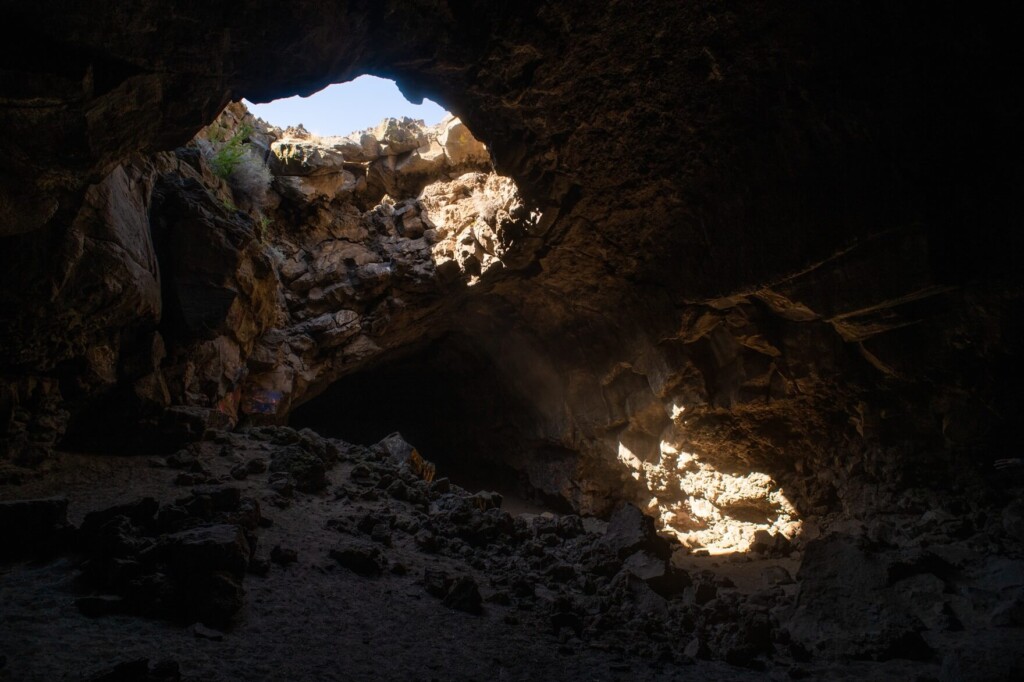

Shasta Valley, especially in the southern part, is home to numerous lava flows, cinder cones, and volcanic buttes. Being so close to the largest volcano in North America, it's unsurprising that it has seen a fair amount of volcanic activity, and that lava tubes (caves) like this one are found beneath the vast lava flows. While there are several others in the area, none have yet been discovered as impressive as Pluto Cavern
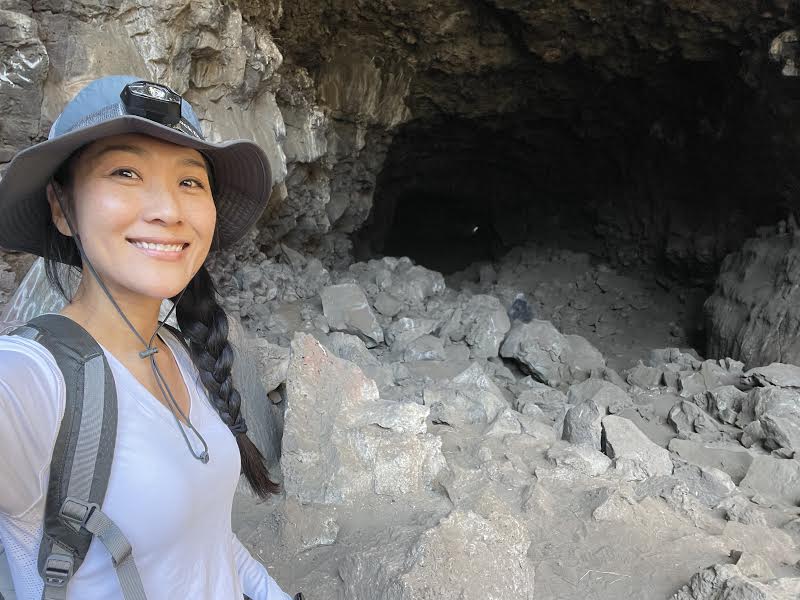
It takes about 40 minutes by car from downtown Shasta to Pluto Cave in the neighboring town of Weed
The atmosphere in Weed is completely different from Shasta City, which is full of water and trees, and is a dry desert area
This cave is said to be 190,000 years old and was discovered in 1863 (during the Edo period in Japan). The cave was formed by solidified lava, and is truly a work of art from nature. The sunlight filtering in through the cave's rocks is very mysterious, and the dust dancing in the light looks like a veil of light
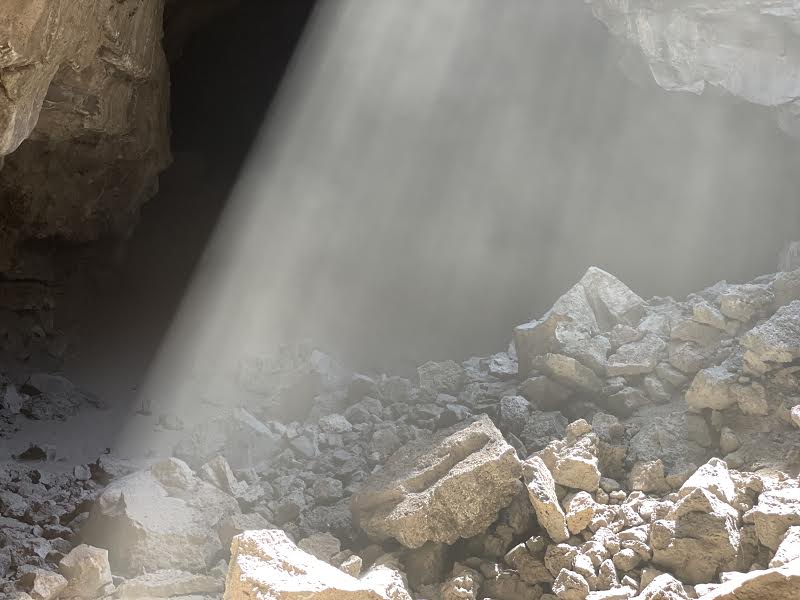
It depends on the season and time of day, but I think the light is strongest from around noon to 3pm
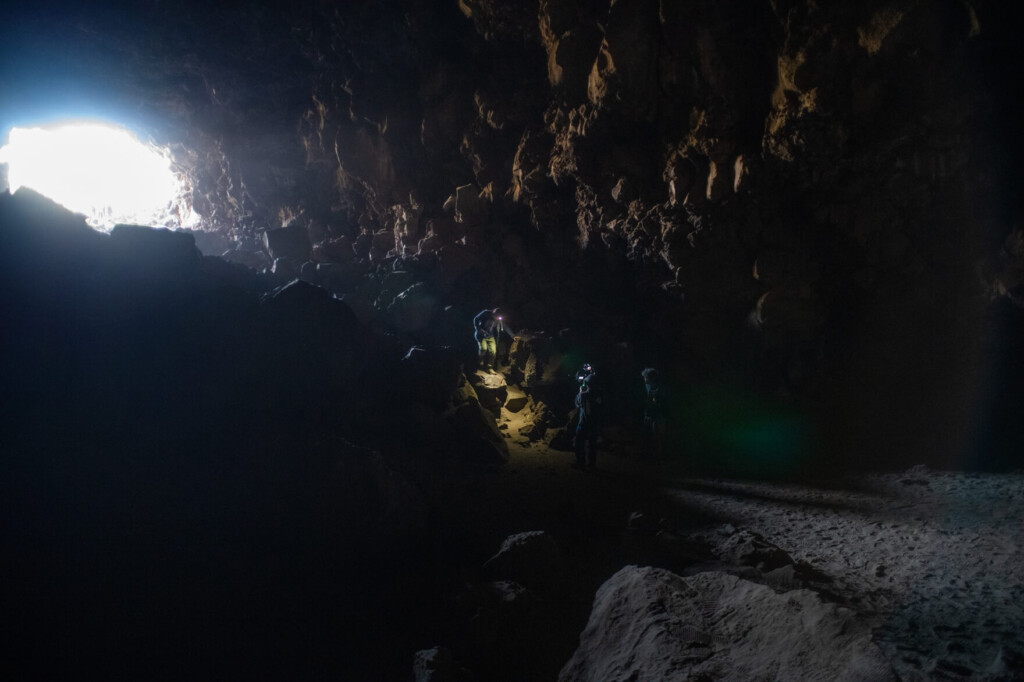
There are about three caves in total, ranging from large to small, but the main Cave of Light is at the very back. The area where the light shines is not that far from the entrance of the cave, but you will have to walk through a pitch black rocky area on the way, so don't forget to bring a headlamp or flashlight
Mount Shasta related articles
Route and cave walking information
- Parking lot (trailhead) address: Parking lot, 43N30, Montague, CA 96064
- Distance: Approx. 1.12km round trip (mostly flat)
- Walking time: Approximately 10 minutes one way
- What to bring: Don't forget your trekking shoes, water, and a headlamp
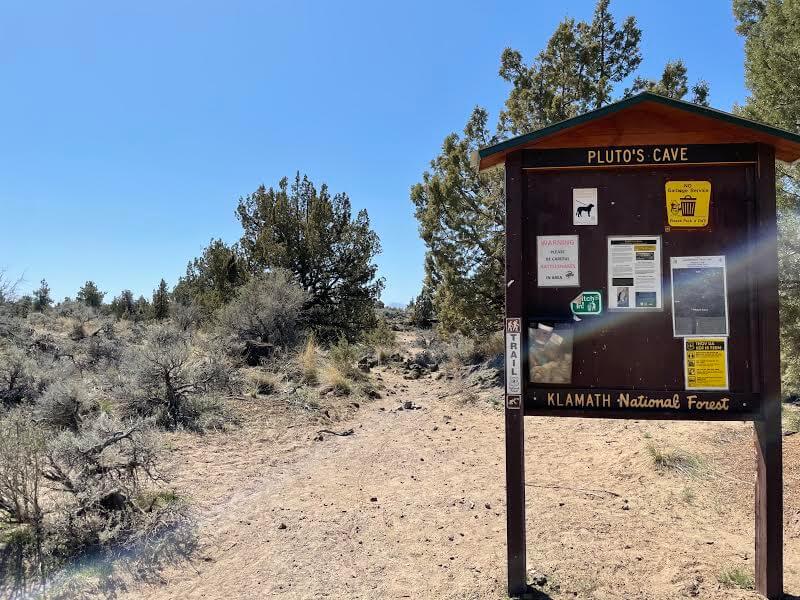
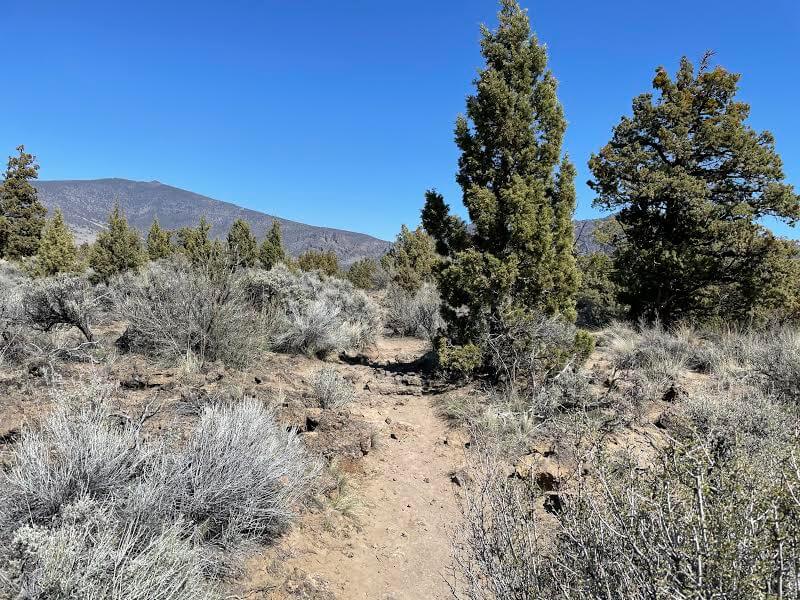
It takes about 10 minutes from the trailhead to reach the entrance of the cave, but if you download a GPS in advance, you will be able to get there smoothly without getting lost
Note: If you search for "Pluto's Cave" on Google Maps, it may show you the road to the back parking lot instead of the Pluto's Cave Trailhead, so when searching on Google Maps, try searching for "Pluto's Cave Trail Head." The back parking lot is closer to the cave and cuts down on the walking distance, but the road to get there is off-road and in poor condition, so we don't recommend it
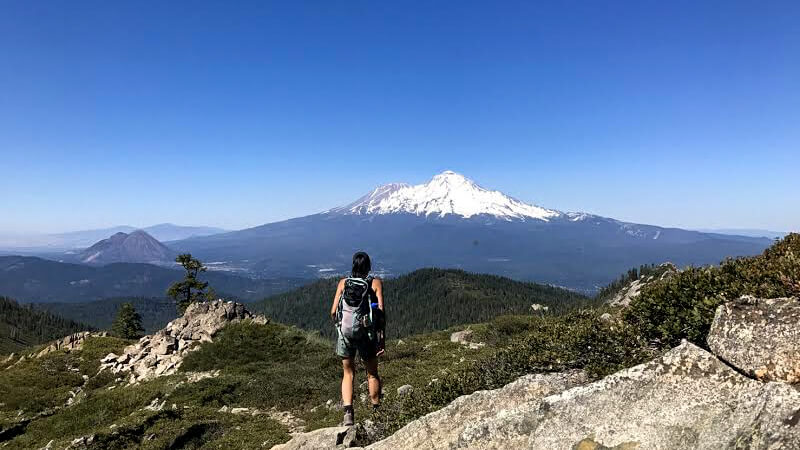
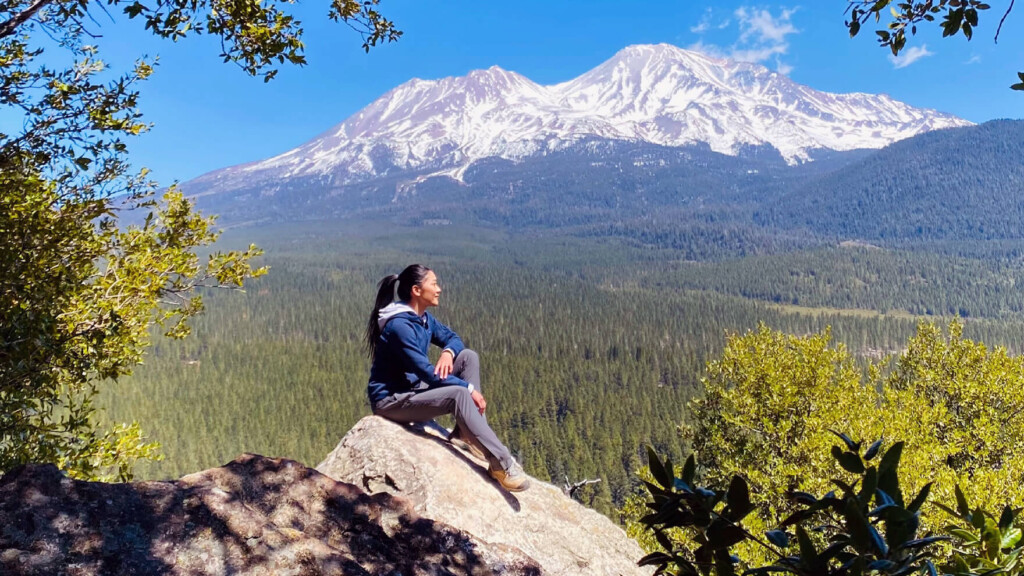
The entrance to the cave offers a beautiful view of Mount Shasta
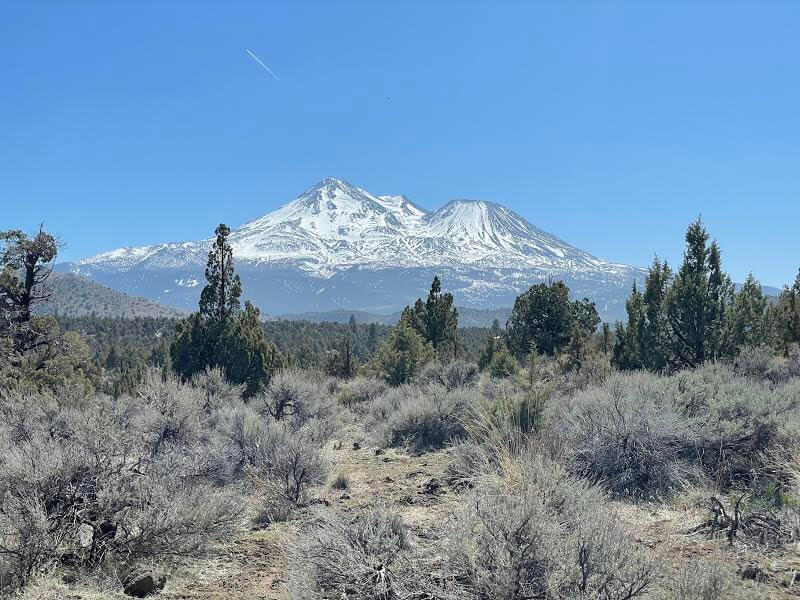
As you walk along the trail, you will see the entrance to the cave. If you go down from there, you will see two large caves on both sides
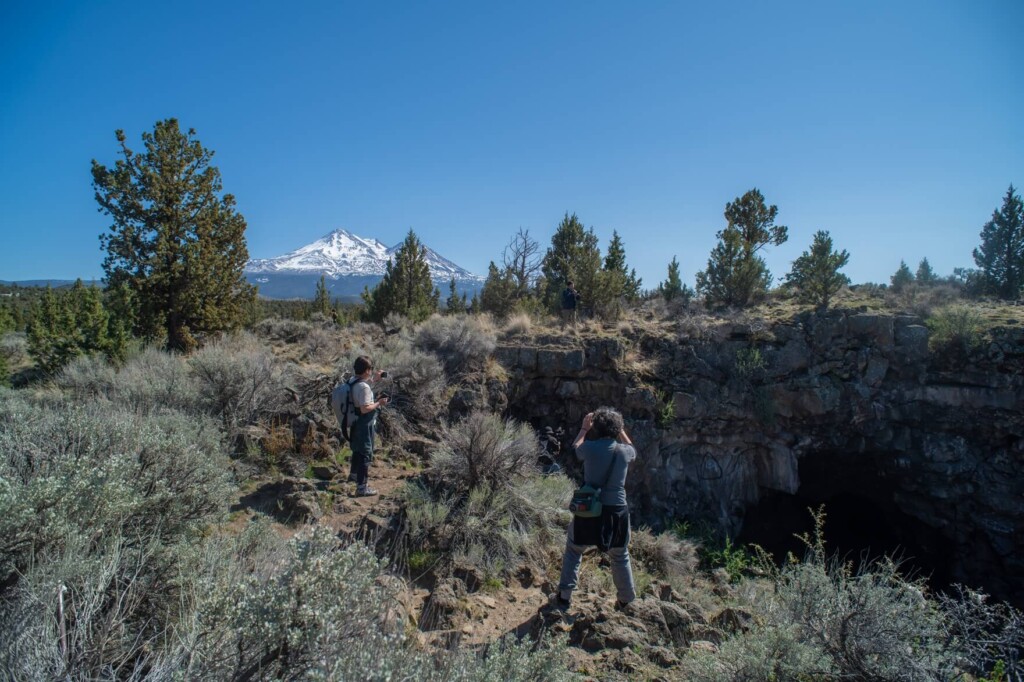
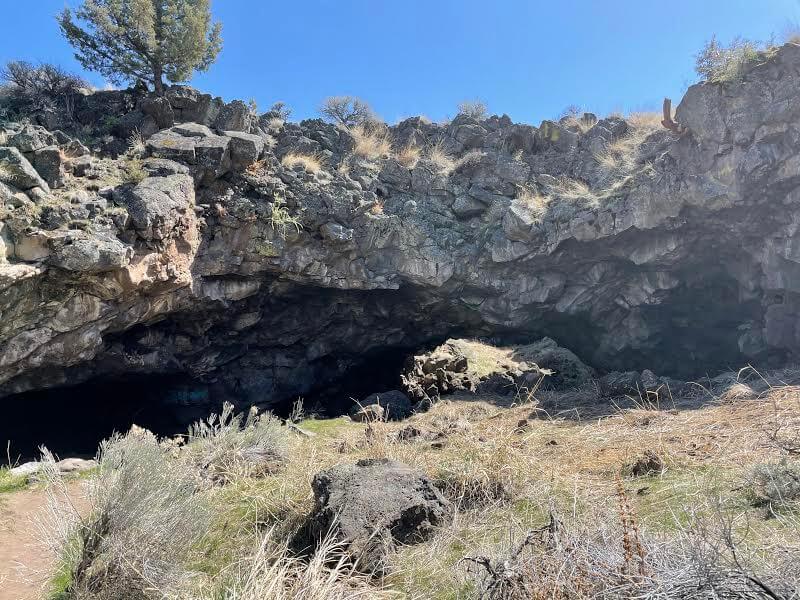
The cave on the left is a dead end after a certain distance and smells of bat urine, so we head to the right
If you go to the right, you'll come to a slightly open area, go through a rock tunnel, and immediately to the right you'll find another small, low cave, this one also leading to a dead end
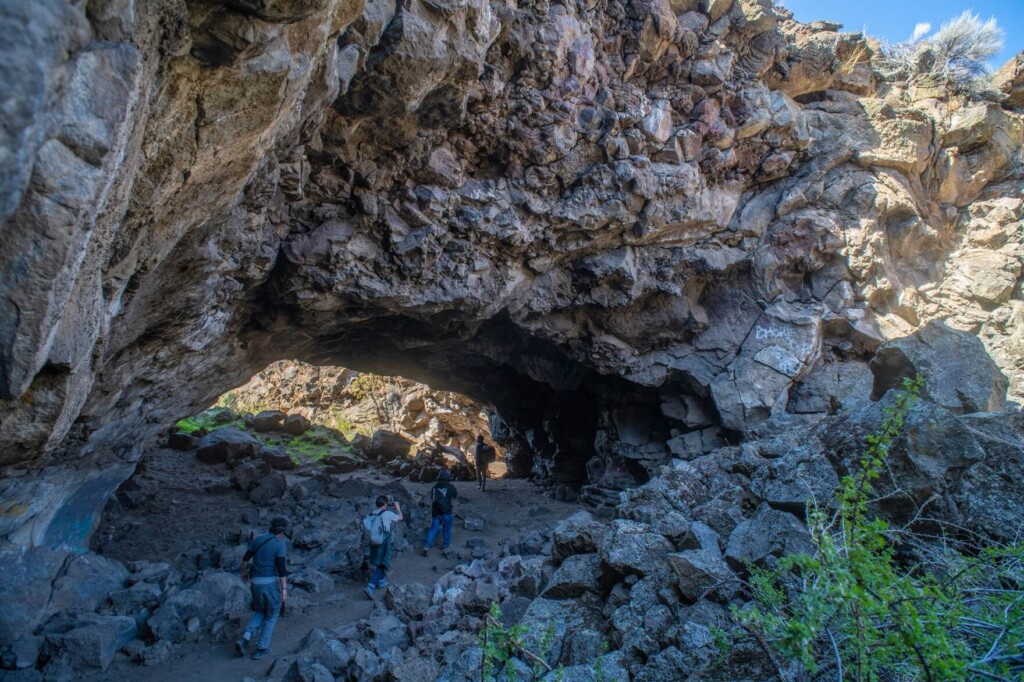
So go past that and head further in to the main cave. This is the entrance to the main area where the Cave of Light is located
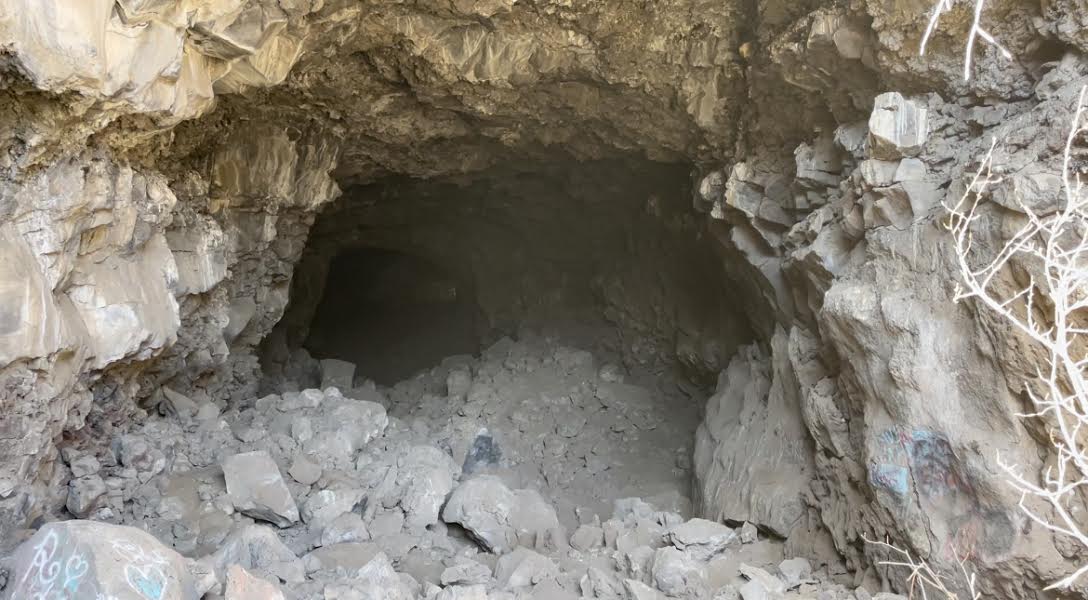

This cave is the main area, and from here on you will definitely need a headlamp
The footing is rocky so proceed slowly and watch your step
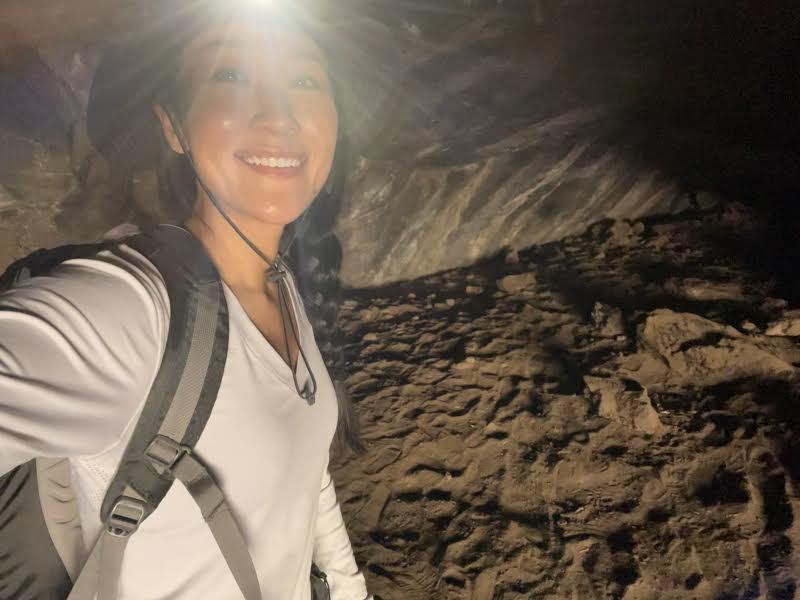
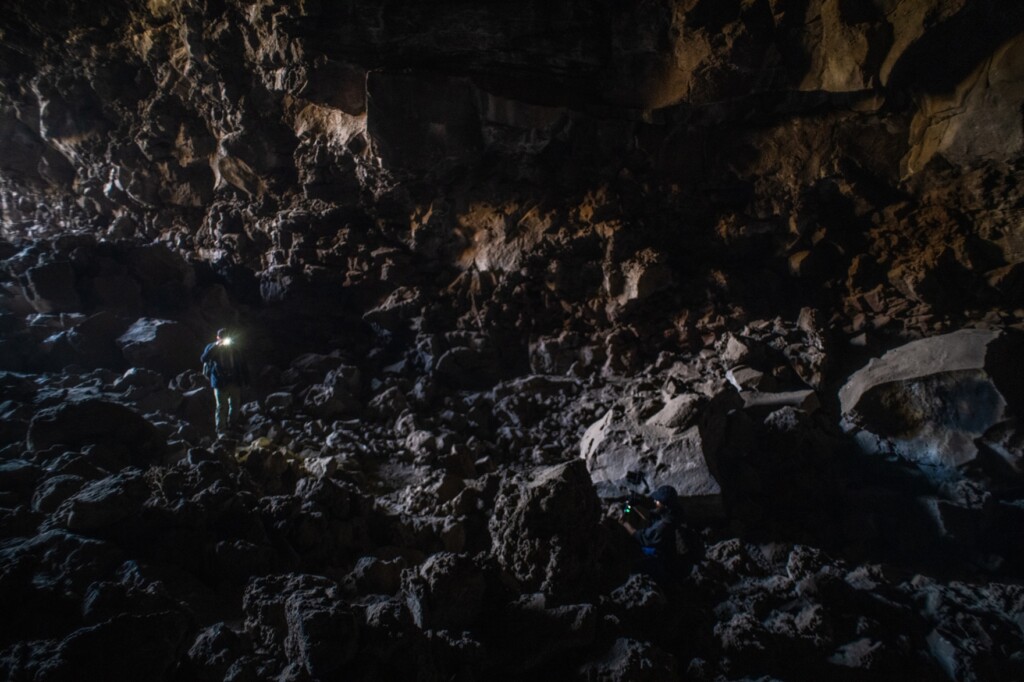
As you progress through the cave and pass the darkness, look ahead and you will soon see a pattern of light coming in
Don't worry, it's quite close to the entrance, and you'll arrive in about 5 minutes
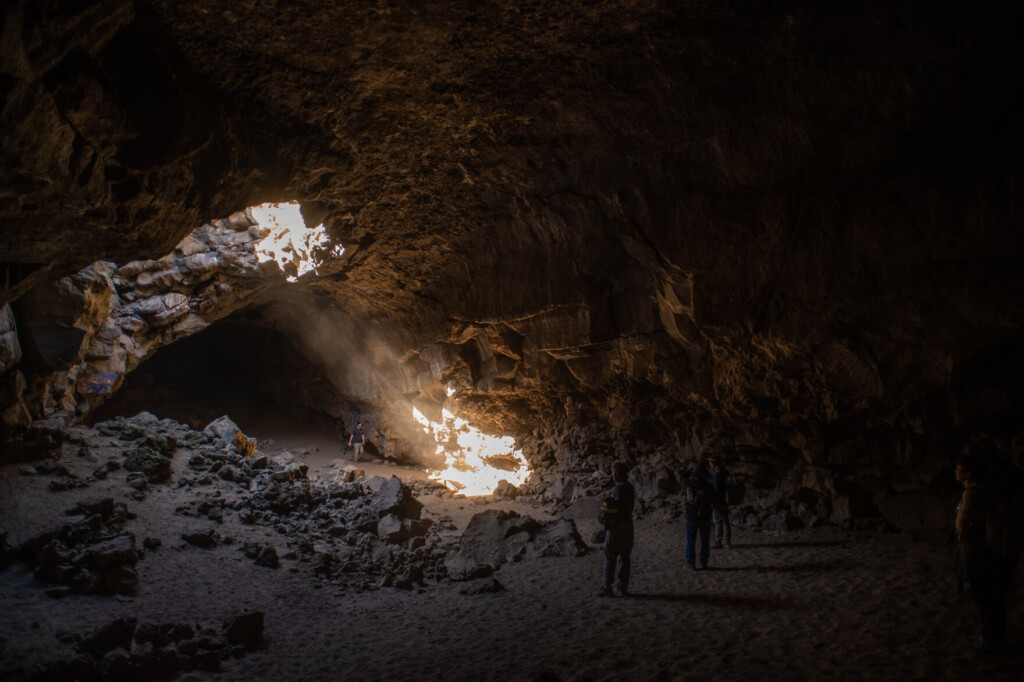
The appearance of the light and the atmosphere change depending on the time of day, the weather, and the day
Some people say that the atmosphere of the light changes as it reads the energy of the people who come in
Please come and visit us. We are sure you will experience a different side of Shasta's charm
Precautions regarding the spread of COVID-19
As of August 2021, various countries are currently implementing various restrictions, including entry restrictions due to strengthened quarantine measures, restrictions on entry to national parks, and domestic travel restrictions. These conditions are subject to change without notice, so when traveling, be sure to obtain local information from each country's embassy or consulate, the Ministry of Foreign Affairs' Overseas Safety Website (Infectious Disease Risk Information), national park websites, and other sources, and check information on transit points, countries you plan to travel to, and the areas around the places you plan to visit before making reasonable plans and taking action
Sayaka Kato

Related reading