Starting in March 2024, the prices of this season's products will be reduced by a further 20% below European and American market prices for a limited period of six months until the end of August
This shocking news came to me one day in late March, just as the spring and summer climbing season was about to begin
The announcement was made by Lost Arrow, one of Japan's leading importers of mountaineering equipment. As mountain enthusiasts may already know, this is one of the long-established distributors of many of the world's top outdoor brands, including Black Diamond, Osprey, and Scarpa
This season, Lost Arrow will be lowering the prices of its products by an additional 20% from European and American market prices for a limited period of six months, from March 2024 until the end of August (see the full release below)

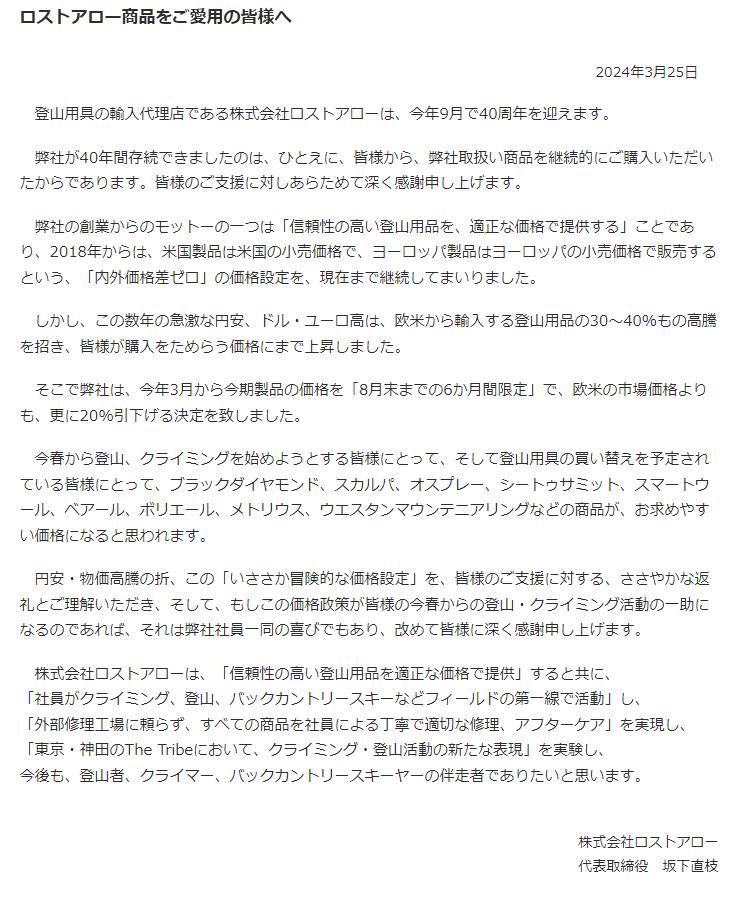
"Notice regarding price revisions for Spring/Summer 2024" from the Lost Arrow Co., Ltd. website
As an outdoor enthusiast, I was honestly thrilled to hear this news. As stated in the release, Lost Arrow has been setting reasonable prices since 2018, lowering its prices in Japan to "zero difference between domestic and overseas prices" compared to retail prices in the brand's home country. Even so, this latest bold move makes me, as a fan, wonder if it's really okay to go that far. That's why I can only admire their sincere attitude and courage in their desire to "be a companion to all mountaineers, climbers, and backcountry skiers."
Where does this lofty idealism and approach to so many outdoor enthusiasts come from? What is its true meaning? Is it innocent idealism, a 40th anniversary celebration, or perhaps a clever marketing ploy? Indeed, Lost Arrow, now celebrating its 40th anniversary, has continued to grow as a business. Naturally, there must be a realistic motive hidden behind the idealism. However, it seems impossible to imagine that such a seemingly unsuccessful initiative could be sustained solely for that reason. There must be a deeper underlying philosophy or belief. With this in mind, I have secretly harbored a desire to learn more about Lost Arrow, a company unique even in the Japanese outdoor industry. And it would be impossible to do so without mentioning its founder and current representative, Naoe Sakashita, a mountaineer who has achieved countless feats in the history of global alpinism
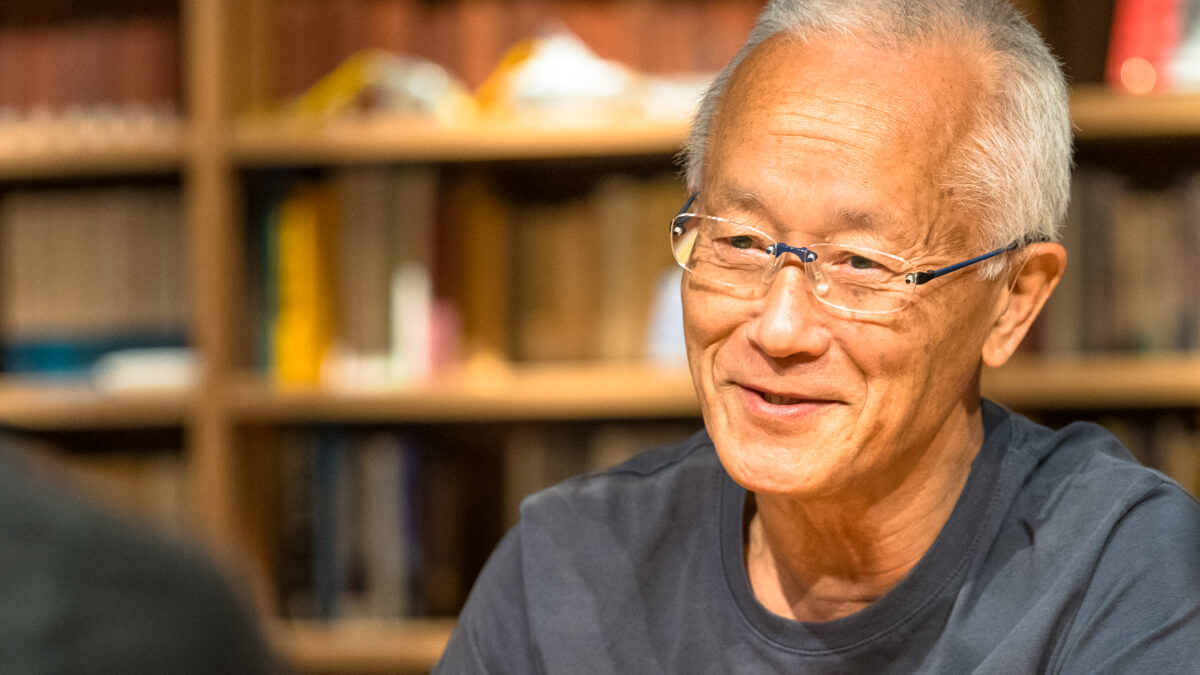
I requested an interview, and to my surprise, I was able to interview Sakashita himself. One day during Golden Week, we headed to The Tribe, a new event and gallery space run by Lost Arrow that opened at the end of last year
So, this time, we had the opportunity to speak at length with CEO Naoe Sakashita about Lost Arrow's new initiatives, the secret behind the creation of this unique and strong company, and the underlying philosophy that makes them who they are. So, this time, we would like to share the details of that conversation in two parts, the first and second parts, for Outdoor Gearzine readers as well as all mountain and outdoor enthusiasts
table of contents
- What can we do now to ensure that more people use reliable equipment when climbing mountains, which can be life-threatening?
- We want to provide reliable equipment to passionate mountaineers and climbers
- Is a distributor's job just to "sell things"?
- "The Tribe" is a non-commercial space where climbers can support and inspire each other
- Part 2 (coming soon): The founding of Lost Arrow, the birth of Black Diamond, and surprising encounters with numerous famous brands
What can we do now to ensure that more people use reliable equipment when climbing mountains, which can be life-threatening?
First of all, why is Lost Arrow going to the trouble of making such a drastic price cut in this era of a weak yen and high prices?
"For example, if you buy all the necessary equipment for skiing, it will cost hundreds of thousands of yen. This means that even if you want to try skiing, it is not easy to get started. I feel that the same is happening recently with mountain climbing. The main reason for this is the sudden depreciation of the yen, and we have no direct way to counter it. In thinking about what we can do in this situation, we came up with the idea that it might be possible to reduce prices by around 20% in the short term
When you first start mountaineering, it's difficult to buy all the necessary equipment. However, mountaineering equipment can be a matter of life and death, so it's important that climbers use reliable equipment
On the other hand, there is also the aim of returning inventory to normal. Of the several options available, there is hope that this method will be the one that can be implemented immediately, will not cause inconvenience to those involved, will benefit users, and will quickly normalize inventory
This year marks Lost Arrow's 40th anniversary, and we are grateful that this is the fruit of your many years of support. We would also like to give something back to the consumers who have supported us over the past 40 years as a token of our gratitude."
We want to provide reliable equipment to passionate mountaineers and climbers
When it comes to mountaineering equipment, which can affect your life, we want you to use reliable equipment. The origin of this idea goes back to the experience I had when I first started climbing mountains
"I started mountain climbing when I was a student and didn't have much money. So I had a hard time borrowing tools from others or finding ways to get them for free
The biggest problem was expensive winter hiking boots. Tabi socks (also hand-me-downs from the forestry office) were sufficient until summer, but in winter they were no good and I was thinking of using rubber boots instead. By chance, I found a pair of old hiking boots under the stairs of the apartment building where I live, among the trash belonging to a previous resident. I pulled them out and tried them on, and they were about three sizes bigger than my feet. When I asked the landlord, he said, "They were thrown away by a student who lived there a few years ago, so I thought I could use them." Luckily, I was able to get a pair of winter boots to use on my winter hikes to Kitadake, Kaikoma, and Senjo, and said goodbye to the rubber boots idea
However, the Vibram sole on the front of the shoes was peeling off and could not be used as it was. Of course, I didn't have the money to repair it, so I wrapped it in thick wire three times and continued using it. I repaired it myself and used it for three years until I joined the Yamagaku Doshikai
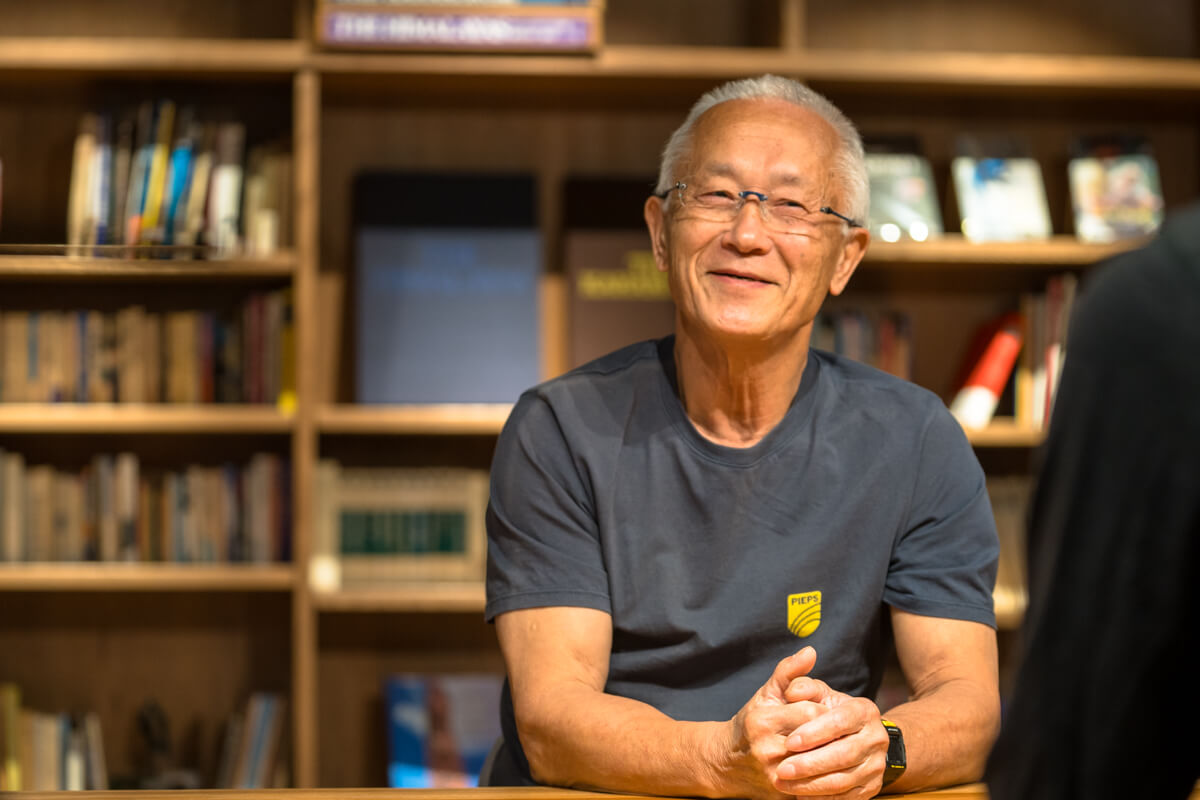
Having overcome the hardships of those early days, Sakashita has since achieved numerous feats that have left their mark in the history of mountaineering around the world, including the first ascent of the north face of Janoux and the north face of K2. What does "good mountain gear" mean to him? He says that he has come to the conclusion that "three points" are important. Naturally, these are elements that are common to all the brands that Lost Arrow carries
"I think everyone can relate to this, but a good tool is backed by reliability. First, it needs to be highly reliable and ensure safety. Next, it needs to be cheap - the cheaper the better. And finally, when a problem does occur, it's important to have solid support in terms of consultation and repairs. Those are the three key points. And that's the goal that Lost Arrow is aiming for."
Outdoor brands have become more diverse, and nowadays, phrases like "for the city or the mountains" are overflowing in advertisements, with many brands emphasizing added value such as style and fashion. When asked what he thought about this trend, Sakashita answered refreshingly without any hesitation:
"I think that anyone in a relaxed environment would think about fashion, beauty, and looking cool, and I think that's a wonderful thing. But basically, the more serious you are about mountaineering, the less money you have to spend on purchasing gear. Those are the kind of people who are important to us, so we're not in a position to prioritize fashion. The three things I mentioned earlier are more important."
Is a distributor's job just to "sell things"?
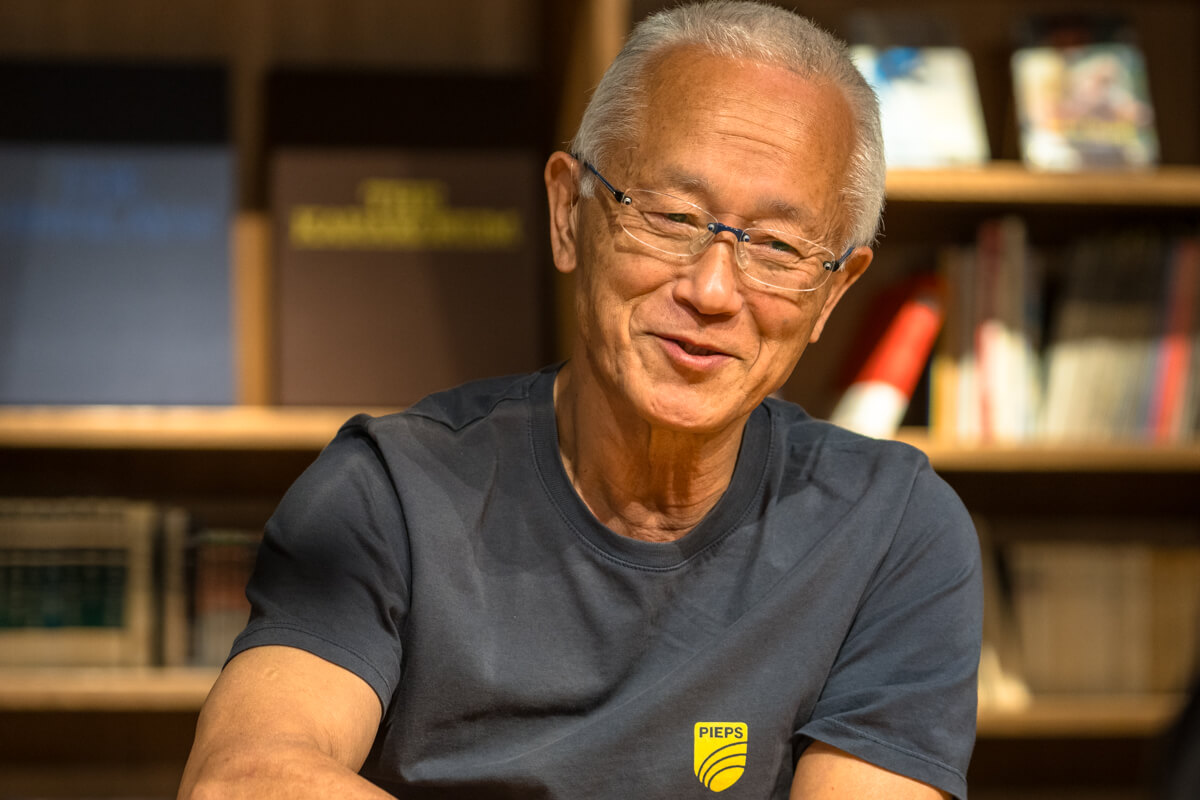
The third element of good gear that Sakashita mentioned is "good after-sales service," which some may find surprising, considering that Lost Arrow is an import distributor. However, this makes sense when you consider that Lost Arrow is a rare company that, despite being an import distributor, has its own in-house repair department that handles not only clothing but also shoes, and responds directly to repair requests from users. Where does this unique sincerity come from? There, we find Sakashita, who is both a manager (seller) and a mountaineer (user) who sympathizes with and values the same feelings
"We may not be the only import agency that not only sews clothing and backpacks, but also repairs shoes in-house. After all, shoes require specialized craftsmen and expensive machinery and equipment. Our company has over 50 employees, of which over a dozen are involved in repairs. So, there is no one in the company who doesn't know about repairs, and I think our employees can imagine how to fix something when a repair request comes in, and what the final condition should be in order to satisfy the customer."
Some companies that handle imported goods seem to think that their mission is to "sell products" and that repairs are not their role. I think the key decision point is whether to "leave repairs to a repair shop" or "repair in-house whenever possible."
Shoe repair is extremely difficult. Outside repair shops undertake repairs on a wide variety of shoes from a wide range of brands, so it's nearly impossible to find genuine repair parts. It's also difficult to imagine what the finished product will look like, since there are no sample shoes on hand
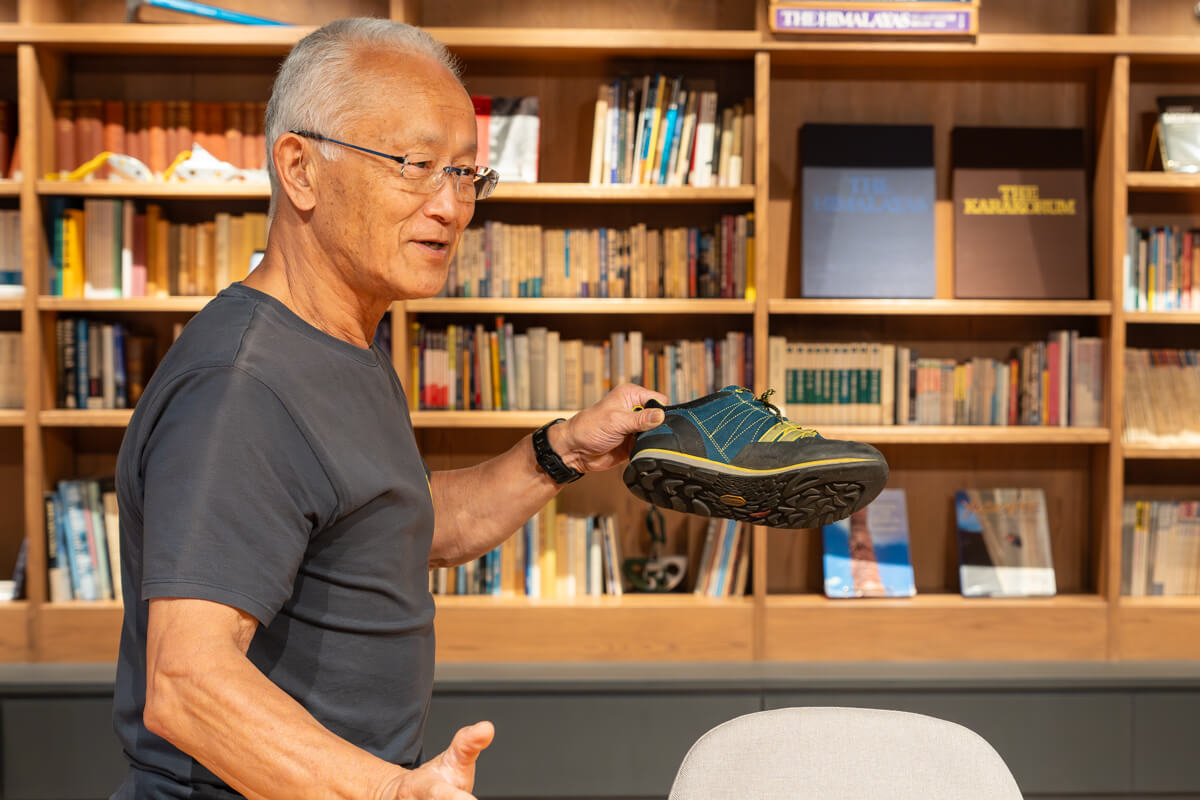
For example, if the sole (pictured above) comes off, and the repair shop doesn't have the original parts, they'll have to use generic parts. As a result, the color and finish may be completely different from before. While this is a perfectly appropriate repair for a repair shop, the customer who requested the repair may think, "The shoes now look different from before."
The reason I think so is that we once received a complaint about repairing hiking boots. A customer requested repairs for their hiking boots, but unfortunately, we ran out of genuine repair parts and were unable to provide them to the repair shop we outsourced. As a result, we repaired the boots using generic parts (as in the previous example), and we received a complaint from the customer
From there, we decided to do our own shoe repairs. We trained in the repair process at the Scarpa factory (an Italian shoe manufacturer that Lost Arrow deals with), installed the same machines as Scarpa, and were fortunate enough to hire talented shoemakers, so now we're approaching perfection. Ideally, repairs are a very important task that will return shoes to their original condition if possible. This is quite difficult to achieve, though... I think it's important to have an attitude towards tools that includes such things
Some people may think that the job of an import agent is sales, but we believe it is a bit more complicated, difficult and rewarding."
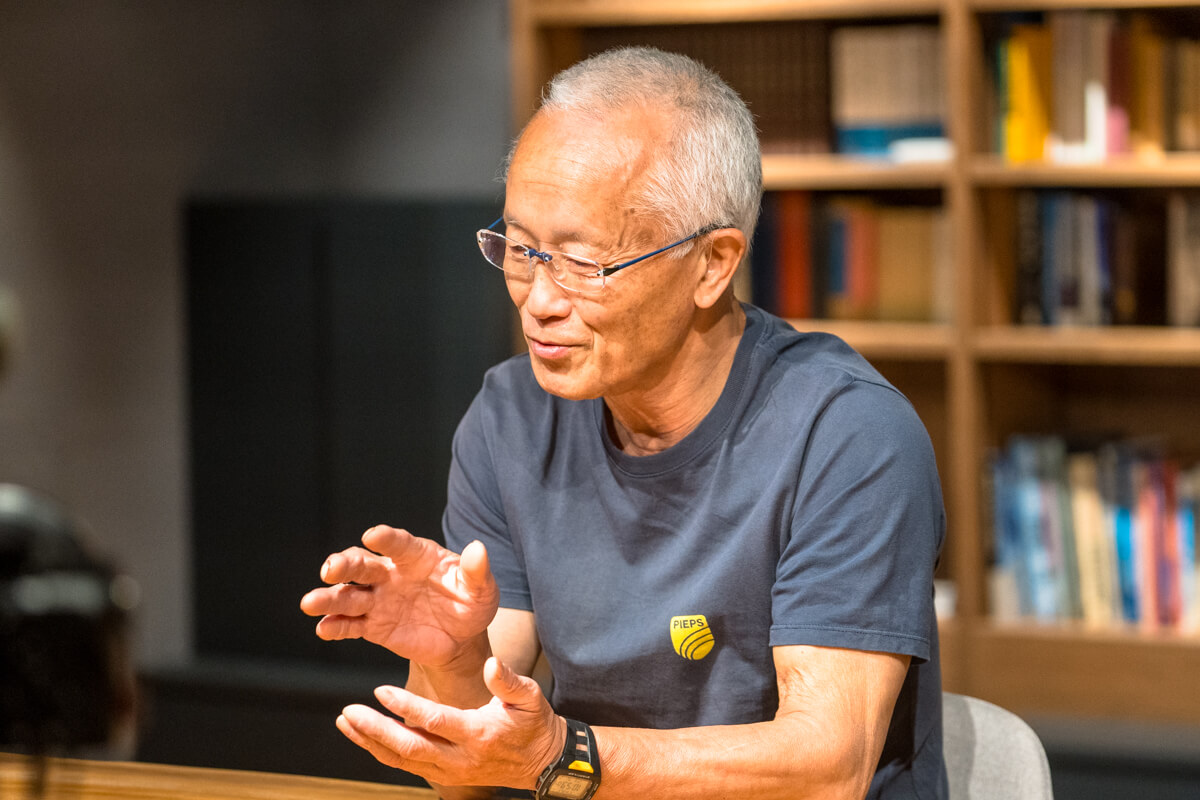
Lost Arrow's approach to tools, which is not just to sell products but to continue to support them so that they can be used as they should be for as long as possible, is strongly influenced by words that Sakashita heard from his father in the past and that have remained deeply rooted in his heart ever since
"About five years after I started working, my father asked me, 'What kind of work do you do?' I answered, 'I import products from a climbing equipment manufacturer run by a friend in the United States and sell them wholesale to climbing equipment stores all over the country.' He replied, 'What?' I guess what you do is just be a broker. 'You're just moving things from one place to another and squeezing out a middleman's profits.' I was very annoyed at the time, but it made me think that there is certainly another side to it
When I mentioned my father's words to a Swiss friend in the same industry, he defended me strongly, saying, "We are creating various added value," but the words, "We are just a broker," stuck in my mind. However, since then, I have spent a long time doing various things, including repairs and after-sales service, so now I can proudly tell my father, "What I do is not a broker." I think that is quite an important point for me."
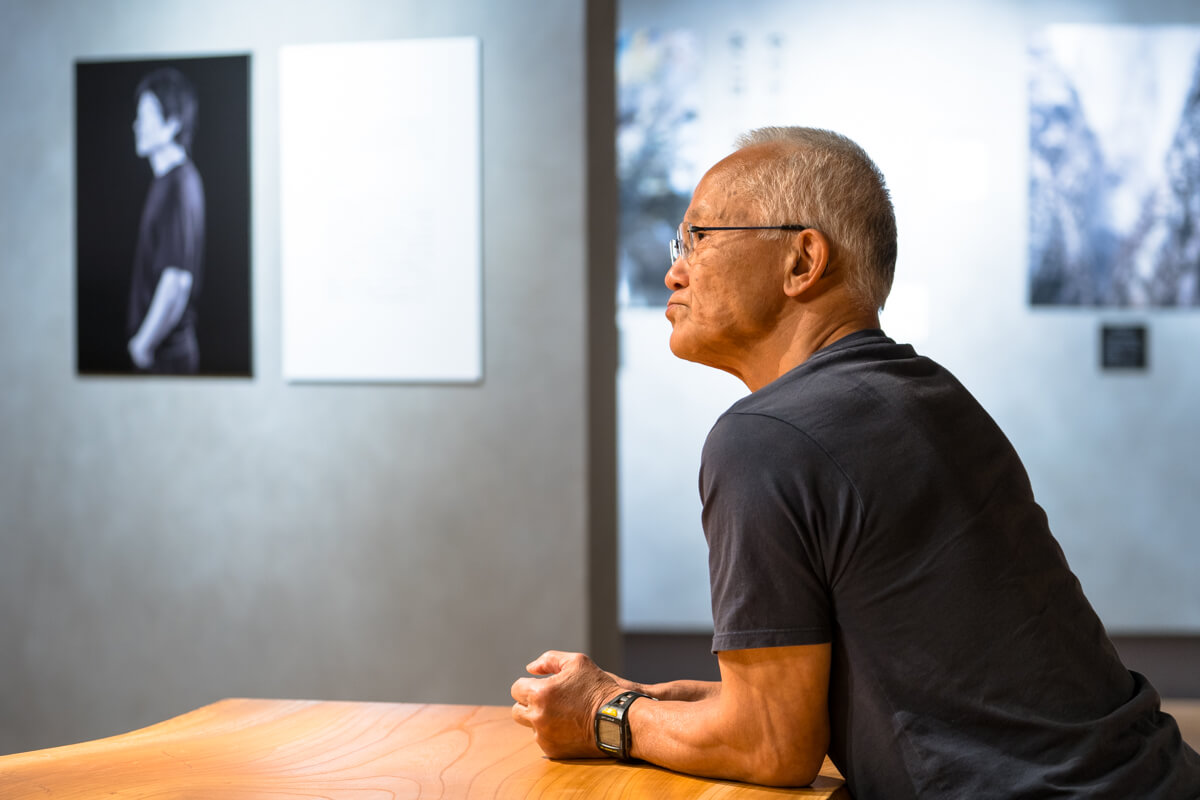
"The Tribe" is a non-commercial space where climbers can support and inspire each other
The company's stance that it is not just an import agency that stocks and sells products is clearly evident in its operation of "The Tribe," a new event space that opened in Kanda Ogawamachi at the end of last year. What was the trigger and how did this facility come about?
"At first, it was just a vague idea, the word 'Tribe'*. At first, I thought about creating a new concept store. However, since this was a rare opportunity, I wanted to hear the opinions of the employees. Most of the older employees understand my way of thinking, and conversely, I understand theirs, so I gathered six people, fresh from their 20s and 30s, who had been with the company for less than three years, and started holding meetings
*For more information, please refer to "The Tribe Organization"
The texts I initially prepared were excerpts from Lévi-Strauss's "Savage Mind," a photo book of the African Nuba people by Berlin Olympics photographer Leni Riefenstahl called "Nuba," and a summary of Peter Drucker's "Management." I also presented the Stone Masters' photos of Yosemite Camp 4 and said that this was my concept of "Tribe." We connected this concept with Lost Arrow's current work and activities and discussed its possibilities in about 10 sessions
At first, they wanted to create a new type of climbing shop. Then, it was something quite commercial, something connected to EC, but it was gradually "filtered" and the commercial aspects were stripped away, or perhaps even dropped. I think their sharpness, youth, and lack of experience actually produced sharp results. In the end, they decided that since this was an unprecedented activity, they wanted to cut out all commercial elements
Alpine climbing is a personal activity, so you might be able to gradually increase its purity as you continue. On the other hand, work done through a company involves many unspecified parties, and gradually becomes tainted with impurities. Therefore, I think there needs to be some kind of mechanism to intentionally filter out even the slightest impurity and maintain purity
A company cannot survive without generating profits, but work needs to have other interesting goals besides profits. If that's how I feel, then my employees should feel the same way
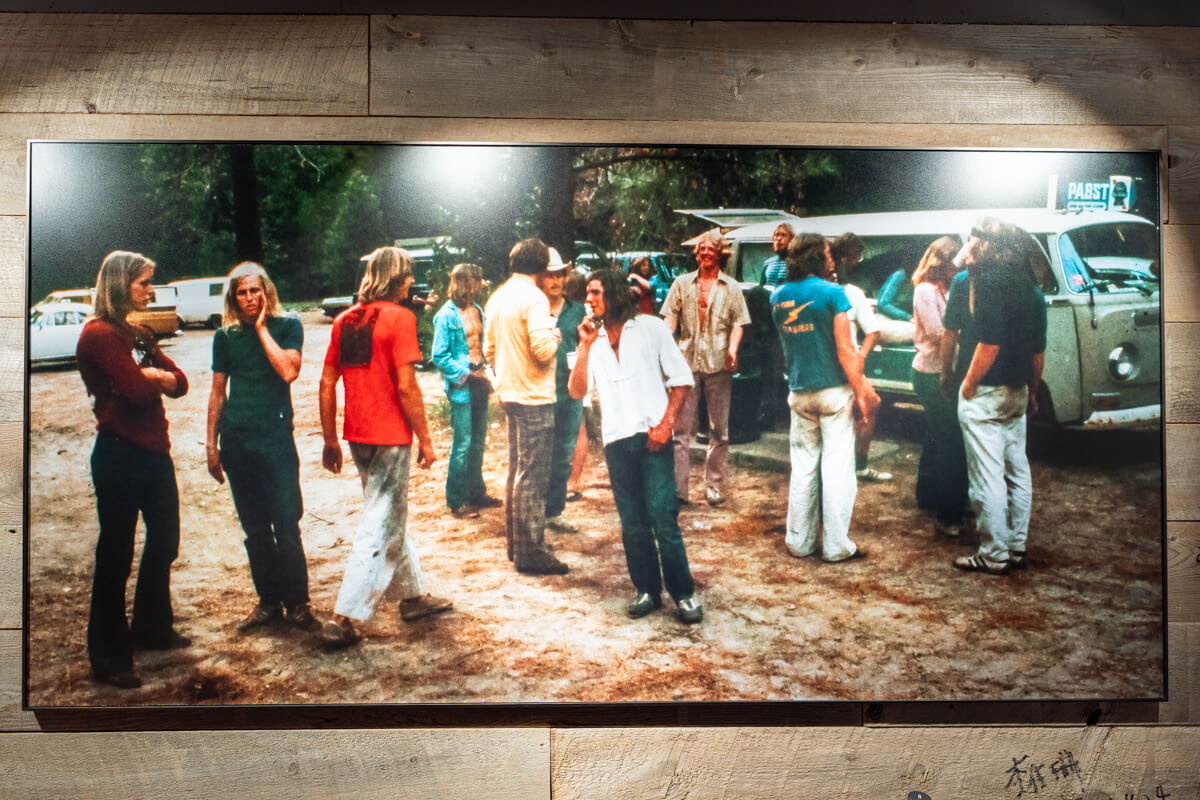
The walls of The Tribe are decorated with images of the avant-garde climbers (Tribe) who were once known as the "Stone Masters" and gathered at Camp 4 in Yosemite
Sakashita clearly rejects the notion that The Tribe is simply a "friendly and convenient place to relax" for climbers and mountaineers. He spoke about the creative and ambitious aims that go beyond imagination that he has put into The Tribe's activities
"This place is centered around activities like climbing and alpine climbing, and I hope it will be a place that supports mountaineering activities, and also a place that can throw a heavy stone into the slightly stagnant, stagnant parts of that culture that are enclosed by invisible frames, creating ripples, stirring things up, and widening the frames
Many of the people I discussed Tribe with were climbers, and their perceptions of current climbing culture were unexpectedly not that far removed from mine, and there were some areas that resonated with me deeply, such as the direction of climbing gyms, and the reliance on grades and their restrictive nature
What I hope for from this new forum is that if climbing is heading in a direction that is causing a loss of freedom, adventure, and creativity, then perhaps by taking a moment to pause and disrupting that, new climbers will be born, or perhaps something more inspiring and expansive will be born. I think that through these discussions, both the participants and the speakers themselves will change little by little, and I find it fascinating that such changes will occur
After all, life is about meeting people, discoveries, stimulation, the charm of a place, and the way we change and grow little by little, inspired by such things. I myself am very inspired by doing these activities here. I hope that more people will be inspired through The Tribe, even if just a little
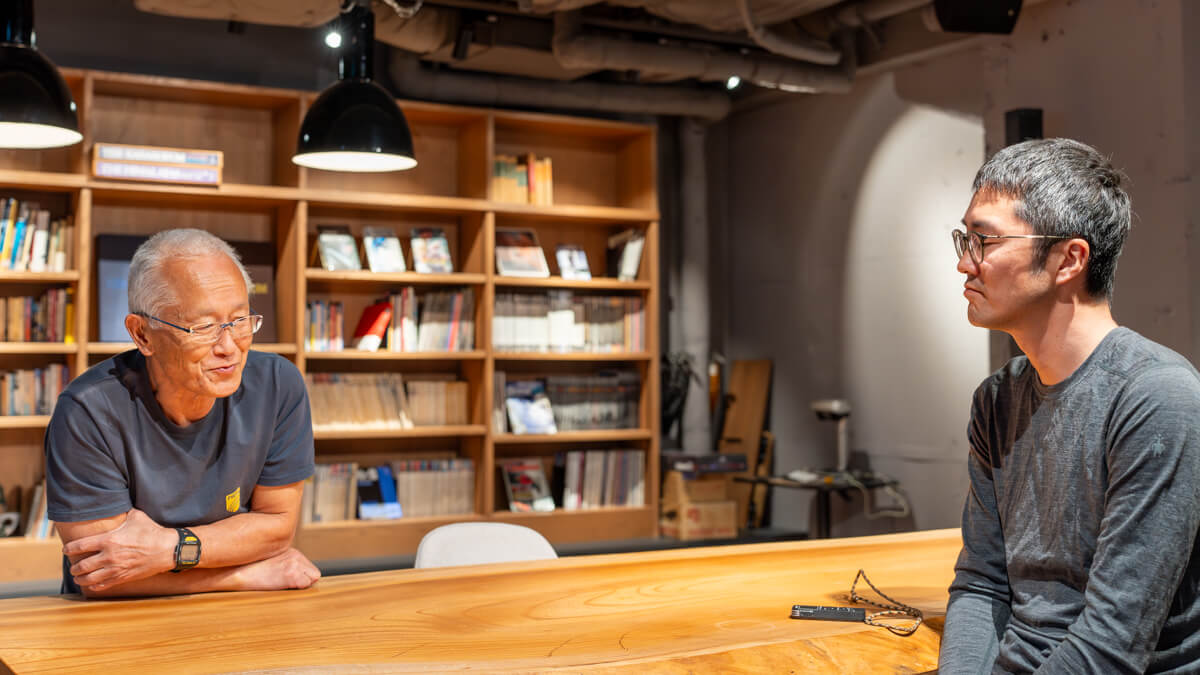
Part 2 (coming soon): The founding of Lost Arrow, the birth of Black Diamond, and surprising encounters with numerous famous brands
Throughout our conversation, I was impressed by the image of a lone import agency that adheres to the philosophy of never stopping at just selling goods, always supporting the passion of climbers, yet at the same time never satisfied with the status quo, and full of cutting-edge ambition to make the culture of climbing and mountaineering a vibrant, free, and creative place. This image seemed to reside deep in Sakashita's strict, clear, and deep gaze
In any case, Lost Arrow products will be available at reduced prices until August 2024. This is not an opportunity you should miss, so if you found out about them through this article, be sure to check out their online store or your local outdoor specialty store
From Sakashita, we will learn for the first time about the fascinating history that mountain lovers will love, a puzzle-like combination of the many miracles and coincidences that occurred from when he founded Lost Arrow to when he began handling the current brand, as well as the inevitability that only Sakashita could have achieved.In the next episode (coming soon), we will talk about how Lost Arrow was founded and the story of the fateful encounters with the manufacturers that it handles, which have now become one of the world's top brands. Please look forward to the second part, which will be released soon
Naoe Sakashita Profile
Born on February 6, 1947 in Hachinohe, Aomori Prefecture. Joined the Sangaku Doshikai in 1970. First ascent of the north face of Janou in 1976. First ascent of the north ridge of K2 in 1982. Translated "Climbing Ice" by Yvon Chouinard in 1979. In 1981, he traveled to the US at Yvon Chouinard's invitation and made friends with many famous climbers. In the winter of 1982, at Chouinard's recommendation, he founded Chouinard Japan. In 1984, he founded Lost Arrow Co., Ltd., and serves as its representative director to this day. In 1989, he participated in the founding of Black Diamond, Inc. in the US, and was appointed an outside director, serving as a board member for 18 years until 2017
Membership recruitment and support requests
Related reading