Mid-layers, or "active insulation," keep you neither too cold nor too hot even when you're out and about in low temperatures, making autumn and winter mountain climbing more comfortable and safer than ever before
However, once we become accustomed to the impact of that comfort, humans tend to seek even greater comfort. In reality, the cold seasons span a wide range of periods, from autumn to winter to early spring, and the intensity of activities varies depending on the activity. Unfortunately, the reality is that not all active insulation will provide just the right amount of comfort while you're active
From personal experience, situations that come to mind are when it's just a little chilly in a shirt, but you're doing high-intensity activity that makes you hot if you put on warm clothing, such as hiking in low mountains in October, trail running in November, climbing in the snow on warm spring days, or backcountry skiing through a forest
If you wear a thin fleece, softshell, or active insulation over your base layer, it can be a little too breathable, so you might try adding a windshell, but then you'll find yourself feeling stuffy again. Finding the perfect layering can be frustrating
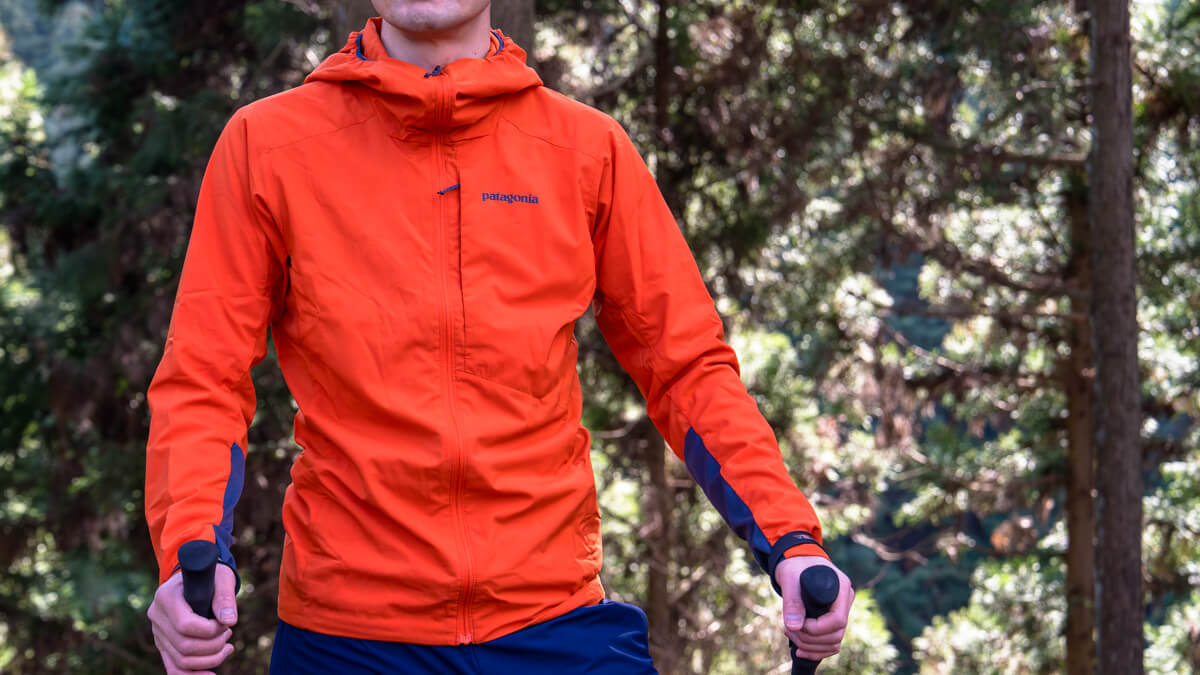
The mid-layer that seems to fit perfectly into that sweet spot is Patagonia's new 2025 release, the Nano Air Ultralight . I've been wearing this new jacket for backcountry skiing and mountain climbing for about a month now, and I'll write my review right away.

table of contents
Key Features of the Patagonia Nano Air Ultralight Full-Zip Hoody
The Patagonia NanoAir Ultralight Full-Zip Hoody is a lightweight midlayer ideal for active wear in cooler weather. Strategically placed 20-gram FullRange insulation provides just the right amount of warmth and moderate breathability, ensuring a comfortable, dry, and comfortable environment during intense, sweat-inducing activities. The outer and inner linings are made of lightweight recycled polyester, which is durable, breathable, windproof, and stretchy. The strategically designed draping and stretch ensure a natural feel even during extreme movements. Its versatility makes it suitable for a wide range of activities, including mountaineering, climbing, and backcountry skiing, in all seasons except midsummer. Men's and women's models and pullover styles are also available.
Recommended points
- 20g FullRange insulation provides lightweight warmth while on the move
- Strategic padding placement provides the perfect balance of protection and breathability
- Comfortable, breathable, stretchy, durable and windproof shell fabric
- Excellent draping and stretchability provide outstanding ease of movement and a sophisticated silhouette
- Stretch fabric under the sleeves for comfort and practicality
- Packable chest zip pocket
Points of interest
- Simple and minimalist design with minimal functionality and storage (I personally didn't mind, but it may not be enough for those looking for more convenience)
Main specifications and evaluation
| item | Patagonia Men's Nano Air Ultralight Full-Zip Hoody |
|---|---|
| Actual weight | 249g (medium size) |
| color | Pollinator Orange, Wetland Blue, Smolder Blue |
| size | XS / S / M / L / XL |
| Women's Model | can be |
| Other types | Pullover model (without hood) |
| Shell and lining | Breathable 1.6-oz 30-denier 100% recycled polyester Shadow Stretch ripstop with a PFAS-free DWR (durable water repellent) finish |
| Lower sleeve panel | Moisture-wicking 2.3-oz 100% recycled polyester double knit |
| Insulation | 20g full-range fabric made from 100% recycled polyester in a Fair Trade Certified™ facility |
| Reversible chest zip pocket | |
| Outdoor Gearzine Review | |
| Comfort | ★★★★★ |
| Heat retention | ★★☆☆☆ |
| Wind resistance | ★★★☆☆ |
| Breathable and non-stuffy | ★★★★★ |
| Ease of movement | ★★★★☆ |
| weight | ★★★★★ |
| Compactness | ★★★★☆ |
| versatility | ★★★★★ |
| Suitable activities | Great for hiking, mountain climbing, climbing, trail running, backcountry skiing, and other outdoor activities that require lightness and mobility |
Detailed Review
The perfect balance of insulation, breathability, wind resistance, and ease of movement thanks to the perfect blend of padding and shell material
First to feature the lightest version of the pioneering active insulation, "Full Range"
Nowadays, active insulation has become a staple for almost every brand, but Patagonia is actually one of the pioneers in this field. The NanoAir Hoody, , first appeared in 2014, long before the term "active insulation" was even established. NanoAir has since evolved into " NanoAir Light " and " NanoAir Light Hybrid " to suit a wide range of uses and seasons, and has become a staple series to this day.
This latest version uses a 20-gram full-range 100% recycled polyester padding, which is thinner than the previous 60-gram and 40-gram padding. This is the most noteworthy feature of this item
When you touch it, the padding is so thin that you might wonder if there's really anything inside, but it's still surprisingly warm and firm
What does this thinness mean? Of course, it does have less heat retention than previous models, but on the other hand, deliberately reducing the insulation has also improved breathability and quick-drying properties, making it undeniably suitable for a wider range of uses in warmer seasons and for more active occasions
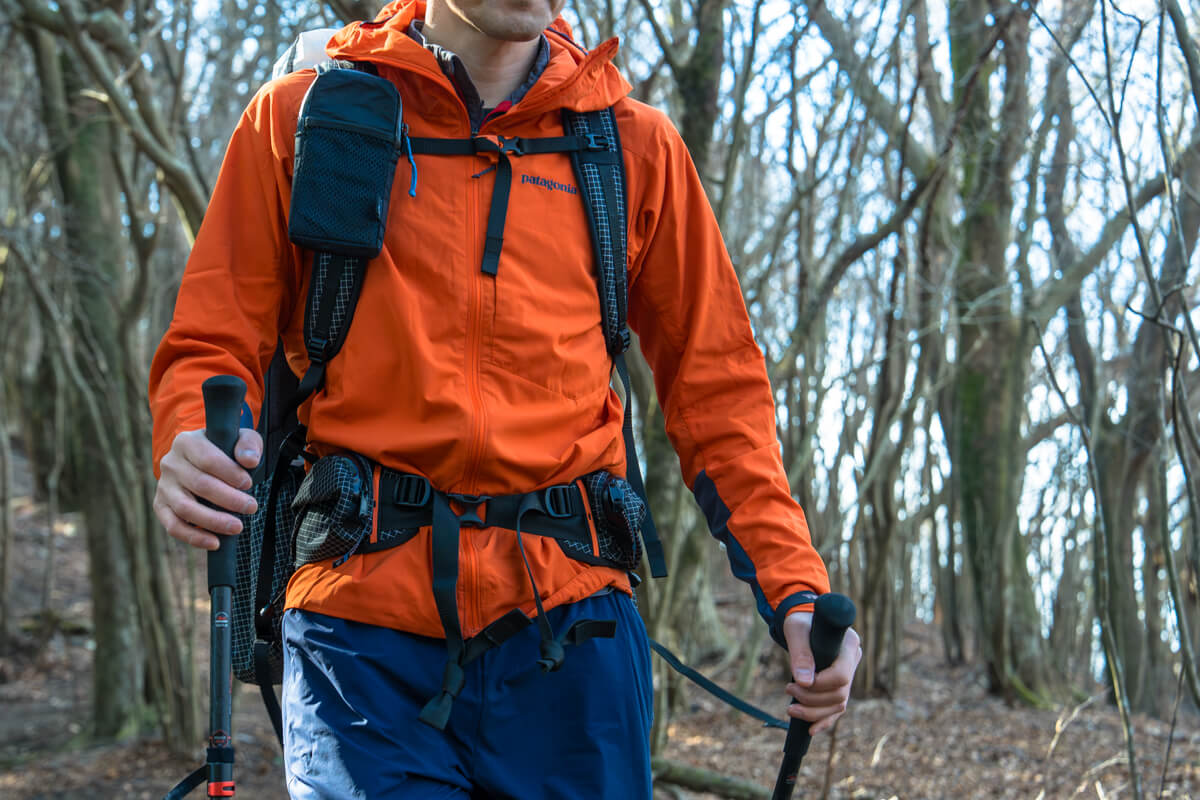
In fact, in Japan's current autumn and winter seasons, where the days are more often "just chilly" than bitterly cold, this level of minimal insulation is just the right thickness to wear all day (without taking it off) on trail runs or fast hikes from September to November
When I previously reviewed the Nano Air Light Hybrid on this site , I wrote that the heat would become a concern at around 10°C, but the Nano Air Ultra Light , even when it was a little warmer, it was just the right amount of comfortable and I was able to walk (and run) without having to take my clothes off.
Strategic mapping removes padding in areas prone to heat buildup to prevent stuffiness
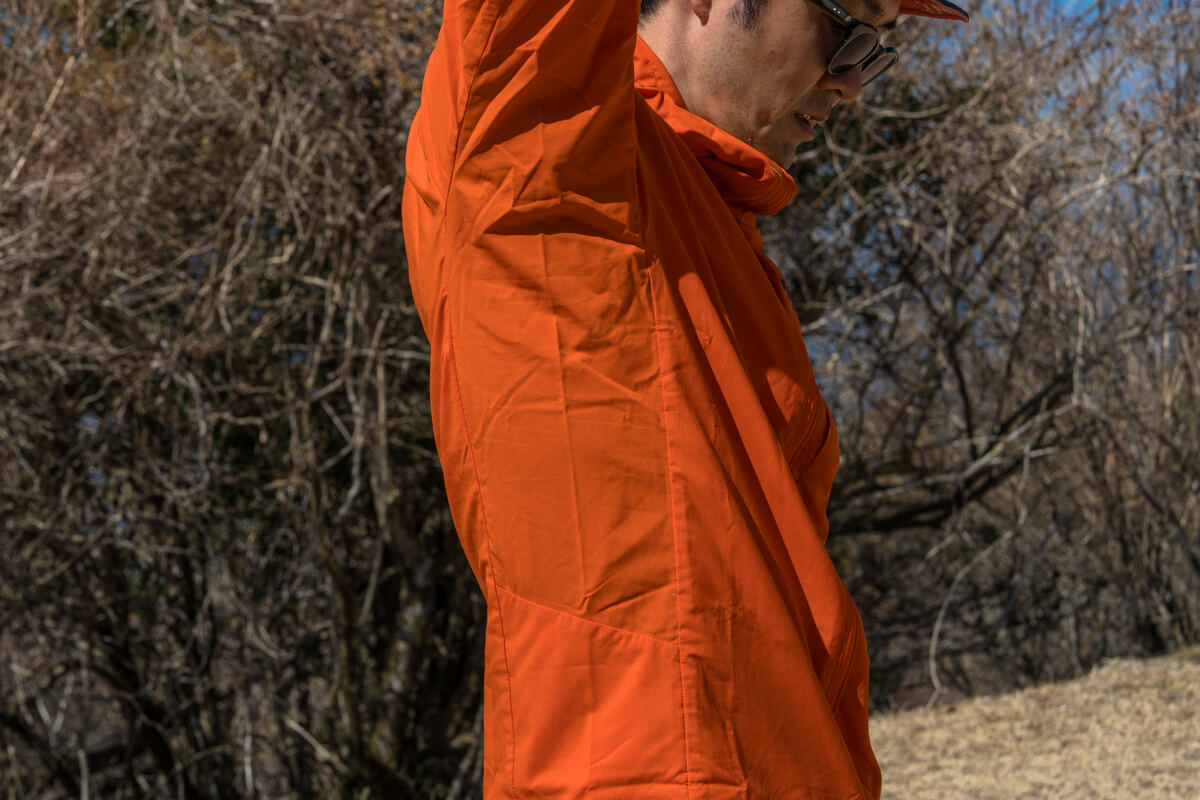
Of course, Patagonia, a leader among outdoor brands, doesn't just make the padding thinner. Rather than using this full-range padding throughout the entire jacket, they place it in the front, back, upper arms, and hood, leaving out padding in the side panels and under the arms (areas where sweat and stuffiness tend to accumulate and where heat and moisture need to escape) to ensure optimal comfort in the field, right down to the smallest detail
Shell fabric that combines moderate wind and water resistance with breathability
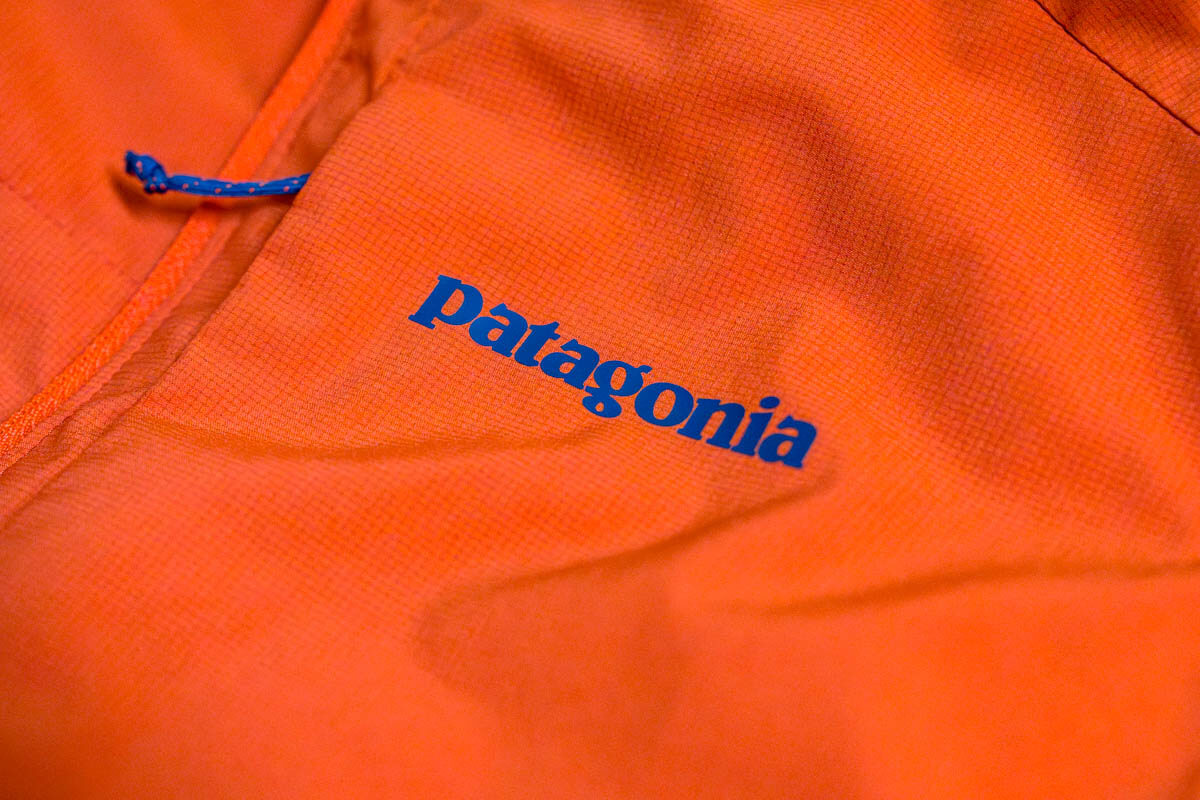
This jacket is also made from 100% recycled polyester ripstop fabric, which provides moderate wind and water protection while allowing air to flow freely
This fabric is the same as that used in the previous model the Nano Air Light Hybrid , and is not the crinkly, opaque shell fabric that is common in insulated jackets. It is light and fluffy, has a supple texture, is windproof, yet maintains moderate breathability, and even has a fair amount of stretch thanks to its mechanical stretch. It feels so good against the skin that it's not even noticeable when worn over a short-sleeved T-shirt. If I had to describe it, it feels very close to a soft shell.
In other words, it offers a certain degree of protection from wind, rain, snow, etc., while still allowing for ease of movement and breathability, making it a surface fabric that offers all the essential functions needed for an active outer layer. This is especially convenient when used as an outer layer
During testing, I particularly experienced its capabilities when I tried it as an outer layer on a ski mountain climb in Hakkoda in March. The outside temperature was around -5°C. I was climbing from the forest to the ridge where a moderately strong wind was blowing, but layering this jacket over my base layer meant that I didn't overheat even on the tough climb, but I also didn't freeze in the cold air. It was just right, and I was able to continue without removing my clothes (although that was only while I was moving; once I reached the summit and stopped, it naturally got cold, so I put on a hard shell over it)

Except during the harsh winter months, it will keep you just comfortable for activities that involve intense exercise, and I felt it would be perfect to wear from early autumn through to the beginning of winter for relaxed activities that don't involve much sweating
Light and airy, it's easy to move in and comfortable to wear, so you won't feel stressed while on the move
The Nano Air Ultralight is designed to be worn while on the move, so it has a slightly tight silhouette and a slim cut that follows the lines of the body. When I put it on, I found that the S size was just right for me, who is 177 cm tall (see photo below). It's tapered all the way down to the hem, so it may be a little hard to see in the photo below, but the back is slightly longer, which prevents it from riding up when wearing a harness or backpack.
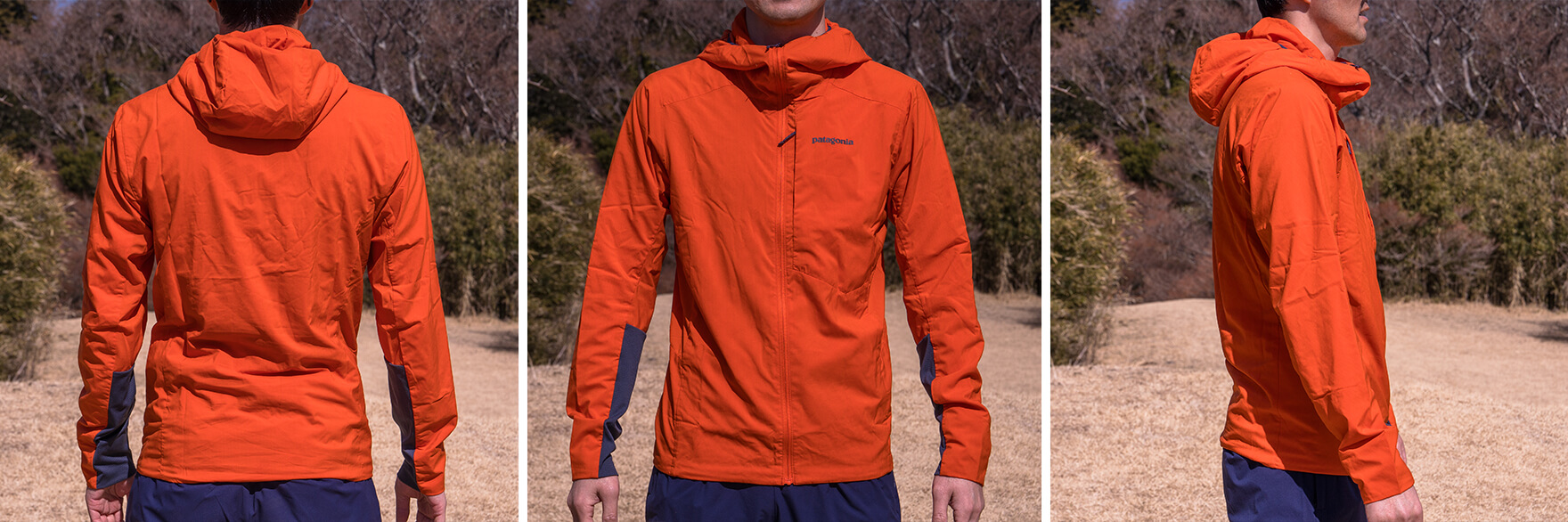
Despite its slim silhouette that follows the lines of the body, it's not restrictive at all. In fact, it's extremely easy to move around. The shoulders, elbows, underarms and other moving parts are still beautifully cut, allowing it to naturally follow the intense movements of activities. You can bend your elbows or turn your shoulders without any stress. Also, as mentioned earlier, both the padding and shell fabric have just the right amount of stretch, so you don't feel any uncomfortable tightness. The slim, smooth outer fabric makes it easy to put on and take off even when layered, and the high quality and fine tailoring of the garment can be felt everywhere, as always
Practical details for active wear
The Nano Air Ultralight designed with mobility in mind and at first glance appears to be very simple with only minimal functionality , but what's great about it is that it is packed with well-thought-out details to make your activities more comfortable.
Soft, stretchy, easy-to-roll sleeves with moisture-wicking, quick-drying cuffs
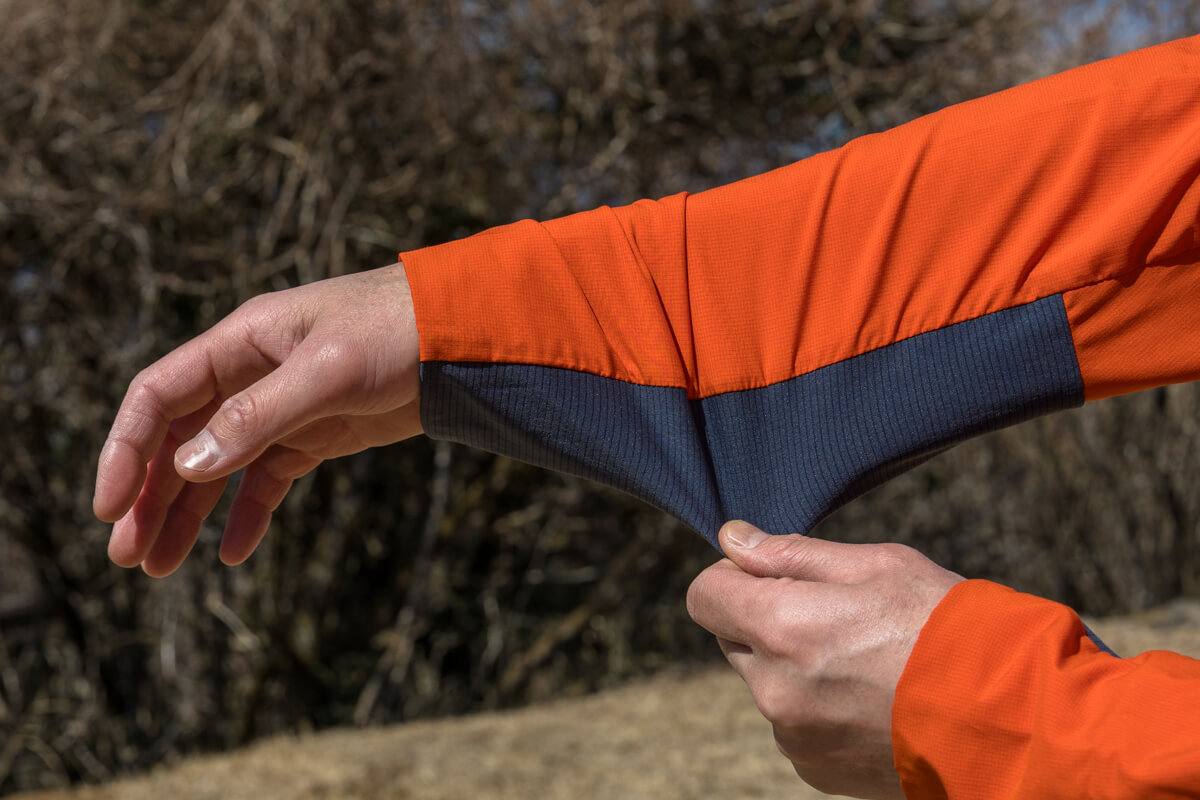
For example, the cuffs are made with Capilene Cool Lightweight, the brand's lightweight base layer material, at the lower part of the forearm
What's good about it? It's true that it doesn't retain as much heat in extreme cold, but in return, it's lighter because it doesn't use rubber or Velcro, it's easier to wick away sweat and release excess heat, the natural stretch makes it easy to roll up or stretch the sleeves when you get hot, and it's soft to the touch and comfortable to wear, so it's generally more user-friendly in milder cold weather
Packable chest zip pocket
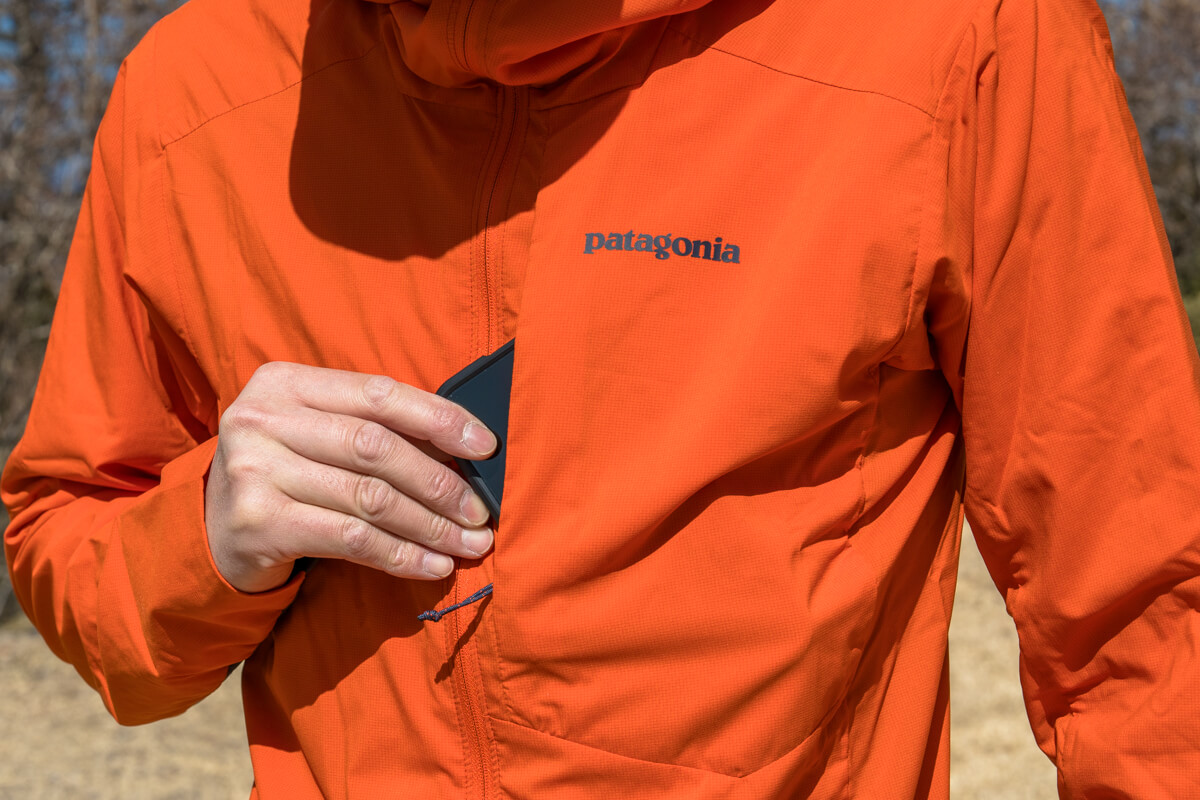
The jacket's only simple chest zip pocket is large enough to fit even a large smartphone
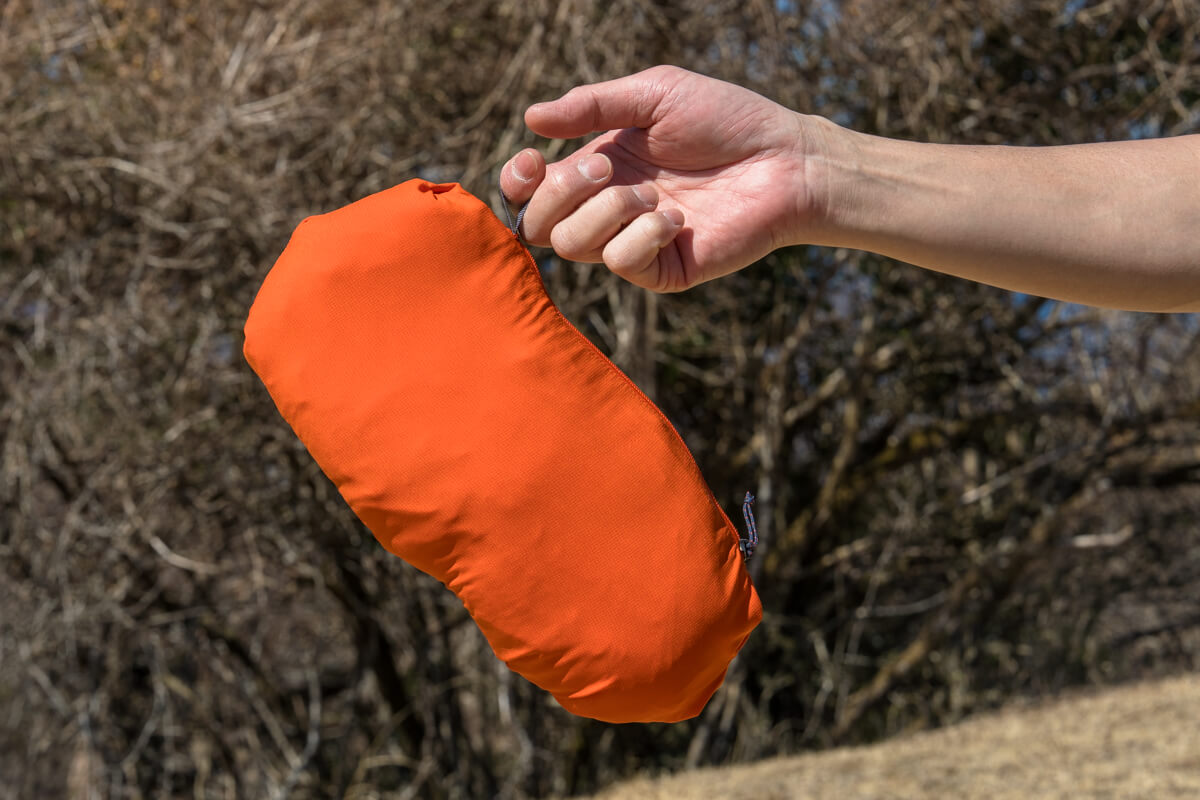
Furthermore, by turning this pocket inside out and rolling it up, it quickly transforms into a stuff sack. It even comes with a carabiner clip, so you can hang it on your harness or backpack in case of emergency
Hood fits with or without a helmet

The NanoAir Ultralight Hoody 's hood, despite its limited number of components, was extremely functional. The stretch fabric on both sides of the face molded to the shape of my head, even without adjustable drawcords. It still provided a high level of fit, and even when I turned my head from side to side, it followed my facial movements without obstructing my field of vision. It also blocked drafts, even on the snowy mountains of Tohoku in March. Furthermore, the gusset at the back of the head allowed it to fit securely over a climbing helmet without any adjustments (though it's not designed for skiing, so it's a bit tight, if not impossible, to wear with a larger ski helmet).
Summary: An exquisite mid-layer that fills a sweet spot that has never existed before
This extremely simple and minimalist jacket, which omits pockets, drawcords, Velcro and other parts as much as possible, is highly breathable, blocks wind moderately, and provides just the right amount of insulation for active wear. The Nano Air Ultralight Hoody has a drastic reduction in padding and clever tuning that has not been seen in previous active insulations, so in a sense, this single piece of clothing is as easy to use as combining the warmth and breathability of a thin fleece with the lightness and wind resistance of a windshell.
The greatest appeal of this jacket is that it is a mid and shell layer that literally fits into any active scene, making it useful for all kinds of high-tempo activities from the time the air starts to feel a little chilly through the long period from full-blown winter to early summer
Compared to other Patagonia full-range jackets, it offers less warmth than the NanoAir Hoody the NanoAir Light Hybrid Hoody with 40 grams of padding and fleece , it offers slightly less warmth but is highly windproof, making it more versatile as an outer layer and suitable for a wide range of seasons and activities.
short, the Nano Air Light Hybrid mid-layer for active use in the harsh winter the Nano Air Ultra Light Hoody hits the sweet spot as an active mid-layer and outer layer for a wide range of seasons.
Once you have one, you'll be hooked on its convenience starting this spring, and now you have another reliable companion to add to your wardrobe

This review was provided with the product and is written independently in accordance with our editorial policy
Please consider a paid membership to support the website while enjoying exclusive articles and events!
Related reading