


The summer mountain climbing season has begun, and I'm sure many people are considering which mountains they will climb this year
People have different plans, from low mountains near cities to long expeditions both domestically and internationally. The snow on the Northern and Southern Alps, which are somewhat inaccessible during the snowy mountain season, is melting, and many people are probably planning their Alps debut this summer
When it comes to the Alps, you need to be well prepared, not only in terms of planning but also in terms of clothing and equipment. Even in summer, there are still snowfields on the higher mountains, so you will need crampons to walk safely, and since many mountains are above the tree line, you will often be climbing rocky areas
It is possible to climb in trekking shoes with soft soles, but considering the risk of injury, you still need sturdy hiking boots that are suitable for the purpose. That's why today we'll be reviewing hiking boots that are recommended for mountains with many rocky ridges, such as the Northern and Southern Alps
table of contents
table of contents
- About the items tested this time
- Test Results & Spec Comparison Table
- Impressions of each model
- Detailed review of each item (Page:2)
- Summary (Page 2)
About the hiking boots we compared this time
To walk safely on rocky ridges, hiking boots with hard soles and good protection are suitable. Of course, it's not impossible to climb in trekking shoes with soft soles. In fact, when I first started hiking, I used to climb in shoes that were little more than sneakers and could hardly be called hiking boots. However, while they were light and easy to walk in, fatigue accumulated below the knees (especially the soles of the feet) with every climb, and sprains and injuries were constant. The shoes themselves also wore out quickly, and sometimes I would wear out an entire pair in just one climb
With that in mind, I believe that hiking boots with hard soles and excellent waterproofing and durability are the best. If your feet hurt or get tired, you won't be able to enjoy your hike and it will become like a training or hardship
When it comes to hiking boots with hard, robust, and durable soles, you'll likely end up in categories like backpacking (long-distance hiking), light alpine, or mountaineering. However, even if the appearance and shape are similar, each manufacturer has its own unique materials, technology, and functionality, ranging from models specialized for rocky ridges to models with a certain degree of versatility. In particular, in Japan's high mountains, most trailheads involve walking through forested areas, passing the tree line, and reaching rocky areas. Therefore, it's not necessarily true that a uniformly rigid and robust model specialized for rocky ridges is the best. Walkability and comfort are also important factors. To begin this review, I've summarized my selection criteria below
- A model aimed at backpacking and light alpine skiing
- Climbing zone on the sole
- There is a welt on the heel so that semi-one-touch crampons can be worn
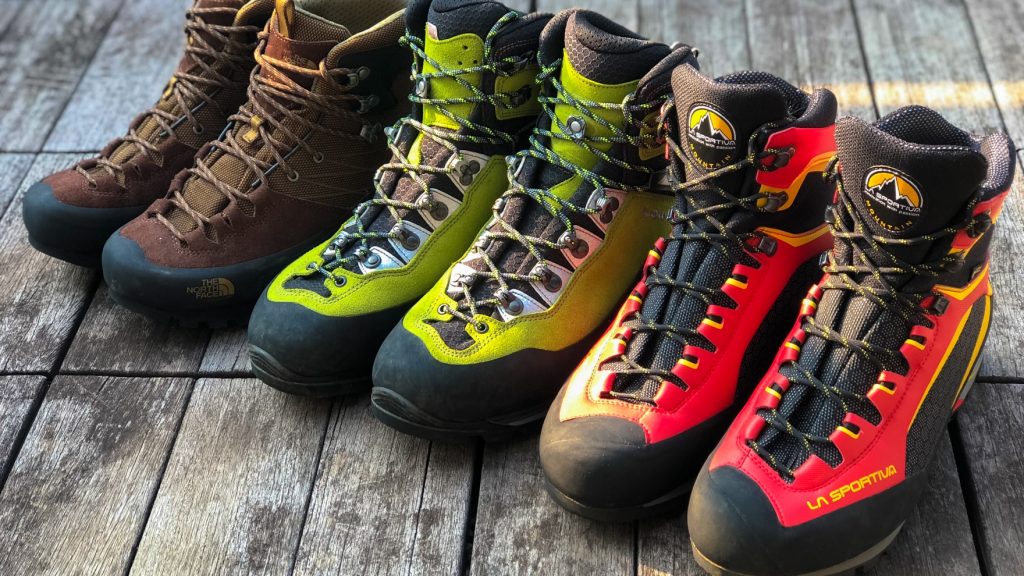
With the selection criteria now clear, we moved on to choosing specific manufacturers and models. However, since most major hiking boot manufacturers, such as Scarpa, Sportiva, Zamberlan, and Garmont, are European, and especially Italian, comparing only Italian manufacturers would be a bit boring. Therefore, we imposed a mysterious new restriction of one pair per country, settling on three pairs: Sportiva (Italy), Rover (Germany), and The North Face (USA). We originally wanted to add other manufacturers such as Mammut (Switzerland) and Sirio (Japan), but we were concerned that increasing the number would dilute the content of each review, so we limited ourselves to three pairs this time
Test environment
The test period lasted approximately two months, from May to the end of June 2018. Testing was mainly conducted in the mountains of Okuchichibu, the Central Alps, and the Southern Alps. The walking distance per test was approximately 8 to 15 km, with different models being used for ascents and descents, and different models worn on each foot. Tests on rocky ridges were conducted in the mountains of Okuchichibu (Mount Kentoku and Mount Kinpu) to ensure all three pairs were tested under the same conditions. Further detailed test conditions are provided in the detailed reviews for each item
The evaluation criteria are based on the following five indicators. The evaluation results are based on my own judgment as the tester and are not objective in any way
- Sole hardness and grip: essential for hard mountain climbing, such as carrying heavy luggage or walking on rocky ridges
- Support: Prevents twisting of the ankle and slippage inside the shoe
- Comfort, weight...how comfortable are they to wear and whether you can walk in them for long periods of time?
- Durability: Protects the foot from external pressure such as friction and tearing
- Compatibility with crampons: Ease of putting on and keeping crampons when crossing snowfields
Test Results & Spec Comparison Table
| comprehensive evaluation | ★★★★★ | ★★★★★ | ★★★★☆ |
|---|---|---|---|
| item |  |
 |
 |
| Reference price | 48,384 yen | 47,520 yen | 29,160 yen |
| grip | ★★★★★ | ★★★★☆ | ★★★☆☆ |
| stability | ★★★★☆ | ★★★★☆ | ★★★☆☆ |
| Comfort | ★★★☆☆ | ★★★★☆ | ★★★★★ |
| Robustness | ★★★★★ | ★★★★★ | ★★★★☆ |
| weight | ★★★☆☆ | ★★☆☆☆ | ★★★★☆ |
| Crampons compatibility | ★★★★☆ | ★★★★☆ | ★★★☆☆ |
| Specifications | |||
| item | LA SPORTIVA TRANGO TOWER GTX® | LOWA CEVEDALE PRO GT | THE NORTH FACE Verbera Lightpacker III GORE-TEX |
| Actual weight (one foot) | 739(UK9) | 841(UK8.5) | 643(UK8.5) |
| Upper Material | High-strength waterproof nylon 6.6 honeycomb guard flex |
Suede Leather | Ballistic mesh suede upper |
| Outsole |
Vibram CUBE sole |
Vibram Dolent Guida Pro | Vibram Mula sole |
| waterproof | GORE-TEX® | GORE-TEX® | GORE-TEX® |

Impressions of each model
LA SPORTIVA TRANGO TOWER GTX®
High overall performance. Especially on rocky terrain, it performs exceptionally well




Here's what I like about it
- Effective traction and braking performance on rocky terrain
- Durable enough to walk on rocky terrain
- Balanced ankle support and mobility
- One-touch crampons fit easily
Here's △
- I wish there was more cushioning in the sole and insole
- price
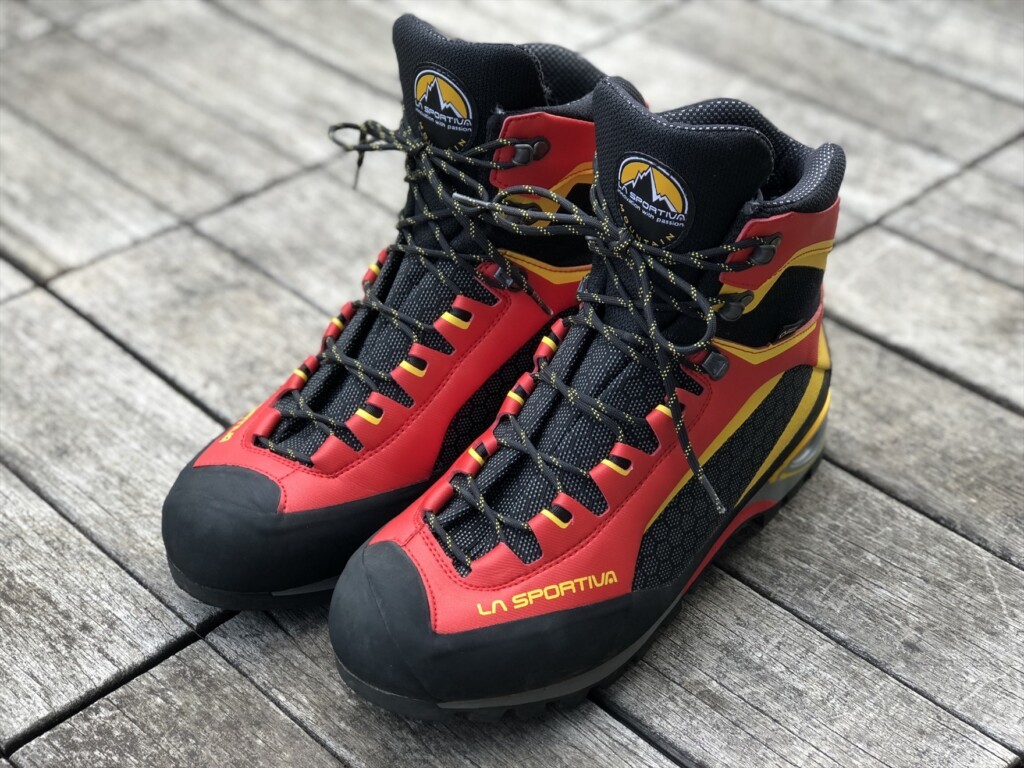
Of course, it's not just the looks that make it great; it's also robust and functional, with a double layer of rubber on the toe, which is the most vulnerable part of the shoe, as if to encourage climbing on rocky terrain (?). the Cevedale Pro GT it to, which may be why you feel the sensation on the sole of your foot more directly. However, even though the sole is thin, the shank (core material) makes it hard and prevents twisting, so it won't bend with just a little force. We actually tested it on a mountain with a lot of rocky terrain, and I think it grips the unevenness of the rocks well, and when climbing, you can feel the traction that sticks to the rocks.
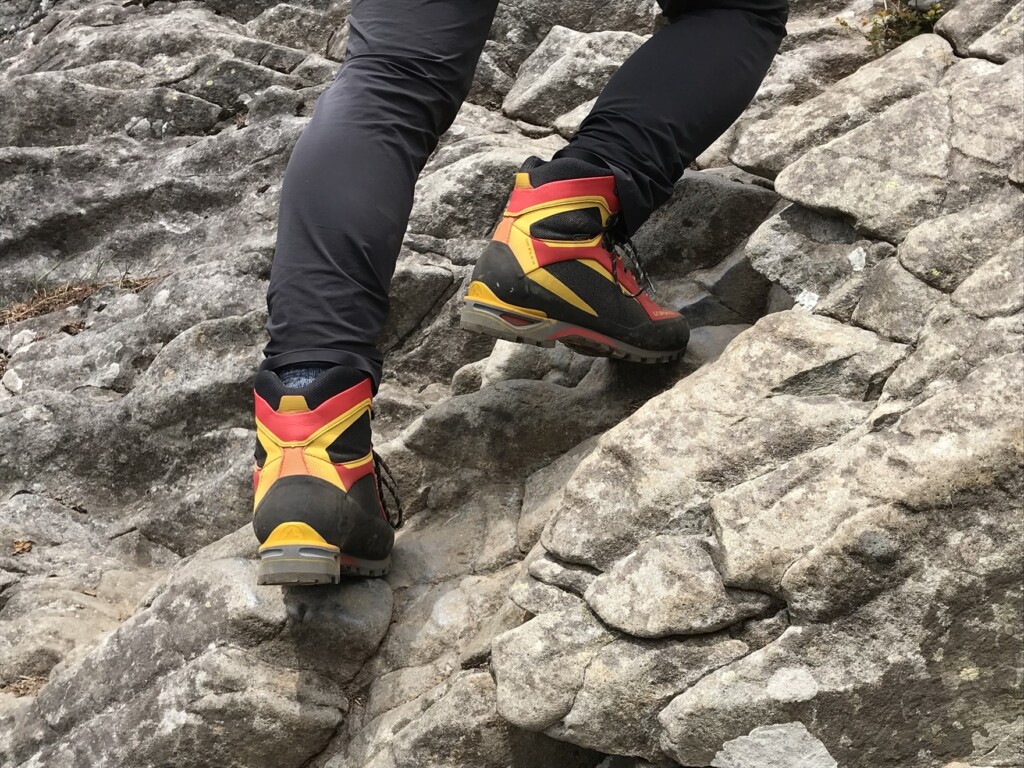
On the other hand, the remaining shock absorption performance was not outstanding, and I felt fatigue and tiredness in the entire sole of my foot after walking for a long time. However, this may be because I got carried away and actively chose unstable footing for the test, and continued walking on that precarious footing for a long time (lol)
Overall, I tried to find any weak points, but honestly, I couldn't find any. If I had to point out one, it would be the insole. I think the cushioning of a shoe should be judged holistically, not just in the insole, but in combination with the midsole and outsole, but the construction feels a bit cheap. I feel like the shock absorption would be better if it were a little thicker. Well, if I had to point out one, that's it... so some people might not mind it at all
LOWA CEVEDALE PRO GT
Not only is it robustly built, but it also offers high levels of comfort and walkability!
Here's what I like about it
- Even when the laces are tightly fastened, the ankle movement is not restricted
- The perfect space for your toes allows them to move freely without pressure
- A good balance of walkability, comfort and durability, and high adaptability
Here's △
- Anyway, it's heavy
- price
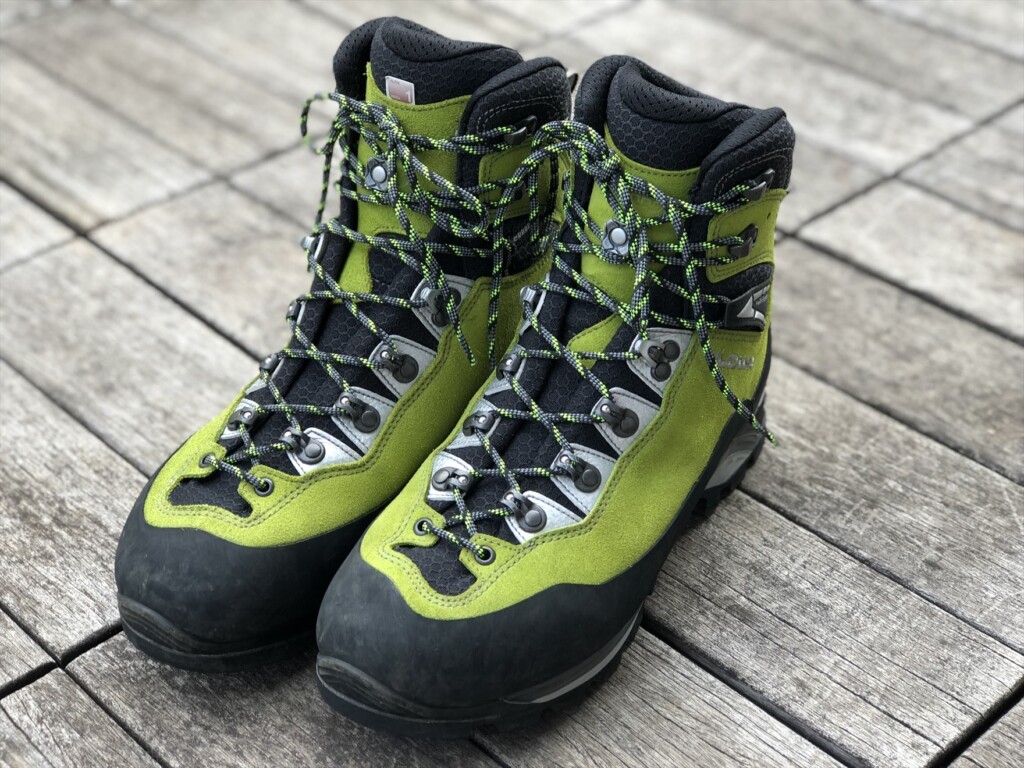
The first thing I noticed when I put my foot in was the spaciousness in the toe area. My foot is secured on both sides, but it's neither too tight nor too loose, giving it an exquisite fit. Wearing hiking socks increases the cushioning, so much so that I doubt many people will get foot pain while wearing these shoes. The thick ankle cuff and tongue appear to contribute to the walking comfort and unrestricted ankle movement, even when the laces are tightly fastened
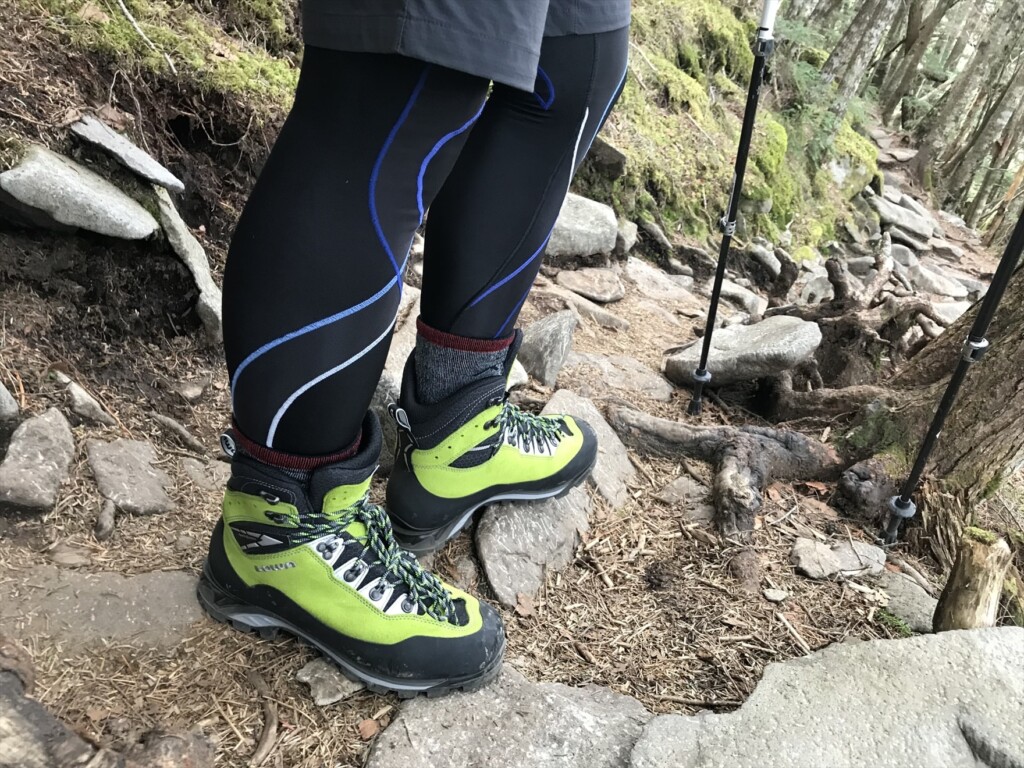
The only drawback was the weight. They're leather shoes, so they're naturally heavy, but at about 841g per shoe (UK size 8.5), they're comparable in weight to winter hiking boots, which is a bit of a stretch by modern standards (lol). One other thing to add is that there aren't many hiking equipment stores that have them on display and for sale. That's a shame, because they're good shoes
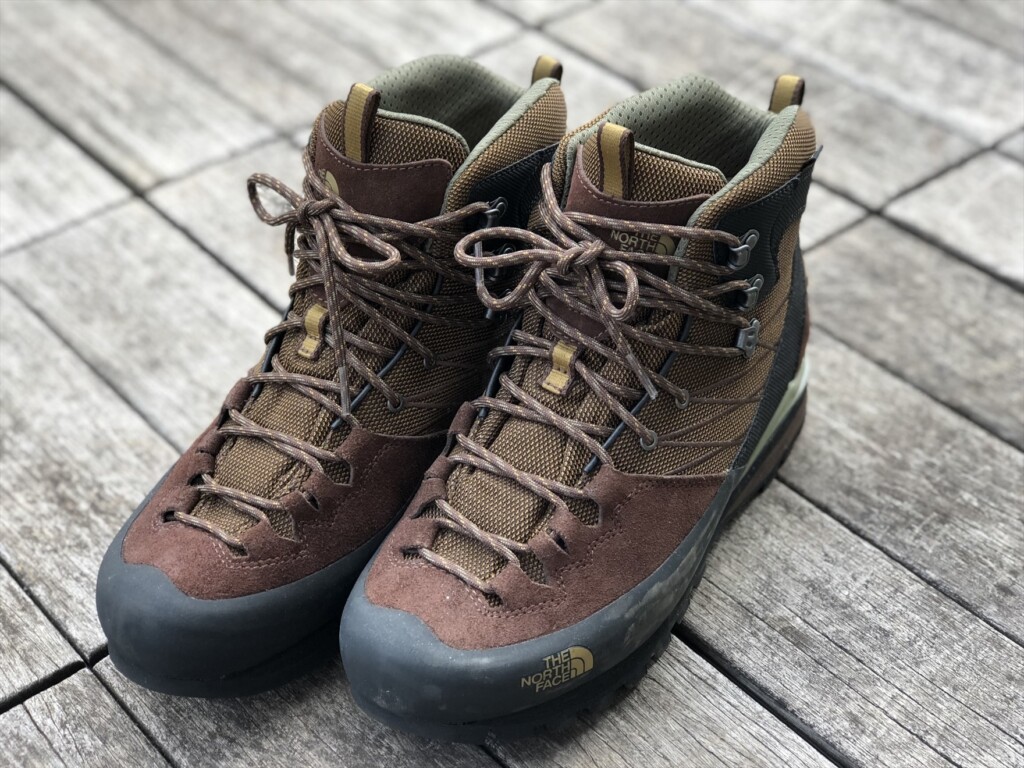
THE NORTHFACE Verbera Lightpacker III GORE-TEX
This versatile introductory model is particularly easy to walk in among light alpine skis, and is suitable for everything from day trips to the Alps
Here's what I like about it
- Lightweight and easy to walk in
- Cost performance
- If you're used to walking, it's versatile enough to handle everything from day trips to the Alps
Here's △
- The shoelaces are difficult to tighten and the shoes are hard to fit
- Not much traction on rocky terrain
- The fit of one-touch crampons is not very reliable

Next page: Detailed review of each item
On the previous page, we introduced the rankings of the compared models, a list of their ratings and specifications, and our recommendations based on that. From here, we will explain the criteria used in the ratings and why we came to those ratings
Detailed review of each item
Sole hardness and grip
Backpacking and (light) alpine models require soles that are hard enough to withstand heavy loads and adapt to harsh terrain. With soft soles, the weight of your gear puts strain on the soles of your feet every time you walk or the terrain changes, resulting in noticeable fatigue. The grip of the sole is also important, ensuring a smooth transition from landing to pushing off
First, the hardness of the sole is judged simply by how much the sole bends when you put your weight on the hiking boots. The biggest difference between light alpine boots and trekking shoes is the shank (core material) in the sole. Generally, whether a sole is hard or soft refers to whether it has a shank or not, or the material of the shank, and not the quality of the sole itself
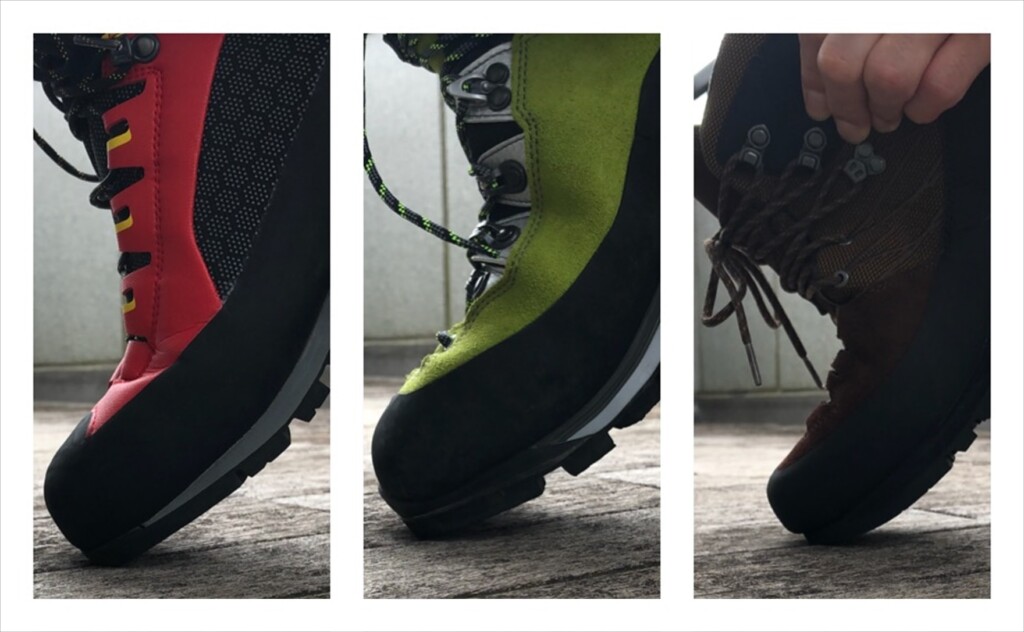
Of the three shoes reviewed, the TNF Verbella Light Packer III felt to have the softest sole, but it wasn't significantly softer than the other two. It felt fairly stiff, but it did bend when a certain amount of force was applied. The upper material also seemed to have a significant impact. The Verbella Light Packer III uses ballistic mesh, the Cevedarle Pro uses suede leather, and the Trango Tower uses honeycomb guard fabric. However, the upper felt the softest on the Cevedarle Pro, followed by the Verbella Light Packer III, and the stiffest on the Trango Tower. This is just my own speculation, but the Verbella Light Packer III has a soft shank, or a shank in only limited areas, which compensates for the stiffness of the upper material. The Cevedarle Pro has a stiffer shank, or a shank in a wider area, which compensates for the softness of the upper material. The Trango Tower has a stiffer shank, or perhaps a wider shank, and the stiffness of the upper material makes it even stronger. At this point, I feel the urge to slice all three pairs, but for various reasons, I will refrain from doing so (lol)
Next, let's talk about grip. All three pairs of shoes reviewed this time use Vibram soles, but none of them have the same sole pattern, and each manufacturer has designed them with weight, durability, and the balance with the midsole in mind
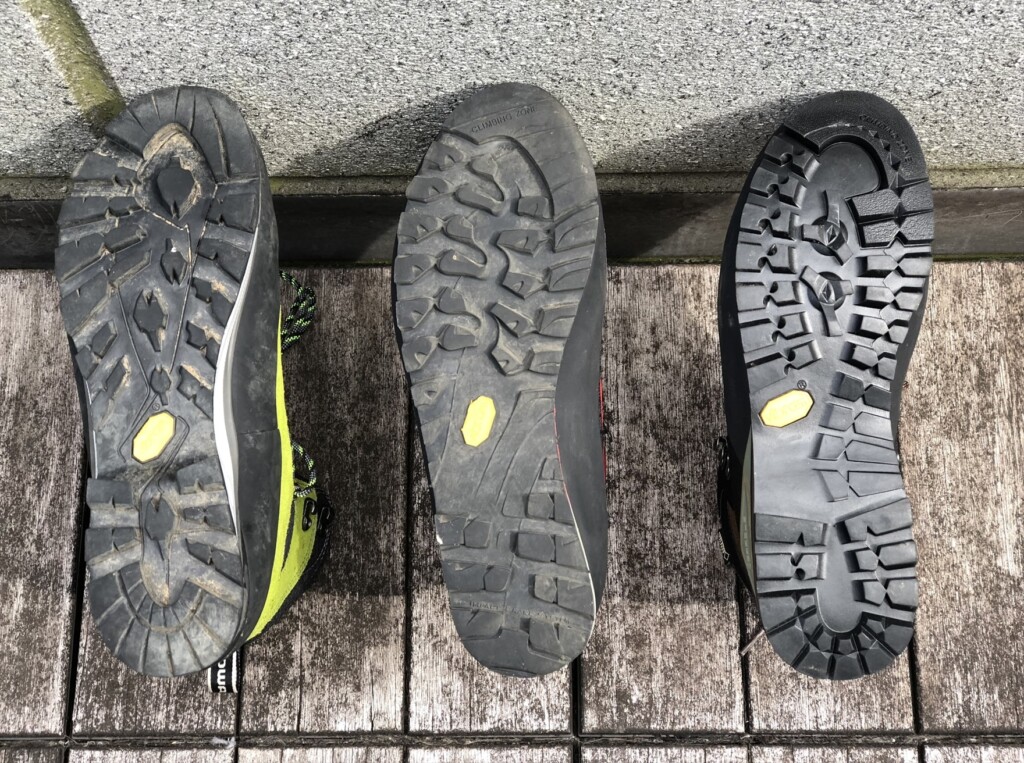
Comparing sole patterns. From left: Rover, Sportiva, and The North Face
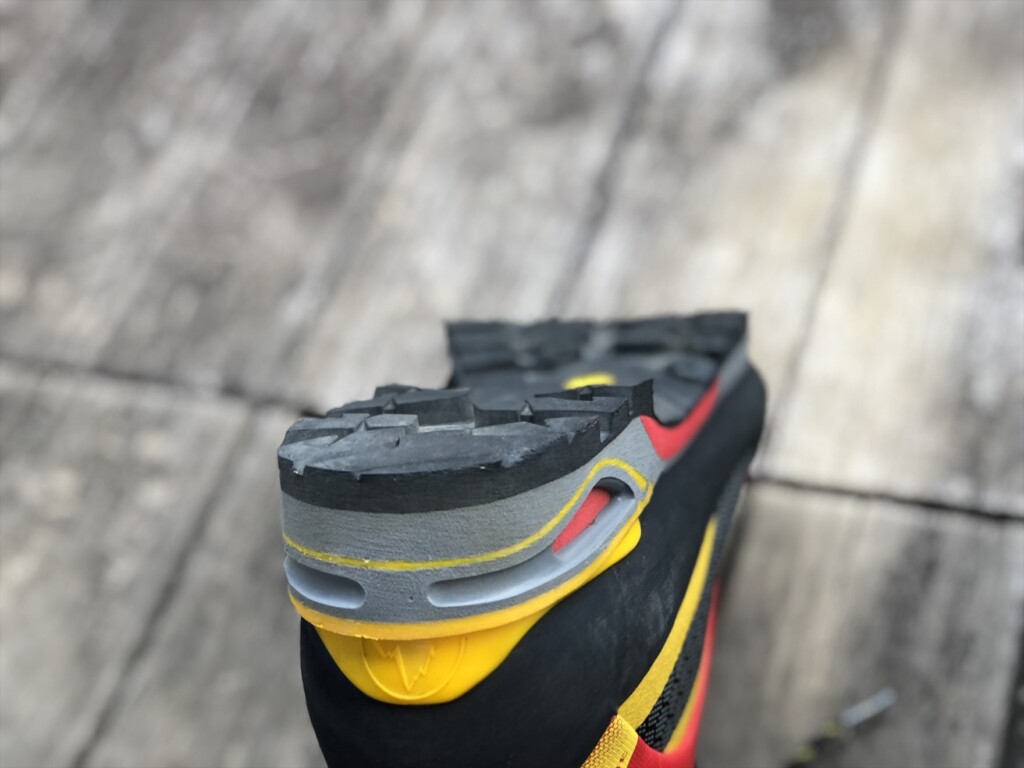
This can also be said for the Cevedale Pro, but because the toes can move freely, subtle pressure is transmitted to the soles of the feet, which seems to lead to slight differences in grip. The Verbella Light Packer III has a deep toe spring (curvature in the toe area), which means the contact area between the sole and the ground (terrain) is narrow, and I felt that the grip was lacking
Stability (support)
Most hiking boots and trekking shoes are designed to cover the area from above the ankle down to the shin. This is done to improve waterproofing and durability and prevent ankle pain, but mid-cut and high-cut models often compromise ease of walking. Backpacking boots and light alpine boots are designed to protect the entire foot from external shocks and pressure in difficult terrain, rather than ease of walking, and to provide firm support (hold) to the ankle to stabilize a series of movements such as landing and pushing off. Recently, many models have been released that maintain support while improving walkability and comfort through the use of flexible materials in the uppers and tongues and unique manufacturer innovations, and future innovations are attracting attention

From left: The North Face, Sportiva, and Rover. Stability varies depending on the fit and holding power from the heel to above the ankle
Well, to get straight to the point, out of the three pairs, the Verbella Light Packer III had the weakest (non-existent) support. As it's the only mid-cut model, it's only natural, but I also feel like it's a bit unfair to compare it to the two high-cut models, given the difference in categories between backpacking and light alpine models. Comparing the Chevedale Pro and Trango Tower, the Trango Tower offered the strongest overall support, staying firmly in place from the ankle to the sole and toes once you've tightened the laces, which seems like it would be effective when treading rocky terrain or other difficult terrain
On the other hand, the Cevedale Pro uses unique features such as "X Racing," "C4 Tongue," and "Flexfit Synchro" to maximize the fit of the entire foot, providing a good balance of support and comfort, so even when you tighten the laces, you won't feel like your feet are too tight
Comfort

The comfort required of hiking boots encompasses a wide range of factors, including weight and ease of walking, as well as waterproofing, internal moisture management, cushioned insoles, and a comfortable fit thanks to the upper and tongue. However, light alpine and backpacking models are designed for walking on rocky ridges and carrying heavy loads, and are therefore inherently stiff soles and deep cuts designed to support the ankles. At first glance, these may seem a little far from comfortable. However, looking at recent hiking boots, manufacturers have incorporated various innovations to improve comfort, such as the use of flexible materials in parts of the upper to hold the ankle while increasing freedom of movement. Examples of this are the Cevedale Pro's "FlexFit Synchro" and the Trango Tower's "3D Flex System." I felt that the Trango Tower was slightly less flexible (stiffer), but this is also a matter of personal preference
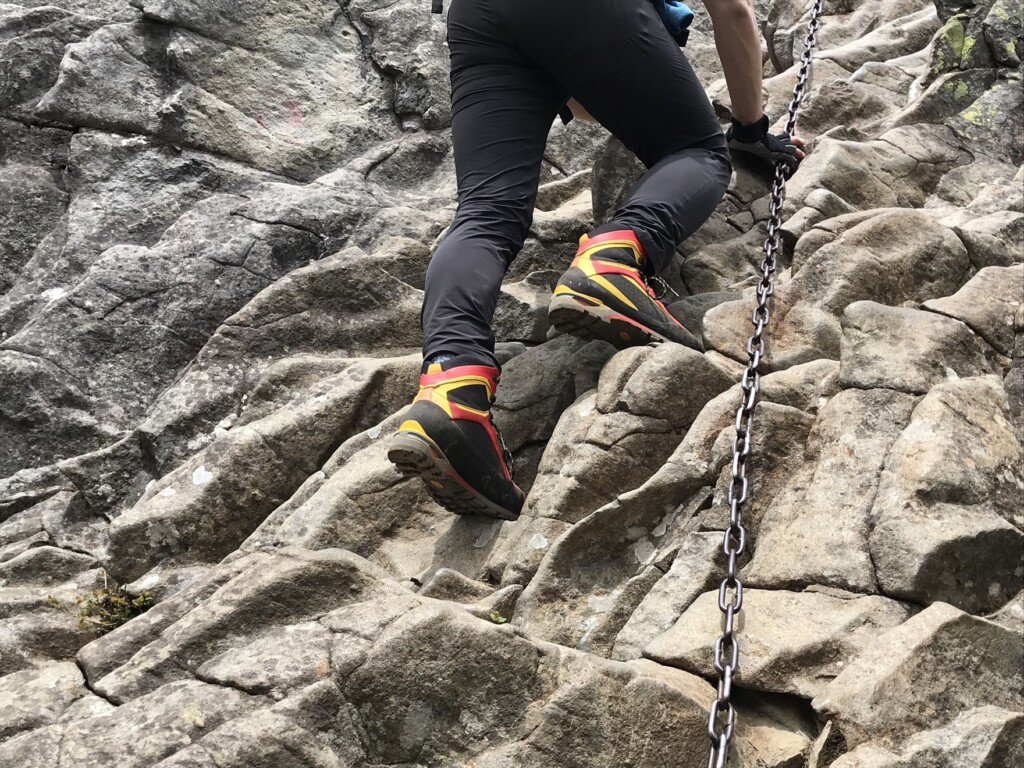

Also, in terms of comfort, the "I-Lock" and "X-Racing" features on the Cevedale Pro are noteworthy. "I-Lock" prevents the laces from loosening by locking them, and "X-Racing" prevents the tongue from slipping from the center of the foot. Naturally, these features prevent the laces from loosening and maintain a good fit, but they also eliminate the hassle of having to retighten your laces when climbing rocky terrain or other difficult terrain
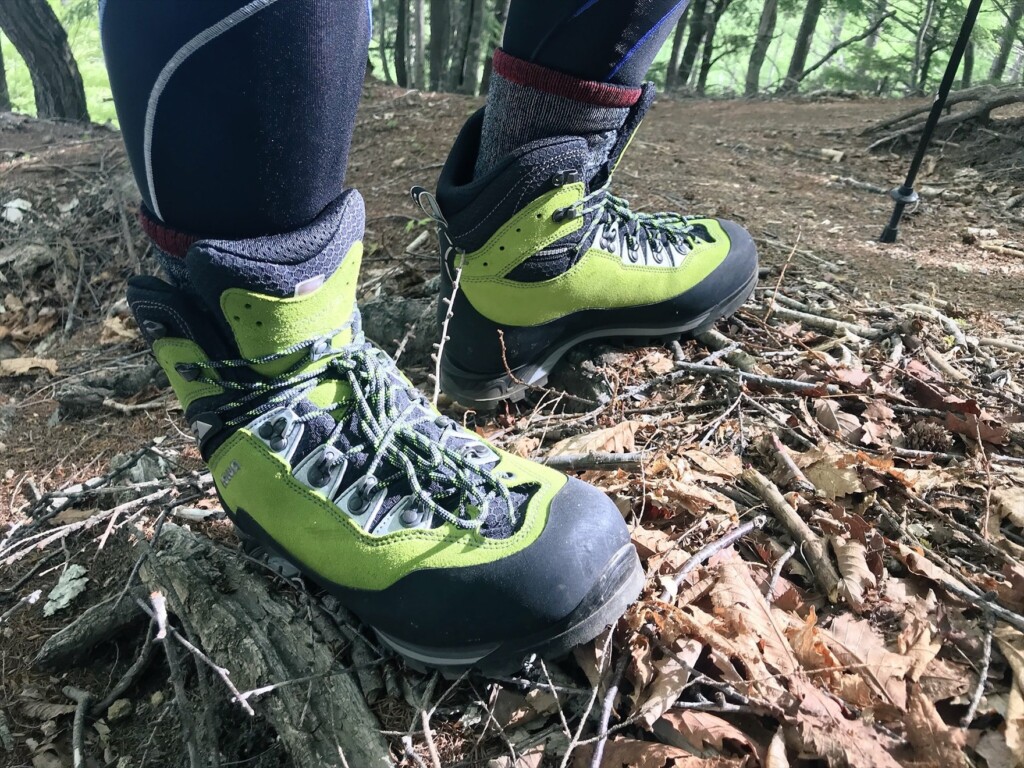
In terms of weight and ease of walking, the Verbella Light Packer III is by far the best. The weight is as shown in the numbers, but I felt that it had the deepest toe spring of the three pairs, making for smoother walking and providing better cushioning in the midsole
durability
Here, I would like to examine rigidity and durability, but since the testing period was not long, I decided to judge based on the materials and construction. First, regarding the upper material, each of the three pairs is made of a different material: suede leather, leather + abrasion-resistant strong fabric, and ballistic nylon + suede leather. At first glance, leather (including suede) seems stronger, but ballistic nylon (DuPont: five times stronger than nylon) is an extremely strong fabric developed for military use, with excellent waterproofing, abrasion resistance, and heat resistance. It is also used in bulletproof vests. Furthermore, while the honeycomb-structured abrasion-resistant strong fabric used in the Trango Tower is also nylon, considering that it has been changed from the Trango S Evo's Cordura nylon (Invista: seven times stronger than nylon), it is likely a stronger material. The fabric is so sturdy that it makes me wonder if it might be more durable than leather, but testing this would require a long period of time, so I will leave it out of this review. In terms of construction, all three pairs are made with rand rubber and there doesn't seem to be much difference, but the Verbella Light Packer III is the only one that has rubber only on the front part from the arch to the toe, and the area around the heel is made of plastic, which is concerning. Also, as mentioned in the evaluation results, the Trango Tower has double rubber on the toe area, which seems to contribute to improving the durability of the toe area, which is the area that is most likely to be hit
Compatibility with crampons
Finally, I'll examine compatibility with crampons. Even in summer, snowfields remain on the flatlands at the base of the mountain, making crampons essential for safe progression. Incidentally, the crampons I own are Grivel Air Tech Automatic SP models, compatible with hiking boots with toe and heel welts. In the summer, I use them as semi-one-touch crampons by replacing the bails (metal fittings on the toe). All three pairs of boots reviewed here have heel welts and are advertised as semi-one-touch crampon-compatible models, so they can be attached, but compatibility is an issue. It's important that the sole and crampon shape fit snugly, especially at the toe and heel. Just to be clear, this test was performed while wearing the boots and putting my weight on them, with the bands tightened as tightly as possible. Also, please note that this test is based on compatibility with the crampons I currently own and is based on the three pairs reviewed; it is not intended to be a judgment on the quality of the boots themselves
Well, there were no issues with the heel fit on all three pairs, but there were some slight differences in the toe fit. In order of smallest difference, it was Trango Tower < Chevedale Pro < Verbella Light Packer III. As mentioned in the evaluation results, the Verbella Light Packer III has a deep toe spring, so gaps will form no matter what you do. It is secured with a band so it won't come off easily, but it's still a concern
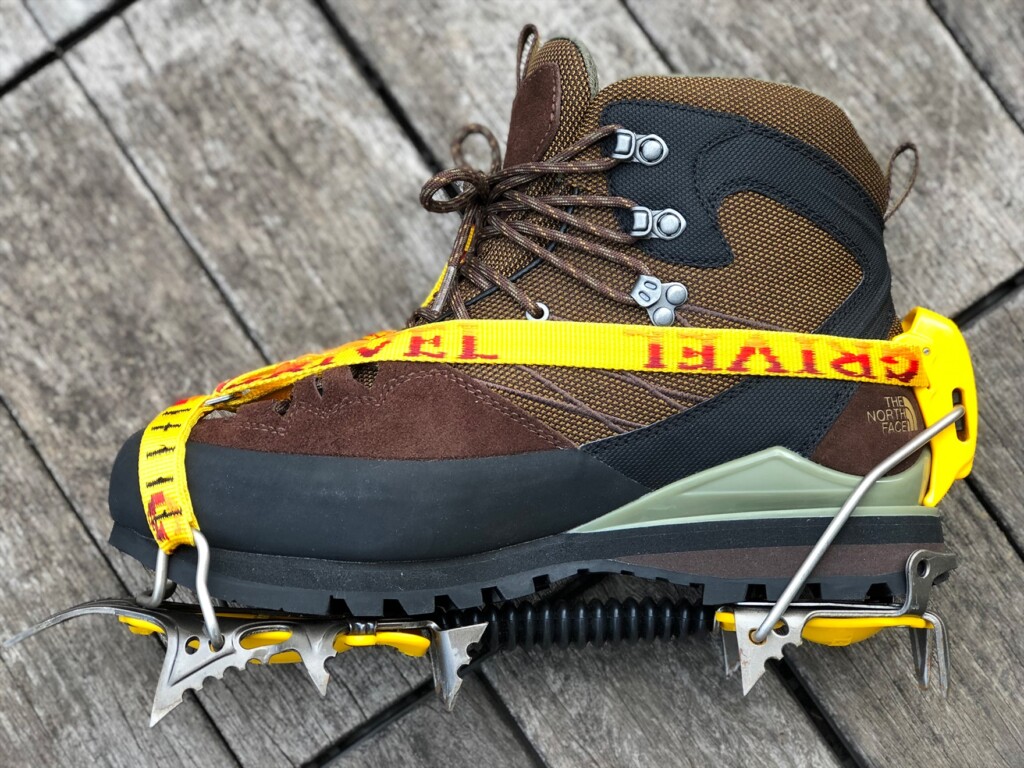
Verbella Light Packer III x Grivel Air Tech Automatic SP
The Trango Tower boots have the smallest gaps and are the best match, and the gaps in the arch area are also small, so I think they are close to being the best match for the crampons I own. In any case, there is no guarantee, but it is always better to have as few doubts and uncertainties as possible when it comes to equipment that you are entrusting your life to
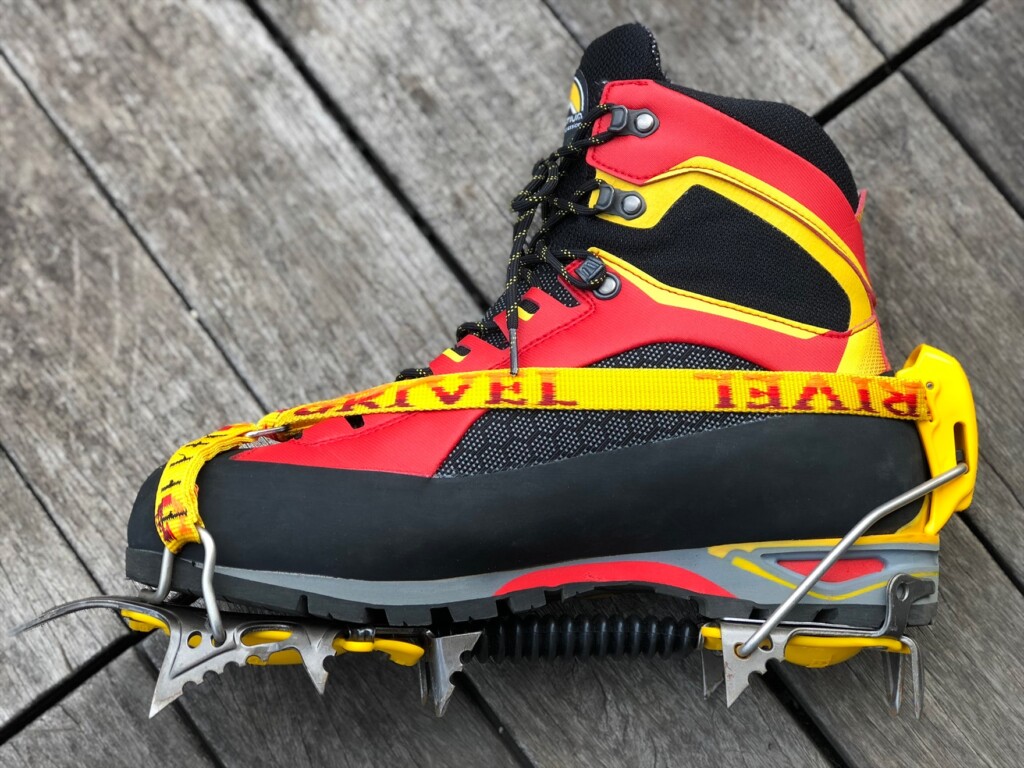
Sportiva Trango Tower x Grivel Airtech Automatic SP
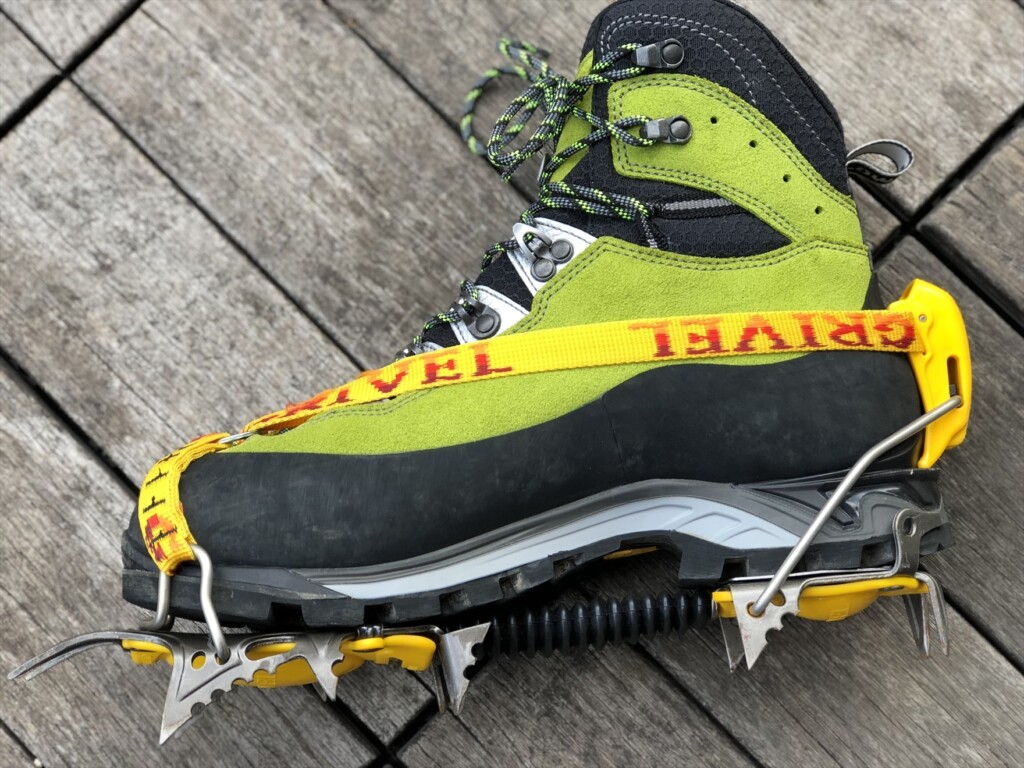
Rover Cevedale Pro GT x Grivel Airtech Automatic SP
summary
The item I reviewed this time that I felt best balanced was the Sportiva Trango Tower. It received high marks in four categories: sole stiffness and grip, ankle support, durability, and compatibility with crampons. The only low score was for comfort, but that's my own judgment based on the limited number of three pairs I reviewed; different people's impressions may differ. The stability on rocky terrain was excellent, and I recommend them to anyone planning to climb the Hotaka mountain range or Mount Tsurugi this summer. The Chevedare Pro was perhaps the most all-around shoe. Its high level of rigidity and flexibility made it suitable for any mountain climb. Although in a slightly different category, the Verbella Light Packer III received high marks for its weight and walkability. Each shoe reviewed has its own unique characteristics and strengths, and your choice will likely depend on what you're looking for in a shoe
Hiroaki Saito

We are looking for reviewers
Outdoor Gearzine is always looking for members who love the outdoors and want to write reviews about outdoor gear. For more information, please visit the REVIEWERS page here !
We also recommend this article about hiking shoes
- Five points to consider when choosing the right trekking shoes for your feet
- How to fit trekking shoes and six things to check
- 10 Pairs of Lightweight Hiking Shoes You'll Want to Wear Out (Under 500g per Pair)
- Comparison Review: Trying out the trekking shoes recommended by a mountaineering shop staff member