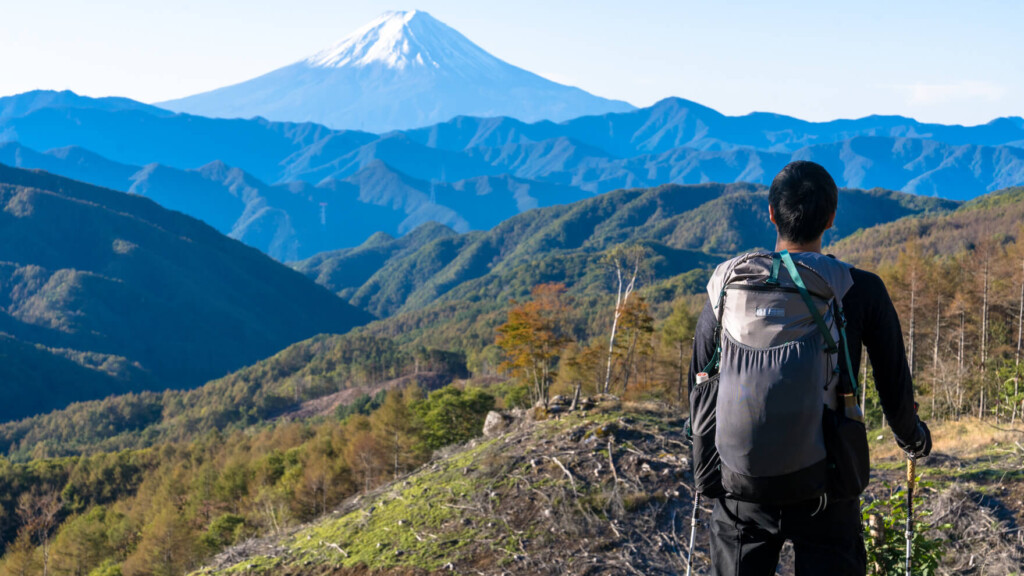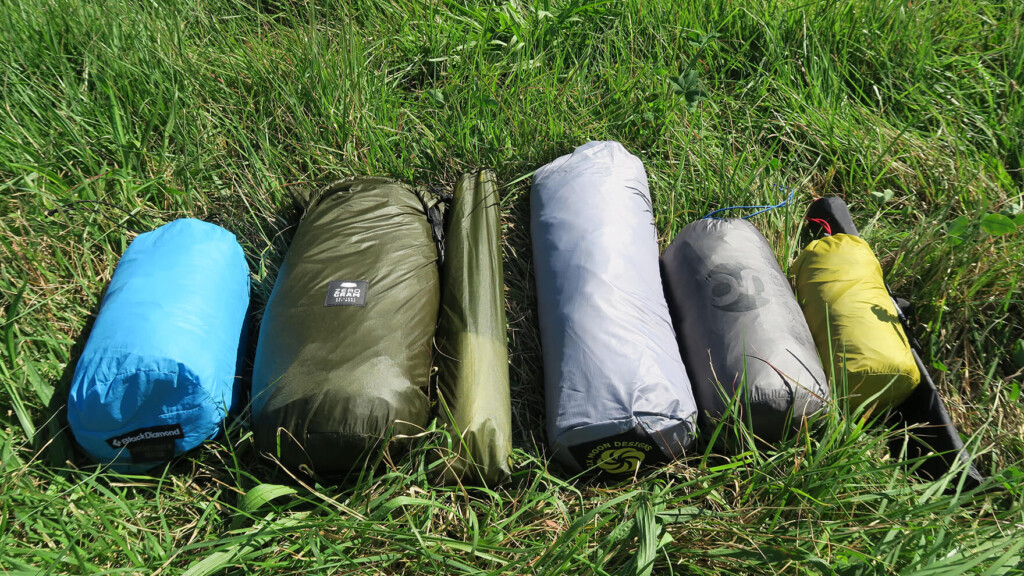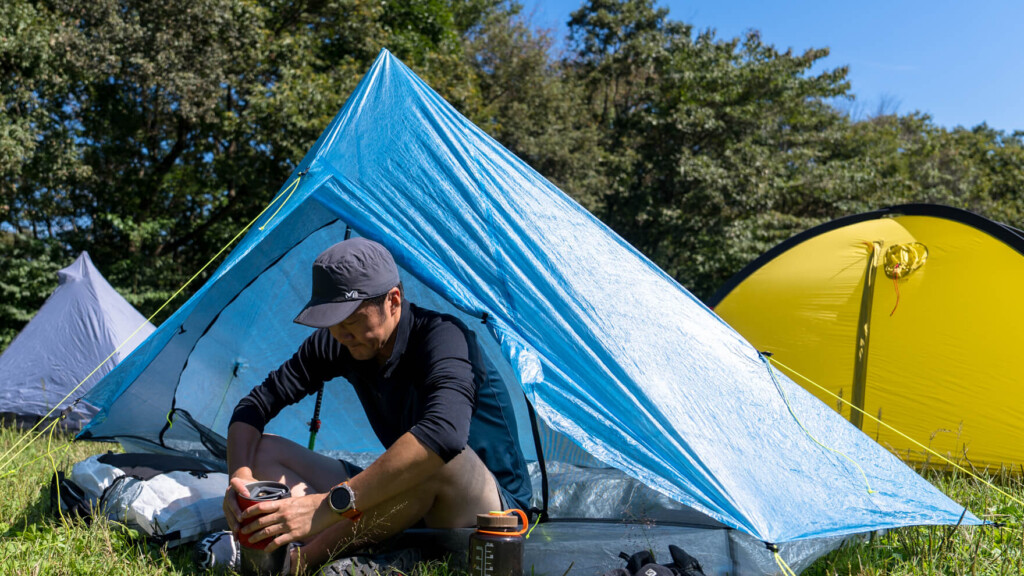
Knowing about lightweight shelters will greatly expand your possibilities for activities
After walking until you're exhausted, you take off your boots and finally crawl into a tent, and it's human nature to want to feel as safe and comfortable as possible. For this reason, a spacious, comfortable, and sturdy tent that can withstand any bad weather is more reliable than anything else in harsh outdoor conditions
But wait a moment. If you've had a fair amount of experience camping in tents and are experienced enough to laugh off some mishaps, why not stop and think anew. Do you really need such a comfortable place to stay for your mountain trip?
A tent that is weather-resistant and comfortable certainly provides peace of mind, but it is also true that its sturdiness makes it heavy and bulky. This "excessive sense of security" can sometimes even come at the expense of enjoying walking
Tents are one of the heaviest pieces of equipment, and are the most important piece for completing styles such as ultralight and fastpacking. If the weight of tents could be significantly reduced, we might be able to reach deeper into the wonders of the wilderness that we could not reach before. As long as you are well prepared and the weather is stable, a lightweight shelter is an attractive camping item that will expand the possibilities of mountain hiking
Simply put, a lightweight shelter is a tent that has the weather resistance and durability of a typical mountain tent stripped down to the bare minimum, but in exchange offers feather-lightness and comfort. In reality, there is no clear dividing line between a "typical mountain tent" and a "lightweight shelter," so for now, you can think of it as an extremely light tent, about the weight of a 500ml plastic bottle. Despite its lightness, it is more resistant to wind and rain and provides a more private space than a flat tarp or hammock, so it is positioned somewhere between a traditional mountain tent and a tarp/hammock
These lightweight tents have suddenly become increasingly popular in recent years, with an increasing number of highly functional and attractive models, making it easy for anyone to try lightweight tents. So in this article, I've chosen the best models I've tried out over the past few years. As always, in the second half, I've also drawn on my past experience to summarize some points to check if you're thinking of choosing an ultralight shelter so you won't regret it. I hope this article helps you make the most of this item, which can be difficult to try out before purchasing, and helps you make the best possible choice
table of contents
- [By category] Recommended lightweight tents and shelters for this season
- How to Choose: 5 Points to Choose a Lightweight Shelter Wisely
- Introduction
- Point 1: Structure ~ Know the types of lightweight shelters ~
- Point 2: Size ~The benefits of using a two-seater even when you're solo~
- Point 3: Weight – Think in terms of weight per unit of space –
- Point 4: The best materials and fabrics for tents
- Point 5: Small points to keep in mind when using lightweight tents and shelters
- summary
[By category] Recommended lightweight tents and shelters for this season
Best Hiking (Overall): Zpacks Plex Solo Tent / Gossamer Gear The One
Zpacks Plex Solo Tent (Duplex Tent for two people)
Favorite points
- Ultra-lightweight
- Spacious living space
- DCF fabric provides excellent waterproofing, weather resistance and durability
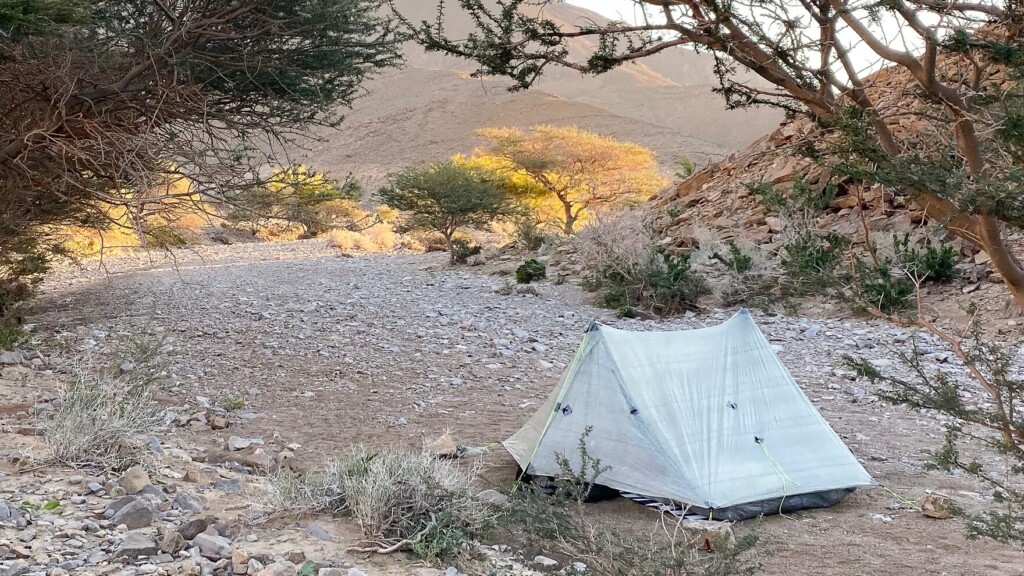
Among trekking pole shelters, the Zpacks Plex Solo Tent (also known as the Duplex Tent for two people) offers a good balance of lightness and comfort. This lightweight yet durable tent boasts a flawless construction, making it the top choice overall. In addition to being waterproof, strong, and ultralight, it's made entirely of DCF fabric, which doesn't sag even when wet (hence the premium price tag). Its steep walls allow for wind and snow escape, providing ample weather protection (requiring 130cm trekking poles). It also offers all the comforts of a traditional tent, including a deep bathtub-shaped floor, insect-repellent and breathable mesh, a vestibule, and internal storage pockets
Because it's made of DCF fabric, even if it doesn't leave a footprint, it's fine on any surface. Other than the long trekking poles, the fact that DCF fabric is light but difficult to compact, and the high price, it's practically perfect. It's no wonder it's maintained such long-standing popularity among North American thru-hikers. For someone like me who enjoys fast and light adventures like speed hiking and stream climbing, this is my favorite and the "optimal solution" I've encountered so far
Depending on your preference, the two-person Duplex Tent is still light enough to be a luxurious option even for solo travelers, making it a viable choice ( review here ).
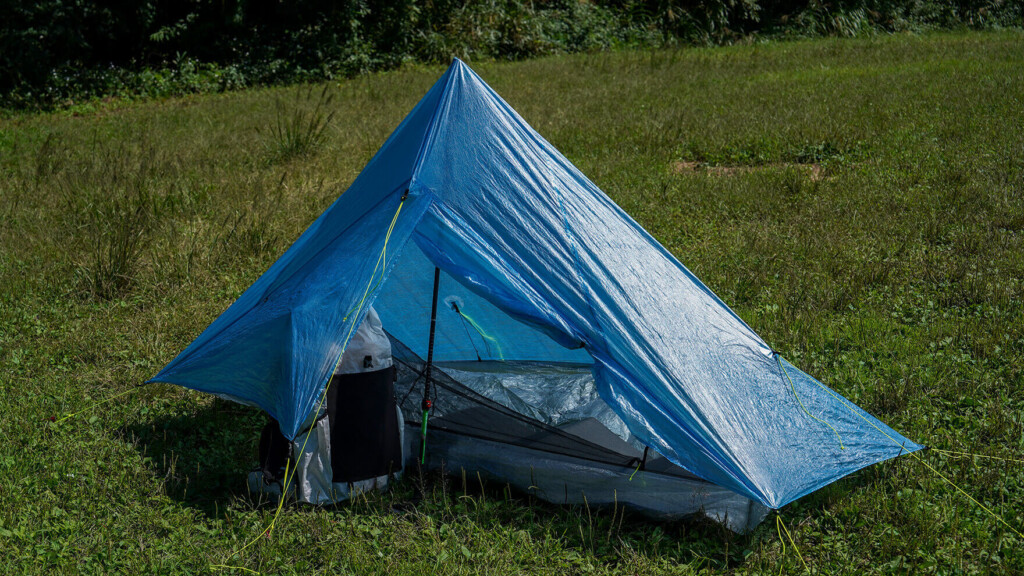

Gossamer Gear The One (Two for two players)
Favorite points
- Ultra-lightweight and compact
- Spacious and comfortable headroom
- The front room is spacious enough
The One is an ultra-lightweight, non-freestanding trekking pole shelter developed by Gossamer Gear, a garage manufacturer with a huge reputation for backpacking. It has quickly won the hearts of UL hikers and experts alike, and has won numerous awards over the past few years
The most attractive feature of this model is its high level of comfort. First of all, the space from shoulder to head is spacious. By using two poles, shoulder space, which is often lacking in solo shelters, is ensured in abundance, and despite its ultra-lightweight nature, it feels like a "normal, comfortable tent," which will make you want to shout with joy. Furthermore, the vestibule is quite spacious, and mesh fabric in key areas ensures breathability, making it extremely comfortable to stay in regardless of the weather
The material is primarily lightweight ripstop nylon, but it also features a "SIL/PU coated" fabric, which has become increasingly popular in recent years. Simply put, it's thin and durable like Silnylon, but the lining can be seam-taped like a PU coating (no need to bother with seam sealing yourself). It truly combines the best of both silicone and polyurethane coatings. And it's not too expensive, so it's all good. However, it's still less durable than DCF, so a footprint is essential. It also tends to sag in rainy weather, making it vulnerable to severe weather. The manufacturer also makes the "DCF One," which uses the same structure but DCF fabric, and I'd definitely like that one, but it's so popular that it's constantly out of stock even in the UK
In any case, this highly complete lightweight shelter has all the features that make it a mainstream lightweight shelter: it is lightweight, well-made with a comfortable interior, and comes with guy lines and pegs at a reasonable price, making it a great model that can be used for a long time by people who are just starting to camp in lightweight tents
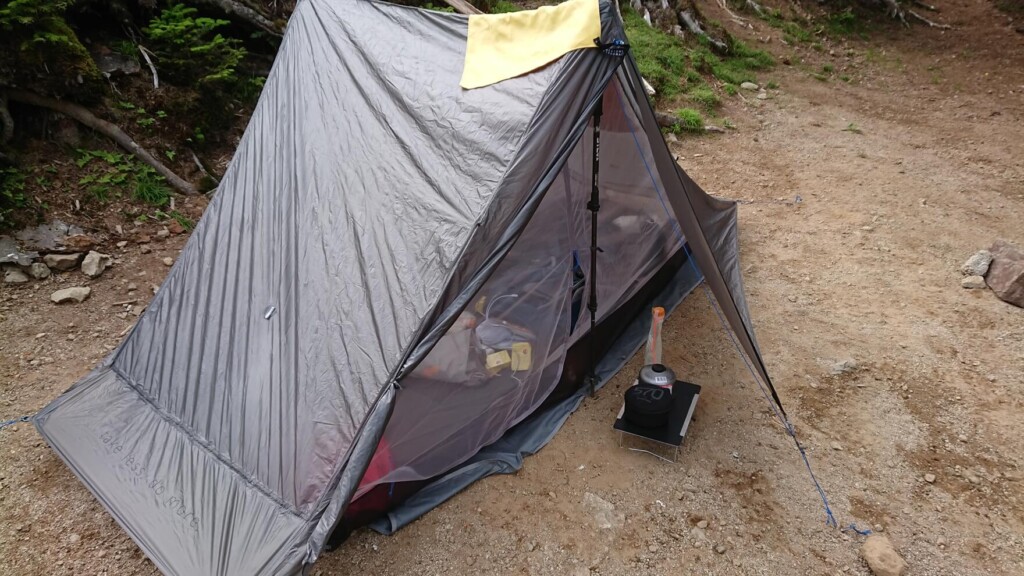
Best Beginner: Six Moon Designs Lunar Solo
Favorite points
- Both the floor and the vestibule are spacious for a solo model
- Excellent breathability (ventilation)
- High cost performance
Six Moon Designs, a leading American UL brand, was founded by a two-time thru-hiker (Appalachian Trail and Pacific Crest Trail) and has been making ultralight tents for nearly 20 years. The Luna Solo is their signature model
Not only is it easy to set up, requiring only a single trekking pole and a peg, but one of the great attractions of this tent is its light weight and generous floor area (it's designed for one person, but it can just about fit two people if you're just sleeping there). Condensation, which is a common issue with shelters, is also addressed by surrounding the floor with a 360° mesh fabric, and ventilation holes for circulating warm air are located at the top, ensuring efficient ventilation from all directions at all times, making it less likely to cause condensation, another excellent design feature
Another attractive feature is the 2020 version's new 20-denier silicone-coated polyester fabric (commonly known as Silpoly). Unlike the previous Silnylon, it doesn't stretch when wet, so once it's properly stretched, it won't sag even if it gets wet from condensation or rain overnight, ensuring high weather resistance and livability. The floor is made of a thick 40D fabric, so it's likely to be able to withstand even if the footprint isn't exactly tight (although that doesn't mean it's safe)
Although it is on the slightly heavier side, it still offers a good balance of space, weight, and durability, making it one of the most beginner-friendly tents
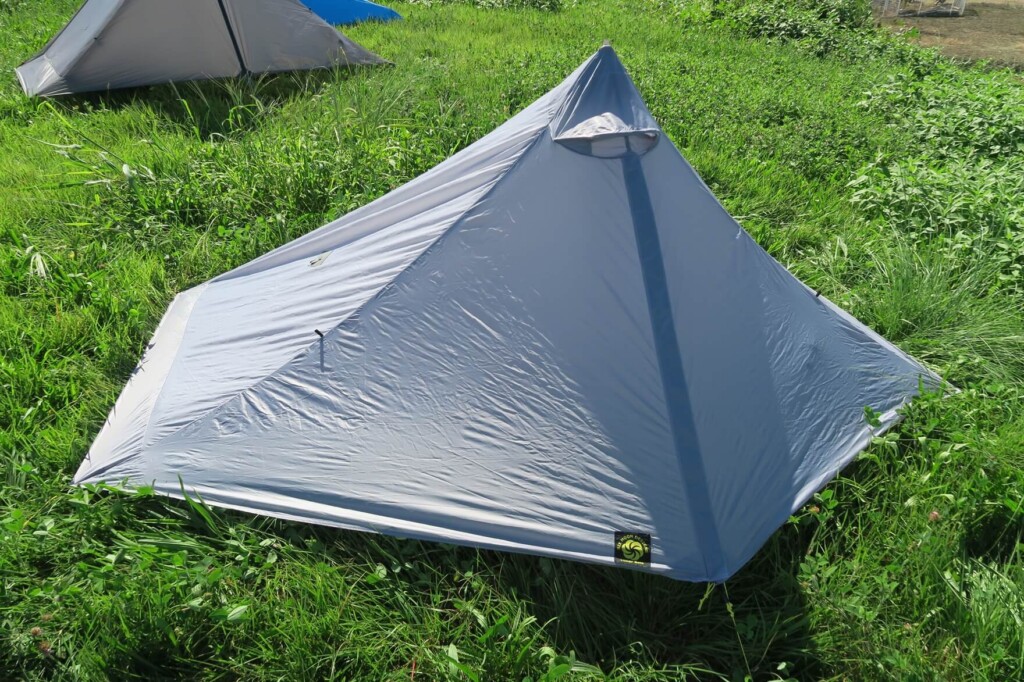

Best Newtype: DURSTON X-Mid 1
Favorite points
- Easy setup
- Comfortable living space, including ample headroom and a vestibule
- If you remove the inner layer, it becomes a spacious floorless shelter
- Lightweight, durable, sagging-resistant, easy to use, and affordable Sil/PU polyester
The founder, a die-hard thru-hiker and UL enthusiast with over 20 years of hiking experience and thousands of posts on America's largest social message boards and online communities specializing in ultralight gear, decided to pour his abundant passion into gear development and founded the up-and-coming garage brand DURSTON. Even though they're new, they independently produced tents using DCF in 2009, before anyone had even considered DCF material, so their knowledge and technical capabilities are in no way inferior to those of specialized manufacturers
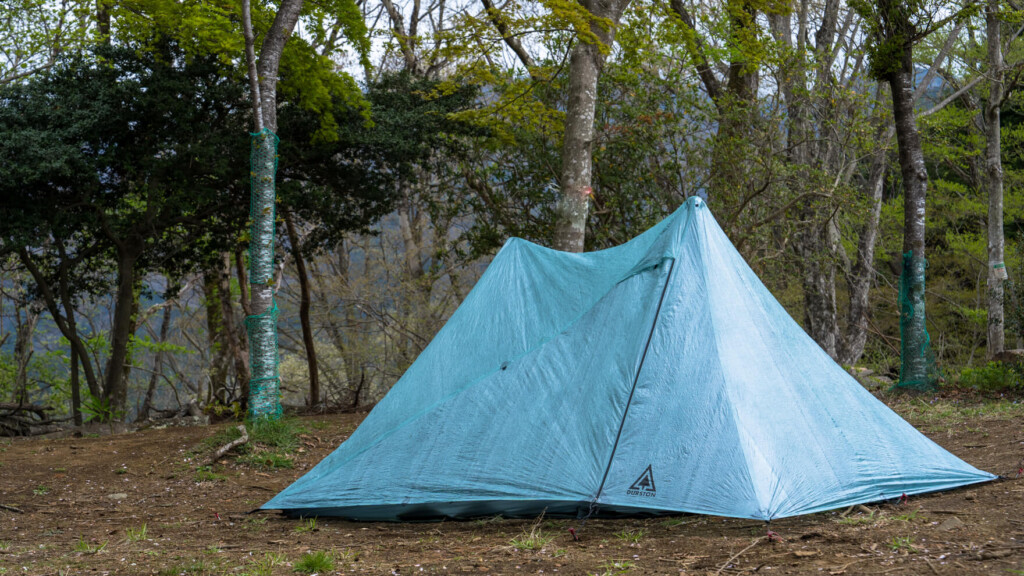
Well, when Durston released the X-Mid in 2019, it received rave reviews from discerning UL hikers and is now skyrocketing in popularity. This innovative shelter, packed with high-quality materials, lightweight, highly functional, and weather-resistant in a minimalist design, is even more affordable (at local prices). There are no distributors in Japan yet, so you'll need to purchase it directly from their website, but it's definitely a model not to be missed by anyone who loves cutting-edge mountain gear
There are many innovative aspects to this shelter, but to highlight just the main points, firstly, despite being a trekking pole shelter, it is fully weatherproof thanks to the double-wall structure of the inner tent and fly, as well as the steep wall structure that is resistant to bad weather including snow. The beautifully calculated geometric form, which I have never seen before, will tickle the hearts of anyone who loves gear
Another interesting feature of this tent is the Sil/PU polyester fabric. This fabric is a low-sagging polyester material that has been treated with a silicone coating and a PU coating, making it an even more cutting-edge material than Silpoly, which is currently becoming more popular than Silnylon
Setting up is easier than you'd imagine, with just four pegs and two poles that can be set from the outside. The inner tent and fly can be connected, so you can set them up together or just the fly alone—a convenient design. The two poles also provide ample overhead space, and even for a single-person tent, there's a vestibule and entrance on both sides of the long side, making it look and feel spacious despite its minimal space requirements, with no compromises made in terms of livability. The only thing I'd like to point out is that the weight is not exactly light for a lightweight shelter
However, this tent has the lightness of a lightweight shelter, yet is just as comfortable, convenient, and functional as a conventional tent. It is certainly an innovative tent, and it is easy to see why many hikers have embraced it with amazement and praise
*The official introduction video below is of the first generation, and the slightly tuned second generation is currently on sale

Best Freestanding Category: Heritage Crossover Dome <2G> / Arai Tent SL Dome
Heritage Crossover Dome <2G>
Favorite points
- Freestanding type that can be set up anywhere
- Surprisingly lightweight and compact for a freestanding shelter
- Although it is a single-walled tent, it uses waterproof, breathable, and highly breathable materials to prevent condensation
This is a leading Japanese tent brand, taking over from the Espas brand, which has been driving the mountaineering boom in Japan since the period of high economic growth. In recent years, they have been actively developing lightweight shelters, and the Crossover Dome series is one of them, combining lightweight design with livability and weather resistance
Above all, the appeal of this tent is its simplicity: simply insert two poles into the sleeves and set it up without any thought, even on hard rocky ground, treeless ridges, or in a cramped tent site. One of the insertion ports is sewn shut, making it easy to set up by yourself, and I'm not the only one who finds the semi-cylindrical shape familiar to Japanese people reassuring. Vestibules and guylines are available separately, so you can tune it to your liking
The extremely thin and light 10D Japanese-made nylon ripstop fabric has a high-spec construction with a water resistance of 1,230mm and a breathability of 367g/m²/h. The floor is made of the same fabric, so a larger footprint would be desirable, but it is still surprisingly light for a freestanding shelter (540g for solo use)
However, because it is highly airtight and weather-resistant, it cannot be denied that the living space can be cramped and condensation is likely to occur. For this reason, unless you are pursuing lightness to the utmost, I personally recommend the standard model, where the entrance is on the long side, rather than the extremely lightweight "f" model, where the entrance is on the short side
The tents we have introduced so far are more suited to hikes on relatively gentle, long trails at low altitudes, but this shelter can be carried safely not only on such trails but also on steep, rocky ridges such as those in the Japanese Alps, making it the perfect model for those who hike fast and light through the mountains all over Japan
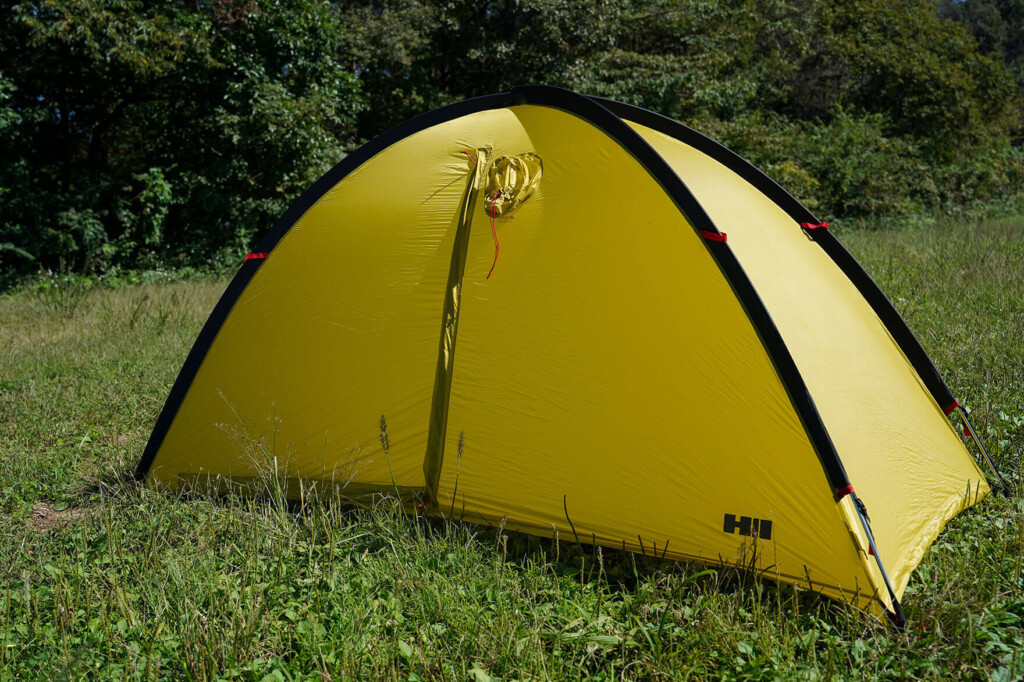
Arai Tent SL Dome
Favorite points
- Surprisingly lightweight and compact for a two-person table
- Lightweight yet tough enough
- Same ease of use as the previous model
*Strictly speaking, this model falls into the category of a "lightweight tent" due to its double-wall structure, but we are calling it that because it is an excellent freestanding model that is as light as a shelter
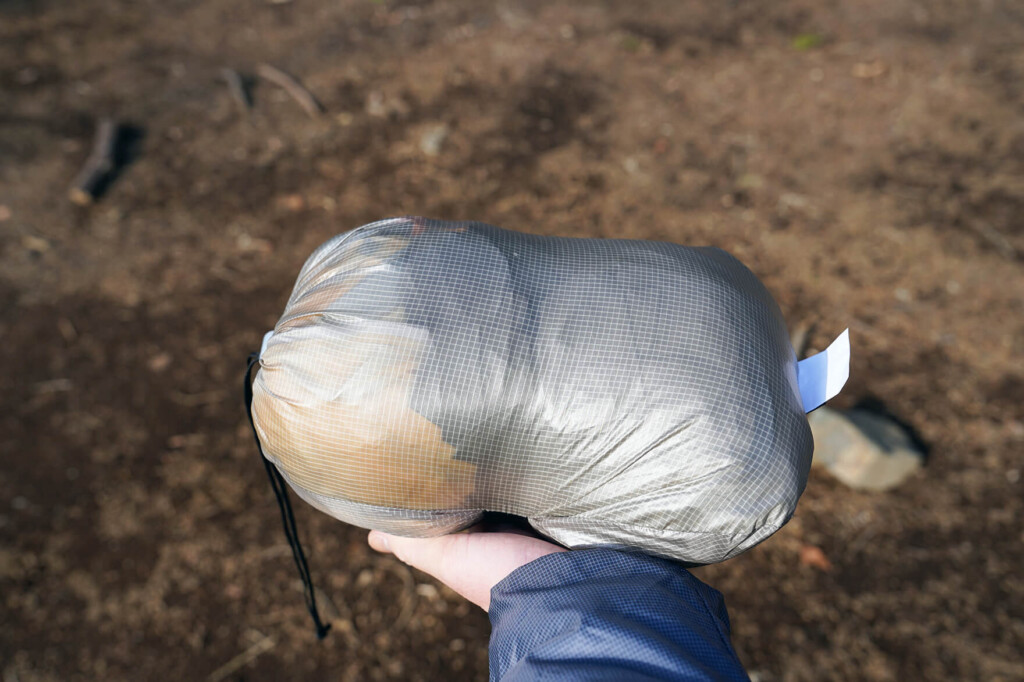
Picking it up, I couldn't help but smile at its light weight of less than 1kg (including the main body, fly, and poles), achieved through a thorough review of materials. It also folds surprisingly compactly, making it easy to use even with a 30L backpack. This model recommends using the included undersheet. While there are pros and cons, the freedom to choose what to use depending on the situation is something I appreciate, at least for me. And while it's incredibly light, it still meets the high standards of performance expected of a mountain tent, including the water resistance of the fabric and the durability of the materials. I also checked for condensation, which I was concerned about, and even after a night's sleep, there were only a few faint droplets on the top of the flysheet, while the inner lining remained dry and unaffected.
According to the manufacturer, it took many years and repeated trial and error to arrive at this high-quality domestically produced fabric. However, compared to conventional mountain tents, it doesn't sacrifice usability, maintaining a minimum level of comfort and ease of use, and its stance of not refusing to turn away beginners is also not to be overlooked. Even if lightness is the top priority, ease of use and quality are not sacrificed, and the firm philosophy of manufacturing remains strong. The arrival of the SL Dome, which not only combines lightness and compactness with the reliability of a Japanese-made product and a commitment to meticulous ease of use, is sure to be good news for many outdoor enthusiasts looking for a tent that is both tough and lightweight, whether for fast and light mountain climbing or long-term river climbing
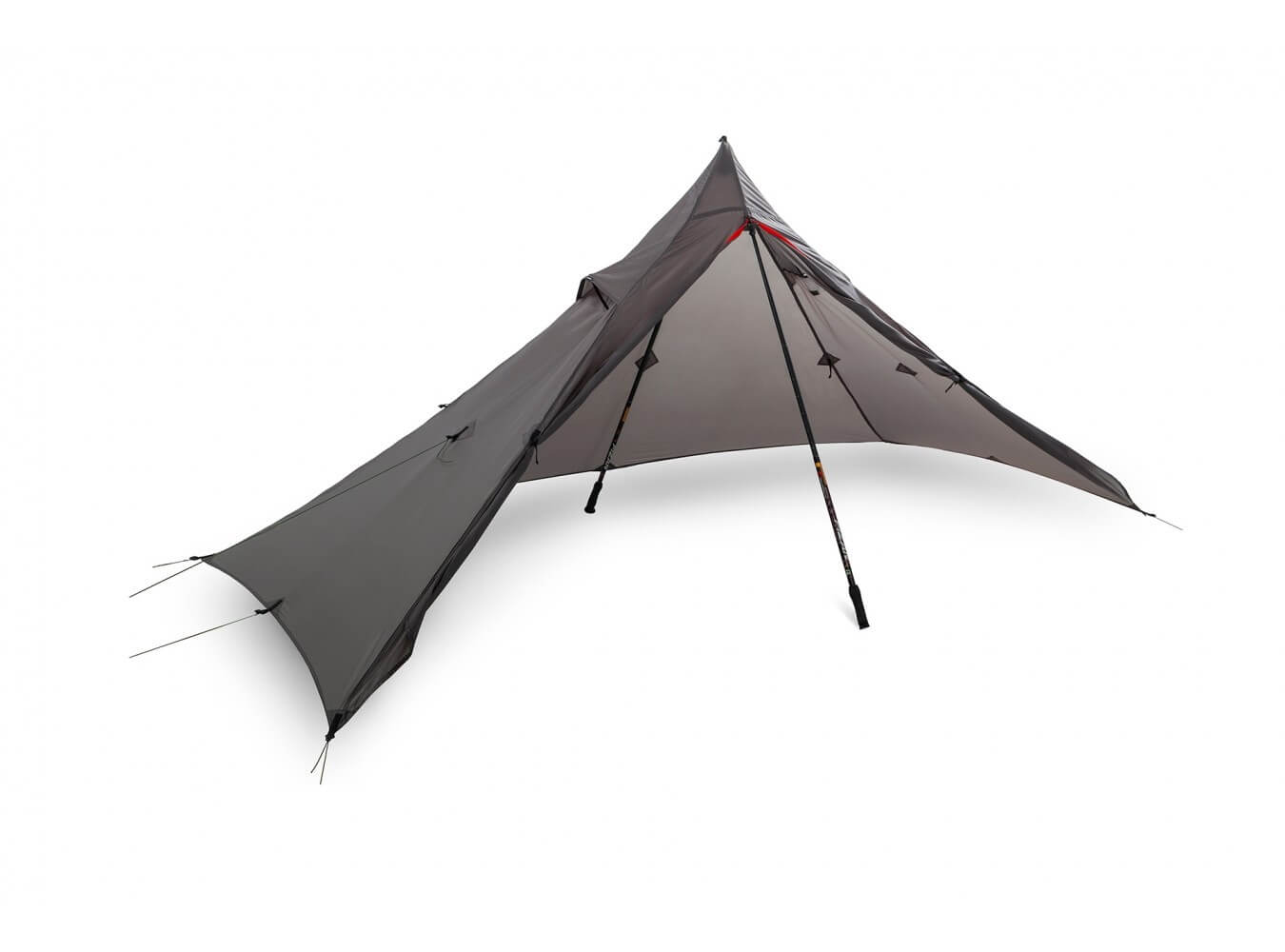
Best Floorless: LITE WAY PYRAOMM SOLO
Favorite points
- Lightweight, weighing just 360g
- Easy-to-use design that combines comfort and ease of standing
- Highly versatile, it can be used as both a tarp and a shelter
- High-performance material with durability and little sagging
LITE WAY is a new garage brand founded in Ukraine in 2019. Not only is all of their products carefully handmade, but the secret to their indescribable allure lies in the highly functional beauty that the founder, a through-hiker himself, arrived at after much trial and error, pursuing lightweight, simple, and streamlined ease of use
This simple pyramid-shaped shelter has a floorless design that eliminates unnecessary elements to the maximum extent possible, achieving a weight of just 360 grams despite its large base area of 3.3 square meters, making it an exceptionally light model in terms of weight per unit area. However, since the walls are quite low around the edges, the actual space in which you can move around is not that large, but it is still more than enough for one person to stay in
The base model is made of 20D ripstop Silpoly, a thin yet durable material that's water-repellent and maintains its tautness even when wet (a lightweight, durable Dyneema model is also available). Its streamlined construction allows for easy setup, with a minimum of four pegs required for setup using a single trekking pole (a more robust setup requires four to six additional pegs). For a more comfortable living space, you can spread the longer poles out in an A-shape, offering a smart design that allows you to choose comfort and ease of setup depending on the situation. The ground clearance can also be adjusted, allowing for good ventilation to minimize condensation, or it can be placed tightly against the ground for a tightly sealed tent. Optional bathtub floors and mesh inner linings with bug netting are available, creating a comfortable, lightweight tent with a floor and mesh
Enjoy the minimalist, ultra-lightweight style or freely set up a comfortable space using options. In addition to the smartness, the simple and beautiful design that you will grow to love the more you use it is a very sophisticated shelter that is perfect for fast packing and low mountain hikes from spring to early autumn. Once you get used to this lightness, it may be hard to go back

How to Choose: 5 Points to Choose a Lightweight Shelter Wisely
Introduction
Although lightweight shelters come in a wide variety of materials and structures and are quite unique, the basic concept of an outdoor tent is the same as that of a regular mountain tent. What I will write from now on will build on general knowledge about tents and focus on what you need to know specifically about lightweight shelters. Basic knowledge about tents in general and how to choose one is summarized in a previous article I wrote about tents for mountain climbing, so please refer to that article as well if necessary
Related articles
Point 1: Structure ~ Know the types of lightweight shelters ~
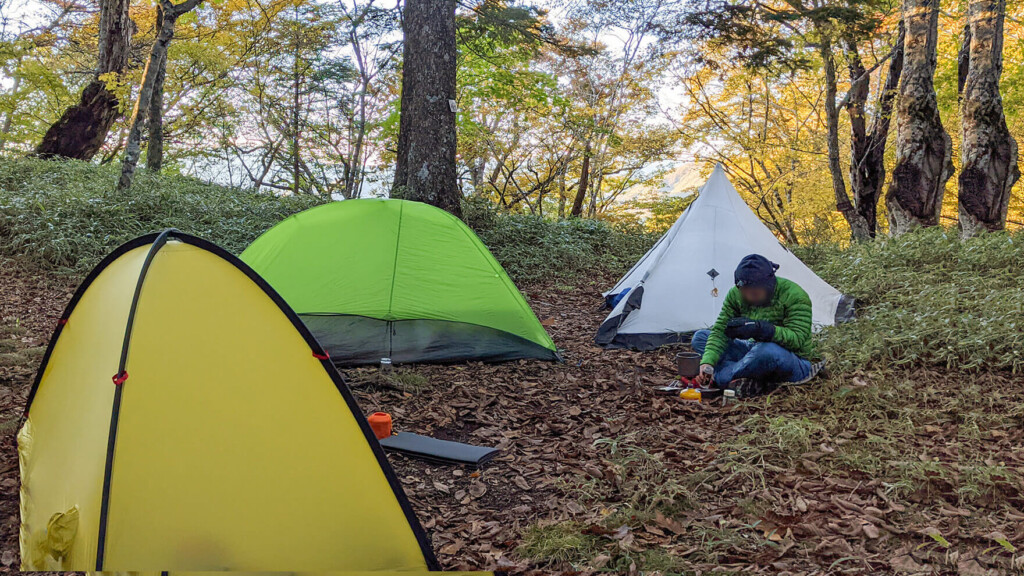
The path to finding the perfect tent for you begins with learning about the different types of lightweight shelters. Lightweight tents and shelters are not simply made of lighter materials. Lightweight shelters are achieved in a variety of ways by carefully considering where weight can be reduced depending on the purpose, activity, and field of use, and by reviewing the structure itself. First, let's consider the various types of lightweight shelters that have been created as a result of this, their strengths and weaknesses, and the situations in which they are suitable
Non-freestanding/single wall type
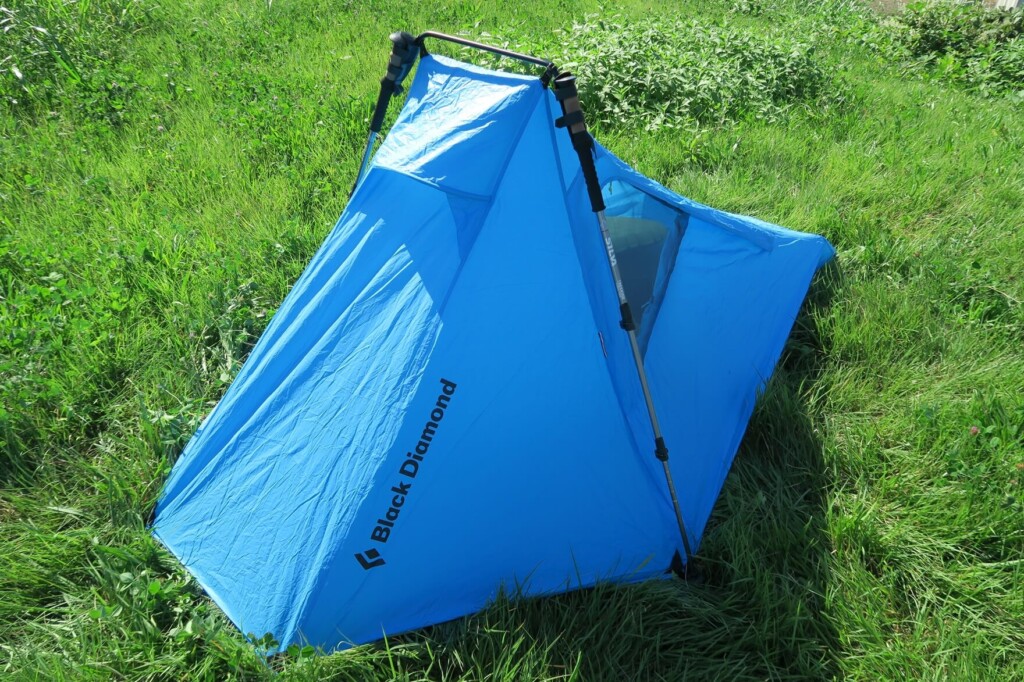
First, we will introduce a type of shelter that is particularly well-balanced among today's lightweight shelters and is easy to transition from (and handle) traditional mountain tents
The non-freestanding single-wall type is a shelter that consists of a single layer of walls, a floor, and a tent made of posts. By applying tension, pegs are dropped down around the tent, which supports the posts and raises the walls, creating a three-dimensional structure.
These shelters only have a single layer of wall, making them much lighter than double-wall tents, which have separate walls for the fly and inner layer. Furthermore, in many cases, the tent poles are replaced with adjustable trekking poles, which results in dramatically lighter and more compact luggage
Furthermore, by using high-performance materials that are lightweight yet durable, and the basic structure is similar to that of traditional mountain tents, it is reasonably weather-resistant, and since it also has a floor, it provides a certain degree of protection and comfort
However, ventilation and condensation can be major issues, so care should be taken in humid environments or cold seasons. If you choose this type, you should consider a model with good ventilation measures
Freestanding/single wall type
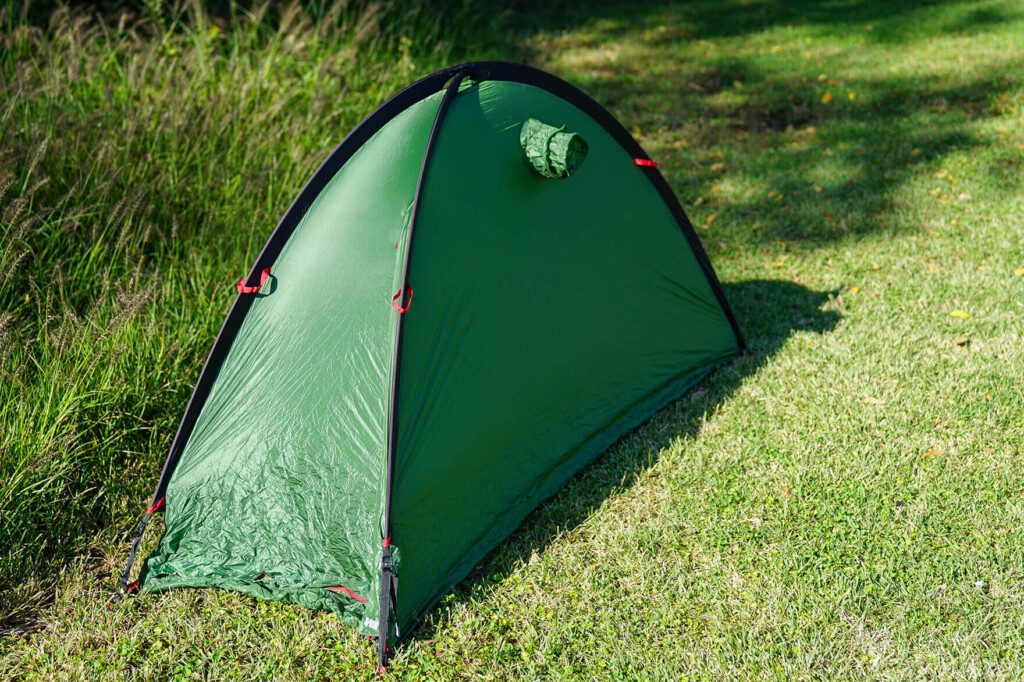
Another type that may be familiar to Japanese people is the freestanding single-wall type . This type is also made of a single layer of lightweight, high-performance material and has a floor, just like the above type, but the difference is that the tent is made to stand on its own using special poles . In other words, if you just want to set it up, you don't even need to peg it down. However, if it does get blown away by the wind, you can't complain, so at least some pegging down is essential.
In Japan's mountains, there are many environments that make it difficult to set up a tent, such as hard rock areas where pegs cannot be inserted or narrow tent sites where guy lines cannot be put up, so the easy-to-set-up freestanding type offers a sense of security that non-freestanding types do not
However, when it comes to reducing weight, the support pillars cannot be omitted, so the building cannot be made extremely light or have a large living space, which is a drawback
Floorless type (pyramid shelter)
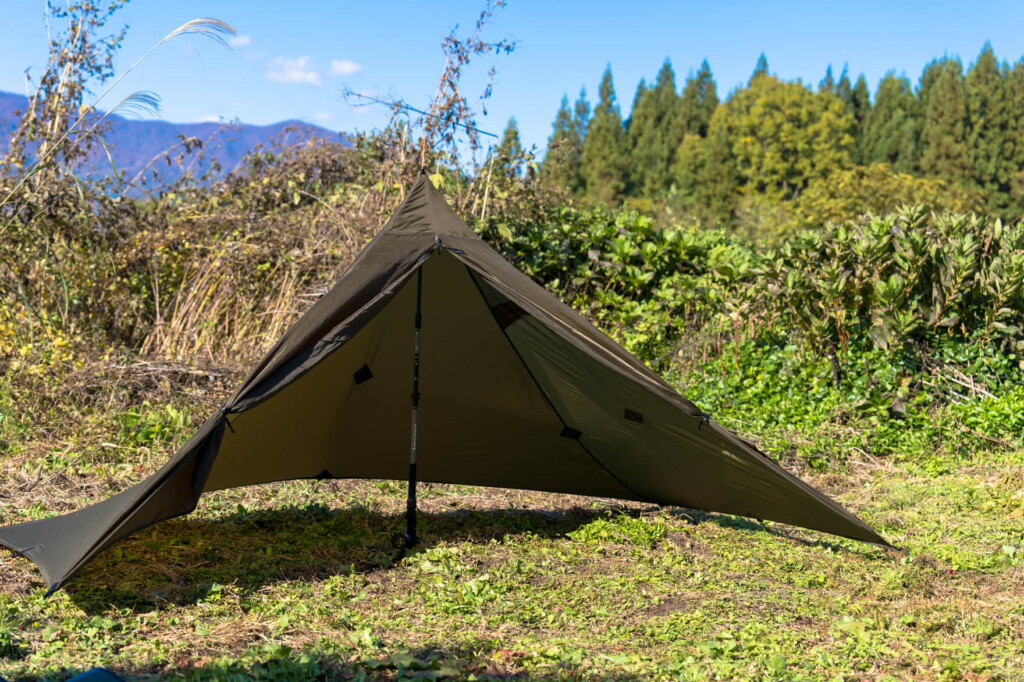
This is where things start to get a little hard to believe for people who are used to regular tents, but this type is even lighter than the two types mentioned above. You can think of it as a non-freestanding, single-wall type without the floor. At this point, it's more like a tarp or a roof than a tent
The mechanism is similar: trekking poles are placed atop a single layer of waterproof fabric, then pegged down to apply tension to support the poles. As you might expect, this type offers the most extreme lightweight design, allowing you to create a living space using just a piece of fabric that compresses to the size of a fist. Even when made large enough for two people to sleep in, the weight gain is not noticeable, so the benefit of this type is that it achieves both lightweight and spacious living space. Many people find it comfortable once they get used to it, as they don't even need to take their shoes off to enter the tent. Furthermore, during snowy seasons, it's not impossible to set up a comfortable base camp by digging out snow from the floor and creating a kitchen, chairs, etc
On the other hand, you should be aware that your comfort level will vary greatly depending on the condition of the ground. It's no good sleeping on extremely uneven ground, muddy ground from rain, or a path for accumulated rainwater. You also won't be able to prevent the wind blowing through the gaps between the ground and the tent, or the cold air coming from the ground, so you'll need to be extra careful about keeping warm
Furthermore, these shelters are often "modular" so that options such as insect-proof mesh and flooring can be added, making this customizability a welcome feature
Tent type
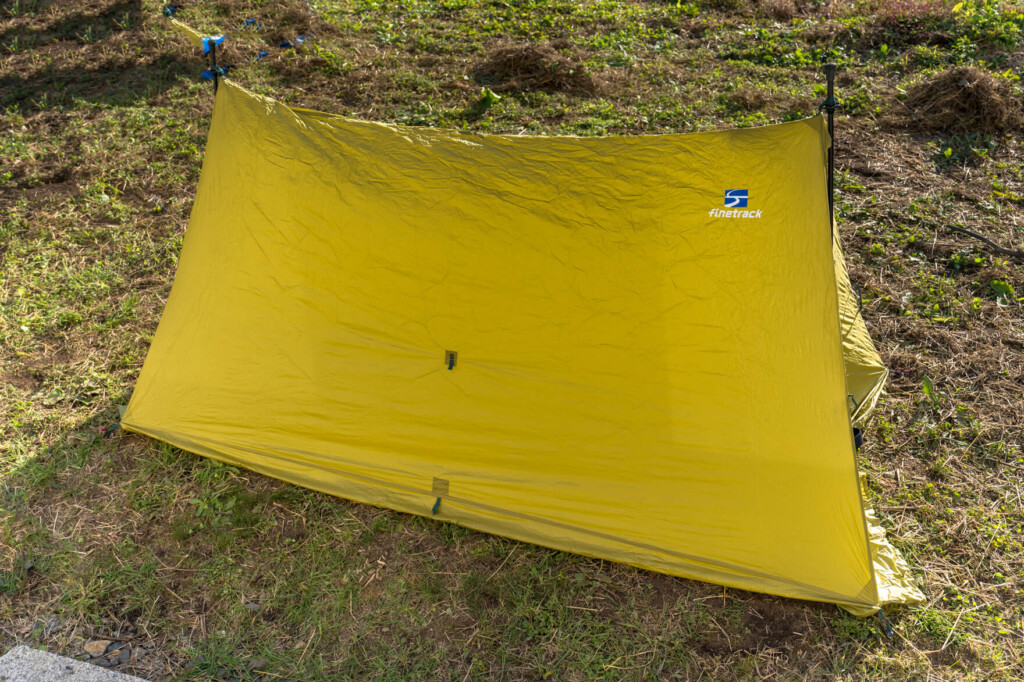
The word "zelt" is originally an abbreviation of the German word "zeltsack," which means "tent," but in Japan it has a history as a unique emergency shelter made in case of any accidents that may occur while mountain climbing
Its defining feature is its extremely small and lightweight design, as it is intended to be carried solely for emergencies. The ultralight hiking style proactively reconsiders this characteristic and takes advantage of its lightness to create a comfortable shelter. For example, you can prop up both ends with trekking poles, tie it to a tree or other object with a rope threaded through the ventilators on both sides, lay it on its side to use as an open tarp, use it as a sheet to cover the entrance to a snow cave, or even just wrap yourself in it. Its highly versatile design allows for flexible use in a variety of emergencies
However, given its purpose, there are limits to comfort and durability, no matter how well it is set up
(Reference) Tarp
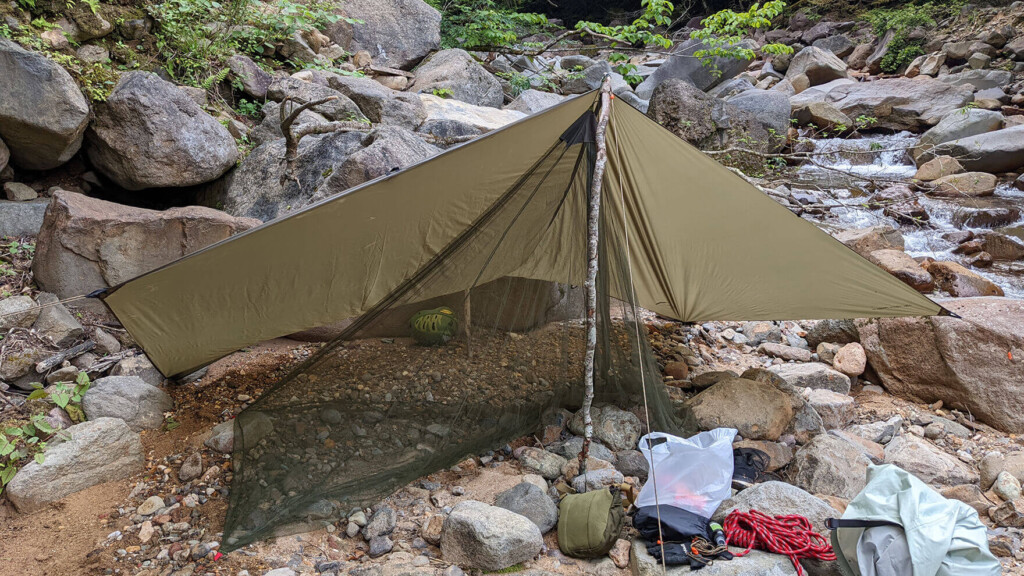
Flat tarps, which are commonly seen at campsites, are a popular choice for experienced hikers because they are simple and can provide the necessary weather protection with a little ingenuity. Some experts even use tarps all year round
| kinds | Tent type | Floorless type | Freestanding/single wall type | Non-freestanding/single wall type | Double-wall type (typical mountain tent) |
|---|---|---|---|---|---|
| weight | ★★★★★ | ★★★★ | ★★ | ★★★ | ★ |
| Weather resistance | ★★ | ★★★★ | ★★★★ | ★★★★ | ★★★★★ |
| Cold protection | ★★ | ★★★ | ★★★★ | ★★★★ | ★★★★★ |
| Living Comfort | ★★★ | ★★★★ | ★★★ | ★★★★ | ★★★★★ |
| Ease of setup | ★★★ | ★★★★ | ★★★★ | ★★★ | ★★★ |
| Condensation resistance | ★★★ | ★★★★ | ★★ | ★★★ | ★★★★ |
| Strong Points |
|
|
|
|
|
| Cons |
|
|
|
|
|
| Suitable for various occasions and styles |
|
|
|
|
|
Point 2: Size ~The benefits of using a two-seater even when you're solo~

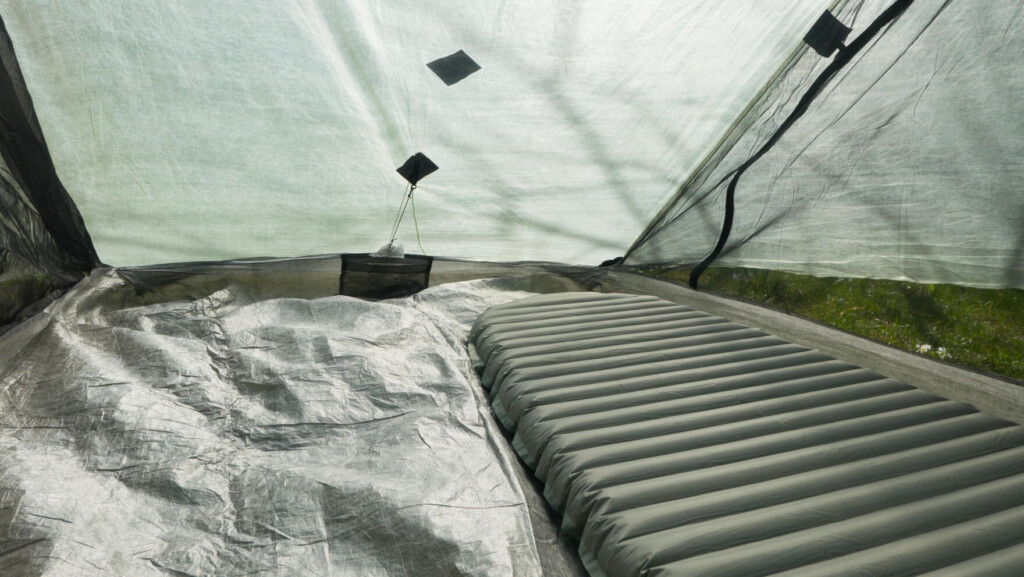
If one person lives in a two-person room, there is still plenty of space even with an L-size mattress
In the world of lightweight shelters, it's not at all unnatural for a solo hiker to use a two-person shelter
One reason for this is that, unlike mountain tents from major brands that are made for a wide range of users, the world of lightweight shelters is crowded with a wide variety of models from unique and eccentric manufacturers, and the reality is that tent sizes vary greatly depending on the manufacturer and model
Another reason is that with lightweight shelters, the only component is fabric, so increasing the size from one person to two only adds a few tens of grams to the weight.However, the sleeping space is significantly larger, and there are two entrances and exits, which increases convenience, so the benefits of making it for two people outweigh the disadvantages of the increased weight
Of course, there are cases where you are looking for the lightest possible tent, or where a model is spacious enough for one person, and in those cases a one-person tent will suffice. Similarly, if you keep in mind that a three-person shelter is also a viable option even when two people are planning to use it, you won't regret buying one and thinking, "It's so cramped!?"
Point 3: Weight – Think in terms of weight per unit of space –
For this review, we looked at over 200 models of tents (solo to two-person sizes) currently on the market, and found that the weight of lightweight tents and shelters for solo to two-person use ranges from roughly 100 grams to 1 kilogram, with the median weight being around 500 grams. Considering that a typical mountain tent weighs between 1 and 2.5 kilograms, you can imagine just how light a lightweight shelter is
However, you need to be careful when considering whether each lightweight shelter model is truly "light." No matter how light it is on the specs, if it's more cramped than you expected or doesn't provide enough protection, it won't be meaningful to you. To do this, it's effective to look at the "weight per unit area" rather than simply comparing the weight of the tents. By comparing how much weight the shelter requires to cover one square meter of space, you can make a relatively fair comparison of the weights of tents of different sizes and materials
For example, among the shelters we surveyed, the floorless, non-freestanding shelter (LOCUS GEAR Hapi DCF-B) had a weight per unit area of 71.4 g/m², while the heaviest tent was a particularly sturdy freestanding double-wall tent (HILLEBERG Souro) at 1,200 g/m². This is a difference of roughly 16 times between tents. Of course, this also depends on the quality, such as the durability of the materials, as well as the size, so a small value doesn't necessarily mean everything. However, if the models have the durability you require, comparing this value will allow you to compare the actual weight of the tents, so it's worth keeping in mind
Point 4: The best materials and fabrics for tents
Lightweight shelters are both light and strong, so most models use high-performance fabrics that are "thin and strong," even though they are expensive. Furthermore, there are also certain requirements specific to tents, such as "fabric that does not sag easily even when wet" and "resistance to deterioration over time." Here we will introduce four main fabrics and materials that are currently used in many lightweight shelters to meet these demands
Polyurethane coated ripstop nylon
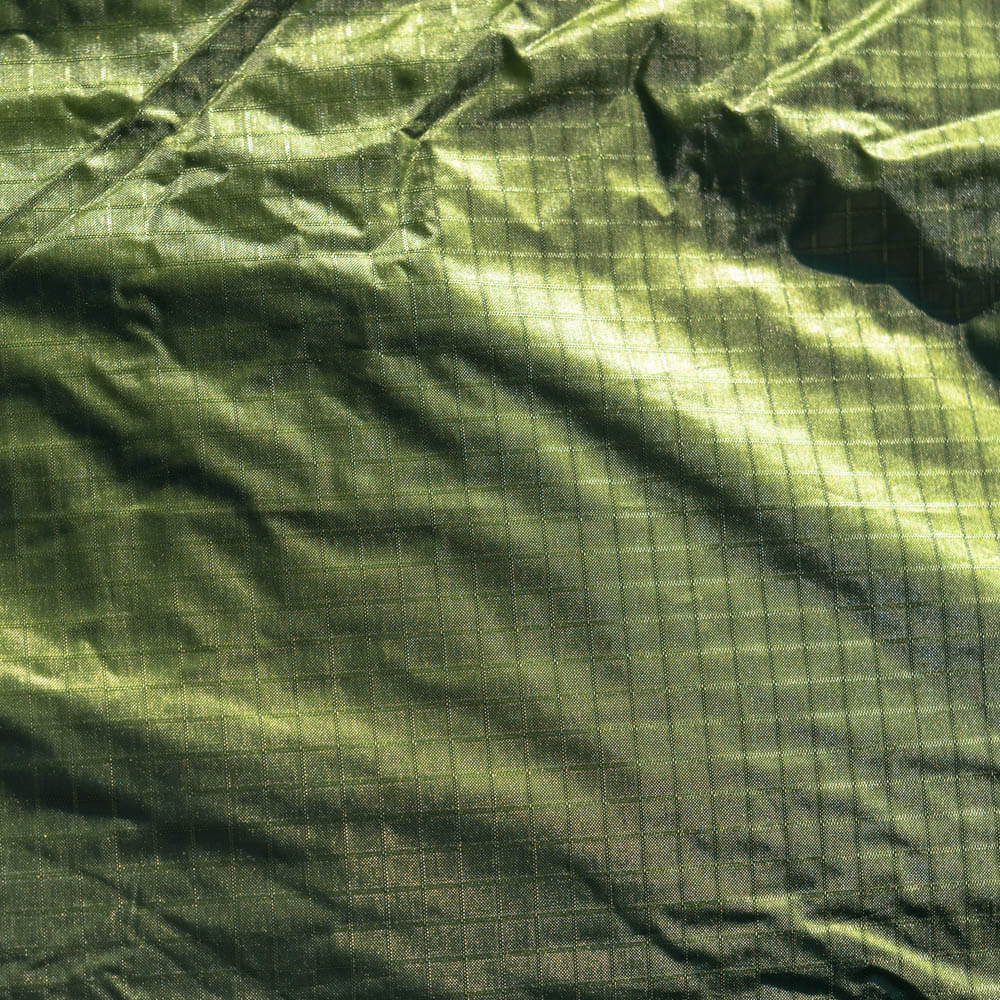
Silnylon

Silpoli
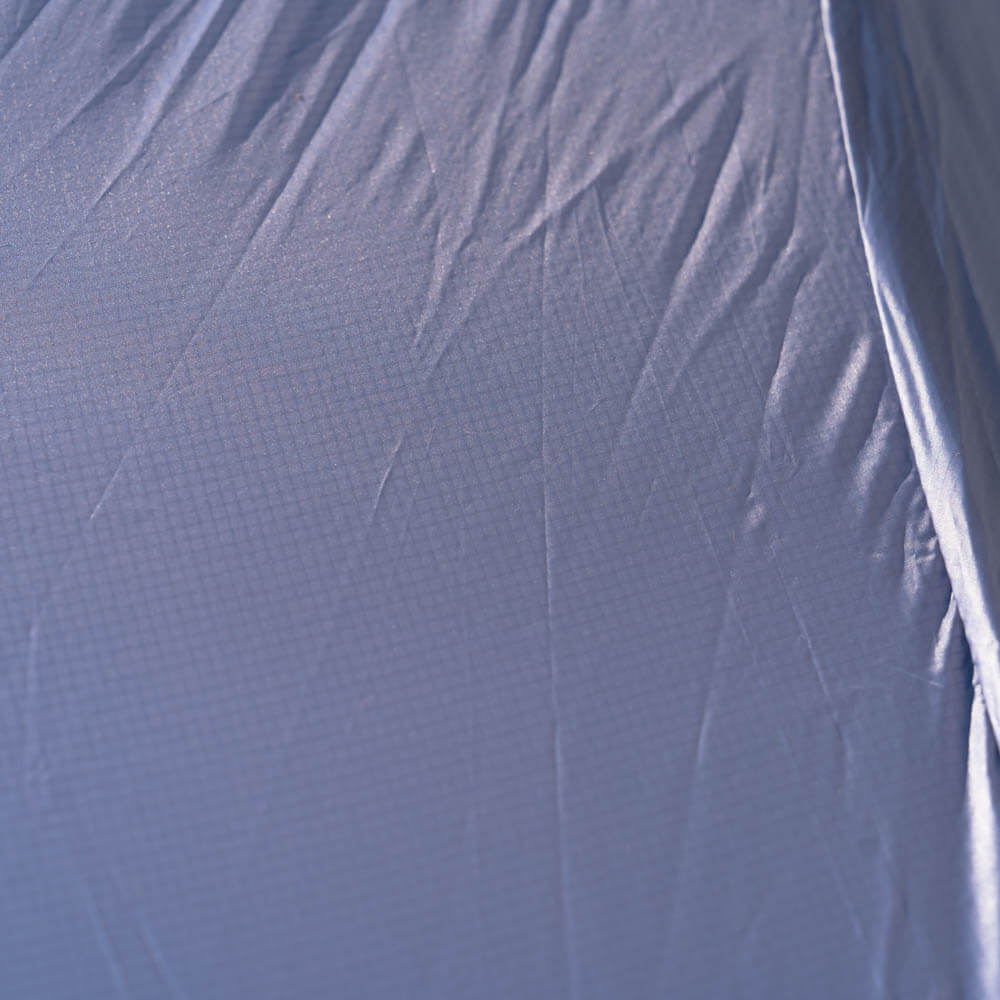
Both Silnylon and Silpoly are available in models that use a "SIL/PU coated" fabric, which has a silicone coating on the front and a PU coating on the back. The appeal of this fabric is that it balances the advantages of both coatings, making the tent easier to use, with the silicone on the front providing high water repellency and the PU coating on the back allowing for seam tape to be applied
Dyneema Composite Fabric (DCF, also known as Cuben Fiber)
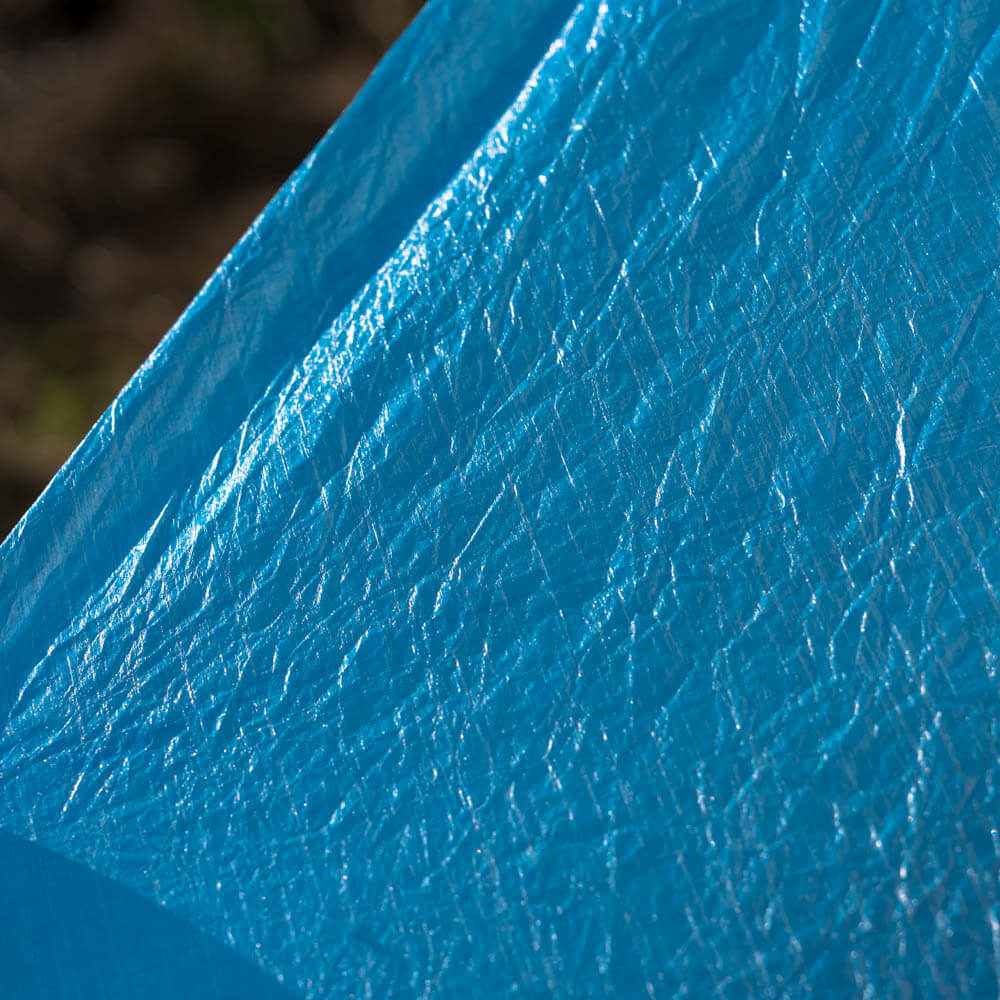
The quality of the fabrics actually used in each model of each manufacturer varies greatly depending on the manufacturer and specifications, so it is difficult to say which model's fabric is the best.Recently, the popular fabric trend seems to be shifting from Silnylon to Silpoly
Point 5: Small points to keep in mind when using lightweight tents and shelters
Things to keep in mind when using trekking poles
Many types of lightweight shelters do not require poles, and are designed so that trekking poles of the appropriate length can be used as poles when setting up. If you are lucky enough to have poles of the right length, there will be no problem, but from experience, some tents have specific requirements, such as length. If you end up at a tent site without realizing this, it will be a serious situation, so it is important to be careful
It's not the right length
Fixed length models, such as racing poles, cannot be adjusted to the correct length for your shelter, so if you plan to use poles in a lightweight shelter, make sure you get adjustable trekking poles rather than fixed lengths
Not long enough
I usually have poles that can be adjusted up to 125cm, but one time I bought a lightweight shelter made overseas that required poles that were 52 inches (132cm) long. I don't think this is a rare case, but when choosing a pole-supported tent, don't forget to check the optimal length for the poles you'll be using
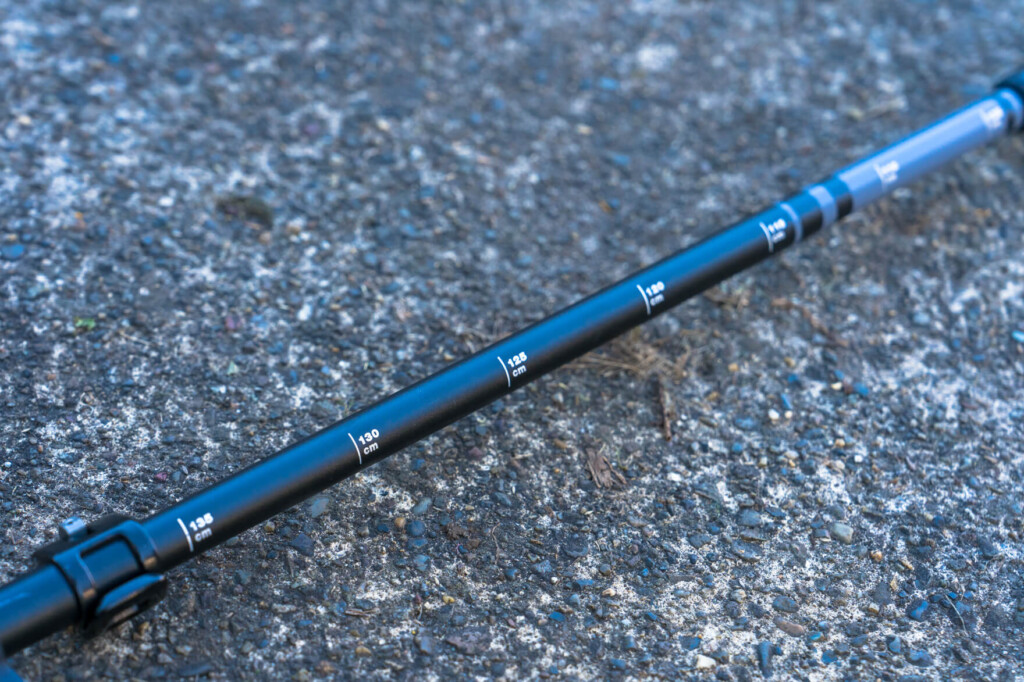
Not short enough
This may also be a rare case, but I came across a tent that uses one of the two poles as a support, one 125cm long and the other 60cm long. In this case, 60cm is roughly the length when the telescoping pole is stored, and with a folding pole, it is only about 40cm long when folded, so it doesn't quite fit at 60cm. As you can see, lightweight shelters are often unique tents with a variety of ingenious features, so when checking them out, be sure to check that not only the longest size but also the shortest size is correct.
Pegs and guylines
Pegs and guy lines are almost essential equipment for safely setting up a lightweight shelter, but lightweight tents and shelters don't always come with enough guy lines and pegs (and in some cases they are sold separately). In those cases, you'll need to purchase each separately. First of all, regarding pegs, some extremely cheap models are only designed for pitching on nearby grass, and disappointingly, the pegs don't stick well into the ground on uneven backcountry terrain and bend easily if hammered in too hard
On the other hand, high-quality tent pegs come in a variety of shapes, sizes, and weights. Among these, lightweight and durable pegs made of titanium and other materials are popular among hikers who care about every gram, but there are also aluminum models that are light enough that they don't matter, yet are strong enough, so titanium isn't necessarily the only good choice. Personally, I think shape is more important, and pegs of different shapes work well on some grounds and some poorly on others. The characteristics of each typical type are listed below
Y (or cross) shape
It offers excellent grip on all terrain, is durable and doesn't bend easily. However, it's not the lightest
V-shaped
This type has excellent grip on soft ground such as grass, sand, and snow. However, be careful as it can easily bend if you hammer it hard into hard ground or rock
Hook/nail type
This type can be made much lighter than the Y- and V-shaped types. Because it is thin, it is easy to penetrate hard ground with rocks. On the other hand, a thin diameter means it has weaker holding power and is more likely to bend
Ideally, you would have pegs that are suited to the ground at your planned tent site, but if this is not possible, it is recommended that you have a mix of main pegs and other types on hand, as this will allow you to adapt flexibly to any terrain
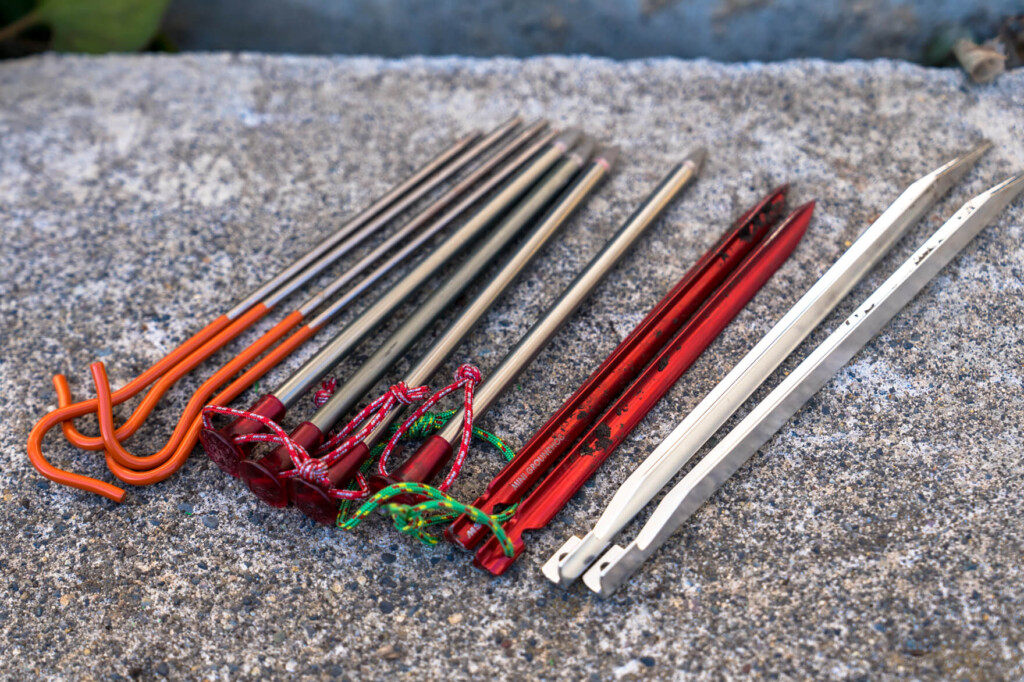
Examples of peg types. From the right: V-shaped, Y-shaped, nail-shaped, and hook-shaped
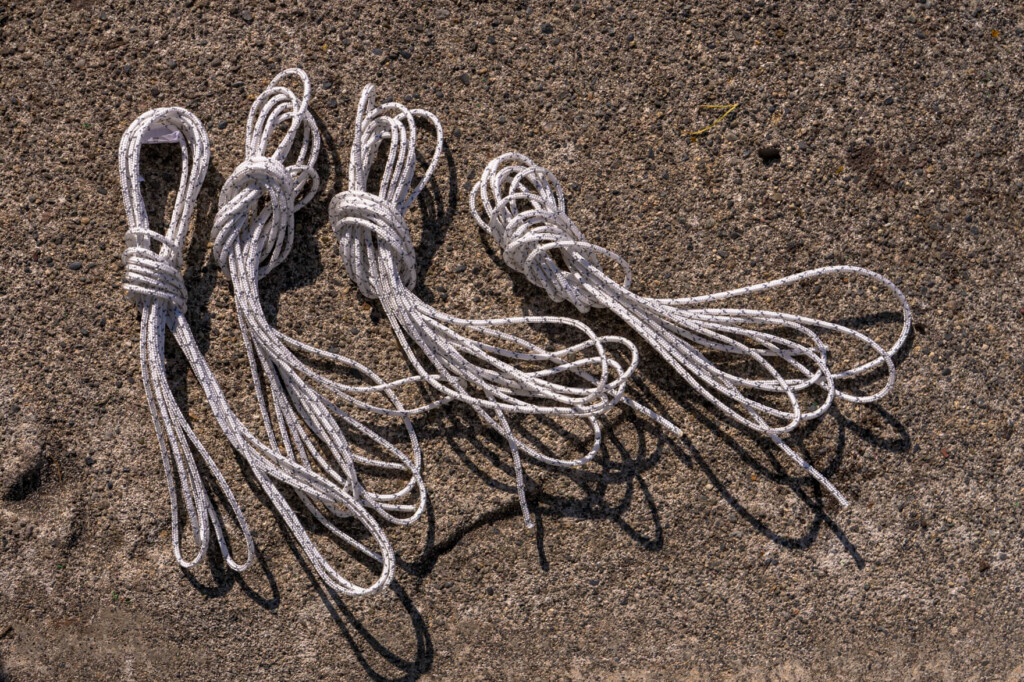
Guy lines may be included with tents, but they often only come with the bare minimum, so it's important to prepare extra ones yourself to make the tent more sturdy. They're also useful for extending the length and wrapping the guy lines around rocks in cases where the pegs won't go in. You can cut extra guy lines in advance, but it's also a good idea to carry around about 10 meters of 2mm thick nylon or Dyneema thin cord, or paracord, so that you can cut the required length on the spot just in case
Footprint
A footprint is a sheet that is about the same size as the tent floor, and is placed under the tent to protect the floor from pebbles and water (see photo below). In the case of regular mountain tents, the bottom material is made thicker, so it's not really necessary, but in the case of lightweight shelters, the floor fabric is quite thin, so if you were to ask me whether it's necessary or not, I'd say it's an essential part. If you don't have a footprint, there's no excuse if you accidentally make a hole in the bottom of your tent
Lightweight tents usually require footprints to be purchased separately and prepared by the user. While some manufacturers offer them as genuine options, it seems inefficient to have to purchase a footprint for each tent. It's not a particularly complicated tool, so it's worth making one yourself. A cheaper and lighter option is to purchase fabrics like soft Tyvek, protective sheeting called "No-Poly" (agricultural poly) sold at local hardware stores, or even Polycryo, popular in the UL community in the United States (though difficult to obtain in Japan), and then cut it to your desired size to create an ultra-lightweight groundsheet. Many hikers in Japan and the United States have tried making one and posted instructions online, so you won't have any trouble making one
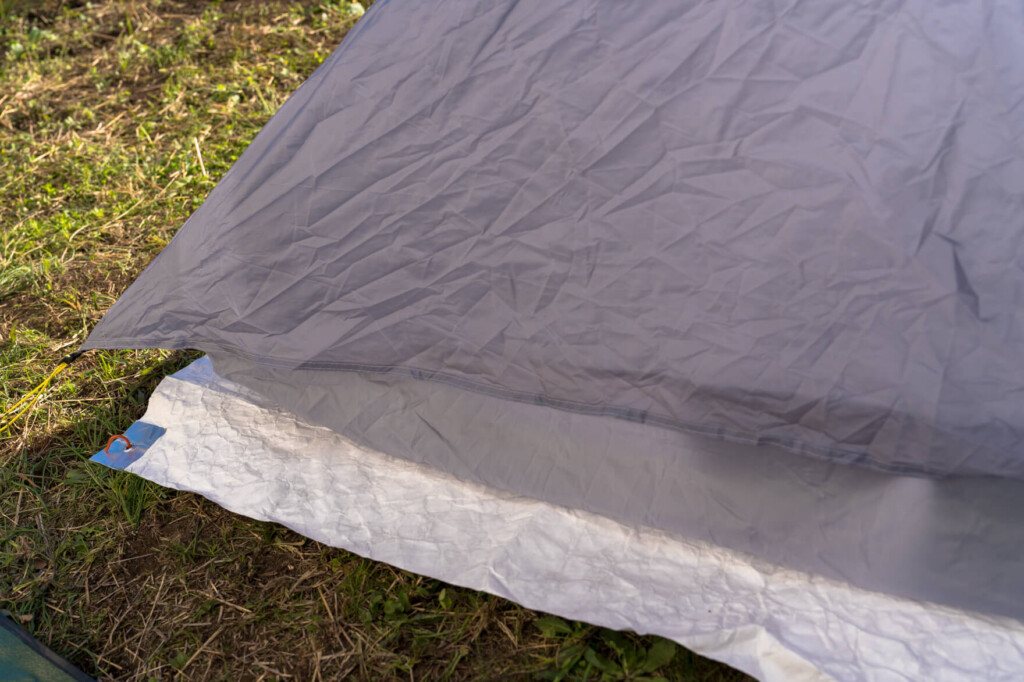
Tyvek is commonly used in construction materials and chemical protective clothing, so it's relatively easy to obtain. You can easily make your own footprint by cutting it yourself
Condensation and ventilation
Condensation is a problem that plagues most lightweight shelters
Condensation occurs when the inside of a tent cools down as the temperature drops at night, causing the water vapor in the air to become saturated and forming droplets on the inside walls of the tent. This is similar to the droplets that form on the inside of a glass window in winter or on the outside of a cold beer glass in summer
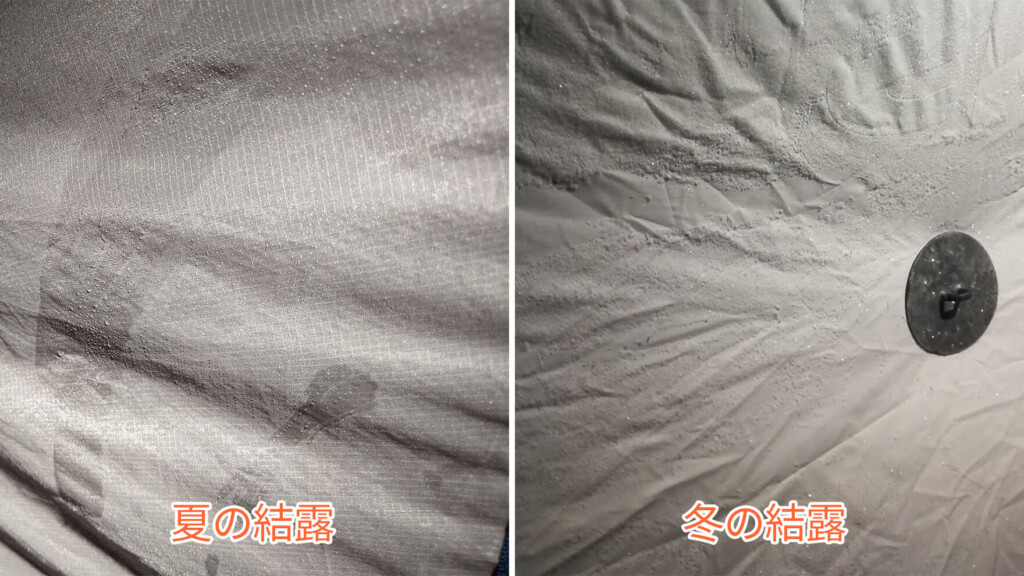
To prevent condensation, choose a tent with as much breathability as possible, and consider the wind direction when setting up the tent so that as much air as possible can pass through. In that sense, tarps and floorless shelters are designed to be relatively resistant to condensation, while sealed single-wall shelters are considered to be the most susceptible to condensation. However, in any case, condensation is unavoidable in situations where there is a large difference in temperature and humidity between the inside and outside
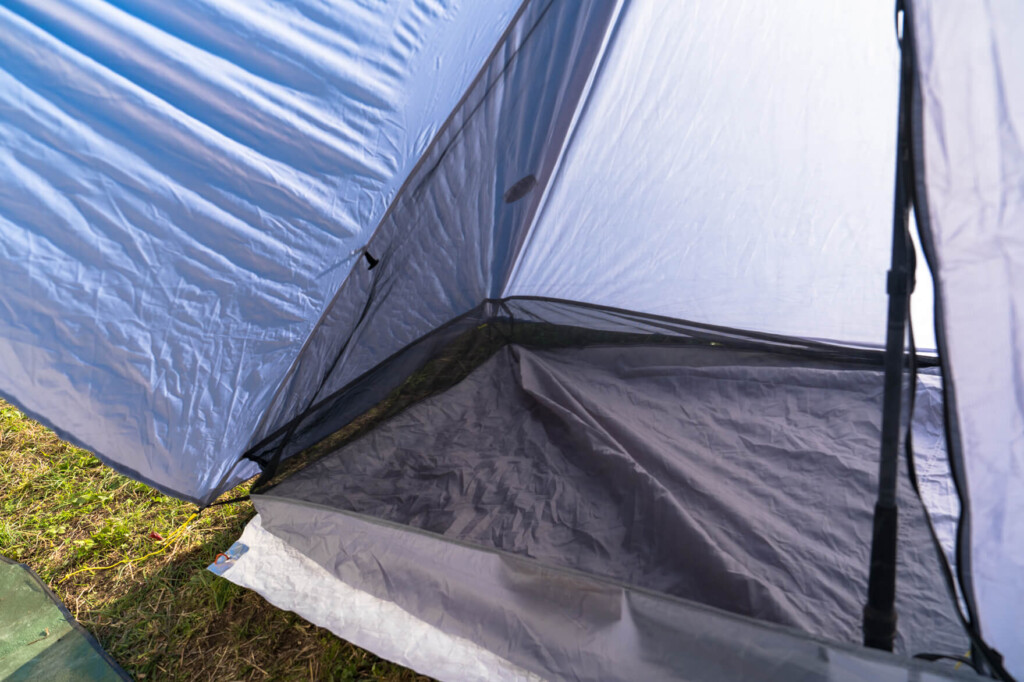
Double-walled tents, which are common among mountain tents, have the advantage that condensation occurs on the rain fly rather than the inner tent, making it less likely to cause damage.However, single-walled tents, which are common among lightweight shelters, allow condensed water droplets to fall on your sleeping bag or head, making them more likely to cause direct damage
If condensation is a concern, you'll need to keep towels on hand and make an effort to wipe down the interior walls frequently, but it won't kill you if you just accept it as a price you have to pay to keep your gear light
summary
Lightweight shelters are one of the more challenging items of mountaineering gear, not only because of their price but also because of the impact of a failed attempt, so I hope this article will be of some help. However, even if you decide to buy one, it takes a lot of courage to actually use it on an actual hike from the start. In such cases, the best thing to do is to try it out for a night in warm weather down below. Once you get used to it, you'll be pleased with the significant effect it has on making your luggage lighter and smaller than anything else. Once you take that big step, a new world of mountaineering awaits, where you'll be able to enjoy the mountains in your own style, without being bound by established equipment or walking styles
Related reading