



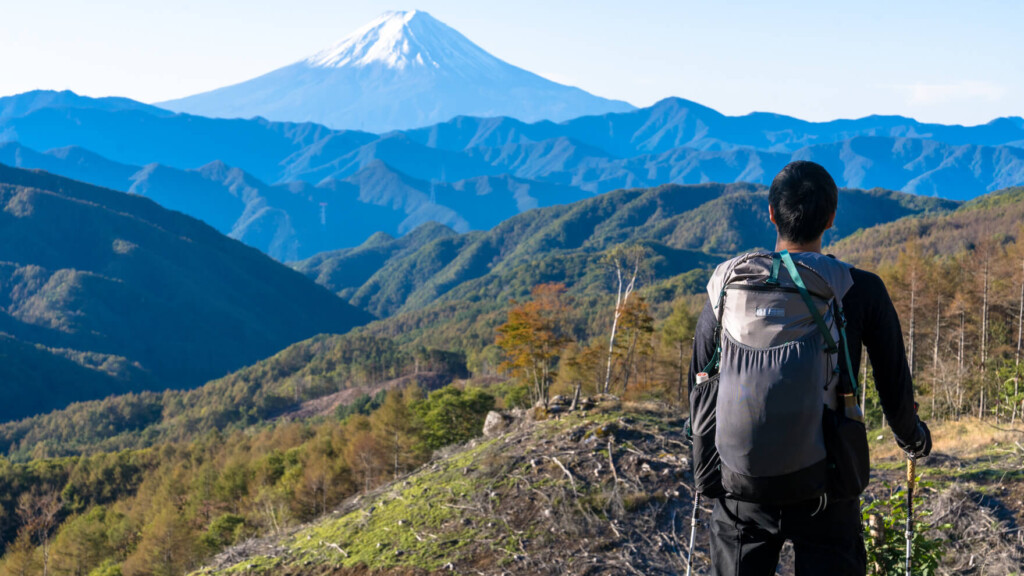
The best ultralight backpacks for those who want to enjoy the mountains as freely as possible, and tips on how to choose one that won't leave you regretting it

Written by Yasushi Hisatomi
A companion for those who want to enjoy the mountains more lightly and who want to face nature more purely
The concept of "ultralight (UL) backpacking," which involves cutting weight to the bare minimum and walking lightly, has become firmly established as a new way of enjoying mountain climbing in the 21st century
There are various reasons why people choose UL, but one is of course the practical aspect of "the lighter your luggage, the faster, longer and easier you can walk" (although in reality it's not that simple). Another undeniable attraction is the ideological purity that comes from stripping away your luggage - "face nature with only what you really need, the essentials."
In any case, there are now fewer people walking with ridiculously large packs weighing over 20 kilograms, as was the case 20 years ago when I first started hiking. Long-distance hikes with lightweight, compact packs are becoming the new normal
This time, we've selected the best models of "ultralight backpacks," backpacks suitable for hiking with minimal equipment. For the past eight years since the launch of this site, we've been diligently comparing backpacks from indie brands to the latest backpacks from major manufacturers. We're now pleased to share the results of our research. The backpacks introduced below are all models that offer the ultimate appeal for enjoying lighter, more active mountain trips. This time, we've selected backpacks with a capacity of around 40 liters, suitable not only for day trips but also for hikes with a tent for two or more nights
In the second half of the article, I will use my experience to summarize some points to pay particular attention to when choosing an ultralight backpack for the first time. Ultralight backpacks can be difficult to test, but I hope this will help you find the perfect model without making any mistakes

table of contents
This season's best and most noteworthy ultralight backpacks
Best All-Round (Overall) Category
Because of their radical concepts, UL backpacks tend to be edgy models with a single breakthrough feature. However, the All-Round category selects backpacks that offer a high level of functionality and performance that is well-balanced and required of this type of backpack
From signature models from long-established brands that have been supported by enthusiastic fans for many years since the dawn of ultralight, to new wave models equipped with the latest materials and trendy features, these are excellent models that combine exceptional lightness, comfortable carrying, convenience, and sophisticated style, and all of them are loved by a wide range of people, from beginners to veterans
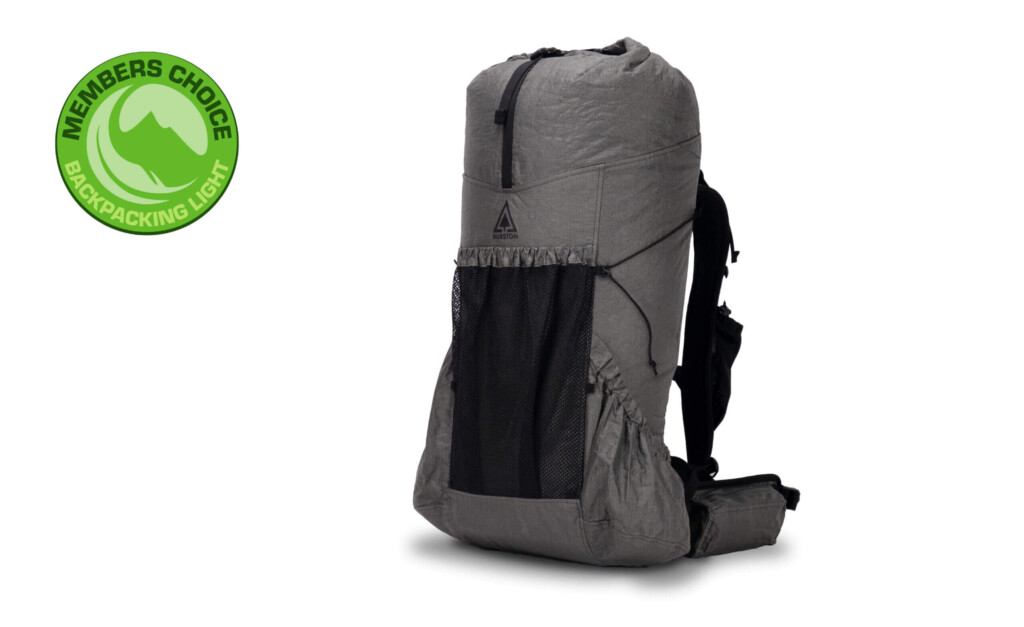
Durston Kakwa 40 (approx. 775g, removable parts, 40 + 15L external storage)
Favorite points
- With proper weight positioning and outstanding stability, it's surprisingly comfortable to wear for a lightweight backpack
- Higher load capacity than competing models
- Unbelievable lightness despite its premium comfort
- Lightweight yet extremely durable and water-resistant "Ultra Fabric"
- Dual-strap reverse-pull hip belt for easy tightening and a comfortable fit
- Side pocket with zipper pocket for ample storage and easy access
- Elastic shoulder strap pocket
- Reasonable price
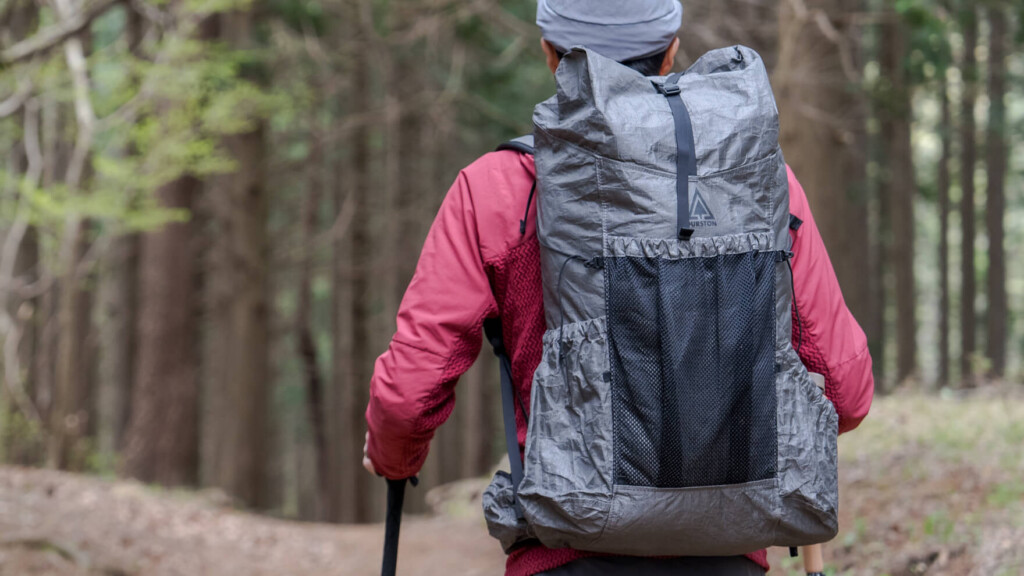
Zpacks Arc Haul Ultra 50L (approx. 800g, detachable parts, 50L)
Favorite points
- Ultra-lightweight despite being 50 litres
- Spacious back panel for breathability and comfort
- High load stability and adjustable length suspension
- Lightweight yet durable "Ultra Fabric"
- Dual-strap reverse pull hip belt with finely adjustable tightness for a comfortable fit
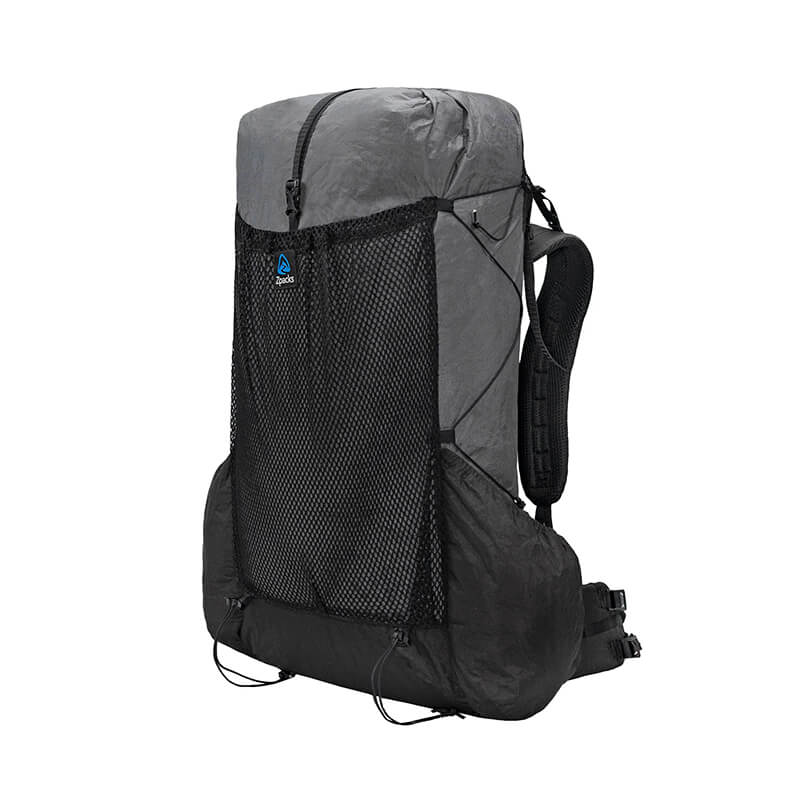
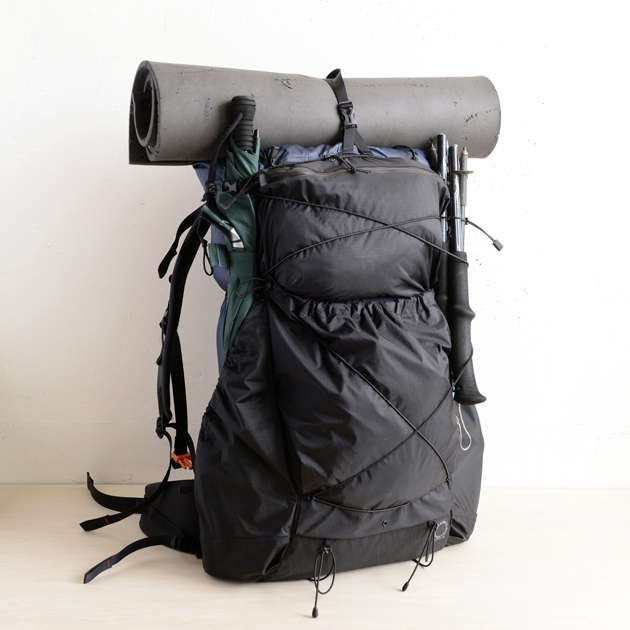
Yama to Michi ONE (approx. 600g, customizable, 50-55L)
Favorite points
- The carbon frame on the back and the stabilizer on the waist make the backpack easy to carry and provide an extremely stable center of gravity
- Convenient storage options include a waterproof zippered front pocket, a large front pocket, side pockets for easy access to bottles, and general-purpose bungee cords in various locations
- Customization is possible, allowing you to freely order sizes, fabrics, and colors (however, this comes at a cost and takes time to deliver)

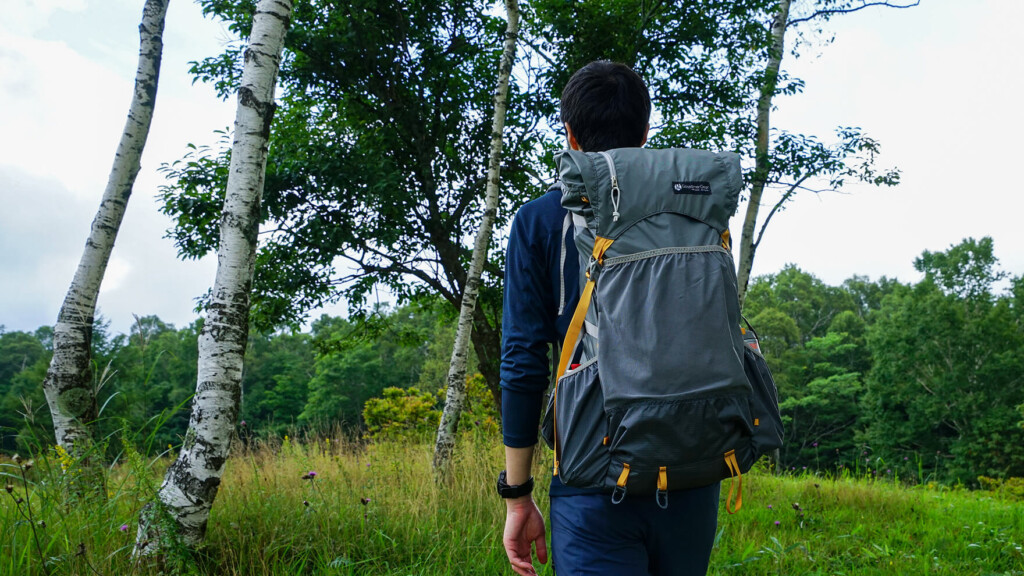
Gossamer Gear Gorilla 50 (approx. 800g, detachable parts, 50L)
Favorite points
- Aluminum frame rear suspension that fits your back and firmly places weight on your waist
- Supportive shoulder and hip belts with ample cushioning
- Side and front stretch pockets for ample storage
- The frame, back pad, and hip belt can be removed depending on the amount of luggage, allowing for detailed customization depending on the situation
Best Beginners Category
UL backpacks were typically made by hand to order or in extremely small batches, but over the past five years or so, major outdoor manufacturers have begun developing and producing them, unable to ignore their growing popularity. Now, even the world's leading backpack manufacturers are carrying ultralight backpacks, and ultralight backpacks, which were previously only available to a select few enthusiasts, are finally opening up to the average hiker
A common feature of backpacks made by these major outdoor manufacturers can be summed up simply as being beginner-friendly (for better or worse). In recent years, new models have been released one after another, and the market has suddenly become more lively. We will introduce three beginner-friendly models that are also of excellent overall quality
First of all, in terms of weight, none of them are surprisingly light. However, instead, they are appealing in their comprehensive features that won't leave beginners behind, such as a back frame and panel structure based on traditional mountaineering backpacks that provides stability and breathability, lightweight yet durable high-performance fabrics, and a variety of storage options, demonstrating a high level of perfection in a different sense from the overall category. This backpack is perfect for hikers who have been using regular backpacks until now and are looking to transition to an ultralight backpack for the first time, and it is also suitable for those just starting out in the mountains, so it should be easy to adapt to this backpack
Osprey Exospro 55 (approx. 960 g, 55 L)

Favorite points
- Lightweight yet durable and load-bearing
- Highly breathable back with trampoline mesh
- Adjustable back length
- Highly adjustable size with removable straps and rain cover
- Similar in usability to a traditional backpack, with ample storage and external attachments
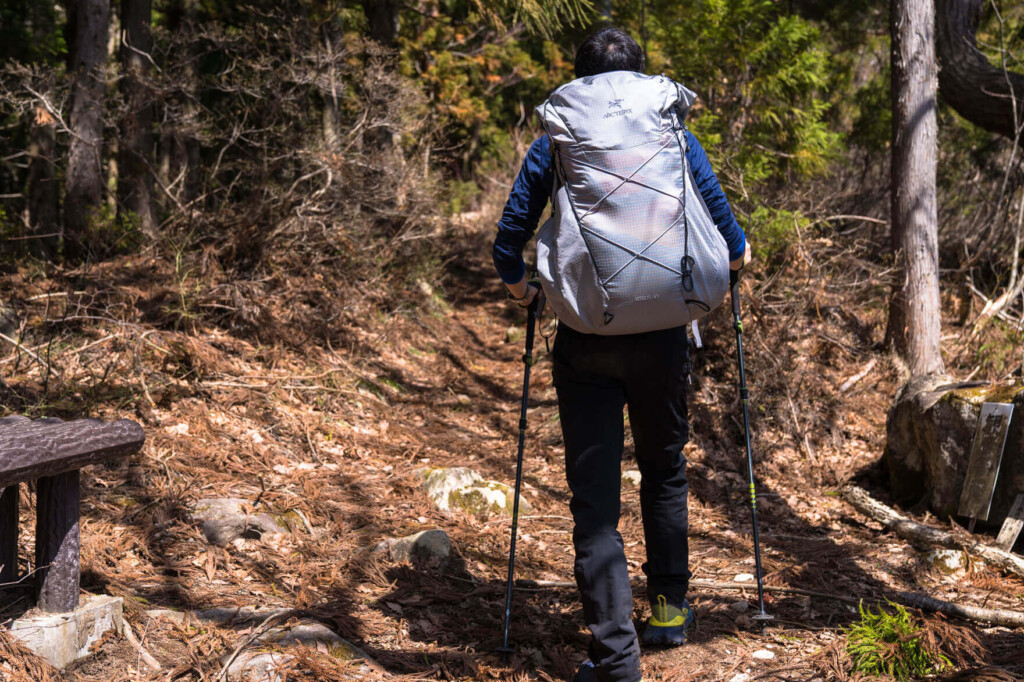
Arc'teryx Aerios 45 (approx. 1,090g, 45L)

Favorite points
- Lightweight yet durable
- Comfortable, shape-retaining and breathable back panel
- External attachments are made up of a minimum number of parts and allow for a variety of storage options depending on your ingenuity
deuter AIRCONTACT ULTRA 50+5 (approx. 1,210g, 50-55L)
Favorite points
- Lightweight yet very stable and extremely comfortable to carry (back padding that is both breathable and cushioned)
- Adjustable back length
- Ample storage and customizable side compression straps for versatile placement
- Durable enough for a UL backpack

Best Large Capacity (Toughness) Category
The UL backpacking culture spread among hikers in the United States who spend months walking long trails spanning thousands of kilometers. As its origins suggest, even if a backpack is light, it's pointless if it can't carry a large amount of luggage. Even while being light, it must offer solid load stability, cushioning to withstand gravity, and sufficient fabric and stitching strength. Here we introduce three ultra-lightweight models that are perfect for carrying heavy loads, allowing you to say, "With these, you can carry any load with peace of mind."
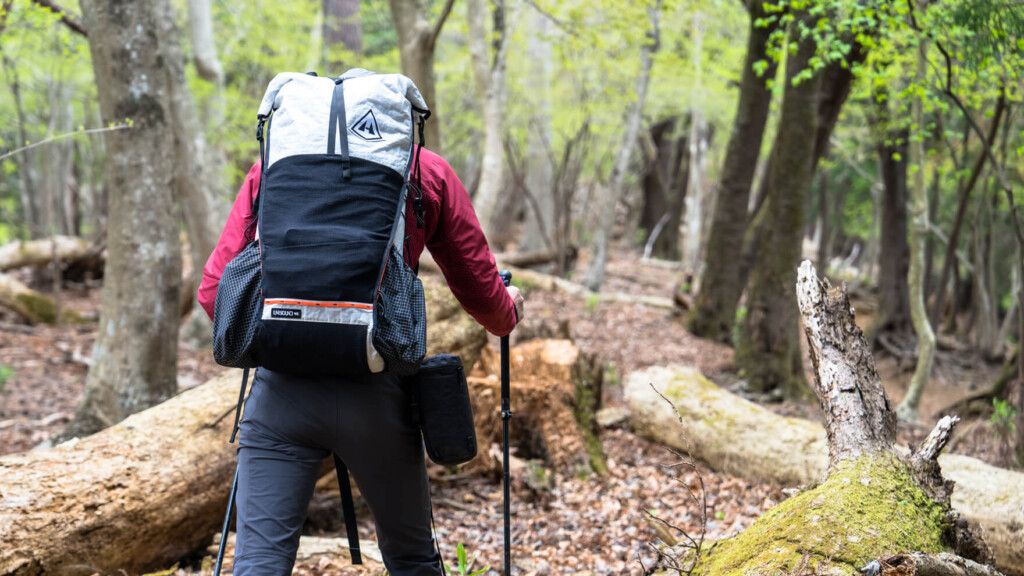
First up HYPERLITE MOUNTAIN GEAR , a brand that has been developing UL products using DCH (Dyneema Composite Hybrid), an ultra-lightweight, high-strength fabric that combines lightness, strength, and high waterproofness, since its early days. The lightweight yet strong DCH body, supported by lightweight yet highly rigid aluminum stays, provides complete stability even when fully loaded. Furthermore, the UNBOUND 40 , is equipped with a number of cutting-edge, comfortable, and convenient storage options, making it ideal for today's light through-hikes.
Like the Gorilla the Gossamer Gear Mariposa offers a high level of balance between weight and functionality, while maintaining its impressive construction and offering a large 60-liter capacity. While ULA Equipment may not be a familiar brand in Japan, it's a Utah-made brand that has been a favorite of hikers across the United States for many years. For the 2023 season, all of the standard models have been updated with the popular Ultra Fabric. While maintaining the stable and well-balanced feel, these packs are now even lighter and stronger.
HYPERLITE MOUNTAIN GEAR UNBOUND 40 (approx. 853g, 40L)
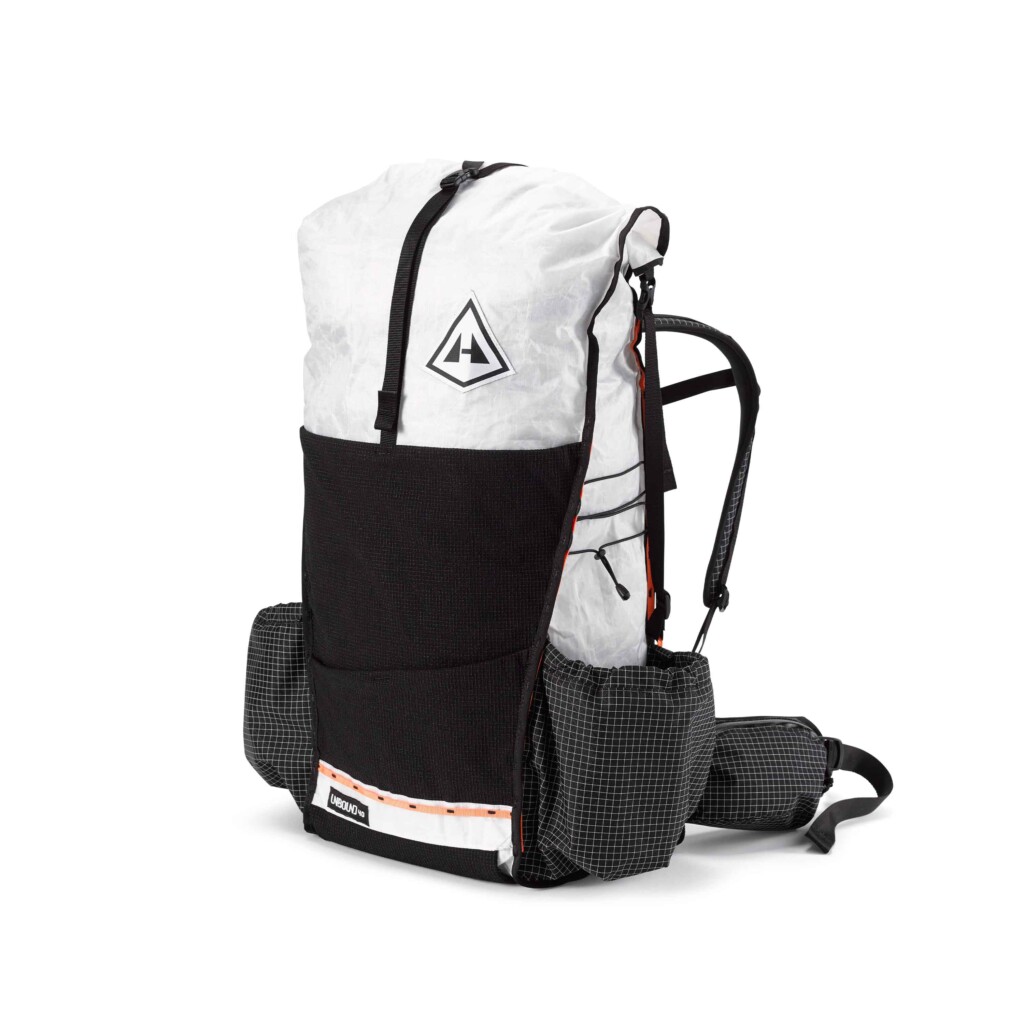
Favorite points
- Nominal 40 lb (approximately 18 kg) maximum load
- Dyneema stretch mesh front and bottom pockets
- Large capacity side and hip pockets
- A wide variety of highly customizable daisy chains
- DCF material body is lightweight, highly durable, and waterproof
- Fitted back panel and dual-strap reverse pull hip belt
Gossamer Gear Mariposa 60 (approx. 914g, 60L)

Favorite points
- The back structure combines excellent fit, stability, and cushioning, allowing it to withstand loads of over 15 kg
- Lightweight and durable fabrics and parts
- Spacious and easy to use, with highly convenient pockets and storage
ULA Equipment ULTRA CIRCUIT (approx. 958.2g, 68L)
Favorite points
- It weighs less than 1 kg despite being stable enough to withstand a 16 kg load and a large 68 liter capacity
- Ultra-lightweight yet durable "Ultra Fabric"
- Highly customizable, allowing for precise fitting of back length, shoulders, hips, etc. (Only available on the US online store)
- Plenty of pockets and attachments, both in quantity and quality
Best Speed Hike
The evolution of ultralight backpacks has been influenced not only by UL backpacking, as we've discussed so far, but also by activities like trail running. The need for "lightness" is the same in trail running. The two activities, which share the principles of lightness and freedom, have inspired each other and have evolved into the hybrid activity of tent hiking and trail running known in recent years as "fastpacking (fast hiking)."
Unlike traditional trail running packs, this pack does not have a waist belt and is worn between the back and chest, creating a vest-like design that allows for ease of movement while running. It is also designed to carry a certain amount of weight like a traditional mountaineering backpack, making it an ultra-lightweight backpack for fastpacking that combines the two features of being both "suitable for running" and "suitable for carrying." Here we introduce an excellent model of this type
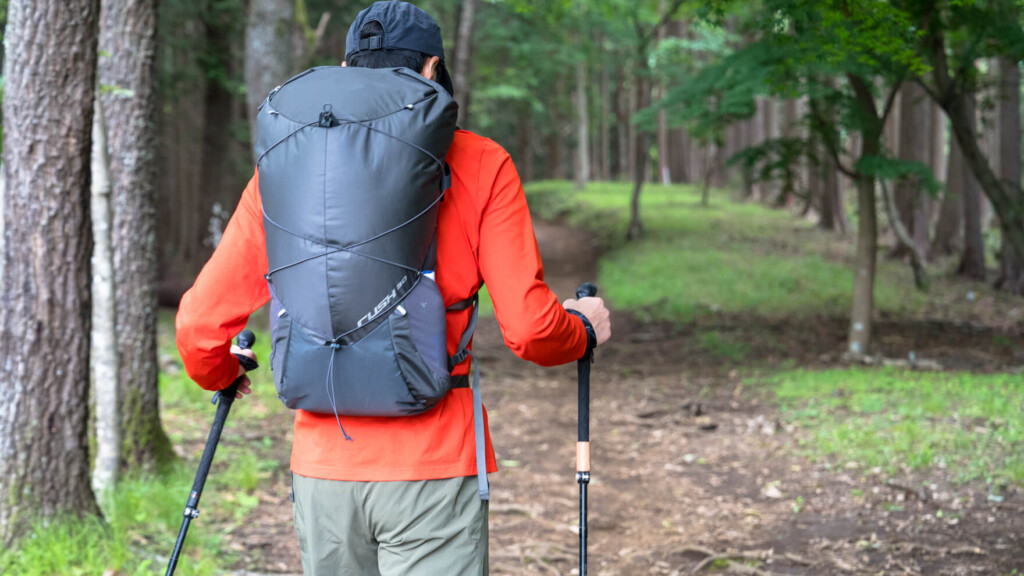
First and foremost, my personal recommendation is the fully updated Paagoworks Rush30 . The back and shoulder harnesses hug your body, providing a snug fit that's instantly comforting. And with its easy-to-use storage compartments carefully designed down to the last detail, you'll fall even more in love with it as you move around. Its lightweight design eliminates unnecessary elements, plus its flawless quality that doesn't compromise stability or fit, make it hard to let go once you've used it. It's the bag I always take with me when I'm active and light on my gear.
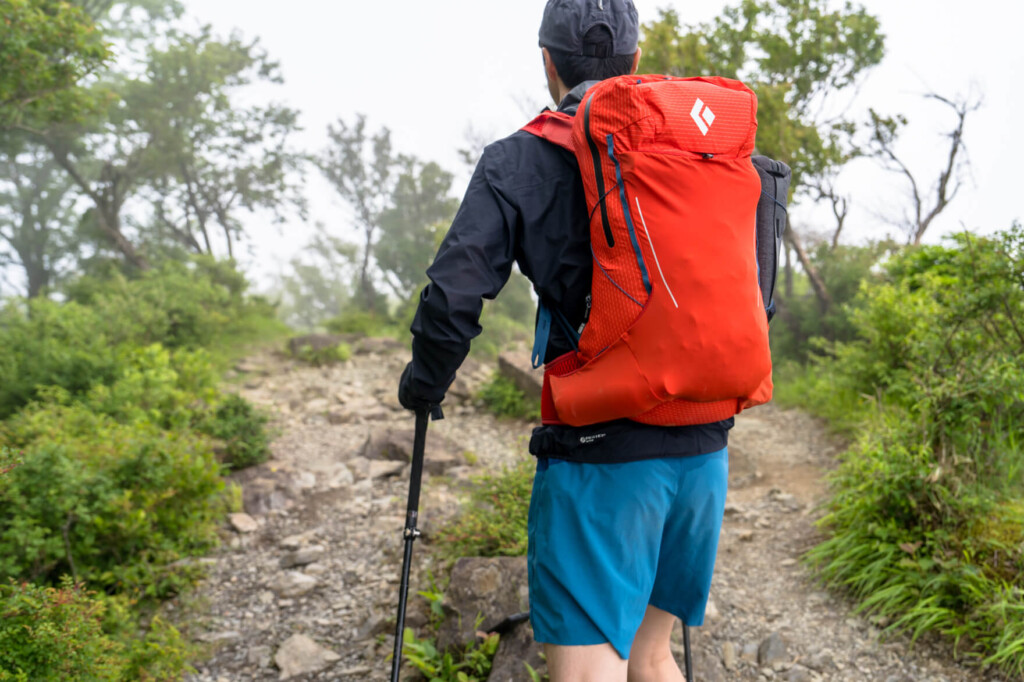
In addition, Black Diamond will be joining the fast hiking category in the 2023 season with a completely new series. UltrAspire 's fastpacking backpack, the Epic XT the 3.0, a larger capacity model (35 liters) . Both models offer performance that exceeds expectations, making them the best of the season and highly recommended.
paagoworks rush 30 (approx. 720g, 31L)

Favorite points
- A snug, comfortable fit and stability that won't shake even when moving vigorously
- Side zipper access to main compartment
- Many other detailed storage options
UltrAspire Epic XT 3.0 (approx. 1077g, 805g without frame, 35L)

Favorite points
- Detachable frame for a comfortable fit, stability, and breathability
- High strength XT fabric
- Numerous convenient storage compartments, including a rain cover
Black Diamond Pursuit 30 (approx. 796 g, 30 L)

Favorite points
- A combination of a vest-style back and hip belt that hugs the body
- Lightweight and durable fabric
- Mesh stretch pockets on both sides allow for easy access and storage of a large amount of luggage
Best Small Capacity (Frameless) Category
Even if you're interested in UL backpacking, the reality is that many people can't go on multi-night mountain trips that often. For those people, we recommend a pack with a capacity of around 30 liters, which is ideal for lightweight weekend hikes of one or two nights
With a capacity of this size, even without a solid frame, backpacks can often be carried comfortably on the shoulders and back (some don't even have a waist harness), and as a result, these "frameless backpacks" are characterized by their extraordinary lightness. Their "ultimate minimalism" still has many loyal fans, and they can fully enjoy the ultralight concept of stripping things down to the bare essentials. Here, we've picked out three excellent models of these ultralight frameless backpacks (please note that they are all very difficult to obtain in Japan due to limited production and many direct sales from the manufacturer)
First up the Zpacks Nero , a day-to-weekend backpack from an up-and-coming brand that combines tradition and innovation, striving for the ultimate in lightweight design while also offering cutting-edge comfort and functionality. Starting this season, the brand has adopted Ultra Fabric, which is even lighter and more durable than the traditional DCF material, resulting in even lighter weight. It's also packed with practical ideas, including a rugged seat pad on the back (for added cushioning and breathability) and a waist belt that can be adjusted to three positions.
the LITE WAY GRAMLESS PACK which we featured here last year , also uses Ultra Fabric this season. This fabric's recent popularity shows no signs of slowing down. Aside from the change in material, all products are handmade by seamstresses, and their appeal remains the same: lightweight, simple, and packed with functional beauty and ease of use.
we have the signature model v2 PA'LANTE , a cottage brand from Utah that could be said to have started the UL backpack trend in recent years. Its cutting-edge materials and innovative construction, specialized for the niche purpose of FKT (Fastest Known Time), have now garnered a large, enthusiastic following. In addition to the 37-liter main compartment, various external storage options allow for quick access to essential items while on the move.
Zpacks Nero Ultra 38L (approx. 298g, 38L)
Favorite points
- Uses the latest ultra-lightweight, high-strength, and highly water-resistant material "Ultra Fabric"
- A seat pad can be placed on the back for improved cushioning and breathability
- Waist belt with 3 height adjustment positions
- Large, easy-to-access storage
LITE WAY GRAMLESS PACK ULTRA 35L (approx. 390g, 35L)
Favorite points
- Uses the latest ultra-lightweight, high-strength, and highly water-resistant material "Ultra Fabric"
- Large, easy-to-use pockets (including the shoulder harness) and a variety of standard attachments
- Simple and beautiful form
PA'LANTE v2 (approx. 495g, 37L)
Favorite points
- Uses the latest ultra-lightweight, high-strength, waterproof material "Ultra Fabric"
- In addition to the innovative bottom pocket, there are various external pockets that can be accessed quickly while on the move without taking off the pack
- Wide opening main compartment for easy packing
Best Cost Performance
Ultra-lightweight backpacks, which are typically produced in small quantities by small manufacturers, are inevitably expensive and have long delivery times. In this situation, it's always nice to have a cost-effective model that offers reliable quality and an affordable price. While prices have generally risen this season and it's difficult to find a high-cost-performance model, Montbell remains a reliable brand offering a stable price. While the performance is neither good nor bad, the price remains outstanding
Mont-bell Versalite Pack 40 (approx. 480g, 40L)
Favorite points
- Ultra-lightweight and low-cost
- Removable pad on the back
How to Choose: 5 Tips for Choosing the Right Ultralight Backpack
Introduction: What to look for when choosing an ultralight backpack
Ultralight backpacks tend to have their own unique characteristics, but the basic concept is the same as that of mountaineering backpacks. This article assumes that you have some knowledge about mountaineering backpacks, and will cover the unique features, tendencies, and quirks of UL backpacks that are different from traditional mountaineering backpacks, along with tips on how to choose one based on past experience. If you have no basic knowledge about mountaineering backpacks, we recommend that you first read the article below on how to choose a mountaineering backpack
Related articles
One more thing to note, unfortunately, is that ultralight backpacks are not made for everyone, as they are designed to have a significantly lower comfortable weight limit than traditional hiking backpacks
Typical mountaineering backpacks are designed to support the weight with robust suspension and waist harnesses so that even heavy loads can be carried comfortably. Many ultralight backpacks significantly reduce these load-bearing parts, minimizing weight-bearing capacity and achieving an unimaginable lightness
For this reason, if you pack your luggage in the same way as you would for a normal mountain climb, you may end up in an unsightly situation where you're just "hiking with an uncomfortable backpack." In other words, if you want to enjoy the mountains comfortably with a UL backpack, you need to reassess the entire luggage you're carrying, carefully select only what you really need, and make each item as light as possible
This inevitably means you need the ability to judge in advance what you need and to what extent on the trail you're about to embark on. This isn't something that's written down in a manual somewhere, but rather varies greatly from person to person, and one person's essentials are often another person's luxury. In that sense, ultralight backpacking can be said (to put it bluntly) to be a pastime reserved only for hikers who have honed their judgment about what equipment they need by walking a certain amount of trails and spending a lot of time in nature (although ultimately, this ability is necessary no matter what style of mountaineering you're doing)。
If you can't compromise on a fluffy, comfortable mattress and pillow, clean clothes, and luxurious meals made with fresh ingredients, an ultralight backpack may not make your mountaineering experience more enjoyable.On the other hand, if you are ready to devote your passion to seeing how far, how long, and how easily you can go with equipment that has been stripped down through trial and error, then a UL backpack will surely be your irreplaceable companion
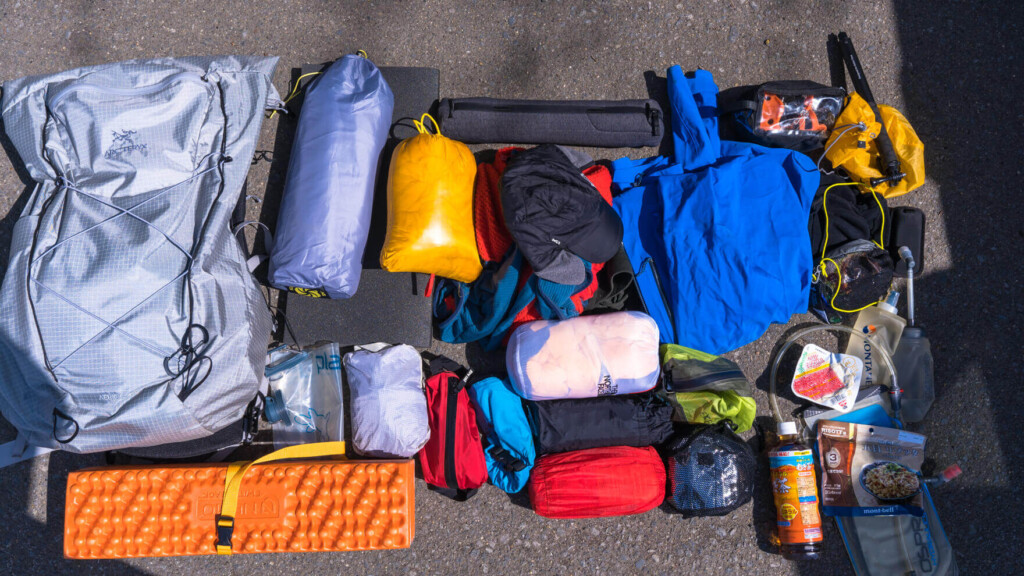
UL equipped winter outfit (plus photography equipment). 45 liters is just right since winter gear like cold weather clothing and chain spikes are bulky
Point 1: Find the right balance between weight and comfort
UL backpacks strive for the utmost in lightness, and there are plenty of incredibly light backpacks out there. However, it's important to remember that a backpack's lightness and ease of carrying are generally inversely related. To be honest, there have been many UL backpack models I've carried in the past that I never thought I'd ever carry again. Of course, there may have been people for whom those backpacks were suitable for different situations or suited their preferences. In any case, in order to choose the UL backpack that's best for you, it's important to determine the best balance between lightness and comfort that works best for you
Choose by working backwards from the question, "How much weight will you be carrying?"
Up until now, I've been vaguely writing terms like "ultralight" and "ultralight," but how much weight does that actually mean? For now, I'll define the standard I'm assuming. There are various opinions, and it doesn't have to be this way, but generally, when we say "ultralight," we're assuming that the total weight, excluding consumables like food, water, and fuel (called base weight), is 3 to 5 kilograms or less
This is partly because it's the "weight that allows for comfortable walking" derived from the experiences of many UL hikers. Another factor is the maximum load (load limit) that UL backpacks can accommodate. Considering that most UL backpacks have a load limit in the low 10kg range, this approach allows you to add a few days' to a week's worth of food and still fit in at roughly 10kg. Conversely, as long as you don't pack that many consumables, no one will be upset if you overpack a little. And if your backpack has a load limit of 15kg and you're comfortable with it, you can relax the limit a little. There's no right or wrong answer. It's merely a guideline, and the fun of UL backpacks is crafting it to your own specifications
Frameless or framed?
The back frame is very important for transferring the weight of the pack firmly to the lower back, where the weight (burden) is less noticeable. However, if you have managed to keep the base weight to less than 5 kg and your load is very light, or if you are confident in your physical strength and are used to walking with a heavy load for long periods of time, you may not necessarily need a back frame to feel comfortable (this will vary from person to person)
By eliminating the frame, the weight of the backpack can be significantly reduced. First, the frame's weight is about 100 grams, and if you eliminate the hip belt, which transfers the weight to your waist, you can successfully reduce the weight by another 200 grams. Even if a frameless backpack has a hip belt, it is only there to secure the hip pockets or to keep the pack from swinging around when walking briskly
However, with a frameless backpack, you must be prepared for all the weight to be placed on your shoulders. Your shoulders are not as strong as your lower back, so the heavier your load, the more fatigue, pain, and other discomforts you will experience. With this in mind, when choosing a frameless backpack, it's best to choose a model that places as little strain on your body as possible, taking into consideration the width and cushioning of the shoulder harness pads, the position of your center of gravity (whether the weight is pulling you backwards), and other factors. Incidentally, when carrying a frameless backpack, you can dramatically improve comfort by placing a closed-cell foam mattress inside the backpack to act as a pseudo-frame, making it even a little easier to carry (personally, I consider Evernew's foldable mattress, the FPmat , to be an essential).
On the other hand, depending on the season (such as winter) when you carry more luggage, or your style, it's entirely possible that your base weight could exceed 5 kilograms. Also, for those who want to try ultralight hiking for the first time, those who prefer a slightly more comfortable carrying experience even with a lighter weight, or those who aren't confident in their physical strength, there are many who hesitate to suddenly go for an extremely light backpack. In such cases, a framed ultralight backpack is perfectly fine
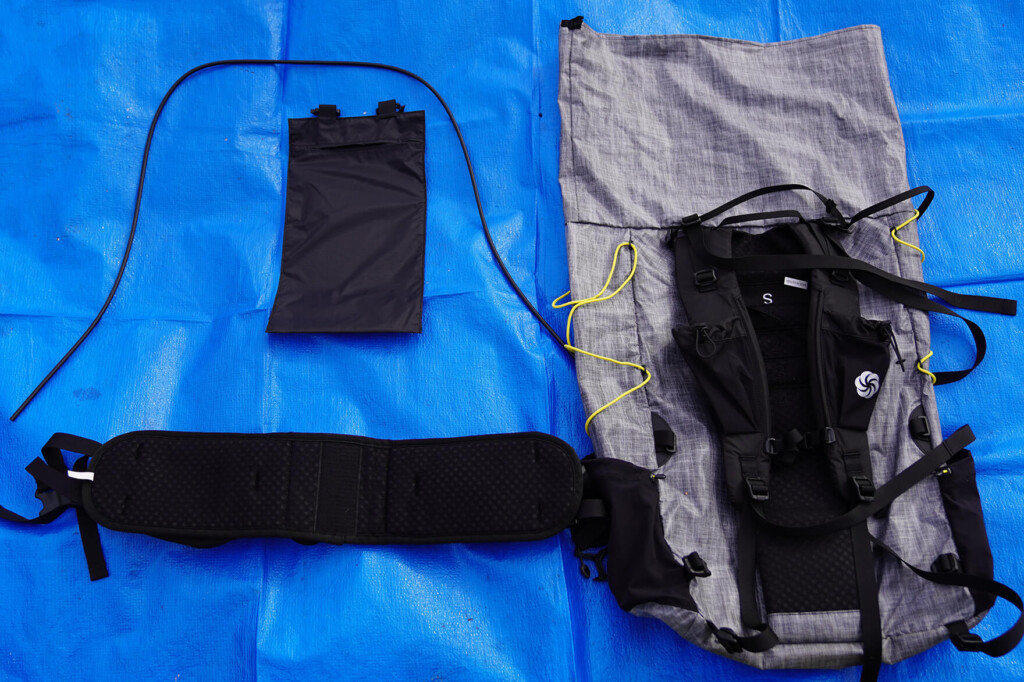
A framed backpack is designed to support itself with lightweight aluminum or carbon support columns and resin panels built into the back. This transfers the load to the hip belt, efficiently distributing the weight of the backpack to the waist, shoulders, and back. Needless to say, the comfort and sense of security of carrying a framed backpack are completely different from a frameless backpack. In addition, some framed backpack models allow you to remove the frame and hip belt as needed (see photo below). Framed backpacks are recommended for their ability to be easily adapted to a variety of situations by customizing them to suit the weight of the contents
Point 2: To run or not to run?
As mentioned in the first half of our recommended models introduction, many of the ultra-lightweight backpacks available today are "fastpacking" models that combine the features of trail running packs to also take ease of running into consideration
Many fastpacking backpacks have a vest-like structure that supports the weight of the pack across the back and chest, making them less likely to shake when you run, significantly reducing the hassle of being on the move. Another major benefit is that the shoulder harnesses are equipped with numerous pockets and are designed to hold hydration packs and soft flasks, making it easier to replenish your fluids while running. It's a small detail, but it offers greater usability and a more tailored fit for your style
When it comes to fastpacking, it's important to note that there aren't many models with large capacities, but if you're also prioritizing trail running (although you can still run with a simple UL backpack), it might be a good idea to consider a fastpacking backpack

Point 3: How much capacity do you need?
There is no clear standard, but how much capacity do you need for ultralight backpacking? Based on information from various guidebooks and my own experience, I have arrived at the following rough estimate
50+ liters: Enough capacity for any activity
If you're planning on taking on long trails of more than a week in the future, or if you plan to use one pack for all your future UL trips, choosing a model in the 50L range is a smart choice. This single pack will allow you to carry everything you need for most trekking, with plenty of room to spare. It's also a great choice for those times when you're on a trail with little water and you absolutely need to carry a lot of water
Around 35-45 liters: Ideal if you won't be UL backpacking for more than a week
This size class is just right for most UL hikers. It's not uncommon for experienced thru-hikers to set out on long trails in this size class. In my case, I was able to stay in a tent for about two to five days by packing basic UL equipment, food, water, and fuel in a typical three-season 45-liter backpack. On the other hand, a backpack with a capacity of around 30 liters might be just enough, depending on your water and food supply situation. It all depends on the season, number of days, equipment, etc
Around 25-35 liters: Ideal for day trips or one- or two-night hikes in any season except mid-winter
This size is recommended as an entry-level pack for those who usually do day hikes or are taking their first steps into ultralight hiking. By utilizing the external attachments and using UL camping gear such as a tarp or tent, multi-night hikes are possible. It can also be used as a casual everyday backpack, making it surprisingly versatile in that respect. Expert UL hikers apparently use this size for a week or so
Point 4: What fabric/material should I use?
Ultralight backpacks need to be made with cutting-edge, high-performance materials that are "light (thin) but strong" in order to maintain a minimum level of strength while keeping weight as low as possible. These materials are inevitably expensive, which is one of the reasons why ultralight backpacks are so expensive
In recent years, the leading ultra-lightweight, highly durable materials Dyneema Composite Fabric (DCF) or Dyneema Composite Hybrid (DCH) and X-Pac . While they remain one of the most popular materials, the arrival of "Ultra Fabric" in 2021 has seen manufacturers that previously used Dyneema begin to shift to Ultra Fabric across the board, dramatically changing the landscape. Also noteworthy is the lightweight, highly durable, and environmentally friendly "ECOPAK."
Dyneema Composite Fabric (DCF or DCH, also known as Cuben Fiber)

Quote: Ripstop by the Roll
Dynema®, an ultra-high molecular weight polyethylene fiber, boasts strength said to be 15 times stronger than steel, yet is 30% lighter than nylon and polyester and 45% lighter than aramid. DCF, a film-like fabric laminated with UV resin, is known as "the world's strongest fabric." Because of this, it is extremely lightweight yet highly abrasion-resistant, does not stretch like nylon, is UV-resistant, and is nearly 100% waterproof, making it rapidly becoming popular for tents, tarps, and backpacks. Because it is difficult to dye, it is generally available in either sheer white or black.
X-Pac

Quote: Ripstop by the Roll
Developed as a fabric for ship sails, this special three-layer material is made by bonding an X-shaped layer of high-strength polyester fiber to a waterproof lining. While not as lightweight as Dyneema, it is also tear-resistant, waterproof, and UV-resistant. Its shape is stable and firm, allowing the backpack to stand upright, making it a suitable material for backpacks. Compared to Dyneema, it is more affordable and available in a wider variety of colors, making it increasingly popular for small items like bags
Ultra Fabric

Quote: Ripstop by the Roll
Developed by Challenge Outdoor, this fabric is woven from a blend of ultra-high molecular weight polyethylene (UHMWPE) fiber, commonly known as Dyneema®, and high-strength polyester fiber. It boasts several times the strength and abrasion resistance of Cordura nylon and is said to offer durability per weight equal to or greater than DCF, DCH, and X-Pac. The lining is also laminated with recycled RUV™ film, giving the fabric excellent waterproofing (although please note that the seams are not seam-taped, making it not completely waterproof for backpacks)
ECOPAK

Quote: Ripstop by the Roll
ECOPAK is the world's first composite fabric made from 100% recycled yarn, which reduces carbon emissions by one pound compared to standard fabrics. Made from polyester fibers and multiple layers of laminated film, the fabric is lighter and more abrasion-resistant than X-Pac or DCF Hybrid, while also being 100% waterproof
When choosing a UL backpack, if your budget allows, it's best to choose one made from the cutting-edge materials listed above. On the other hand, if you're using a thin nylon fabric, we recommend making sure it's made from a special nylon (such as high-density Robic ripstop nylon) that's made to be both lighter and more durable. On the other hand, be wary of cheap, no-name backpacks that only look ultra-lightweight
Point 5: Pockets, straps, and other storage
Ultralight backpacks tend to minimize the use of pockets, but having as much convenient and easy-to-use storage as possible will make a big difference in ease of use. Finally, I'll introduce the pockets that I personally absolutely cannot compromise on, and the storage that would be nice to have
Front pocket → Required
Personally, I think the front pocket is the most important storage part of a UL backpack. Since many UL backpacks are roll-top style with no rain cover, this front pocket is the most convenient space for storing small items. Mesh allows wet items to dry quickly, and stretchy pockets are less likely to get caught on things. Of course, a large, deep pocket is great for packing, as you can fit a winter jacket or hat inside, but it can also be a difficult balance to balance with weight
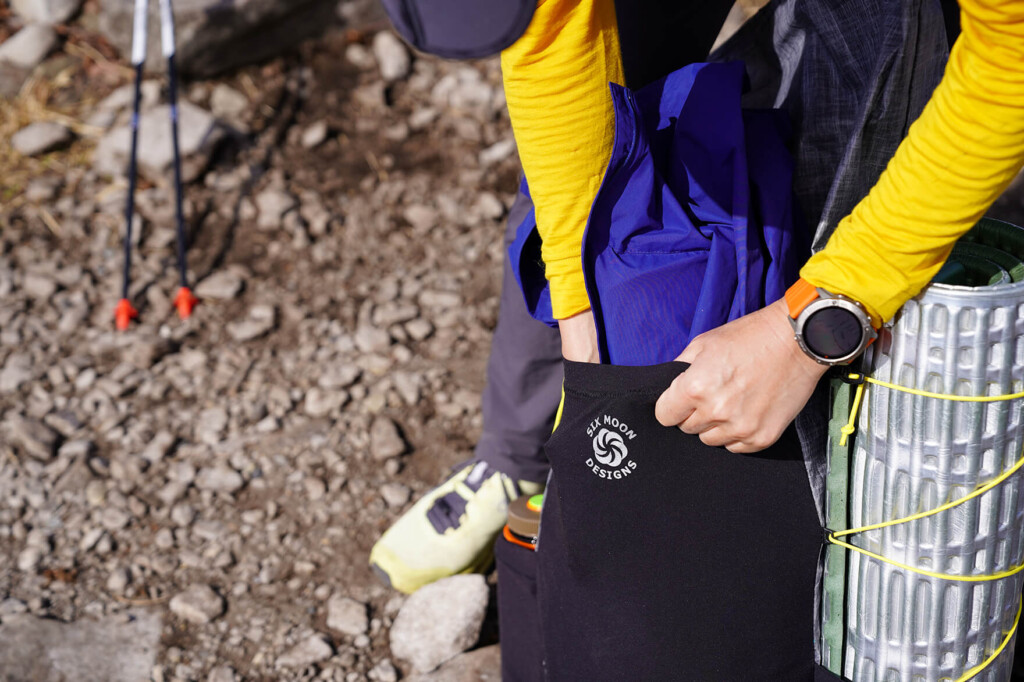
Side pockets are almost essential
The side pockets attached to the bottom of the bag are often used to store water bottles. From experience, it's easier to use if they're large enough to easily fit at least a 1-liter water bottle. They're also ideal if they're positioned so you can easily access them while walking, or if the opening is angled
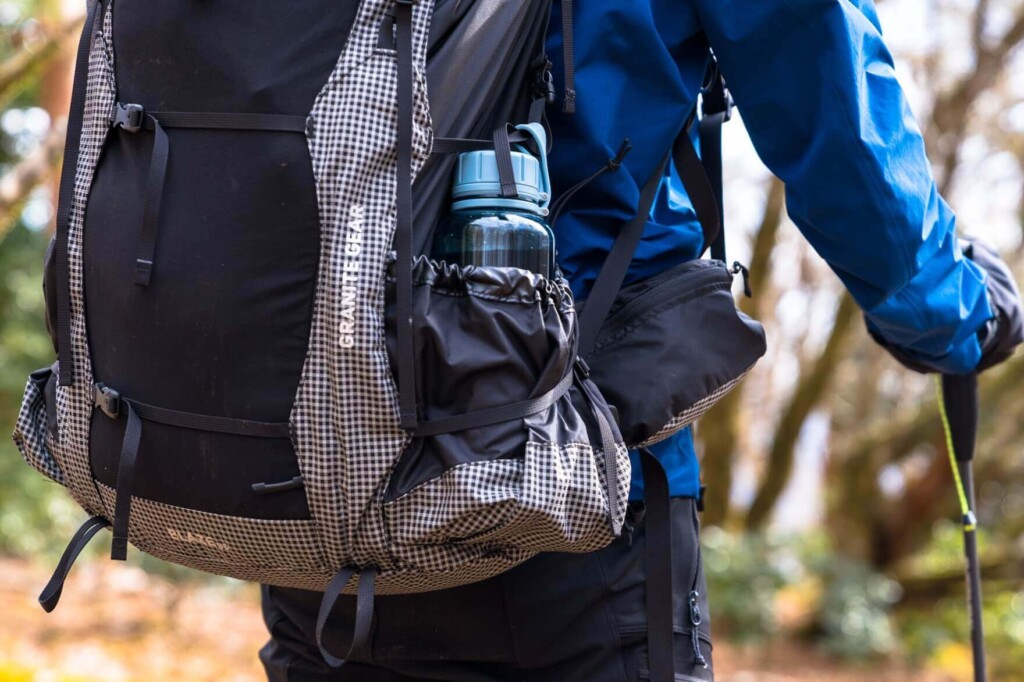
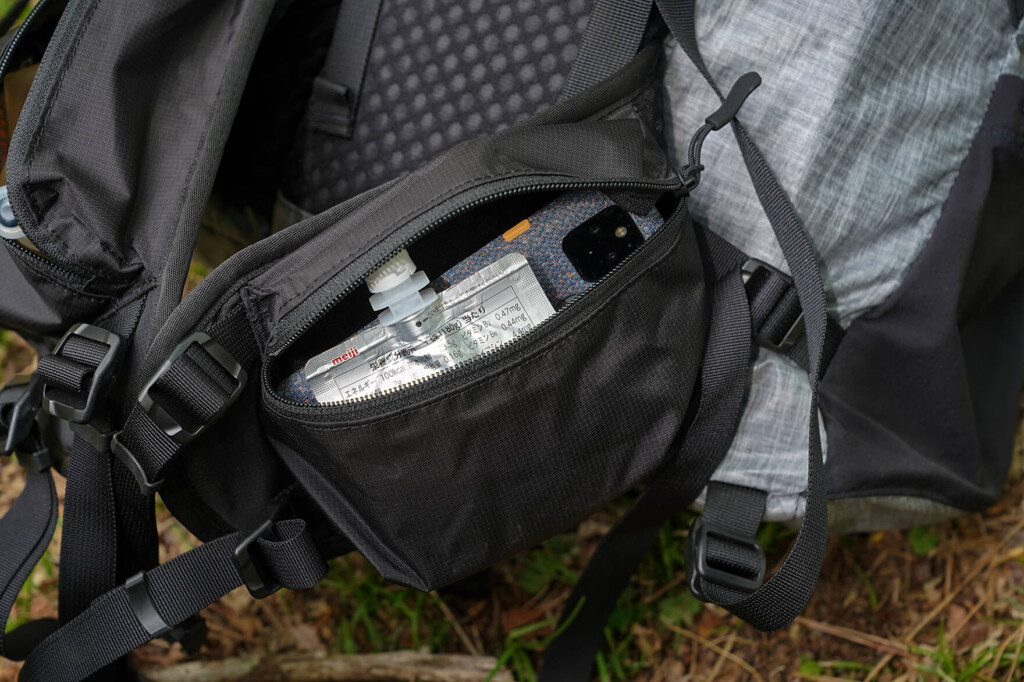
Hip belt pocket → No problem if not present
The small pocket on the hip belt is convenient for storing small snacks, sunscreen, etc. However, in my experience, it is often too small to fit much inside, so I personally don't think it's essential
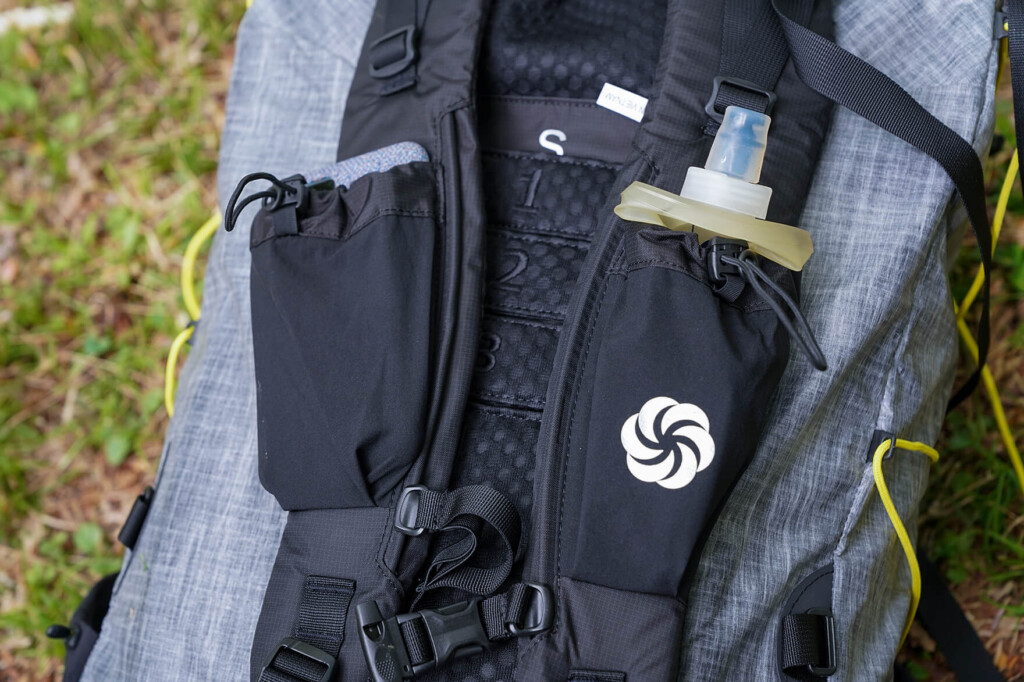
Shoulder harness pocket → It's fine if it's not there, but it's nice to have
As for pockets attached to the front of the pack, I personally find the pockets attached to the shoulder harness very useful. For example, a smartphone. A soft flask. A little snack. These pockets are often more useful than hip belt pockets due to their shape, and not many models have them installed as standard, but if they are available as an option, I'll definitely add them. This is the kind of pocket I like
Attachments and straps → Even if they are not included as standard, it is important that you can attach them yourself later
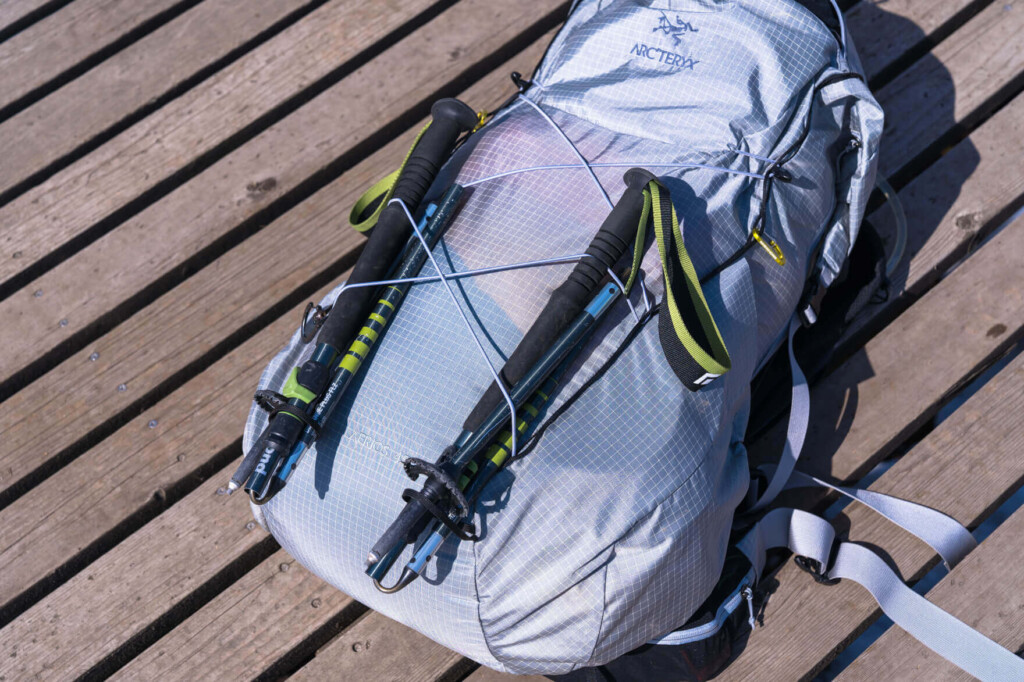
UL backpacks are designed to be as lightweight as possible, so they may not come standard with straps or elastic cords on the outside. In that case, does that mean you can't tie a mattress to the outside? What about hanging trekking poles, sandals, or a cup? Whether or not you can do this depends on whether or not the backpack has loops (or a belt
If the backpack has loops, even if it doesn't have any at the time of purchase, you can use your own straps to attach most tools later with a bit of ingenuity. Make sure there are loops for threading strings through in various places on the backpack, or if the manufacturer provides options. In any case, it's important to be able to do so yourself when you want to add something
summary
UL backpacks are often produced in small quantities by small garage brands, making it difficult to get a fitting in store, and they are expensive and have long delivery times, making them one of the items that are hard to come by. Recently, more major manufacturers have entered the market, making it easier than ever to try out these types of backpacks, but it still takes courage to make an expensive purchase relying solely on information online. I hope that my experiences (mostly failures) in this article will be of some help to those considering purchasing a UL backpack. I wish you the best of luck.
Please consider a paid membership to support the site while enjoying exclusive offers and content!

Related reading
 [2023 Edition] The most important pieces for fast-packing for camping in a tent. The best lightweight tents and shelters and tips for choosing the right one without regrets
 [Fall/Winter 2025] This season's best hard shell jackets, essential for the harsh snowy mountains, and tips on how to choose them safely
 How to choose the right backpack for mountain climbing and recommended beginner backpacks for beginners