Our review articles earn a small amount of revenue from product purchases made through affiliate links

[2025-2026] What should you pay attention to when choosing hiking boots for snowy mountains? Tips for choosing so you don't regret your purchase and recommended models for this season

We will consider the best model of hiking boots, which have long been said to be one of the most important pieces of mountain gear, not just for winter mountain climbing

When Outdoor Gearzine holds an event with a theme like "First Time on a Snowy Mountain," most of the time participants have to think about winter mountaineering boots for the first time, but most of them have no idea what to look out for. The world of snowy mountains is unimaginable in everyday life, so it's only natural that they have no idea

In fact, climbing snowy mountains presents completely different challenges and difficulties than the three snow-free seasons, and when choosing the best shoes, there are many points to be aware of that you won't know until you try them out. Furthermore, winter hiking boots have recently become one of the most expensive categories of equipment, and even though there are few occasions when you can wear them, they are still quite expensive. So, you don't want to make a mistake, and you want to keep the price as low as possible - these are the dilemmas that lie behind choosing winter hiking boots

So, as always, I've thoroughly reviewed about 40 winter mountaineering boots (71 if you include models that are barely suitable for snow) available for the 2025-26 season, and after actually wearing them and trying them on in stores, I've carefully selected the best models for this season. Based on my own experiences, I've also compiled a list of points to keep in mind before narrowing down your options, trying them on in stores, and making your final decision. So, without further ado, let's get started

Please note that we are only introducing one or two recommended models in each category here, but you can view a comparison list of all the best candidates, including other recommendations, by becoming a member

Outdoor Gearzine's content is made possible by your support. If you're interested, please consider becoming a member!

Five points to keep in mind when choosing winter hiking boots

Some of you reading this page may be secretly thinking, "When it comes to winter mountain climbing boots, the sturdy boots I wear in the summer mountains are fine, right?" I understand how you feel. After all, winter boots are quite expensive, even though you might only wear them a few times a year

However, my personal answer to that question is that, in the best weather conditions and at a difficulty level suitable for beginners, it is actually possible to climb a snowy mountain using hiking boots designed for the snow-free season

What I'm trying to say is that even if you do manage to go, it will only be because you happened to be lucky that day, and it is extremely dangerous to assume that winter mountains are okay. In winter mountains, where the weather and the difficulty of the terrain can change dramatically within a day, I would not recommend making such a gambling decision. Of course, that doesn't mean that it's okay to spend a lot of money on over-spec boots. However, the most important thing is to choose boots that are prepared for winter and snowy mountains at a minimum level, and when you weigh that against the price of your life, it is still reasonable

Now, I will write about the unique checkpoints to consider when choosing winter mountain boots, which are different from those for regular hiking boots, in order of priority

Are the boots warm enough?

As anyone who skis will know, winter boots, which are constantly in contact with the outside air and snow, get colder than you'd imagine, and if you're not careful, your toes will quickly get cold. For this reason, when choosing boots for snowy mountains, be sure to choose a model that has some kind of "insulation" sandwiched between them. This is where it gets important; most winter boots have insulation, but the type and thickness of insulation varies depending on the model. Naturally, this will affect the level of warmth the boots provide, so it's important to keep in mind that the type and volume of insulation are major factors in determining the comfort of your winter boots

The three factors that determine the insulating properties of boots are: " type and thickness of upper insulation ," " double boot construction (described below) ," and " gaiter construction (described below) " (and, more specifically, " insulation properties of the insole ").

Single or double boot?

Single boots are hiking boots with the same structure as usual, while double boots have a structure where the inner boot and outer boot are separated. This provides high insulation and warmth that is incomparable to single boots. If you want to choose warm winter boots, first look for ones with this double boot structure. However, they are a little more expensive than single boots

Another benefit of the double boot structure is that the inner boot is removable, so on multi-day hikes, you can remove the liner at night and store it inside the sleeping bag to ensure it dries out. This is a huge advantage for winter mountain tents, as there's nothing worse than digging your feet into frozen boots at the entrance to your tent before dawn

However, double boots offer excellent warmth, but you must be prepared for their weight and bulk. Do you prioritize comfort or mobility? Before purchasing, decide which is more important to you based on the season, mountain range, style, etc

By the way, the first winter mountaineering boots I bought were the now-nostalgic Koflak plastic boots, which had a double boot structure. I still remember how satisfied I was with the fact that they kept me warm and were comfortable inside the tent with the inner boots, making them easy to move around in

Snow gaiters or no snow gaiters?

It seems like mountain boots with gaiters have become popular in recent years. Simply put, they're single-breasted boots covered in fixed gaiters. While not as warm as double-breasted boots, they offer some warmth, weather resistance, and durability. They offer high levels of protection with only a slight increase in weight compared to single-breasted boots, so they're definitely worth considering as an option over boots like the Montbell Alpine Cruiser 3000 with Gaiters, which are available with or without gaiters for the same price.

Is it suitable for traverses or climbing?

Highly insulated winter mountaineering boots can be further divided into two broad trends or types. One is the "long-distance hiking" model, whose main feature is that it emphasizes comfort and stability. It is characterized by a relatively high ankle cut and a thick, sturdy upper. The other is the "climbing" type, which is suitable for speedier, more technical winter mountaineering. These are characterized by keeping weight down while maintaining a minimum level of insulation and protection, and also by allowing greater ankle freedom and ease of movement. Of course, they are not clearly divided into two, and each model has its own unique characteristics due to the subtle differences in the emphasis placed on each

In the snow-free season, it's fair to say that "light is good," but when it comes to winter mountain climbing, placing too much emphasis on lightness can lead to discomfort and even danger to your life. Therefore, unless you have some experience and want to tackle ice climbing or variation routes, we recommend "long-distance hiking" gear that prioritizes comfort and safety

Are the crampons one-touch or semi-one-touch?

Almost all winter mountaineering boots have welts on the toe and heel, or just the heel, with the assumption that crampons will be used. If they have welts on both the toe and heel, you can attach one-touch crampons, and if they have welts on the heel only, you can attach semi-touch crampons (incidentally, if there are no welts on the front or back, you can only attach band-type crampons)

The main advantage of one-touch crampons is that they provide a stronger hold, allowing the crampons to hold firmly in place even when weight is applied only to the front claws. One might think that one-touch crampons are a better choice if you're wearing winter boots, but in my experience, unless you're ice climbing vertical walls, it's perfectly fine to use non-touch crampons. For traditional snowy mountain traverses or when only partially climbing steep slopes with the front claws, one-touch crampons aren't necessary. Another difference between one-touch and band-type crampons is that when fastening them to your shoes, the bands can be too tight, reducing blood circulation (and making your feet cold). From personal experience, this issue is fully resolved with semi-one-touch crampons, so even if they're semi-one-touch with only the rear welt, there's no need to worry

As a prerequisite, we have written in detail about the basics of how to choose hiking boots in our article " Great hiking boots (trekking shoes) by genre and 6 points you should know before choosing hiking boots at the store, " so we hope you will take a look.

[By purpose/preference] Vests and winter mountain climbing boots

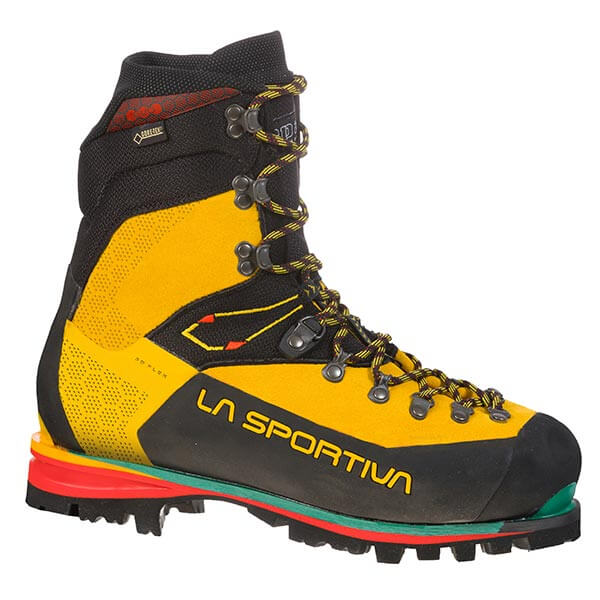
Best Winter Mountain Climbing Boots (Overall Best): LOWA Alpine Expert II GT / La Sportiva Nepal Evo GTX

In selecting the best model, I'll start with the model that impressed me the most with its perfection this season. The Alpine Expert II GT from LOWA, a long-established German brand, is an extremely versatile boot that can be used for a wide range of activities, from winter mountain traverses to technical mountaineering. Its versatility and reliability make it highly recommended for any style of climber

Despite its relatively simple and lightweight construction, the sturdy leather upper and highly insulating Primaloft® 400 insulation offer unparalleled warmth . It also boasts high functionality and rigidity, allowing for one-touch crampon attachment. This single-breasted boot offers everything you need for warmth and comfort.

I was also impressed by the excellent fit, including the heel cup, when I put my foot in. Being an all-rounder means that in some cases the features may not be as good as they could be, but as a boot that can handle any situation, even in the harsh and complex conditions of winter mountains, the high level of perfection is its unparalleled appeal

What's more, the price isn't particularly high either, which is a plus

created by Rinker
¥76,800 (as of 2026/02/09 17:20:21, according to Rakuten Market - Details)

The La Sportiva Nepal Evo GTX is a reliable winter hiking boot with a surprisingly spacious and comfortable footbox

In Japan, the word "winter mountaineering boots" is synonymous with the Sportiva "Nepal" series. The flagship model within the series, the "Nepal EVO GTX," remains the standard for winter mountaineering boots even after more than 20 years

These leather boots are suitable for any winter mountain activity, combining high levels of durability, flexibility, insulation, and fit, all of which are required for harsh winter mountaineering conditions

After trying out different boots this season, I realized that Sportiva's winter boots are much roomier than their non-snow boots, making them gentler on slightly wider, higher-arched feet like mine. This roomy last shape, combined with the removable tongue, allows for relatively easy adjustment of the fit, so it's great that it can be optimized for not only me but for climbers with a variety of foot shapes

created by Rinker
¥89,100 (as of 2026/02/09 17:20:21, according to Rakuten Market - details)

Best Tough & Highly Insulated Mountain Boots: SCARPA Phantom 6000HD / BOREAL G-One Light

If you want to experience the same comfortable warmth that kept you warm even when hiking the Alps in the dead of winter that I once experienced with my Koflak plastic boots, then the best option is hiking boots with a highly insulated design that are also designed for high-altitude climbing such as in the Himalayas

However, in reality, once you start researching this type of hiking boots, the specs and product prices become limitless, so for now we have set a limit of 200,000 yen or less

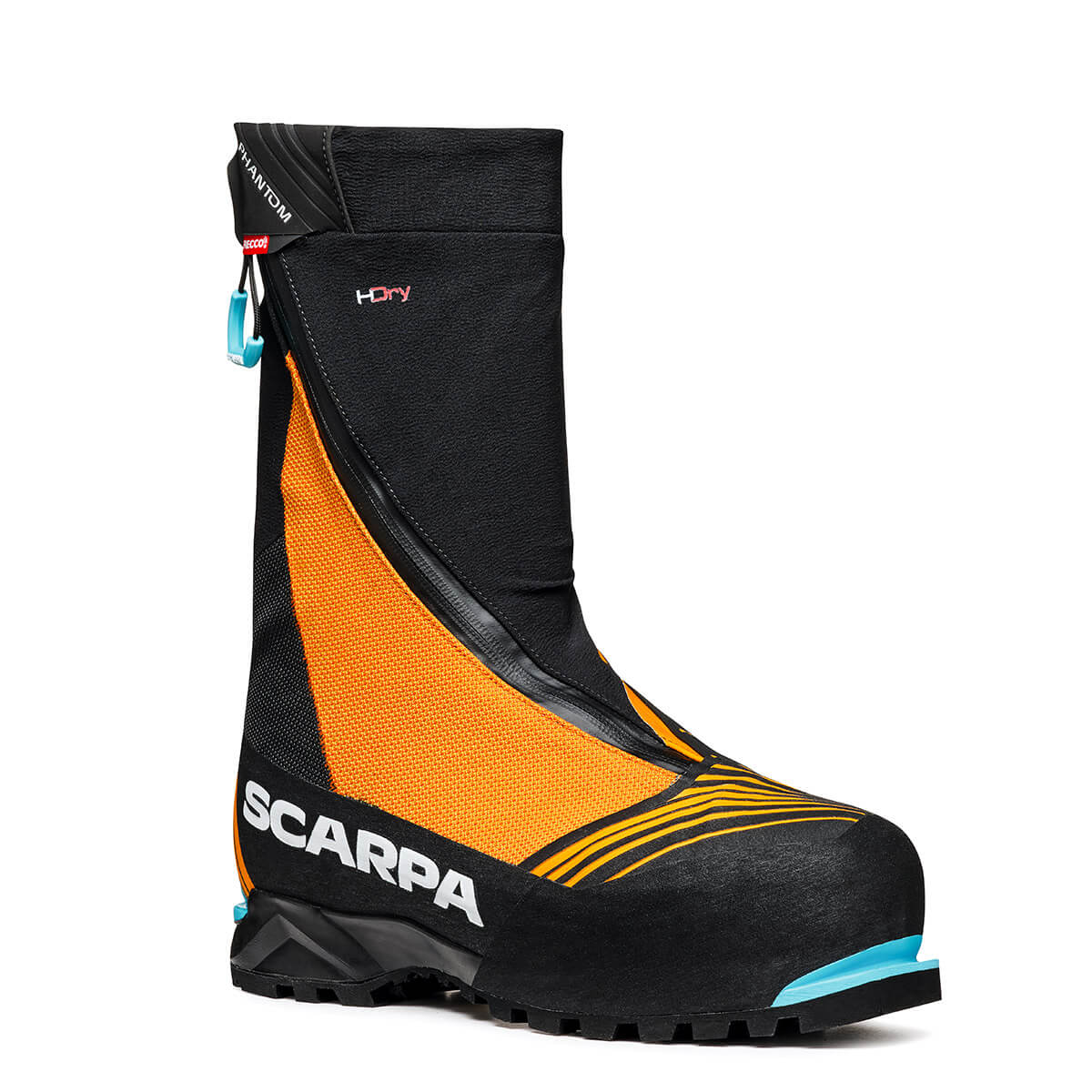
Among them, the Scarpa Phantom 6000HD is an impeccable high-end mountaineering boot that offers the highest level of insulation, performance, and comfort

The reason for its high insulation is its high-quality triple structure

The Primaloft® Black and Primaloft® Gold Eco inner lining is paired with an Ortholite®/Aerogel® footbed. The outer shell features an eight-layer insulation system with a microfiber surface, Wintherm®, and aluminum film. The outermost layer features a flexible Schoeller outer fabric and a waterproof/breathable membrane gaiter. These multiple layers of insulation and weatherproofing provide unparalleled comfort in the harshest winter conditions. What's more, these boots are among the lightest in their class. We recommend them not only to alpinists aiming for challenging, technical routes in polar regions, but also to all winter mountain enthusiasts seeking to avoid the cold, discomfort, and discomfort of even the most severe winter weather

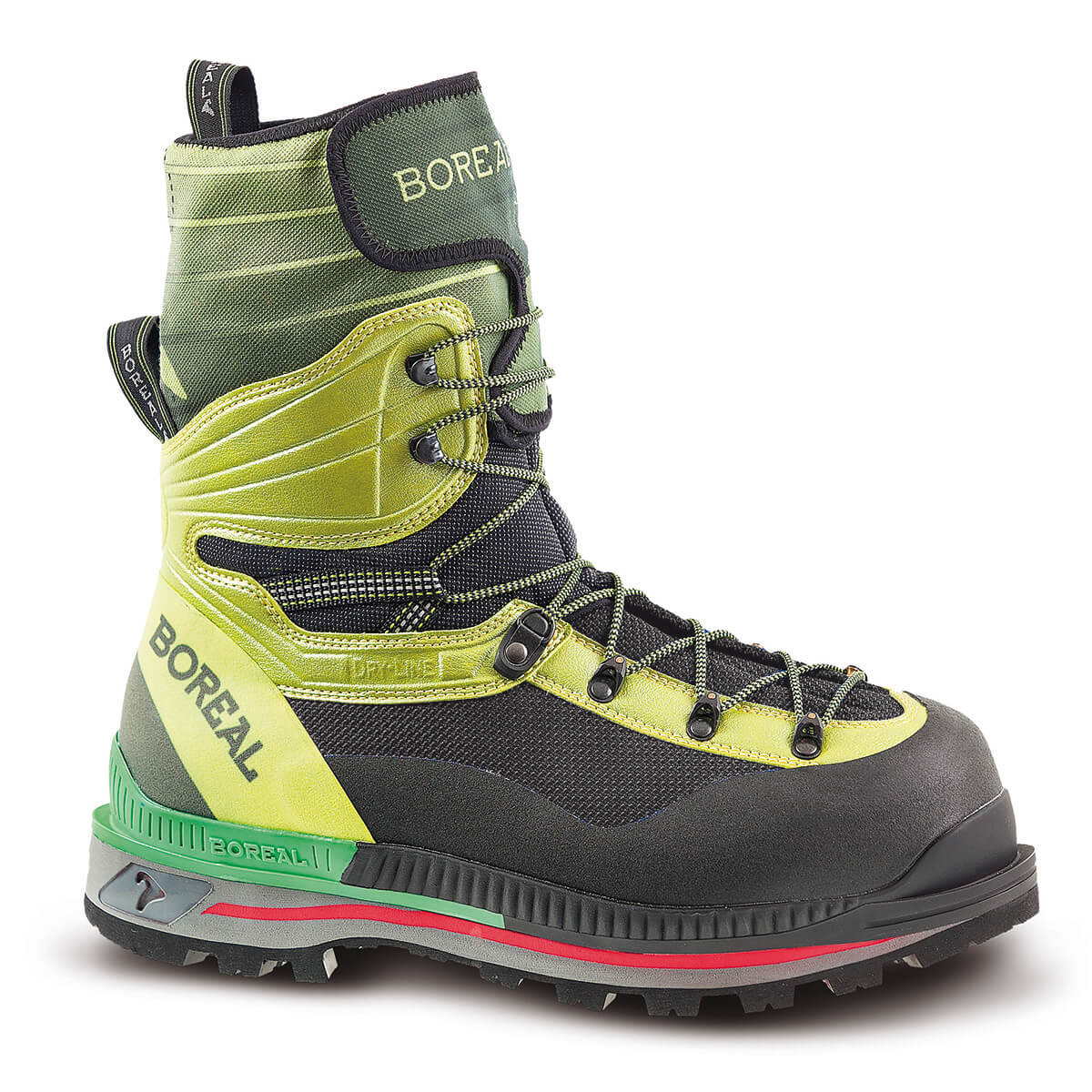
The BOREAL G1 Light double boot is an attractively priced option

On the other hand, for those who don't want to spend that much but still want a pair of authentic winter mountaineering boots with some extra warmth, we recommend the Boreal G1. These boots are basic and heavy, but with a double boot construction featuring a removable inner boot with synthetic padding, they are the most affordable authentic winter mountaineering boots available. They've also been a long-selling favorite since the 2010s, with subtle updates underway, making them a reliable choice

created by Rinker
¥116,400 (as of 2026/02/09 17:26:03, according to Rakuten Market - Details)

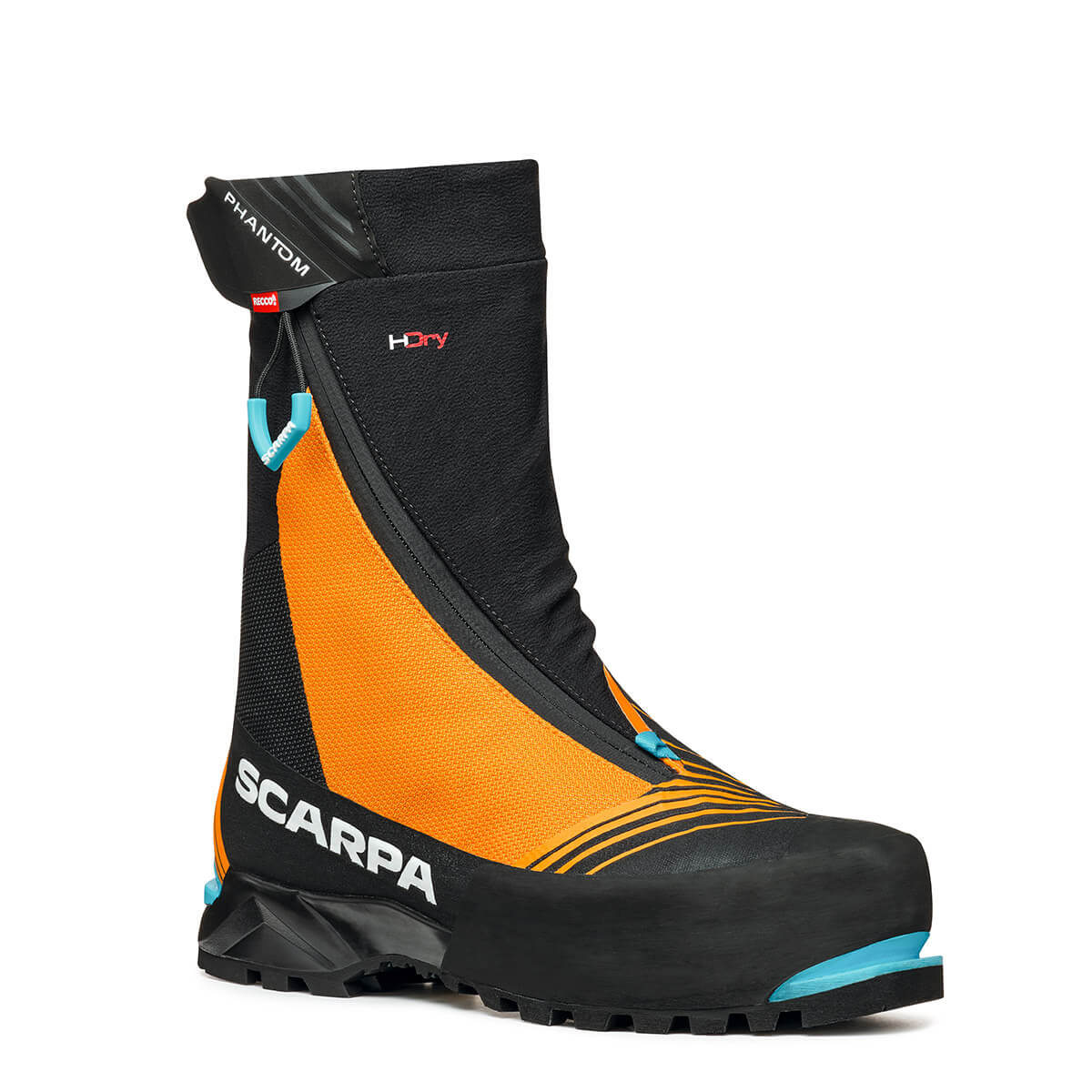
Best Lightweight & Technical Winter Climbing Boots: SCARPA Phantom Tech HD / La Sportiva G-Tech

Up until now, we've mainly chosen hiking boots for winter snowy mountain traverses, but the model we'll introduce here is a "racing car" that prioritizes speed, responsiveness, and dexterity over strength, comfort, and versatility, and is the best model of hiking boots for breaking through technical ice walls and mixed terrain. Among them, the one we'd like to highlight as the best technical mountain boot with excellent climbing performance, fit, warmth, and durability, offering the best overall balance .

The gaiters are made of durable, stretchy Schoeller fabric with Primaloft® Gold and Ortholite® O-Therm insulation and an HDry waterproof membrane, providing excellent protection and breathability, making them perfect for winter mountaineering. In terms of climbing performance, the high ankle coverage of the gaiters means the inner boot doesn't restrict ankle flexion, allowing for large movements without resistance. They're also significantly lighter than models designed for mountaineering

created by Rinker
¥121,000 (as of 2026/02/09 17:26:03, according to Rakuten Market - Details)

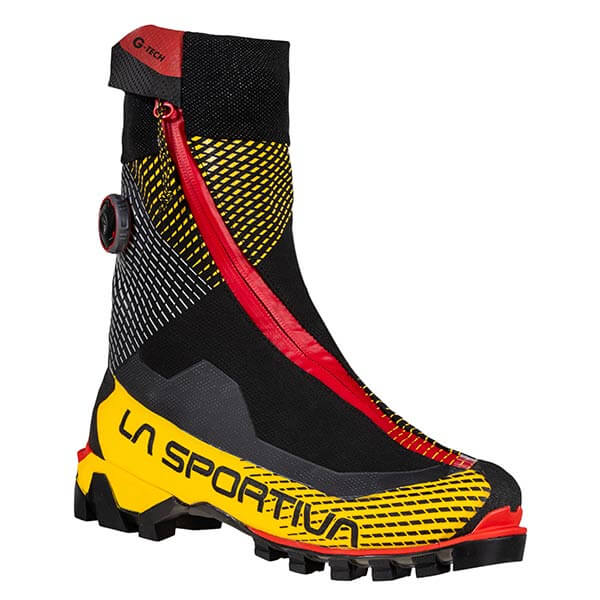
The La Sportiva G-Tech is a particularly cutting-edge technical boot

The Phantom Tech HD is a relatively cutting-edge model for winter mountaineering, but when it comes to models that are even better suited to steep, speedy, vertical movement such as ice climbing, the La Sportiva G-Tech is also not to be underestimated.

The lightness of these boots is hard to believe for winter boots; at just under 600 grams, they're practically equivalent to hiking boots. The thin, lightweight construction, including a 5mm thick carbon fiber plate built into the sole unit, eliminates all unnecessary elements, while the double boot and gaiter construction for efficient warmth ensures minimal insulation despite the light weight. The ankle mobility, unlike that of a typical winter mountaineering boot, clearly conveys the freedom of an alpine boot designed for rocky terrain. This exquisite balance, combined with bold compromises, makes these boots the perfect choice for nimble alpine missions, where quick and precise movements are required throughout the approach, ascent, and descent, rather than long, safe hikes through deep snow

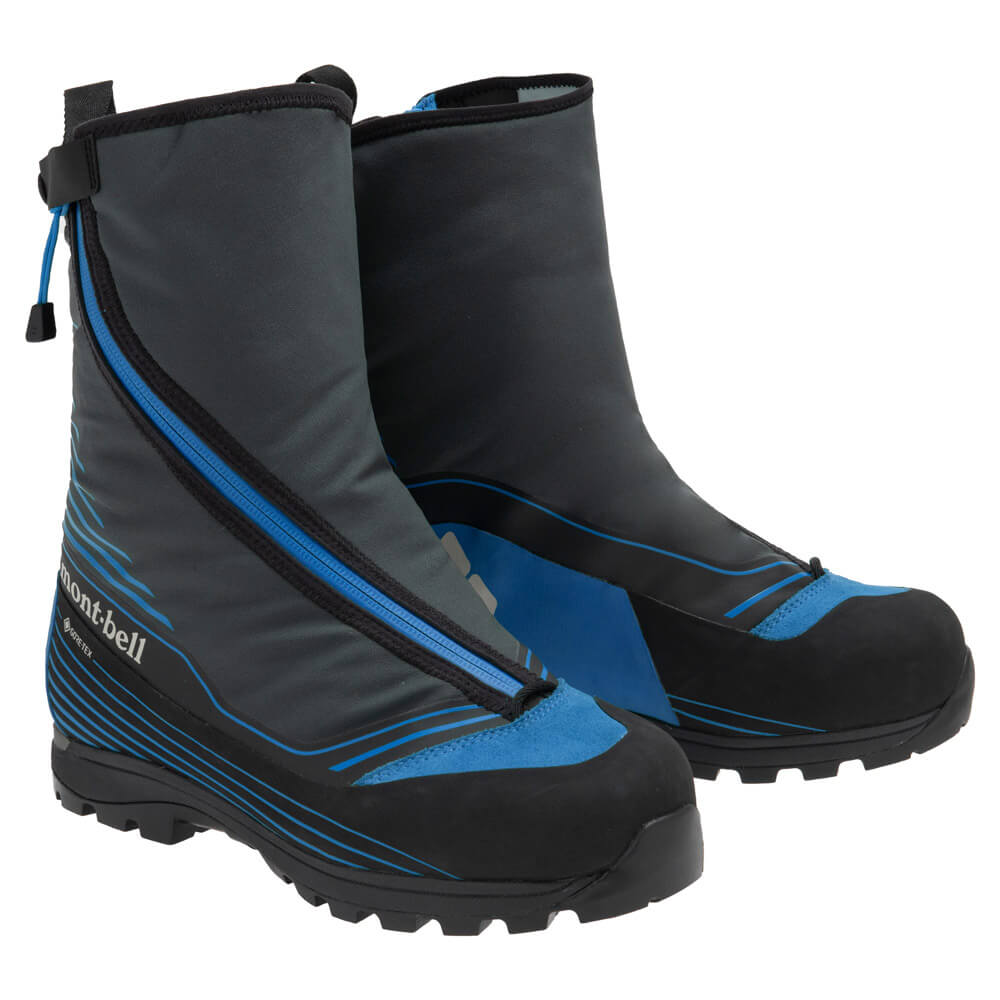
Best, Low-Cost, and Entry-Level Winter Mountaineering Boots: Mont-Bell Alpine Cruiser 1000 with Gaiters

For those looking to get started in winter mountaineering at the lowest possible cost, Montbell's Alpine Cruiser 1000 with Gaiters the perfect choice. While Montbell offers the 2800 and 3000 sizes above these boots for serious snow climbing, these boots are designed for beginners looking to hike in low-altitude snowy mountains. Since no one is likely to climb the Northern Alps or Yatsugatake on their first snowy mountain hike, they've compromised on coverage to keep the price down. They offer minimal insulation and minimal rigidity, which honestly makes them a bit underwhelming for serious winter mountaineering. However, I personally think they're better than uninsulated alpine boots. And with the addition of a gaiter model this season, they're even more snow-resistant than ever before.

However, it's important to note that Montbell hiking boots have a slightly wider last compared to other brands, which means that some people's feet may move around too much in the shoes. Personally, I don't have a very good impression of Montbell in terms of fit or comfort, but there are no issues with the basic functionality, so if you're looking for a pair that fits your foot shape and is within your budget, they're definitely a good choice