



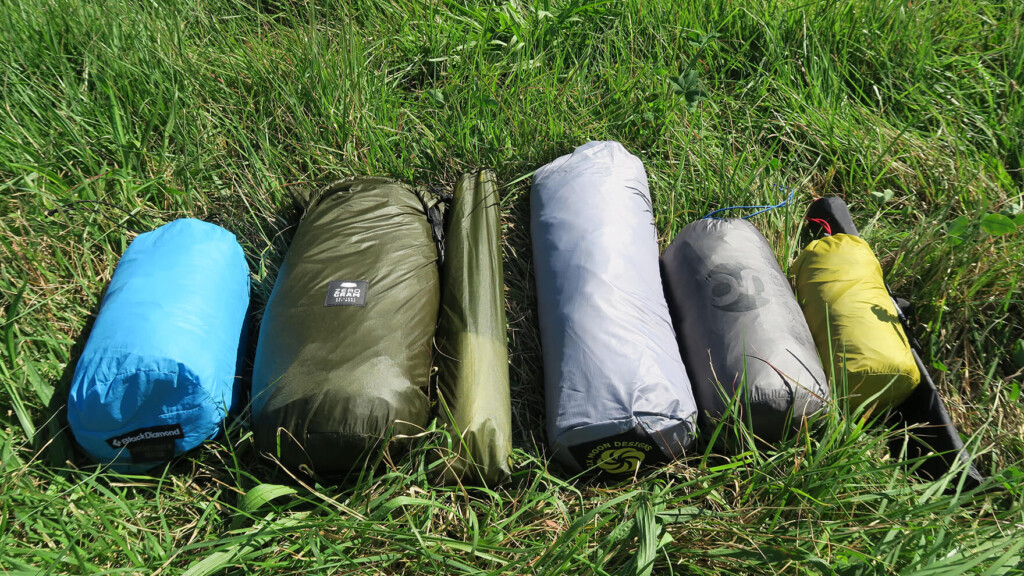
[An honest, self-funded comparison review] This is the best for overnight fastpacking. We compared popular lightweight tents and shelters that prioritize mobility
Written by Keroppa
This time we will be talking about "shelters," but I have a question for you all
Have you ever slept in a "shelter"?
What is the difference between a "tent" and a "shelter"?
How is it different from a "zelt"?
Tents, shelters, and bivouacs are all tools used for the same purpose when it comes to sleeping outdoors - a place to rest and protect yourself from the rain, wind, and cold. However, the difference between them can be roughly described as the level of protection they provide
The appeal of the shelter is that it is light and easy to set up, yet provides decent livability and protection
Of the three categories, tents naturally offer the highest level of protection and livability. Meanwhile, tents are positioned as simple emergency tents that provide the quickest and most reliable means of safety, with comfort secondary, to avoid the worst-case scenarios such as sudden bad weather. "Shelters" are positioned exactly in the middle, a type of product that prioritizes lightness and ease of setup more than tents, and livability more than tents. However, in reality, the line separating these two is not so simple, and there are tent-like shelters and tents-like shelters, so to be honest, it's not a category that can be summed up in one word: "This is a shelter!"
The appeal of shelters that offer a minimum level of livability and protection while also being lightweight and easy to set up has become widespread in recent years, along with terms like UL (Ultralight) and fastpacking, and thankfully, there are now many attractive shelters to choose from
I want to choose the "right shelter" for me from the wide variety of products available
However, there are a wide variety of models, some of which are marketed as being highly livable, and others that are more like tents and are easier to set up, and the reality is that even though they are quite expensive, you won't know until you try them out. From my own experience, I think it would be impossible for an average hiker who has never used a shelter to choose the right one from such a wide range of options
So, from among the wide variety of shelter products, we've picked out five models that we think are "the best for fastpacking or speed hiking right now" from the perspectives of popularity, performance, classics, and newness, and compared them from various angles. We hope that this will provide some clues for those of you who are thinking, "I'm just thinking about reducing the weight of my equipment, and I'm interested in shelters!" when actually making your selection
By the way, in the UL series, there are also camping styles such as "tarps" and "hammocks," and I would like to compare them if I have the opportunity, but I have left them out of the selection this time due to concerns about wind, low temperatures, insects, etc
table of contents
- About Shelter Comparison Reviews
- Here are the results (impressions of each model)
- Six Moon Designs Lunar Solo 2020: 1st place overall. It was definitely a benchmark shelter!
- Gossamer Gear THE ONE: Lightweight and comfortable. I've been waiting for something like this! A great UL shelter
- HERITAGE Crossover Dome 2G: Easy to set up and compact. Japan's leading freestanding shelter. We're working hard
- Black Diamond Distance Shelter: A shelter that provides outstanding security. This shelter made by an American mountaineer is a reliable choice in many ways
- ZEROGRAM Thru Hiker 1p: Combines the comfort of a tent with the ease of use of a shelter. This ultra-lightweight tent from a Korean brand is a real winner
- Test Results & Spec Comparison Table
- summary
About Shelter Comparison Reviews
Select a comparison candidate
While readers will likely have a wide range of experience, abilities, and inclinations, this review is written with the assumption that "people considering purchasing a shelter for the first time, i.e. people who have some experience with tent camping and are thinking of starting light mountain climbing with a shelter." For this reason, when selecting products, we have picked out models that are relatively easy to obtain and models with features that make it easy to transition from tent camping
- Six Moon Designs/Lunar Solo 2020
- Gossamer Gear/THE ONE
- HERITAGE / Crossover Dome 2G
- Black Diamond/Distance Shelter
- ZEROGRAM/Thru Hiker 1p
There are five diverse models available, including a model with a vestibule, a model that is more like a tent, and a model with inner mesh and fly
Just to be on the safe side, here's something I think you should know beforehand if you're planning on using a shelter for mountain climbing. The level of protection is definitely lower than with a tent, so it's important to judge the situation when using one. If bad weather is expected, use a tent or stay in a hut, and don't push yourself too hard; safety comes first (on the other hand, if you're not yet confident in your ability to judge the situation, I definitely recommend choosing a tent!)
Condensation is also an unavoidable problem. Of course, it happens in tents as well, but in the case of a shelter, the first thing you should do when you wake up in the morning is to wipe off the condensation on the inside. In a double-walled tent, condensation accumulates on the flysheet, while in a single-walled shelter, it accumulates directly in the living space. Always put anything that would be a problem if it got wet in a stuff sack or similar. It's normal to see puddles forming in the corners. It's an area that is affected by the weather, but that's to be expected, so taking measures against condensation is essential!
Test environment
I used them from July to September 2021 while fastpacking in Okuchichibu and hiking in the Northern Alps. I spent one night with each model. There was no extremely bad weather during my use, and even when it rained, it never lasted more than three hours. The temperature was at least around 10°C when I went to bed. No winds of more than 3 m/s were observed
(The conditions are quite good! Thank the mountain gods! I'd prefer it to have bad reviews though...)
Evaluation points
- Living comfort: Comfort of the living space. Spatial size. Less psychological pressure, etc
- Ease of setup and takedown: Can it be set up easily, quickly, and intuitively?
- Weather resistance: Will it safely protect the interior from environmental factors such as rain, wind, and temperature?
- Durability: The strength and longevity of the materials and types of components
- Weight: Required weight when actually used
- Storage: Ease of packing
Here are the results (impressions of each model)
Six Moon Designs Lunar Solo 2020: 1st place overall. It was definitely a benchmark shelter!
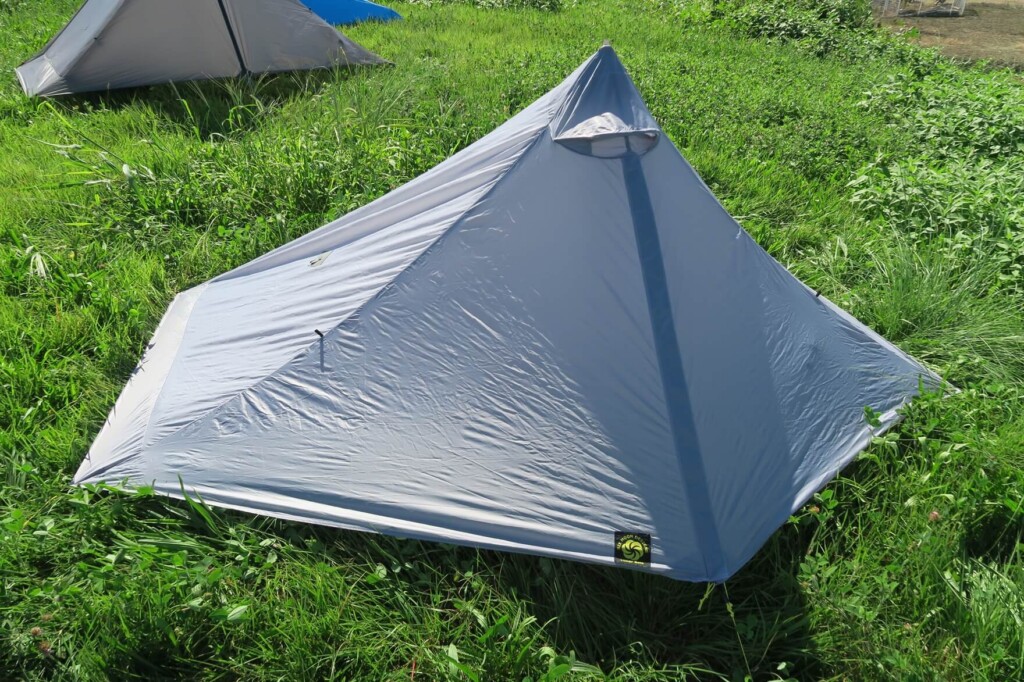
This is 〇
- Spacious floor, large vestibule, and wind-resistant
- It seems like it would be a seamless transition from a tent
Here is △
- The limitation of one-pole scooters is overhead clearance..
- It's surprisingly large when packed, but that makes it more durable
This is one of the well-known brands in the American UL world, having started selling tents 19 years ago. The founder is a thru-hiker, so they specialize in UL shelters and packs
It was born in a culture of walking long distances with a backpack, and was not designed for mountain climbing along rocky ridges
It won a prestigious award in the US in 2019. Since then, it has undergone minor changes every year, and its quality has steadily improved. Recently, it has become quite common to see it at tent sites
Living Comfort
The biggest thing is the size of the floor area. The manufacturer says it can fit up to two people, but if you're just sleeping there, it's really just big enough for two people
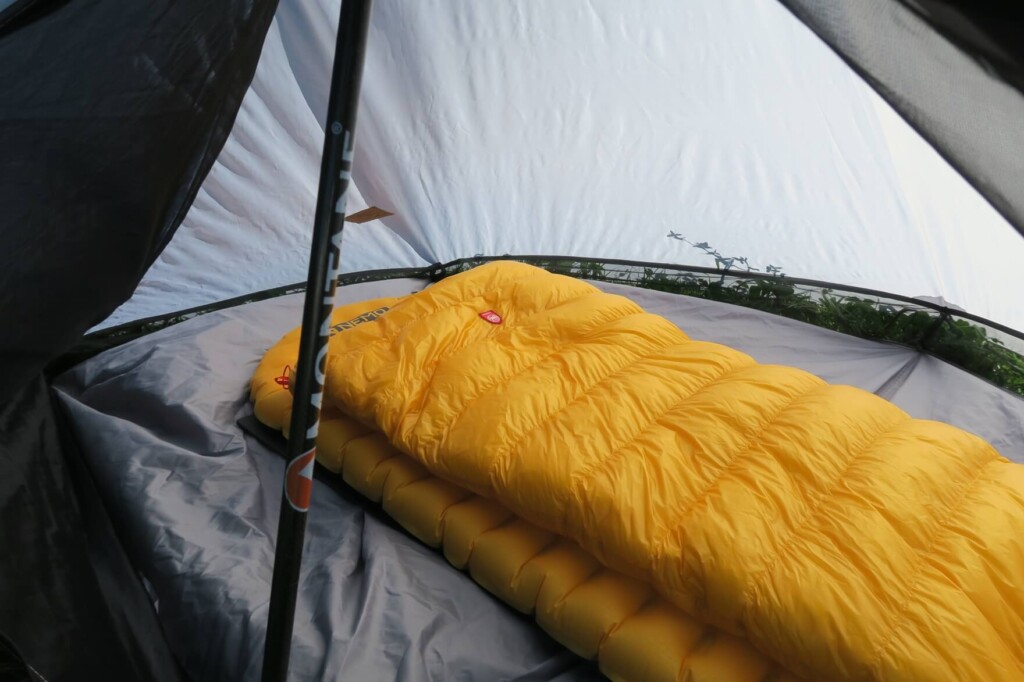
When I'm alone, I tend to leave my bags and other things scattered around next to my sleeping bag without thinking about it
Condensation is also an issue with shelters, but the bottom is made of mesh 360°
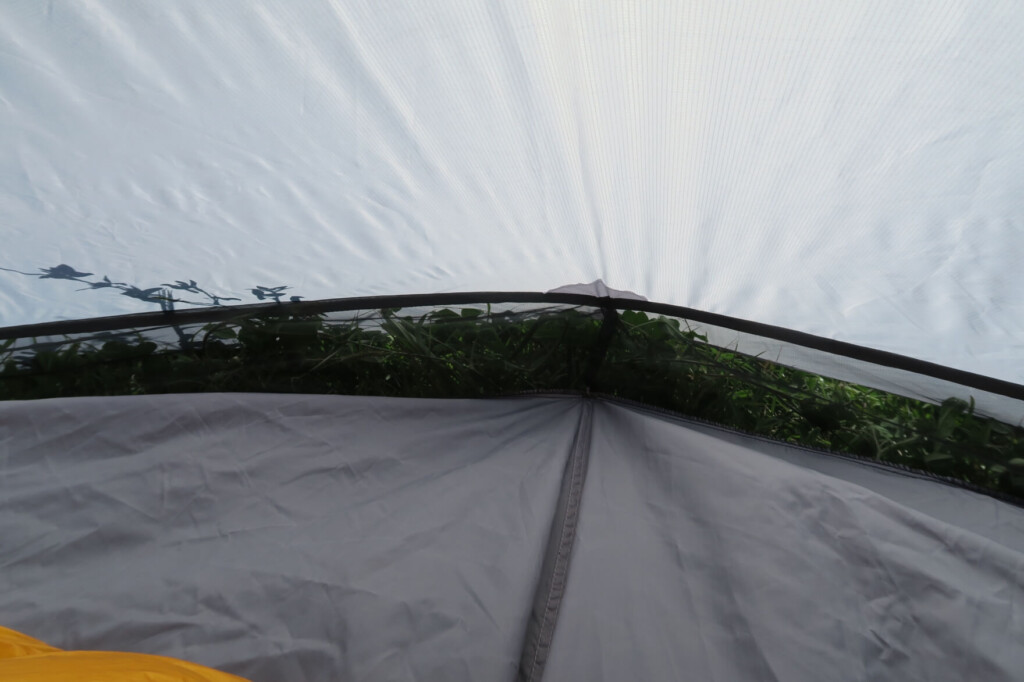
Of course, there are also ventilation holes in the ceiling, through which the warm, humid air that accumulates is expelled
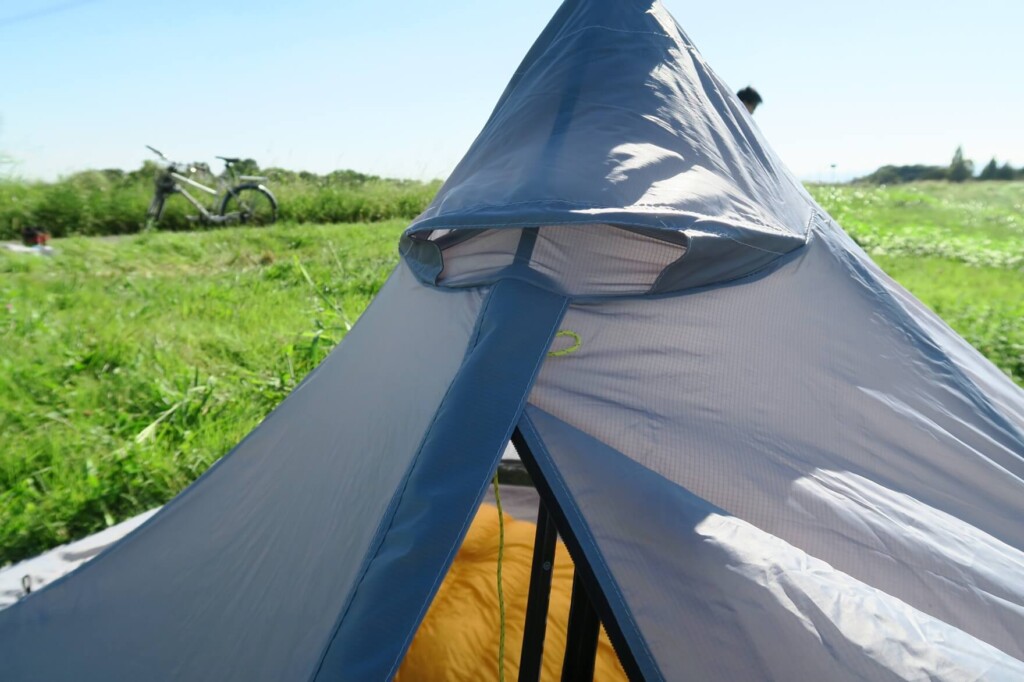
This is an advantage of the One Pole, as it had the least condensation of all the items tested
Of course, it's not possible to simply compare things based on weather, etc., but this is something I realized once again after actually using it
Also, the vestibule is something that you will really appreciate when it rains, and this item is quite useful
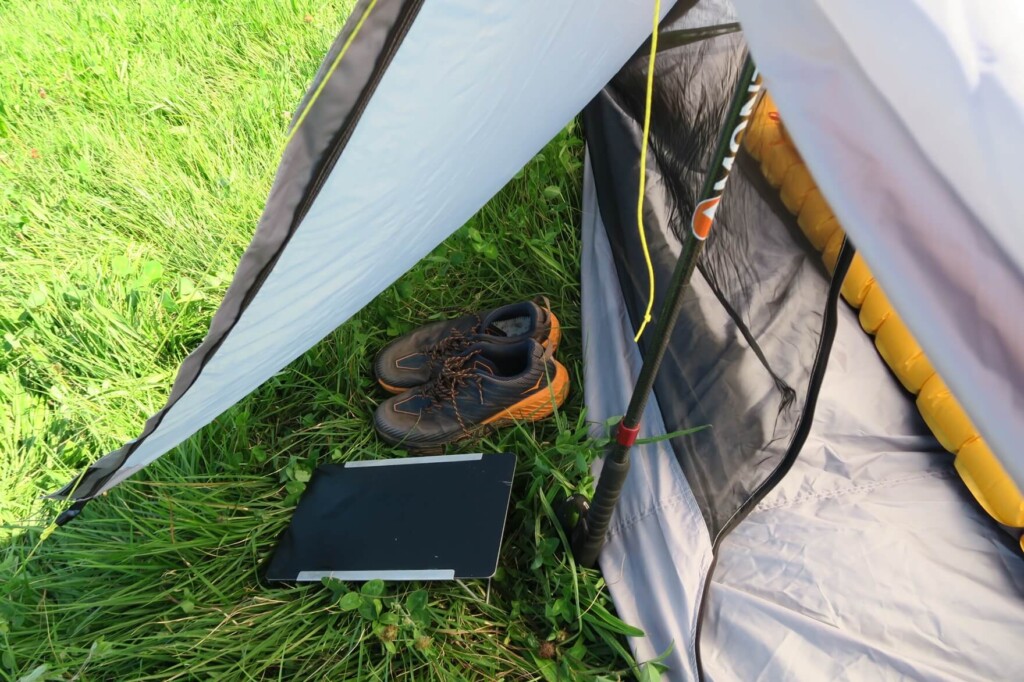
In the photo, the pole is extended toward the vestibule side to create a larger floor space, but it is also possible to create a larger space on the vestibule side
Ease of setup and takedown
One of the advantages of a shelter is its ease of setup, and this model is easy to set up once you get used to the steps
Using the pole as a fulcrum, start with the left and right pegs, then the front and rear pegs. First, insert the rear peg, then raise the pole and insert the front peg. Finally, finish with the two pegs diagonally behind
The problem is that there's nothing you can do if the pegs don't go in. This doesn't take into account the fact that pegs can't be used due to differences in the environment in which the plant was raised. Of course, there are various ways to avoid this, but if you want to apply proper tension, you need to peg them down
Also, the installation area is surprisingly large, so you may get some nasty looks if you use it in a crowded tent site
Weather resistance, durability
Starting with the 2020 version of this model, the material has been changed from Silnylon to polyester (silicone coated). The reason is that polyester is less likely to stretch when it absorbs water. Silnylon is a material that inevitably stretches when it absorbs water. Even if it stands up perfectly, it can look a little sloppy when you wake up in the morning... It's nice that it doesn't sag inward when it rains
The overall thickness is 20D, with the floor being 40D, which is relatively thick. The 40D floor is thick enough that you might not even need a ground sheet, giving you a sense of security. Another advantage of polyester is that it is more UV resistant than nylon, so it will last longer than nylon
Weight and storage
At 740g (including the storage bag, but excluding poles and pegs), it's on the heavy side for a shelter. Considering that double-walled tents that weigh less than 1000g (including poles and pegs) are now commonly sold, this is no different. It's large when you think of it as a shelter and how it can be stored. It's small enough compared to a tent, though..
Instead, the appeal of this model is its large living space and speed of setup, which tents lack. In that sense, it makes a lot of sense to choose this model, and I'm sure many people will choose it for the sense of freedom it offers that tents lack
summary
In conclusion, this is the safest recommended shelter for those who want to transition from tents and want to try using a shelter

Gossamer Gear THE ONE: Lightweight and comfortable. I've been waiting for something like this! A great UL shelter
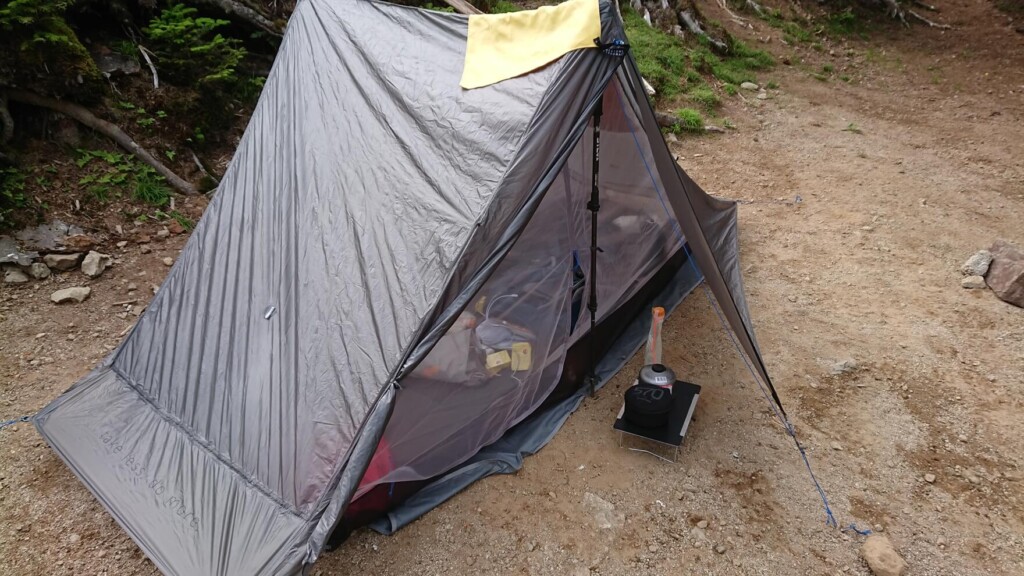
This is 〇
- What wonderful headroom. It's spacious. The vestibule is also a good size
- When it's this light, it feels like you're using a shelter
Here is △
- It's unsafe in strong winds and can't be used on ridges
- Durability. It can't be helped, that's why it's so light
A manufacturer that started making backpacks in a garage 20 years ago has become a gear manufacturer that is attracting attention in the American UL world
This model, released in 2021, is a later model of Lunasolo, and it has eliminated the negative aspects of the Lunasolo. Personally, this is the model I was most interested in, so I will review it right away
Living Comfort
The most notable feature of this model is the spaciousness of the headroom. For someone as tall as 170cm, it is tall enough and wide enough
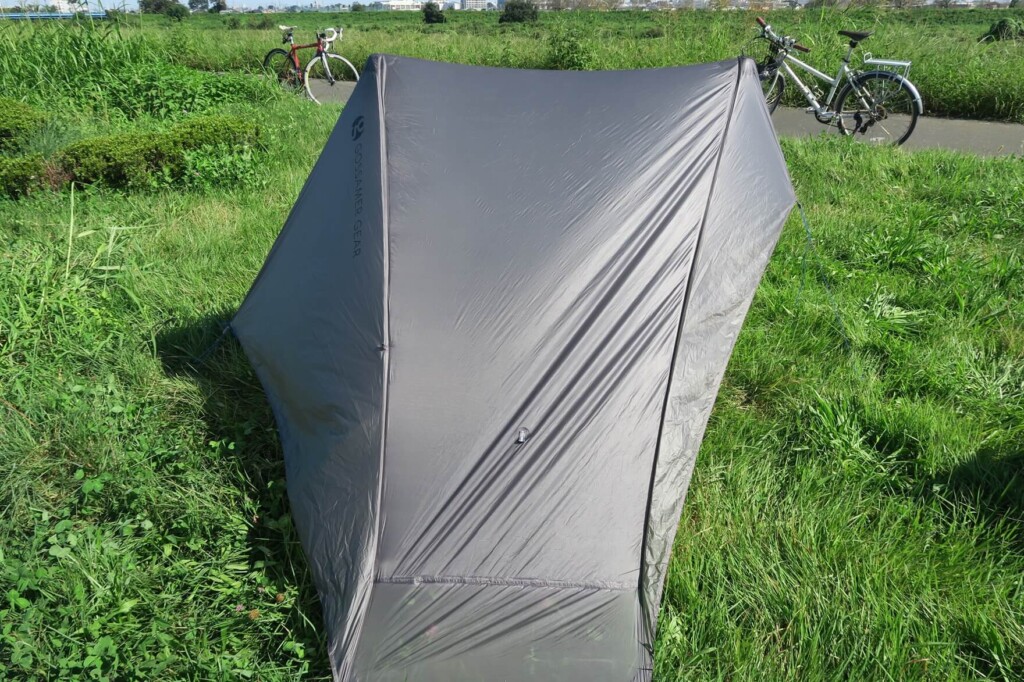
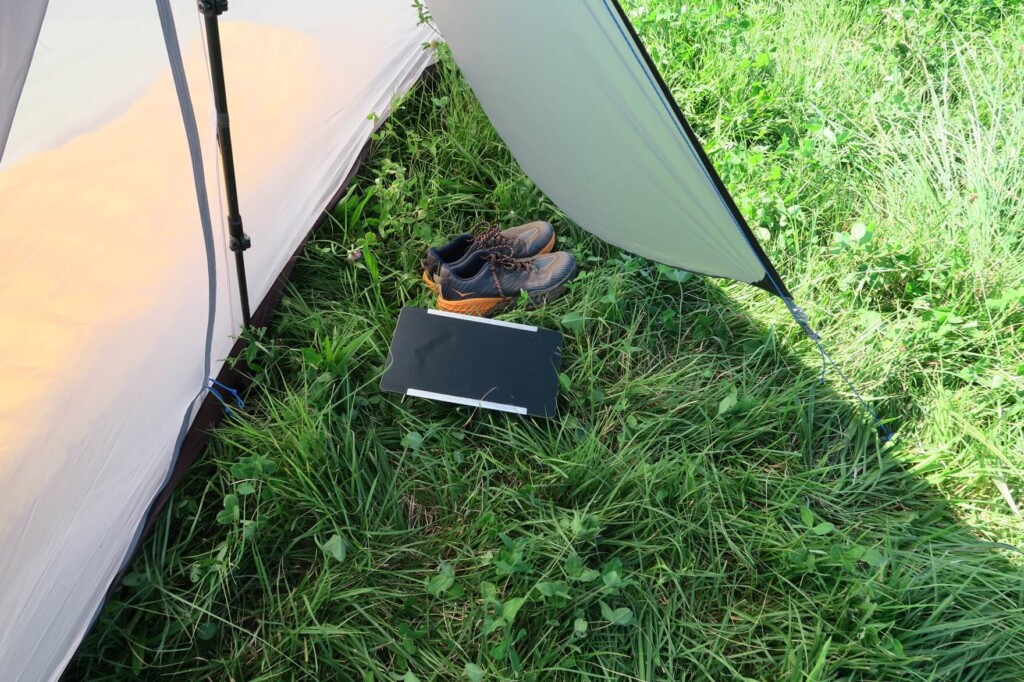
The floor area is sufficient for one person, and the length is over 200cm, so you don't have to worry about your sleeping bag getting wet by sticking to the shelter
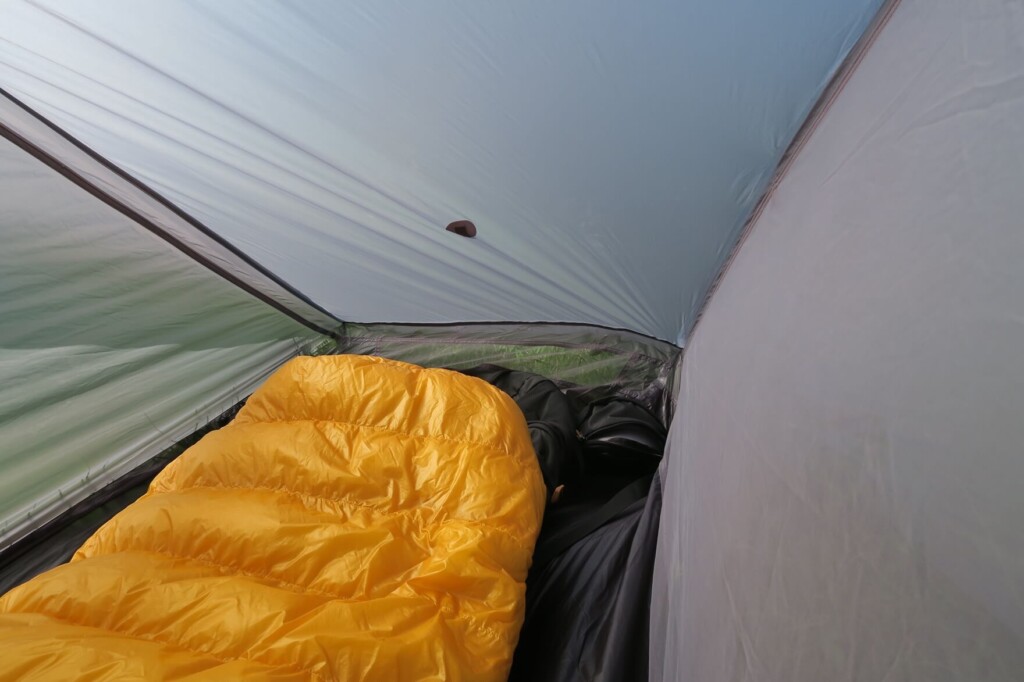
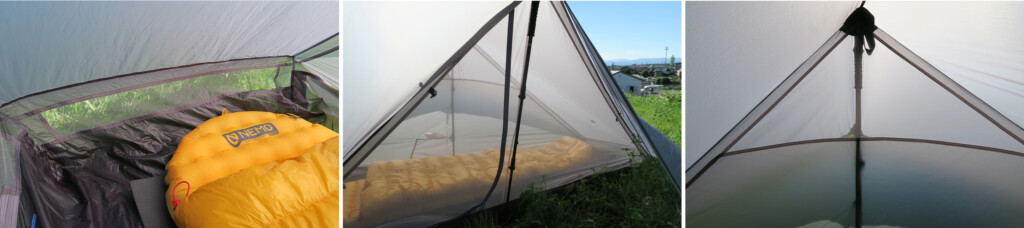
Regarding condensation, this model has mesh at the feet on the short side (left photo below), mesh at the top on the back of the long side (middle photo below), and mesh all over the front side (right photo below). It depends on the airflow, but if the airflow is only from the short side, condensation will inevitably accumulate on the panel. Just accept that this is just how it is and wipe it off!
The vestibule is sufficient, and combined with the ample headroom, it looks like you'll be quite comfortable even on rainy days
Ease of setup and takedown
First, peg down the four corners. Then, insert the trekking poles at the back and front and set it up. This may be a little tedious until you get used to it, but once you do, it's easy. Once you've set it up, balance the front and back and you're done
Since it's a shelter, packing it down is quick. Even if it gets wet from condensation, the thin material will dry relatively quickly even on the second night. That is, if it's sunny
Weather resistance, durability
This model only has a panel on the back that covers the mesh area, so it is exposed to the wind. If you place the entrance downwind as per theory, it will be blown around quite a bit, so you need to choose a location that is least affected by the wind or try to place the short side upwind
The material is 10D Silnylon. The seams are sealed. It's a single-wall tent made of the same material as the flysheet of a lightweight tent, and even the floor is 10D. This is what makes it so small and light, but it also means it's less durable. It's difficult to achieve both, so compromises are necessary. A groundsheet is essential
Also, since it's made of nylon, the tension is loose when you wake up in the morning. It's prone to condensation, so be sure to take measures against it
Weight and storage
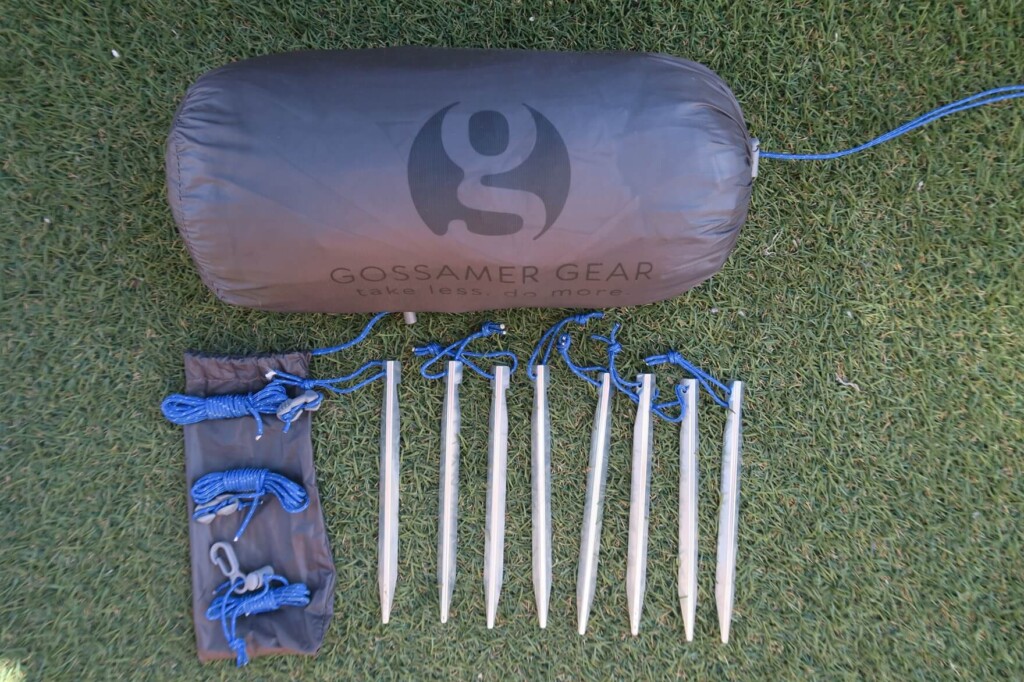
The main body weighs 503g, and the included pegs are standard pegs weighing just 112g. Since the minimum number of pegs required is six, this figure can be further reduced. The storage size is also quite small for a shelter with a vestibule, which is quite reasonable
summary
This is one of the lightest shelters with vestibules and bug nets. I'm sure many people have been waiting for this. It's easy to use like a tent, yet lightweight and quick to set up and store as a shelter, which is a great thing. I wouldn't recommend it for beginners, but for those with some experience, I think it's worth adding to your gear, even considering the downsides of a shelter
HERITAGE Crossover Dome 2G: Easy to set up and compact. Japan's leading freestanding shelter. We're working hard
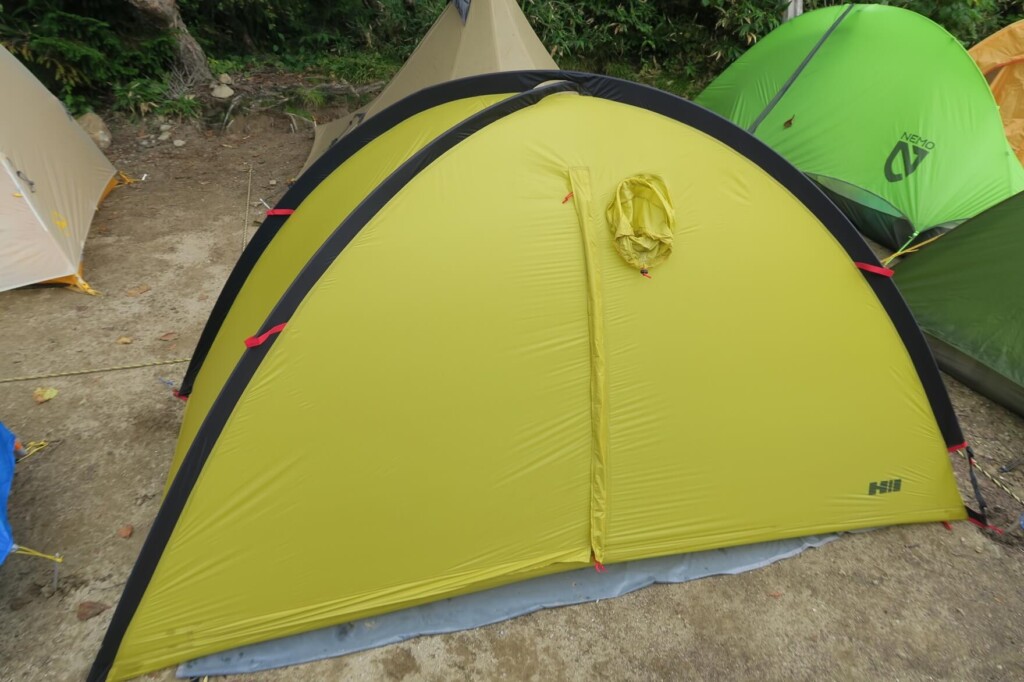
This is 〇
- It's impressive how small and light it is
- It's great to be independent
Here is △
- There's a lot of condensation, but it's warm
- Rainy days can be a hassle, but there are vestibule options available!
Espace is a leading Japanese tent brand, and is more popular among mountaineering club members. They are also actively developing shelters, and I personally own one
Living Comfort
First of all, I should point out that this Heritage and the next one, the Black Diamond, are shelters that are more like tents and do not have vestibules. All but these two are single-person sizes, but I chose these two for two people. Since there is no vestibule, the two-person sizes are more convenient when you consider doing various tasks inside
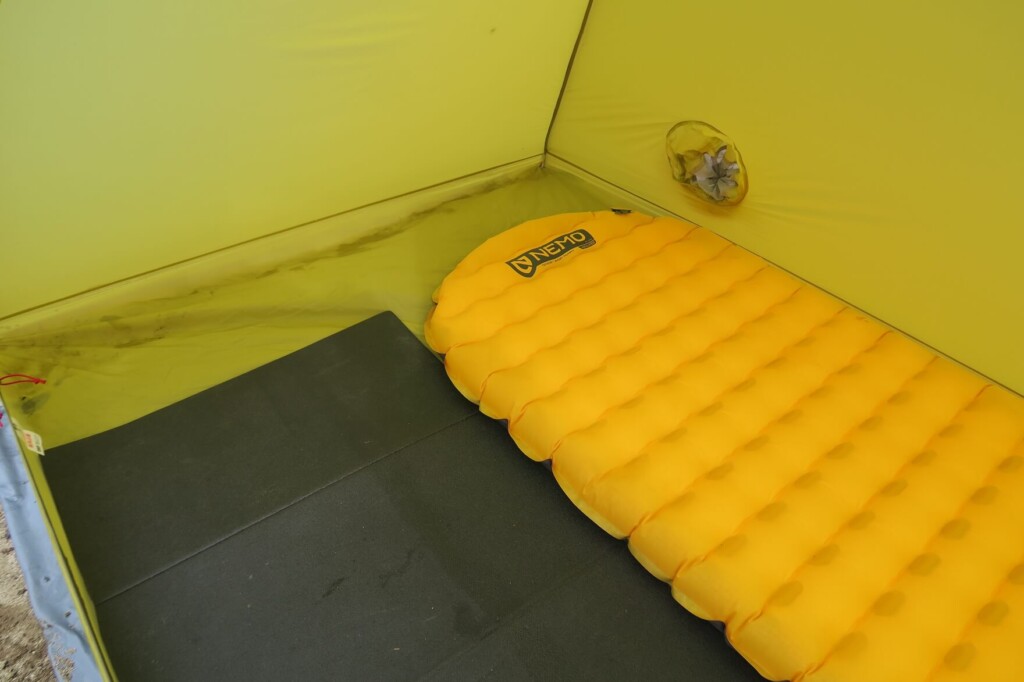
It is designed for two people, so the width is 100cm. Two 50cm mats can be placed side by side
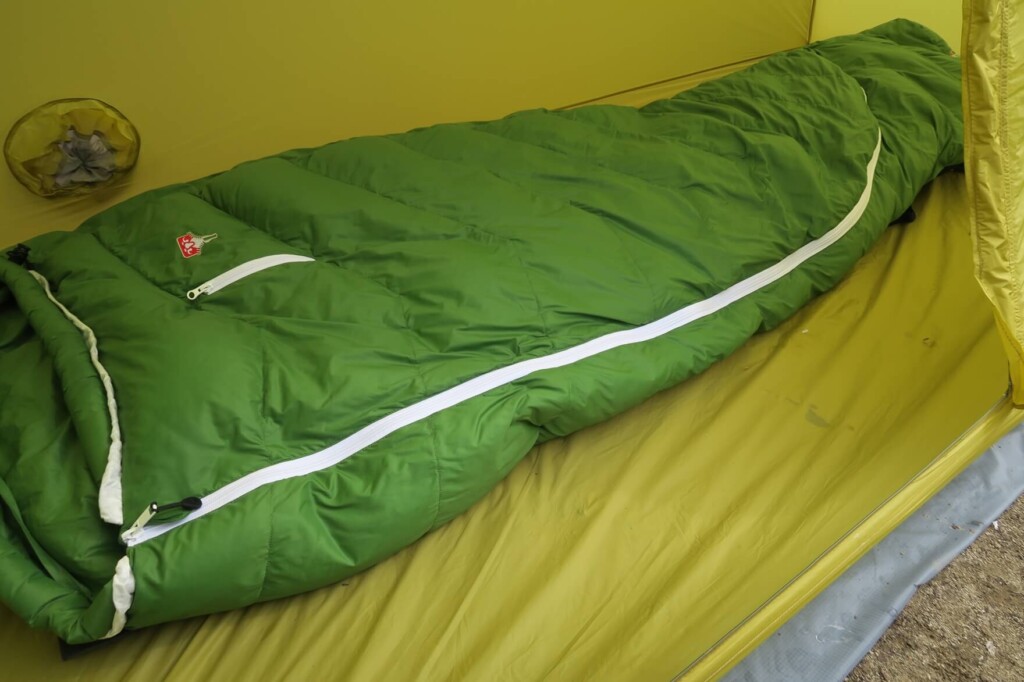
The length is 210cm. Since the sleeping bag touches the shelter itself, we recommend using a sleeping bag cover to prevent condensation. The height is 105cm, which is more than enough for me, who is 170cm tall. It is really spacious for one person
Models that are more like tents do not have vestibules, so the most inconvenient situation is when it rains. The use of firearms is generally strictly prohibited, but in reality, there is no other option. However, many models have poor ventilation, so be very careful about ventilation and minimize use time. It is ultimately up to you to make your own judgment, and no one can guarantee anything, so be extremely careful!
By the way, this model can be fitted with a vestibule as an option. This must have been a popular request! It adds to the price and weight, but it's a great option for those who absolutely need this model! I think it will be really useful when it rains
Condensation is probably the most common issue. There is one air vent at the top of the front, and another at the bottom of the long back side. The zipper at the entrance is double-sided, so if you're not worried about rain, you can open the top to add more air vents
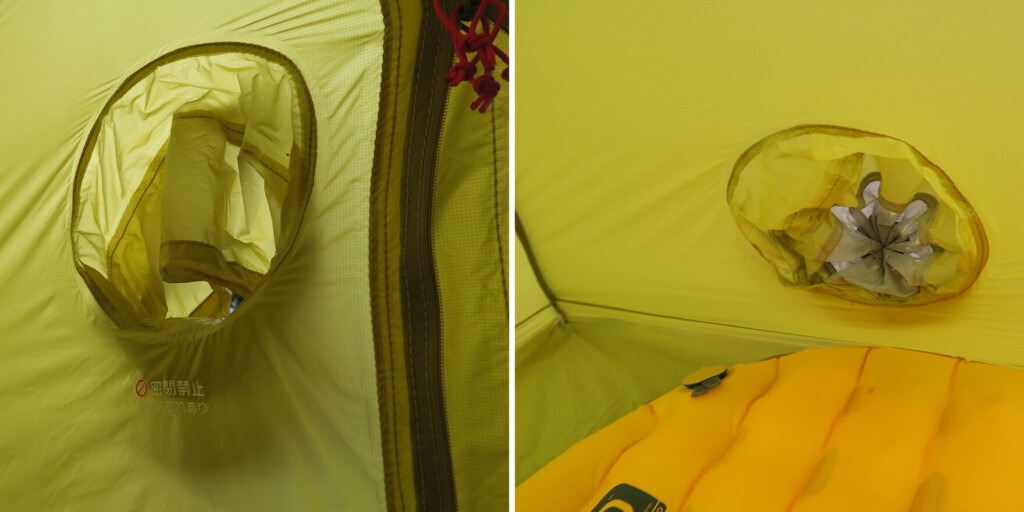
Still, the area is small and minimal compared to other models. The material itself is breathable, but condensation greets you in the morning. You start your day by wiping off the condensation. On the other hand, this model is the warmest. If you close the entrance, your body heat will keep you warm
Its high airtightness is ideal for sheltering in cold weather. The seams are also well sealed
Ease of setup and takedown
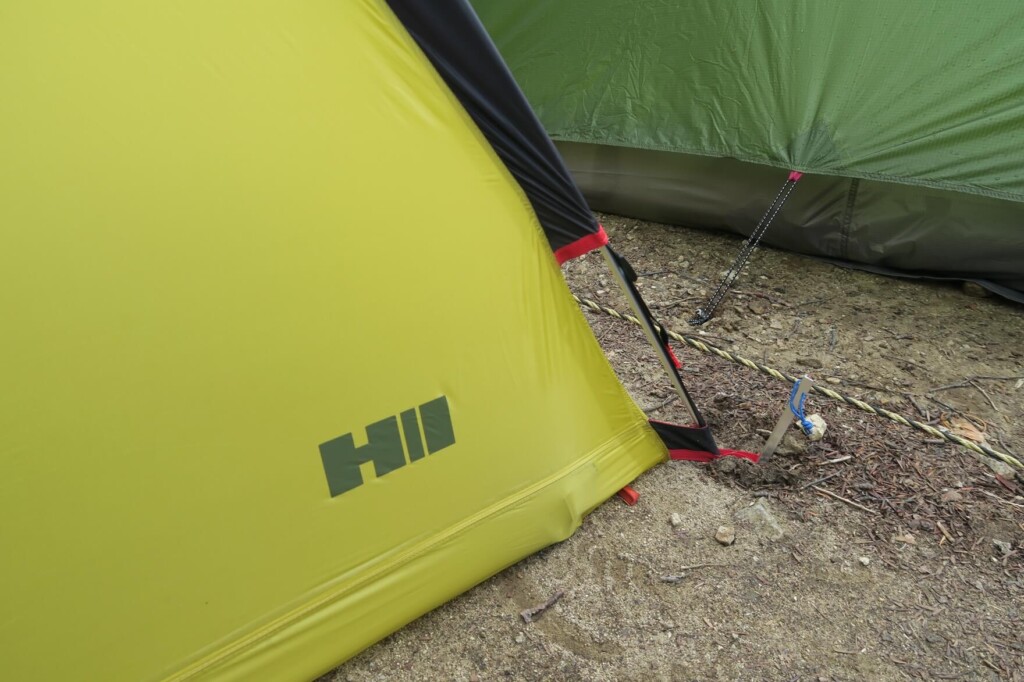
It's not difficult to set up, as all you have to do is insert the two poles. The poles are the same size, and one of the insertion holes is sewn shut, so it's easy to set up by yourself
Another plus point is that it has the smallest installation area of all the tent tent we compared. It can be set up quickly and easily, even on narrow ridgelines. This is something you'd expect from a Japanese manufacturer, who really knows what they're doing. To take it down, all you have to do is pull out the poles. It's freestanding, so you don't even need to peg it down, and it's perfect for rocky ridges where pegs can't be used. You can also attach guy ropes (sold separately), so it can be used even in moderately strong winds
I think these points will resonate with people who are aiming to or dream of climbing the Trans-Alps
Weather resistance/durability
The second generation has seen significant improvements in the specifications of the materials used. It has a water resistance of 1,230mm and a breathability of 367g/m2/h. This is 1.5 times and 2 times better than the first generation I own. It's made of 10D Japanese-made nylon ripstop material that's also breathable. Still, it's still thin at 10D, so a groundsheet is a must. Don't expect much in terms of durability. Instead, it's lighter and more compact!
Weight and storage
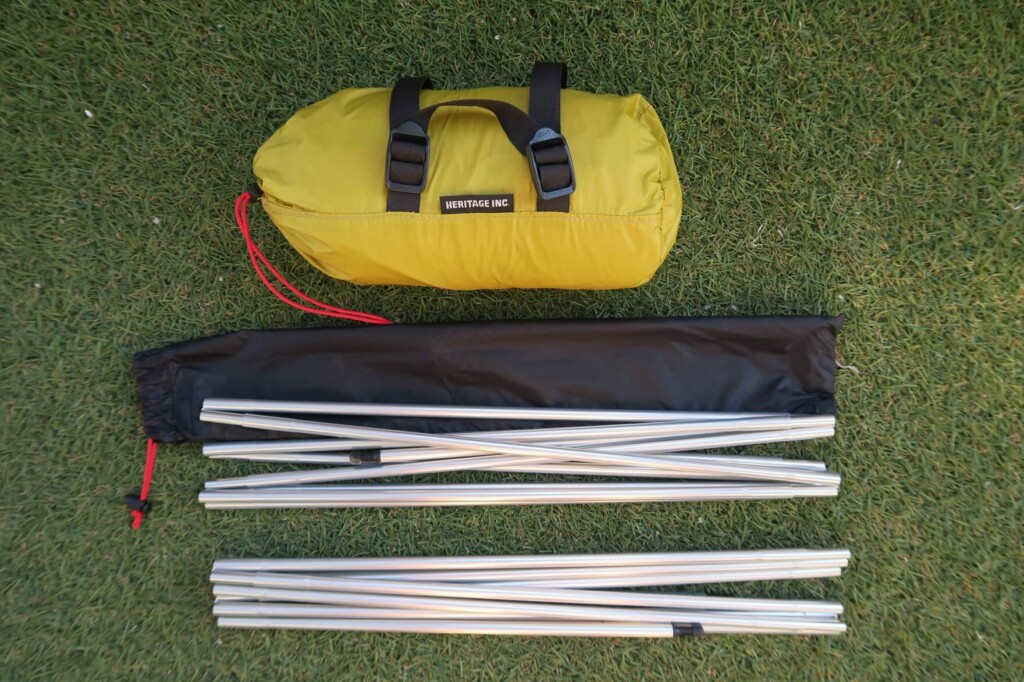
The shelter itself weighs 333g for two people, and 630g with the two poles! Pegs and guy ropes are sold separately, but they still weigh 630g. The storage bag is small, but it's surprisingly easy to fit inside. The optional vestibule weighs 140g
summary
Heritage is the only Japanese brand featured in this selection. It is one of the few models with specifications that allow it to be used in mountainous areas above the tree line. It is a unique, self-standing model, so you can feel safe taking it anywhere, regardless of the mountain range. Although it requires a lot of work, once you get used to it, it's not so much of a problem, and it is one brand I hope will continue to do well

Black Diamond Distance Shelter: A shelter that provides outstanding security. This shelter made by an American mountaineer is a reliable choice in many ways
This is 〇
- Absolute peace of mind
Here is △
- The storage size is so small that it can hardly be called a shelter
BD is a brand that anyone who hikes the mountains has surely seen. It's a comprehensive gear brand, and they also produce ambitious shelters
Living Comfort
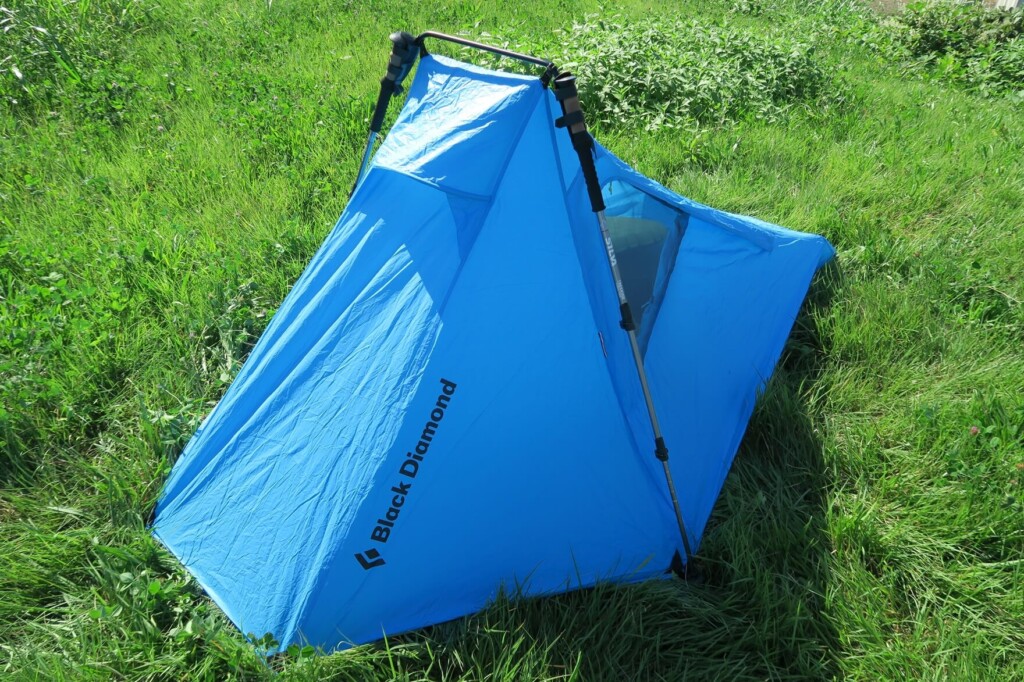
Like the Heritage model above, this model is more like a tent and does not have a vestibule. Of course, there are no options. The poles use two walking sticks to reduce weight and packing size. Only two-person sizes are available
The hexagonal floor is large enough to place 50cm wide mats side by side and still have enough space to place small items next to them
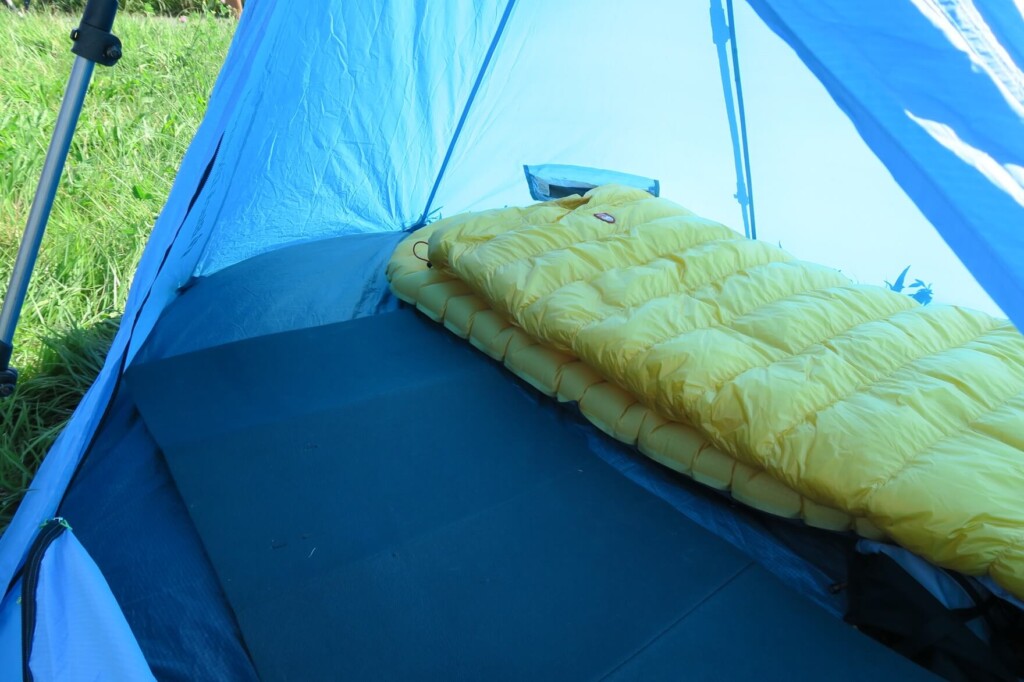
It's 240cm long, so it's large enough that your sleeping bag won't even touch the shelter. When you use it alone, it's really spacious. You can do anything! It's also 104cm high, so I'm 170cm tall and have plenty of room
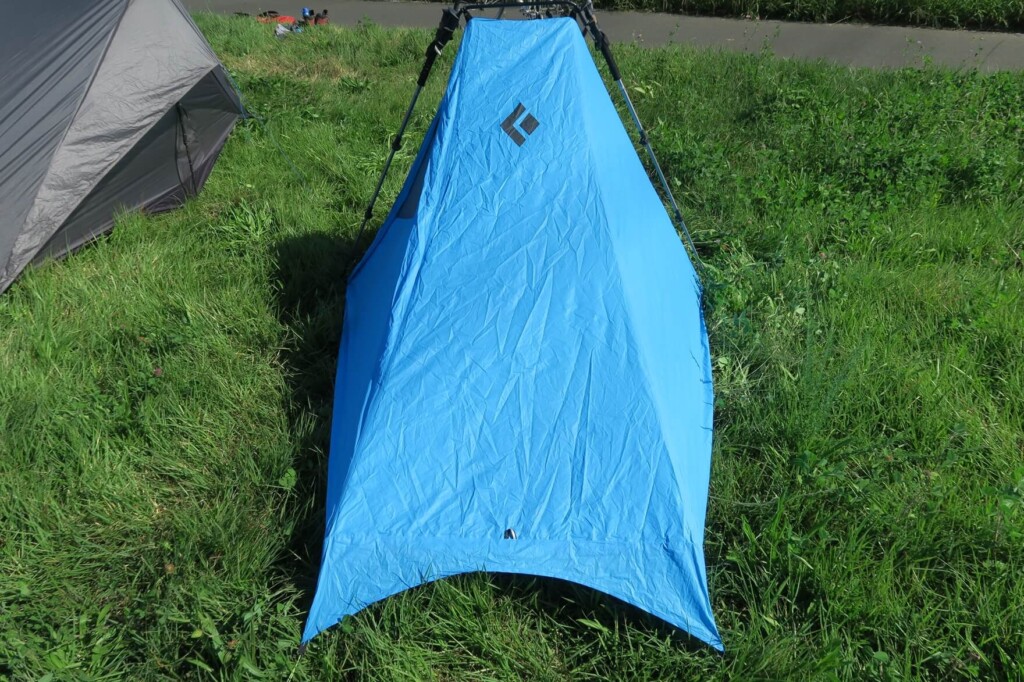
However, the width of the ceiling is narrow considering that two poles are used, so it is only better than a one-pole tent. Still, it is no problem if you are using it alone!
Condensation is a concern, but of course it does occur. However, just like the Lunar Solo, there is a vent at the top, so although I was prepared for it to be a tent-type tent, it doesn't seem to be that bad. The entire short side of the foot area is covered with a mesh panel, and the top of the entrance can also be made into a mesh panel, so it seems to ventilate surprisingly well
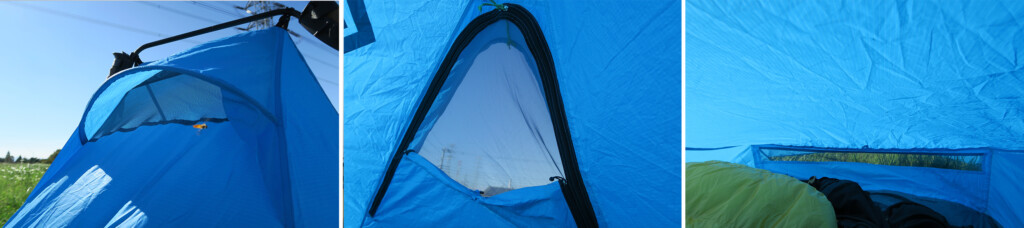
Ease of setup and takedown
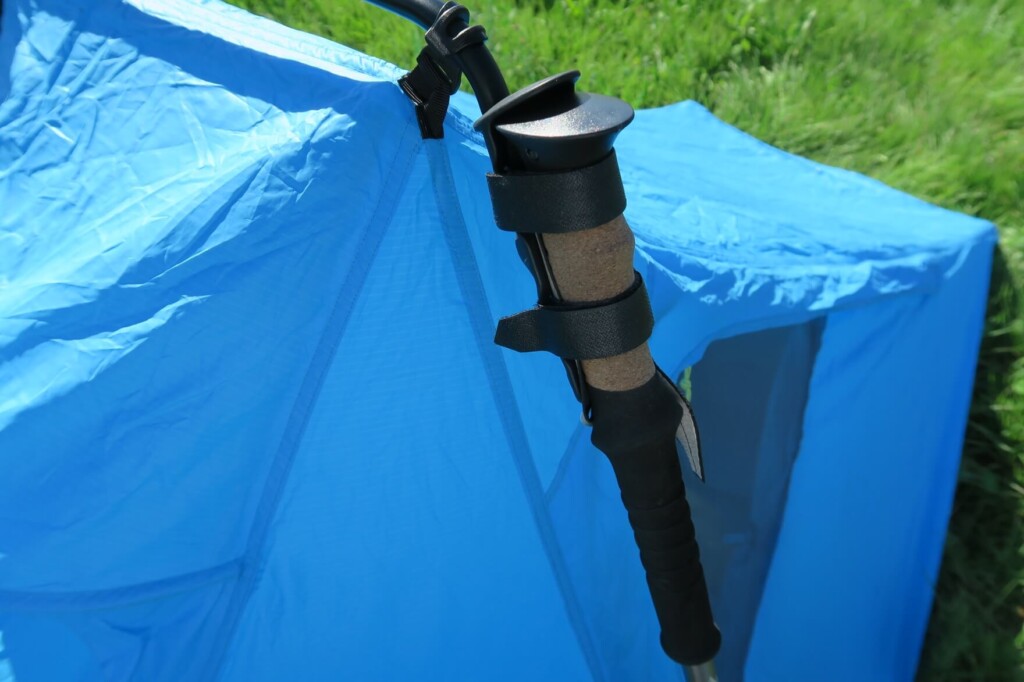
The setup itself isn't difficult, but the setup of the poles is a bit tedious. BD's genuine poles are much faster to set up, but with other poles, it takes a little time to attach the attachments. It's still much faster than a tent, though
First, peg down the four corners. Stretch the rope at the base a little longer so it's easier to adjust later. Prepare two poles, connect the small poles, and then attach the hooks. It's not difficult, and even beginners can set it up in no time
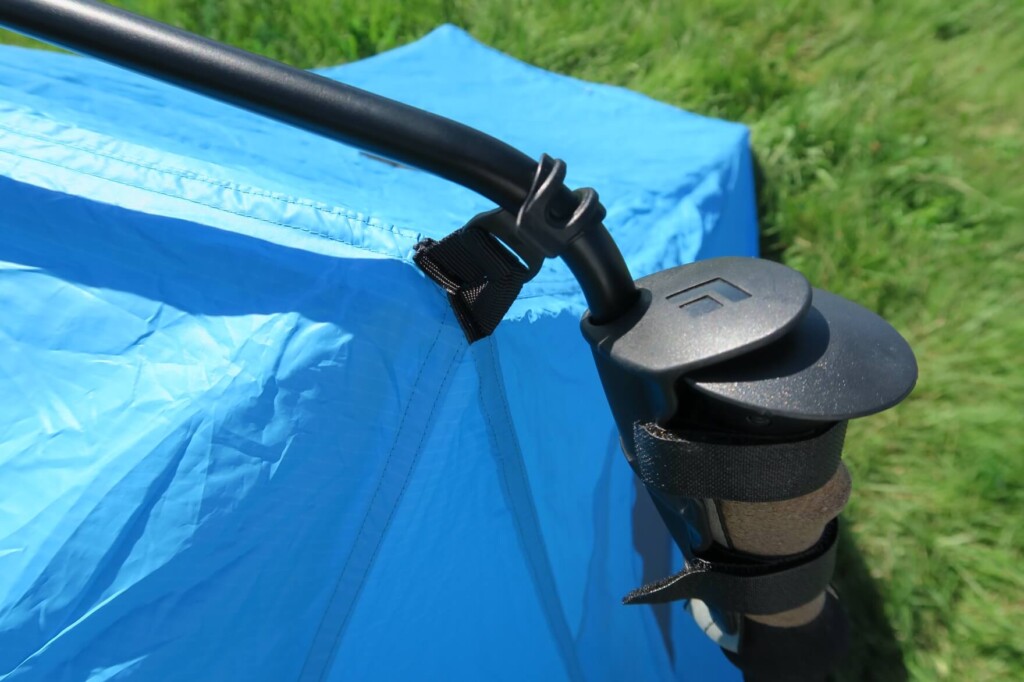
It was a little difficult to put the main body into the included bag when packing it down. I would have used a larger stuff sack instead
Weather resistance/durability
Both the main body and floor are made of 30D polyester. It's so sturdy and sturdy you'll wonder if it's really 30D. The seams are also perfect. You might not even need a ground sheet
Although the top section is narrow, its size, similar to that of a single pole, increases its resistance to wind. The design that allows wind pressure to escape makes it look reliable below the ridge. The use of polyester, which retains its tension even when wet, makes it a shelter truly suited to mountain climbers. It's fantastic
Weight and storage
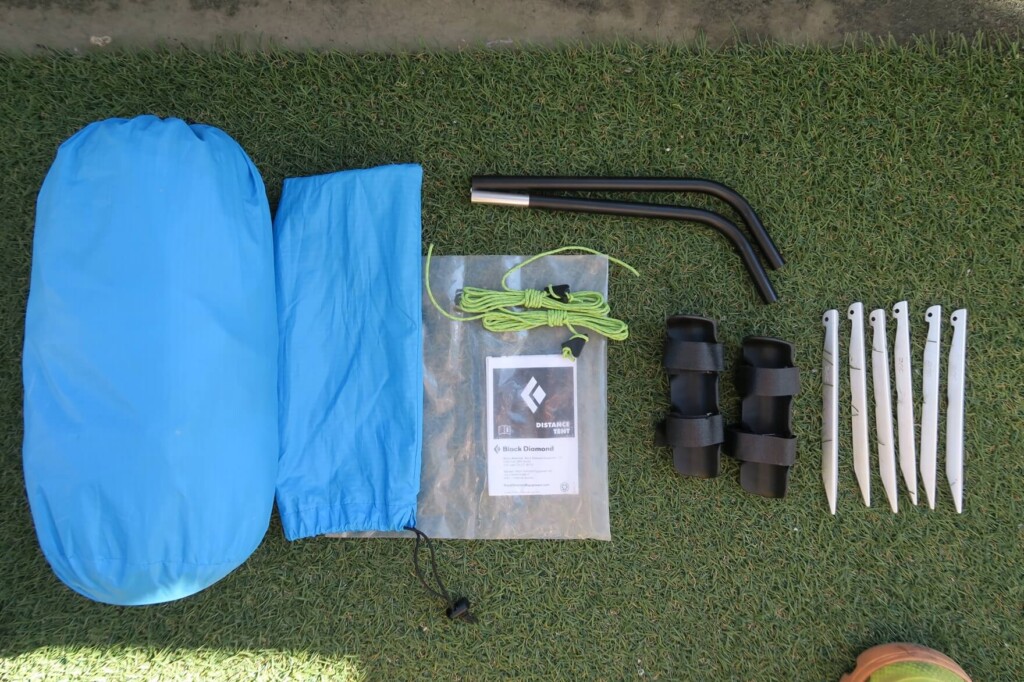
The shelter itself weighs 670g, and the six pegs, guy ropes, and attachments weigh 240g, for a total of over 900g, so you might be wondering how it can be used as a shelter. The shelter itself doesn't pack up very compactly, so it's actually larger than a cheap double-wall tent
But when you actually stay there, you'll find that the shelter gives you an indescribable sense of security
summary
This model is not exactly compact or lightweight as a shelter, but it is definitely quick to set up and take down as a shelter. And in terms of protection, it is the best of the five models
I don't think it would be chosen very often for UL hikes, but I think there are different mountain styles that require different things and where this model would be ideal
ZEROGRAM Thru Hiker 1p: Combines the comfort of a tent with the ease of use of a shelter. This ultra-lightweight tent from a Korean brand is a real winner
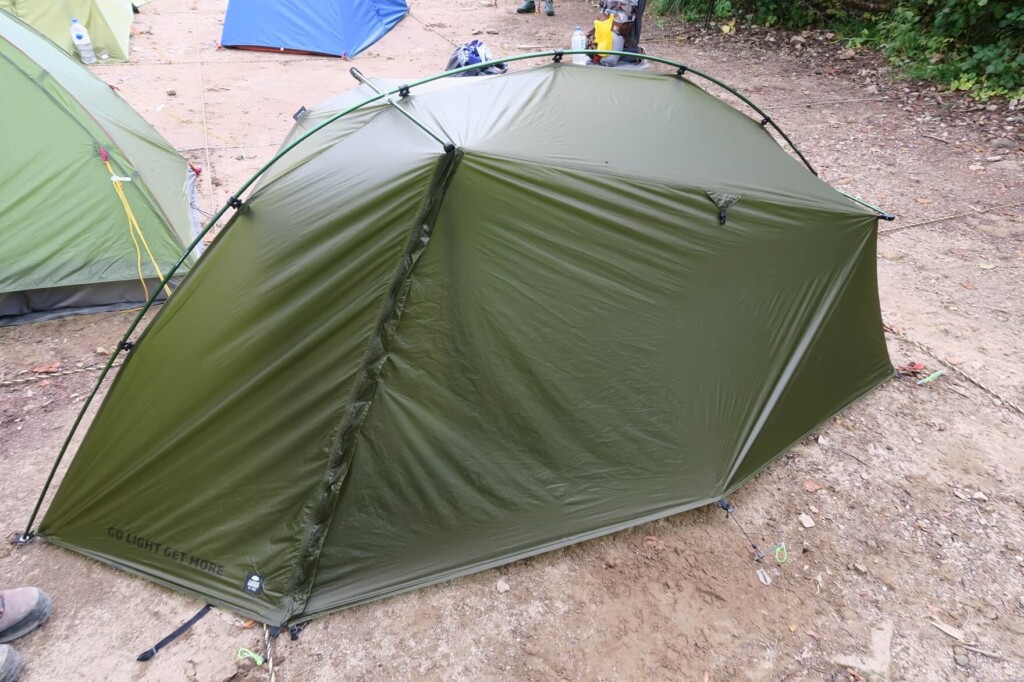
This is 〇
- Fast setup speed for a double wall tent
Here is △
- However, cleaning up afterwards is a lot of hassle
This Korean gear manufacturer is celebrating its 10th anniversary this year, and has rebranded, changed its logo, and is now also developing apparel. Their outer pole tents attracted attention when they first debuted, and they continue to offer a variety of lightweight, easy-to-use tents
Since we are participating in a shelter project this time, there are not many outstanding features in terms of specifications, but as a tent it is a very attractive model
Living Comfort
As a solo tent, it has ample living space, with ample width and length
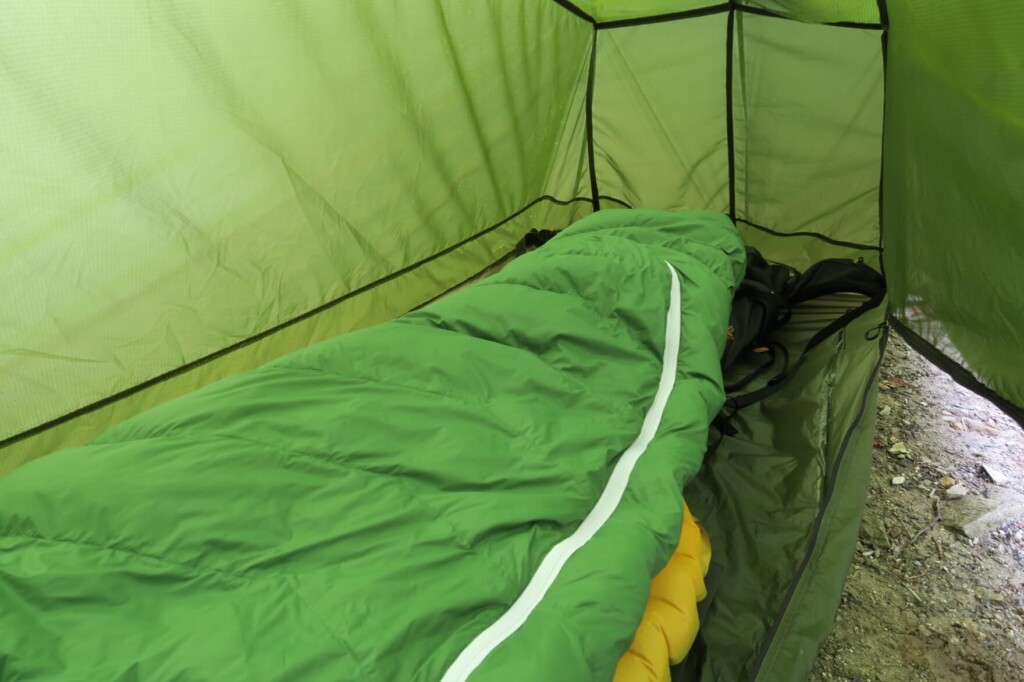
What sets it apart from other solo tents is the vestibule located at the head of the tent, which can be used as a second storage space for wet or dirty items that you don't want to put on the floor
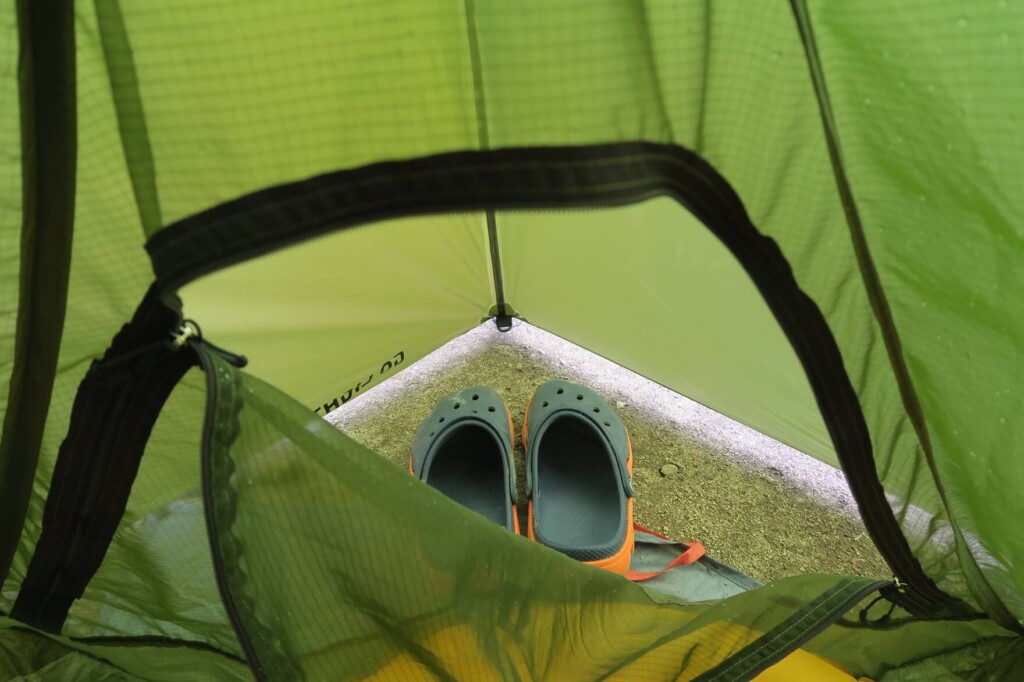
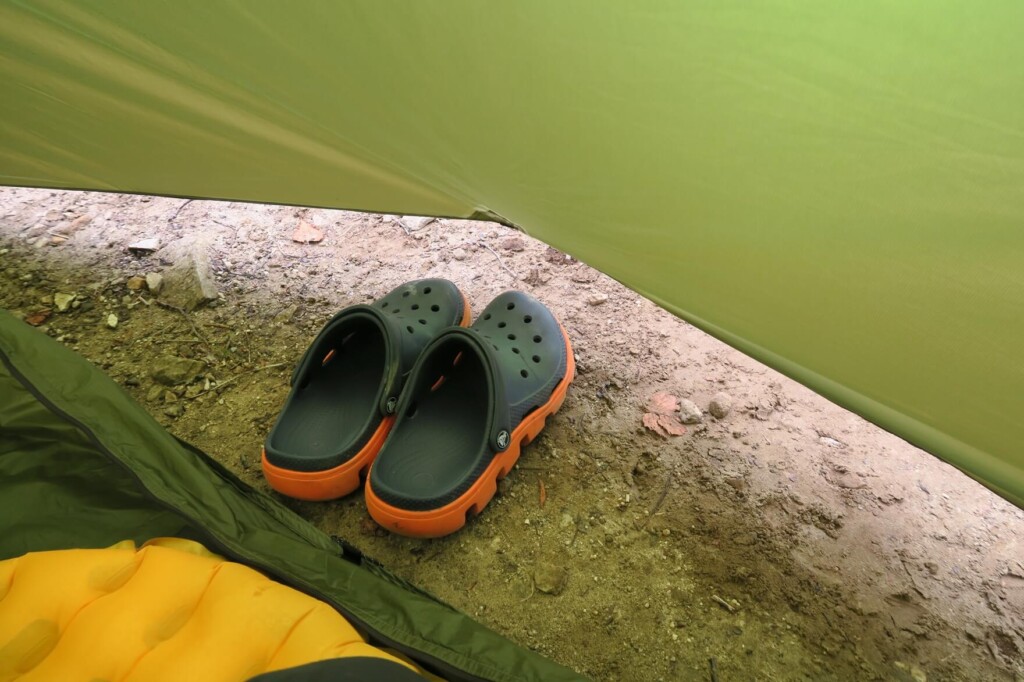
The headroom is also excellent, and the outer poles ensure ample headroom, making it extremely comfortable and allowing you to even cook without stress when it rains
The front mesh floor space is made of a special monofilament, which has excellent water-repellent properties. Condensation is quite strong, but even if accumulated water droplets fall, the mesh repels them well, so the floor doesn't get flooded
The fly is fully covered right down to the ground, preventing rain from blowing in, and there are ventilation holes at the top for good ventilation
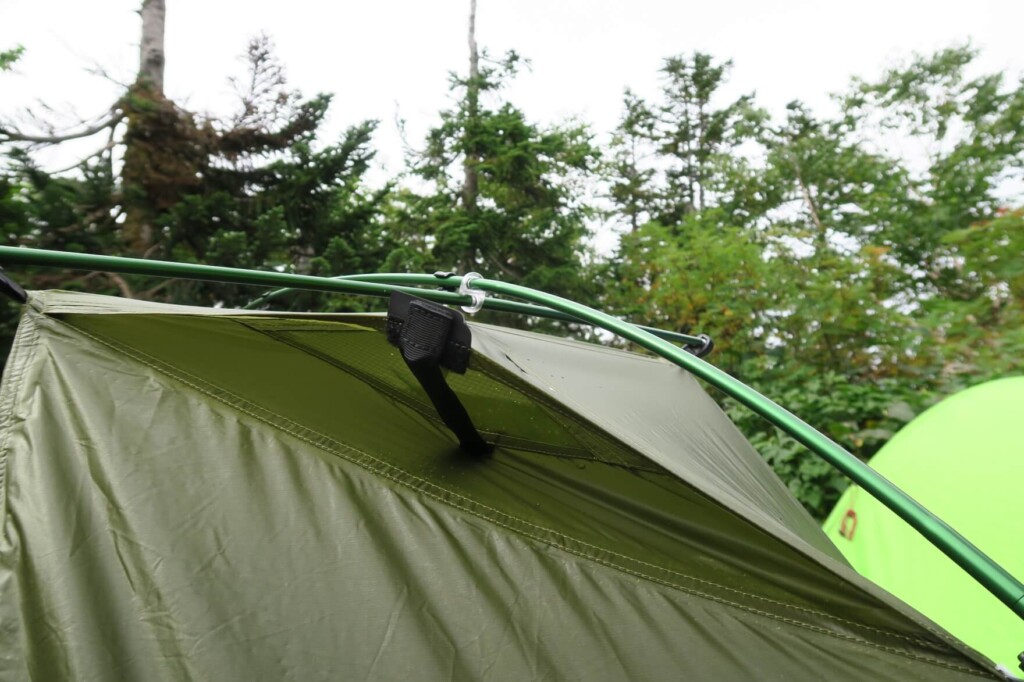
This model has more than enough features to serve as a double-wall tent
Ease of setup and takedown
When you think of Zerogram, you think of the shape of the outer pole
To set up, first peg down the four corners. Then insert the outer poles and lift them up with clips. Finally, secure both ends of the two short poles, and the tent will be up in no time. Then peg down the remaining anchor points and it's complete. It's as quick as setting up a shelter
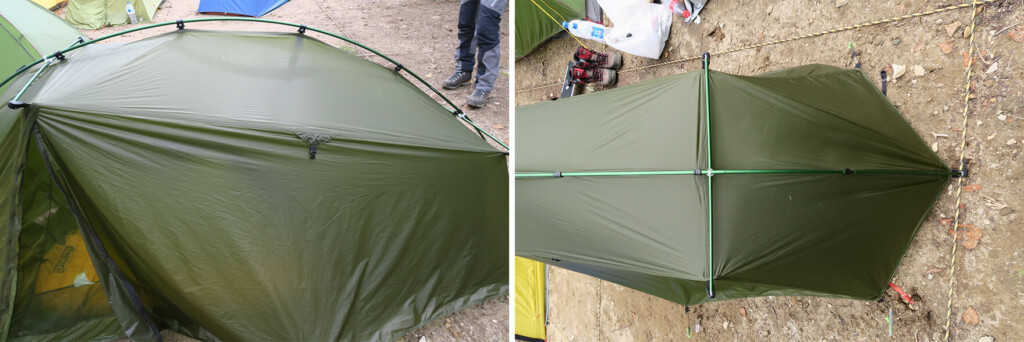
The reason this double-walled tent can be set up quickly is because the inner tent is connected to the flysheet
With most tents, you set up the inner tent with poles and then put the flysheet on top of that, but with outer poles like the Zero Gram, you connect the flysheet and inner tent and set them up together, which makes setup much faster
On the other hand, condensation does occur in tents, and in the case of inner tents with large mesh sections, the water droplets will accumulate on the inside of the flysheet. With a normal tent, you can let the water droplets that have accumulated on the flysheet fly off to a certain extent before storing it, but with the Zero Gram, the inner tent is connected, so it is difficult to deal with the water droplets when packing up. This point is something that opinions differ depending on what you value most
Weather resistance/durability
The fly and floor are made of 15D Silnylon. The mesh is 20D monofilament mesh. Using a ground sheet will help it last longer. The seams are, of course, sealed. The fly covers the ground well enough and is reasonably wind-resistant. However, since it requires pegging down, it may be difficult to set up on surfaces that don't allow pegs to penetrate
Weight and storage
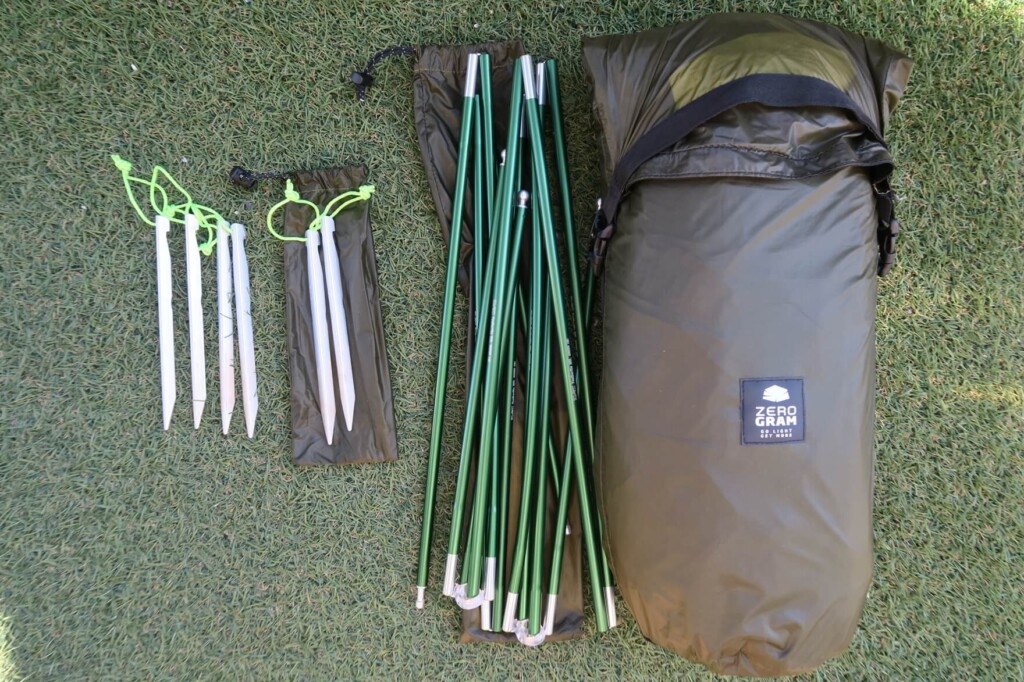
Including the poles and pegs needed for setup, the total weight is just over 1000g. It's not the lightest solo tent, but it's still light enough. It's also small when packed down. Considering the comfort of the living space, this is a very satisfying model
summary
The double-wall tent was chosen as the comparison shelter this time because of its speed of setup. Its comfort is as you'd expect from a tent. In terms of overall usability, drying and storing it after returning home can be a hassle, but it is extremely user-friendly in the field. It is by far the fastest setup among double-wall tents, and it is also excellent for use in the rain and for takedown (you can even store the inner tent while leaving the flysheet in place). Not many people use it, so I think it's an interesting tent
Test Results & Spec Comparison Table
| comprehensive evaluation | AAA | AAA | AAA | AAA | AA |
|---|---|---|---|---|---|
| item | 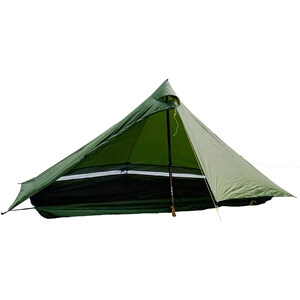 Six Moon Designs Lunar Solo 2020 Six Moon Designs Lunar Solo 2020 | 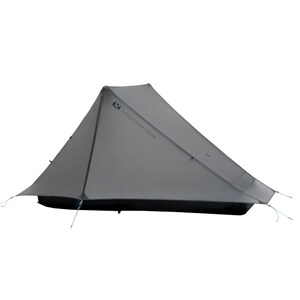 Gossamer Gear THE ONE Gossamer Gear THE ONE | 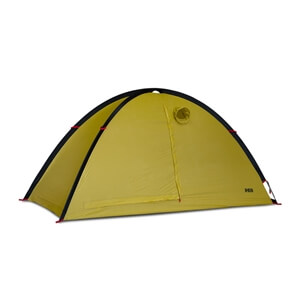 Heritage Crossover Dome 2G Heritage Crossover Dome 2G | 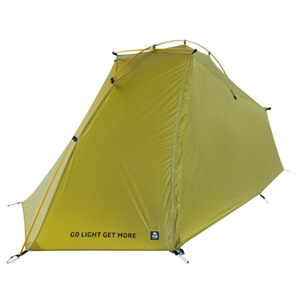 ZEROGRAM Thru Hiker 1p ZEROGRAM Thru Hiker 1p | 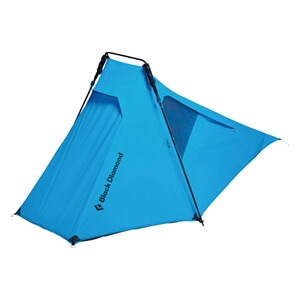 Black Diamond Distance Shelter Black Diamond Distance Shelter |
| Here is ◎ |
|
|
|
|
|
| Here is △ |
|
|
|
|
|
| livability | ★★★★☆ | ★★★★★ | ★★★☆☆ (for solo use) ★★☆☆☆ (for two people use) | ★★★★★ | ★★★★☆ (for solo use) ★★★☆☆ (for two people use) |
| Ease of setup | ★★★★☆ | ★★★☆☆ | ★★★★★ | ★★★★☆ | ★★★☆☆ |
| weather resistance | ★★★★☆ | ★★★☆☆ | ★★★★★ | ★★★★☆ | ★★★★☆ |
| durability | ★★★★☆ | ★★☆☆☆ | ★★☆☆☆ | ★★★☆☆ | ★★★★★ |
| weight | ★★★★☆ | ★★★★★ | ★★★★☆ | ★★☆☆☆ | ★★★☆☆ |
| Storage capacity | ★★★☆☆ | ★★★★☆ | ★★★★★ | ★★☆☆☆ | ★★★☆☆ |
| Specifications | |||||
| item | Six Moon Designs Lunar Solo 2020 | Gossamer Gear THE ONE | Heritage Crossover Dome 2G | ZEROGRAM Thru Hiker 1p | Black Diamond Distance Shelter |
| Body material | 20D silicone coated polyester | Custom 10D nylon ripstop SIL/PU fabric with 1800mm waterproof rating | 10dn nylon high-strength mini ripstop with breathable, waterproof PU coating (Made in Japan) | 20D monofila | 30d polyester fabric |
| Floor material | 40D silicone coated polyester | Custom 10D nylon ripstop SIL/PU fabric with 1800mm waterproof rating | 10dn nylon high-strength mini ripstop with breathable, waterproof PU coating (Made in Japan) | 15D N/R silicone/PU coated | 30d polyester fabric |
| Fly material | N/A | N/A | N/A | 15D N/R silicone/PU coated | N/A |
| Water pressure resistance (mm) | 3,000 | 1,800 | 1,230 | N/A | N/A |
| pole | Trekking poles (1) | Trekking poles (2) | Aluminum alloy hollow pole (7001-T6) with 7.5mm shock cord | DAC NSL 8.5mm | Trekking poles (2) |
| Actual weight (g) | 696 (Main body + stuff sack) | 521 (main body + tent stuff sack) | 622 (body + pole + stuff sack) | 1,006 (body + fly + pole + stuff sack) | 843 (main unit + attachment) |
| Floor area (m2) | 2.4 | 3 | 2.1 | 1.7 (approximate) | 2.4 |
| Front chamber area (m2) | 0.8 | 0.9 | N/A *Front fly can be connected (sold separately) | 0.4 (approximate) | N/A |
| Required setup space (cm) | 267 × 199 | 297 × 261 | 210 × 100 | 280 × 140 | 241 × 147 |
| Floor length (cm) | 229 | 213 | 210 | 210 | 241 |
| Height (cm) | 122 | 114 | 105 | 93 | 104 |
summary
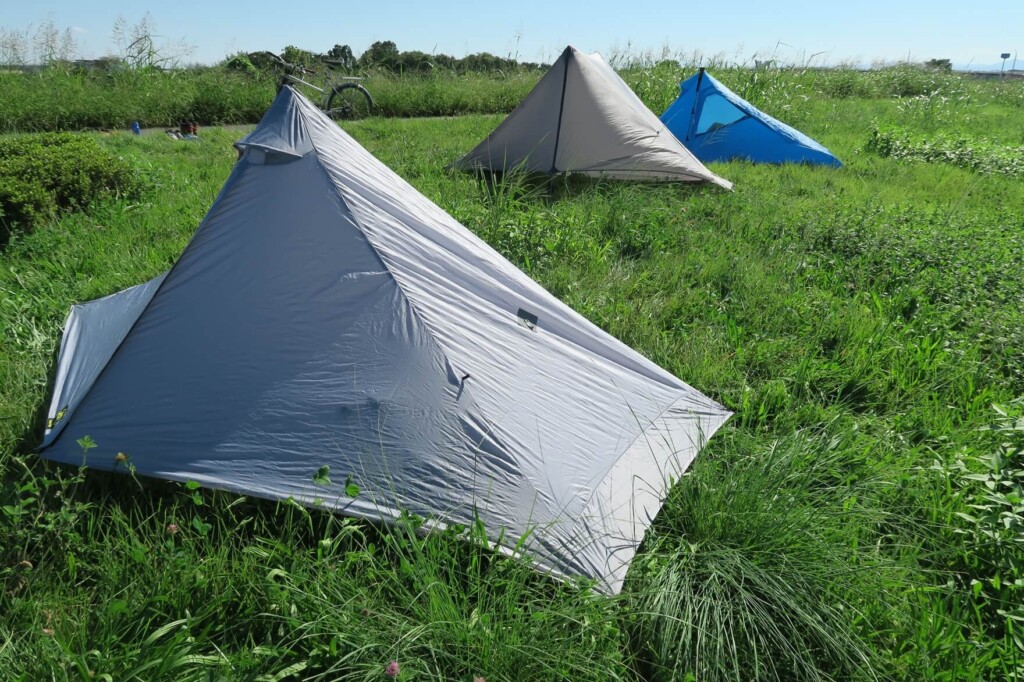
This time we reviewed the Shelter Type 5 (which technically includes one double-wall tent)
Lightweight equipment is an essential part of mountaineering
- Lighten your gear and go further and higher
- Lighten your gear to reduce the strain on your body
We pursue weight reduction from two main points: 1. to improve speed, and 2. to improve safety
However, there are always risks involved, and if you neglect these risks, mountain climbing is an activity that can even be life-threatening
This time I have reviewed the advantages and risks of each model from my personal perspective, but once you have clarified your own requirements and found a model that you think is suitable for you, I encourage you to do your own research and check it out for yourself
- The Six Moon Designs Lunar Solo is a relatively easy option for transitioning from a tent .
- In terms of UL shelters, Gossamer Gear THE ONE .
- The Heritage Crossover Dome 2G can be taken almost anywhere in the mountains of Japan .
- If you prioritize protection and want speedy setup, choose the Black Diamond Distance Shelter .
- The ZEROGRAM Thru Hiker 1p offers a comfortable tent and quick setup .
All models are guaranteed to be easy to set up as a shelter
It's difficult to achieve both lightness and protection at the same time, so you need to think carefully about how much you want in that regard
Condensation can occur in regular tents, so try to deal with it well. Even if you're not using a shelter, waterproofing measures such as stuff bags and sleeping bag covers can help you avoid mistakes
I absolutely love the excitement of getting new gear, but the trial and error that comes before that is even more fun. Based on my knowledge and experience, what should I add to my gear to take it to the next level? Building a shelter is a bit of a challenge, but I'm sure it will be an interesting challenge!
So, have fun with your new gear and enjoy your mountain trip!
Keroppa
 It's been over 30 years since I first became interested in mountains and started wandering around. I didn't join any mountaineering clubs, but instead enjoyed testing out information from books, magazines, and the web, and somehow ended up working for an outdoor gear manufacturer. I spend my weekends in the mountains year-round, enjoying peak hunting, traverses, fly fishing in riverhead areas, river climbing, backcountry skiing, trail running, fastpacking, orienteering, and more, depending on the season. I love gear, and I always buy things I'm interested in as samples! I've recently been given the opportunity to write about them here. While I'm grateful for my work in this industry, I'll be writing reviews from a user's perspective, without bias. I hope to contribute in some way to the activities you all enjoy through new gear!
Related reading
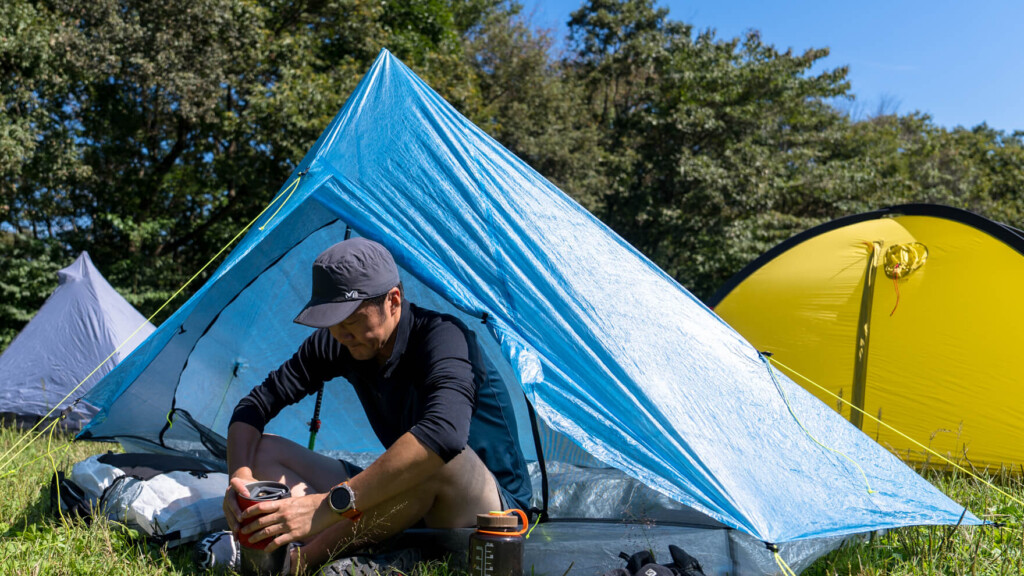 [2023 Edition] The most important pieces for fast-packing for camping in a tent. The best lightweight tents and shelters and tips for choosing the right one without regrets
 [An honest, self-funded comparison review] Recommended headlamps for outdoor use, based on a thorough comparison and different scenes and purposes
 [No-nonsense, self-funded comparison review] Over 40 base layers chosen after trying them out for different occasions and uses
 [An honest, self-funded comparison review] Which style will you choose for your long-term tent camping trip this season? We compare the latest models from America's three leading backpack brands