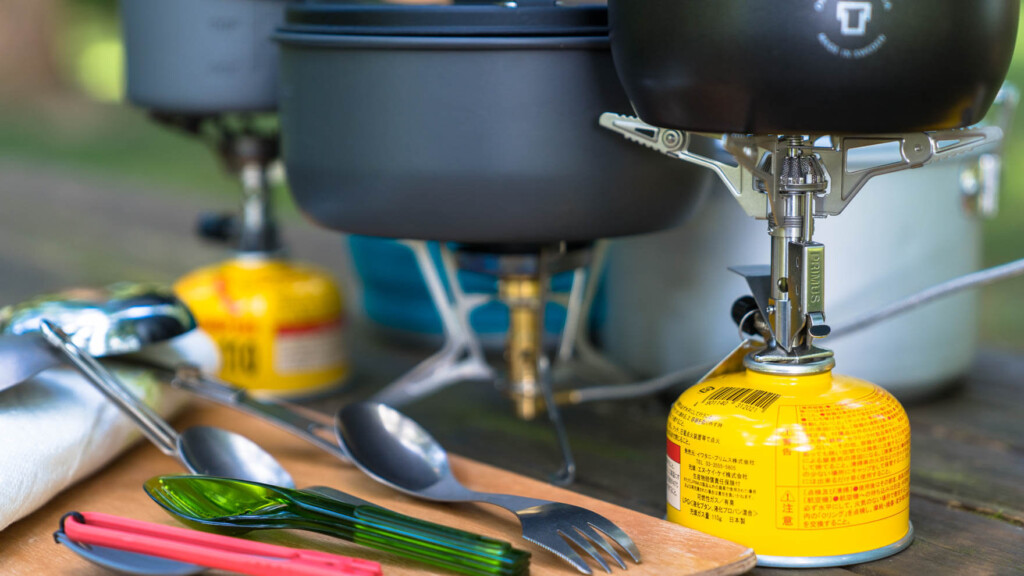
Unless you're a stoic hiker who keeps food supplies to a minimum or a survivalist who relies on local produce, you'll need to bring the equipment to cook and eat your meals when camping
However, for those who have never actually cooked in the mountains, it is often difficult to imagine what kind of cooking equipment to prepare. The optimal choice will depend on many factors, such as the season and location, the number of people, the purpose and style of mountaineering, and whether you are traveling domestically or overseas. Moreover, with new and convenient tools being developed every day, it may never be possible to arrive at the "right" answer
However, when you go hiking with just the right equipment, you will experience the magic of having your entire kitchen at home in a small backpack
So, this time we have compiled a list of cooking and eating utensils you will need for overnight hikes and mountain climbing, as well as some basic tips on how to choose them. We hope that this article will help you choose everything you need to fill your body with a special meal after burning off all the calories from a day of walking
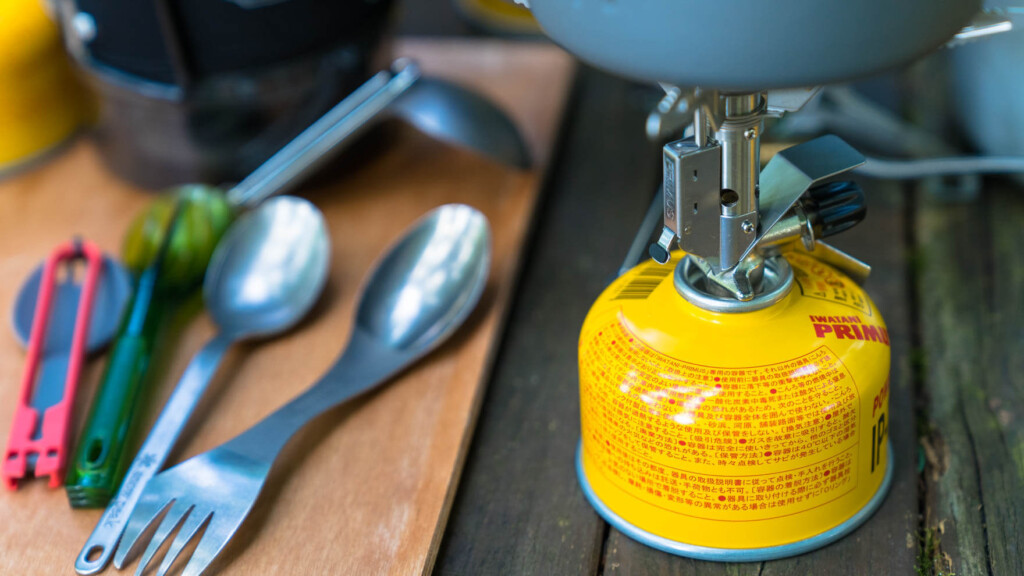

table of contents
Heating and cooking appliances (stoves/burners) and fuel
What fuel and type of stove should I choose?
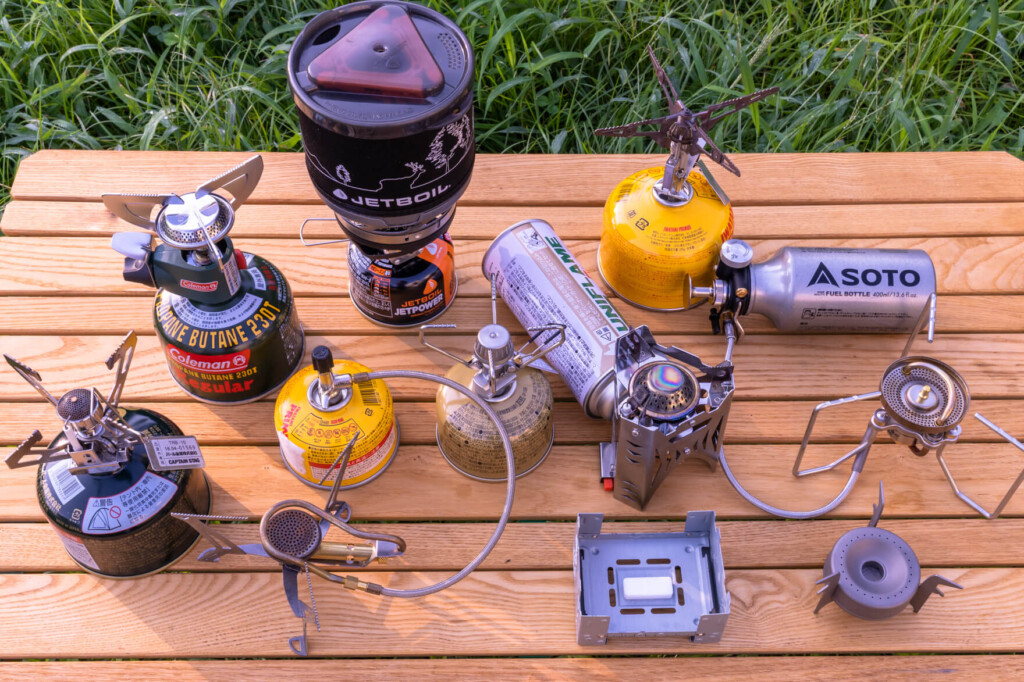
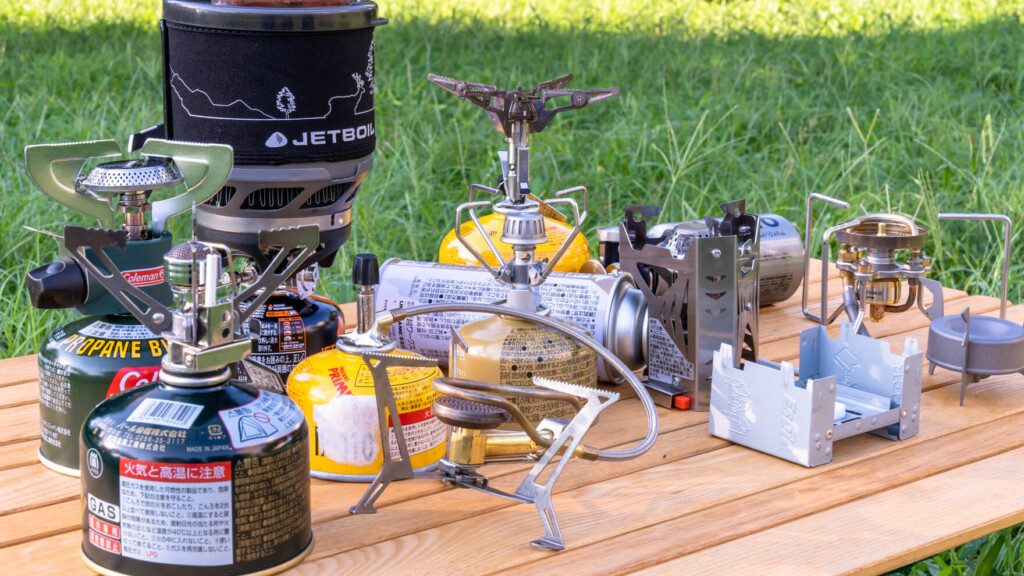
There are many different types of heating and cooking equipment (burners and stoves) needed for cooking in the wild, including types that use fuels such as gas and gasoline
Each has its own advantages and disadvantages due to its different characteristics, so no one is always best, and it is important to make a selection that takes advantage of the advantages of each depending on the application and purpose
For first-time users, we recommend the "direct-connect gas stove" without hesitation
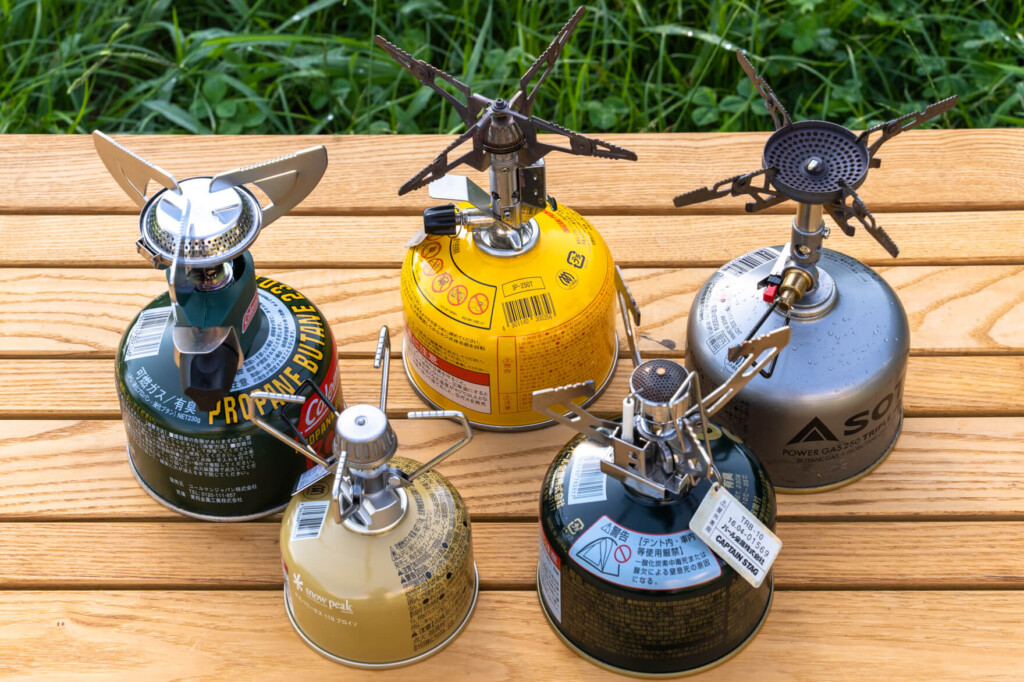
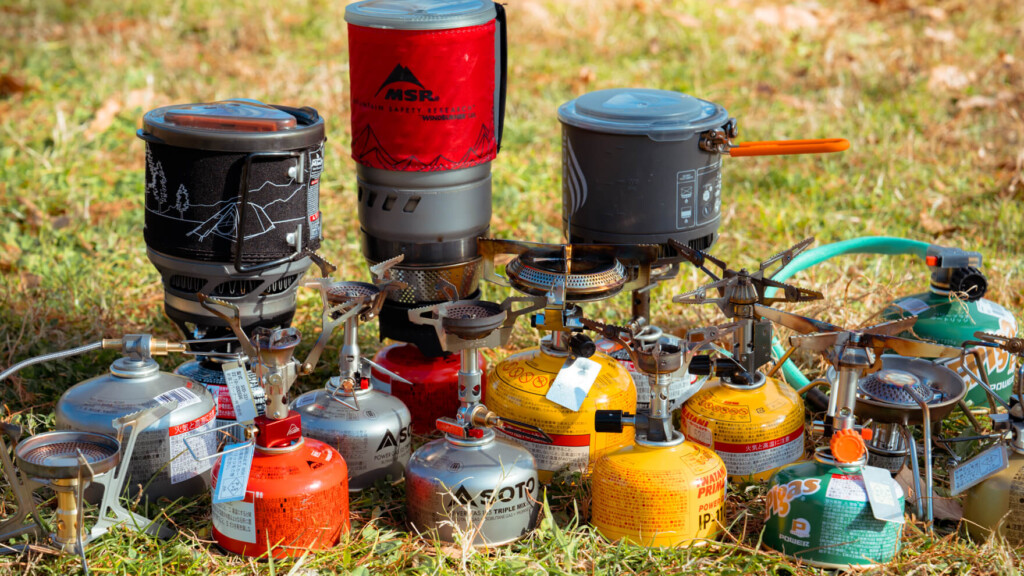
The most common type of gas stove is the direct-connect type, which is sold by a variety of manufacturers
Of these, if you are purchasing a stove for your first mountain climbing trip, we recommend a direct-connect gas stove due to its price and variety. You can choose from a wide variety of options, ranging from compact and lightweight models to larger models, as well as heat output. No matter which model you choose, it is highly versatile, so you are unlikely to make a mistake, and it is therefore a popular standard type
Considering that gas stove fuel is used all year round, the "OD type" is safe. For low mountains in warm seasons, the convenient "CB can" type is also available
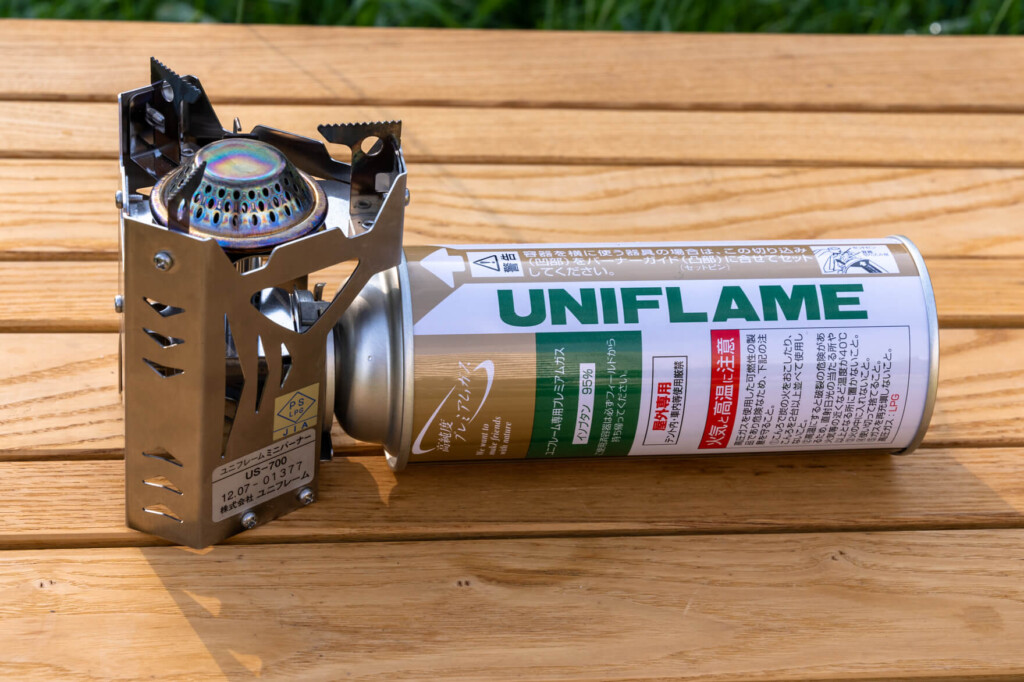
The convenient CB can type gas stove (photo) is attractive, but OD can type is more common for mountaineering in general
There are two types of gas canisters: "CB canisters" and "OD canisters." CB canisters are short for "Cassettegas Bombe," and are long, cylindrical gas canisters. They're the same type you often see on dinner tables, especially for winter hotpots. They're cost-effective and convenient, and are perfectly suited for hiking in low mountains during warmer months. However, if you want to use them for general mountaineering throughout the year, we recommend OD canisters (short for "Outdoor"), which are durable and produce a stable flame even in cold weather. Whether you use a CB canister or an OD canister depends on the type of burner, so be sure to consider this when purchasing
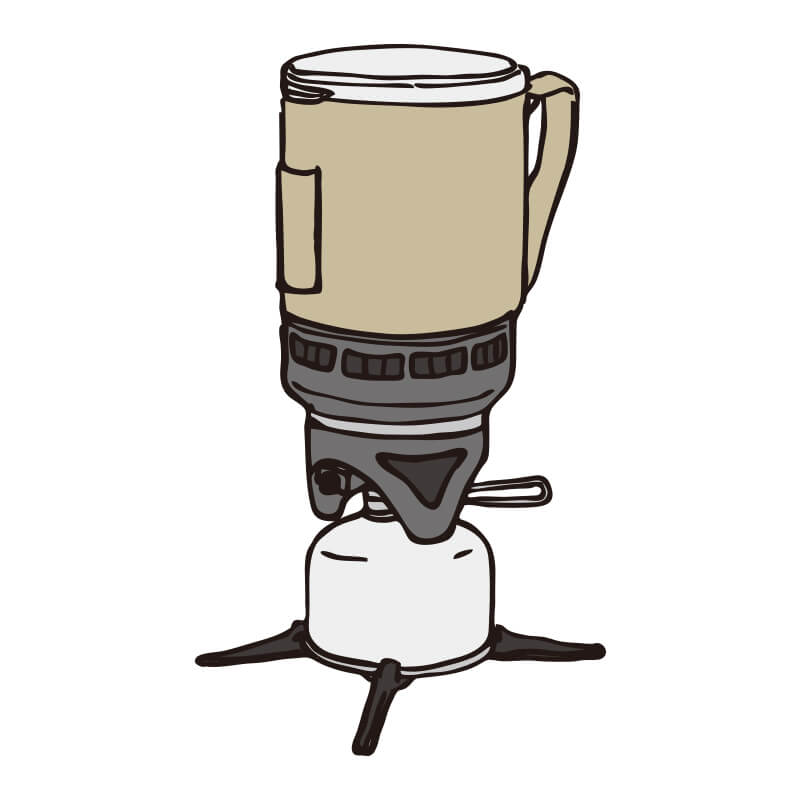
If you have a specific use case in mind, there are also more convenient "high thermal efficiency" and other fuel types available
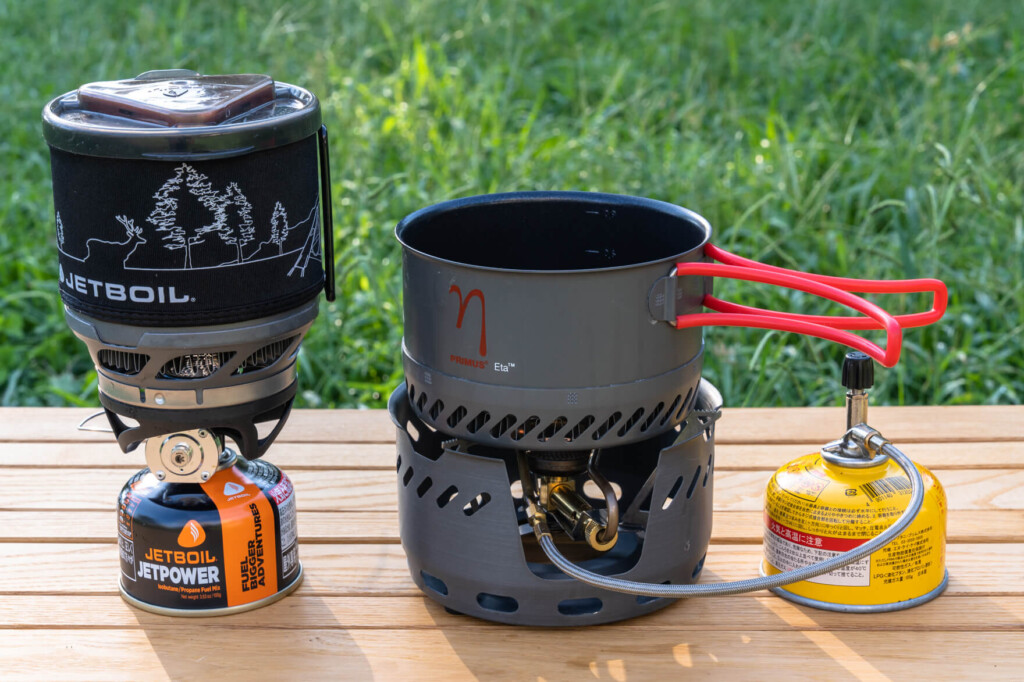
This high-efficiency type, which combines a cooker with a windshield and heat exchanger, is attractive for its good fuel economy
On the other hand, if you have already decided on the use and purpose, there are also options such as gas stoves with high thermal efficiency or separate types, as well as gasoline, alcohol, and solid fuel stoves. If weight and compactness are secondary and stress-free cooking is your number one priority, a separate type would be the best choice
For your reference, we have created a table below summarizing the advantages and disadvantages discussed above. Please note that the table is only a general overview and that there may be some variation depending on the model
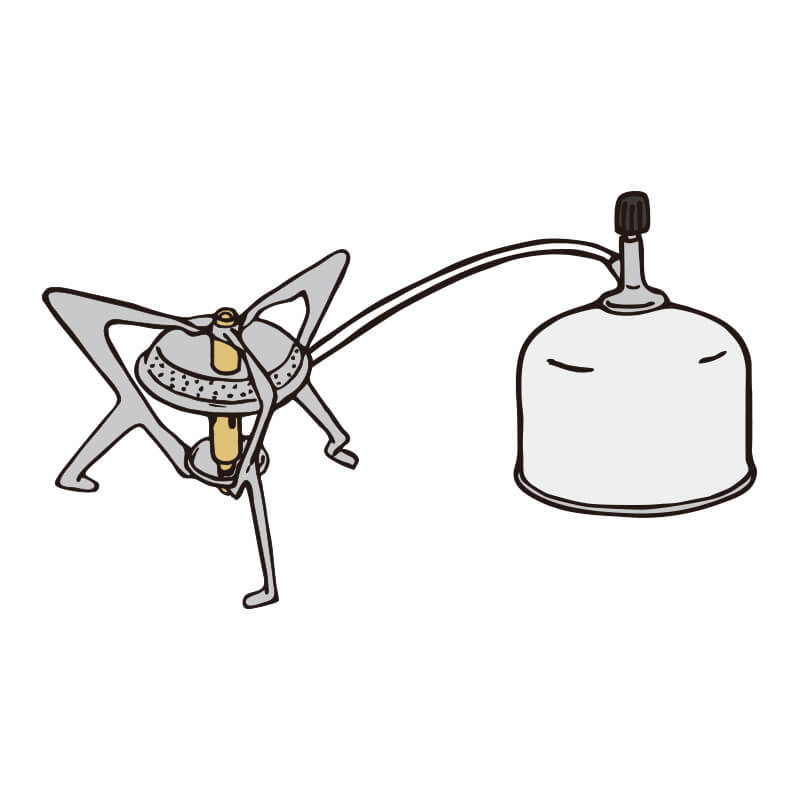
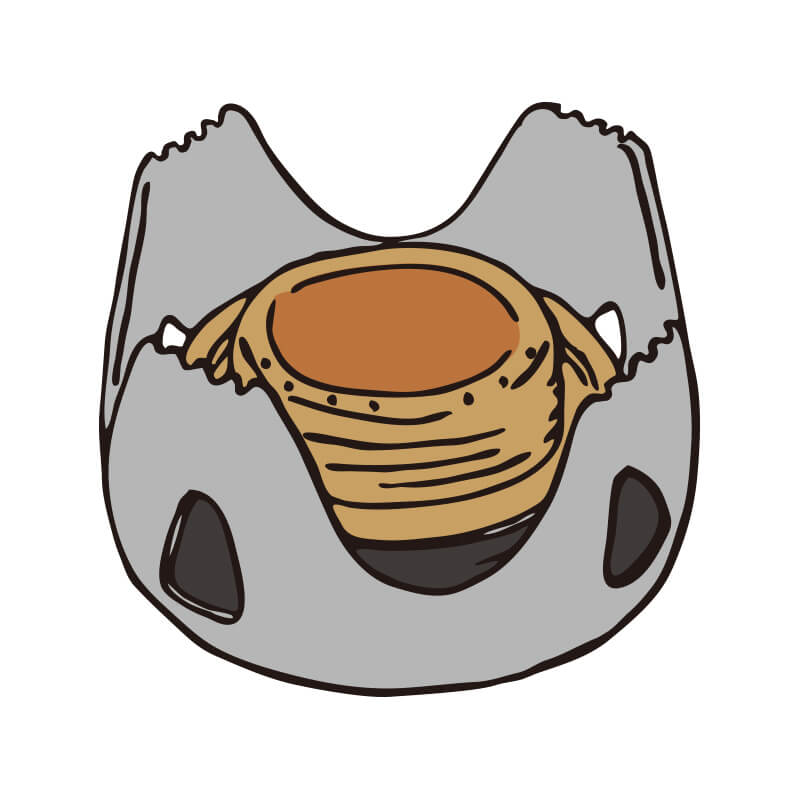
General characteristics due to differences in fuel (assuming all gas is in OD cans)
| type | Direct-connect gas stove | High-efficiency gas stove | Separate gas stove | Liquid fuel (gasoline) | Alcohol/Solid Fuel |
|---|---|---|---|---|---|
| image | 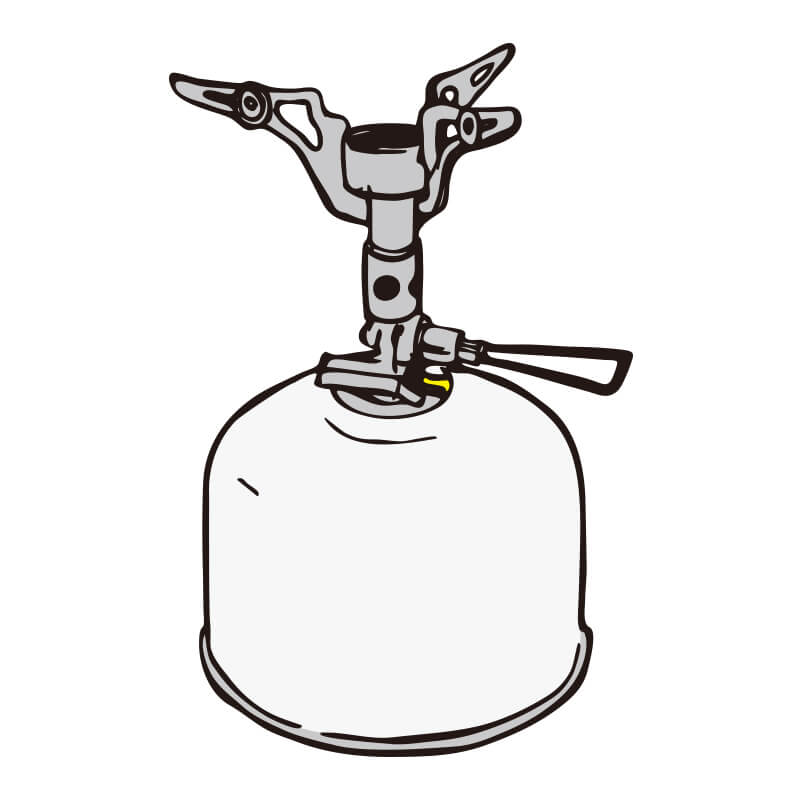 |
 |
 |
 |
 |
| Strengths |
|
|
|
|
|
| weakness |
|
|
|
|
|
| Suitable scenes and activities | |||||
| Cold/High altitude | ◯ | ◯ | ◯ | ◎ | |
| Solo Hike | ◯ | ◎ | ◎ | ||
| Large party | ◯ | ◎ | ◎ | ||
| Mainly boiling water | ◯ | ◎ | ◎ | ||
| Main dish: | ◯ | ◯(part) | ◎ | ◎ | |
| Ultralight hiking | ◯ | ◯ | ◎ | ||
| Overseas use | ◎ | ||||
| Easy to use even for beginners | ◎ | ◯ | ◎ | ||

Check out the video! How to properly use a gas stove
Gas stoves can be life-threatening if used incorrectly, so it's important to know the correct way to use them and not just do it your own way. While they may seem like a simple tool that just produces a flame, you should never let your guard down. You may be overlooking some surprising precautions
Below, we have created a video that will help you understand the precautions to take when using an outdoor gas stove, so we recommend that both first-time users and those who have used one before take a look

1. Connecting the gas stove to the gas cartridge
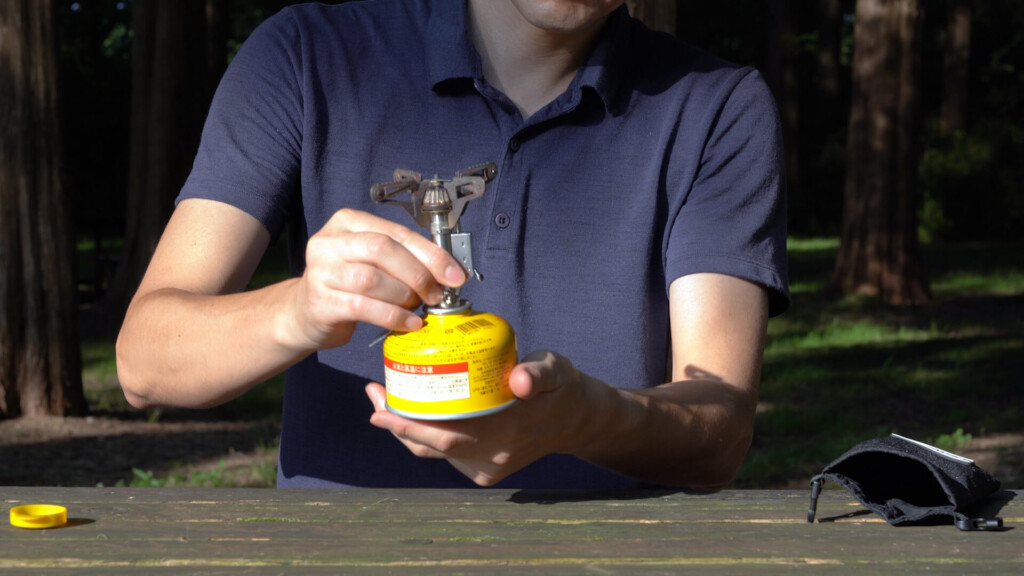
Choose a stable location and check that there is no dirt or debris on the connection, then unfold the head of the stove and connect it to the gas cartridge. Don't forget to check that the flame adjustment knob is closed
Caution: Work should be done in a vertical position. If you connect the valve while it is held horizontally, liquid gas may leak from the valve, which could lead to a serious accident. Make sure to turn the valve all the way through
2. Gas injection and ignition (ignition)
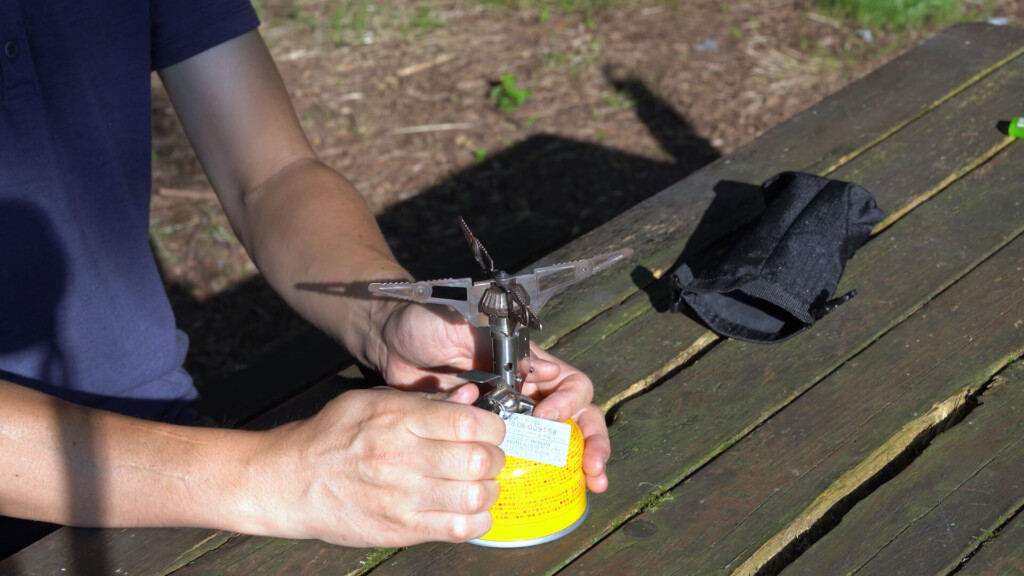
Slowly turn the heat control lever. Once you hear the sound of gas coming out, turn on the ignition switch to ignite the stove
Caution: Be careful not to turn it too much. Do not open it all the way suddenly
[Additional Information] If there is no ignition device

If your model does not come with an ignition device, use a lighter or match
The ignition system may not always work properly, so be sure to bring a lighter and matches
When doing so, be sure to choose a "flint type" lighter that uses a file to ignite the flame
4. Removing the stove
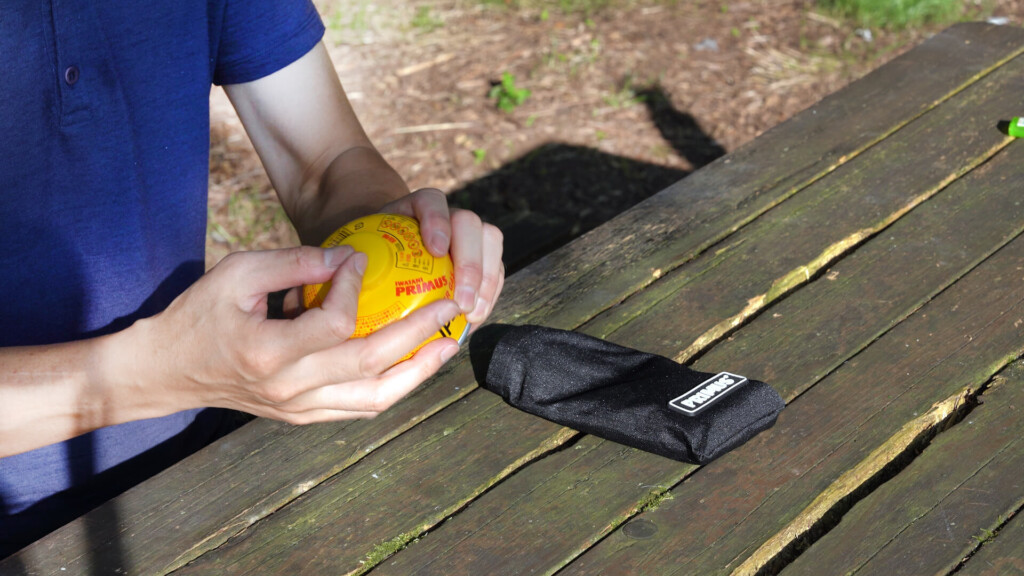
Basically, when you're done using the stove, you remove it from the gas cartridge
It's fine if it's just for a few hours, but if you leave it on after you get home, it can cause the O-ring in the connecting part to deteriorate faster, so be careful
Also, don't forget to close the lid early to prevent damage to the connection valve of the gas cartridge
Three things you need to remember when using a gas stove
1. Don't be fooled by ignorance! Beware of carbon monoxide poisoning

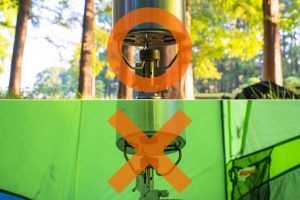
Refrain from using gas appliances indoors, such as in tents
One of the most important things to be careful of when using gas appliances such as stoves and lanterns is accidents caused by carbon monoxide poisoning. Accidents occur every year not only outdoors but all over Japan. If you use gas appliances, you should be aware of this risk first and foremost
When gas appliances are used in poorly ventilated areas, there is a lack of oxygen necessary for combustion, which causes incomplete combustion and produces carbon monoxide. When inhaled, this inhibits the transport of oxygen by the blood, causing oxygen deficiency in cells and tissues throughout the body, leading to various symptoms and, in the worst case, death. This is carbon monoxide poisoning
What's scary is that there are almost no clear signs that you are suffering from carbon monoxide poisoning. Carbon monoxide is colorless and odorless , making it difficult to determine whether it is present or not. Furthermore, the subjective symptoms of carbon monoxide poisoning in the early stages are headache, nausea, dizziness, decreased concentration, vomiting, and drowsiness, which are generally similar to cold (flu) symptoms , making it difficult to notice. Once the condition progresses to moderate or severe, it becomes too late as the person becomes unable to move on their own. This is why carbon monoxide poisoning is said to be a disease that can lead to death before you know it.
The key to avoiding this troublesome and terrifying carbon monoxide poisoning is to "avoid creating situations that could result in the production of carbon monoxide." Even if it's cold outside, make sure you don't use gas appliances in tents, cars, or other enclosed spaces. If you experience any of the symptoms above that make you feel strange, make sure to move to a place with fresh air immediately
2. Before taking it to the mountains, don't forget to check the O-ring to make sure it works properly
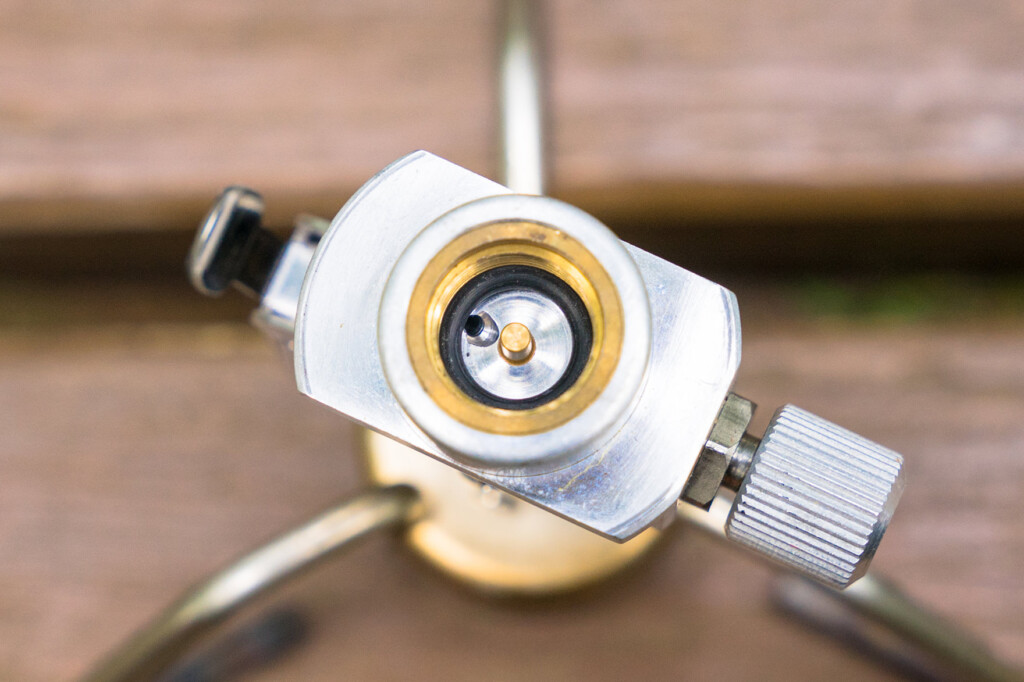
Deterioration of the O-ring is difficult to notice, but it is necessary to check it just in case
An "O-ring" is a rubber ring attached to the part that connects the gas appliance and the gas cartridge. Because this O-ring is made of rubber, it is a consumable item that deteriorates over time, even if it is not used
That's why it's important to check for deterioration. Are there any cuts, fraying, or cracks? Shrinkage or hardening are also signs of deterioration. To prevent accidents caused by gas leaks (burns, fires, explosions, etc.), be sure to visually check for any abnormalities before packing your luggage

[O-ring photo] The O-ring on the left has deteriorated over time. The surface is scratched, it has lost its elasticity, and it has become stuck in its shape due to pressure and is unable to return to its original shape. The difference from a normal O-ring (photo on the right) is immediately obvious
By the way, here is a comparison of an O-ring that hadn't been replaced in over 10 years with a brand new one (O-ring photo). The old one has shrunk slightly and has a clear dent. The surface is rough and has lost its elasticity. On the other hand, the new O-ring (on the right side of the photo) has a smooth surface and is elastic, so the difference is obvious
If you notice any strange noises or odors when the gas cartridge is installed, never use it, and if there are any abnormalities, consult your retailer or manufacturer. Also, never use any O-rings other than the genuine ones specified by the manufacturer. Even if you replace the O-rings, they have a lifespan and there may be invisible deterioration. We also recommend replacing your stove every 10 years
3. Before you buy! Does the burner have the "PSLPG mark"?
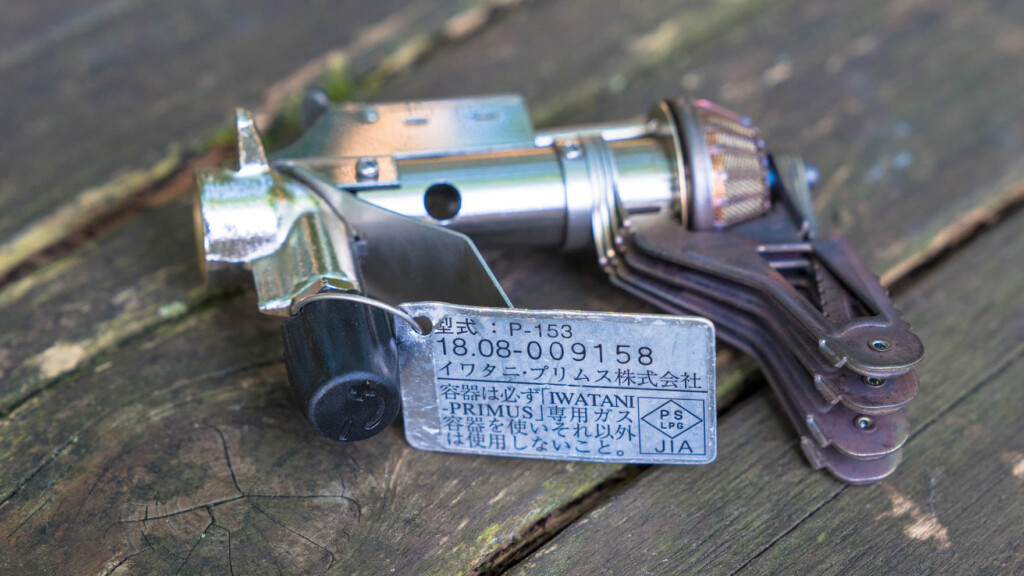
The PSLPG mark is attached and displayed on the product itself, so check at the store before purchasing to see if it has been certified
The "PSLPG Mark" is a mark that indicates that a product has passed strict inspections and complies with the national standards for gas stoves. In other words, products with this mark are proof that they have passed the inspections required by law. However, in recent years, many imported products that do not have the "PSLPG Mark" have been circulating, especially on the Internet
Of course, even if a product has this mark, it cannot be said to be 100% safe unless each individual uses the gas stove correctly, but products without the mark have not passed the inspections required by law. For safe mountain climbing, be sure to check that the product has the "PSLPG mark" before purchasing (if you are not sure whether it has the mark, ask the store staff)
Choose a cooker
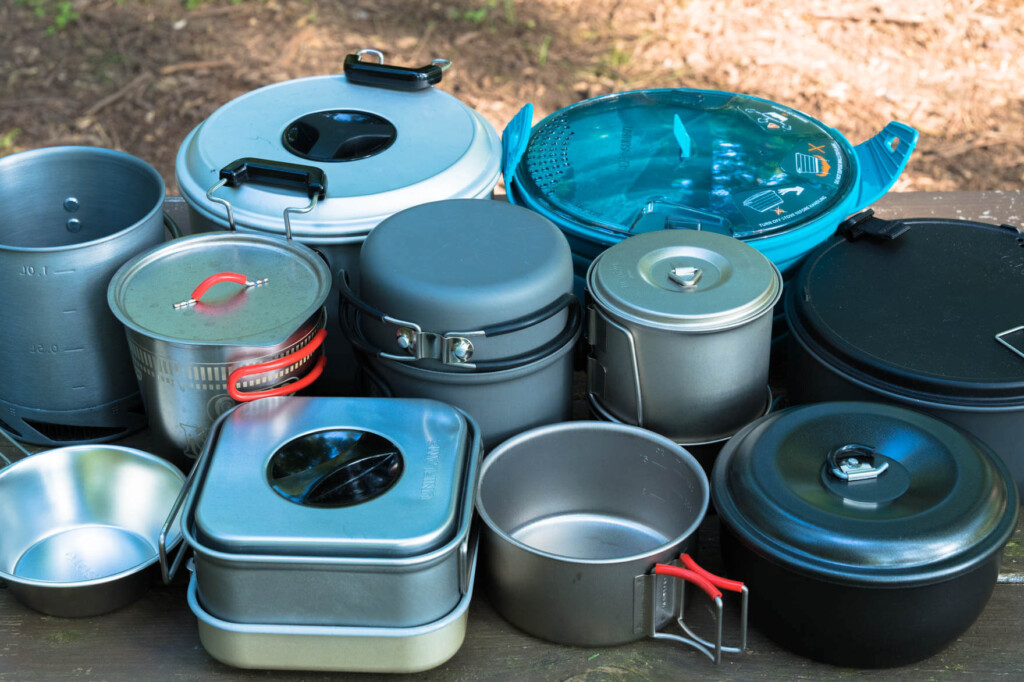

Of course, no one would want to bring the pots and plates they use at home, but when hiking in a mountain with strict environmental constraints, you need to think carefully about choosing the equipment that will maximize your comfort with the bare minimum you need, for the sake of efficiency and comfort. Like many other things, there are now many models of cooking equipment (cookers) to choose from, with a wide variety of materials, shapes, sizes, and designs to suit your purpose and use. Here we will explain how to choose the right one
What type of cooker should you choose?
Cooker shapes can be roughly divided into two types: "deep" types that are long and tall, and "shallow" types that resemble regular pots. Each has its advantages and disadvantages, so it's best to choose one based on your purpose and preferences
Deep
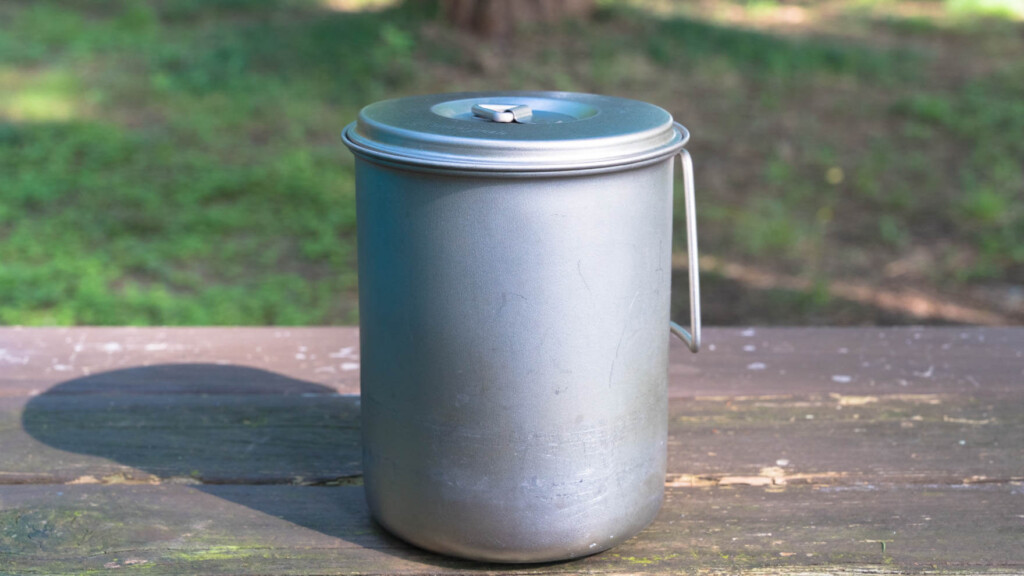
The deep design makes it easy to pack, as you can store gas cartridges inside and it is less likely to create dead space in your backpack , making it easy to store and portable .
On the other hand, they tend to be small in size, difficult to cook with, and hard to eat, so they are best suited for situations such as solo hikes where you want to carry as little luggage as possible and only need to boil water for cooking
Shallow
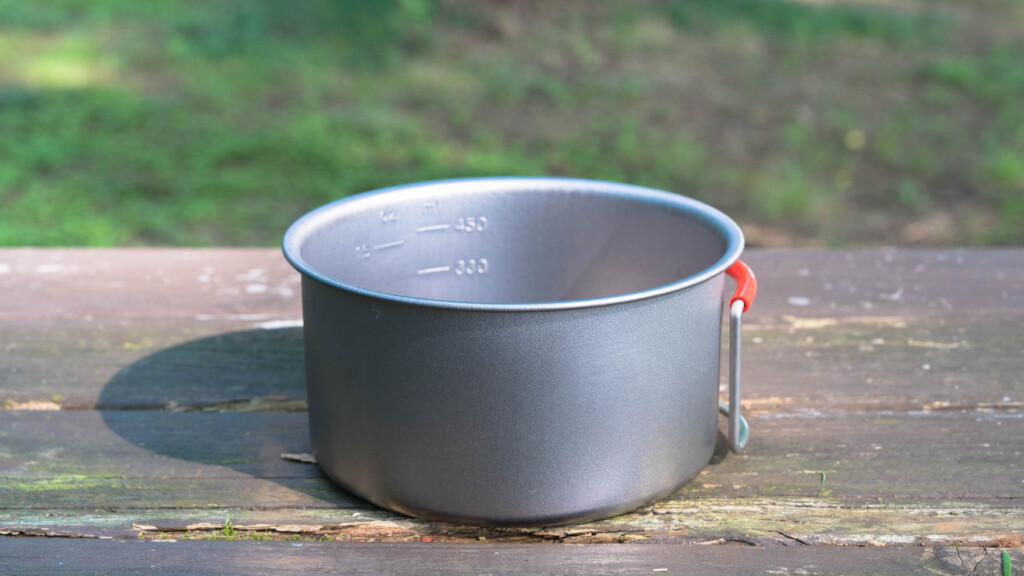
Its shape is similar to a regular pot, and it has long been a familiar shape for hikers. While it is slightly less packable than a deep pot, it is recommended for hikers and beginners who prioritize ease of use, such as ease of cooking, eating, and cleaning
You can choose from a wide variety of options from many manufacturers
Square
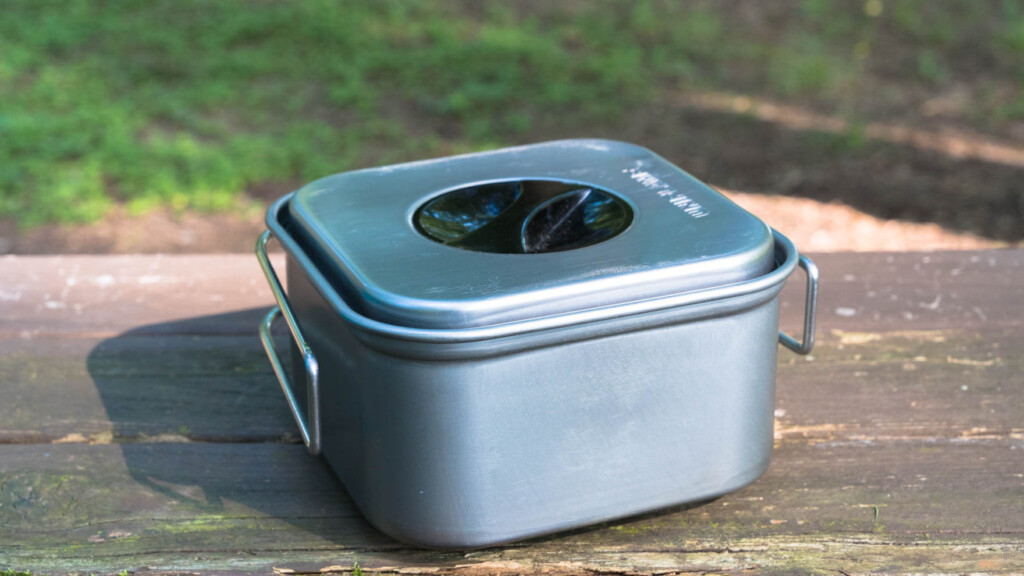
Unlike the two above, there aren't as many varieties, but the square-shaped "square" cooker is a bit of an oddity. It basically has the same characteristics as the shallow cooker, but it doesn't distribute the heat as well as the cylindrical cooker. However, it makes up for the shortcomings of the shallow cooker by being easier to pack and being able to store instant noodles inside
This is recommended for solo hikes where the menu is limited to certain ingredients
Choose your material: aluminum or titanium
In order to reduce the amount of luggage carried when hiking, people often use a pot for cooking and a bowl for eating, and the most common materials for the cooker are metals such as aluminum or titanium that can be placed over a fire
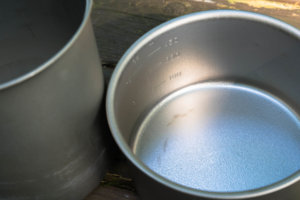
Beginners tend to think that titanium is lighter, more expensive, and somehow better, but in reality, each material has its own advantages and disadvantages, so it's hard to say that titanium is superior in general. Below we've summarized the advantages and disadvantages of these differences in characteristics
| material | aluminum | titanium |
|---|---|---|
| image | 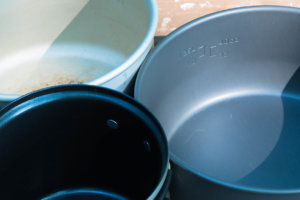 |
 |
| merit |
|
|
| Disadvantages |
|
|
Although aluminum is not as light as titanium, its ease of use and affordability make it an easy material for beginners to use. If you are unfamiliar with cooking in the mountains and want to enjoy cooking in addition to boiling water, an aluminum cooker will be a good choice as it can be easily crushed.
On the other hand, if you only need to boil water for cooking, are hiking with a small group, or are looking for something lightweight, a titanium cooker is recommended.
What size and quantity is best?
Cookers come in a wide range of sizes, from mug-sized to pots for large groups to eat curry, so it's important to first consider the size based on what you'll be cooking and the number of people who will be eating
If only one person needs to boil water
A size of less than 1 liter is sufficient. However, in that case, you will have to give up on serious cooking, so if you plan to cook, we recommend bringing at least a 1 liter size
When cooking with multiple people
For two people, we recommend a size of about 1 liter. Furthermore, if you have two or more cooker sets, it will be more efficient as you can make rice and a main dish at the same time. For three or more people, a cooker set that includes a pot of 1.5 liters or more is essential depending on the number of people and your meal plan
Other things to consider
Storage capacity
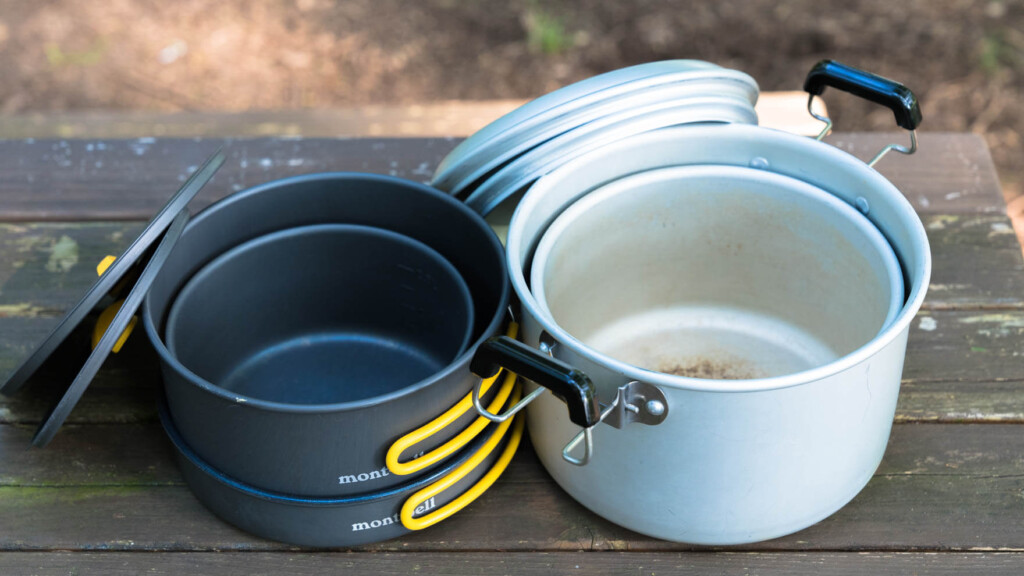
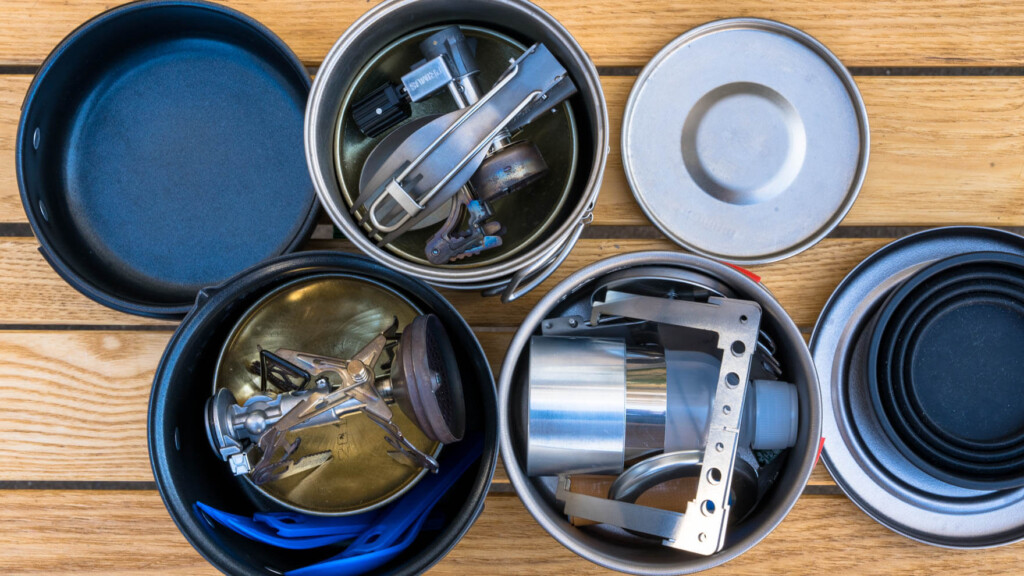
Cookware that is hollow and cannot be compressed is convenient for compact storage if different sized containers can be stacked like matryoshka dolls. Even if one small cookware for one person is enough now, it is very smart to be able to buy more without waste when your party grows to two or three people
Even if the cooker cannot be stacked, depending on its shape and size, it can still store cooking-related items such as gas cartridges, dishes, mugs, stoves, lighters, and ingredients, so the trick to packing is to avoid wasting space as much as possible
Handle
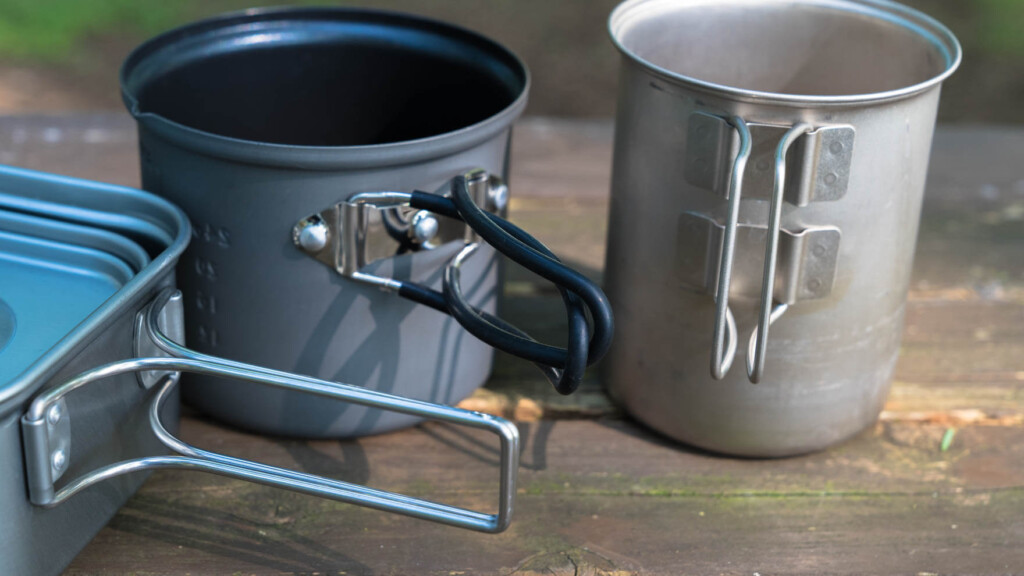
In outdoor activities where lightness, durability, and storage are important, pot handles are generally kept to a minimum
However, it's best if it's easy to use, so it's a good idea to check things like how easy it is to hold (it doesn't slip or bend easily), how heat-conducting it is (doesn't get hot easily), and how easy it is to fold
Lid
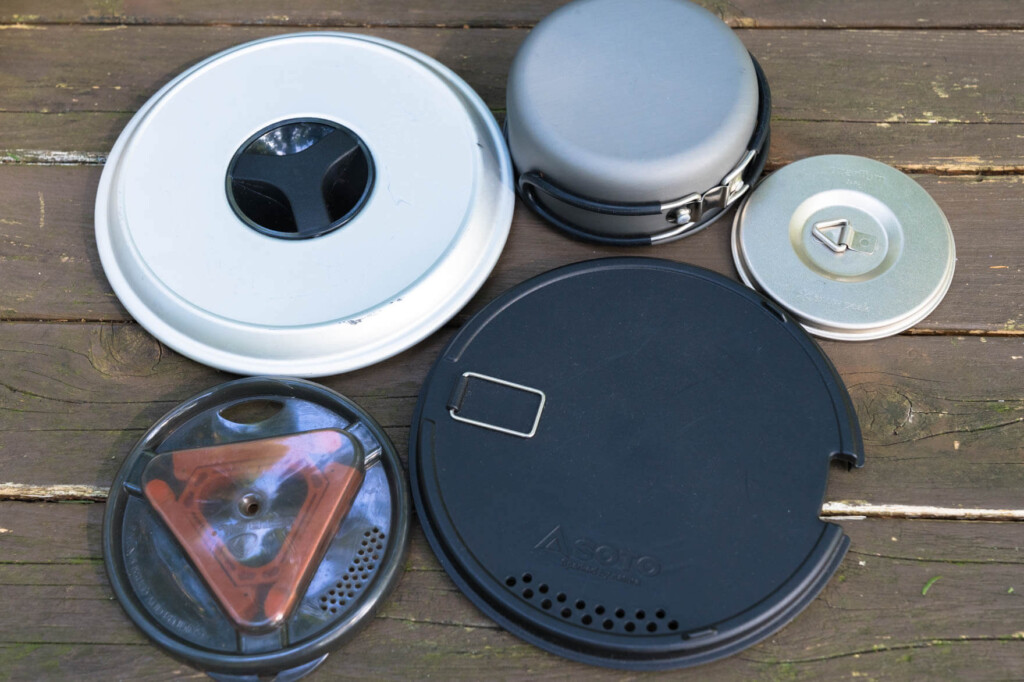
With a lid, cooking time will be shorter, saving time and fuel. Some mountaineering cooker sets have convenient models where the lid also functions as a small pot (or plate)
On the other hand, be aware that some cook sets do not come with lids in order to reduce weight
Please note that types with holes in the lid make it very difficult to cook rice by simmering it over low heat for a long time
Useful kitchen tools
Cutlery
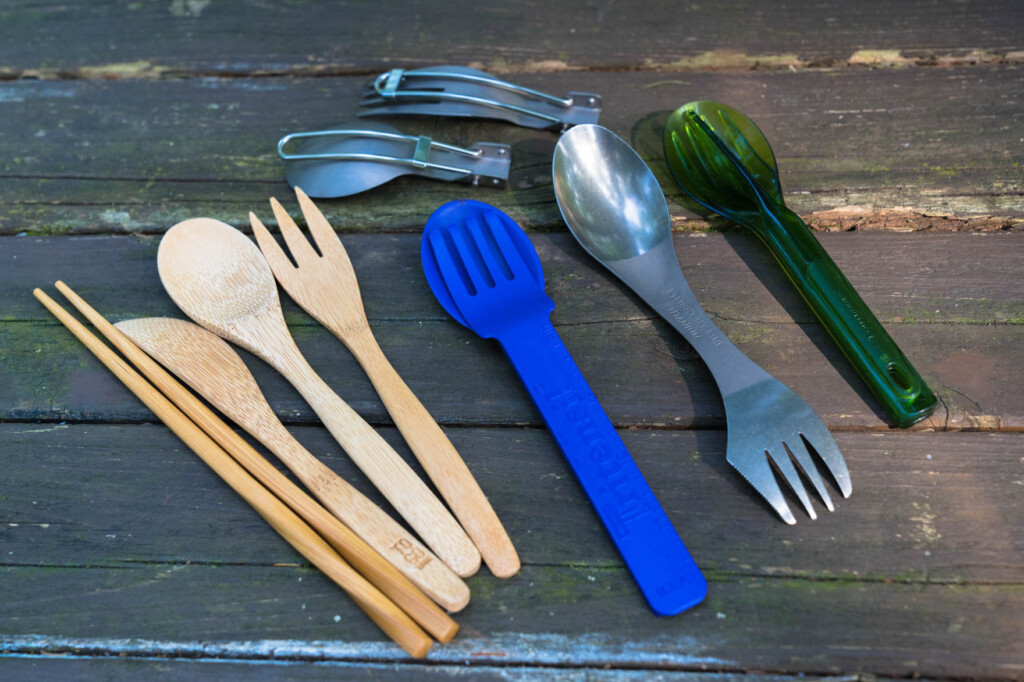
Basically, a pair of spoons and forks will suffice, but if you really prefer chopsticks, you can add them too
A common choice for many backpackers looking to save even a gram is the "spork," a combination spoon and fork (see photo, second from the right). Some sporks even have a small knife on the outer tines, making the world of cutlery even more complex
kitchen paper

When cleaning your pot after eating, you can't just drain it in the mountains, so it's a good idea to bring along as much paper towels and kitchen paper as you need so you can wipe away any dirt even when you don't have water
Toilet paper is prone to tearing and cannot be used as a substitute, so I think it would be easier to use a type that is fairly durable and easy to wipe with
Cooking utensils (ladles, rice paddles, tongs, etc.)
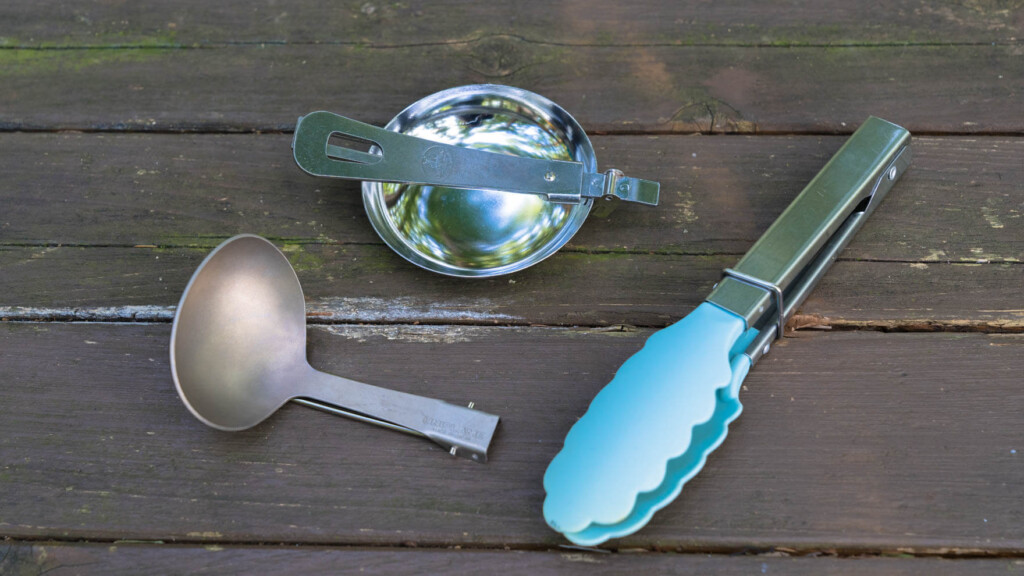
This isn't necessary if you're hiking solo, but if you're cooking a substantial amount of food, a spoon and fork alone will have their limitations
In such cases, it would be useful to have foldable ladles for mountain climbing, which are sold in stores
A cutting board (or any flat board that can be used as a cutting board)

If you have something flat, even if it's just a piece of paper, you can use it as a cutting board
Furthermore, if you place it under a stove or other item in an uneven area that cannot be leveled, it will provide even more stability
Multi-tool (multi-purpose knife)
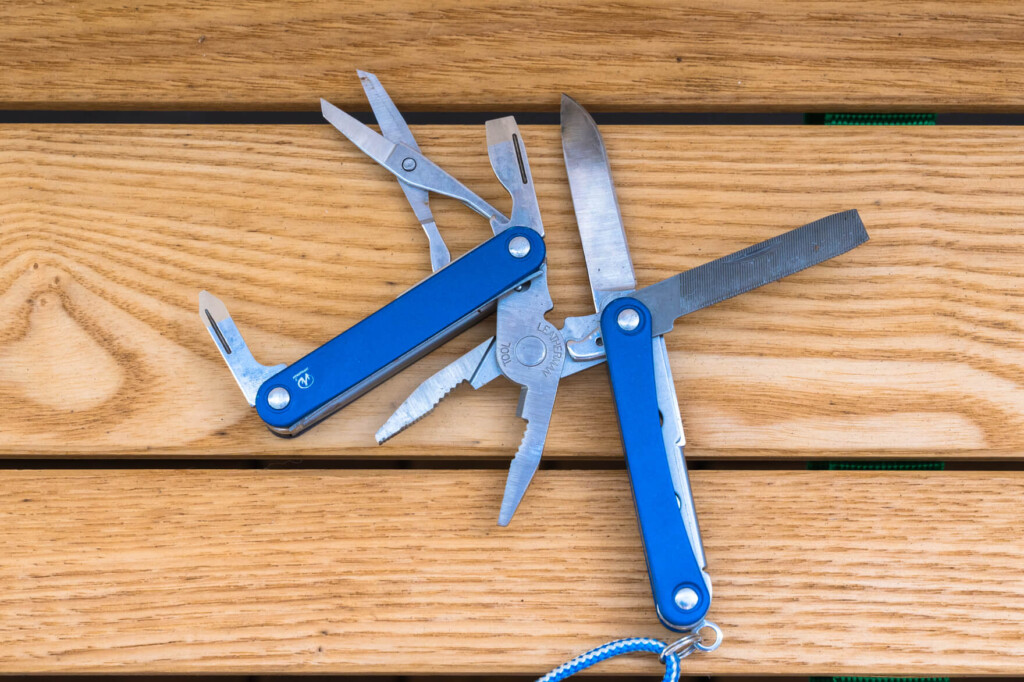
If you are car camping, you can bring a lot of tools with you, but if you are taking it to the mountains, a multi-tool that has everything you need is more convenient
Most models will generally come equipped with a knife and a bottle opener, but if you are looking for other features such as a can opener, corkscrew, scissors, screwdriver, or pliers, models that come with all of these will be too heavy, so it's best to choose a model that is not too large and suits your preferences
Enjoy the outdoors with a well-planned gear plan!
Even if the food you cook and eat in the mountains is simple, it somehow tastes different from the food you eat down below. Don't be too nervous if you only have some basic tools, and it's okay to cook roughly, so keep an open mind. When considering the best model, if you can't strictly limit the situation in which you will use it, choose a model that is as versatile as possible, and you will be able to use it in most situations with some ingenuity, so you will end up using it for a long time. If you're having trouble making your initial choice, try using these tips as a reference
What's more important is to understand how to handle the equipment and what precautions to take, and use it safely. Gas stoves used outdoors can magically enrich your outdoor life if you learn how to use them correctly, but if you are careless and an unexpected accident occurs, not only can it ruin your trip, but it can also put your life in danger
For a fun and safe outdoor experience, in addition to food, a gas stove and cooker, it is also a good idea to take along the correct knowledge and instructions on how to use a gas stove, even if it may be a bit of a hassle
Supervised by: Japan Gas and Kerosene Equipment Industry Association → https://www.jgka.or.jp/index.html
Related reading