



Best buys by type based on actual comparison of mountain gas stoves (burners) and five points to help you choose wisely

Written by Yasushi Hisatomi
So which gas stove for mountaineering should you buy?
One of the best parts of the outdoors is eating outdoors. Whether it's around a campfire or a barbecue, or even just a simple mountain meal while camping, eating in nature can be an incredibly satisfying experience
When you're trying to prepare a warm meal during an overnight hike or mountain climb, you'll need a heating and cooking device called a "burner" or "stove." Burners come in a variety of types, including the fuel they use, their structure, and size. Even between manufacturers, performance can vary significantly. It's virtually impossible to know what's best for you in a store without actually trying it out. Choosing the "best model for you" depends on factors like the season, purpose, and number of people, so a certain level of knowledge is required. Since improper use of tools can be life-threatening, it's important to know the correct way to use and select them, rather than relying on your own methods
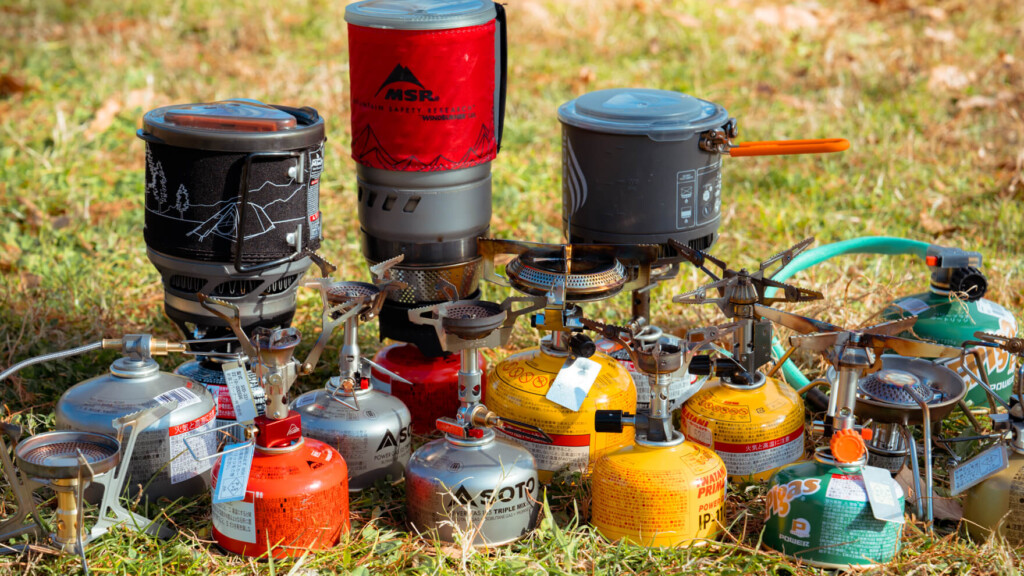
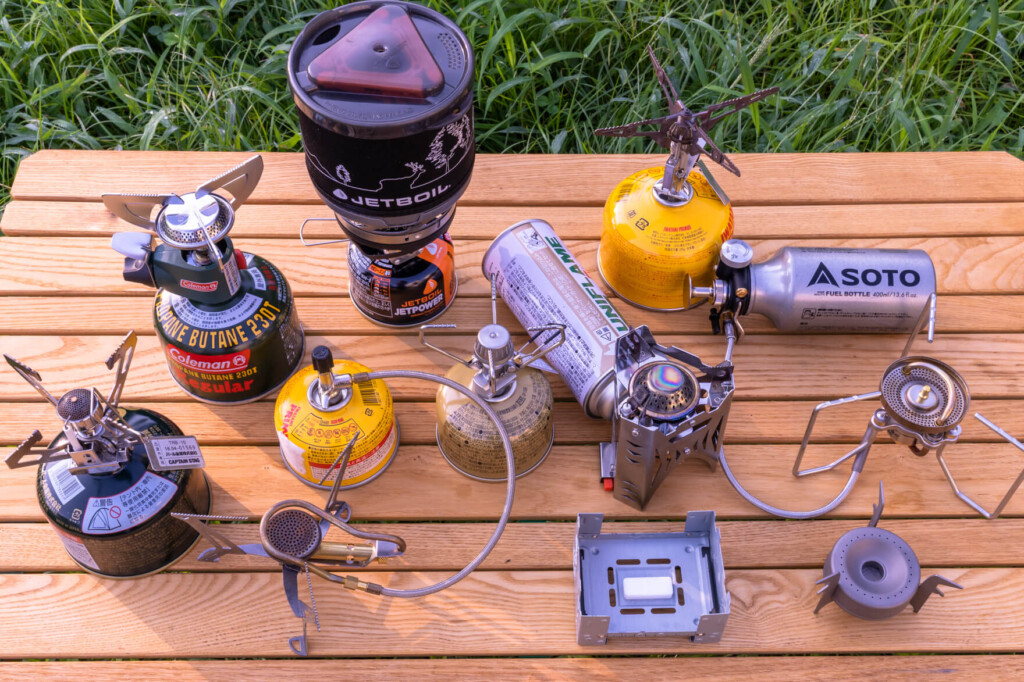
So, this time, we looked at "mountain and outdoor gas stoves (burners)," which are essential items for cooking at home in the mountains and are easy for anyone to obtain and use. We thoroughly researched the latest and most popular models officially distributed in Japan, and compared 18 carefully selected candidates from various angles. Based on the results, the first half of this article summarizes "items you should buy now by purpose and use." *Furthermore, since this article is for serious outdoor use, we have limited it to models that use "OD cans" as the gas cartridge type
The second half of the book explains the basic mechanism of gas burners and provides tips for anyone to easily choose the best model. I think it will be useful for anyone, from those who are about to take on an overnight hike to those who have been using a gas burner based on recommendations from others
table of contents
- Recommended mountain gas stoves (using OD cans) for various uses and purposes
- Best All-Round (Overall) Category: Performance and ease of use that everyone will agree on
- Best Ultralight (Solo): Recommended for those who travel solo a lot
- Best Group Category: Recommended for group mountain climbing and enjoying rich cuisine
- Best All-in-One: A high-tech stove that combines speed and fuel economy with durability and versatility
- Best All-in-One Cooking: A stove that combines high performance with ease of use
- Best Value for Money: The bargain model you're looking for
- Best Multi-Fuel Category: Use two different fuels depending on the situation
- How to Choose: 5 Points to Choose a Smart Outdoor Gas Stove
- Introduction: Basic features and mechanisms of gas burners
- Point 1: Choose the type of stove - How many people will be there and what kind of cooking will they do?
- Point 2: Choose a model with higher performance and better fuel economy
- Point 3: Choose something that is more wind-resistant and durable in high altitudes and low temperatures
- Point 4: Choose something that is lightweight and portable
- Point 5: Other small features
- summary
Recommended mountain gas stoves (using OD cans) for various uses and purposes
Best All-Round (Overall) Category: Performance and ease of use that everyone will agree on
SOTO SOD-310 Micro Regulator Stove Windmaster

Favorite points
- Boiling speed
- combustion efficiency
- Wind resistance
- Cold resistance
- Lightweight and storable
Points of concern
- It is tall, and the standard trivet is small and unstable (we recommend the four-piece trivet sold separately)
The flagship model from Shin Fuji Burner (SOTO), a world-renowned Japanese outdoor brand, is a lightweight, compact, high-power, simple direct-mount stove, boasting incredible wind resistance and fuel economy. Its flawless design makes it the undisputed best-in-class stove in every respect. While its appearance may not look significantly different from other burners, it achieved top-class results in all tests, including boiling, wind resistance, and fuel economy. Its unique cone-shaped burner head offers exceptional wind resistance, even among direct-mount stoves. It also features a micro-regulator for exceptionally stable heat output in cold climates. While its water-boiling speed is somewhat inferior to that of a Jetboil, its lightweight and compact design is still sufficient. Due to its tall height and small trivets, which make it less stable, the optional four-trivet set is almost essential. However, even with them, its impressive lightness (under 100g), performance, and unrestricted cooktop flexibility make it truly a top-notch stove with no flaws. This lightweight, high-power gas stove is a sure winner, and anyone will not regret purchasing it
Although they unfortunately didn't win, we also recommend these [All-around Category] (in alphabetical order):
- PRIMUS P-153 153 Ultra Burner
- EPI GAS REVO-3700 Stove
Best Ultralight (Solo): Recommended for those who travel solo a lot
MSR Pocket Rocket 2

Favorite points
- Lightweight and compact
- Both heat output and wind resistance are satisfactory and there are few drawbacks
- Sturdy
- Easy to adjust low heat
- Can be converted to a separate type with an optional adapter
Points of concern
- Slightly poor fuel economy
- No regulator function (internal pressure adjustment mechanism)
Generally, when it comes to mountaineering gear, weight reduction comes at the expense of some functionality or performance, but the MSR Pocket Rocket series perfectly combines a lightweight, compact design with high performance and durability, making it an all-around reliable lightweight stove. According to a North American thru-hiker, the Pocket Rocket's loud roaring sound in the mornings serves as an alarm clock, and it has long been a huge hit among North American thru-hikers, and the results of this test confirm this
Weighing just 73 grams, it's compact enough to fit neatly into a cooktop, yet boasts a fast boiling speed and decent wind resistance, making it the perfect companion for solo hikes. It also offers easy, precise heat adjustment, and can be converted into a detachable model with an optional remote adapter, making it suitable for large groups or complex cooking. In that sense, it's highly versatile and can meet the needs of a wide range of backpackers, from solo to large groups. However, since it lacks a regulator, it's not ideal for use in extreme cold
Although it unfortunately didn't win, we also recommend this one: Best Ultralight (Solo)
- PRIMUS P-115 115 Femto Stove
- SnowPeak Gigapower Stove, Automatic
Best Group Category: Recommended for group mountain climbing and enjoying rich cuisine
PRIMUS P-155S Ultra Spider Stove II
Favorite points
- Top-class combustion power and excellent wind resistance
- Four large, stable legs that also serve as a trivet
- Lightweight and compact for a detachable type
- Gas preheating mechanism for stability in cold regions
- Operability of the heat control knob
Points of concern
- Fuel economy is not that good
The Ultra Spider Stove II stands out from other separate stove models by offering the benefits of a stable grate and high combustion power while remaining extremely lightweight and compact . The legs and grate are designed to double as a windbreak, making it resistant to wind and demonstrating excellent results in wind resistance tests. It also handles cold weather by incorporating a preheat pipe that promotes evaporation rather than a pressure adjustment mechanism like a regulator. The dial-type heat control knob allows for precise adjustments, making this model recommended for those hiking with three or more people looking to enjoy a hearty meal in the most comfortable way.
Although they unfortunately didn't win, we also recommend this group: [Best Group]
- SOTO SOD-331 Micro Regulator Stove FUSION Trek
Best All-in-One: A high-tech stove that combines speed and fuel economy with durability and versatility
MSR Windburner Personal Stove System

Favorite points
- Extremely wind resistant
- Overwhelming combustion efficiency
- Excellent boiling speed
- Smart storage thanks to its integrated design
- Optional adapter allows for easy cooking with a separate unit
- Equipped with a regulator for peace of mind even in cold climates
Points of concern
- It's tall and therefore less stable
- price
- weight
- No igniter
This recommended model showcases the limitless possibilities of integrated all-in-one stoves (also known as "personal cooking systems" or PCSs) and is a highly efficient all-in-one stove system. Popular since its launch in North America in 2017, it finally arrived in Japan in 2020. Unlike conventional burners, its revolutionary "radiant burner mechanism" delivers stable, high thermal efficiency even in strong winds and low temperatures, achieving unparalleled performance not previously possible with direct-connected or separate stoves. The bottom of the dedicated pot encloses the burner, creating a completely enclosed combustion space, theoretically eliminating heat loss and preventing wind interference. In actual testing, it boasted top-class boiling speeds in both windless and wind-resistant conditions (surprisingly, the difference in boiling speed between windless and wind-resistant conditions was only a few seconds). Its built-in regulator makes it suitable for cold weather and extended use. What's more, by using the separately sold remote adapter and dedicated pot released this year, you can now not only boil water but also perform complex cooking tasks, making it much more versatile and suitable for a wider range of users than its predecessor, which was only good at boiling water quickly but was clumsy at the time. The only drawback is the weight, which you still need to overlook, but for those who want to enjoy high performance for long periods of time in harsh environments, this is undoubtedly the best choice
Best All-in-One Cooking: A stove that combines high performance with ease of use
JETBOIL Minimo

Favorite points
- Overwhelming burning speed
- Overwhelming combustion efficiency
- Smart storage thanks to its integrated design
- Easy cooking thanks to delicate heat control and a wide pot
- Equipped with a regulator for peace of mind even in cold climates
- With igniter
Points of concern
- Moderate wind resistance
This most versatile and user-friendly model in the series synonymous with personal cooking systems (PCS), this model remains firmly established as the only option for those who want to quickly boil water and also cook small meals. Its distinctive features, such as its integrated yet slightly larger pot and delicate valve that allows for low heat adjustment, make it ideal for delicate and complex cooking. Its integrated design also delivers exceptional boiling speed (topping the test) and fuel economy, while its thermoregulator provides stable heat even in cold temperatures. It's also perfectly suited to hikers seeking high performance in harsh conditions, making it a versatile unit for a wide range of outdoor activities
Best Value for Money: The bargain model you're looking for
SOTO Amicus SOD-320

Favorite points
- Top-class lightweight and compact
- High levels of combustion power, fuel efficiency, and wind resistance
- This performance at this price?
- With igniter
Points of concern
- The trivet is small
Don't underestimate this as a high-cost model. Despite its affordable price, it offers high heat output and combustion efficiency comparable to the best in the class, wind resistance, and the lightweight, compact, and easy-to-use design you'd expect from a Japanese-made stove. Its high quality makes it a good choice for a mainstay stove (in fact, I was unsure until the very end whether to rank this model in the cost-performance or ultralight category). The head is particularly well-made, and its stability, which is unaffected by various environments, will be appreciated by both veterans and beginners. It's not particularly outstanding, but considering the price, this model is extremely well-made, and I can confidently recommend it as a "first stove," especially for beginners
Best Multi-Fuel Category: Use two different fuels depending on the situation
SOTO SOD-372 Storm Breaker

Favorite points
- Can use both liquid fuel (gasoline) and gas cartridges
- Excellent wind resistance
- High heat
- Separate stability
- The gas is liquid-discharge type, so it is strong in cold regions and for long-term use
Points of concern
- Low combustion efficiency (use gasoline if you are concerned about fuel economy)
- Weight (if you bring both gasoline and gas parts, it will be a considerable burden)
- price
With the widespread adoption of convenient gas stoves, gasoline stoves may have become less popular in recent years, but they still offer advantages not found in gas burners. For example, their stable heat output in low temperatures, good fuel economy, and low fuel costs offer significant benefits for long-term thru-hikes across multiple seasons or winter mountaineering. Gasoline fuel also offers environmental benefits, such as the ability to precisely adjust the amount of fuel consumed and no waste cans after use, making it a viable option for many more uses. For those who can benefit from these features, this gas/gasoline hybrid model is a very attractive option. It offers convenient features for a gasoline stove, including heat output, wind resistance, and ease of operation. Furthermore, its liquid-discharge system, unusual for a gas stove, provides stable, high heat. It's excellent in both respects. It's sized for a group of several people, making it a bit too large for solo use, but in practice, you'll probably only carry one or the other depending on the hike, so it won't be too much of a burden
How to Choose: 5 Points to Choose a Smart Outdoor Gas Stove
Introduction: Basic features and mechanisms of gas burners
When considering purchasing a gas burner for mountain climbing for the first time, many people realize that there are a wide variety of models in different shapes and sizes. From here, we will explain in practical terms how to narrow down your options while understanding the differences between these various types
What are the features of a gas burner?
There are many different types of fire equipment to choose from for outdoor cooking, including fuel. None of them are always best, so it is important to choose one that takes advantage of the advantages of each depending on the use and purpose. First, let's summarize the advantages and disadvantages of fire equipment based on the type of fuel
| type | gas burner | gasoline burner | Alcohol/solid fuel stove | Wood and charcoal stoves |
|---|---|---|---|---|
| image | 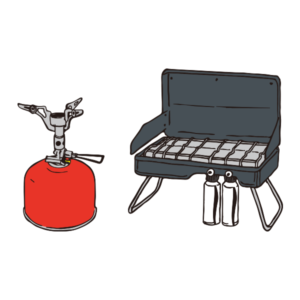 | 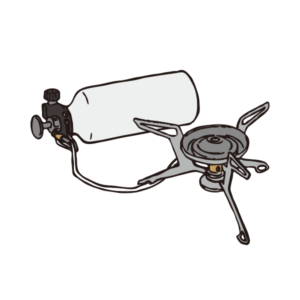 | 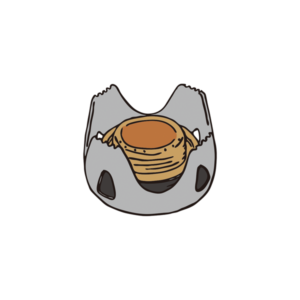 | 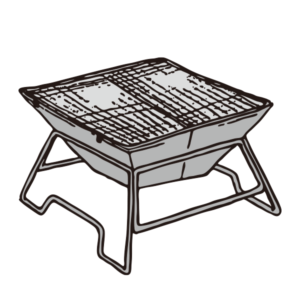 |
| Strengths |
|
|
|
|
| weakness |
|
|
|
|
| Recommended Scenes | Suitable for camping, barbecues, mountain climbing, and other activities, from small groups to large groups | General mountaineering in cold or high altitude locations | Hiking/traveling where cooking is limited to boiling water for one person | Camping near water or designated areas |
Basic parts of a gas burner
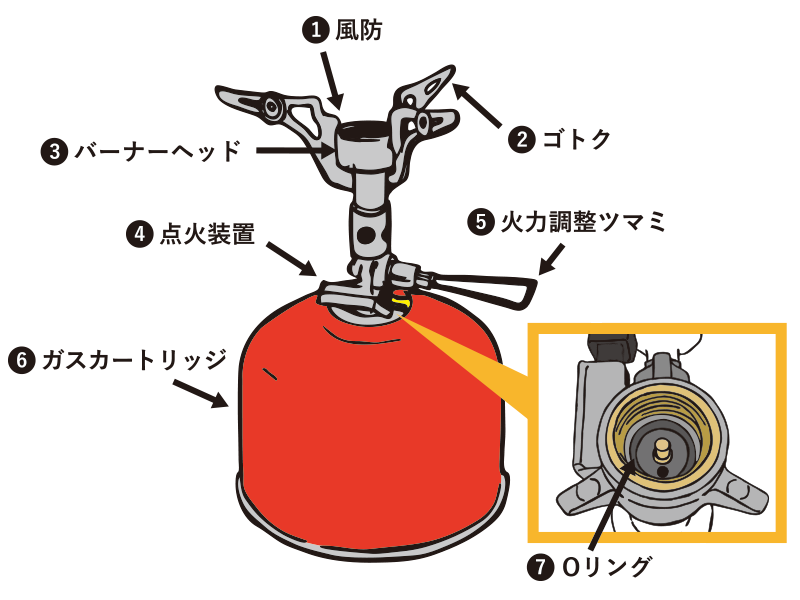
①Windshield
The flame can be prevented from being extinguished by wind by dividing the room where the flame comes out into multiple sections or by building small walls around the nozzle. Some models do not have a windbreak
② Tripod
The part where you place the cooker or pot
③Burner head
This is where the flame comes out
④ Ignition device (piezo igniter)
When you press the button, a weak electric current is generated, creating a spark. The heat from the spark ignites the gas mixed with the air coming out of the head (although this may not work properly in some environments)
⑤ Heat adjustment knob
This is the part that controls the strength of the flame. By turning the knob, you can adjust the amount of gas released
⑥Gas cartridge (fuel can)
This is a fuel container that contains liquid LPG (liquefied petroleum gas)
⑦O-ring
A rubber part that maintains airtightness between the connected gas cartridge and burner (preventing gas leakage)
How a gas burner burns
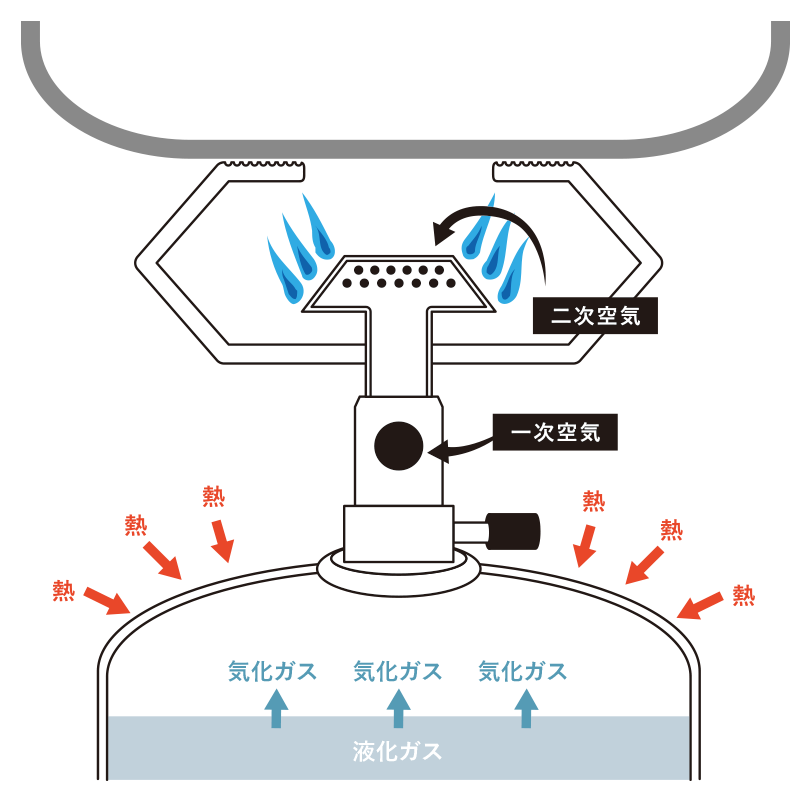 The gas cartridge contains a mixture of liquefied gas (liquid gas) that has been liquefied under pressure and vaporized gas (gaseous gas) that has been vaporized by external heat. When the burner valve is opened, the vaporized gas is first released into the atmosphere
The gas then rises towards the burner head, mixing with the air (oxygen) taken in from the "primary air" section in the illustration. This is because in order to completely burn gas, it is not enough to simply have combustible gas; it must also be mixed with oxygen
The rising gas is ejected from the numerous holes in the head, and when heat is applied from an ignition device or lighter, the gas begins to burn
While a gas burner is burning, it constantly takes in large amounts of oxygen from around the flame (the "secondary air" part). If the flame can continue to properly absorb the surrounding oxygen, it will turn a beautiful blue color and continue to burn, but if it cannot, it will turn red as it burns and at the same time produce carbon monoxide, which is harmful to the body . For this reason, gas burners must always be used in a large open space, such as outdoors.
Once ignited, the vaporized gas from the gas cartridge remains ignited, so the burner will continue to burn as long as gas is supplied. Use the flame adjustment knob to control the amount of gas supplied for safe use
Point 1: Choose the type of stove - How many people will be there and what kind of cooking will they do?
When choosing the best outdoor gas burner, you should first understand that there are various types of gas burners depending on the number of people (cooking size) and purpose, and then consider which type is best suited to you
Type 1) Direct connection type - High versatility suitable for your first device -
When you first start choosing, this type of model will likely catch your eye first due to the wide variety of options and price. You can choose from a wide variety of options, ranging from compact and lightweight models to relatively large models, as well as heat output. No matter which model you choose, it's highly versatile, so you're unlikely to make a mistake, and it's a popular standard type
Type 2) Separate type - For those who want to enjoy stress-free cooking for large groups or special occasions -
Unlike direct-connection stoves, this type features a separate burner and gas cartridge. While it is less heavy and portable, it generally produces more heat. The grates are larger and lower, making cooking easier and more stable, even when a large cooker is placed on them. Another attractive feature is the ease of creating wind protection around the fire
If weight and compactness are secondary to you and stress-free cooking is your top priority, a separate model would be the perfect choice
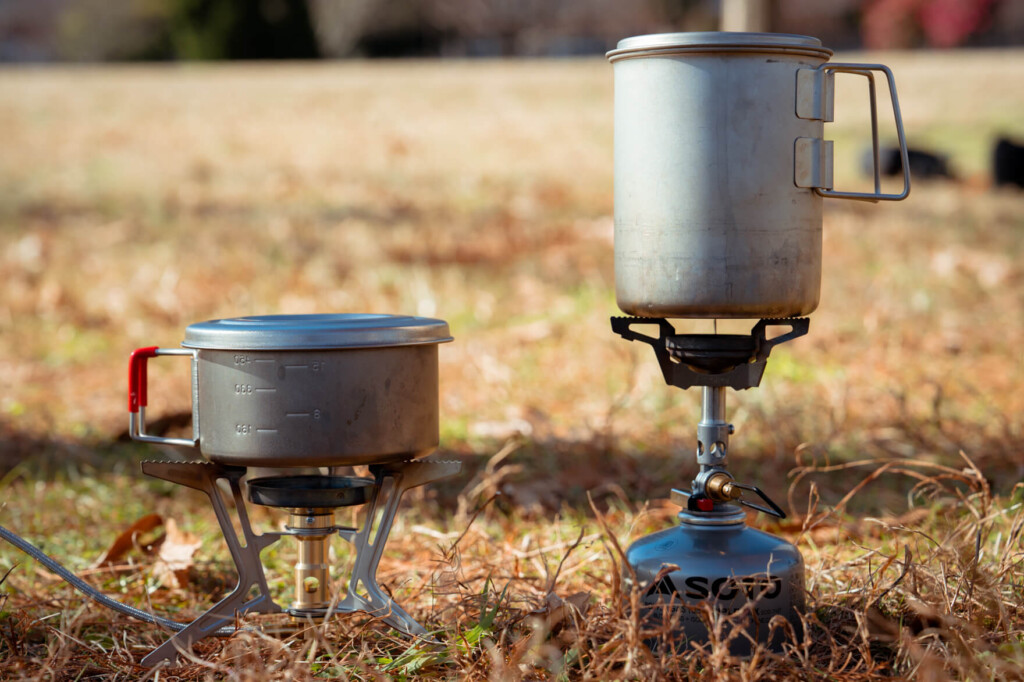
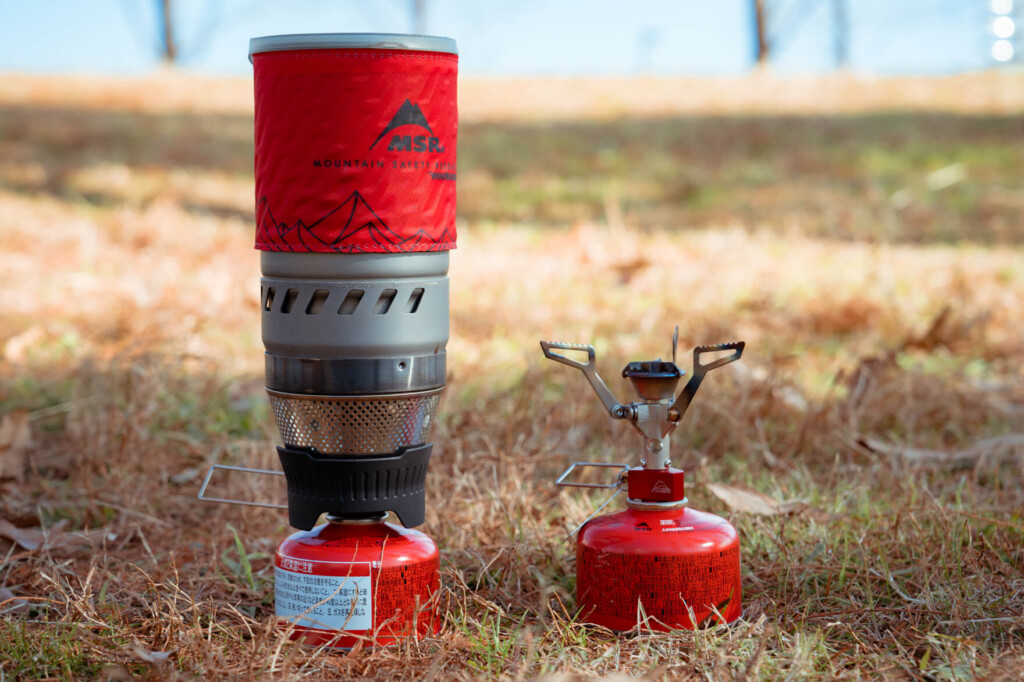
Type 3) Integrated type (direct connection/separate type) - If you want to eliminate equipment waste and pursue efficiency -
In the last 10 years or so, the integrated type, in which the gas burner and cooktop are integrated, has become common. By attaching heat-absorbing fins to the bottom of the cooktop and combining it with the gas burner grate, it is possible to reduce heat loss and maximize thermal efficiency. Models that come as a set with a designated cooktop are common
Because heat is transferred efficiently with less heat, water can be boiled faster than usual, which means less fuel consumption. Both direct-connect and separate models are available, with the direct-connect models primarily used for boiling water and the separate models also capable of cooking. However, the downside is that the entire system is somewhat heavy and bulky, and since everything is a set, there is a lack of flexibility, so it cannot be denied that it lacks flexibility
The features of each type discussed so far are summarized in the table below. Please note that in reality, the features may vary slightly depending on the model
| kinds | Direct connection type | Separate type | Integrated |
|---|---|---|---|
| image | 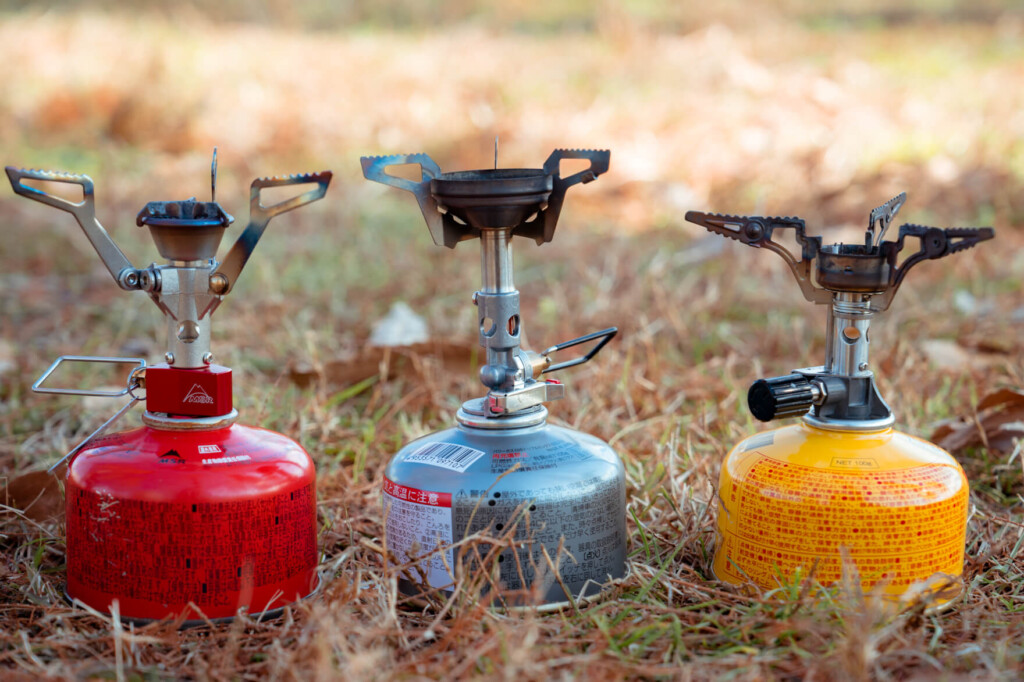 | 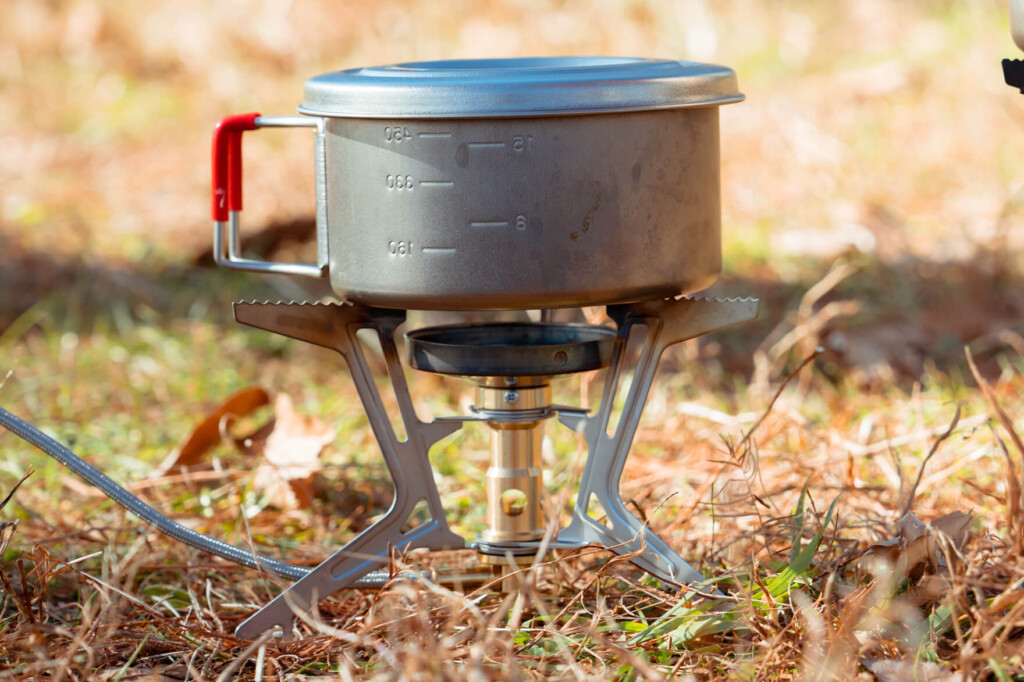 | 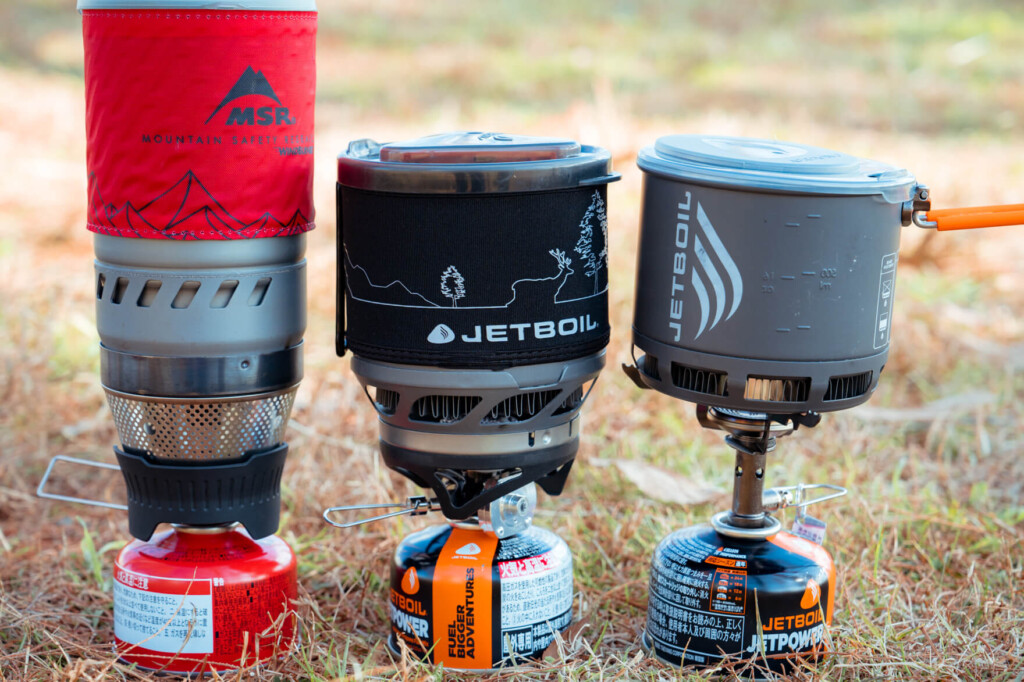 |
| Strong Points |
|
|
|
| Cons |
|
|
|
| Suitable uses | Easy cooking | elaborate cooking | Only enough to boil water (separate models can also be used for cooking) |
| Suitable activities | Wide range of outdoor activities | Any outdoor activities involving cooking for large groups | Lightweight hiking for solo or small groups |
| Estimated number of people | 1 or more people | 2-3 people or more | 1-2 people |
Imagine how many people you want to cater to and what you want to cook
To find the perfect model for you, first get a rough idea of how many people you'll be using it with. Will you be hiking completely solo, or will it be with one or two people, three or more, or six or more?
Next, consider how complicated the cooking will be based on the number of people
- Is it enough to simply boil water?
- Do you want to cook thoroughly while adjusting the heat delicately?
For example, if you plan to use it for drinking coffee or preparing freeze-dried meals by yourself, a direct-connected compact model or an integrated model would be best. If you plan to cook for a group of three or more people, a burner with a large trivet or a separate model would be convenient
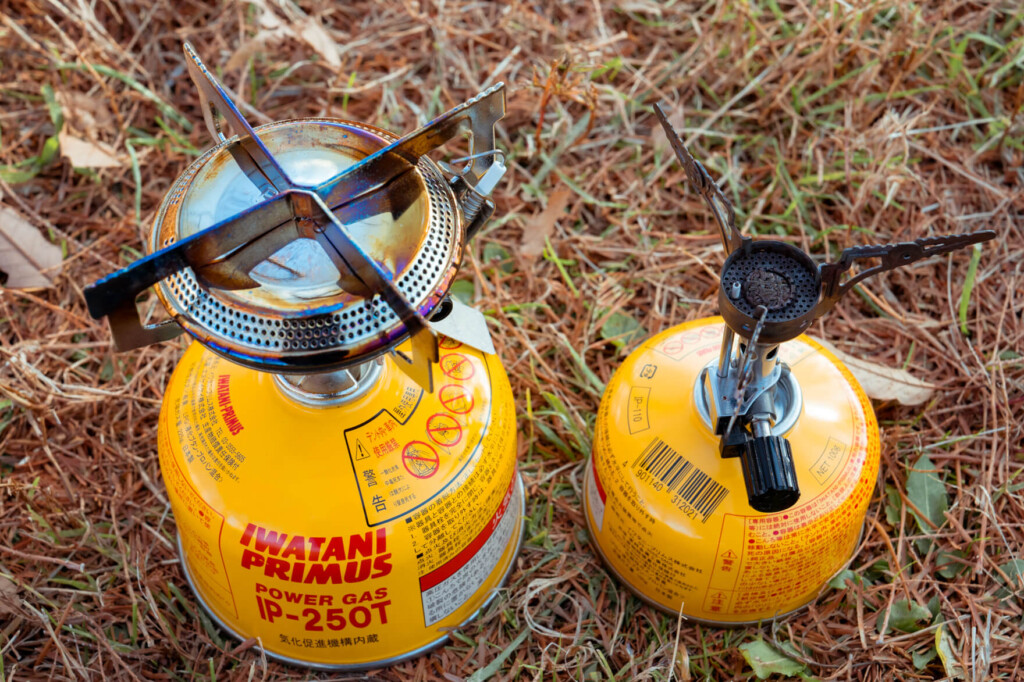
Point 2: Choose a model with higher performance and better fuel economy
High output
In the outdoors, where every minute and second is much more important than in everyday life, the faster you can boil water, the better. Whether or not you can boil water faster is one of the most important points to consider when choosing a burner wisely
So what do you need to check to achieve this? First of all, of course, you need to be able to produce a larger flame (heat output) . A high-power burner should be able to boil water in a short amount of time with its strong flame. This heat output corresponds to the numerical value displayed as " heat output " or " output " in the burner's specifications. Of course, burners with higher output generally tend to be larger in size, so you need to consider the trade-off between heat output and weight/size, but in any case, it's always better to have as much heat output as possible.
High thermal efficiency
However, the story doesn't end there. In fact, boiling water quickly also depends on the "thermal efficiency" of the burner, which is the ability to transfer that power as heat without waste. No matter how much flame is emitted from the burner, if the heat from that flame dissipates to the surrounding area before it reaches the cooker, that heat will be wasted
There isn't much difference in thermal efficiency between burners of the same type (for example, two direct-connection types), but there is a big difference between direct-connection and integrated burners. Integrated burners, which feature an integrated structure with a dedicated cooktop equipped with heat-absorbing fins that don't waste heat, have a high thermal efficiency that allows for faster water boiling than ever before, creating a sensation in the mountaineering world. Despite having a lower output than direct-connection burners, integrated burners can sometimes actually boil water faster because of this high thermal efficiency
This high thermal efficiency, which allows a burner to boil water quickly despite its low output, also contributes to the ability to boil water using less fuel, which means better fuel economy and therefore lighter loads . From a practical standpoint, thermal efficiency is just as important as the speed at which the burner boils water. Even if it can boil water in one minute, if the gas cartridge empties in no time, that burner cannot be considered "usable" for hikers and mountaineers. Weight saving is a critical issue, especially for thru-hikers on long trails, so efficiency can have a major impact when considering a burner. (Incidentally, fuel economy can be estimated using specifications such as "gas consumption" and "usage (burning) time," which represent the time it takes for the burner to consume a certain amount of fuel.)
Furthermore, these high-thermal efficiency (integrated) types have evolved remarkably in recent years, with an increasing number of models and additional options that significantly improve usability, from those that were previously only good for boiling water to those that can handle complex cooking or cooking for large groups. MSR Windburner released an adapter that converts existing models into separate types, as well as skillet and large pot options that enable high-thermal efficiency cooking. In any case, there is no doubt that integrated types will become a major mainstream alongside direct-connection types (which aim for extreme lightness), so we will be keeping an eye out for further new products in the future.
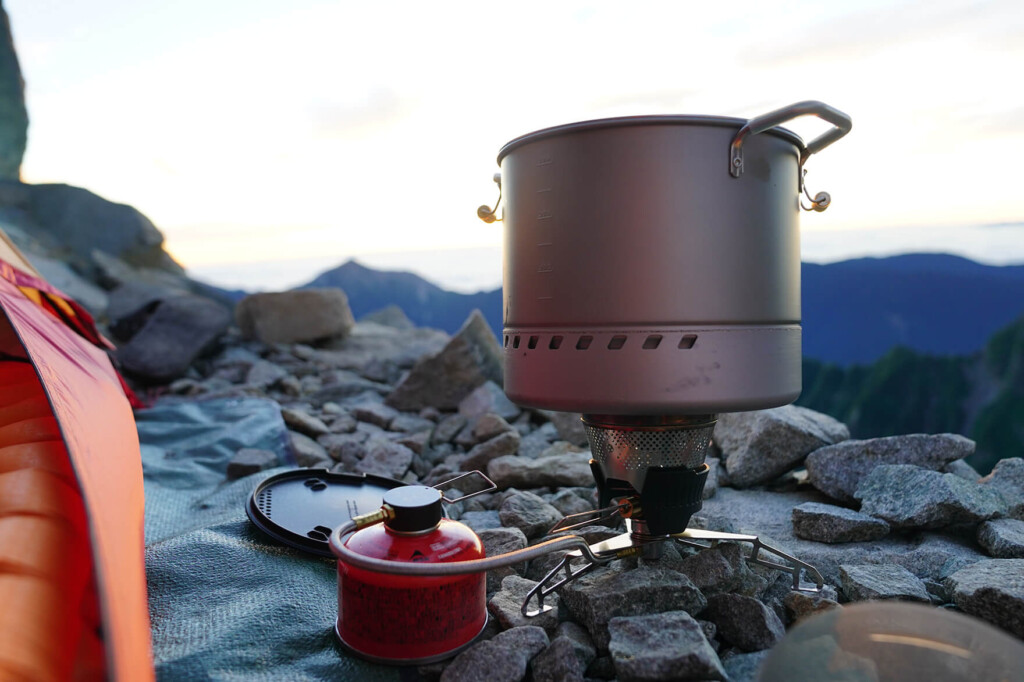
Point 3: Choose something that is more wind-resistant and durable in high altitudes and low temperatures
The boiling time mentioned in point 2 was, of course, measured in a laboratory under well-controlled conditions. In the field, such conditions are rare, and conditions are usually windy, cold, or at high altitudes, so simply pursuing boiling speed in tests will not help you choose the ideal burner. The next point to consider is the stability of performance under adverse conditions
Wind resistance
First of all, gas burners are generally vulnerable to wind, so strong winds can have a significant impact on the burner's performance (boiling time and fuel efficiency). To achieve the best performance in rough weather, it's important to choose an integrated type or a direct-coupled model designed with wind resistance in mind. Among integrated burners, the MSR Wind Burner is particularly resistant to adverse conditions. Despite being slower in terms of boiling speed than the Jetboil Minimo, which is also an integrated type, it has been confirmed to boil faster than the Jetboil in windy environments (according to our research)
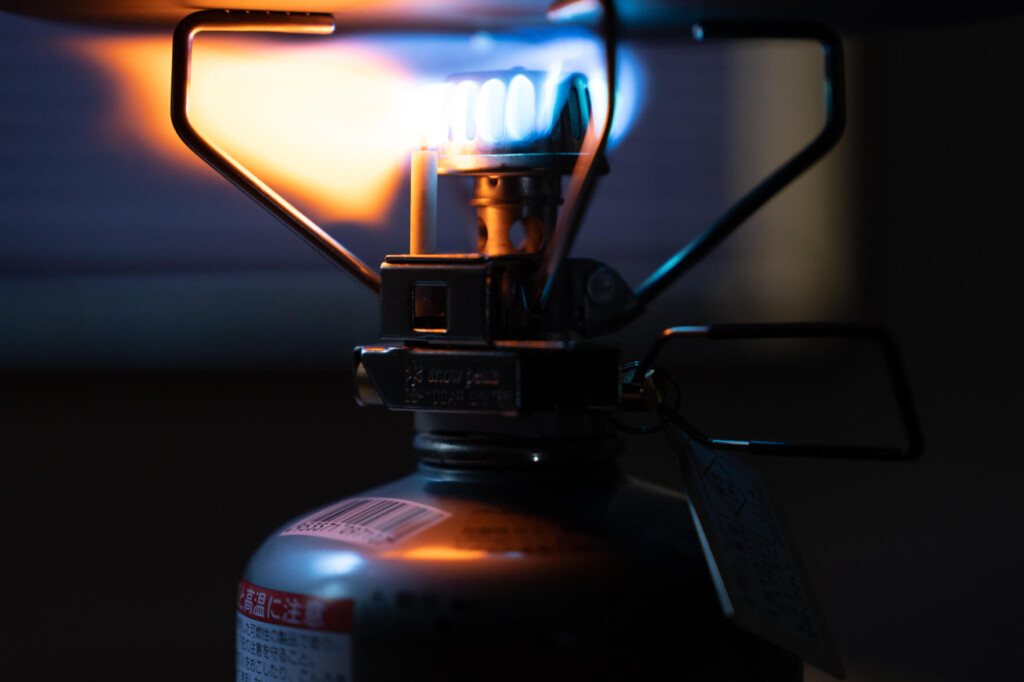
When using a direct-connect burner, it is usually installed in a location that is less susceptible to wind. Some manufacturers allow the use of a so-called "wind shield," but generally, surrounding the burner will cause the fuel canister itself to overheat, so it is best not to use one. In any case, great care should be taken when using one
Strength in cold and high altitudes
Gas burners also do not do as well in cold weather or at high altitudes (compared to liquid fuel burners)
Generally, white gasoline and other liquid fuels function well in cold environments. In contrast, gas burners often experience a drop in cartridge pressure in cold climates or at high altitudes, resulting in a weakened gas jet (i.e., heat output). For this reason, if you plan to use a gas burner in these conditions, it's effective to choose a model equipped with a pressure adjustment function known as a "micro-regulator" or a "liquid-dispensing" model (though these models are rare) that allows the gas cartridge to be used upside down. If such a mechanism isn't available, you can prevent a drop in heat output by using a separate cold-climate cartridge, which has high vaporization efficiency even in extremely cold climates. However, cold-climate cartridges are difficult to use in warmer weather, making them less versatile. Therefore, it's recommended to choose a burner designed for cold climates and high altitudes
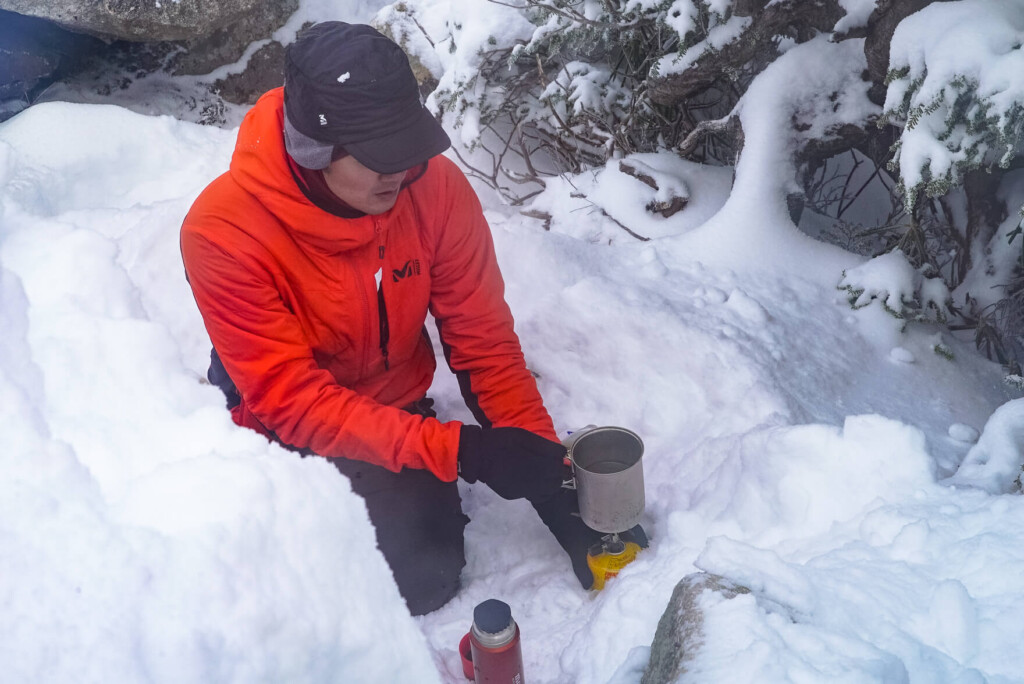
In any case, the firepower tends to decrease in cold seasons, so it is essential to take care to keep the fuel warm by putting it in your jacket pocket or sleeping bag, or to keep it warm while in use by using a separately sold booster
Point 4: Choose something that is lightweight and portable
Like many mountain gear, the weight and storage size of a burner are important considerations. However, compared to larger items like tents and sleeping bags, getting the lightest burner doesn't have much of an impact on the overall weight of your luggage, so it may not be something you need to think about too seriously
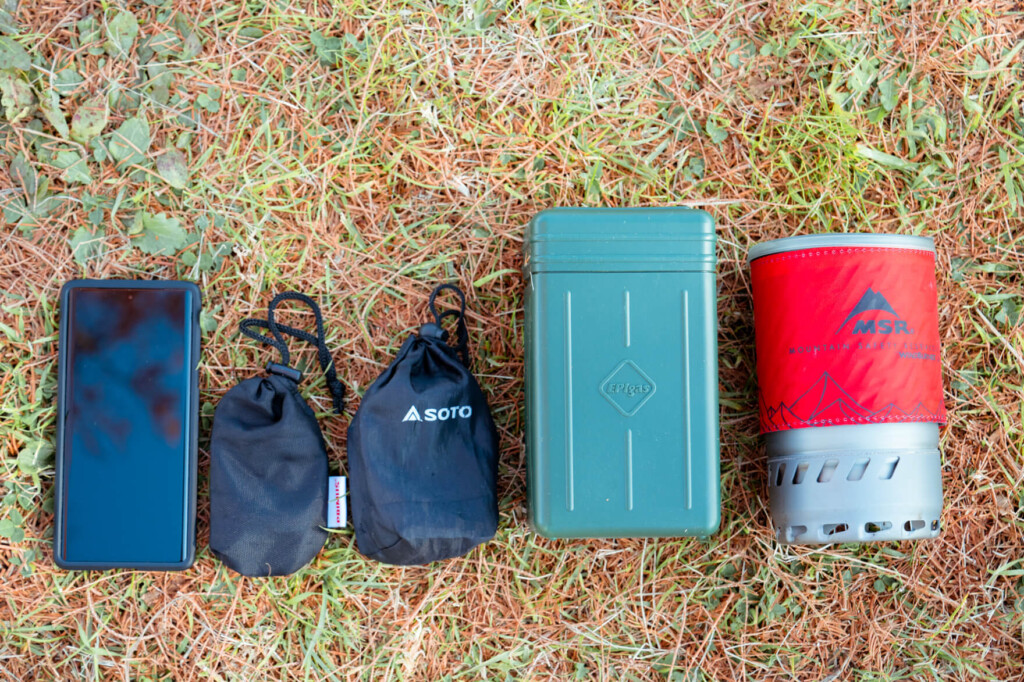
However, the difficult thing about choosing a gas burner is that the weight and size are not just a matter of the burner itself, but the choice of burner will affect the entire cooking set, including other fuels and cookers. If these things accumulate as dust, they could become a mountain
At first glance, integrated burners don't seem particularly lightweight or compact, but on long, multi-day trails, you'll inevitably need to carry a lot of gas cartridges. Reducing the number of cartridges from two to one can instantly shave 100 grams off each can, a significant difference (in this respect, liquid fuel can be considered advantageous, as it allows you to fine-tune the amount of fuel you carry). In other words, while an integrated burner with good fuel economy might be a bit too much for a weekend hike and may not be as heavy as a standalone model, it could ultimately be advantageous on long, multi-day trails. This is likely why the Jetboil is so popular with North American thru-hikers
In summary, if you are aiming to make your burner lighter, it would be wise to prioritize having the necessary functions over weight and size, and then consider making the entire cooking system, including the fuel, lighter and more compact
Point 5: Other small features
Ease of cooking (delicate heat control knob and wide burner head)
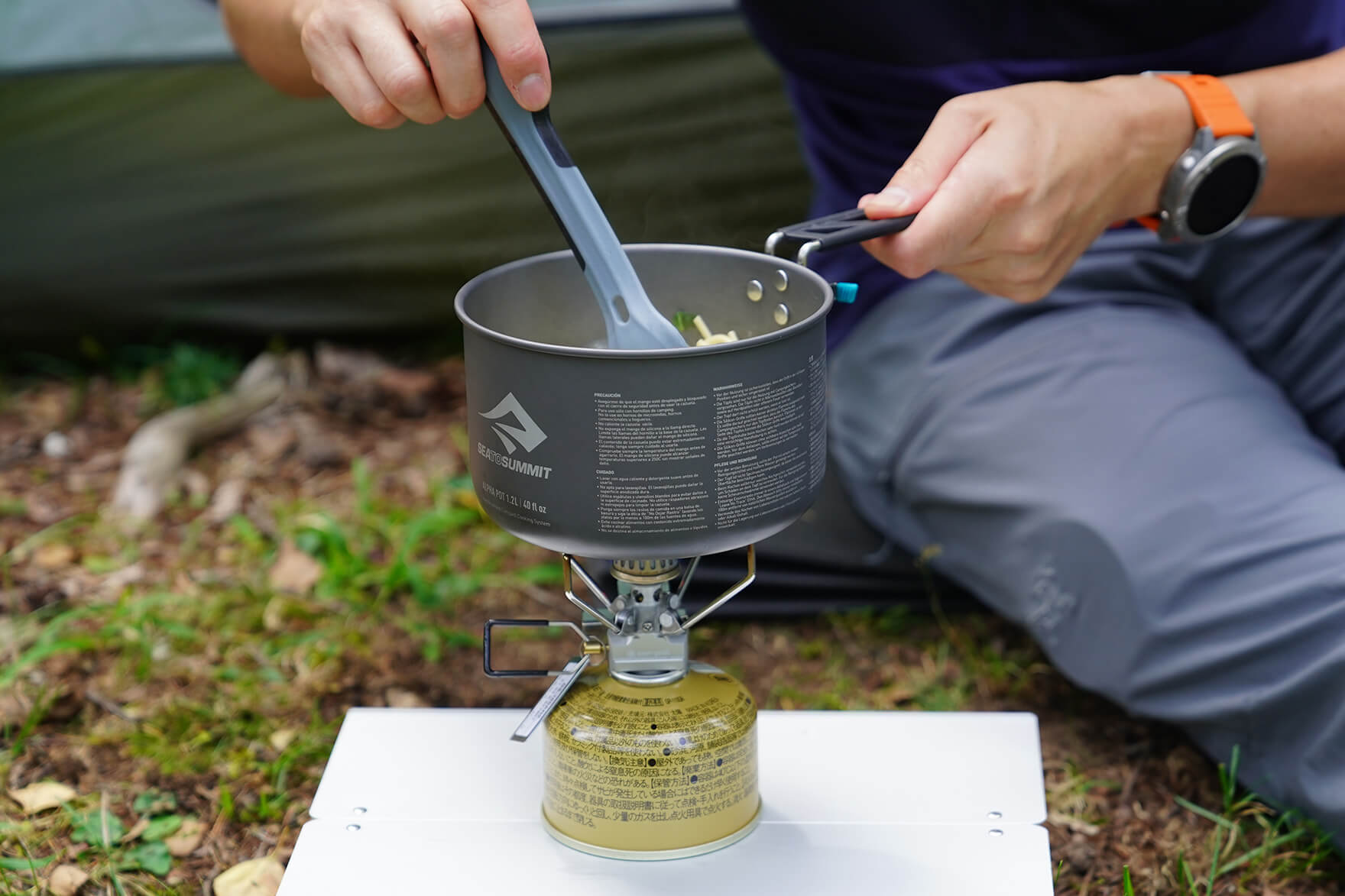
Efficiency-focused integrated gas burners are often good at burning at maximum power, but not so good at keeping the flame at a minimum. A rich meal is what fuels you in the field, and it undoubtedly makes your trip more fulfilling. In that sense, it's never a bad whether the heat control knob is sensitive enough . Furthermore, if you want to cook delicate dishes more smoothly and successfully, a wider burner head is better suited to cooking, as it can provide uniform heat throughout a shallow cooktop. However, a larger head also means greater weight and size, so it's a trade-off with weight reduction, which can be a real hassle.
Presence or absence of ignition switch (piezo igniter)
Most burners have an ignition switch called a "piezo igniter," which emits a spark when you press a button, just like the electronic 100-yen lighters
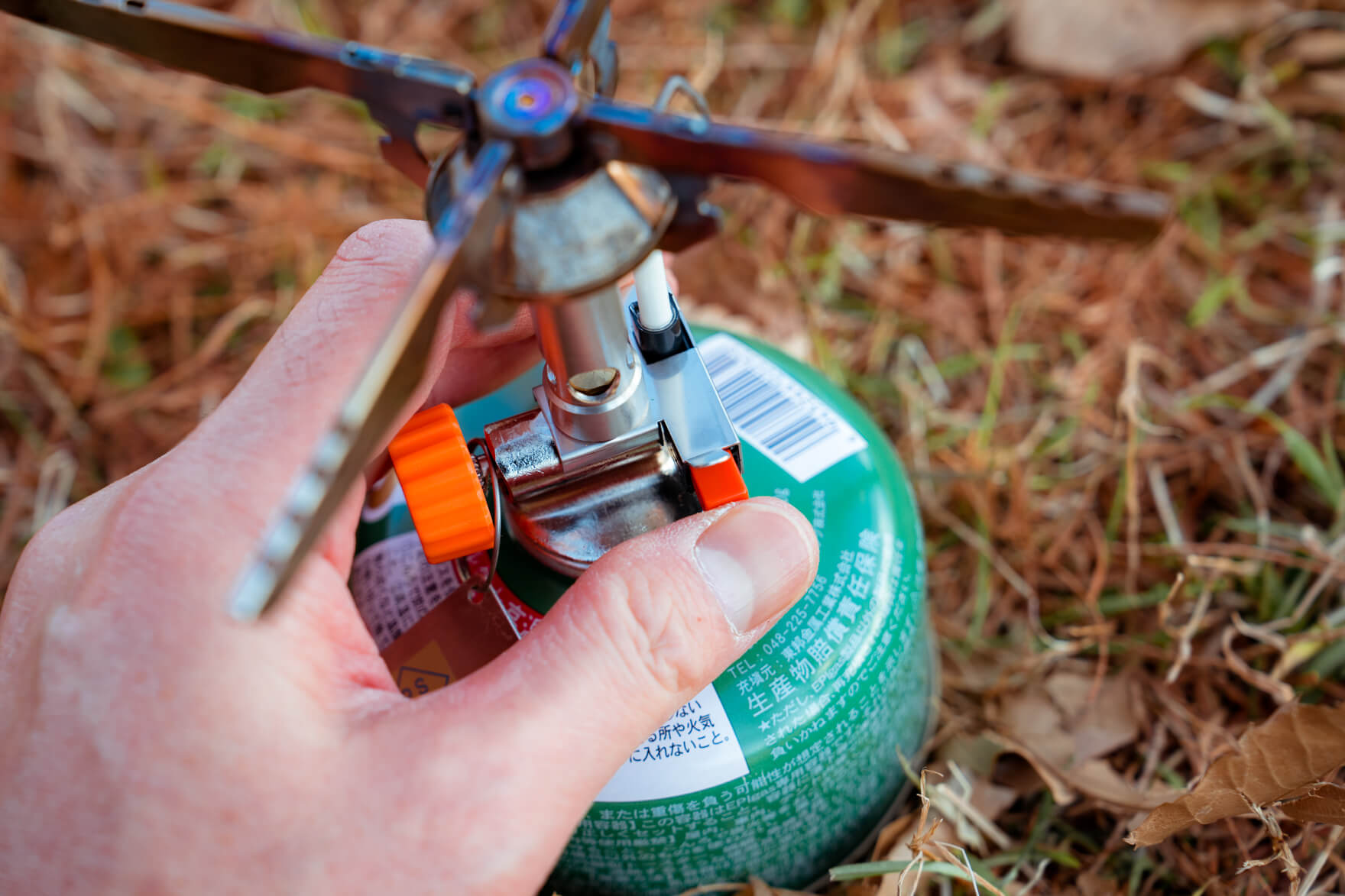
This handy tool sacrifices some weight and size, but for a clumsy person like me who often loses my lighter, it's a nice feature to have. It saves time and effort, and is especially useful in windy conditions where matches or lighters can easily be blown away
However, the downside is that there are times when it suddenly doesn't work properly (for example, it doesn't light properly at high altitudes, or it deteriorates over time and stops working). In that case, you'll need to ignite it with a lighter or something similar. In any case, it's essential to bring spare matches or a lighter just in case, so the igniter isn't essential, and for those who are trying to reduce weight, it may actually be a hindrance
summary
As I've written, while there are subtle differences between stoves, the purpose of "heating" is similar. If you're having trouble narrowing down your intended use, choose a standard direct-connect model model can accommodate both individuals and groups, and you'll be able to use it with confidence for a long time. It's impossible for one item to meet all your needs, so don't overthink it at first. Over time, as your preferences, goals, and necessary functions change, search for and purchase a model that's right for you. This will ultimately help you to avoid waste. Finally, buying a stove isn't the end of the story; it's important to use it properly. To avoid serious accidents due to improper use, we recommend thoroughly learning the usage procedures and precautions before using it.
Related articles
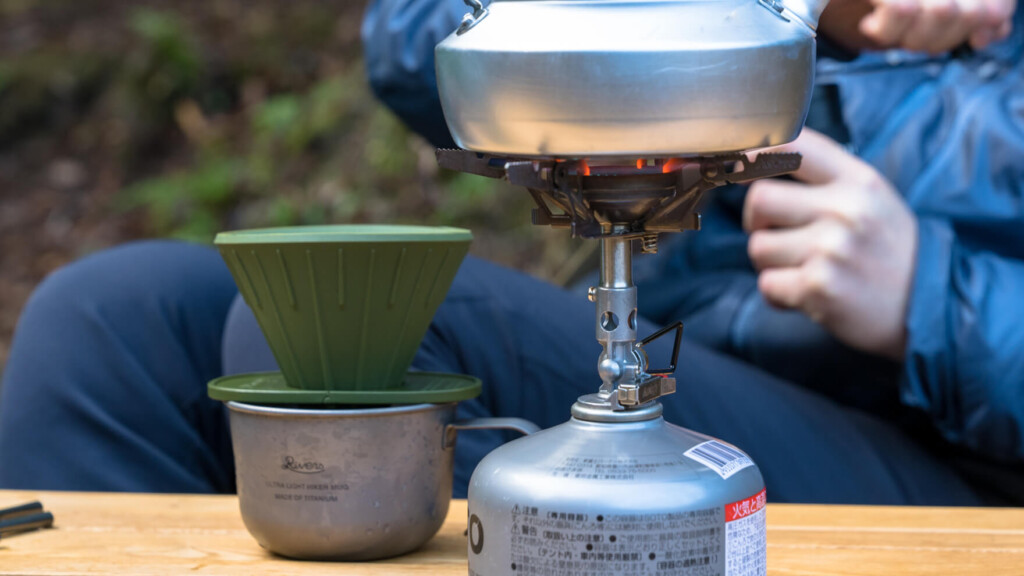
(Reference) Comparison table of main performance of the gas burners selected this time
| evaluation | General | General | General | lightweight | lightweight | lightweight | group | group | group | group | group | All-in-one | All-in-one | All-in-one | Cost performance | Cost performance | Multi-fuel |
|---|---|---|---|---|---|---|---|---|---|---|---|---|---|---|---|---|---|
| item | SOTO SOD-310 Micro Regulator Stove Windmaster | PRIMUS P-153 153 Ultra Burner | EPI GAS REVO-3700 Stove | MSR Pocket Rocket 2 | SnowPeak Gigapower Stove, Automatic | PRIMUS P-115 115 Femto Stove | PRIMUS P-155S Ultra Spider Stove II | SOTO SOD-331 Micro Regulator Stove FUSION Trek | PRIMUS P-136S Express Spider Stove II | EPI GAS APSA-III Stove | PRIMUS IP-2243PA 2243 burner | JETBOIL Minimo | MSR Windburner Personal Stove System | JETBOIL Stash | SOTO Amicus SOD-320 | PRIMUS P-TRS Essential Trail Stove | SOTO SOD-372 Storm Breaker |
| type | Direct connection type | Direct connection type | Direct connection type | Direct connection type | Direct connection type | Direct connection type | Separate type | Separate type | Separate type | Separate type | Direct connection type | Integrated | Integrated | Integrated | Direct connection type | Direct connection type | Separate type |
| Maximum output (kcal/h) | 2800 | 3600 | 4200 | 2143 | 2500 | 2100 | 3000 | 3000 | 2400 | 4000 | 3600 | 1404 | 1765 | 1134 | 2600 | 2100 | 3000 |
| Gas consumption (g/h) *1 | 153.3 | 245 | 308 | 227 | 210 | 170 | 210 | 177 | 155 | 280 | 250 | 120 | 142 | – | 153.3 | 170 | 287.5 |
| Weight (g)※2 | 67 | 116 | 111 | 73 | 90 | 57 | 167 | 182 | 195 | 425 | 253 | 440 | 465 | 200 | 81 | 113 | 448 |
| Tripod size (Φ mm) | 100 | 148 | 152 | Approximately 110 | 106 | 120 | 168 | Approximately 150 | 156 | 160 | 120 | 120 | 105 | 110 | 106 | 110 | 170 |
| ignition device | ◯ | ◯ | ◯ | ◯ | ◯ | ◯ | ◯ | ◯ | ◯ | ||||||||
| Boiling speed*3 | ★★★ | ★★★ | ★★★ | ★★ | ★ | ★ | ★★★ | ★★★ | ★★ | ★★★ | ★★★ | ★★★ | ★★★ | ★★ | ★★★ | ★★★ | ★★★ |
| Wind-resistant boiling speed*4 | ★★★ | ★★ | ★★ | ★★ | ★ | ★★★ | ★★★ | ★★ | ★★ | ★★ | ★★ | ★★★ | ★★★ | ★★ | ★★ | ★★ | ★★ |
*1 Calculated from the specifications table
*2 For the integrated model, this is the total weight including the pot
*3 The time taken to boil 300ml of water at 15°C was measured and rated relative to the time taken (fastest 67 seconds, slowest 126 seconds)
*4 The time taken to boil 300ml of water at 15°C while blowing air at a speed of approximately 3m/s was measured and rated relative to the time taken (as a guideline, ★★★: boils within 5 minutes, ★★: hot water in 5 minutes, ★: warm water in 5 minutes)
Related reading
 Comparison Review: Comparing Lightweight Gas Stoves (Single Burner) for Mountaineering [Ideal for Beginners and Solo Hikes]
 Comparison Review: Which gas stove for mountaineering is best to choose?
 It's so much fun you'll forget the time. How to choose the stove, cooker, and cutlery to bring with you on a tent-camping trip [Practical Guide]
 Best Outdoor Gear of 2014, Selected by Gear Institute, an American Outdoor Web Magazine