



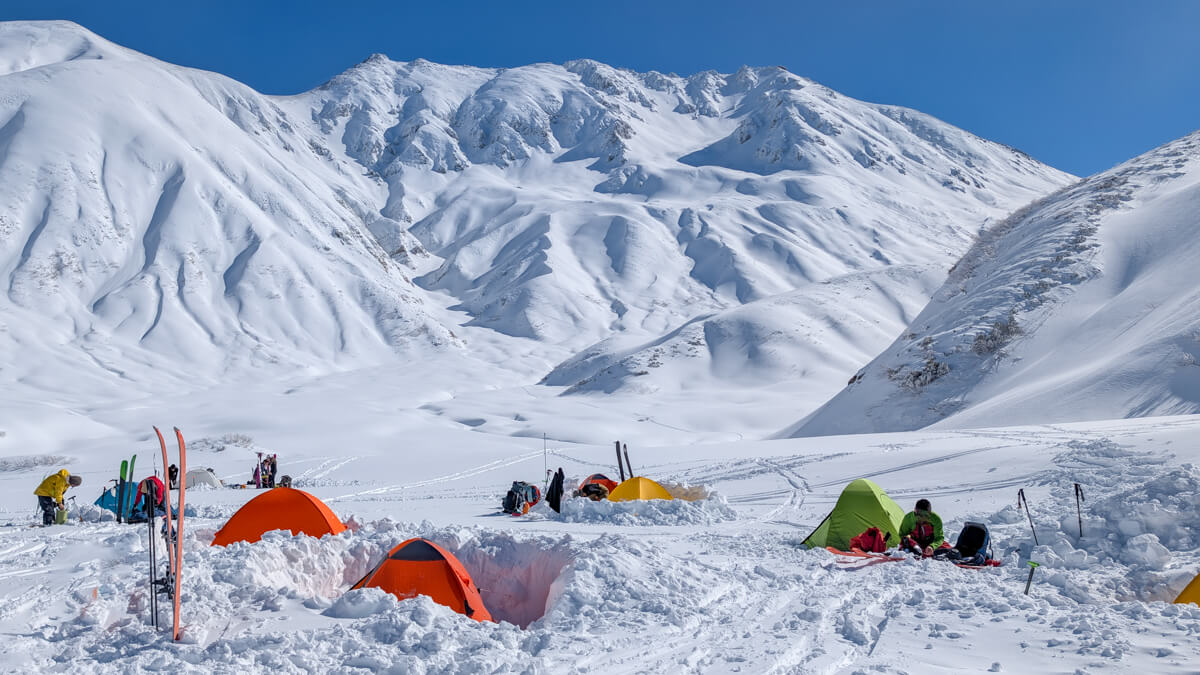
[For a safe and comfortable tent stay in the snowy mountains] A summary of the best all-season tents for different purposes and preferences, and tips on how to choose one that you won't regret

Written by Yasushi Hisatomi
This November, I was caught in a severe snowstorm on Mt. Tateyama
In recent years, I haven't been on a tight schedule when climbing in winter, so I haven't pushed myself to climb mountains when bad weather is predicted. However, due to circumstances this time, I knew that the nights would be rough, but I still prepared well and decided to camp in a tent on a snowy mountain for the first time in a while. And as expected, I ended up spending the night in a snowstorm in HILLBERG Souro
There, I was reminded of the unimaginable violence of the wind and snow in the winter mountains, and the security of "tough tents" such as the Souro. It is clear that adequate preparation is essential if you are going to enter the winter mountains at an altitude of over 1,500 meters
I hadn't really thought about it much until now because it hadn't yet become a personal concern, but this time I decided to take another look at the best gear from a total of 58 all-season (4-season) tents (solo/2-person tents only) that are designed to withstand winter mountain climbing
In the first half, we will also take this opportunity to review the characteristics of tents for winter mountain climbing and the points to keep in mind when choosing one
Please note that we are only introducing one or two recommended models in each category here, but you can view a comparison list of all the best candidates, including other recommendations, by becoming a member
Outdoor Gearzine's content is made possible by your support. If you're interested, please consider becoming a member!
All recommended winter mountain tents and a comparison table of all models are available with a paid membership
table of contents
- The difference between a "three-season tent" and an "all-season tent" and seven points to keep in mind when choosing one
- Check out these 4-season tents: 1. Wind resistance for strong winds
- Check out these 4-season tents: Part 2: Breathability and ventilation to prevent suffocation
- Check out these 4-season tents: 3. Durability of fabric that can withstand sharp objects
- Check out these 4-season tents: 4. Snow skirts to prevent snow and wind from getting in
- Check out these 4-season tents: 5. Windsock-style entrances and ventilation
- Check out these 4-season tents: 6. Cold weather resistance and heat retention
- Check out these 4-season tents: 7. Design of each part for snowy mountain climbing (operability with thick gloves and resistance to freezing)
- [By Use/Preference] Best All-Season Tents
- Best Overall All-Season Tent: DUNLOP DL-20A 4S / HILLEBERG Souro / mont-bell Stellaridge Tent 2 (with Snowfly)
- If you're looking for a solo 4-season tent, we also recommend the HILLEBERG Souro
- Mont-Bell Stellaridge Tent 2 (including snow fly)
- Best Alpine All-Season Tent: Samaya SAMAYA2.0 DYNEEMA / Heritage Espace Quest 2
- Best 3-Season Tents for Hiking: Arata AX-130 / Durston X-Mid Pro 2+
- Best All-Season Basecamp Tent: The North Face Mountain 25
- Best Tough All-Season Tent: DUNLOP V-2PC 4S
The difference between a "three-season tent" and an "all-season tent" and seven points to keep in mind when choosing one
Let's start with the basics. There are a variety of camping equipment (shelters) available in the world, from standard double-wall tents to single-wall tents, as well as tents, tarps, and hammocks, but most are designed for use during the snow-free seasons of spring through autumn
On the other hand, all-season tents, also known as "four-season tents," are tents that can be used in all seasons, including snowy mountains. Of course, the weather changes every day in winter mountains, so depending on the location and day, it's possible to use a three-season tent. However, in the rapidly changing winter mountains, sunny skies can quickly turn into blizzards, and all-season tents are designed to withstand such harsh winter weather. Just to be clear, there's no clear line between four-season and three-season tents, and the standards for four-season compatibility vary from manufacturer to manufacturer. Some models are winter-compatible with standard equipment, while others require the addition of optional winter accessories. It's possible that your tent can be winter-compatible with additional accessories. Keeping this gray area in mind, I'll summarize the requirements for a four-season tent. While not all four-season tents must have all of the following features, they must at least have some of the following characteristics to be considered four-season
Check out these 4-season tents: 1. Wind resistance for strong winds
Above all, in the mountains during the harsh winter, strong winds blow continuously from the northwest due to the influence of seasonal winds. Moreover, it is not uncommon for strong winter winds to exceed 20 m/s, which is incomparable to summer winds. A four-season tent set up in such a place must be strong against the wind above all else
For this reason, strong and durable poles and a pole structure that can withstand strong winds are important, and freestanding dome tents are the most common for winter mountaineering, as they are considered to be the strongest mechanically. Of course, not all dome-shaped tents are suitable for winter mountaineering, and there are also tents other than domes that are suitable for winter mountaineering, such as non-freestanding tunnel-type (kamaboko-shaped) tents
Furthermore, for four-season tents that must withstand strong winds and the weight of accumulated snow, it is important to use poles that are strong enough and flexible enough to dissipate the force of the wind, rather than thin poles that have been made as light as possible, and to have a pole structure that is sturdy enough to deflect the wind and not be crushed by the gravity of the snow
Check out these 4-season tents: Part 2: Breathability and ventilation to prevent suffocation
If you're caught in snow all day while camping in a winter tent, snow will pile up around the tent. This will seal the gaps in the fly that normally allow air to flow in and out, and if you're not careful, a rain fly that lacks breathability could suffocate you. Of course, there are ventilation holes so it won't be completely airtight, but when using a rain fly in the winter mountains, you must be especially careful about the risk of suffocation. For this reason, with four-season tents, a breathable "outer liner (snow fly)" is used over the inner tent instead of a rain fly. The outer liner is not waterproof, but it is breathable and water-repellent, making it more convenient during snowy seasons
Check out these 4-season tents: 3. Durability of fabric that can withstand sharp objects
Additionally, the outer lining is generally made of thicker fabric than the rain fly, so it is less likely to be damaged even in winter mountains where there is a lot of sharp gear such as axes, crampons, shovels, and snowshoes, making it safer
Check out these 4-season tents: 4. Snow skirts to prevent snow and wind from getting in
Furthermore, because the outer lining is breathable, there is no need to leave a ventilation gap under the fly. Conversely, a snow skirt can be attached to the bottom, and snow can be placed over it to fill the gap. This makes it more resistant to blizzards, as snow will not seep in and the tent will not be blown around by strong winds from below
So, does that mean that tents without an outer lining cannot be used in snowy mountains? Strictly speaking, that's not true. Instead, if you're using a tent with a rain fly in the mountains in winter, you should make sure that it's designed to prevent wind from blowing in from below (the fly is closed right up to the ground) and that it's designed to ensure breathability even when buried deep in snow (there are sufficient ventilation holes at the top)
Check out these 4-season tents: 5. Windsock-style entrances and ventilation
Another feature is that the exterior tent's entrances are generally round and often feature a "windsock" design that opens and closes with a drawcord. While this is completely meaningless outside of snowy mountains, it makes sense on snowy mountains for the following reasons: With a normal entrance, you inevitably have to leave a gap larger than the space needed to enter or exit the tent, which means wind and snow blow into the tent every time you enter or exit. On the other hand, with a windsock entrance, you only need to open the opening as small as necessary and then crawl in, allowing you to enter or exit comfortably without leaving any unnecessary gaps and brushing away excess snow. Another advantage is that on snowy mountains, there is no need to use zippers, which are vulnerable to freezing
Ventilation works roughly the same way; the cylindrical, drawcord structure makes it difficult for snow to blow in and makes it more resistant to freezing
Check out these 4-season tents: 6. Cold weather resistance and heat retention
Depending on the situation, it's best to have tent walls as thick as possible and with a multi-layered structure to mitigate the cold during the harsh winter. For this reason, some manufacturers offer "winter liners" that can be placed inside the tent to add an extra layer. Also, if you can prevent drafts with the aforementioned "snow skirt," you can stop air moving between the inner and outer layers, increasing the heat retention effect
Check out these 4-season tents: 7. Design of each part for snowy mountain climbing (operability with thick gloves and resistance to freezing)
A good four-season tent is designed with the assumption that parts such as zippers and buckles will be worn with thick gloves. Each part is also made of freeze-resistant and break-resistant materials to prevent problems such as freezing and becoming inoperable or breaking, and zippers at the entrance of the tent are designed not to be exposed to snow or ice. Whether a tent has been designed with practicality in mind down to the smallest detail, taking into account the harsh environment of snowy mountains, will have a big impact on comfort, so it's something you should pay attention to when choosing one
For basic information on how to choose a tent for mountain climbing and backpacking, please see our website's " Recommended tents by type chosen by a mountain enthusiast who spends over 100 days a year camping in tents, and how to choose a mountain climbing tent you won't regret " article, so please do read it.
[By Use/Preference] Best All-Season Tents
*In selecting the best models this time, all were chosen based on the "two-person" model. Also, in terms of price, we excluded models with a list price of over 200,000 yen from the list of best candidates (although they are listed in the candidate list)
Best Overall All-Season Tent: DUNLOP DL-20A 4S / HILLEBERG Souro / mont-bell Stellaridge Tent 2 (with Snowfly)
When considering use primarily in winter and snowy mountain trekking, what is the "best all-around" tent that strikes the best balance between safety and comfort? To be honest, I struggled to decide what to choose in this category. While all the tents are excellent, there is no single tent on the Japanese market that truly stands out (perhaps the current Japanese mountaineering market is too small to be profitable)
On the other hand, if you look overseas, you can easily find excellent winter tents that are both sturdy and comfortable, such as the NEMO Chogori and the SlingFin Indus 2. Unfortunately, however, these are not available in Japan.
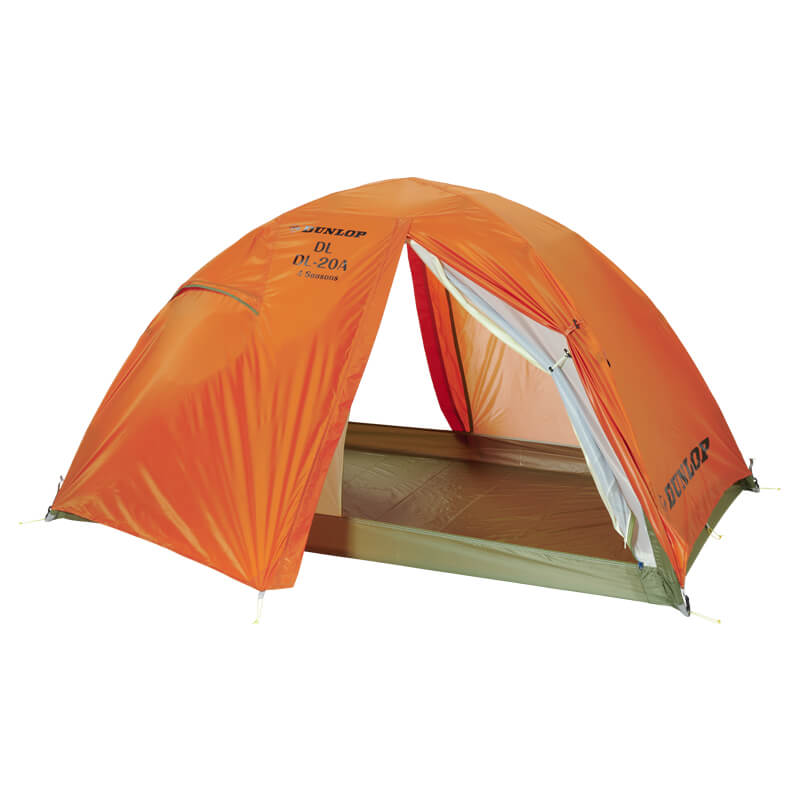
That said, there are some tents available in Japan that stand out in terms of overall performance. One example is the DUNLOP DL-20A 4S . From the outside, Dunlop's dome-shaped tent is familiar to Japanese mountaineers. As expected from a company that has been supplying durable, long-lasting mountain tents to Japanese climbers and student mountaineering clubs for decades, it's highly durable. Furthermore, its two entrances on the long side are a unique feature not found in other four-season tents available in Japanese stores. This high level of living comfort is convenient, providing excellent ventilation not only in winter but also in summer. While a separate outer lining is required for winter use, combining the lining makes it a fully functional standard winter mountaineering tent. While the traditionally small living space is a bit of a disappointment, this tent offers the best balance of strength, durability, comfort, weight, and versatility.


If you're looking for a solo 4-season tent, we also recommend the HILLEBERG Souro
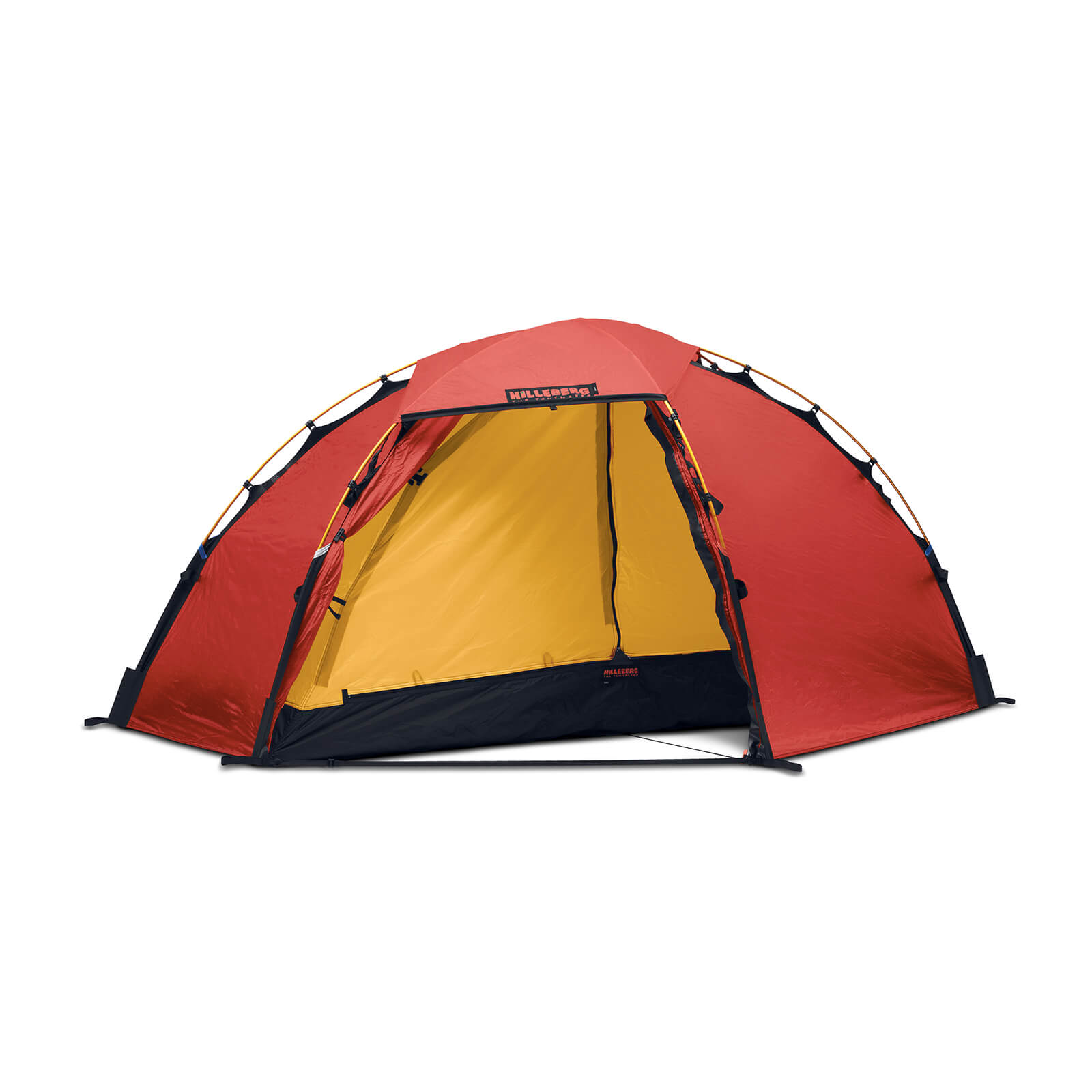
As I mentioned at the beginning, I have been using the HILLEBERG Souro as my winter tent ever since I started this website. It's too heavy for me to use much during the green season, but as a solo tent for winter mountaineering (even though it's not made for winter mountaineering), it's an incredibly reliable tent
There are countless reasons why the Souro is so safe for the snowy mountains, but personally, I feel that the absolute reliability of the materials and construction (quality) is paramount. The outer tent's proprietary Kerlon fabric, which has passed Hilleberg's rigorous strength testing, boasts not only tear strength but also high abrasion and puncture resistance, minimal waterproofing, lightfastness, and hydrolysis resistance, making it extremely durable in every respect. The poles are made by DAC's Featherlite NSL poles (9mm or larger diameter), one of the most reliable tent pole brands. Furthermore, the zippers are YKK, and the team is committed to quality down to every last detail, including the guy lines, buckles, and hooks. I discovered this tent in 2015 and have been using it for over 10 years, and I'm impressed that it has yet to show any signs of deterioration. Honestly, the price is worth it
Since it uses a rain fly rather than an outer shell, you need to be a little careful about ventilation, but the ventilation system is highly flexible and easy to adjust, so it's not really a problem. Even though it's heavy, this tent is recommended for people looking for a lifetime of solo tent that can be used safely in any situation
Mont-Bell Stellaridge Tent 2 (including snow fly)
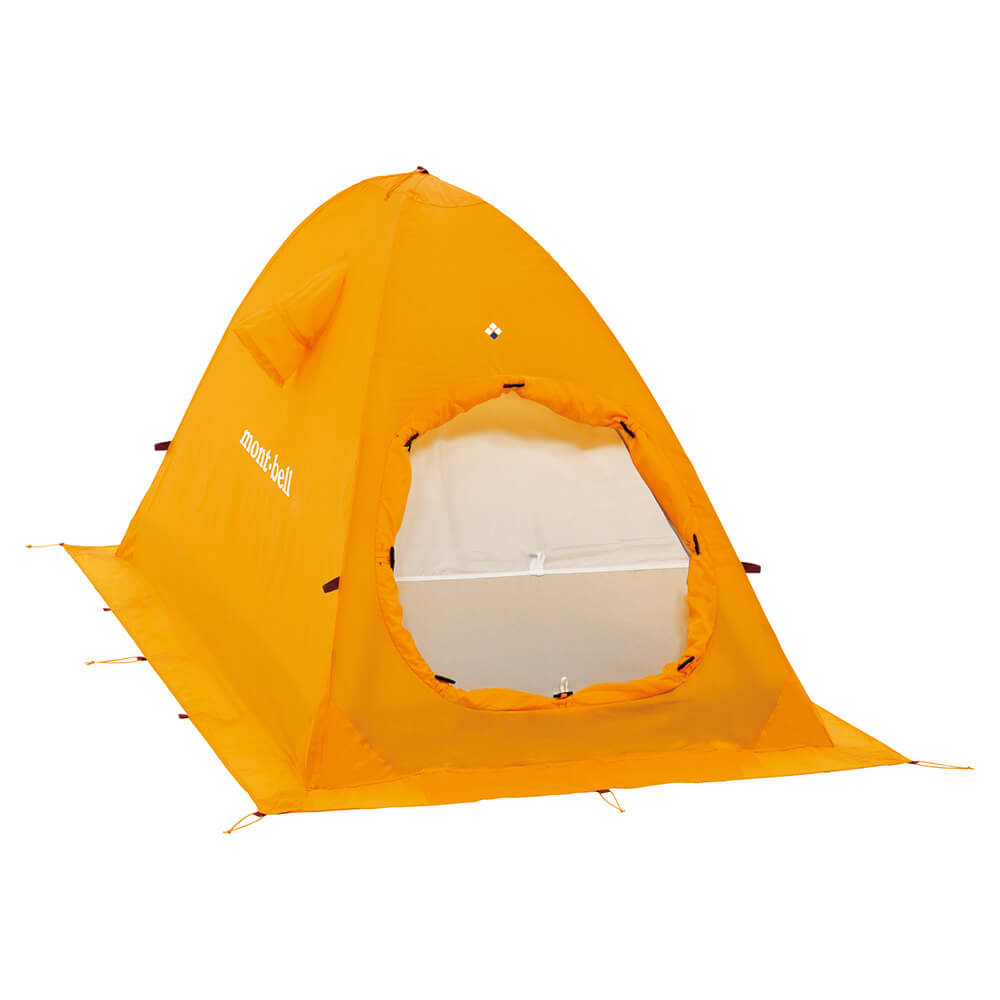
Another item I'd like to mention is the Mont-Bell Stellaridge Tent 2 (including Snowfly) . It wasn't featured in any particular category this time, but if there was a category for best value for money, this would definitely be it. It doesn't have any notable features in terms of livability or construction details, but considering all the items and its long track record, it offers the highest level of satisfaction for the price, so I can't help but mention it as the overall best.

Best Alpine All-Season Tent: Samaya SAMAYA2.0 DYNEEMA / Heritage Espace Quest 2
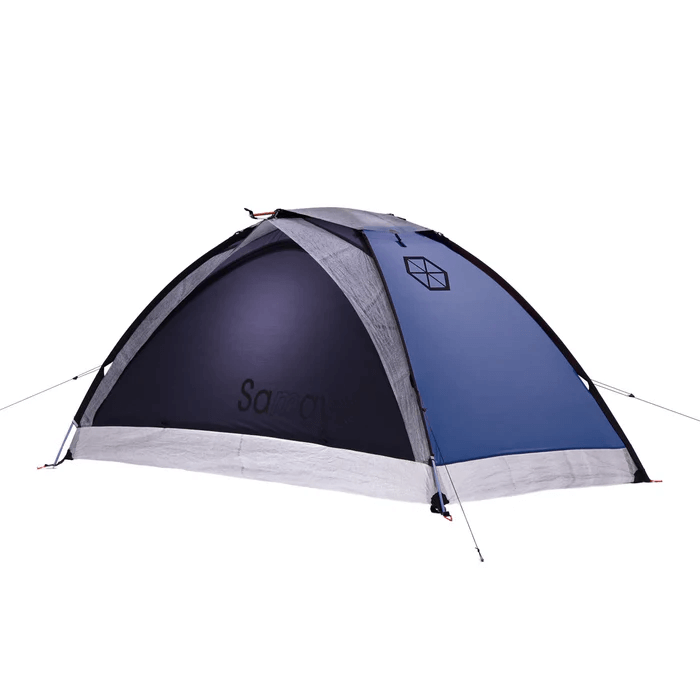
Unlike the overall best category, the ideal tent for winter variation routes and alpine climbing prioritizes weight, packability, speedy setup, and a small footprint over comfort (though strength is of course a prerequisite). When it comes to meeting these characteristics, the obvious choice is a single-wall, freestanding tent. The Samaya SAMAYA2.0 DYNEEMA, in particular, combines Dyneema fabric, which boasts high strength for its light weight and water-repellent properties, making it neither heavy nor loose, with the company's proprietary NANOVENT® waterproof and breathable fabric, which prevents condensation, making it ideal for fast and light mountain activities. The entrance, with its wide opening on the long side, also emphasizes livability, resulting in a highly refined design
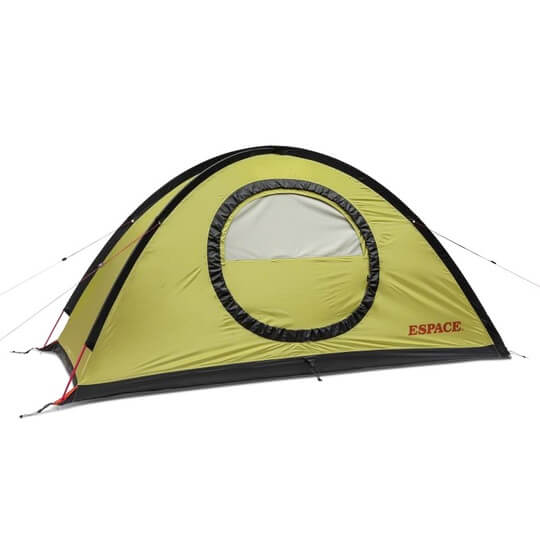
However, the SAMAYA2.0 DYNEEMA is difficult to obtain and expensive. Another viable option is the Heritage Espace Quest 2 from Espace, one of Japan's leading tent brands. The main body fabric is made of thick 30-denier eVent, which not only provides high waterproofing but also excellent breathability and condensation resistance. The entrance is large on the long side, providing a decent amount of floor space. A winter windsock can be attached (sold separately), so this tent combines the lightweight and compact design of a single-wall tent with practicality for winter mountaineering
Best 3-Season Tents for Hiking: Arata AX-130 / Durston X-Mid Pro 2+
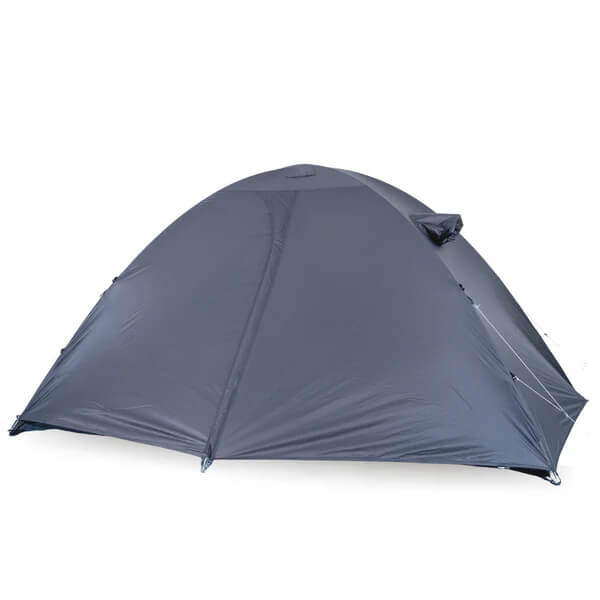
If you're looking for a tent that can be used during the snowy season as an extension of hiking, not pitched on the ridges of the Alps in January and February, but rather a 3-season tent, then a model that offers moderate protection while remaining as lightweight as possible is the perfect fit. The Arata AX-130 is the perfect choice. First of all, its dome-shaped construction provides basic strength, and its structure is more robust than typical dome-shaped tent covers despite its light weight. While it doesn't feature any winter-specific equipment like an outer shell, its design is designed with snow in mind, with features like an airtight bottom fly and ventilation at the top, making it perfectly suitable for moderately heavy snowy mountain climbing. On top of that, it's lightweight and reasonably priced. This tent can be used year-round for those who want to enjoy hiking year-round
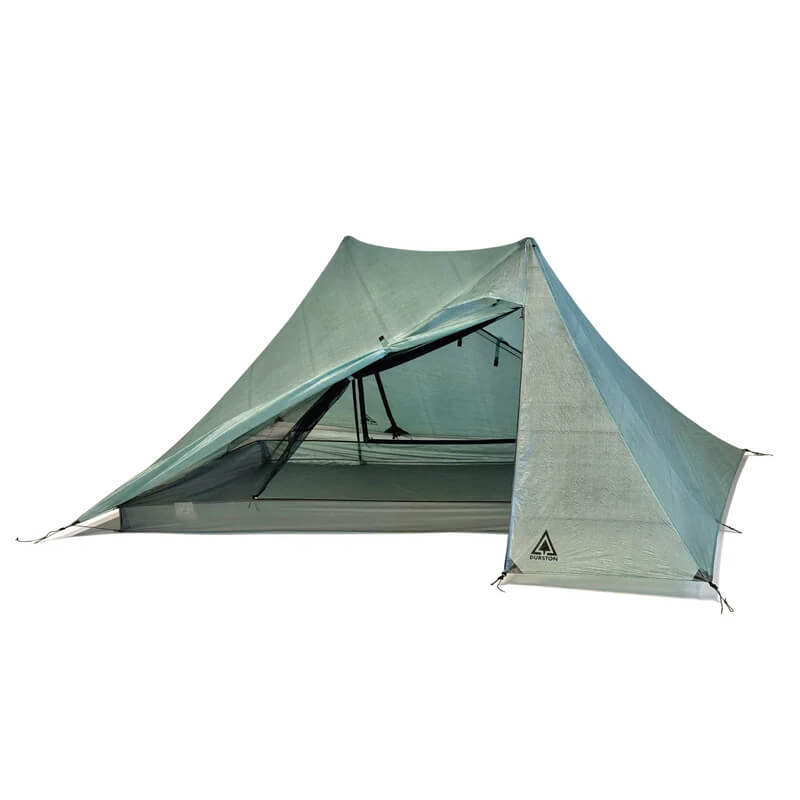
If you're someone who can't give up exceptional lightness even when hiking in snowy mountains (provided you won't be pitching it in the Alps or on ridges above 1,500 meters), why not try the "DURSTON X-Mid Pro 2+"? It's made with ultra-lightweight DCF (Dyneema Composite Fabric) and uses trekking poles, making it incomparably lighter. However, the fabric's durability is undeniable, and the well-thought-out tent construction provides solid weather resistance (for a tent this lightweight). As long as you don't push it too hard, this will be a reliable, lightweight hiking companion for you year-round
Best All-Season Basecamp Tent: The North Face Mountain 25
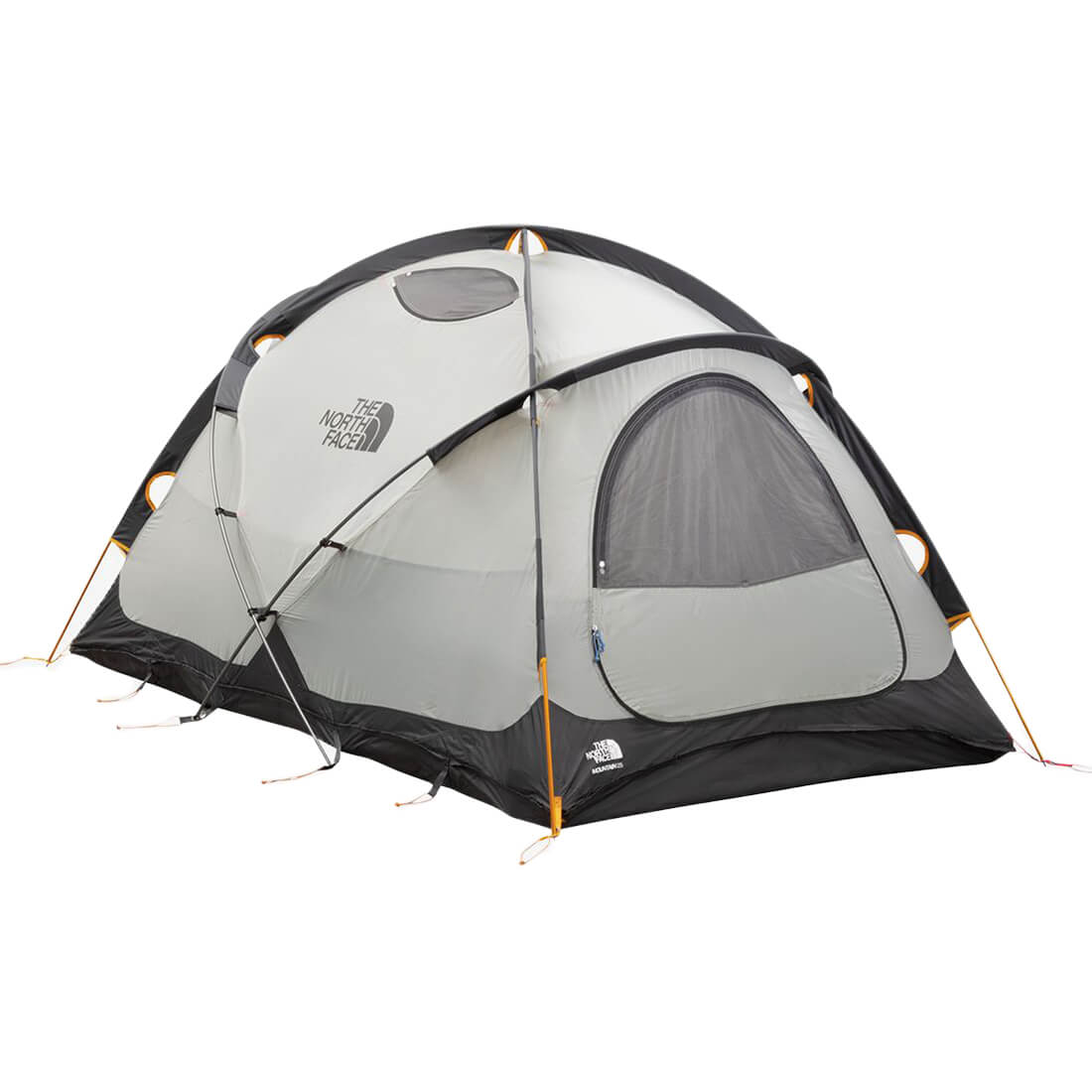
Winter tents tend to be heavy because they are made to be strong, and if you plan to carry them around while using them, the first thing that will be sacrificed is livability
So, what kind of tent can you choose if you want protection that can withstand winter mountain climbing, but don't want to sacrifice livability even if it means sacrificing weight? The answer is a tent that prioritizes "weather resistance + livability," and is primarily suitable for use as a base camp on long-term expeditions
These types tend to be large-capacity models for six people or so, but the most noteworthy two-person model this season is The North Face's Mountain 25. It's basically a dome-shaped tent with a sturdy, stable construction, but to expand the ceiling space even further, it has a four-pole structure, which increases the overall interior space and improves weather resistance with stronger supports
The fly sheet also features a spacious vestibule that makes cooking easy, and a sub-space at the rear that can be used to store luggage and for access, creating a comfortable living space with all the amenities you could want
Well, it's a bit heavy, so unless you're a total nut, you probably won't want to carry it around. In any case, it's definitely a very comfortable tent

Best Tough All-Season Tent: DUNLOP V-2PC 4S
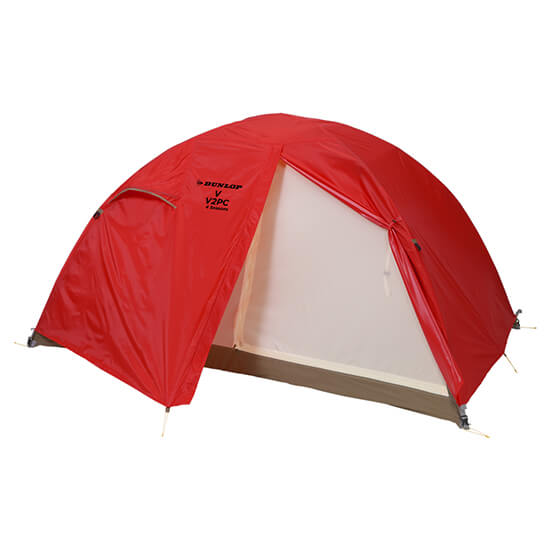
Finally, there are tents focused on absolute strength, able to withstand even the worst weather and conditions. These are ideal for those who want a tent that can be used safely by a wide range of climbers, from summer mountain climbers to the Alps in the harsh winter, and are suitable for all levels of climbers, from veterans to complete beginners. They are also ideal for those looking for a tent that will last a long time without breaking down. The most recommended model for this purpose is the latest model in the DUNLOP V Series, Japan's most famous mountaineering tents. Its refined durability and strength have been passed down from the original model designed for a 1989 Himalayan climbing team to the current model. The latest model, updated in 2012, uses polycarbonate processing to significantly improve resistance to aging, making it an even stronger tent

In addition to the above, you can read the comparison list of all 58 models in the paid membership article
Related reading
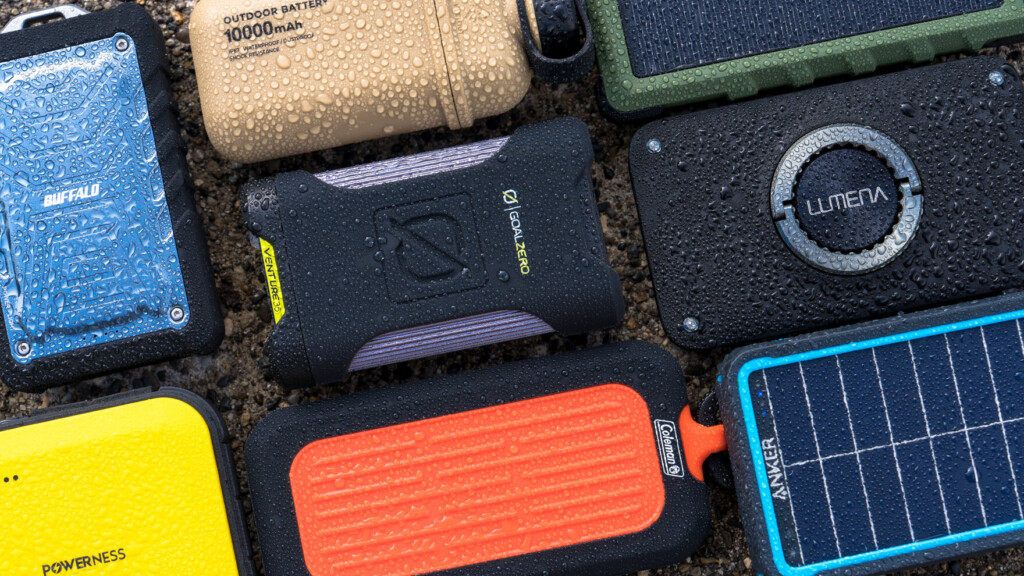 Recommended mobile batteries that can be used outdoors and tips on how to choose one that you won't regret
 7 recommended tents for mountain climbing and hiking for those who want to try camping this year
 Comparison Review: From classics to new releases. A thorough comparison of recommended tents for mountain climbing and hiking
 Recommended tents for this season, chosen by a mountain enthusiast who spends over 100 days a year camping in a tent, and how to choose a tent for mountain climbing that you won't regret