



John Muir Trail Northbound Traverse (2025 NOBO) Record [Chapter 10] To the Muir Trail Launch

Written by Yoshihiro Murakami
Previous article (Chapter 9)
table of contents
Chapter 10: Muir Trail Ranch
It's just over half a day's walk from the campsite to the MTR. First, you cross the San Joaquin River and walk along a flat area along the river. There are campsites here and there as well. Another river crossing is the bridge that collapsed due to heavy snowfall, which caused quite a stir last year. It has been rebuilt beautifully. At the crossing, there are cross-country tracks made by PCT hikers last year. The trail descends a narrow riverside valley, and as the valley widens and moves away from the river, campsites also appear. There is a large campsite just before the junction with the Paiute Pass Trail
After crossing the river, the trail becomes relatively flat again. Along the way, there is a hut built in memory of John Muir. After about an hour, the trail branches off from the JMT, and to reach the MTR, follow the trail along the river. The trail becomes more difficult as it descends, and there is a steep downhill slope just before the MTR. The MTR has a limited capacity, so it is difficult to stay overnight. Most hikers receive resupply and camp by the river. Fortunately, James made a reservation, and I stayed at the MTR for the first time. I was surprised to find that Dave, an acquaintance of mine from VVR, was the head chef. I don't think I'll have the opportunity to stay again, but I enjoyed the wonderful meal and the rustic hot springs
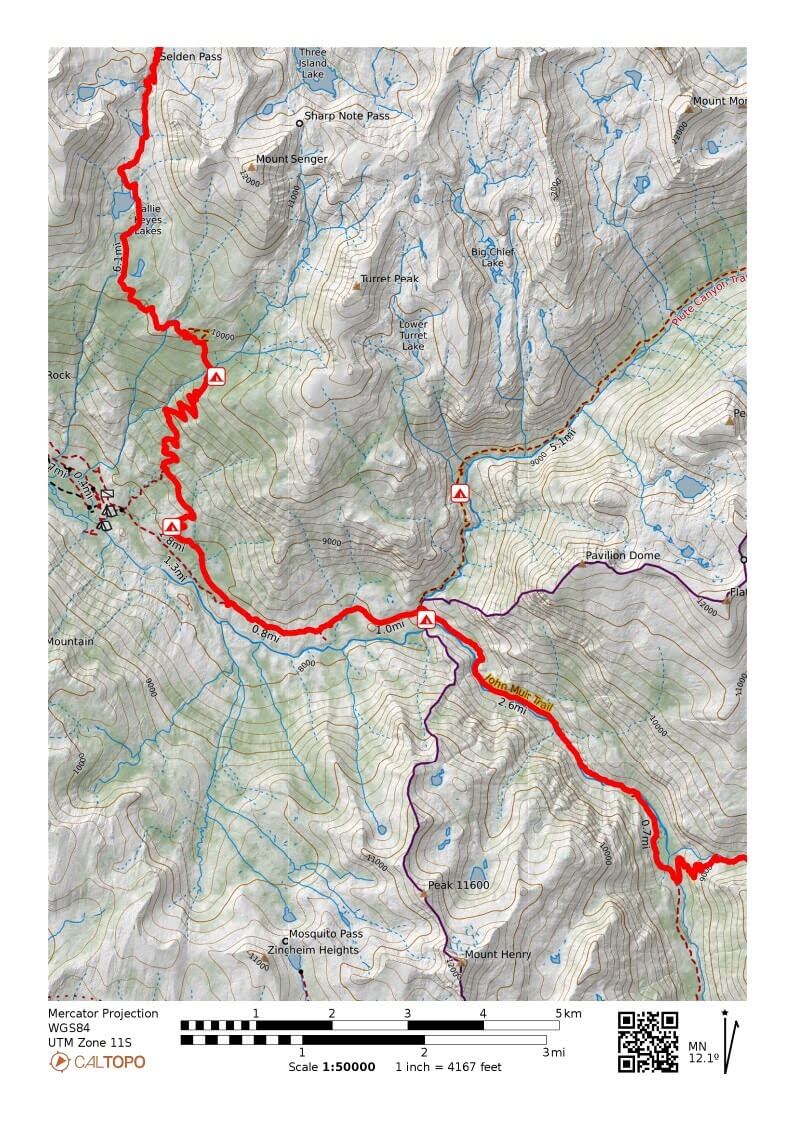
Figure 10.1: San Joaquin River to MTR
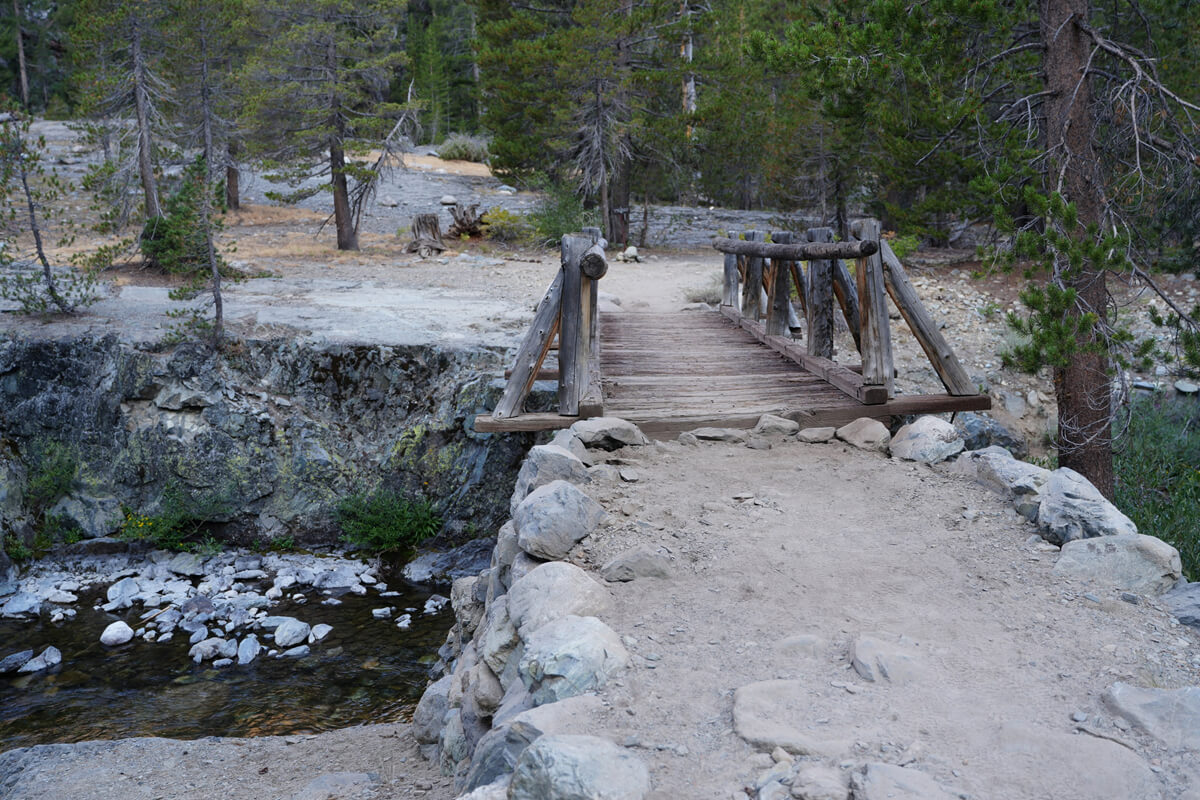
Figure 10.2: Wooden bridge
To MTR
I woke up at 5:30. The high temperature makes me wake up early. I had my usual breakfast and checked my gas reserves, only about 5g. I'll probably just have another coffee and be done. I've used the vinegar for cramps occasionally, so it's almost gone. I'll have to somehow refill my gas and vinegar reserves at the MTR. There's no point in arriving too early compared to James. We took our time setting off, and it was already 8:00. A little further on, we crossed the San Joaquin River on an old wooden bridge (Figure 10.2). There's bare ground near this bridge, so we can pitch a tent on the other side. After this, the terrain remains flat, and we gradually descend into the forest. There are bare areas here and there, so some people have set up tents. Of course, there was no one there this year
After about 40 minutes of walking, you'll arrive at the bridge shown in Figure 10.3. The photo was taken after crossing. There's a small campsite on the left, and a larger one in the woods on the right. This bridge collapsed in a heavy snowfall in 2023, causing quite a stir. Since you can't get to Muir Pass without crossing this bridge, most hikers take a detour. The only place you can wade is about 100 meters downstream. Even then, it's difficult except after mid-August, when the water level has subsided
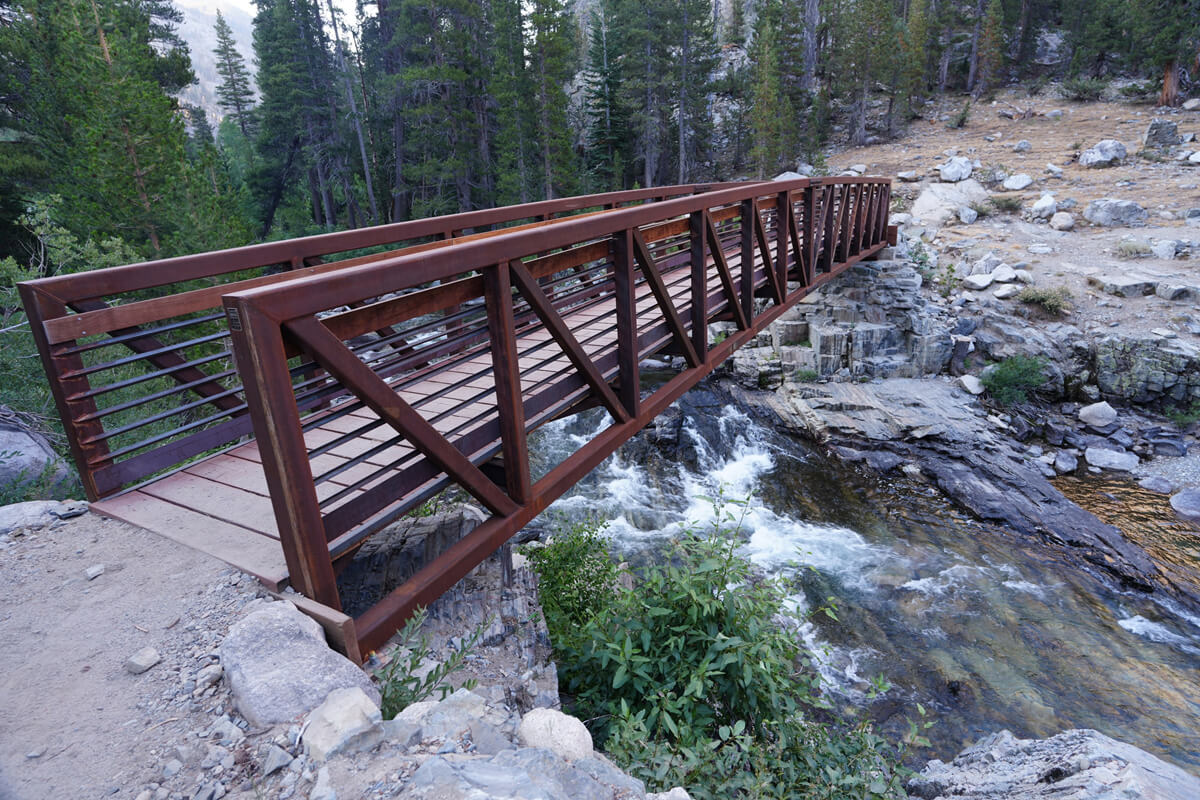
Figure 10.3: Reconstructed San Joaquin River bridge
Another option would be to cross the bridge and wade upstream to where I had pitched my tent. Using a topographical map and Google Earth images, I posted this route on Facebook groups in the US and in my own group. Any larger cross-country trip would be dangerous
After crossing this bridge, the San Joaquin River becomes a narrow valley. However, this only lasts for a while, and after making a U-shaped bend around a narrow rocky area, the river becomes a little calmer and moves away from the river. There are also campsites here and there. There was a place where the side of the trail bulged out just before the narrow stream, so I once pitched a tent there.
After this, the trail moves away from the river. At the same time, you can see a campsite along the river below on the left. This year there were hardly any tents, but in normal years it is quite crowded.
It was around this area in 2019 that I met Tacos (Figure 10.5). He suddenly asked me, "Are you Murakami?" and I was surprised. He was on the northbound JMT, and I was on the southbound JMT with Chieko. We met at this very spot
I noticed that he was using his old favorite Rib's Front. Apparently he often read the author's books. He also got a permit for Cottonwood Pass, but there were so few people there that he felt lonely and kept walking. He has also traveled to Southeast Asia, and says he loves people and children. The JMT is a safe place to hike despite being sparsely populated, but it may not have suited him. However, he seems to have made friends with some American hikers. His JMT blog can be found here*1
*1: http://tomo1957.blog.fc2.com/blog-entry-27.html
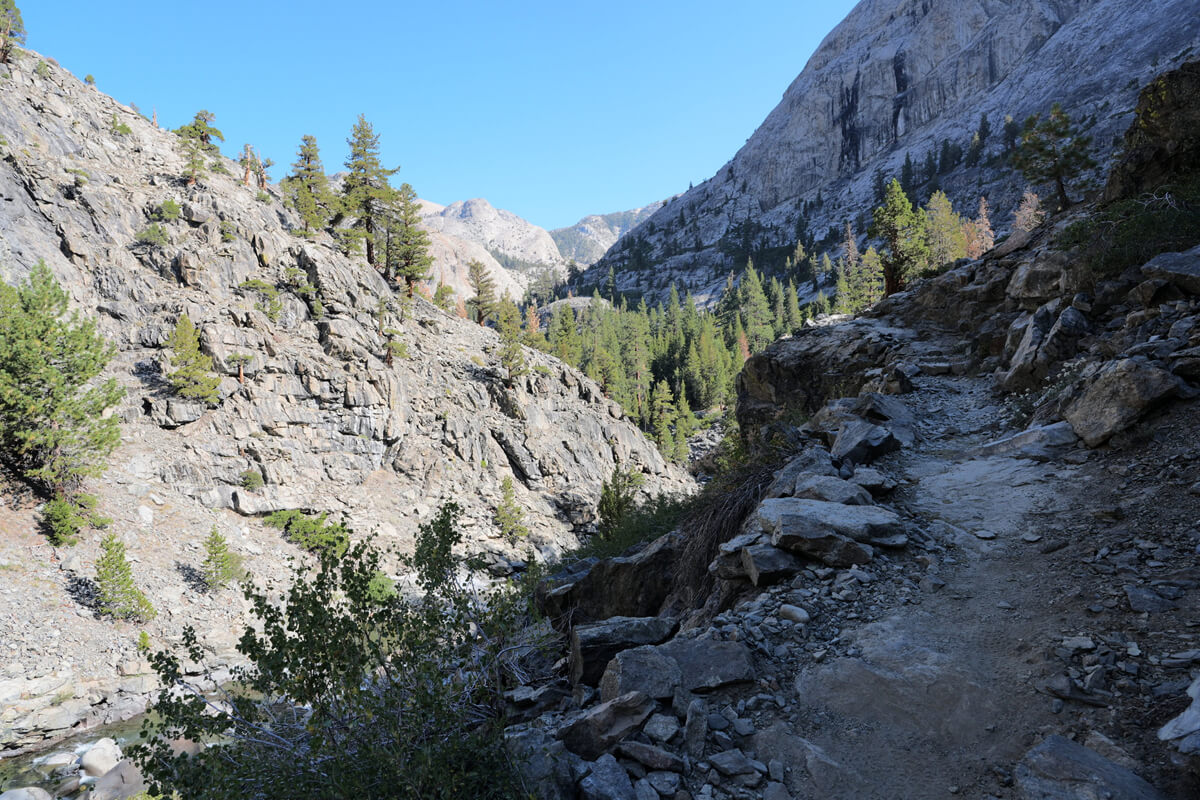
Figure 10.4: San Joaquin River Valley
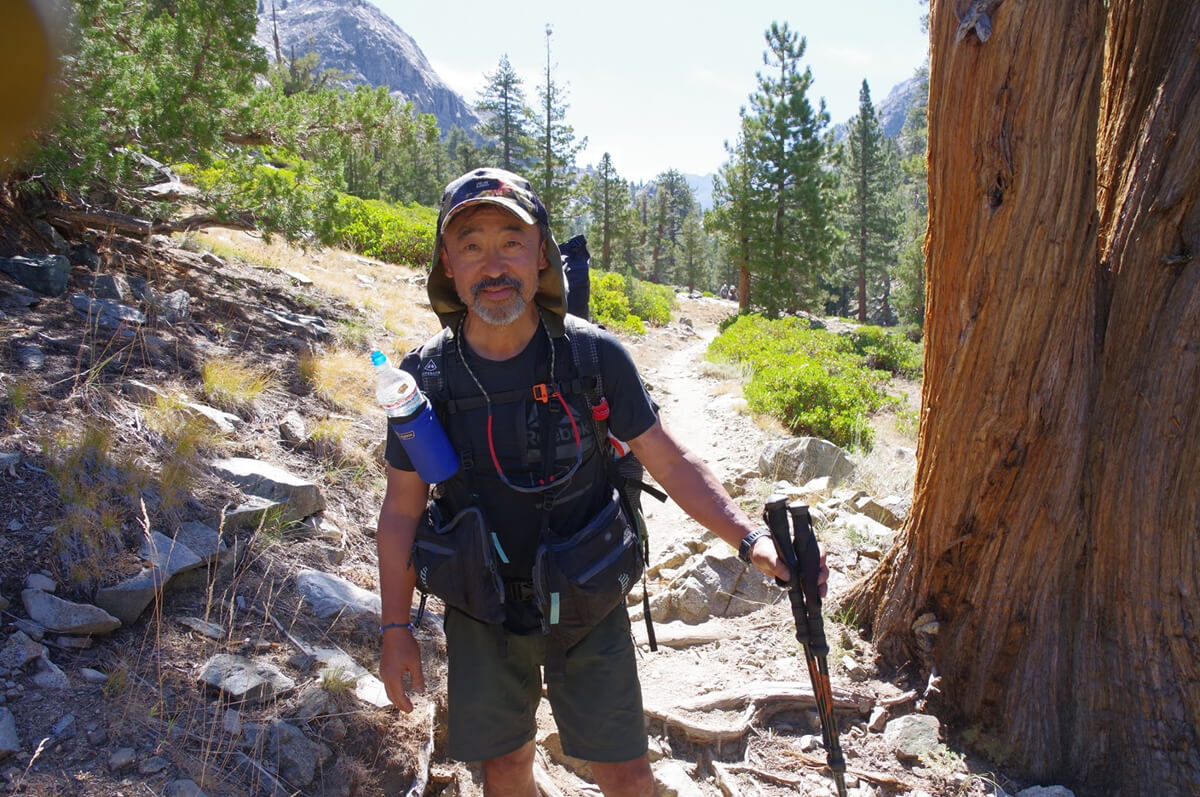
Figure 10.5: Tomokage Akitaka, trail name TACOS
After a while, the view opens up. Just before the fork in the trail to Paiute Pass, there is a large campsite. There were fewer people there this year, but it is still the most crowded site, so if you arrive late, you may have trouble finding a place to pitch your tent
I saw a hiker who looked good in a frame pack, so I took a photo of him. That's Figure 10.6. Unlike Japan, American trails originated from horse trade routes. There are very few trails that pass through narrow, dense forests. Because of the wide open spaces, there are still many people who prefer frame packs
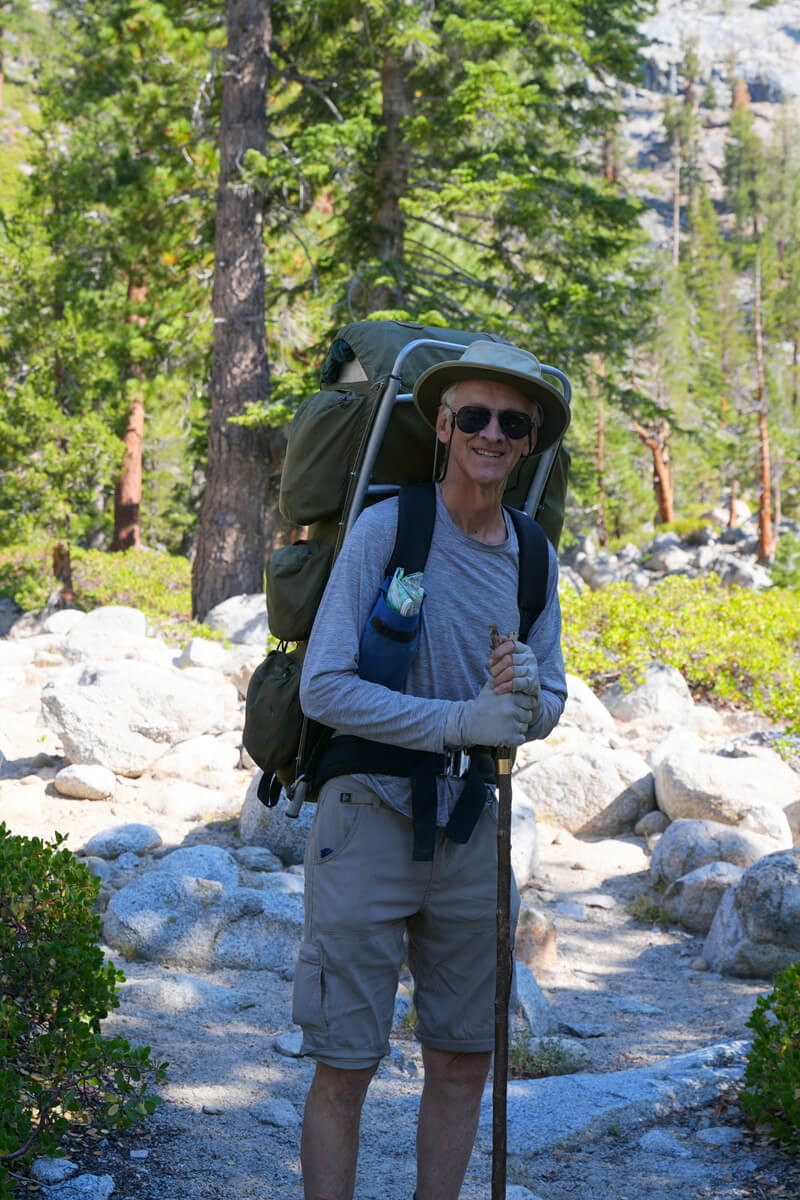
Figure 10.6: A hiker who looks good in a frame pack
After passing the campsite, you cross a river. It's a steel structure, just like the bridge over the San Joaquin River. Shortly after crossing, the trail moves away from the San Joaquin River. The river runs in a valley far ahead. This means there are many campsites before crossing the river, but there are no good spots after crossing. There is also a huge fallen tree right away. The trail passes through a gap cut through the trunk of the fallen tree and continues through a pine forest
After passing several dry riverbeds, on the left is a cabin built in memory of John Muir (Figure 10.7). It is old and difficult to stay in; I think it is an old work shed. There may be water there before summer, but in summer the river is far away
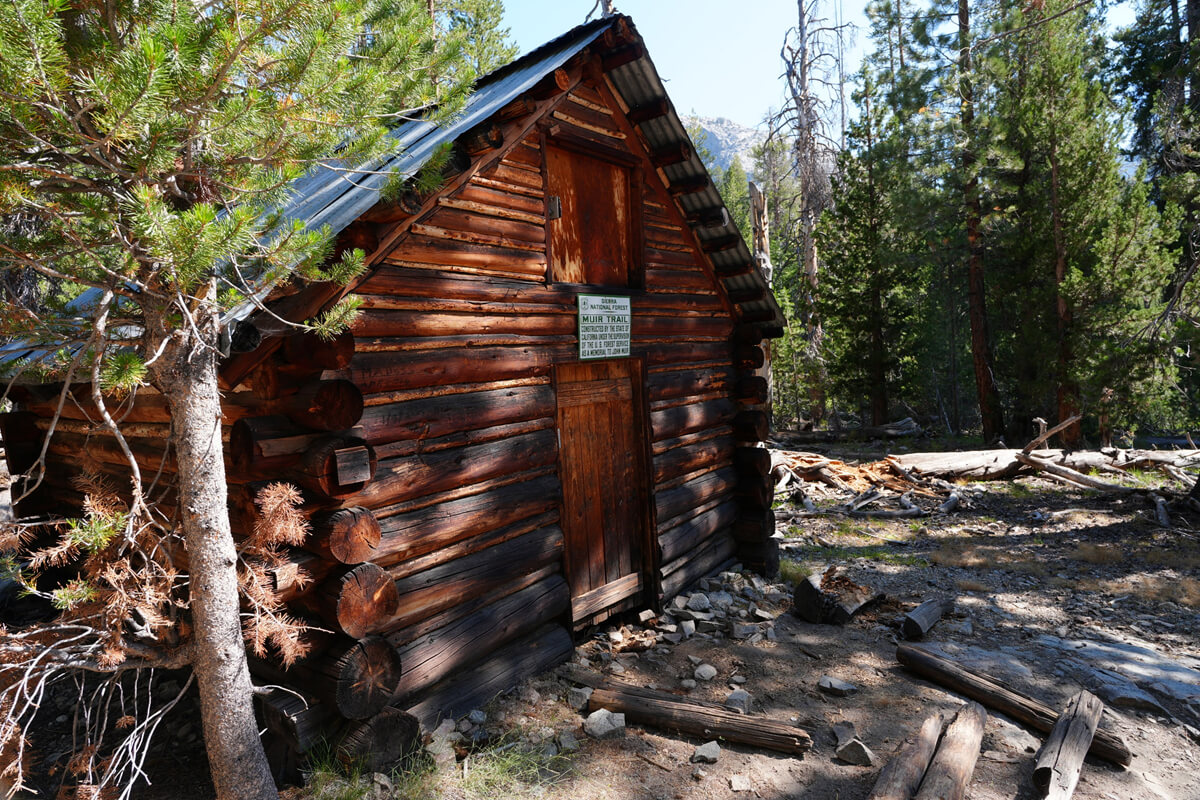
Figure 10.7: The refuge built in memory of Muir is no longer in a usable condition
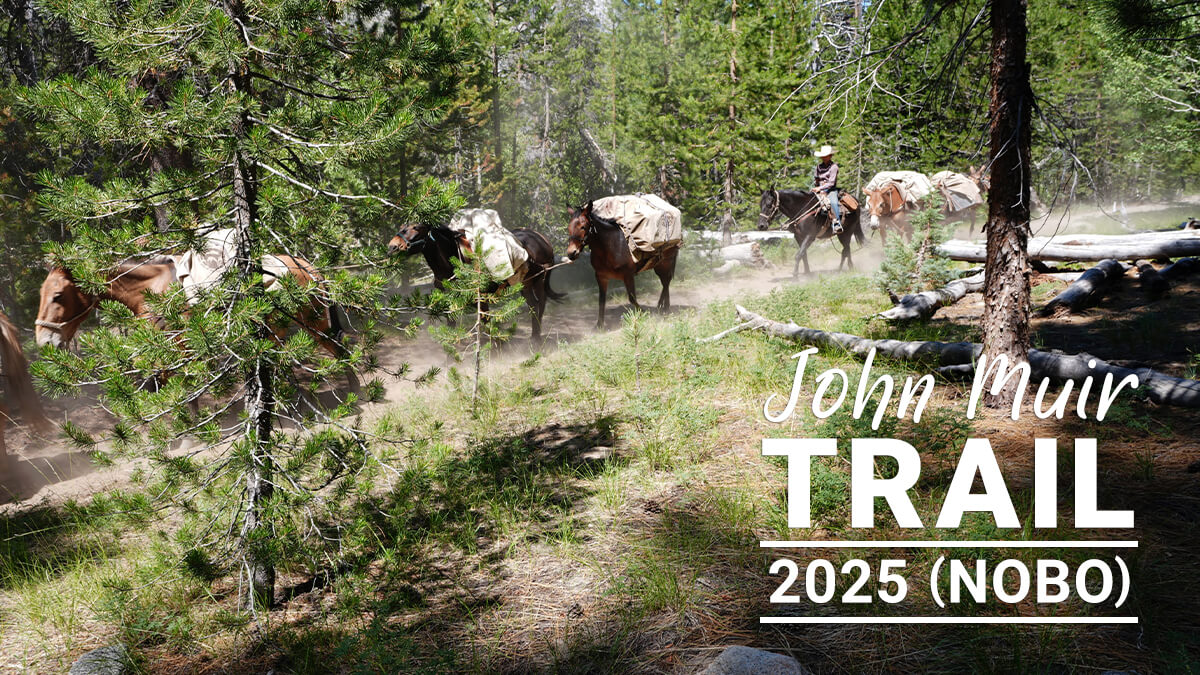
A little further on, I encountered a pack train (Figure 10.8). It was probably heading from the MTR to Bishop. The dust was so bad that I had to move as far away as possible
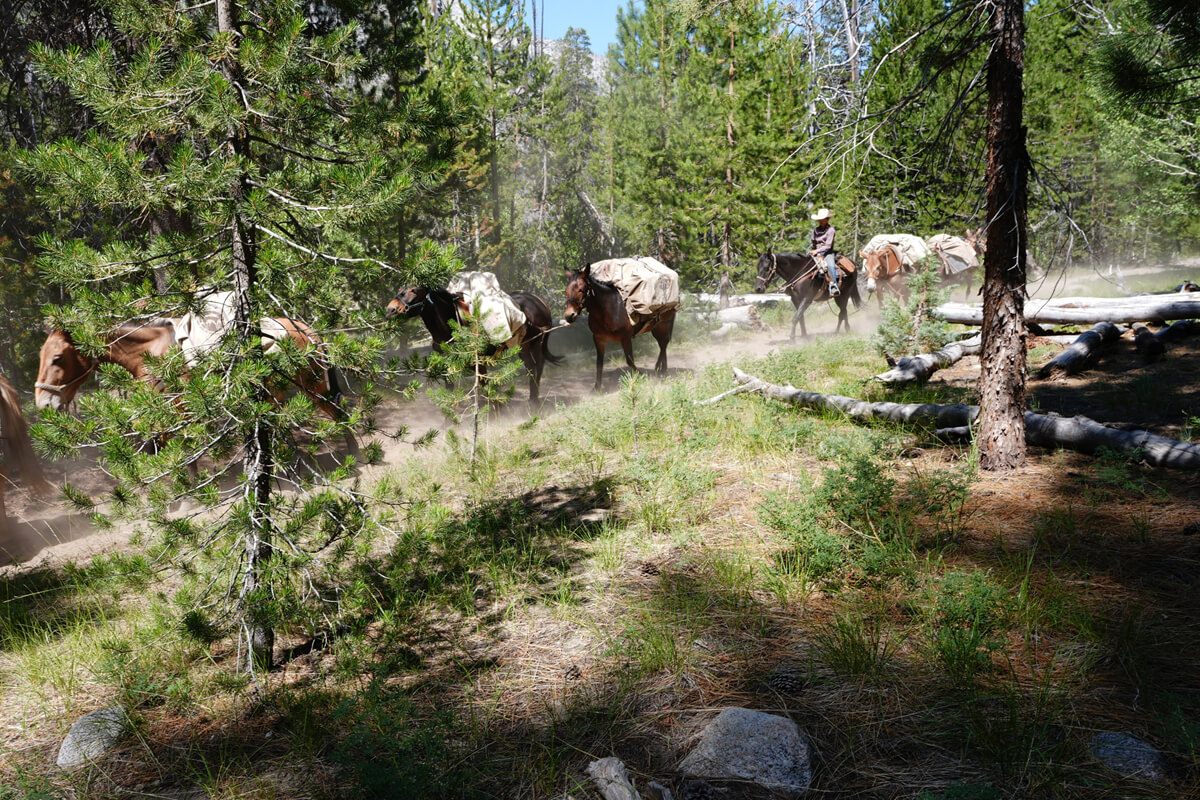
Figure 10.8: Pack train
After about an hour, the trail splits into the JMT and MTR. The JMT gradually gains altitude, while the MTR trail descends and follows the river. The campsite closest to the river is where I stayed in 2016, but the ranger warned me that I was too close to the river. This is a place that was featured on a map by a famous American artist called Half Mile
I looked into what's happening these days. The old location is still there, and it seems the site has expanded downstream. It's a popular spot, and it's right before the MTR, so it seems to be tolerated
The trail descends, but it's not always smooth. There are occasional climbs. Near noon, we reach another fork in the trail to the JMT. The JMT climbs with switchbacks, but the trail to the MTR is a steep descent. The trail isn't great. Later, James told me that the climb from Florence Lake to the MTR is even more difficult and awful. It might be okay for a horse, but it's not suitable for humans
About 15 minutes after the fork, the trail came up onto the hill. Suddenly, the MTR caught my eye. There, I saw the sign in Figure 10.10. It was right below me, but it told me to go to the side. It was too much trouble, so I ignored it and went straight down
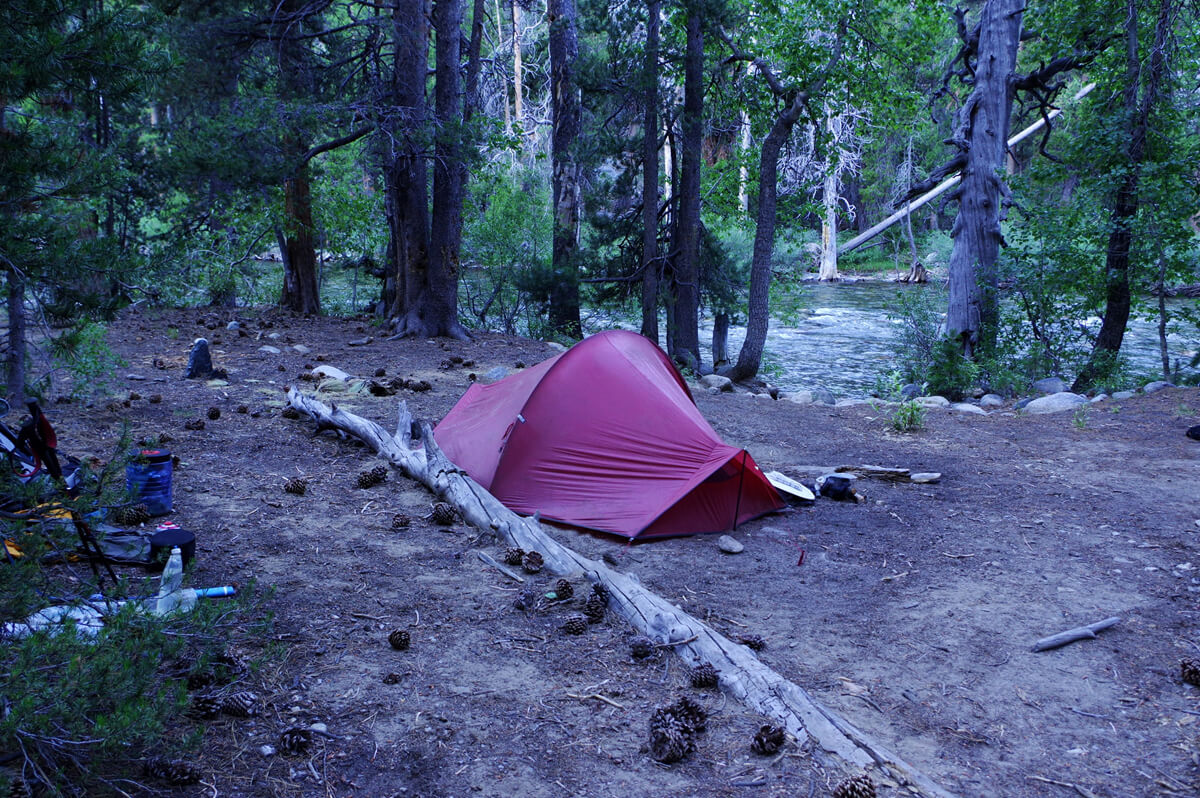
Figure 10.9: Campsite near the turnoff to the MTR, which should have been pitched further away from the river. Photographed in 2016
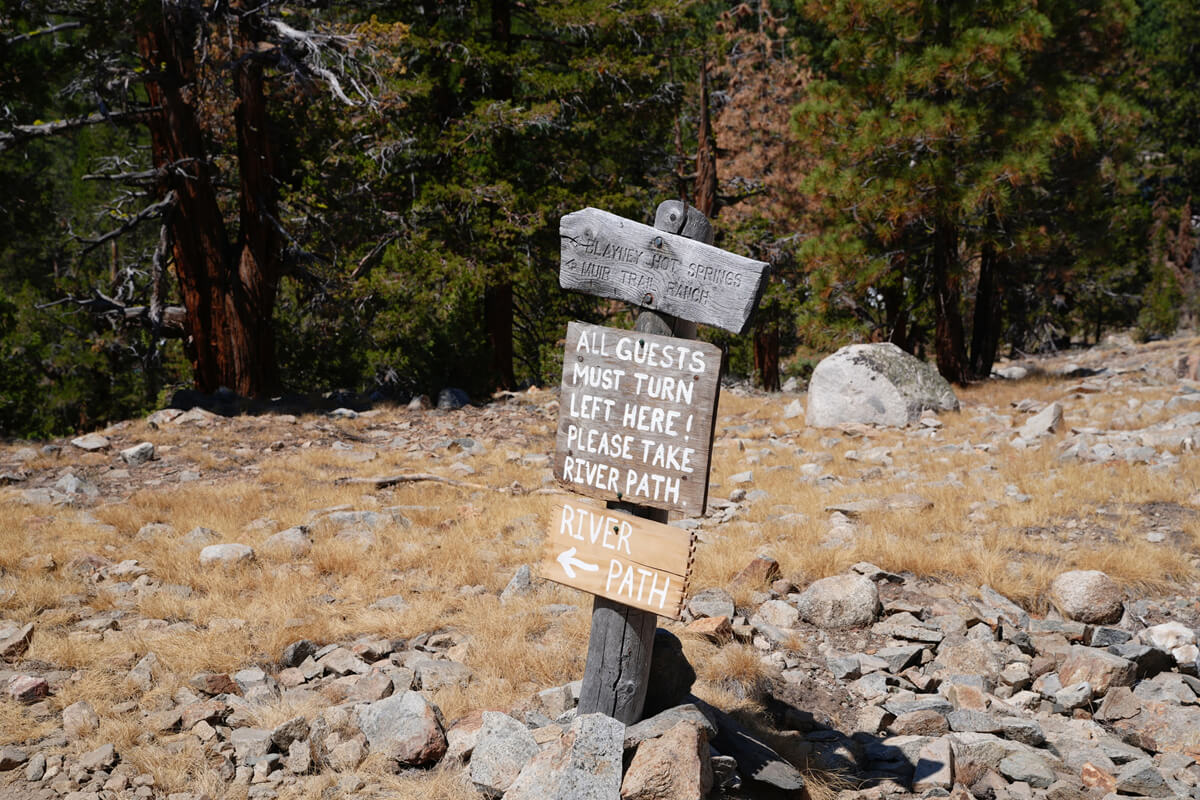
Figure 10.10: The sign at the entrance to the MTR. I made the mistake of ignoring it and going straight down the street
When I got off, there was a fence and I couldn't get in. Thinking that in America, if you enter private property without permission, you might be shot with a rifle, I checked out places where it was easy to get in. Nearby, a middle-aged man who seemed to be a staff member was resting on a bench. I climbed over the fence and entered
"I have a cabin booked here, where is the reception?"
"The entrance is over there, but you can't enter the cabin yet. Welcome. I'll call you, so you can have some lemonade there."
He was a bearded, cowboy-like man. I was shown into the building, where there was a large, clear tank of lemonade and ice. I was allowed to drink five or six glasses (Figure 10.11). The restaurant didn't serve hamburgers or anything like that. They did have energy bars if I asked, but I don't eat much at lunchtime, so it didn't really matter
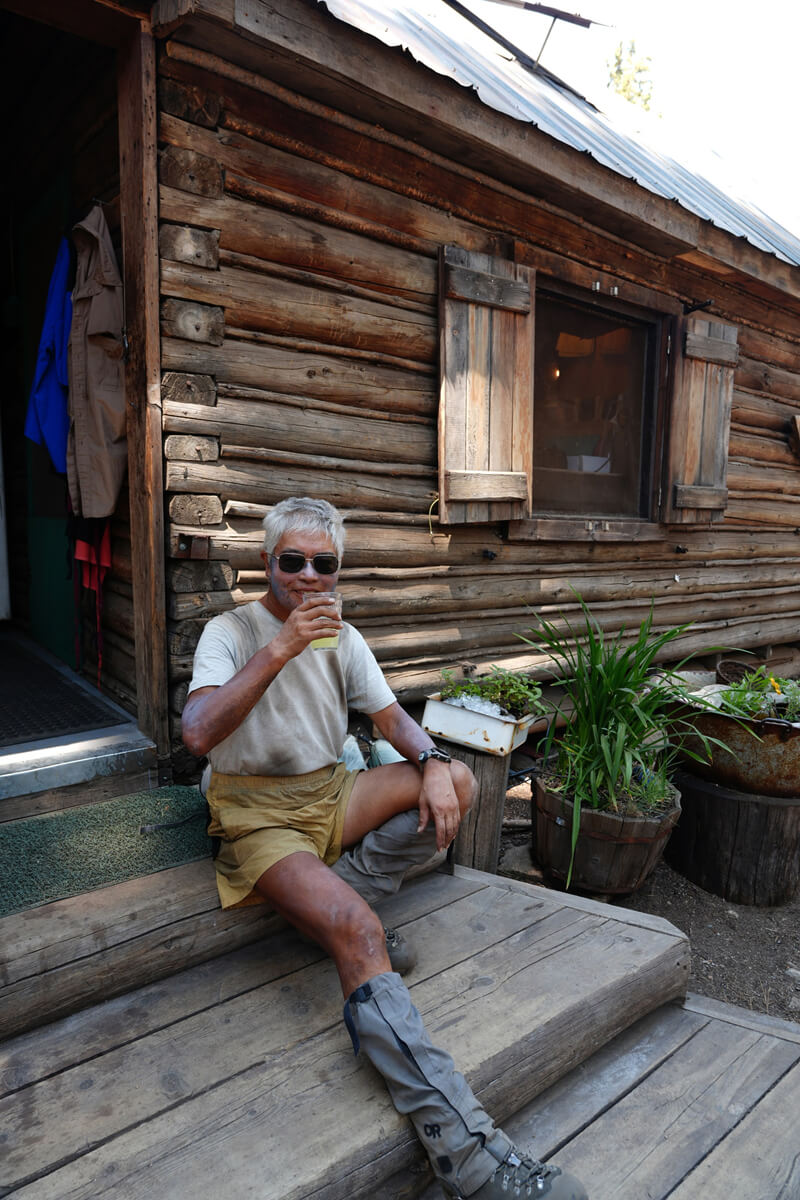
Figure 10.11: Slurping down free lemonade
So I drank as much free lemonade as I could and rested on a bench. The cowboy-like man was kind,
"Oh, it's gotten a lot better. There's a power plant and hot springs over there," he said, showing me around. The small hydroelectric power plant was under repair. The hot springs were small, but surrounded by a wooden fence. Apparently, you can go in there any time. The receptionist came to pick me up in an electric cart. I got in and got a ride to the cabin without having to walk. While I was there, I took a portrait. I just pressed the shutter button randomly, so it was underexposed, but I fixed it a bit. That's Figure 10.12
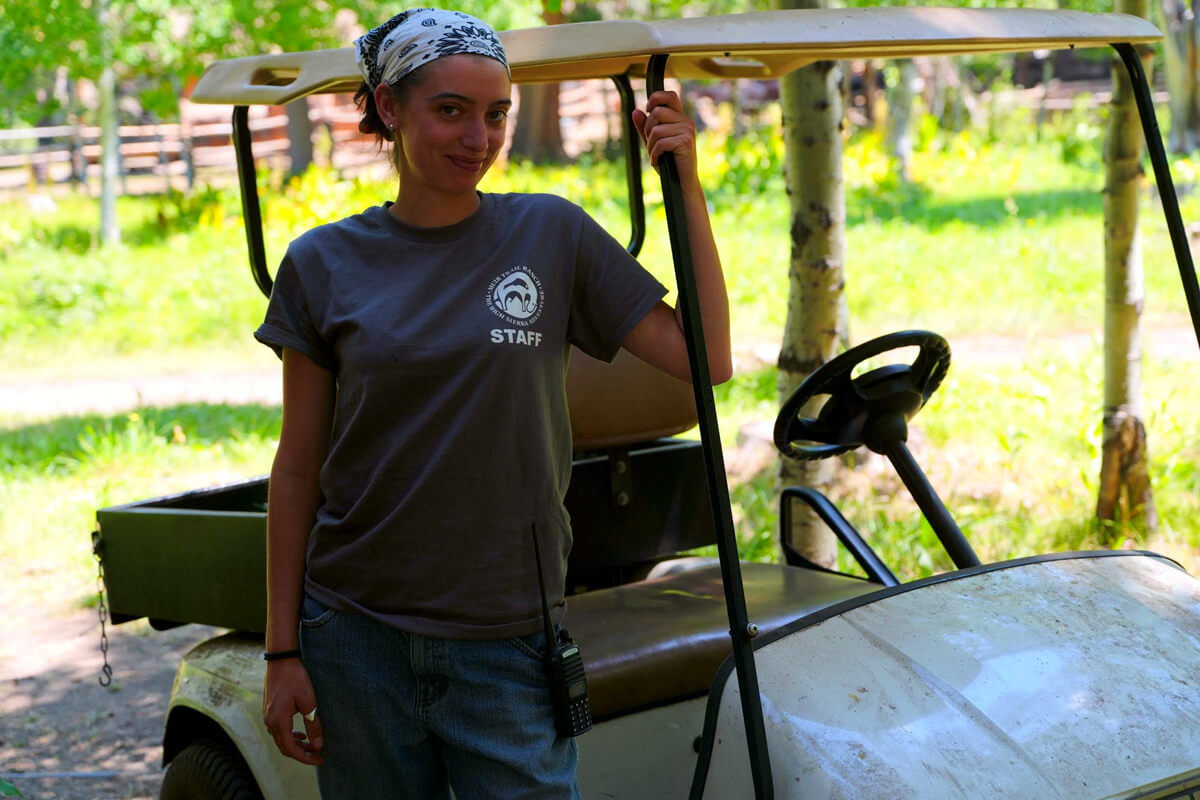
Figure 10.12: The receptionist
The entrance and interior of the log cabin are shown in Figures 10.13 and 10.14. James hasn't arrived yet, and if he does, it will probably be in the evening. I left my luggage there and decided to take a bath in the hot springs, taking my valuables and a change of clothes
Figure 10.15 shows a photo of the hot spring. The entrance can be locked from the inside. There was no one there. In America, you're not allowed to enter a hot spring naked, but since there was no one there, there was no problem. Of course, hikers with friends quickly get naked, so it probably wouldn't be a problem with James. There was body shampoo and other things there, so I washed my underwear and socks
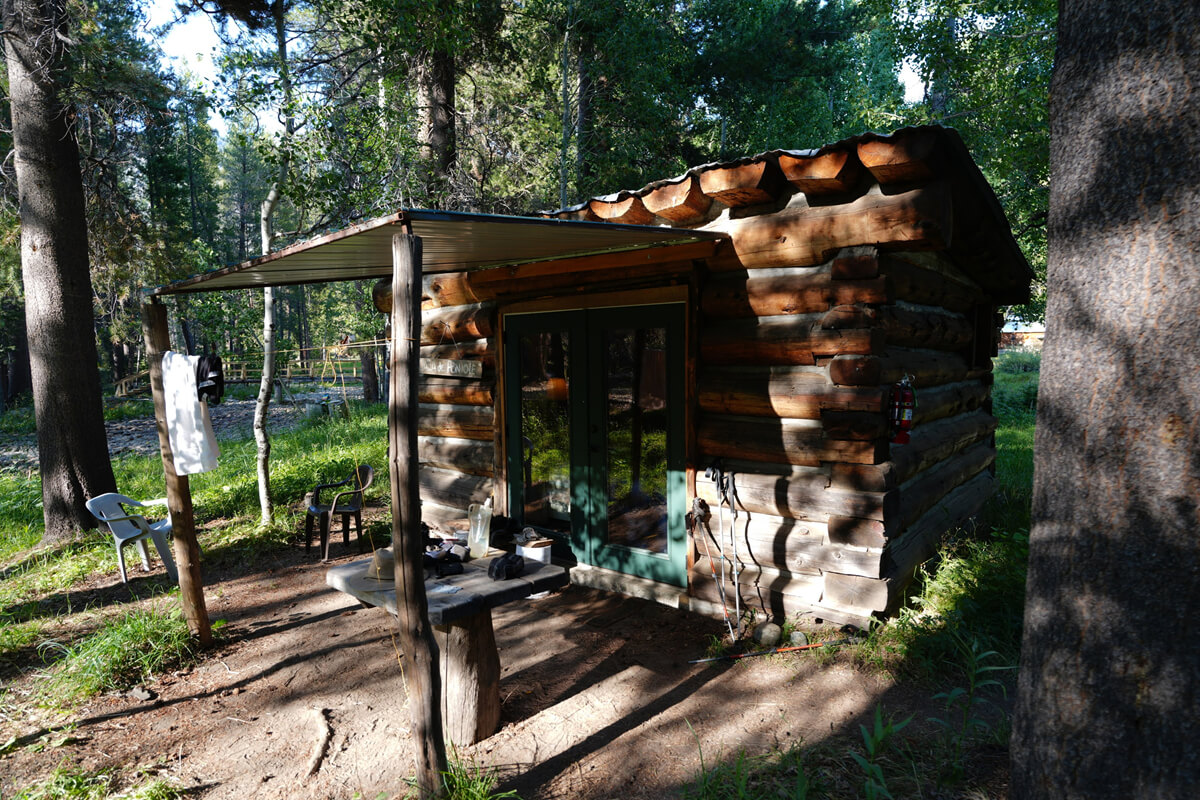
Figure 10.13: Log cabin entrance
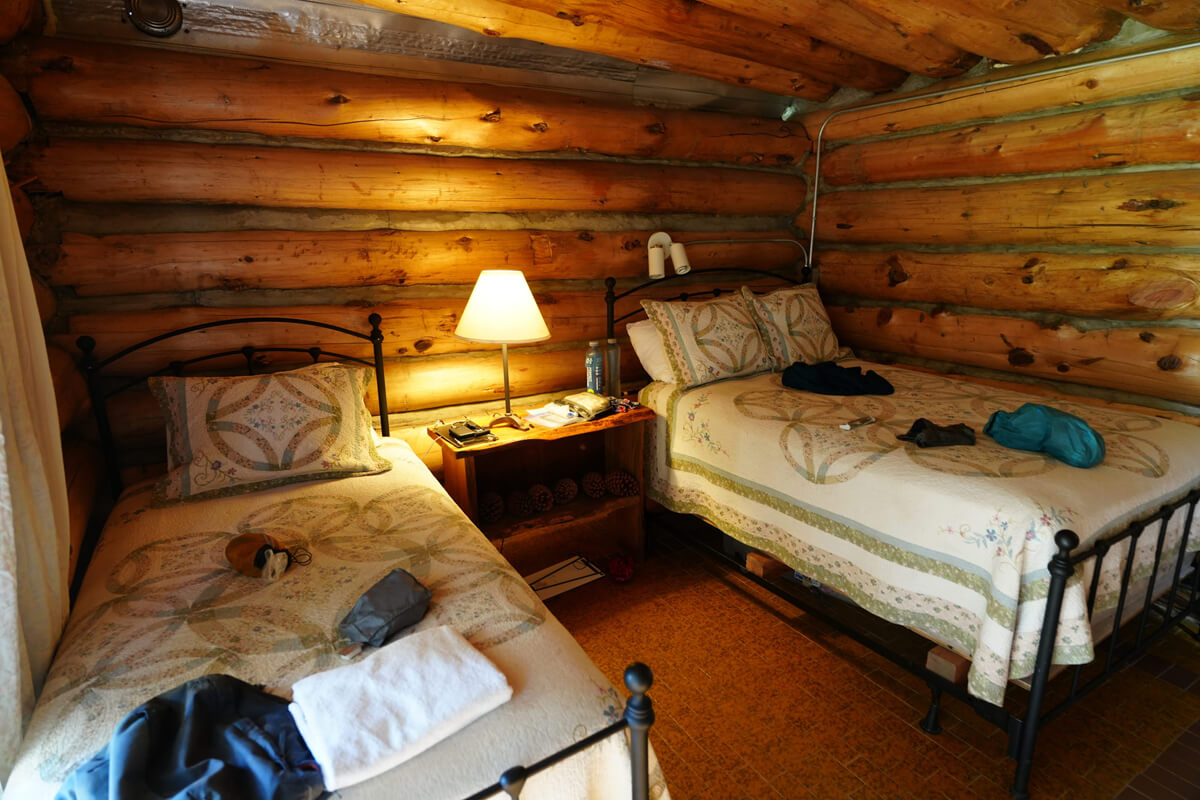
Figure 10.14: Inside the cabin
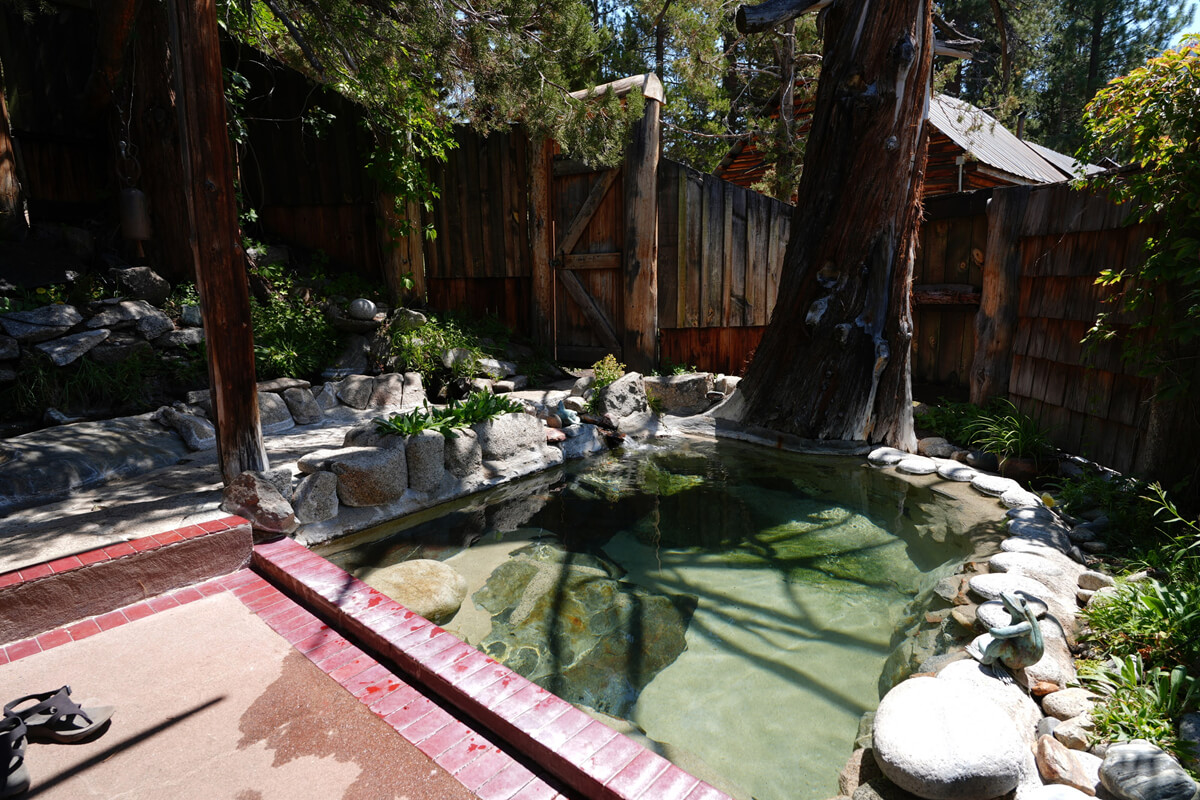
Figure 10.15: The hot springs at the MTR. The entrance is locked, so you can enter completely naked
After taking a bath in the hot spring, I was killing time on a bench when James suddenly appeared. It was just before 4 o'clock, earlier than I expected. He must have been walking hard on the way down. I took a commemorative photo, which is shown in Figure 10.16
What surprised me was that he was missing the toes on his left foot. I didn't ask for details, but it seemed he had suffered a serious injury. He had linked maps and photos saved on his smartphone. I was also surprised to see that he had saved on his smartphone the map of Wyoming and the location where he had pitched his tent that I had shown him a few years ago. We talked a lot, but I no longer remember what we talked about. I'm not sure how satisfied I was to meet someone I'd known from a mailing list about 15 years ago in real life
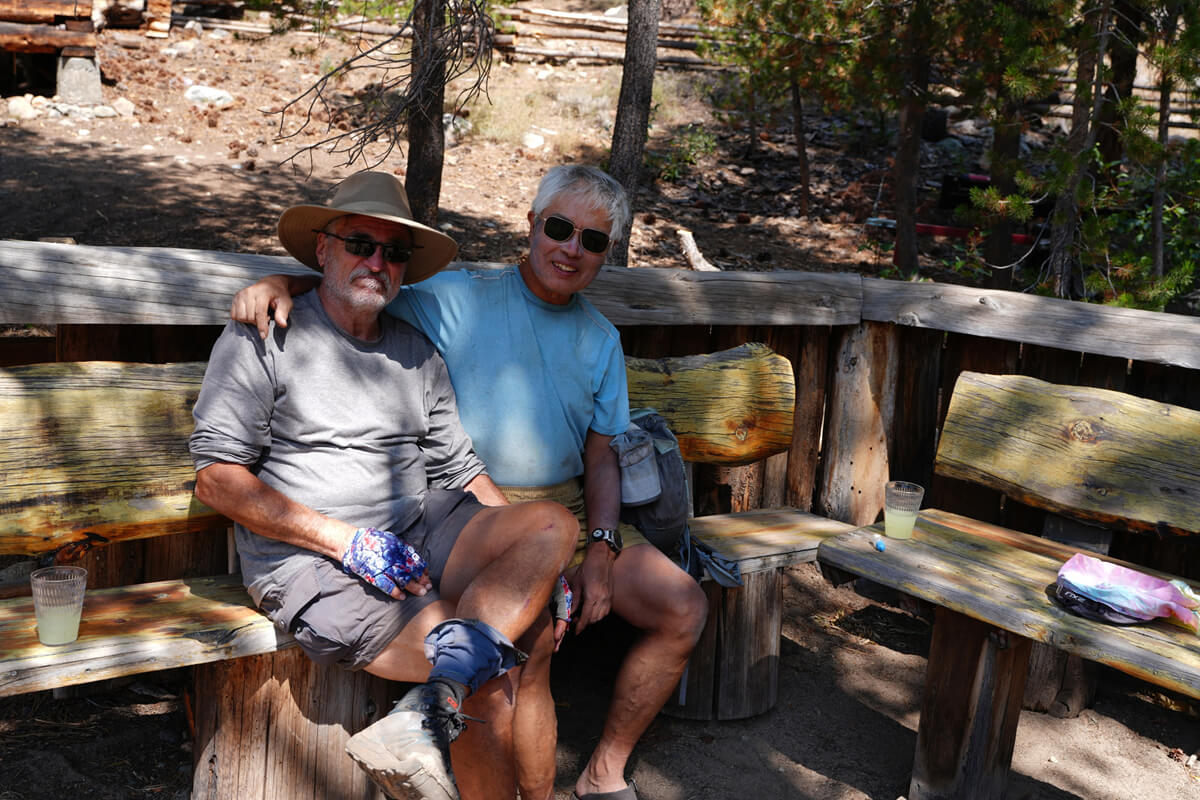
Figure 10.16: James Wesley, meeting for the first time
We went to the log cabin and packed our bags. James told us that they build one log cabin a year. We didn't count them, but there are currently about 10. This means that the maximum number of people that can stay on the MTR is about 20. The accommodation fee, including tax, is about $600 per person for two days. However, there is a tip, so the price will be 10-30% more
"We'll have to discuss what to do about the tip later," he said, giving me a complicated answer. It seemed like too much hassle, so I gave him the 700 dollars I had and let him do as he pleased. The hurdles to staying on the MTR are high. There are only a few cabins, and once a group of around 20 people makes a reservation, it's over. Unlike the VVR, the MTR is not connected to any forest roads. It's only connected by a ferry on Lake Florence and a long, bumpy trail. So everything is expensive
He uses the Mini 2 outside the cabin to communicate, but it's much slower than Messenger Plus. He had an unlimited plan. No wonder he received so many emails. This was the Essential plan, so he was careful not to exceed 50 emails per month. Fortunately, when he looked at his August bill later, he saw that the excess charge was only about 1,500 yen, for a total of about 3,800 yen. He thought the new pricing system would increase the bill, but it was the opposite. Considering it's a second smartphone, the maintenance costs are quite low
When James saw my trekking poles, he noticed that one tip was missing
"I'll give you this."
It seemed he had a spare old tip, so I gratefully accepted it and attached it to the pole
"The buckle on my backpack broke and I was in trouble. I don't have a spare buckle." It was a small buckle on the side of the backpack. I also carry a spare for the large buckle on my hip belt, but I don't carry spares for the other small buckles
"Do you need this? I found it."
It was an MSR Ground Hog II. Apparently someone dropped the whole bag
"What? Who forgot something like that? I'd like one, but I have plenty at home. That's fine."
Unfortunately, this fine peg ended up in the hiker's box. He no longer needed some of his homemade freeze-dried food. I also no longer needed some of my dried vegetables. Since I needed to pick up fuel, I carried my unwanted items to the entrance. There was a place to do laundry and dry it along the way, but American washing machines are old and cumbersome, so it was quicker to wash by hand
The same lady was at the reception desk at the entrance. After sorting and throwing away the unnecessary items in a bucket, I looked around for something that looked good. There was a lot of stuff thrown away: toilet paper, wound tape, diadelphia medicine, painkillers, and so on. Even though throwing things away doesn't make the load much lighter, Americans just throw them away. American medicine is strong, so it's hard to pick them up. I was given a few rolls of wound tape and some toilet paper. I couldn't find the gas cartridges. I was in a difficult position, but I managed to find some solid fuel called Esvid and a trivet
The WiFi connection was barely possible once I left the cabin. There seemed to be a WiFi device near the dining area with benches. However, if I moved a little further away, the connection was lost. This was annoying, so I moved to a bench next to the dining area. I remembered that I needed to refill the vinegar, so I called a staff member (Figure 10.17)
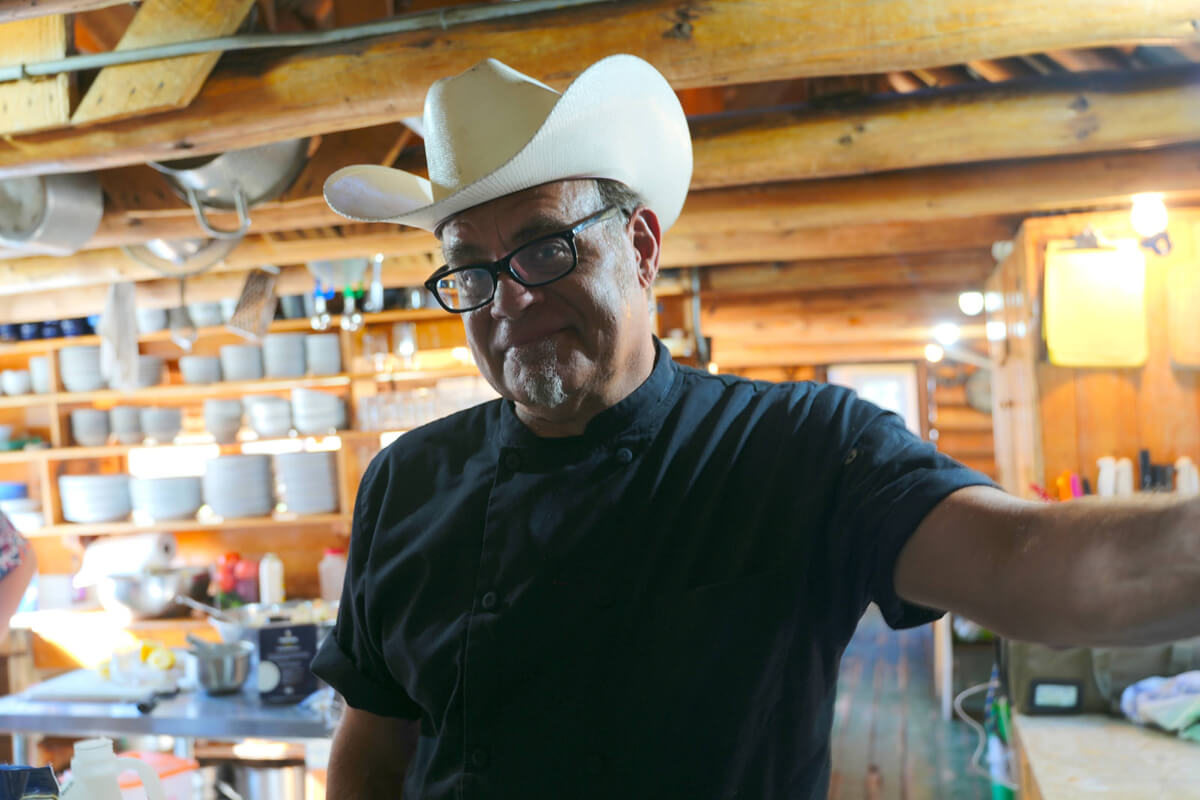
Figure 10.17: Dave Mau, like the head chef
"Hey, I feel like I've seen you somewhere before. Is that Hiro I met at VVR?"
I couldn't remember at all. But being a Japanese person with a big appetite who always stayed for three days, it was only natural that he would remember. All the Americans looked the same, but little by little, I began to remember. I definitely remember meeting him at VVR
"It's Dave. He was doing a barbecue at VVR. He wanted some vinegar. I'll give you as much as you want."
Dave brought a 4-liter bottle of vinegar from the back and poured it into my eye drop case. It was Japanese vinegar. It had a slightly milder taste, but it was still effective in stopping the seizures
Dinner began to be served on the outdoor tables. Once everything was ready, Dave introduced the dishes. Then everyone started adding as much as they wanted to their plates. A photo of the food is shown in Figure 10.18. Of course, I started with a huge pile and then tried to eat everything, asking for more
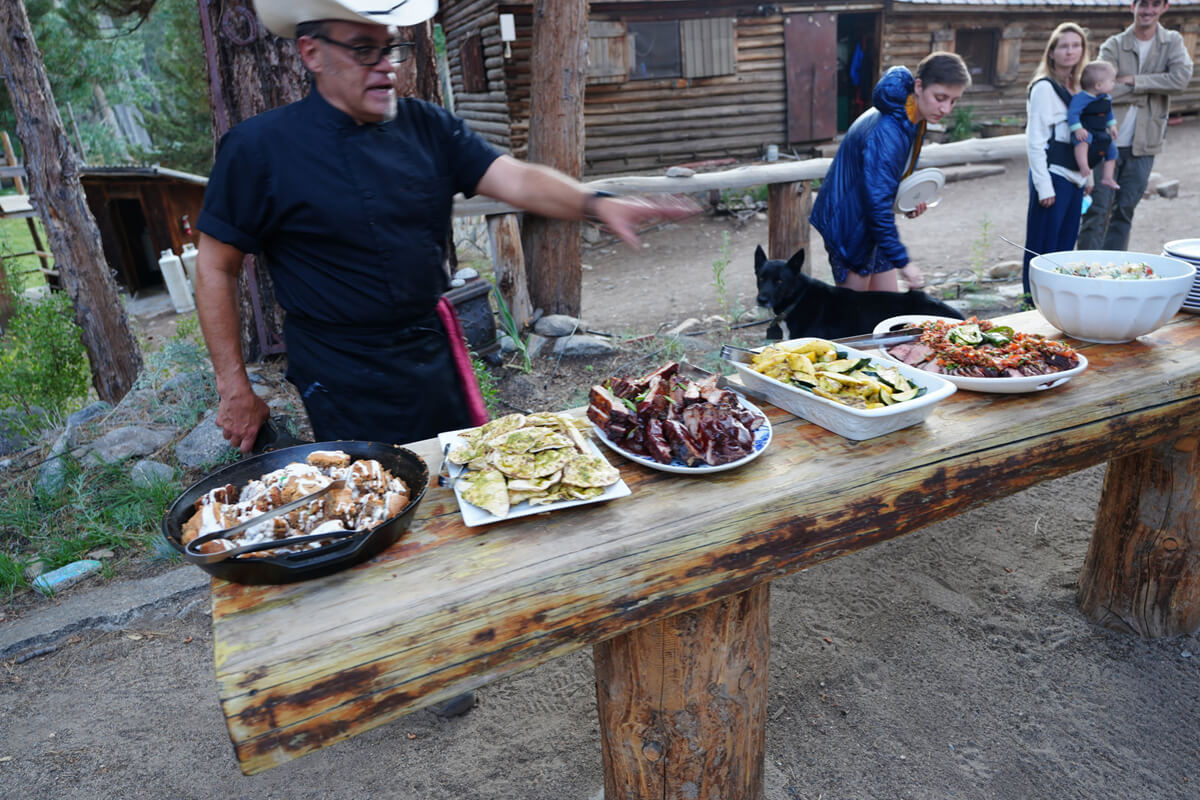
Figure 10.18: Dinner on the first day
Breakfast on the MTR is served in the cafeteria. It's buffet style, but you can eat as much as you want. Figure 10.19 shows breakfast on the first day. There's fruit, which is fine, but it's basically fried bacon and potatoes. The strange thing in the foreground is supposed to be French toast. I'm not sure what makes it French toast. It looks like a failed pancake. I topped this with jam and, again, ate as much as I could. I poured myself some coffee and drank as much as I wanted. There was no lunch, so I was given an energy bar
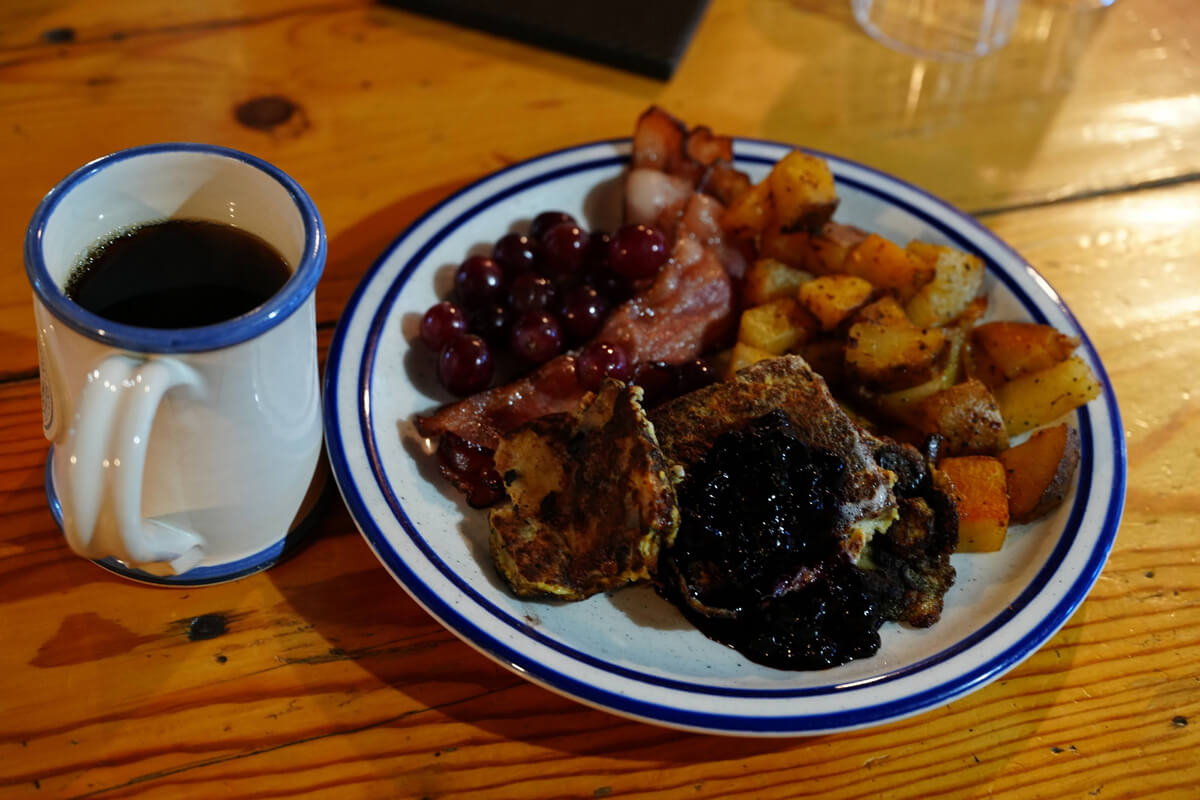
Figure 10.19: American breakfasts are greasy
When we returned to the lodge, James began packing in earnest. He checked for unnecessary items and food, and then packed up his belongings, as shown in Figure 10.20. He was full of enthusiasm. He gave us some of the food that he no longer needed that still looked edible. It was some freeze-dried strawberries and lasagna that he had made himself
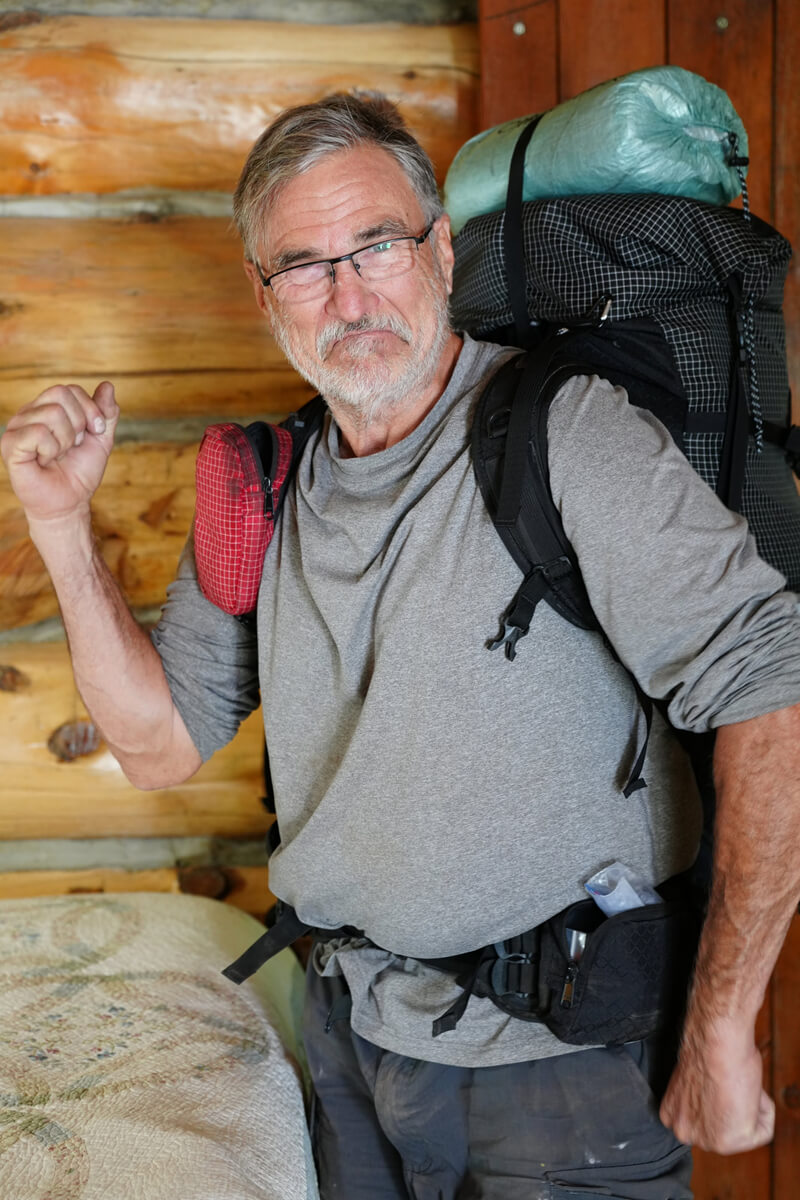
Figure 10.20: James finishes packing
I went to throw away James's unwanted items in the hiker box. I quickly found several gas canisters. I carefully picked out the heaviest ones, which I later measured and found to be about 80% full. I also picked up some freeze-dried food packets, tuna packets, energy bars, and other items. It was quite a haul this time. I returned to the cabin and took the solid fuel and other unwanted items to throw away again
The freeze-dried food that James praised is shown in Figure 10.21. I think it cost between $10 and $15 per bag. It was expensive, but apparently it tasted good
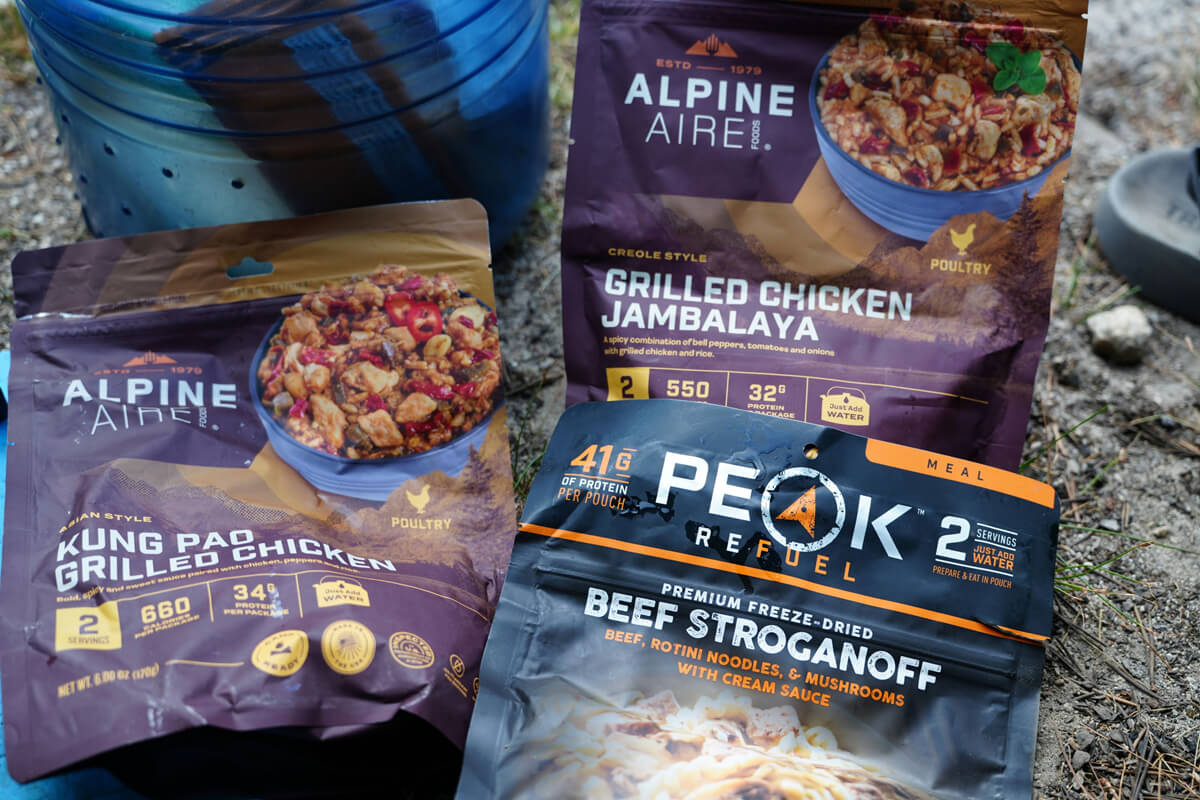
Figure 10.21: Found freeze-dried food, $10-15 a bag
It was boring to just sit still in the cabin, so I waited for dinner, killing time on my smartphone on a bench in front of the dining room. Figure 10.22 shows a photo that had been secretly taken. The reason my face was dark and dirty was because I had forgotten to wash off my sunscreen. I have sensitive skin, so I don't wash my face often. I don't look in the mirror, so I didn't notice until James pointed it out
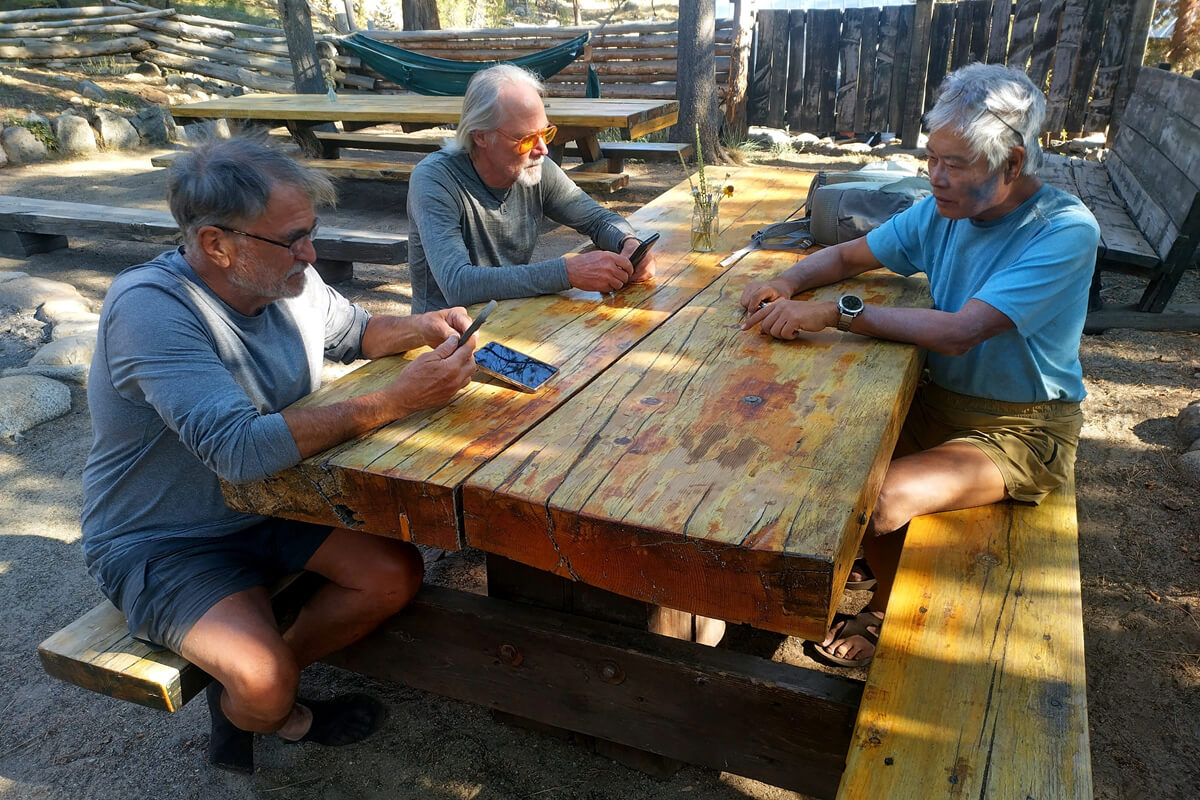
Figure 10.22: Waiting for dinner. Photo by Nick
Dinner on the second day began to be served. (Figure 10.23) Unlike the first day, there were fewer dishes. However, the bread was somehow delicious, and we ran out. A dessert pie (Figure 10.24) was also served. We had a large portion of dessert from the start. When we tried to get a refill of bread, it was sold out, and a different type of bread was brought out. This was disappointing. However, since it was the second day, we only ate about one and a half plates
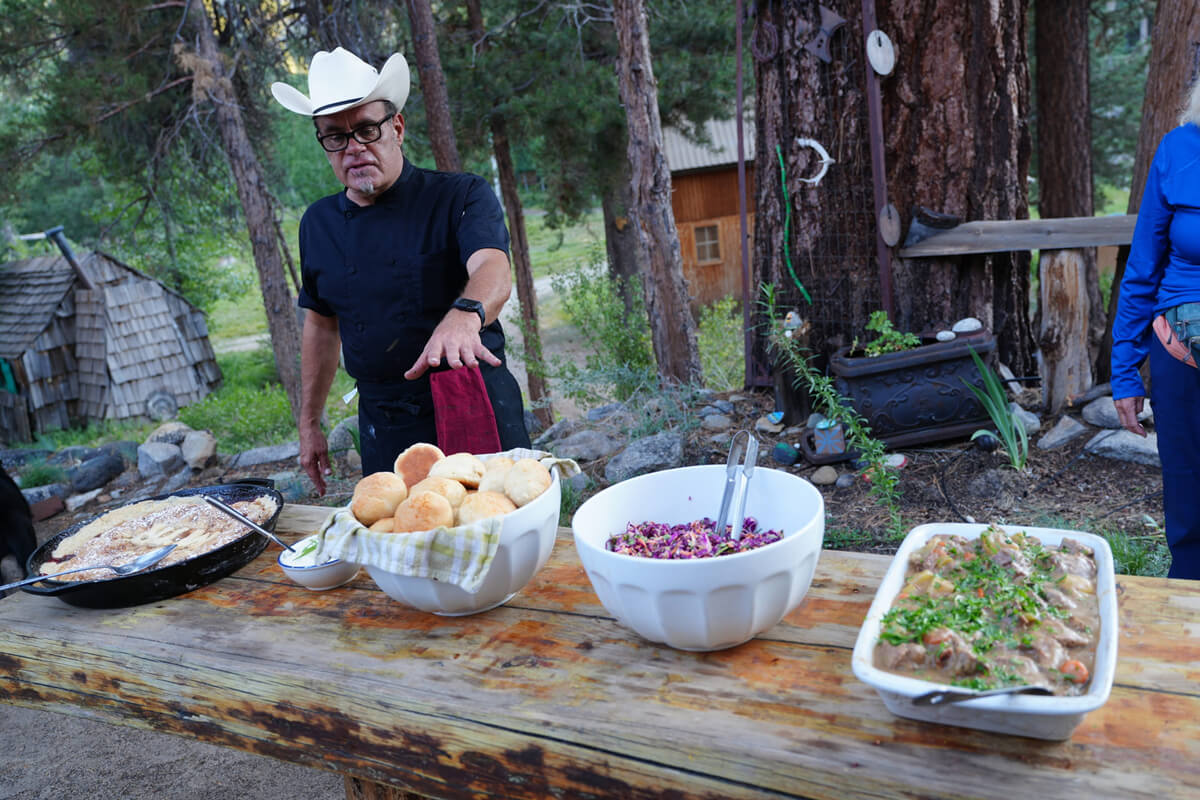
Figure 10.23: Dinner on the second day. Chef Dave explains the menu
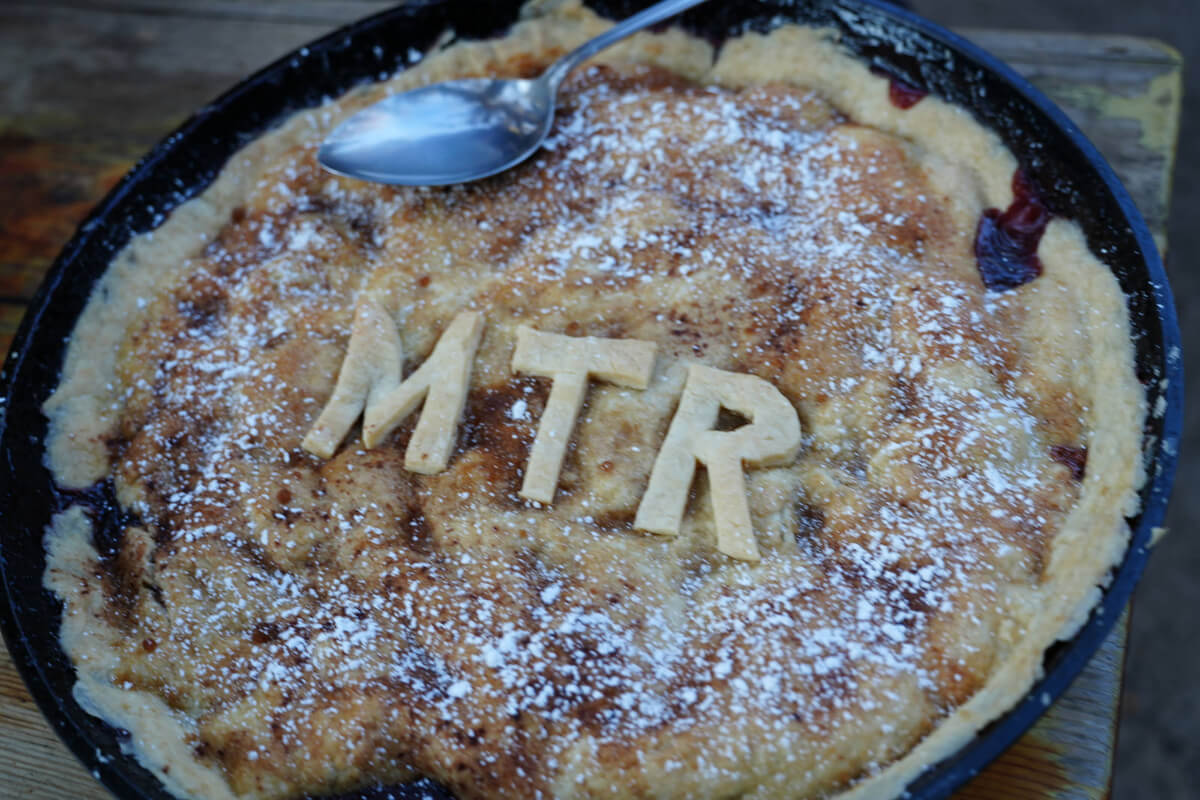
Figure 10.24: MTR Specialty Pie
Finally, the day arrived for us to leave the MTR. After packing, James and I went to the cafeteria. American breakfasts are full of incomprehensible things. It was some kind of stir-fry, but I've forgotten the name. We took plenty of fruit. We also had plenty of bacon, but after a bit, it was incredibly salty. It would be a shame to throw it away, so we secretly threw it back. Apparently, we were all making our own sandwiches for lunch today, so we stuffed as much cheese, beef, and vegetables as we could into a Ziploc bag. We saved one orange for dinner. (Figure 10.25) We also received about five energy bars
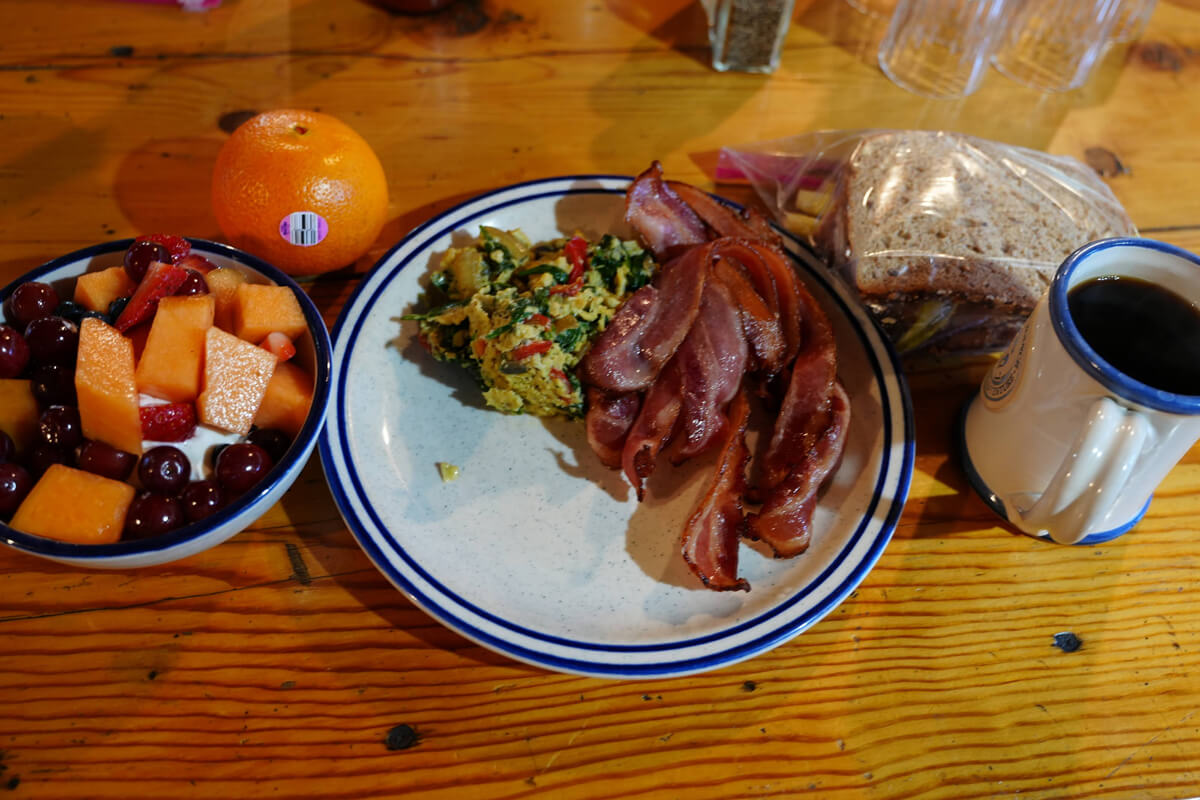
Figure 10.25: I decided to eat lots of fruit. The sandwiches I made for lunch are in the back right. I stuffed myself to the brim
Before leaving, I took a photo of Russ and Nick, who I was talking to quite a bit. This is Figure 10.26. Russ, in the center, was making an ultralight alcohol stove. He was showing samples to James and discussing them. He was the owner of a company called Trail Design, but later sold the company to someone named Tom. Nick seemed to be a software engineer, and I also did some programming, so it was easy to talk to him. I didn't talk much to Skyler, on the left. Skyler and Lac are identical twins, and it seems they were staying at the MTR as a family
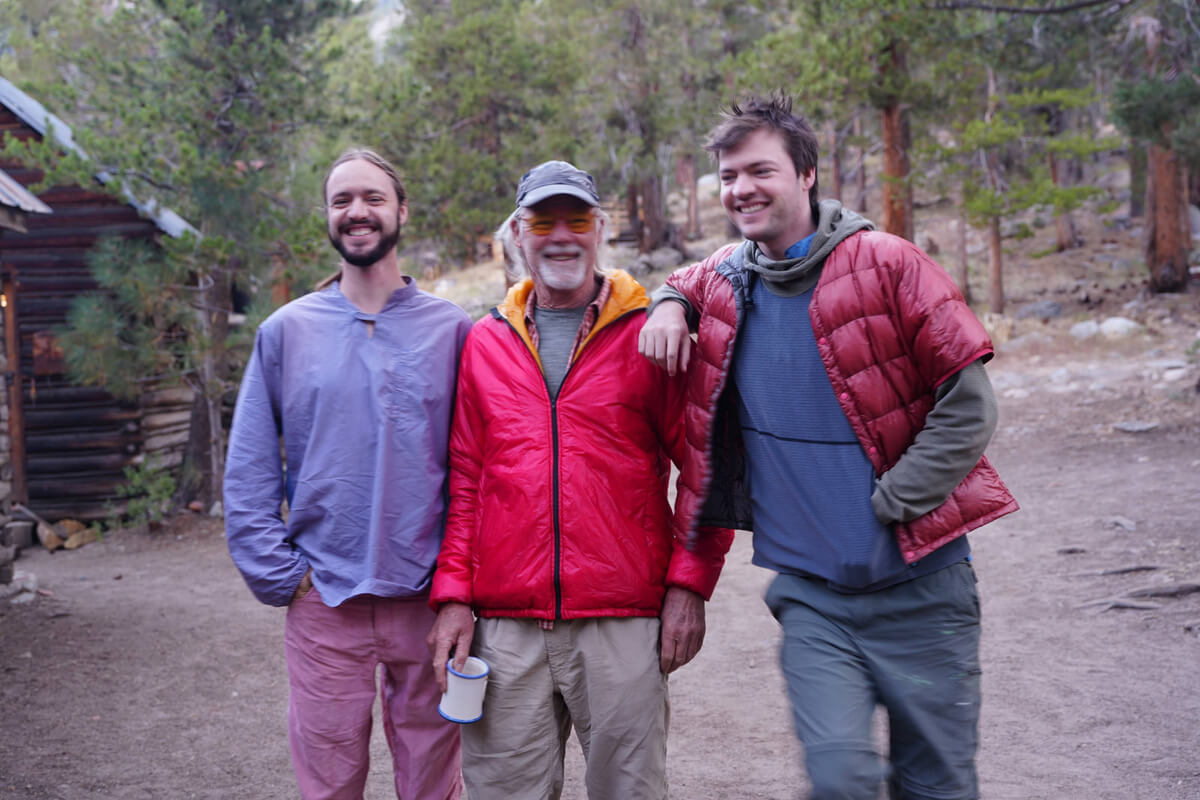
Figure 10.26: Skyler Sandberger, Russ Sandberger, and Nick Sandberger. Skyler and Nick are identical twins
Now, we had to leave the MTR. First, we put on our large luggage and connected the left and right front pockets. Nick, perhaps finding it interesting, secretly took a photo of us. This is shown in Figure 10.27. We had enough food for more than two nights. Our next destination was VVR, so considering our later plans, we wanted to stay just one night
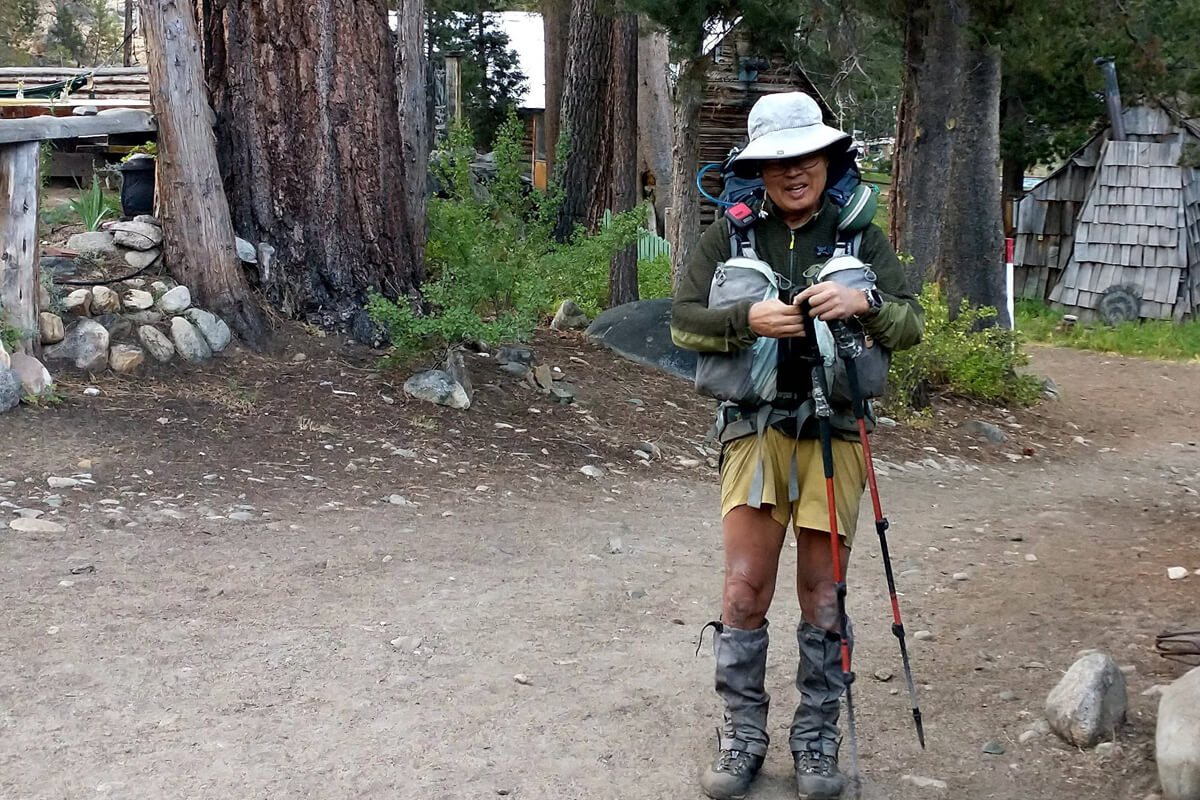
Figure 10.27: Leaving the MTR with both front pockets connected. Photo by Nick
<Continued in Chapter 11>
Nobuhiro Murakami's new hiking guide, "The Science of Hiking, 4th Edition," is now available on Amazon (Kindle edition is 100 yen)
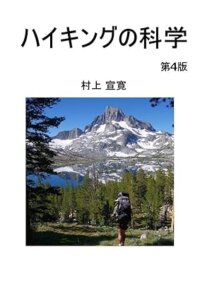
Nobuhiro Murakami, a former professor at a national university and an experienced through-hiker who continues to share rational solo hiking know-how from a unique and profound scientific perspective in books such as "Hiking Handbook" (Shinyosha) and "The Complete Guide to Hiking in the United States" (Ei Publishing), has released his new book, "The Science of Hiking," which is now available on Amazon. This compelling and logical hiking textbook is based on his accumulated experience dating back to the dawn of long trails in Japan, as well as objective sources such as academic papers on hiking, exercise physiology, and a wide range of other fields.

Please consider paying memberships that allow you to support the site while enjoying limited edition projects and content!
Murakami Nobuhiro
Born in 1950. Former Professor Emeritus at Toyama University. Specializes in educational psychology and educational measurement. His outdoor-related works include "The Complete Guide to Sleeping Noshiki" (Sanichi Shobo), "Outdoor Gear Considerations: The World of Backpacking" (Shunjusha), and "Hiking Handbook" (Shinyosha). His psychology-related works include "Psychological Tests Are Lies" (Nikkei BP), "What Can Psychology Tell Us?" and "The Deceived Intelligence" (Chikuma Shobo). His recent works include "Introduction to American Hiking" and "The Science of Hiking" (Amazon), which compile the author's know-how from long-term annual hikes on numerous American long trails, including the Glacier Trail, the John Muir Trail, and the Winds Trail.
Related reading
 John Muir Trail Northbound Traverse (2025 NOBO) Record [Chapter 8] Muir Pass to the San Joaquin River
 John Muir Trail Northbound Traverse (2025 NOBO) Record [Chapter 9] Muir Pass Detour Route
 John Muir Trail Northbound Traverse (2025 NOBO) Record [Chapter 6] From the Lower Basin to the Middle Fork
 John Muir Trail Northbound Traverse (2025 NOBO) Record [Chapter 3] Crabtree Meadow to Keasarge Pass