



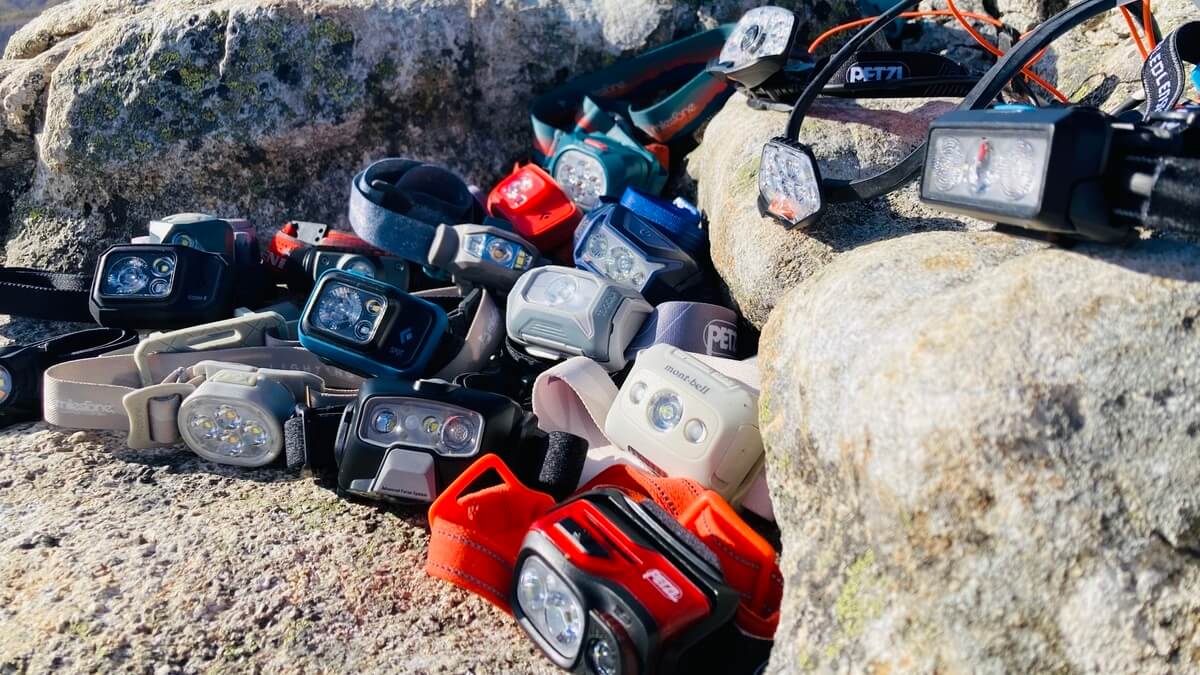
[2025 Latest Edition] Recommended headlamps for different uses and purposes, and how to choose them wisely, based on comparisons in the field

Written by Outdoor Gearzine Editorial Department
Whether you're hiking or trail running, you'll want to keep a headlamp handy at all times
A headlamp is a simple but essential item when enjoying any outdoor activity, including mountain climbing and camping
There are no streetlights on the roads in the mountains, and once the sun sets, it quickly becomes pitch black. It becomes impossible to take even one step safely. A headlamp is one item you should always carry with you for emergencies, not just when camping or watching the sunrise, but even if you're just doing a day trip
While headlamps are a must-have item and come in a wide variety of models from various manufacturers, catering to different uses, purposes, and prices, the current situation is that it's difficult to know the differences between the different models and which one is right for you without actually trying them out. Unfortunately, this situation hasn't changed much in the 10 years since we started this website. Under the bright lighting of a store, it's impossible to check how the light actually shines on you in the mountains at night, which is frustrating because you can't check what you really want to know, like subtle differences in brightness or practicality for long-term use
If you can't tell at the store, the only thing you can do is try it out and compare it
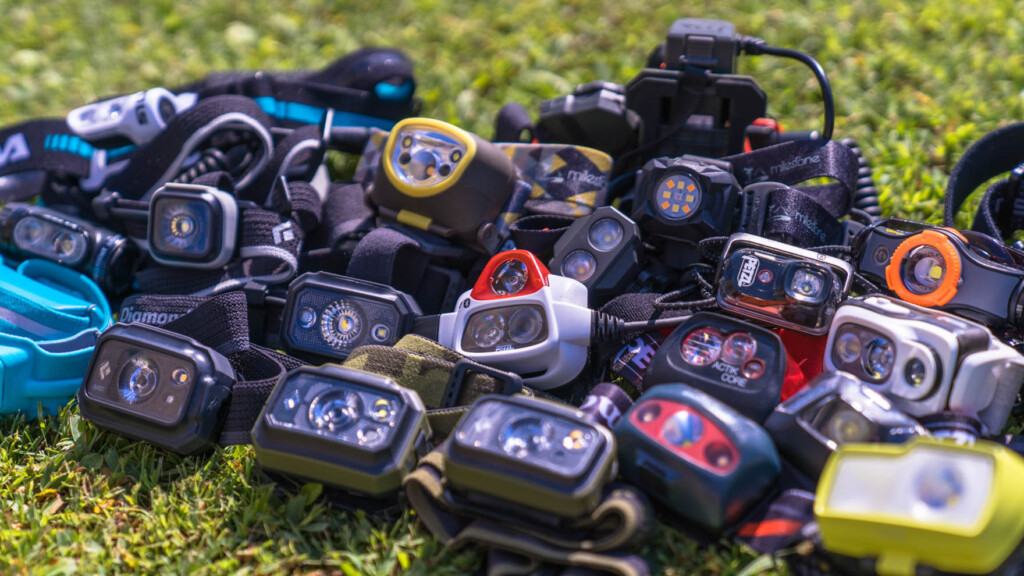
Since its launch 10 years ago, this site has purchased, at its own expense, representative models of outdoor headlamps on the market, and conducted actual testing and comparisons from various angles. This time, we've selected 20 models that we believe are the best among those available through standard Japanese distribution channels by the fall/winter of 2025, and based on the results of testing them in the field and in our lab, we'll present our best choices by category
In the second half of the article, we will explain the points you should know to make a smart choice when shopping for a headlamp
Please note that while the tests in this article were conducted as rigorously as possible using our own unique methods, we cannot guarantee the objectivity or reproducibility of the results. However, as tests and reviews conducted independently and under similar conditions, without relying on any particular manufacturer, we believe that they are useful for choosing a headlamp. We hope that they will be helpful when choosing a headlamp
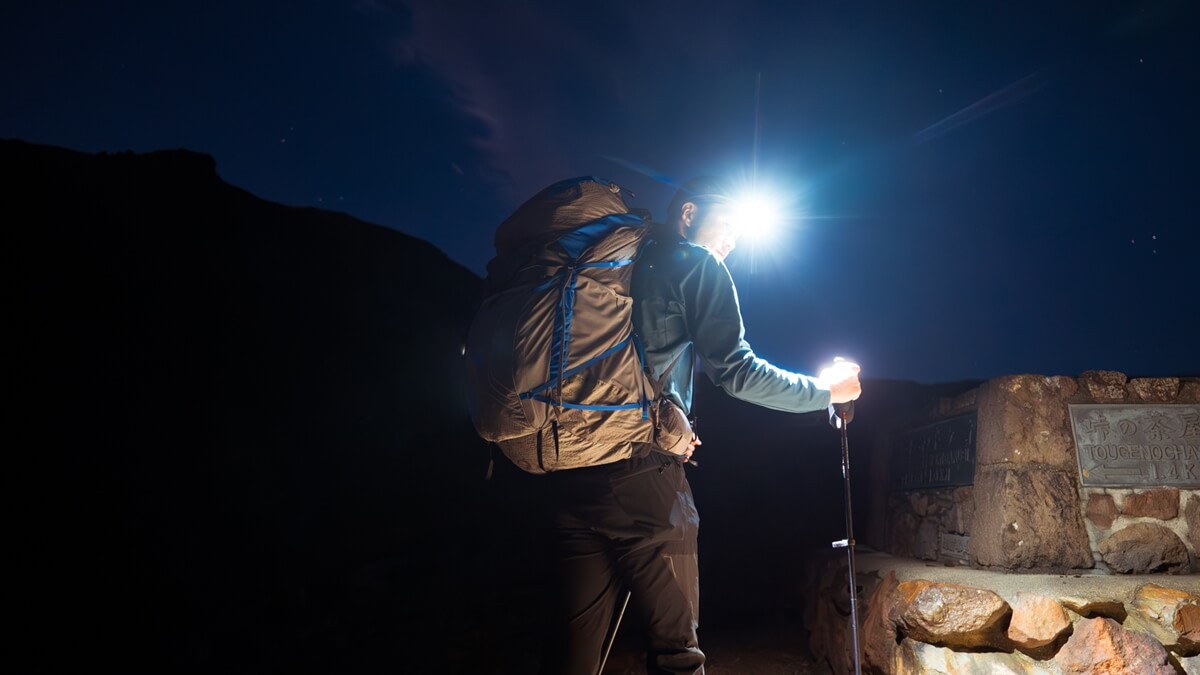
table of contents
- Best Headlamps of 2025 by Use and Purpose
- Best headlamp with excellent balance of light output, functionality, and fit: PETZL Swift RL / Black Diamond Storm 500-R
- The best high-output headlamps for those looking for brightness: PETZL NAO RL / LEDLENSER HF6R Core / Black Diamond Distance 1500
- The best headlamps for those who spend long periods in the dark and prioritize brightness and battery life: LEDLENSER NEO9R / Black Diamond Storm 500-R / Black Diamond Distance LT1100
- Above all, "lightness" is the priority. Among them, the brightest and easiest to use headlamp for light and fast riding: the milestone MS-G3
- The best headlamp for trail running and running: PETZL NAO RL / Black Diamond Distance 1500
- "This price is unbelievable for this performance" Cost-effective headlamp: PETZL Tikina / Montbell Rechargeable Power Headlamp
- Performance comparison table of headlamps compared this time
- How to Choose the Right Headlamp in 7 Steps
- Step 0: Determine what you will use your headlamp for, its main purpose and use
- Step 1: Check the brightness (light intensity) of the light
- Step 2: Check the type and mode of light that can be emitted
- Step 3: Check burn time and battery life
- Step 4: Check durability (water and dust resistance rating)
- Step 5: Check weight and fit
- Step 6: Learn about useful additional features
- summary
Best Headlamps of 2025 by Use and Purpose
, we will introduce the best models for each purpose and use, based on field tests conducted by the Outdoor Gearzine editorial team, such as " This is the one for this activity " and " This is the one if you are particular about this
Testing
So how do you evaluate headlamps in the first place? Of course, the answer is simply to turn them on. However, there are many different situations in which headlamps are needed, and the evaluation criteria vary accordingly. Therefore, from the fall of 2024 to 2025, this site conducted the following three types of tests
- Quantitative comparison (light intensity, spread, battery life, etc.) in a completely dark room where outside light is blocked out
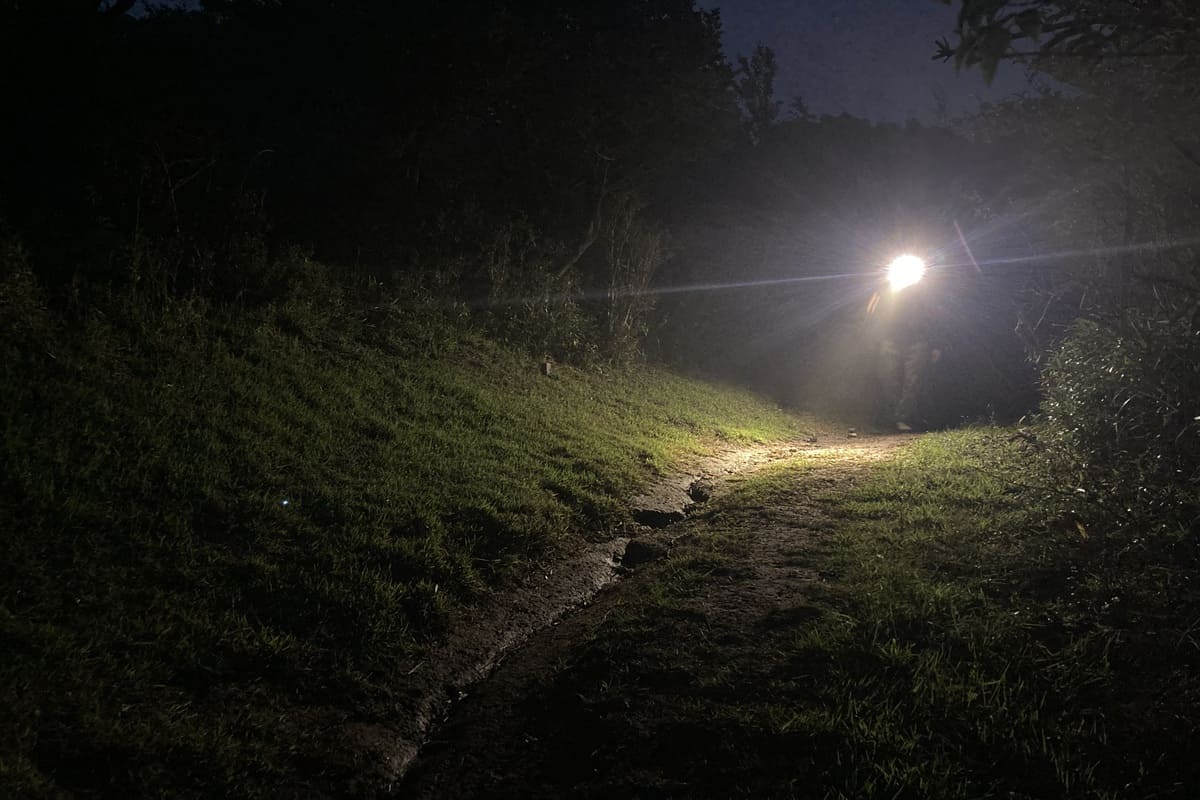
- Easy to see and comfortable when walking on the trail in the middle of the night
- Visibility when illuminating nearby areas such as maps or indoors
- Shock and water resistance check
We used a CIE (International Commission on Illumination) standard illuminance meter to measure brightness. Although we conduct our tests as rigorously as possible, it is inevitable that some degree of error will occur in the measurement results. For this reason, please pay attention to the relative differences between each item rather than the absolute numbers in the measurement results shown below
Best headlamp with excellent balance of light output, functionality, and fit: PETZL Swift RL / Black Diamond Storm 500-R
PETZL Swift RL
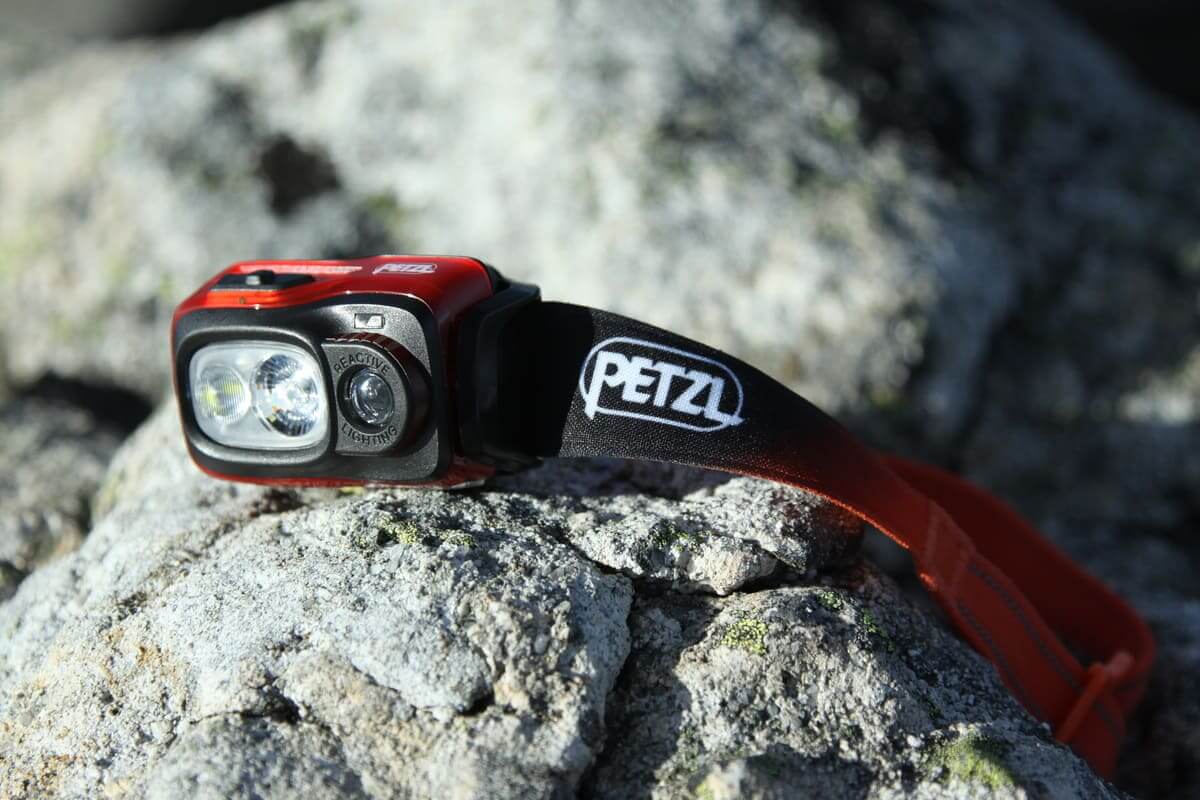
The most well-rounded headlamp we tested was the PETZL Swift RL . With this, you can rest assured about the light during any outdoor activity. We can confidently recommend it.
With a maximum of 900 lumens and 700 lumens in strong mode, it provides excellent illumination in the dark, and the mixed beam provides even illumination for both long and short distances, providing excellent peace of mind. It also features reactive lighting technology that automatically adjusts the light intensity and beam pattern according to the situation, maintaining optimal brightness at all times and conserving battery power
While it has excellent functionality, it is surprisingly light at just 100g, and the forked headband provides a comfortable fit so you won't get tired even when wearing it for long periods of time
The price is a little high, but considering that it allows you to move around safely in the dark, it is a worthwhile cost

For a more detailed review of the PETZL Swift RL
Related articles
Black Diamond Storm 500-R

Battery: Lithium-ion rechargeable battery (2400mAh)
Maximum illumination power: 500 lumens
Maximum illumination distance: 100m (high brightness)
Illumination time: 7 hours (high brightness)
Another headlamp that offers impeccable performance and excellent all-around balance is the Black Diamond Storm 500-R . the Swift RL , it boasts a 500-lumen light output, a powerful reflector, a 2400mAh battery that maintains brightness for extended periods, and a top-level IP67 dust and water resistance rating, making it a truly reliable headlamp for extended activities in harsh environments. It's no wonder it has the "Storm" in its name.
Although it is not mentioned in the instructions, it can be used by connecting it to a mobile battery to supply power (this has been proven), allowing you to maintain maximum light output for longer periods of time
This headlamp can be used for all purposes as it is equipped with a variety of lighting modes including stepless brightness adjustment, strobe, and red/green/blue LEDs
The best high-output headlamps for those looking for brightness: PETZL NAO RL / LEDLENSER HF6R Core / Black Diamond Distance 1500
Even if the light output is high immediately after turning on with a full battery, in most cases that maximum light output cannot be maintained for long and will decrease soon after turning on. This tendency can be said to be true for all headlamps. If you are planning to be out and about for a long time, no matter how strong the light output is immediately after turning on, if it cannot be sustained, then its effectiveness is of little use
To add a bit more, the tendency for illumination power to decrease also varies depending on the headlamp. Some headlamps will lose power all at once after a certain amount of time has passed, while others will lose power gradually over time. Whether this is good or bad depends on how the user uses the headlamp
With this in mind, in the brightness category, we also took into account how long the high light output (brightness) could be maintained for when making our selection
PETZL NAO RL
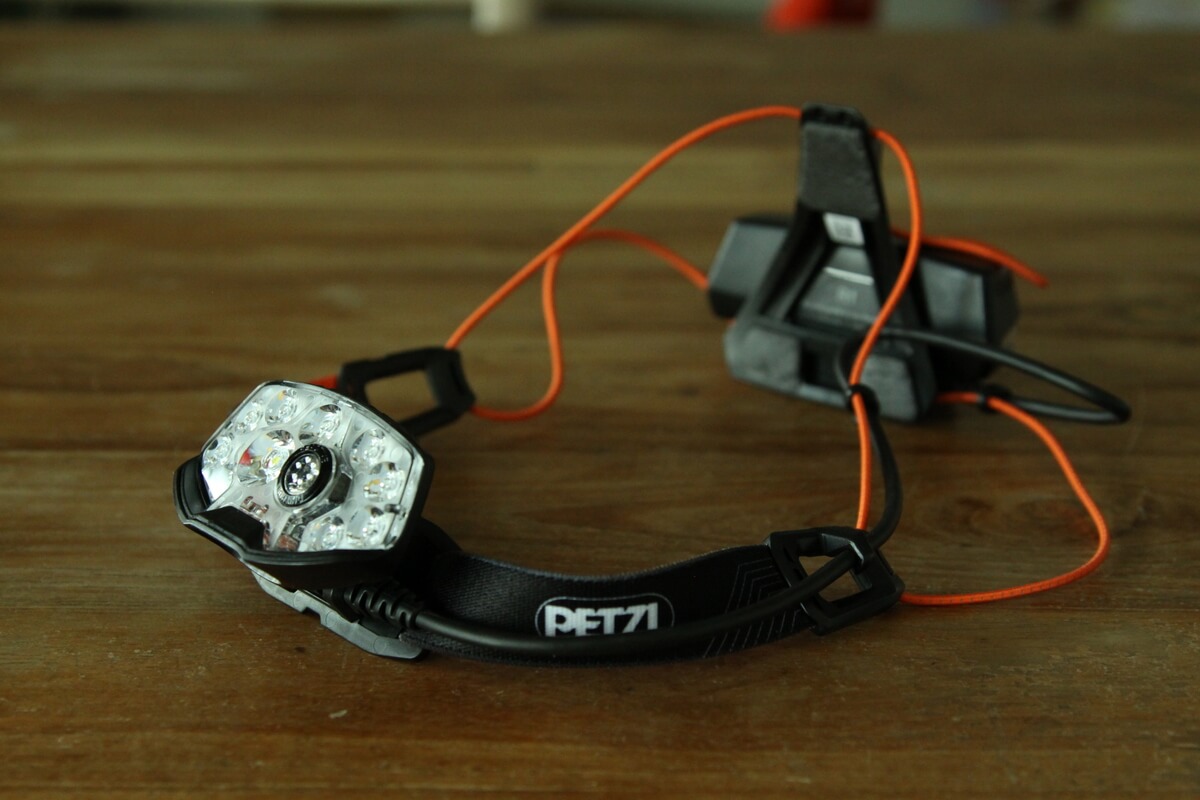
In our own tests, the brightest headlamp by far was the PETZL NAO RL . With a high light output that lasts for a long time, it's the best choice in the brightness category.
PETZL NAO RL
It outputs 900 lumens in standard mode and up to 1500 lumens in reactive lighting mode, and this basic high output lasts for more than two hours (see graph below for continuous illumination in high power mode)
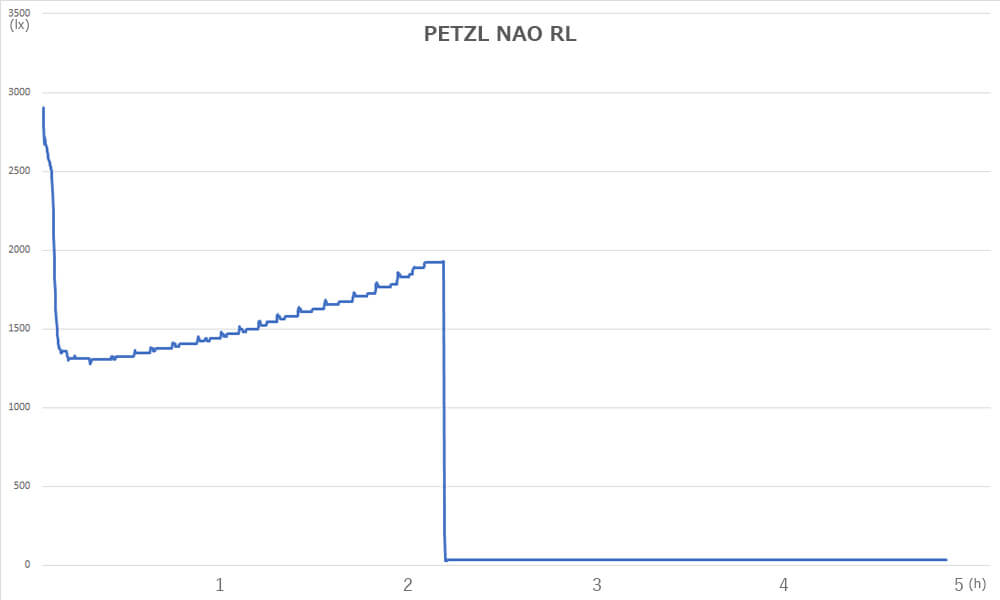
Equipped with a light sensor, the reactive lighting mode adjusts the light output according to the situation, providing brightness beyond what is indicated, and the PETZL NAO RL , making it a headlamp that we can confidently recommend to anyone looking for a bright headlamp.

LEDLENSER HF6R Core
the NAO RL, which is the best choice in the brightness category, the LEDLENSER HF6R Core is also highly recommended.
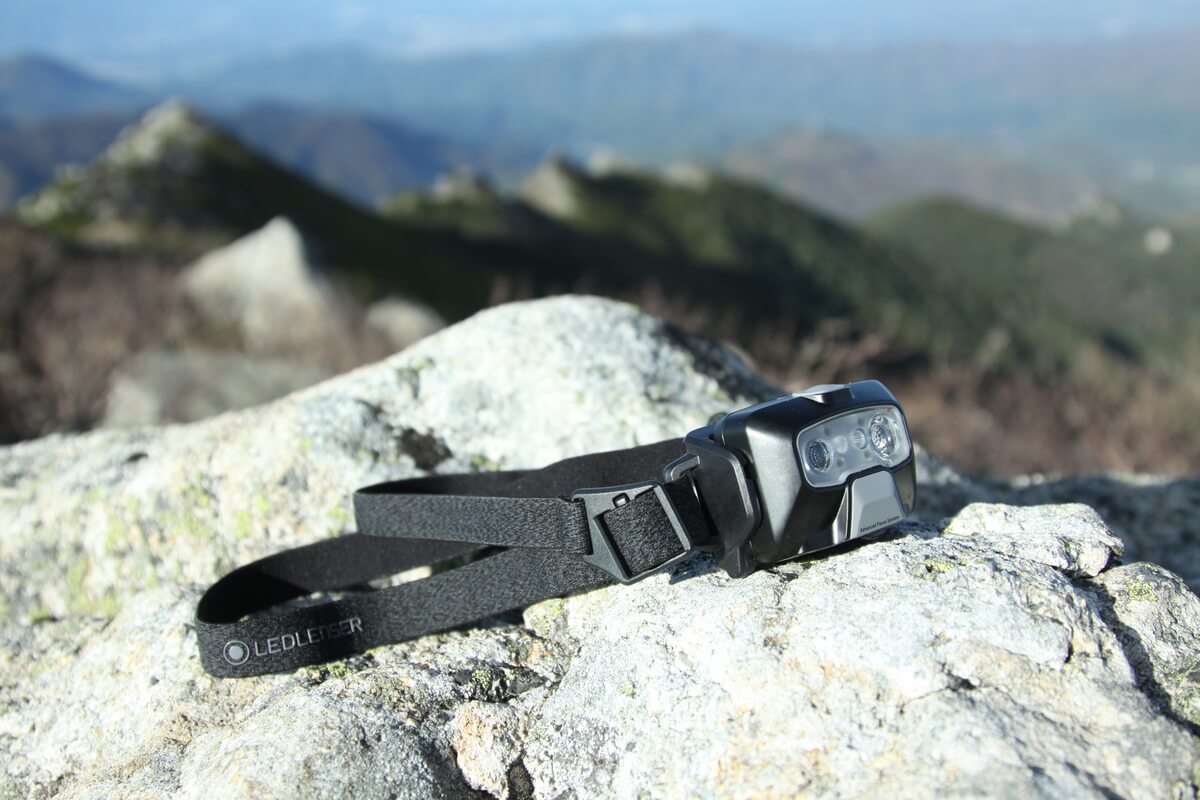
To be honest, it was difficult to choose between this headlamp and the PETZL NAO RL the NAO RL the LEDLENSER HF6R Core maintained its light output for a longer period of time
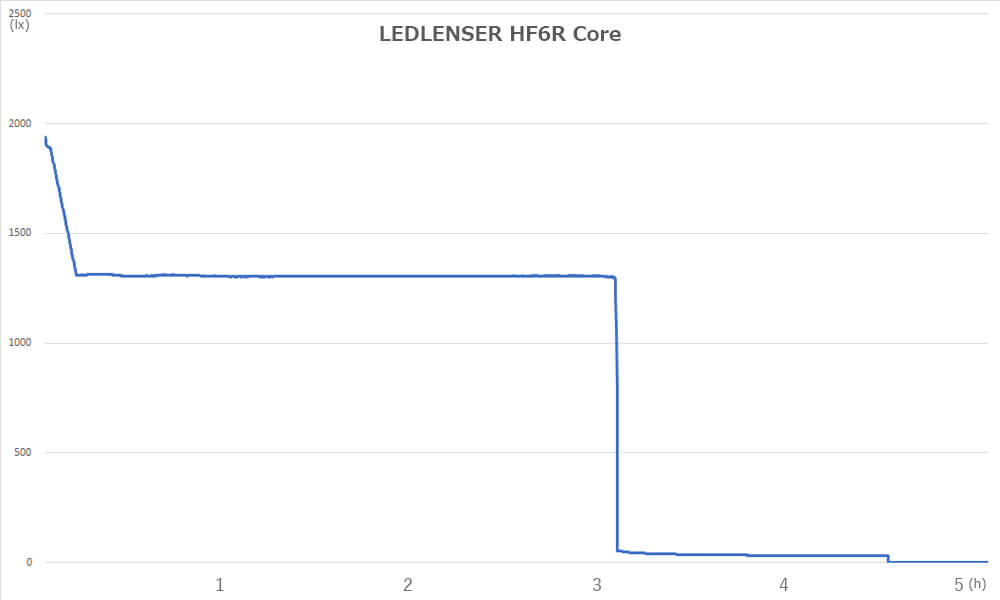
The ability to focus the illumination range is also excellent, and it's highly recommended as it's easy to adjust the illumination to suit the situation. Although we weren't able to pick it out this time, there is also the even more powerful " HF8R Core " in the series lineup, which is likely to be a good fit for those who prioritize brightness even more.

If you would like to know more about the HF6R Core
Related articles
Black Diamond Distance 1500
Finally the Black Diamond Distance 1500 is another recommended model with high output and a high-quality beam.
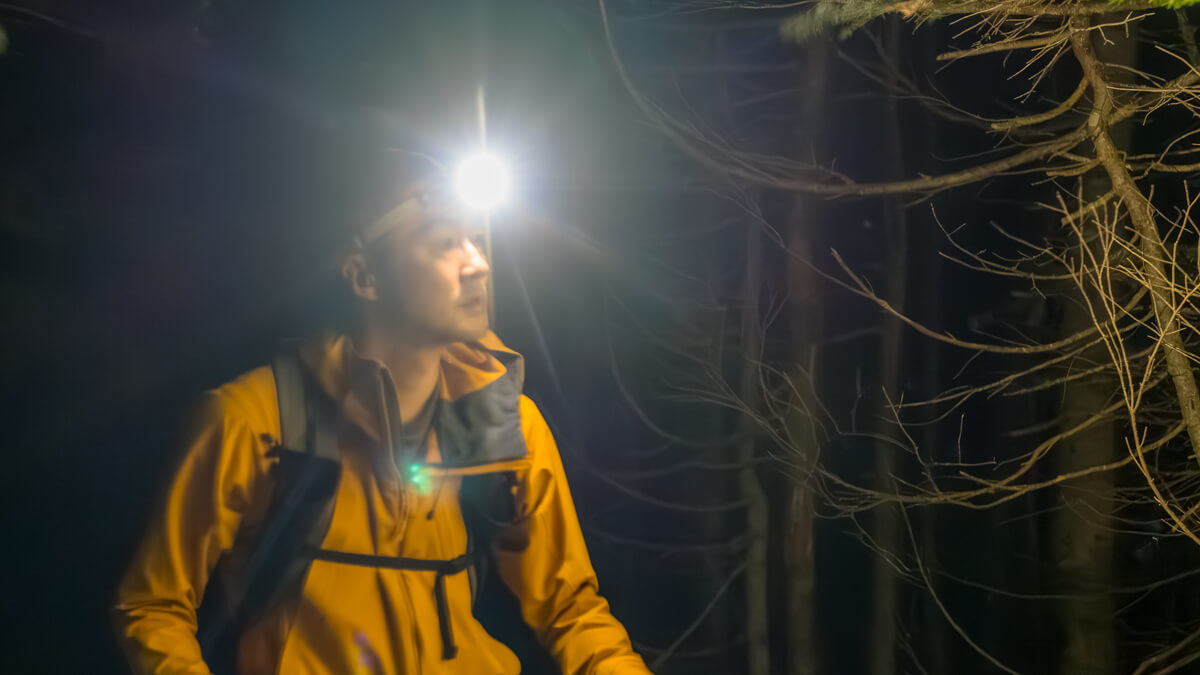
A high-power headlamp designed for trail running is too heavy to carry, so you probably wouldn't want to use it for mountain climbing, but if you wear it all the time and use it for short periods at night, its incredibly bright light of up to 1500 lumens will dazzle your surroundings even in the middle of the night, showing you the way just like it would during the day
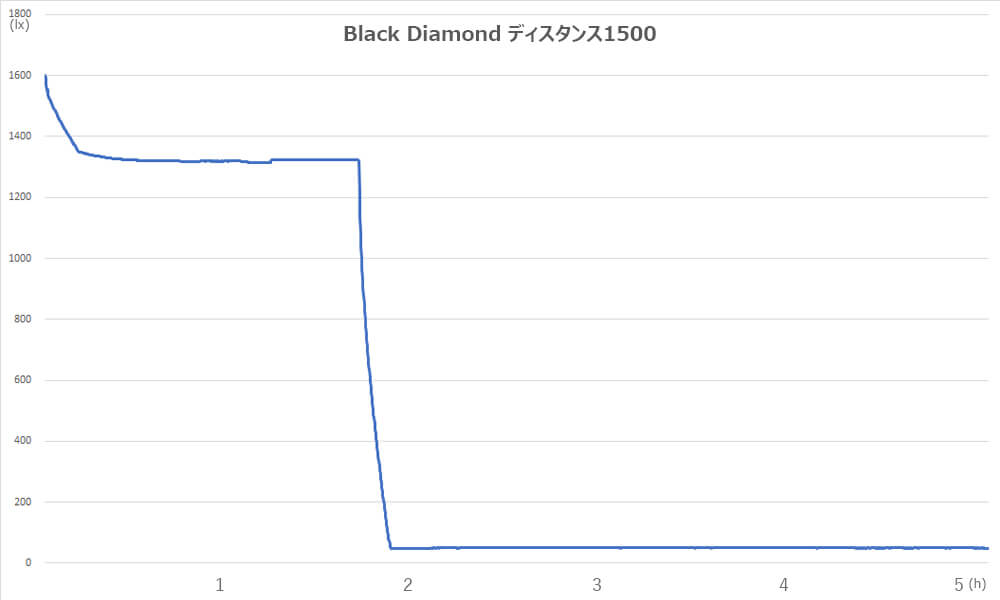
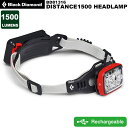
We have written a separate detailed review of the Distance 1500
Related articles
The best headlamps for those who spend long periods in the dark and prioritize brightness and battery life: LEDLENSER NEO9R / Black Diamond Storm 500-R / Black Diamond Distance LT1100
How many hours can a light remain lit at a practical brightness after being switched on? The battery category is all about endurance, but this is also not easy to define
For example, imagine you have two 500-lumen headlamps, one that can maintain 200 lumens of light for five hours, and the other that drops to 20 lumens but can stay on for 10 hours
If we are talking about a headlamp that will simply be on for a "long period of time," the latter would be the winner, but a headlamp that maintains a brightness of 200 lumens would probably be easier to use when actually on the move
At the very least, if you're going to be out and about in the dark for long periods of time, it's better to have a headlamp that maintains brightness
LEDLENSER NEO9R
Furthermore, one of the three best choice headlamps in the battery category is the LEDLENSER NEO9R .
the LEDLENSER NEO9R 's maximum output drops after it's turned on, it maintains its brightness for the longest period of time. This is the perfect headlamp for those who are active for long periods of time. Another great feature is that the battery is separate, which distributes the load evenly, making it less tiring to wear for long periods of time.

Battery: Lithium-ion rechargeable battery (3000mAh)
Maximum illumination power: 600 (1200 when boosted)
Maximum lumens illumination distance: 120m (200m when boosted)
Illumination time: 5 hours (power mode)
Black Diamond Storm 500-R
Another best long-life model is the Black Diamond Storm 500-R . This headlamp also maintains its light output for a long time. The Storm 500-R has been selected again, following its win in the all-around category. As explained there, it is equipped with a high-capacity lithium-ion battery and features a total internal reflection lens that creates a prism effect, achieving output that exceeds its light output. With its high performance and long-lasting light output, it is a reliable headlamp for anyone who spends long walks in the dark.

Black Diamond Distance LT1100
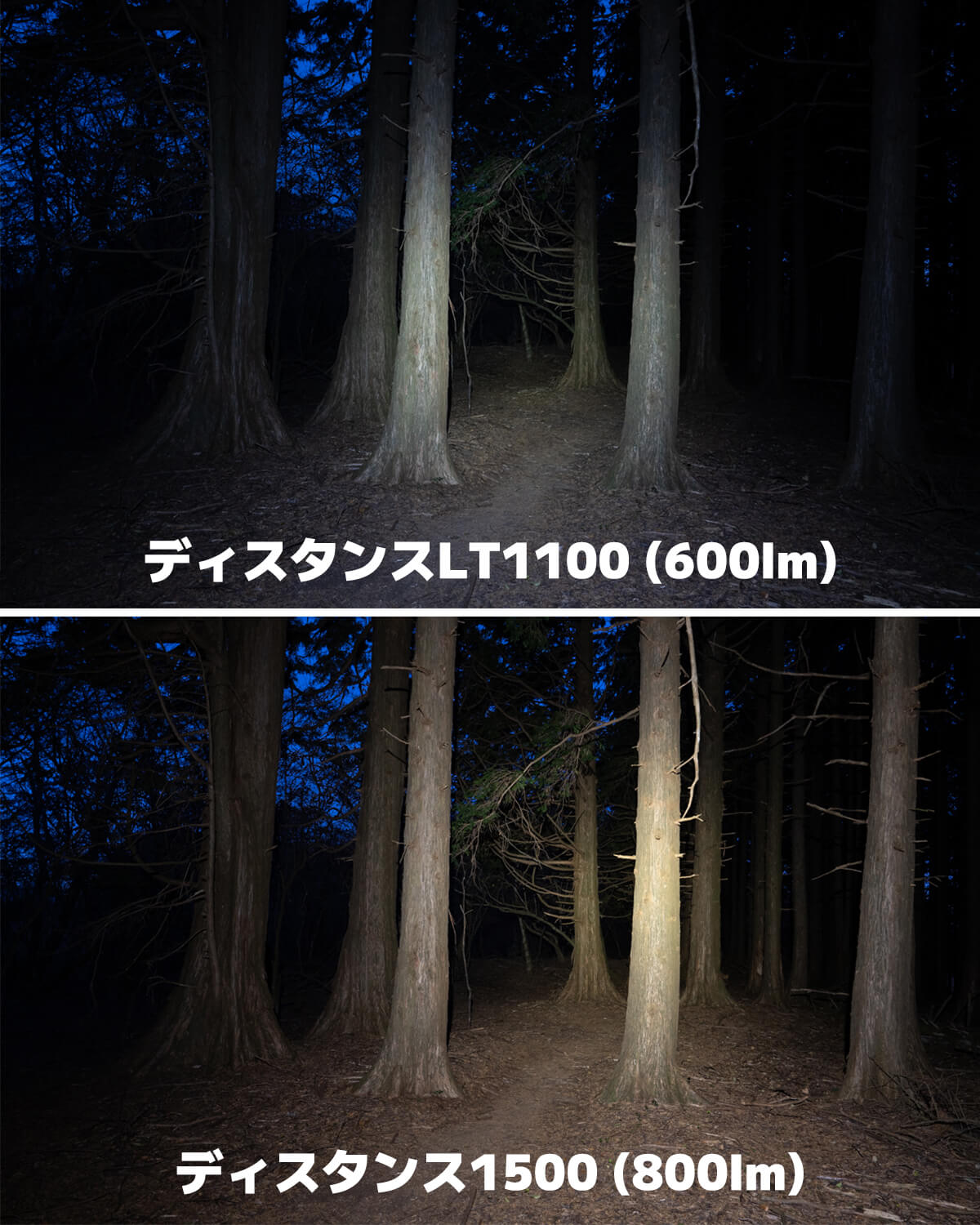
Another product from Black Diamond the Black Diamond Distance LT1100 , also demonstrated exceptional performance. The Distance LT1100 's unique feature is that instead of maintaining a constant light output, it gradually reduces its output from the moment it is turned on. The reduction in output from maximum output is slow and long, making it suitable for extended periods of activity.
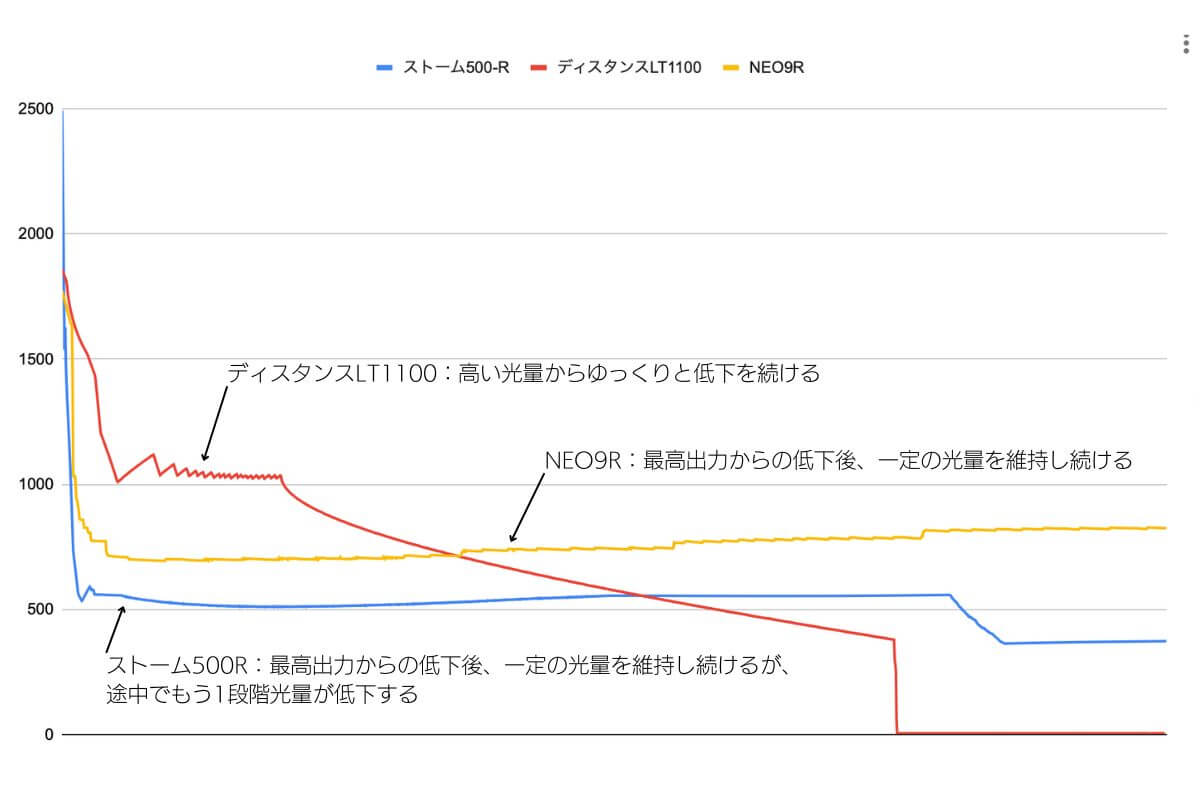
The Distance LT1100 's new slim light unit structure means that the center of gravity does not change even when the light is tilted downward, making it less likely to shake and allowing for stable mounting.
We have written a separate, detailed review of the Distance LT1100
Related articles
Above all, "lightness" is the priority. Among them, the brightest and easiest to use headlamp for light and fast riding: the milestone MS-G3
milestone MS-G3
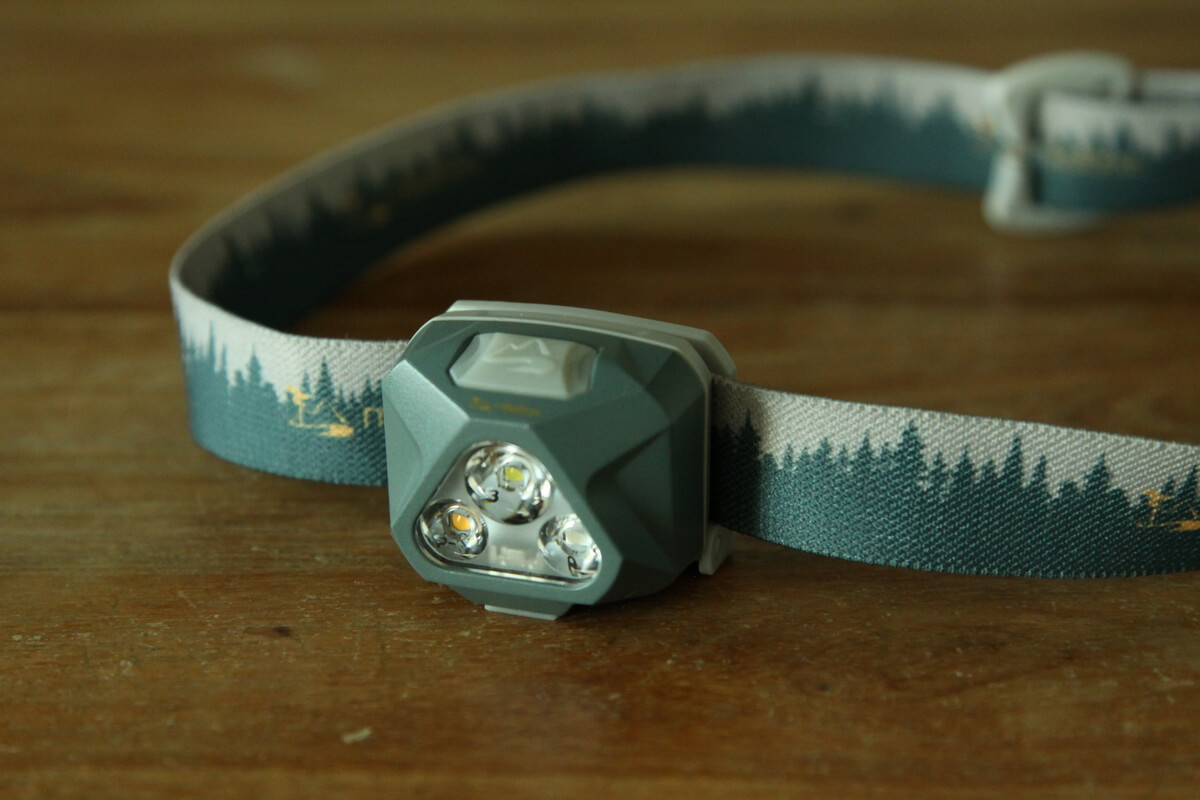
The lightest headlamps start at around 20g. These headlamps are not bright enough and are primarily used for emergencies or when not traveling at night
The milestone MS-G3 a headlamp designed for nighttime activities, providing excellent illumination and a satisfying lightness .
It weighs just 48g, yet delivers a balanced 420 lumen beam that will light up the trail. Its light weight doesn't mean it's inconvenient, and the brightness is continuously adjustable, and it also has warm white and red modes, so you can use it according to the situation
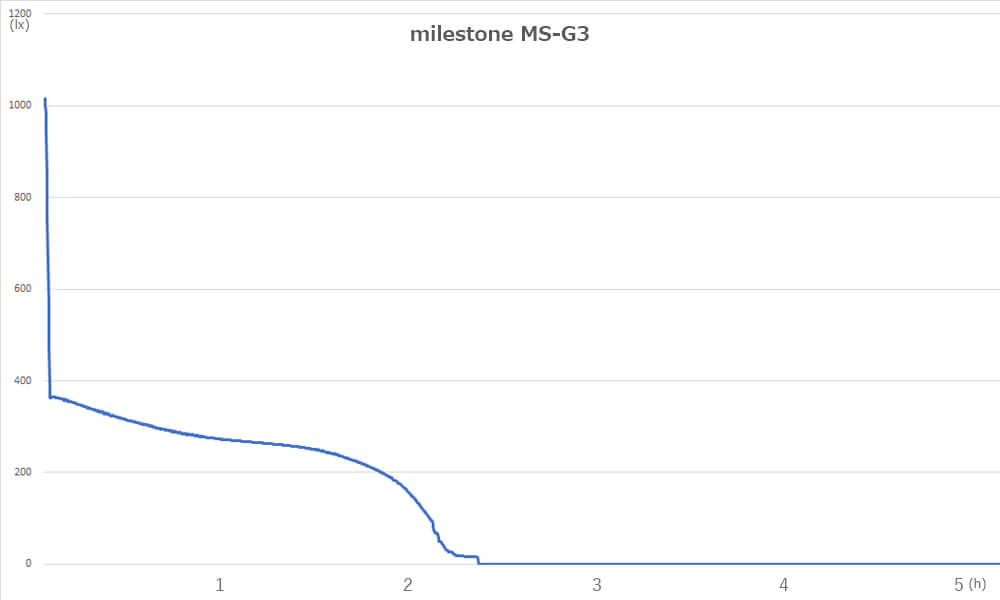
It can be used for extended periods of time by connecting it to a mobile battery for power supply, and its light weight of just 48g means you won't get tired even if you wear it for extended periods of time

For more information about the MS-G3, please see this article
Related articles
The best headlamp for trail running and running: PETZL NAO RL / Black Diamond Distance 1500
PETZL NAO RL
the PETZL NAO RL , which also boasts a long track record in this field, was selected again in the trail running category .
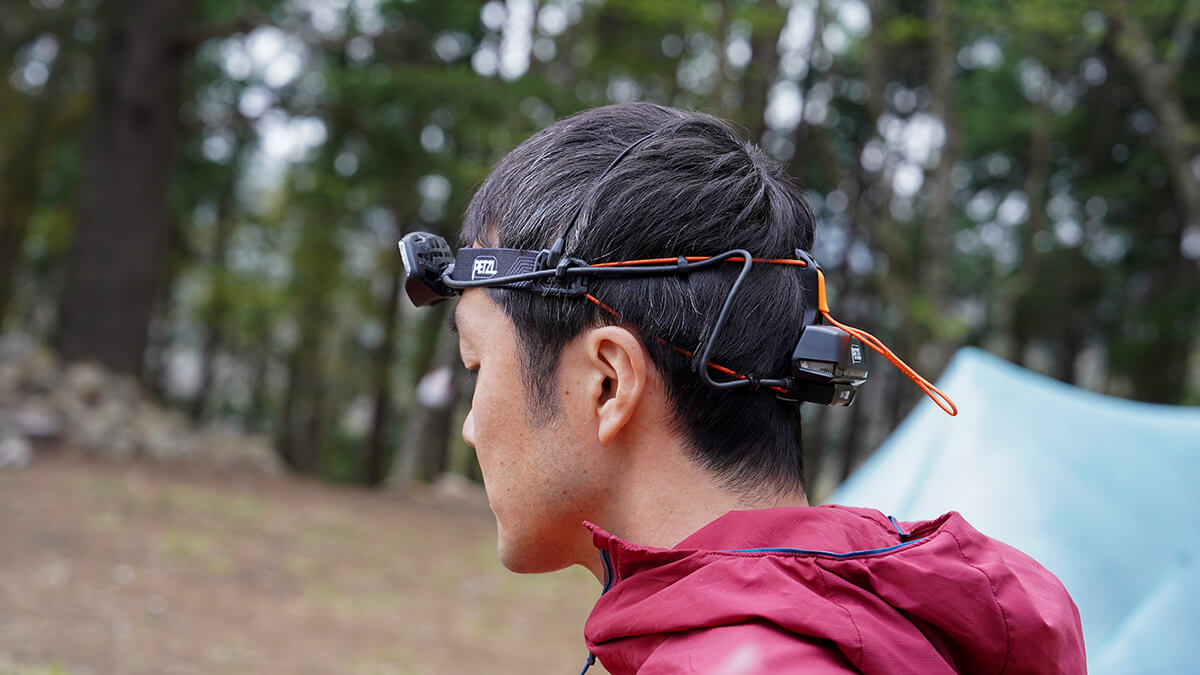
Despite its high performance, it weighs only 145g, and because the battery is located at the back of the head, it actually feels lighter. Equipped with a light sensor, the Reactive Lighting mode automatically adjusts the light intensity according to the situation, optimizing the light intensity and reducing battery consumption, so you can concentrate on riding
The battery at the back of the head is equipped with a red light to improve visibility at night, and it can also be used as a mobile battery to power other devices, expanding the uses of the secondary battery
The headband splits into two at the back of the head, providing a secure fit and a stable hold even during intense exercise
Black Diamond Distance 1500
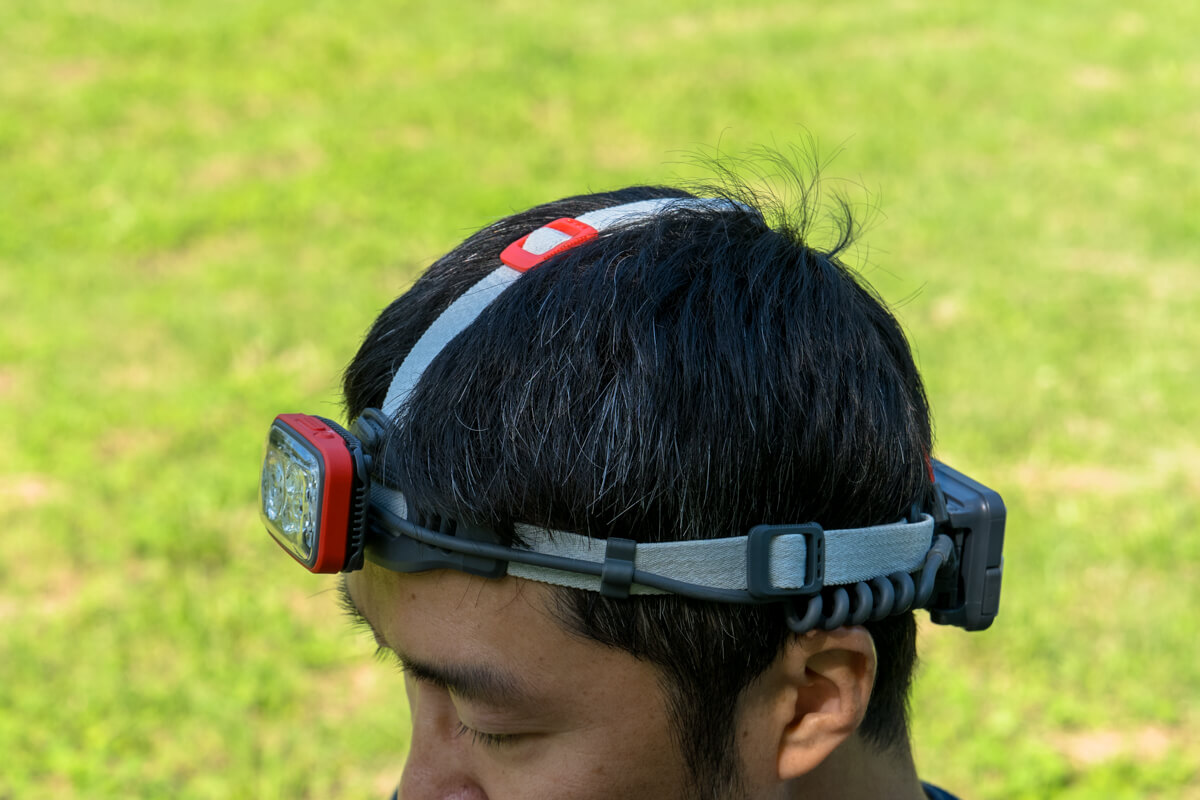
Coincidentally, the two models selected in the brightness category were also chosen as best in the trail running category. This is likely due in large part to the progress made in recent years in "larger capacity, lighter batteries" and "thinner light units." Not only are they incredibly bright, but the battery positioning at the back of the head reduces shaking while running, and combined with the comfortable band, they combine high output with low shaking, making them ideal for running. Furthermore, a rear flasher light on the back ensures safety
"This price is unbelievable for this performance" Cost-effective headlamp: PETZL Tikina / Montbell Rechargeable Power Headlamp
When you hear the term "cost performance," you might simply imagine a low-priced headlamp, and I could introduce one, but anyone can find out if that's the case by doing some research, so I'd like to look a little deeper than just the price of the product itself
When we looked into the price per lumen relative to the unit price of the headlamps we tested, we found that headlamps with low unit prices are not necessarily good value for money
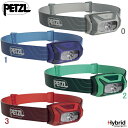
PETZL Tikina
Taking into account the base price and price per lumen, the headlamp with the best cost performance is the PETZL Tikina . The price per lumen is 11.8 yen.
The price is set at 3,850 yen (tax included), which is just over 4,000 yen, but the 300 lumens of light allow you to safely walk in the dark, and the wide beam improves visibility on the trail. Considering the features the Tikina offers, it offers excellent performance for the price, making it a recommended headlamp for those who want high performance while keeping costs as low as possible
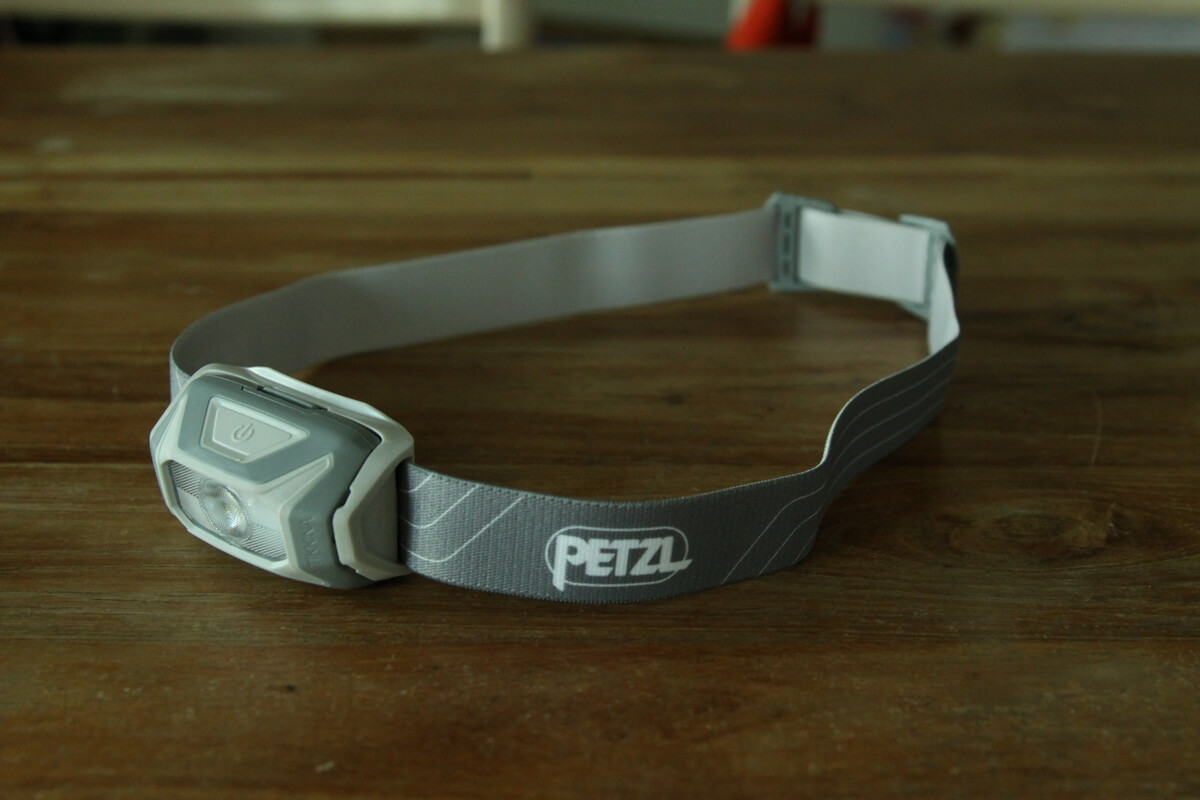
The Tikina weighs just 92g and is compact enough to pass the test. It's also recommended as a secondary headlamp to keep with you
Even if you're hiking or doing other outdoor activities that don't involve nighttime activities, you can rest assured by keeping the Tikina in your backpack. It's also a great entry-level headlamp for people just starting out in mountain climbing or hiking
Montbell Rechargeable Power Headlamp
The Montbell Rechargeable Power Headlamp also offers excellent value for money. While the price is slightly higher than the Tikina at 4,290 yen (tax included), the light output is 300 lumens, the same as the Tikina, making it suitable for nighttime walking. The rechargeable power headlamp's appeal lies in its 1800mA battery, which can be recharged and reused repeatedly. It's arguably the most cost-effective battery-powered headlamp. The price per lumen is 14.3 yen.
Performance comparison table of headlamps compared this time
We have compiled a list to help you compare the performance of the headlamps we tested this time
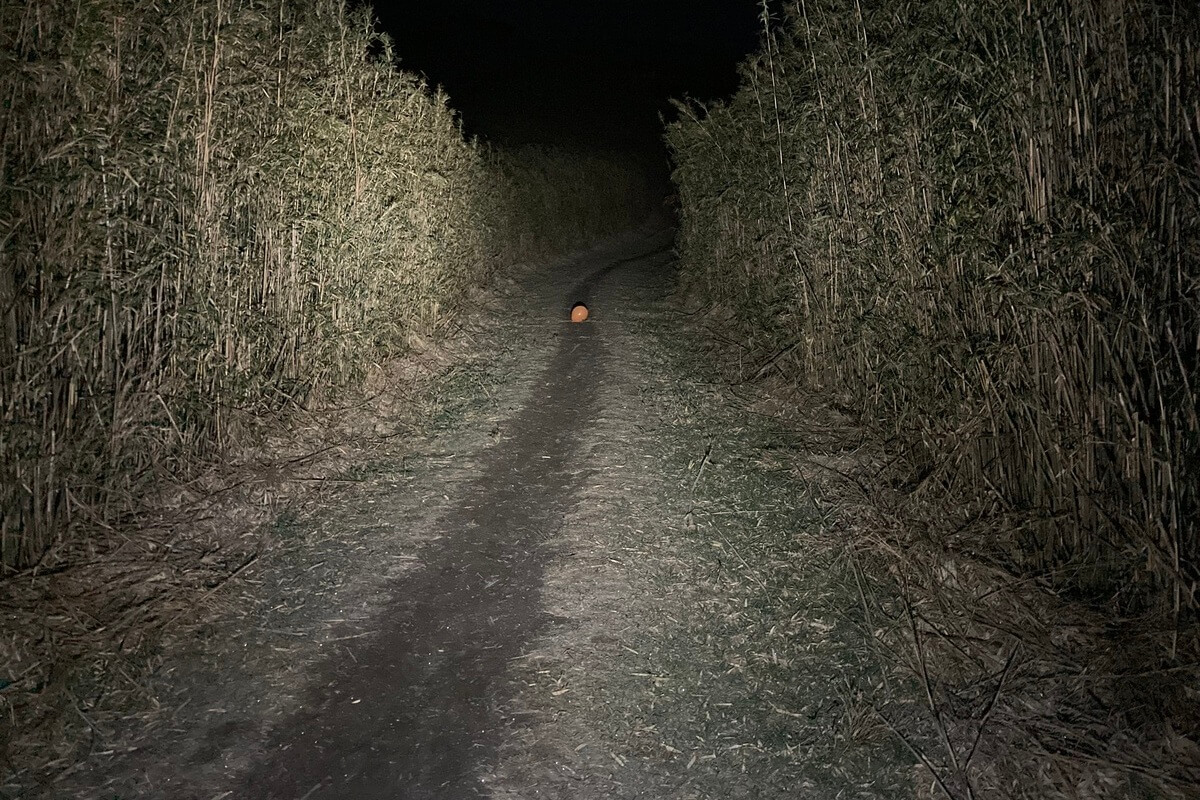
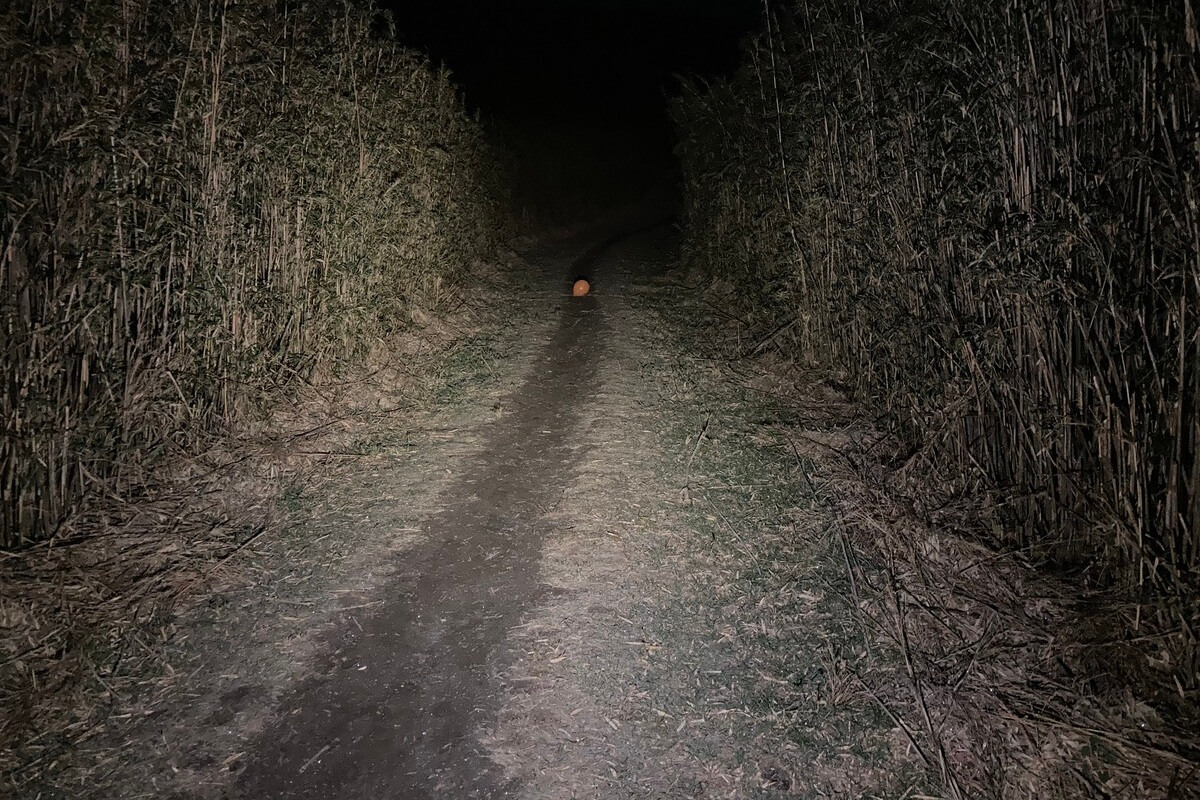
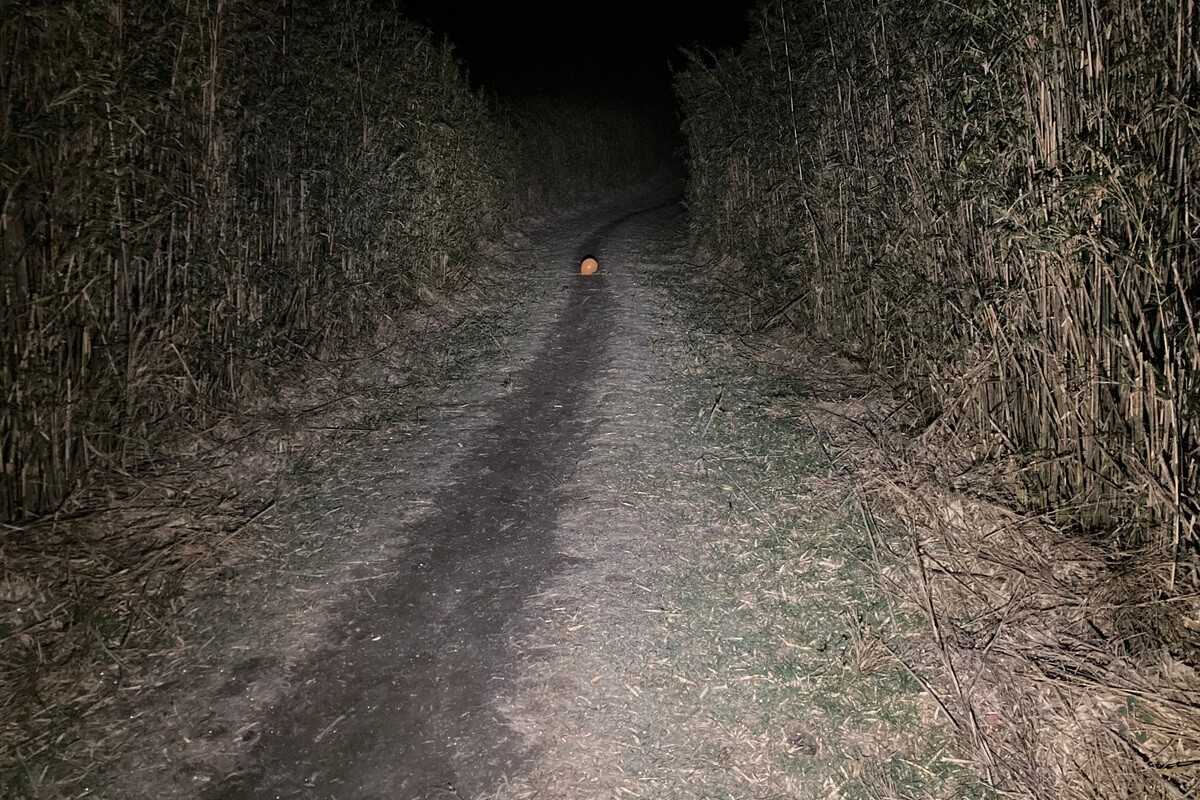
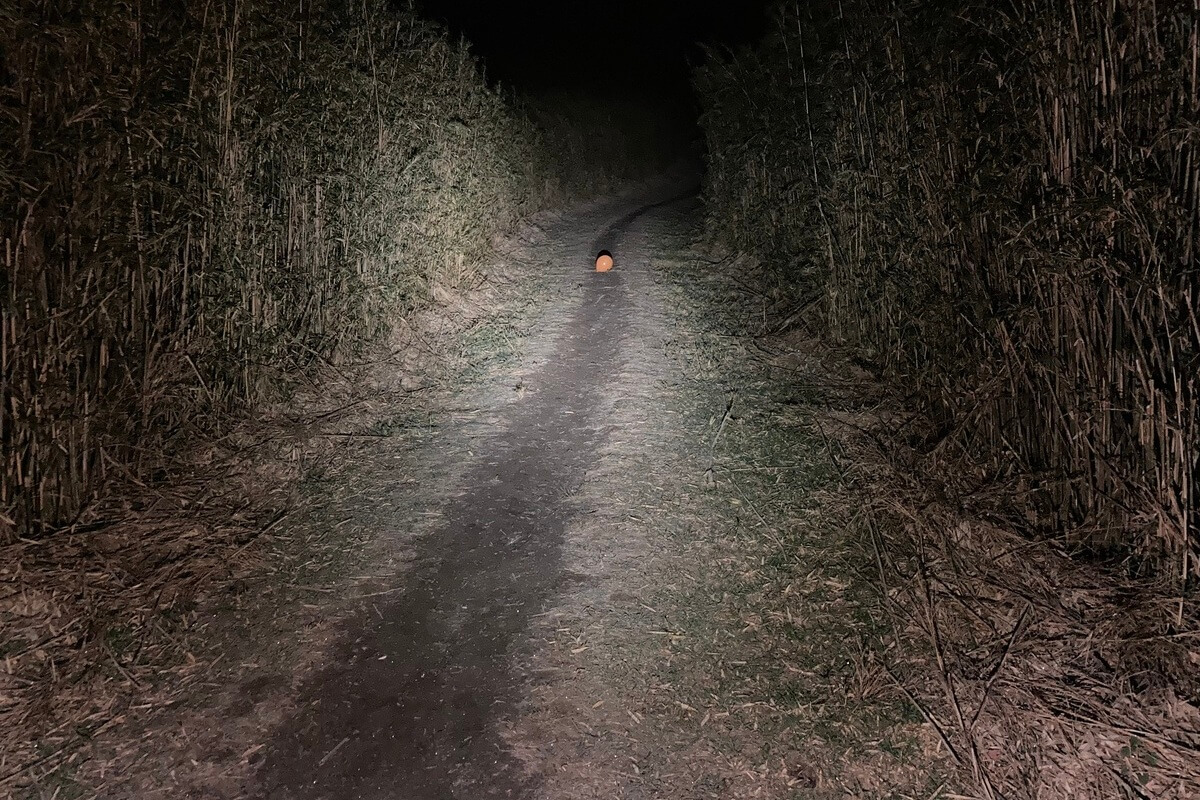
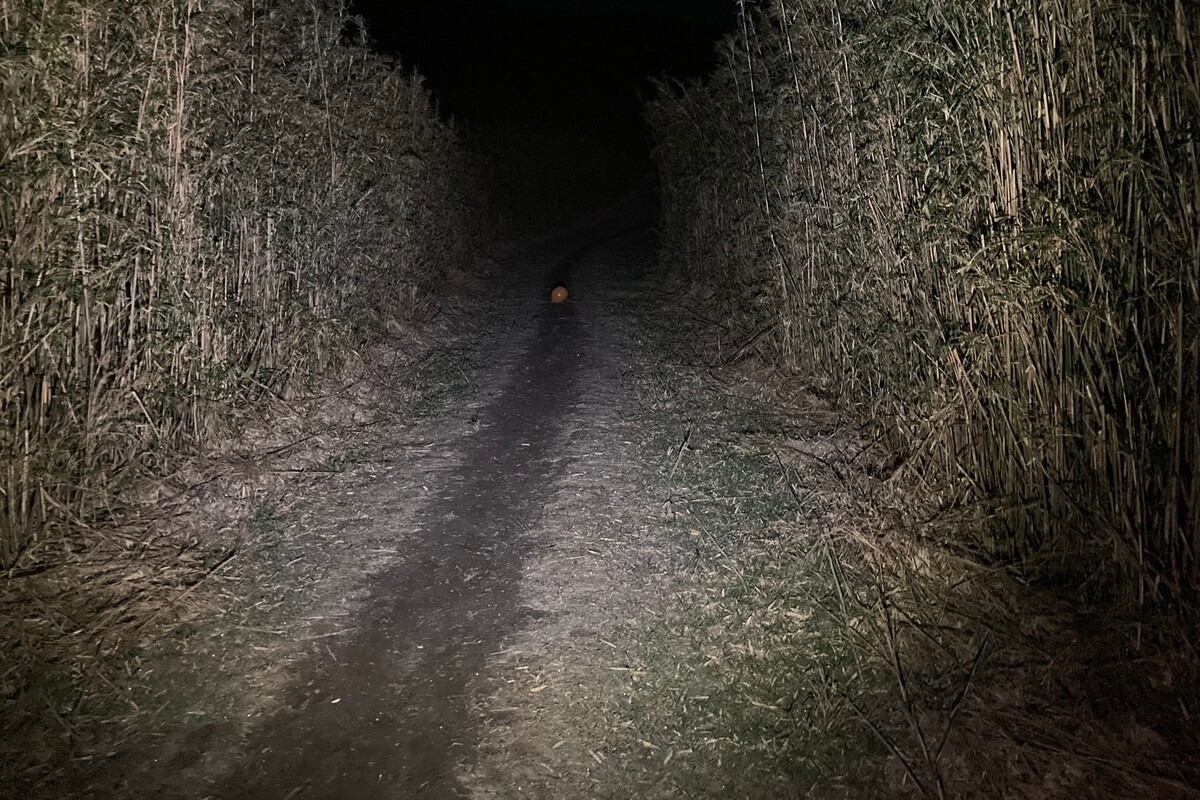
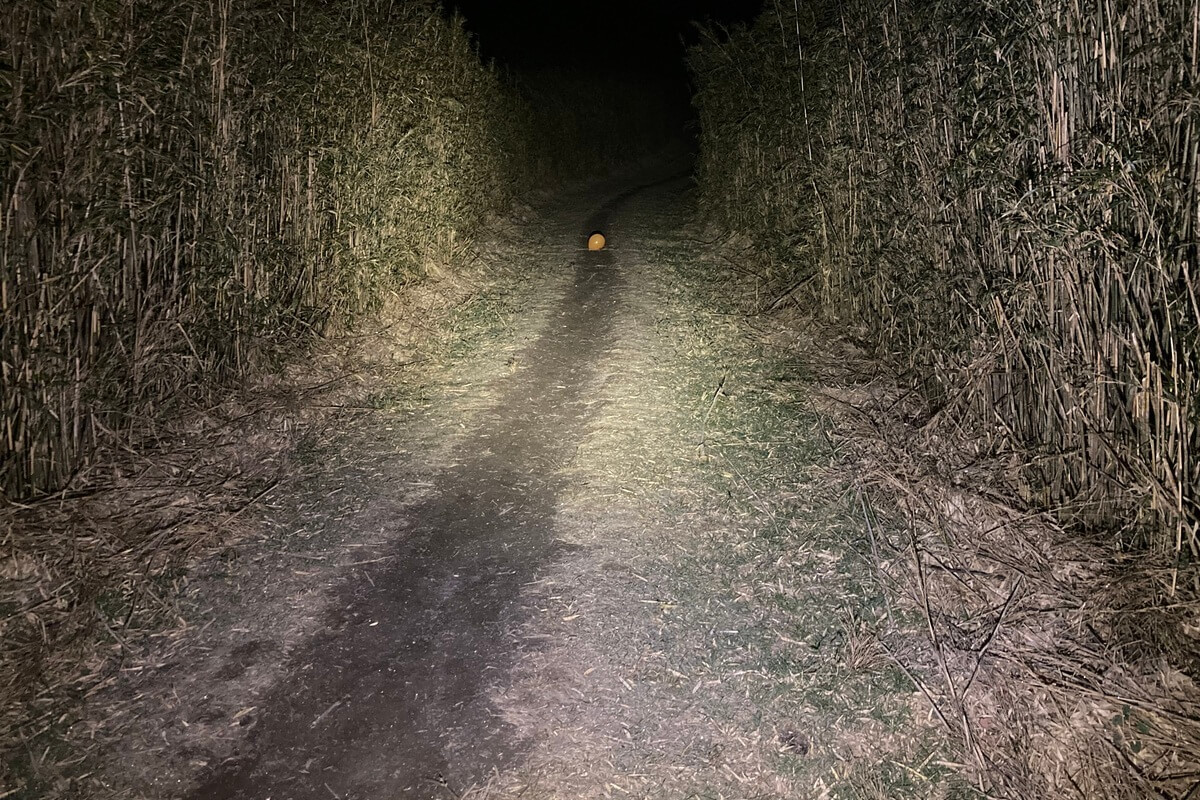

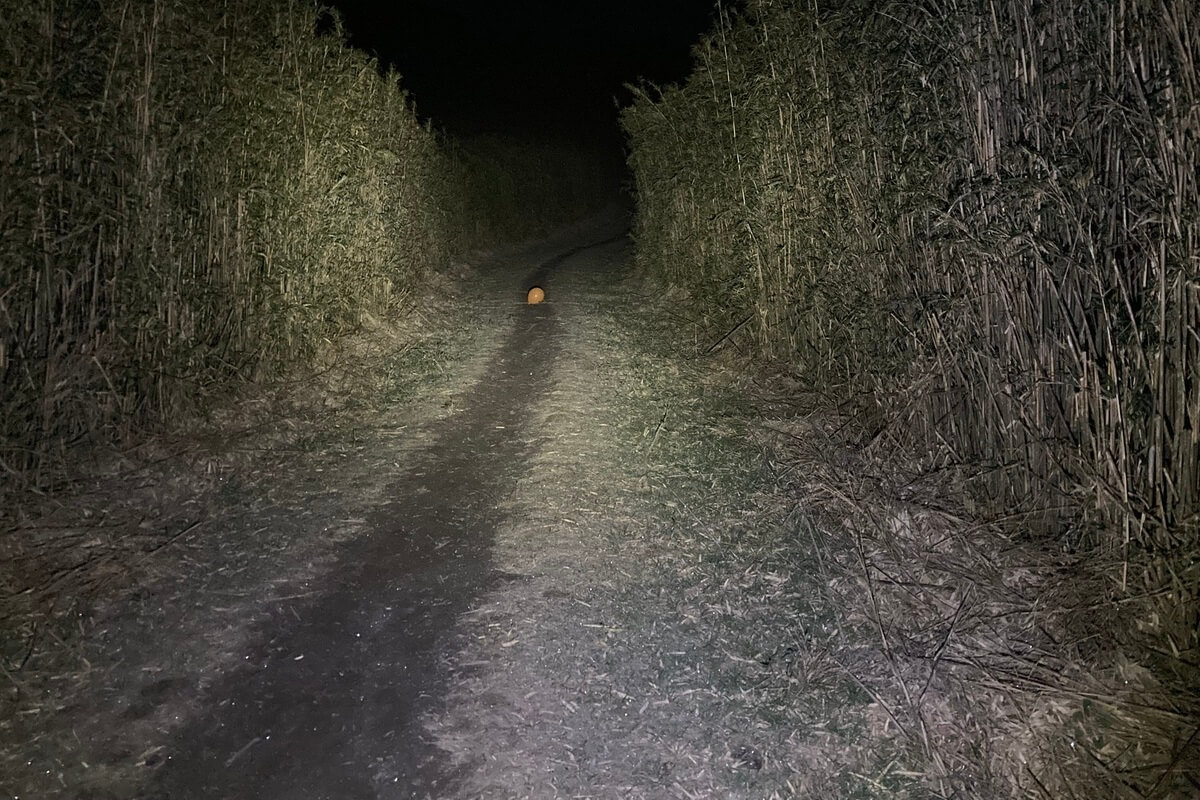
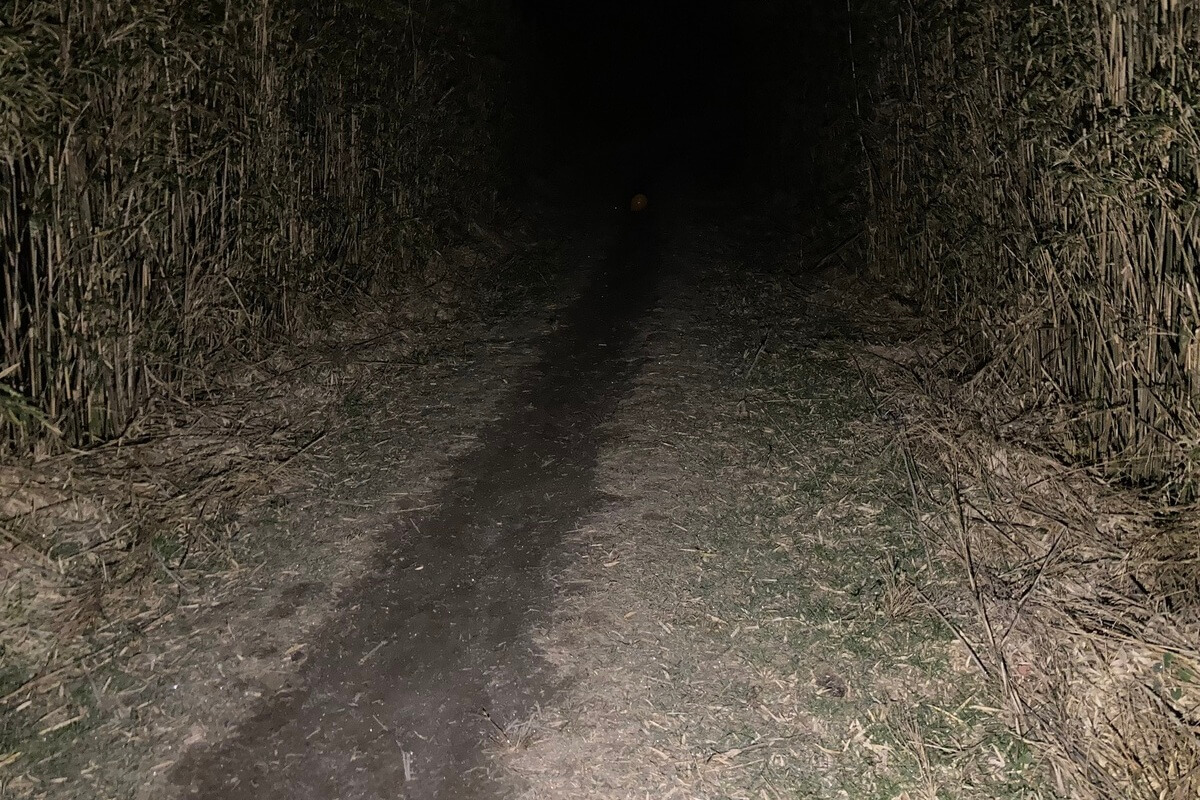
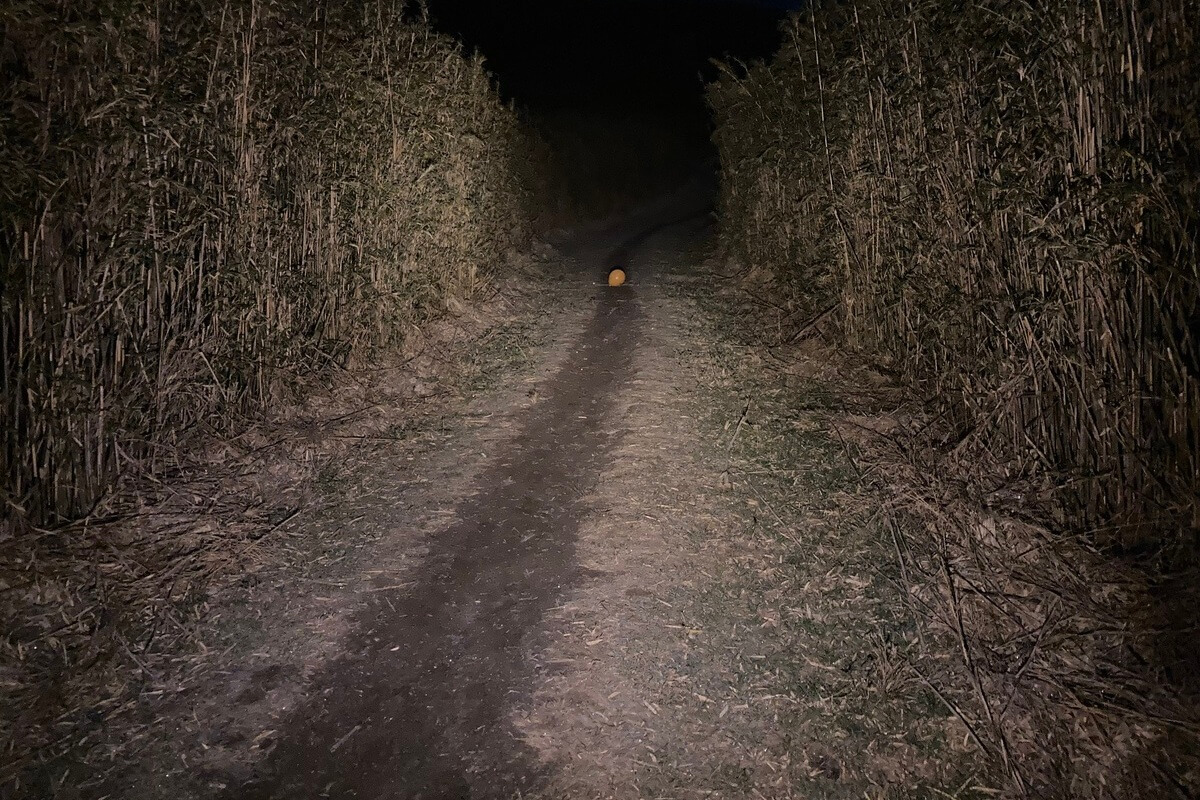
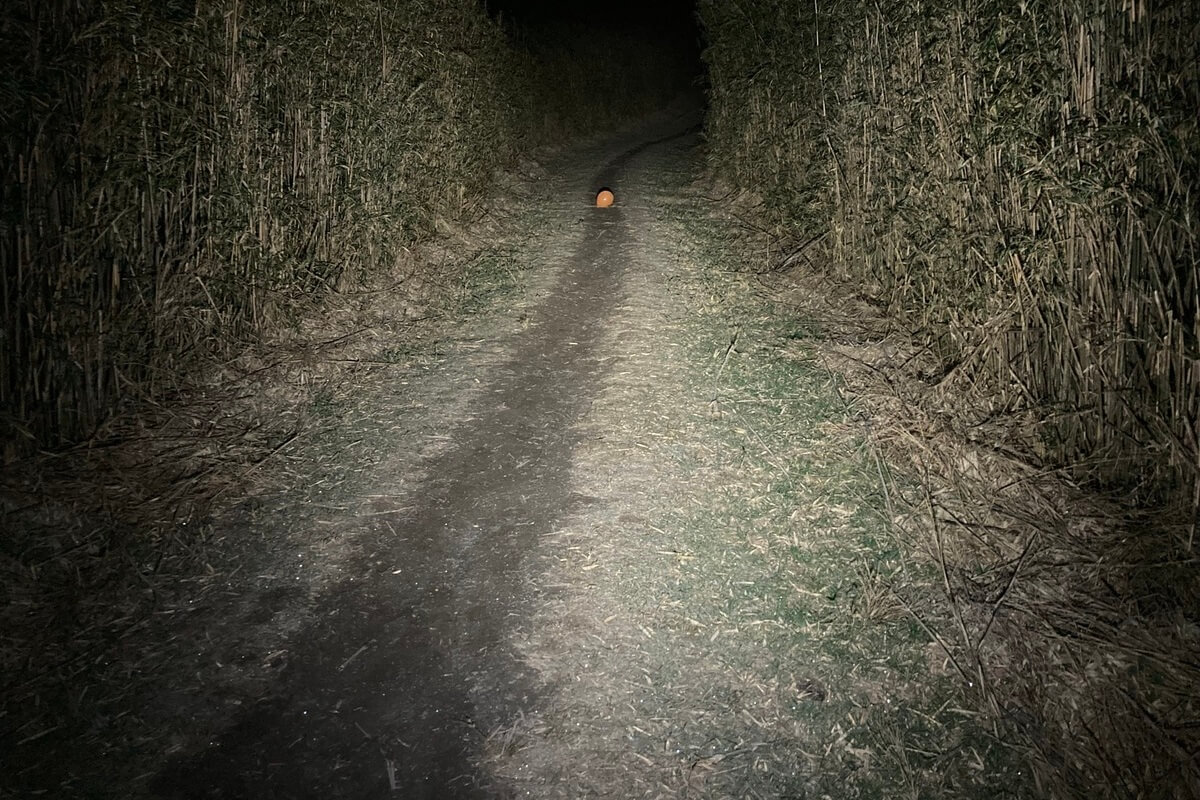
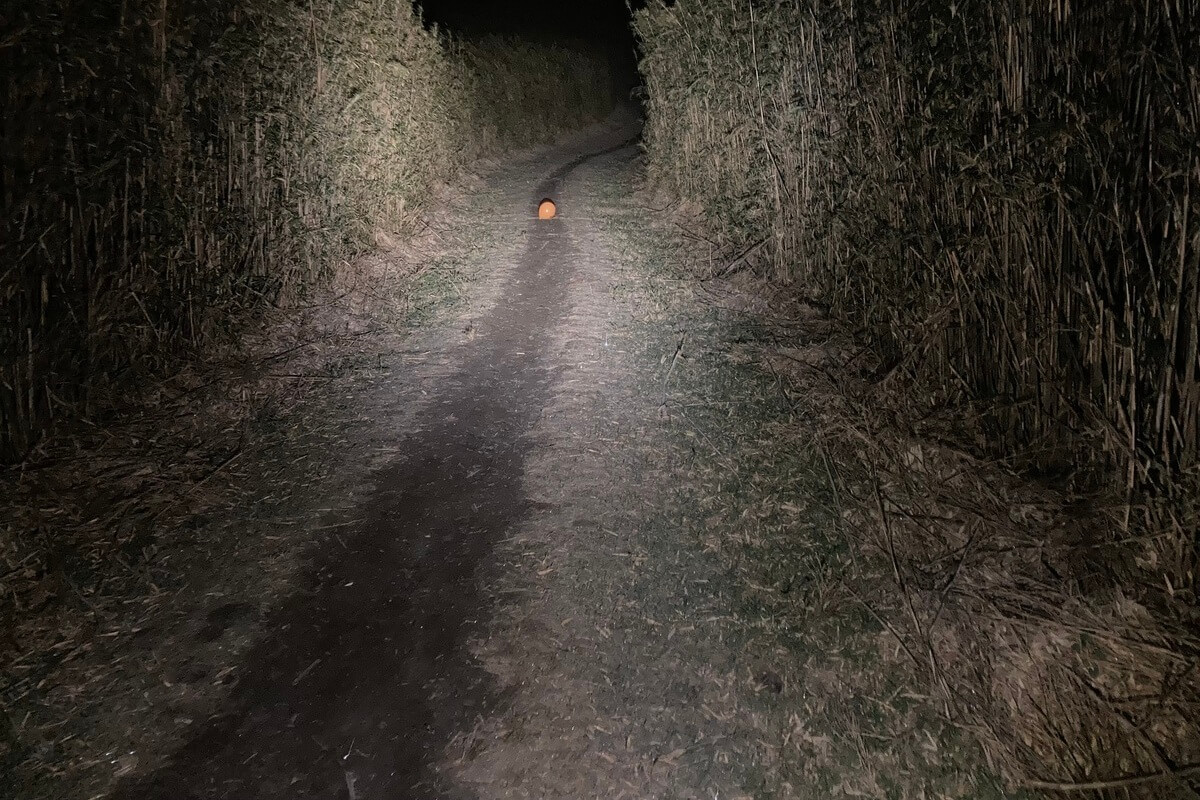
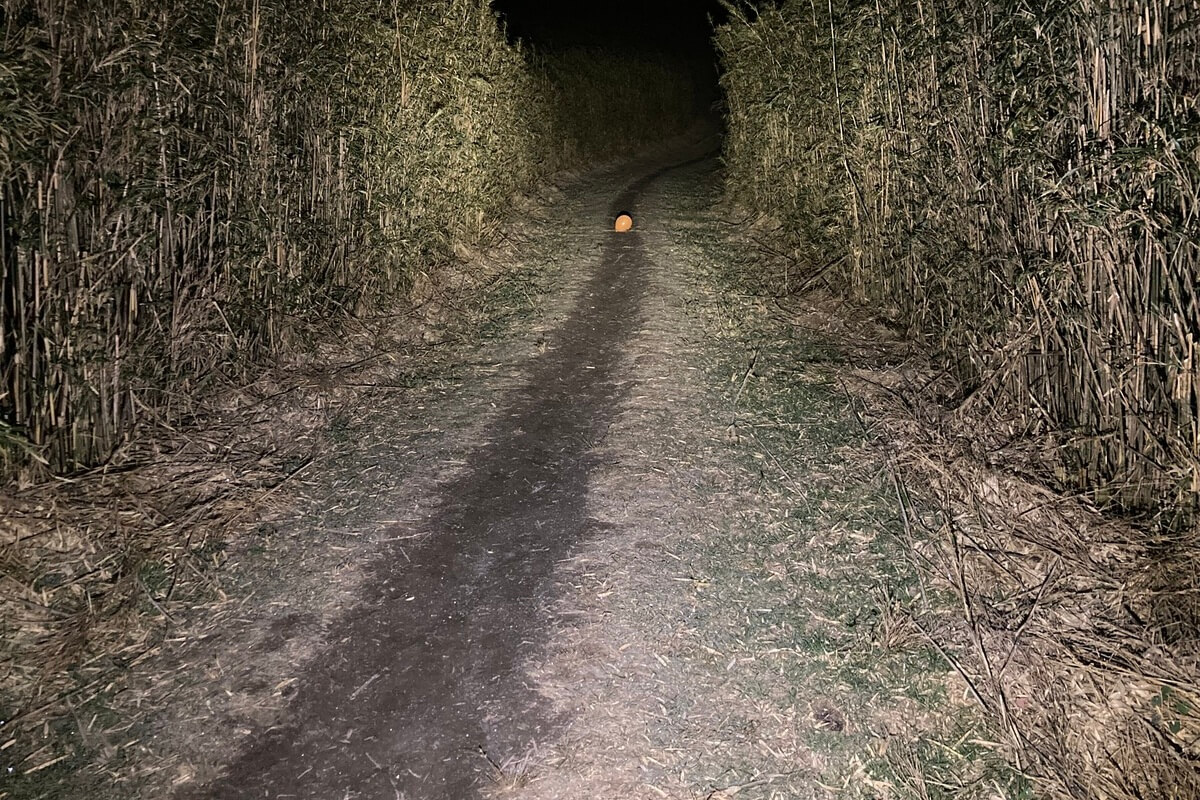
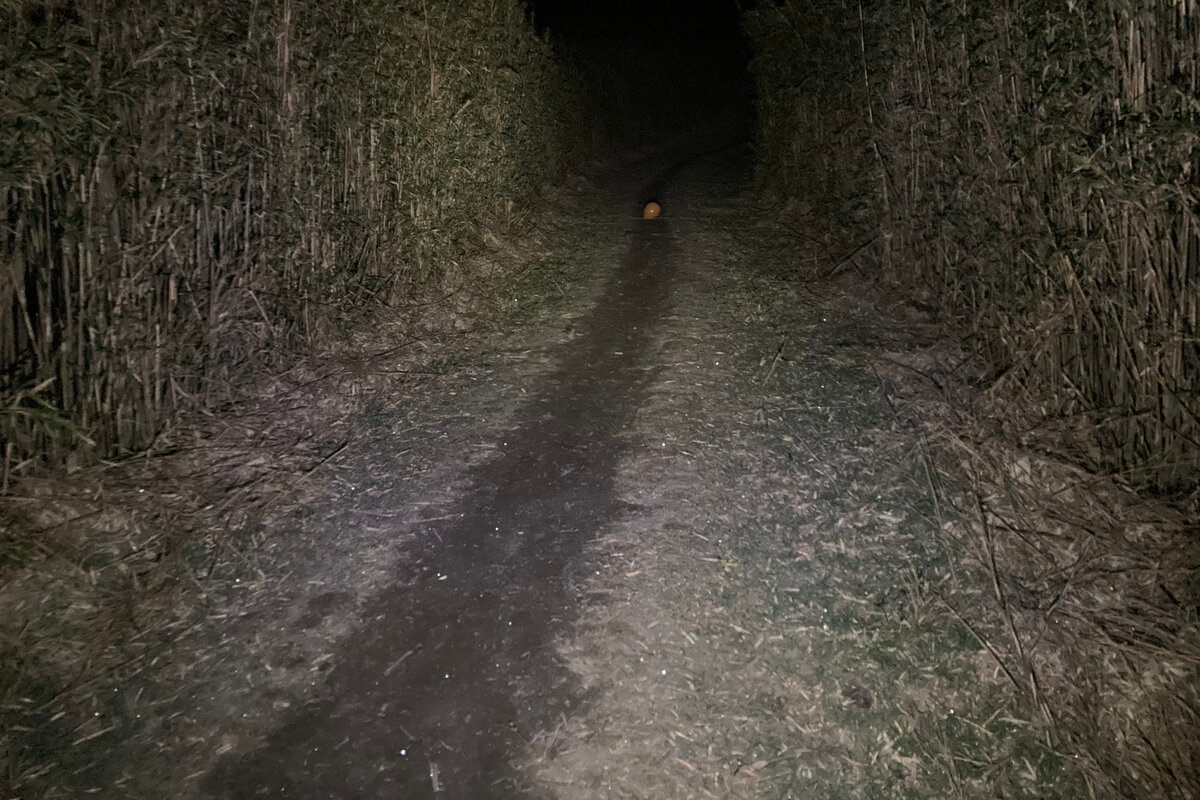
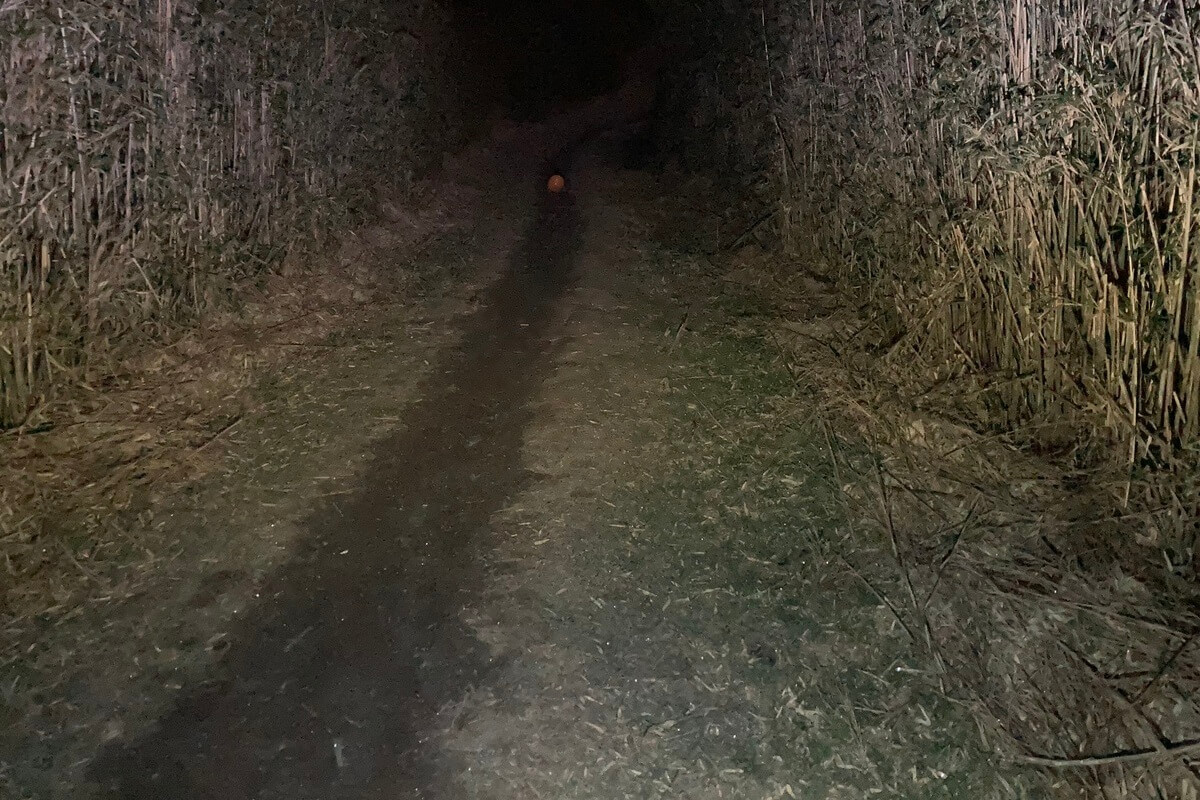
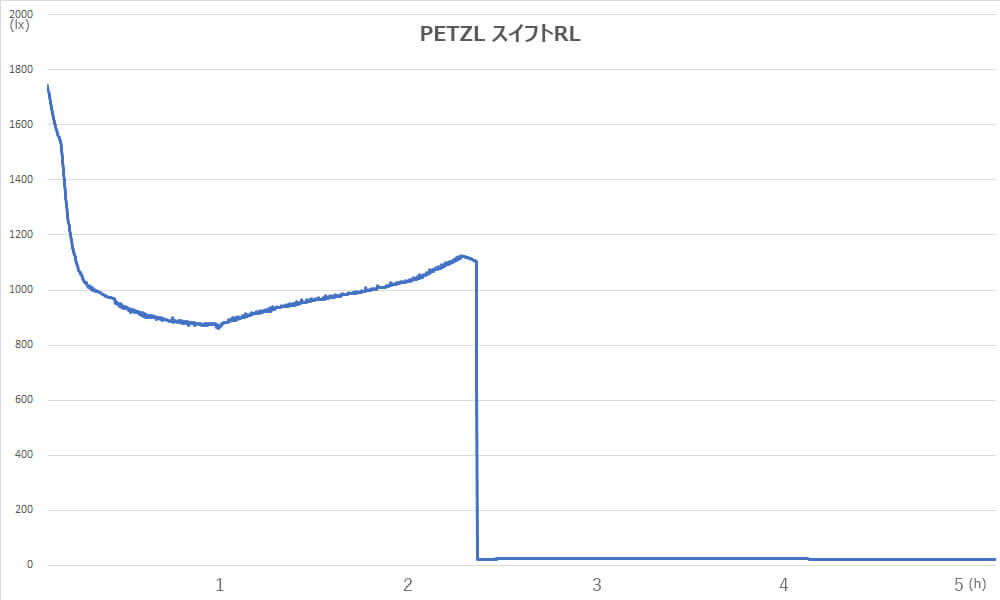
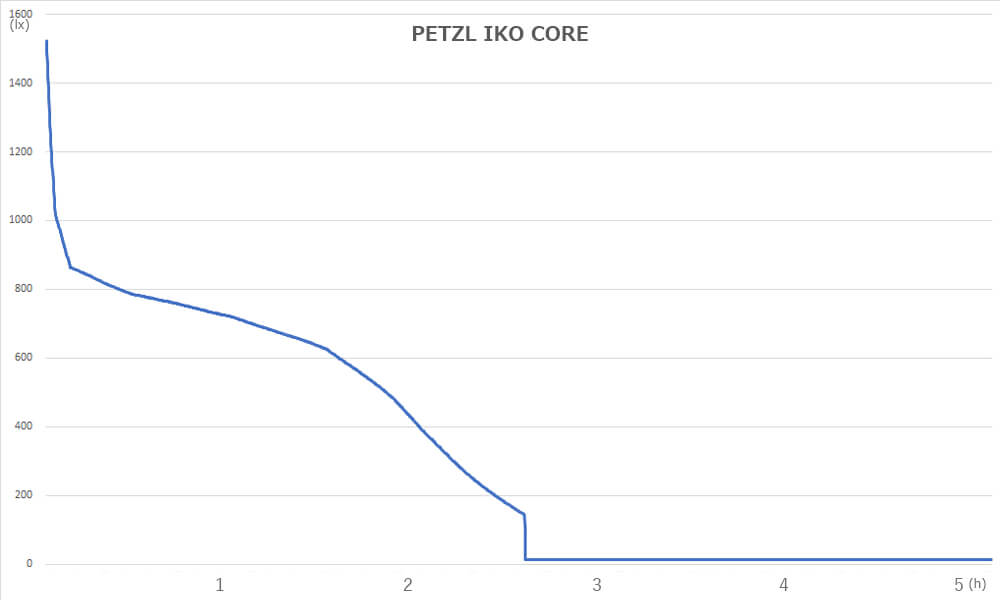
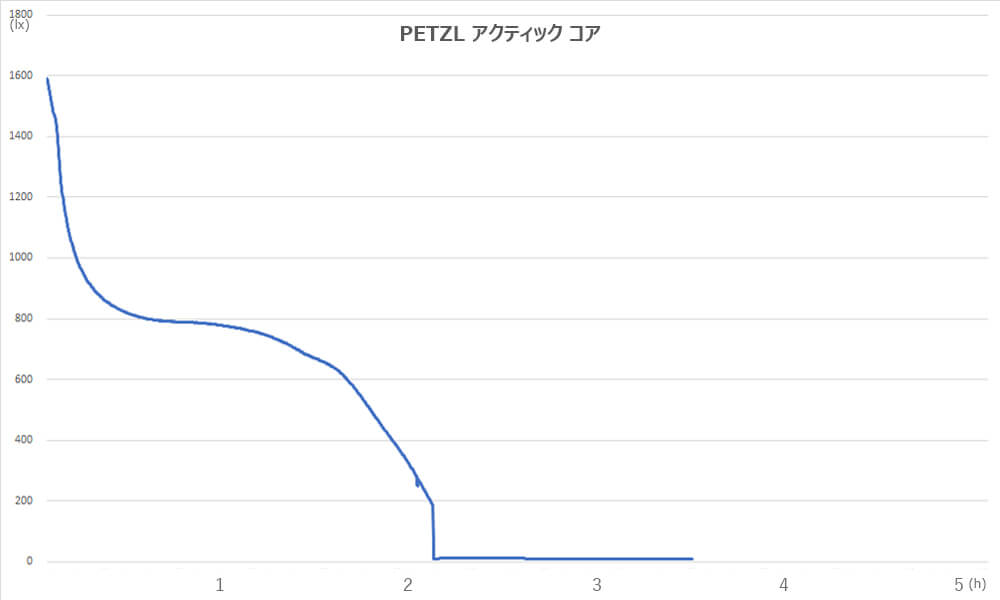
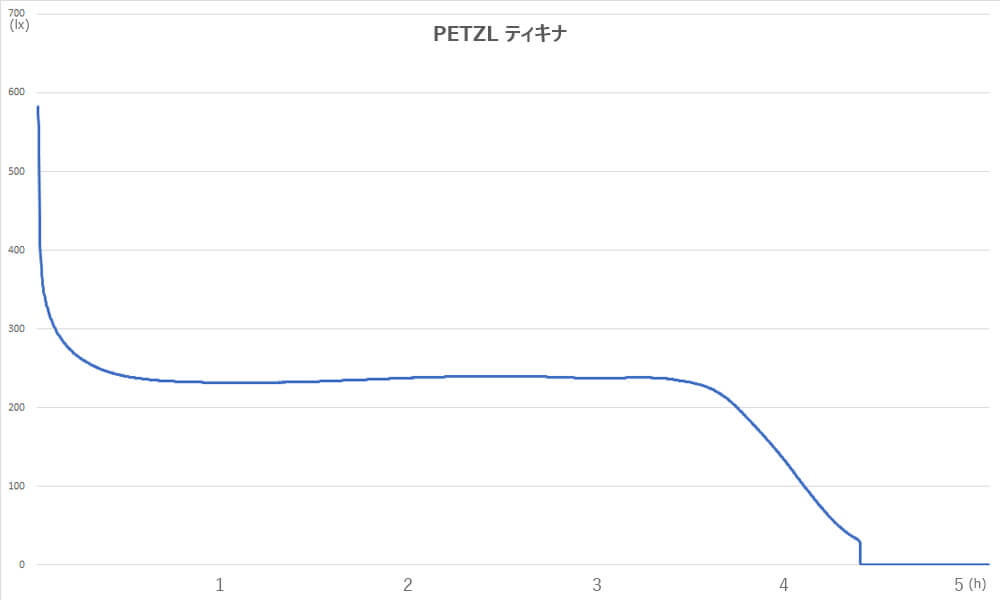
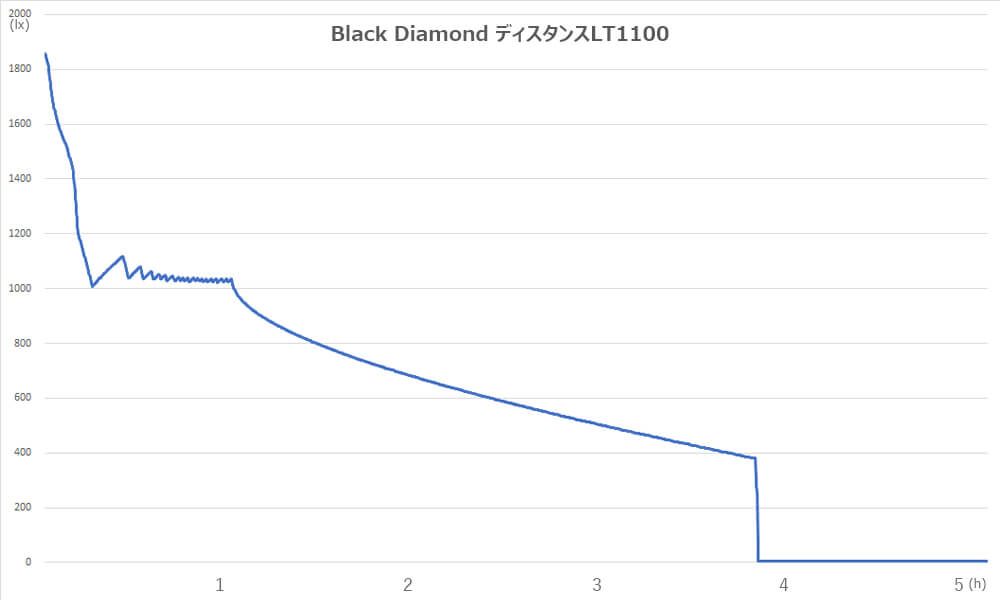
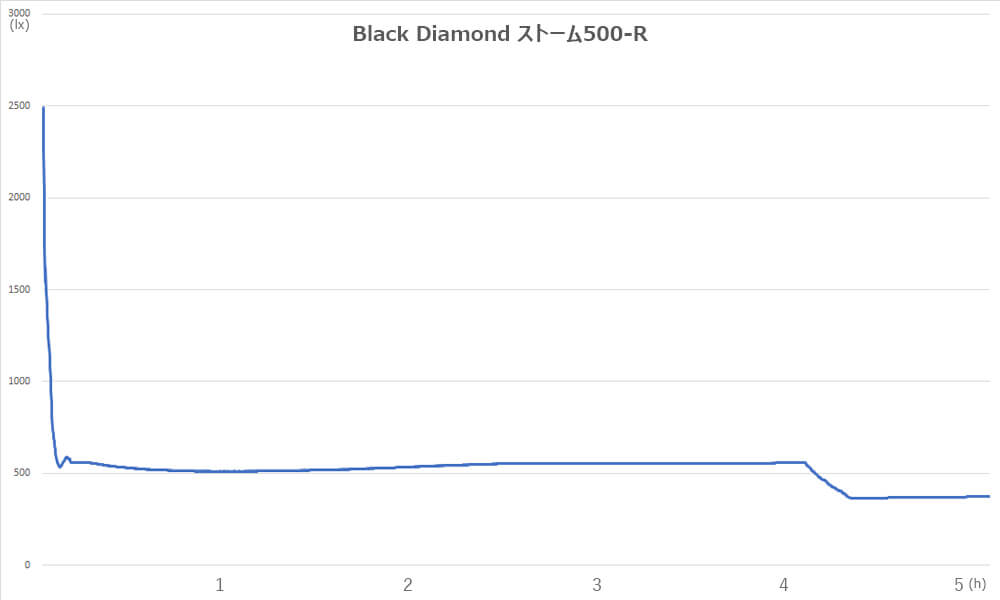
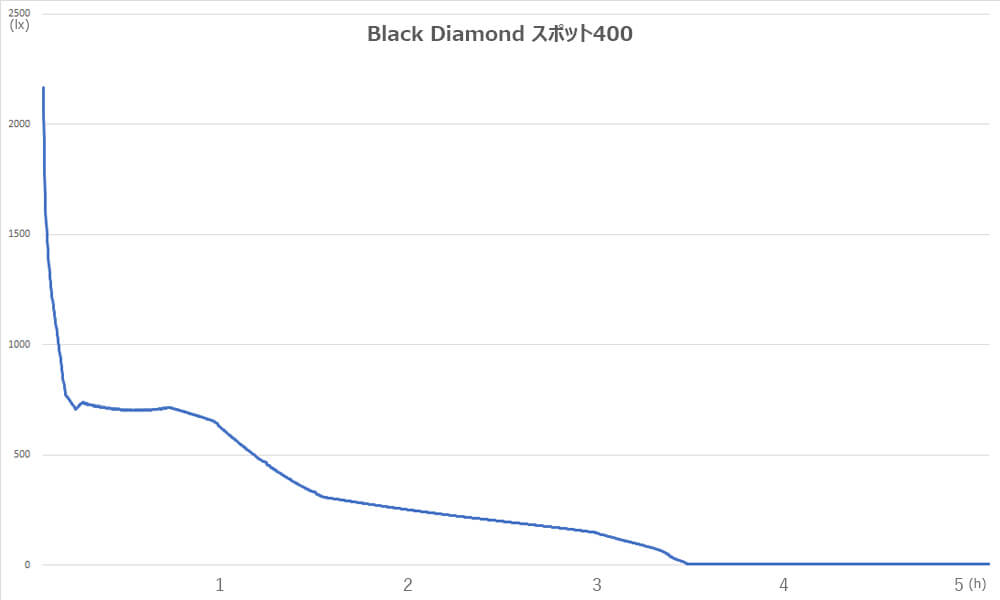
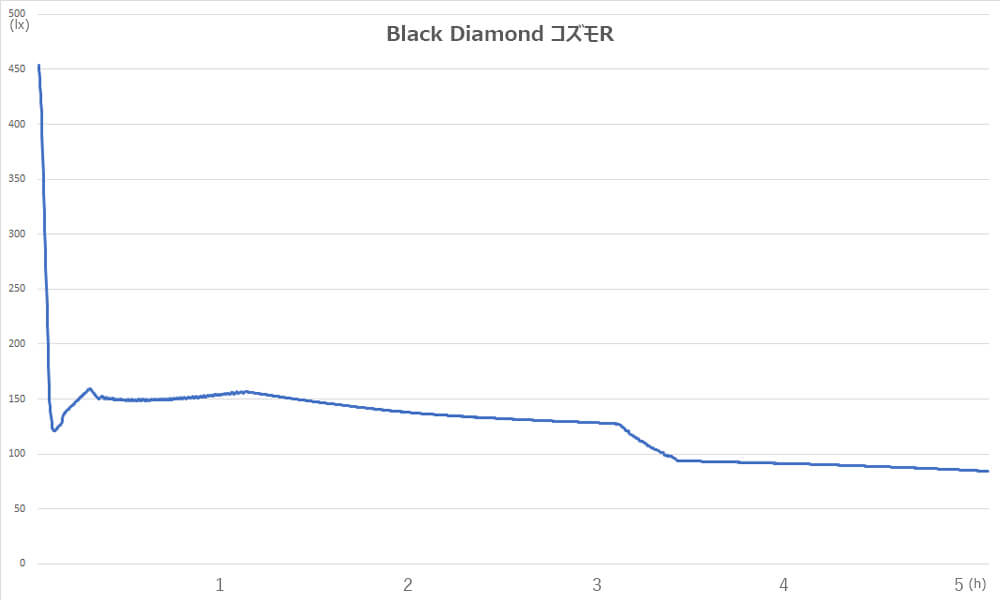
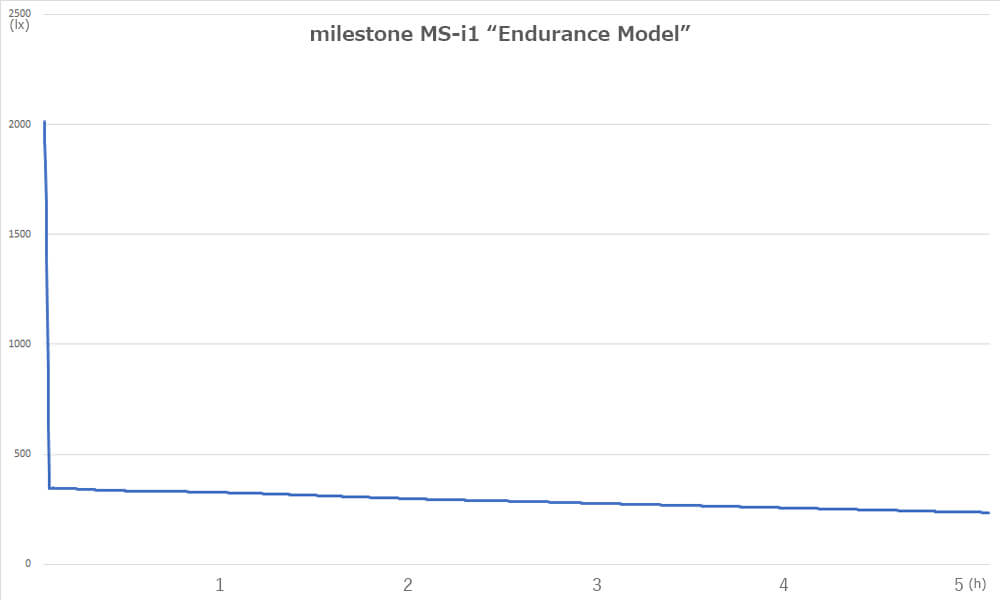
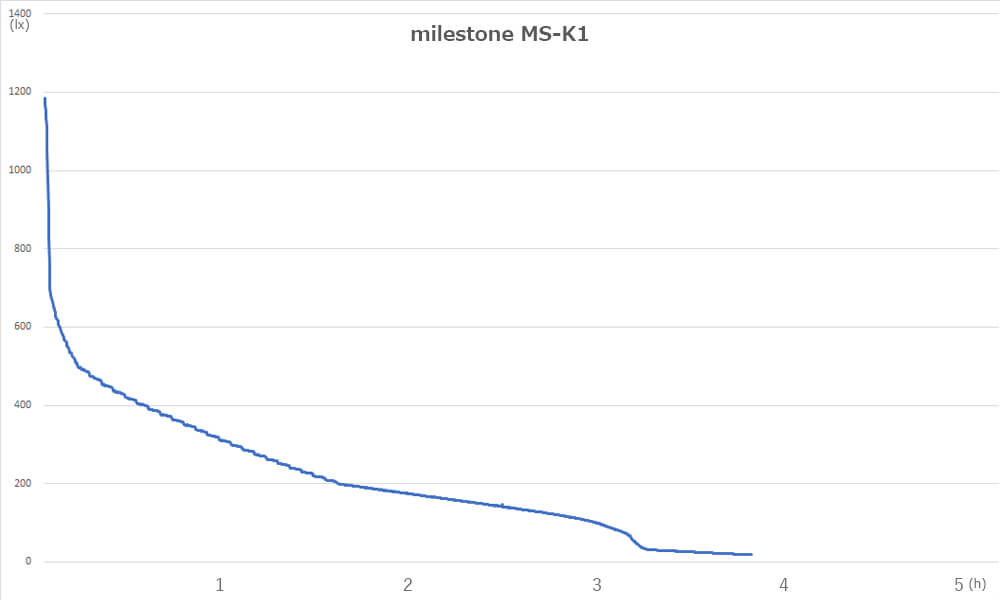
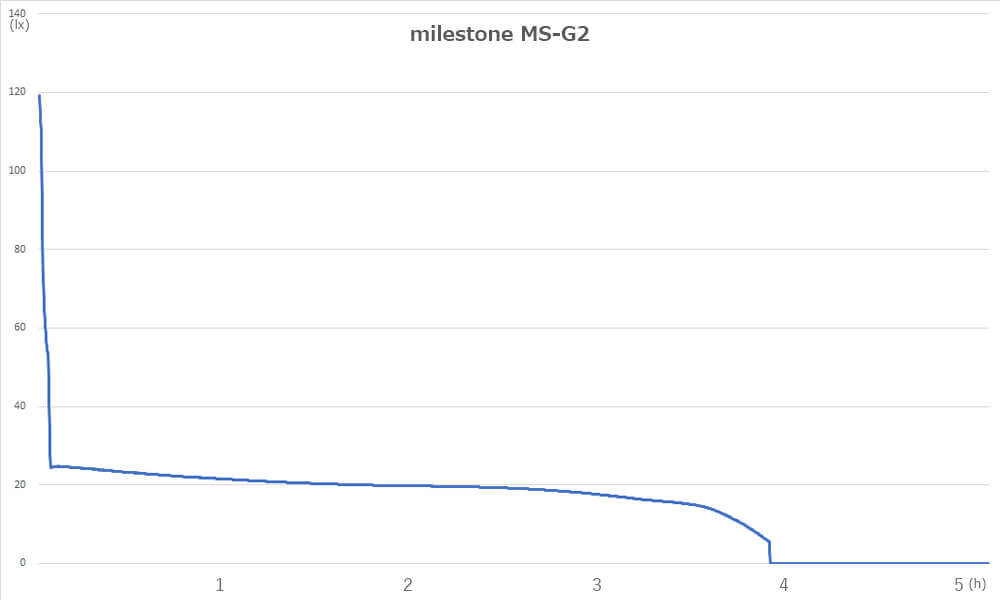
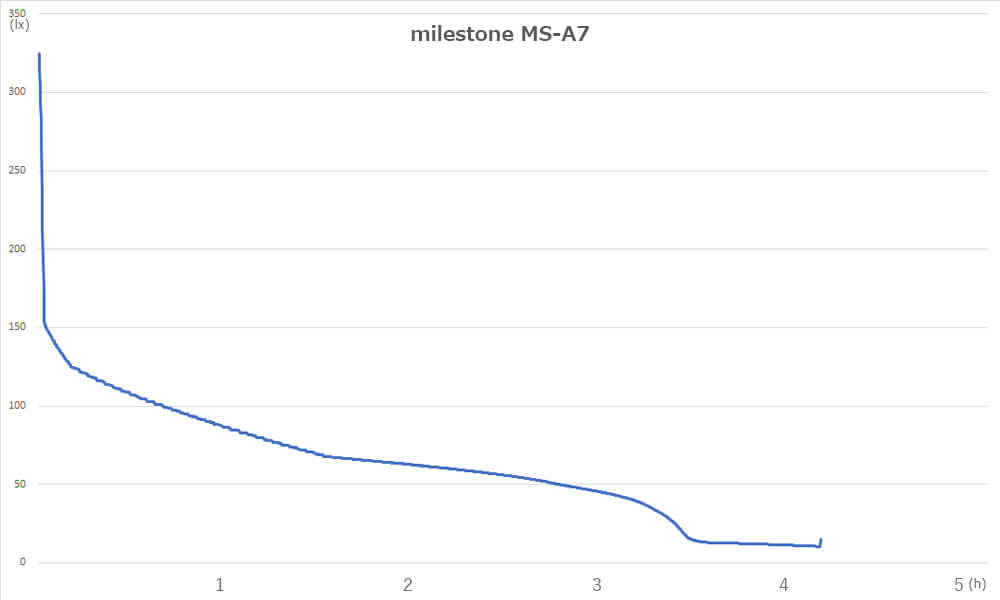
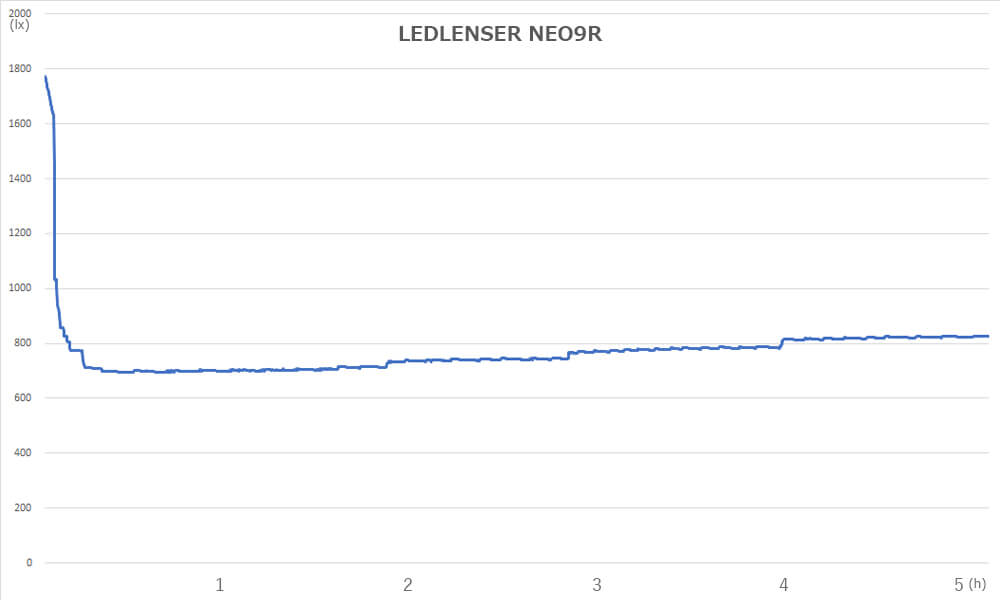
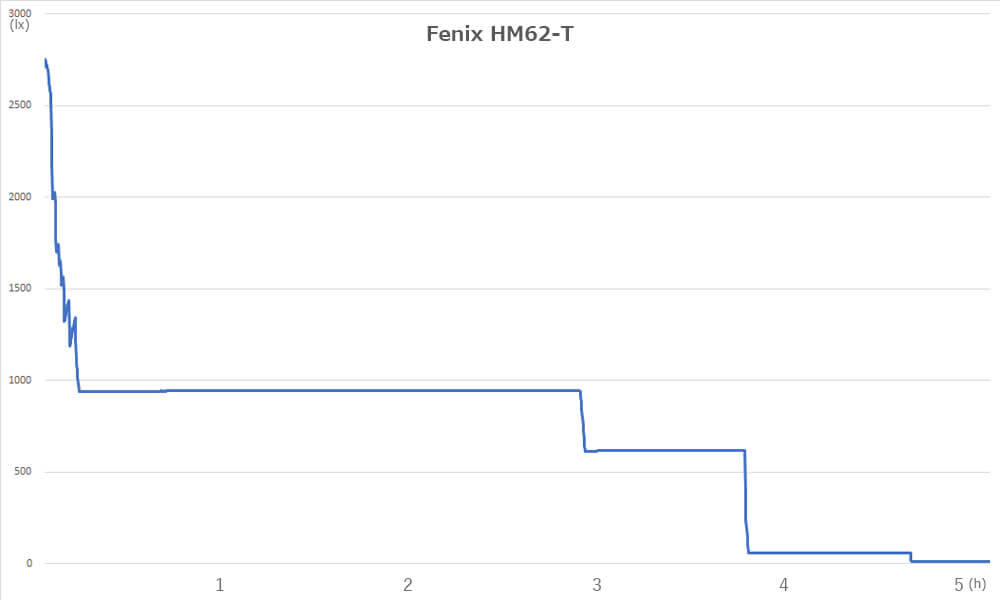
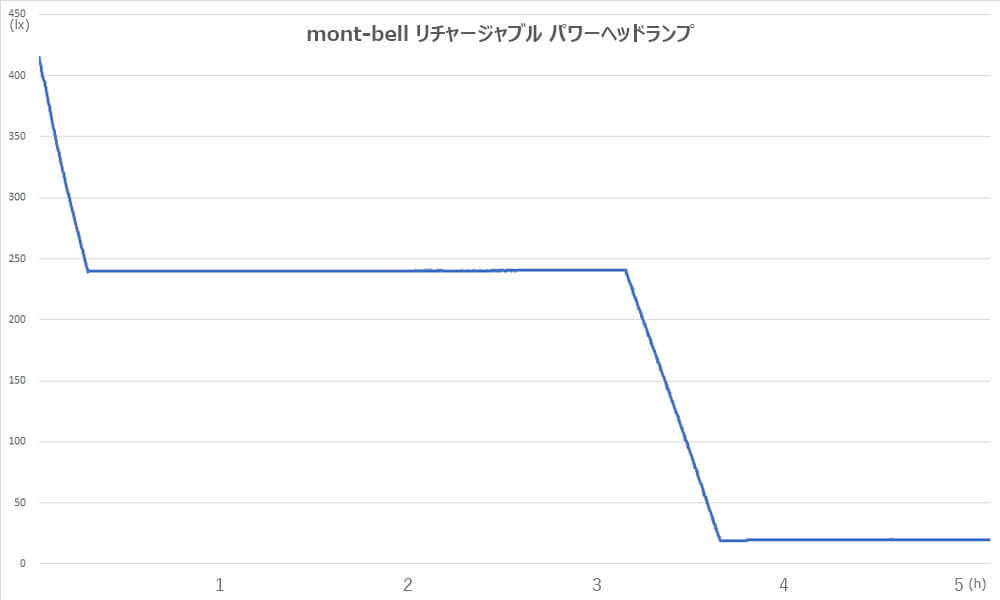
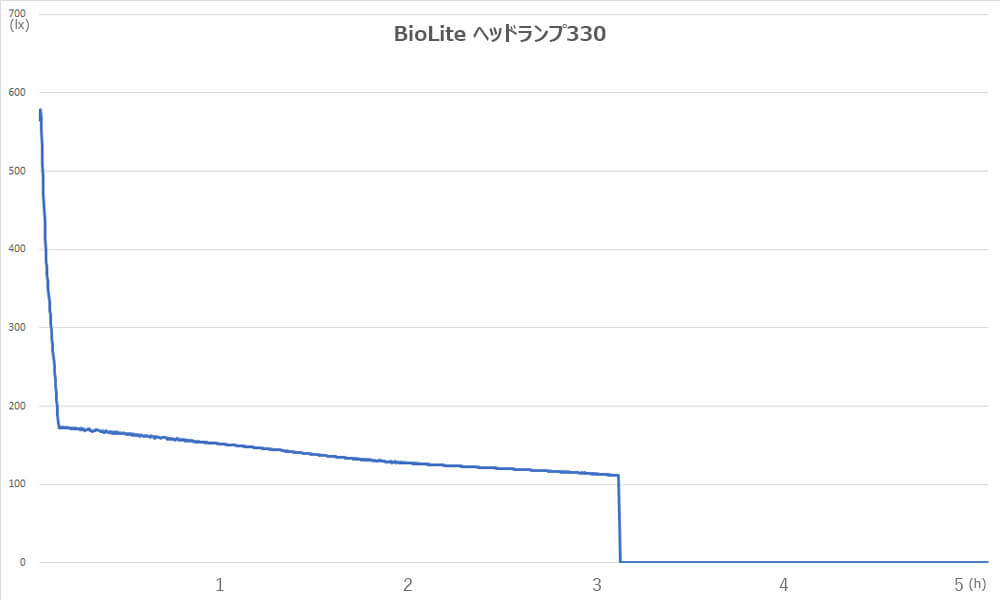
Regarding the measurement (graph) of irradiation time
The exposure time was measured by continuously measuring the illuminance (lux) for 5 hours (until it actually went out) when the light was shone in long-distance mode (maximum output excluding instantaneous and automatically controlled modes such as boost mode and reactive mode) towards a light meter on the wall 1.5m away
Even a slight deviation in the position where the light is shone on the sensor will significantly change the brightness measurement value (lx), so while this number itself is not completely useless, it is not useful for making precise comparisons between items
Since the position does not move during the measurement, the changes are reproducible to a certain extent. Please use this as a reference to determine the type of brightness change of the light
How to Choose the Right Headlamp in 7 Steps
Step 0: Determine what you will use your headlamp for, its main purpose and use
Before we go into detail about the points to consider when choosing a headlamp, it is important to clarify the purpose of the headlamp in order to avoid making a mistake when choosing one
For example, if you are in the mountains, the performance and features required of a headlamp will differ depending on how you will use it: do you want to illuminate nearby areas while camping, use it inside a tent during nighttime activities on an overnight hike, or use it to illuminate while going for a night run?
For speedy activities like running, you want to illuminate as far as possible, and a comfortable fit that doesn't shake even with vibrations is a priority, but if you're just using it as a light to illuminate a nearby area, such as when camping, it's better to have a light that illuminates the entire field of view evenly, even if it doesn't have to be that powerful. On the other hand, for overnight mountain climbing, you'll use it both while active and camping, so it's easier to use if it has multi-functionality that can illuminate both far and near evenly. Also, if you plan to use it near water, such as canoeing, stream climbing, or fishing, waterproofing is also a good idea
As you can see, the more expensive the headlamp, the better, but it's important to choose a higher quality model that has the right features for your purpose. Simply narrowing down your intended use will make it easier to choose a headlamp, so first make sure you know what it's for
With that in mind, we will now explain the key points to keep in mind when choosing a headlamp, from Step 1 to Step 6
Step 1: Check the brightness (light intensity) of the light
[Prerequisite 1] When comparing headlamp performance, check whether the product complies with the unified standard "ANSI FL1 STANDARD."
It's not something most people think about, but when you actually try to compare the performance of headlamps, it's not as easy as you might think. The reason is that it's difficult to strictly define what conditions and what constitutes a light being "on." For this reason, until recently, each manufacturer had their own standards for lighting distance and duration, making it virtually impossible to compare products from different manufacturers
ANSI FL1 STANDARD has been gradually introduced . This makes it possible to compare performance across manufacturers. ANSI (American National Standards Institute) is the organization that sets industrial standards in the United States, and the FL1 Standard is one of those standards that evaluates the performance of flashlights.
Developed primarily by PLATO, an industry association that includes lighting manufacturers such as Petzl, Black Diamond, and Princeton Tech, the standard defines metrics for headlamp brightness (lumens), beam distance, drop resistance, waterproofing, etc. Manufacturers that adopt the standard measure their models against a common standard and display these values with a standardized icon.

A typical icon design example for the ANSI FL1 STANDARD. From the left: light output, beam distance, duration, maximum brightness, impact resistance, and water resistance rating
Currently, with the exception of a few Japanese manufacturers, all major headlamp manufacturers around the world display specifications in accordance with this standard, making it much easier to compare performance than it was a few years ago
Understanding the ANSI FL1 STANDARD icon design will make it easier to compare headlamps
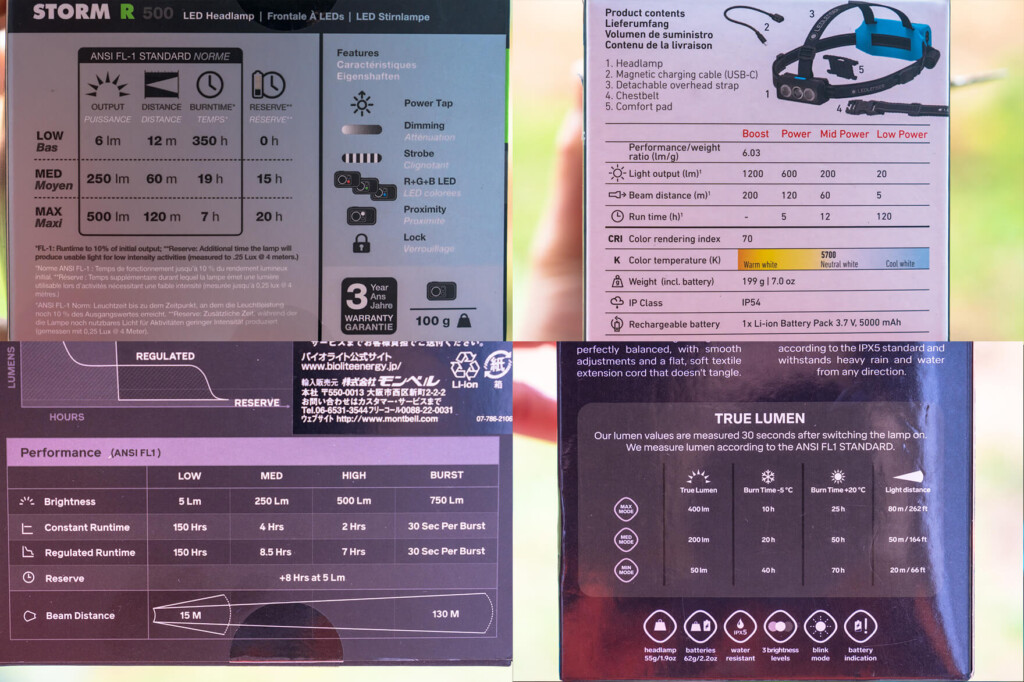
Each manufacturer uses an icon with a slightly modified design, but the presence or absence of the "ANSI FL1 STANDARD" markings indicates whether the model displays specifications that conform to the ANSI standard
However, it is true that even this unified standard is not yet perfect as a basis for comparing product quality. With that in mind, we will now explain in more detail the key points to consider when choosing a headlamp
[Prerequisite 2] Know what the "lumen" indicator, which indicates the brightness of a headlamp, indicates
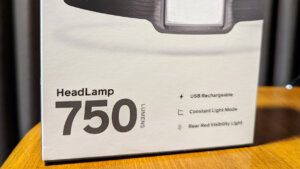
Currently, the brightness of headlamps is measured in lumens (lm) , a unit of light output. This value is displayed in the most visible part of the packaging of every headlamp, so it's probably the first number you'll notice (see photo).
The unit lumen refers to the total amount of light (luminous flux) emitted by a light source, that is, the total amount of light (energy) emitted in all directions from the light source. Generally, the more lumens, the brighter the light and the more power it consumes
Know how much brightness (light output) you need
The brightness of headlamps currently on the market varies from around 20 lumens for emergency use to high-intensity models with over 1,000 lumens
As for how much brightness (maximum output according to the specifications) I need, this is just a rough guide, but from experience I feel that for camping, day hikes, and overnight hikes that don't involve nighttime activities, at least 100 lumens is necessary, and anything more than that is even better . *Of course, this is the maximum output displayed, and it doesn't necessarily mean that that amount of light is required in actual use.
On the other hand, if you want to use it comfortably in the winter mountains or at night, you'll need at least 300 lumens. The brighter it is, the more comfortable it will be to move around. Higher output means higher power consumption, weight, and price, so it's important to find a balance when choosing.
The brightness of a headlamp cannot be simply evaluated by the lumen value alone. Be sure to check not only the lumen size but also the "irradiation distance."
However, there is one problem. While the idea that "looking at the lumen number will tell you how bright a lamp is" is generally correct, it is actually insufficient. This is because lumens are the " total amount of light emitted in all directions from a light source, " and therefore have no relation to "how bright the area you are looking at actually appears."
Let's use the photo below as an example. The left and right photos are both illuminated by lights with the same output of 400 lumens, but the light on the right is illuminated over a wide area, making it appear darker. On the other hand, the light on the left is concentrated in the center, so the center extends much farther than the light on the right, and the illuminated wall also appears brighter. In other words, the amount of light output does not simply mean apparent brightness . Even lights with the same number of lumens can have such a big difference in appearance.
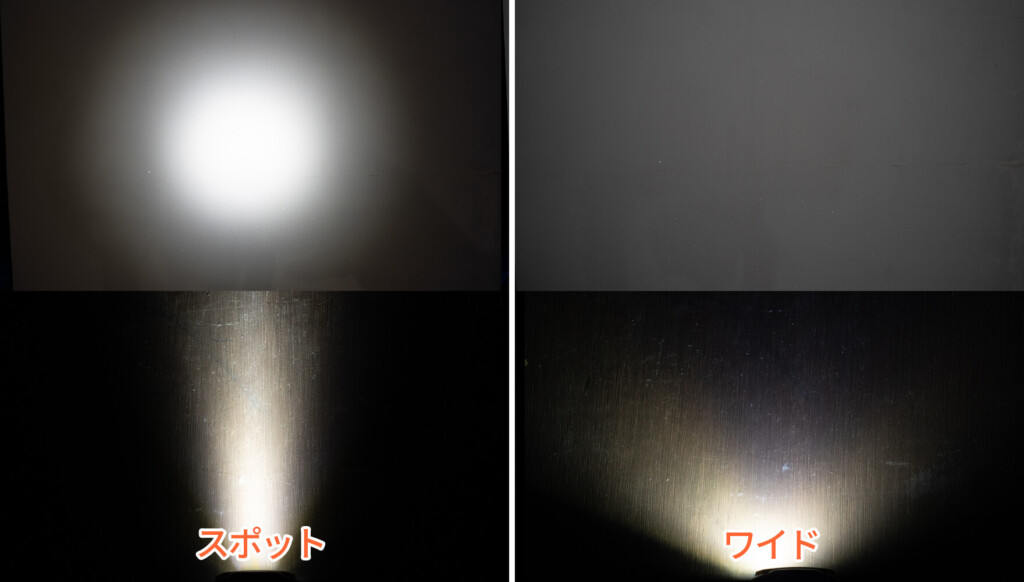
Even with the same 400 lumens of light, the shape of the light will be completely different depending on whether you are trying to illuminate something far away or a wide area close by
For this reason, when considering the brightness of a light, important to consider not only the lumen value, but also the "beam distance," .
While lumens indicate the total amount of light from the light source itself, "beam distance" literally how far that light reaches . Naturally, the question arises as to what "light reaches."
The ANSI FL1 STANDARD mentioned earlier defines this as "a state in which the light is illuminated by at least the brightness of full moonlight (0.25 lux*)." This illumination distance, along with the light output (lumens), is often listed on the packaging or in the instructions. *Lux is a unit of measurement that expresses the brightness of a surface illuminated by light
As shown in the photo above, the illumination distance is not necessarily proportional to the lumen size. Even with the same lumen, the illumination distance can be longer or shorter depending on the performance of the lens and reflector, and the illumination characteristics such as wide beam or spot beam
Just because a light can be focused into a small, narrow spot does not mean it is better. For example, LEDLENSER has several models with a "focus function," which are excellent at focusing light into a single, narrow spot, so they can be said to have excellent brightness when it comes to the brightness of that spot alone. However, on an actual trail, even if you focus the light that narrowly, it will just be difficult to see, so there is no point in comparing brightness alone
In any case, the longer the illumination distance, the further into the road ahead you can see, making it useful for route finding on trails at night. Imagine what it's like to be heading back down the mountain on a day when you absolutely have to go home, as sunset approaches. A headlamp that can illuminate the road ahead widely and far gives you peace of mind
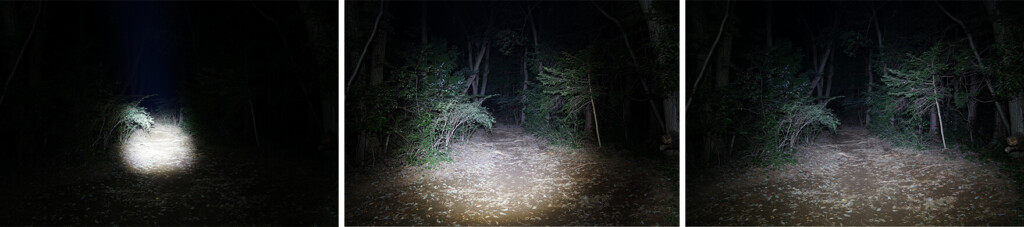
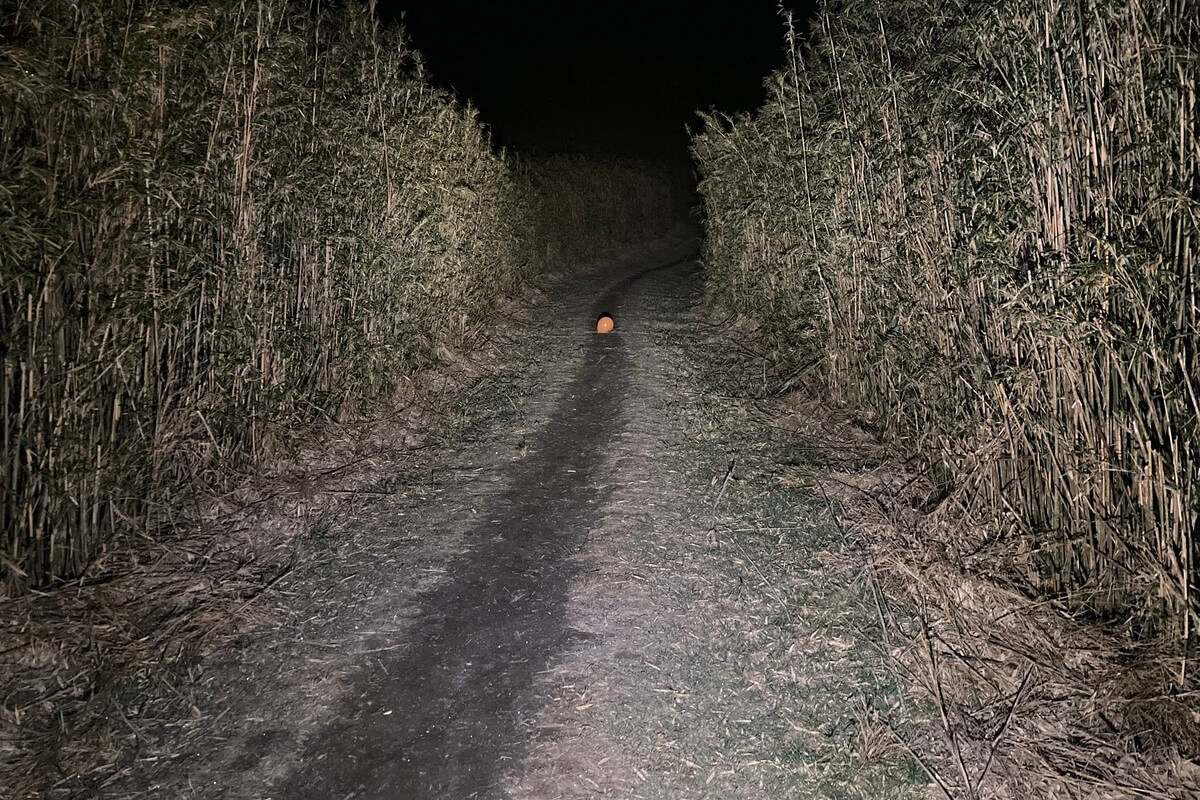
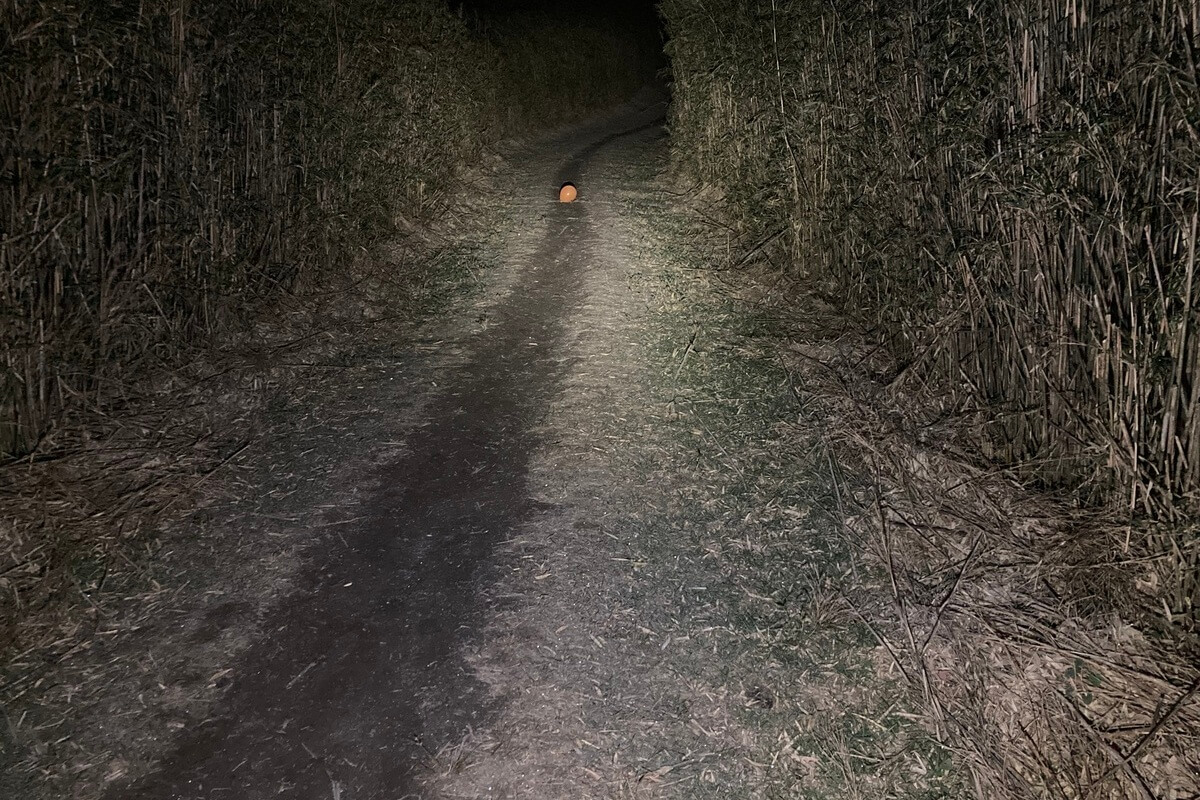
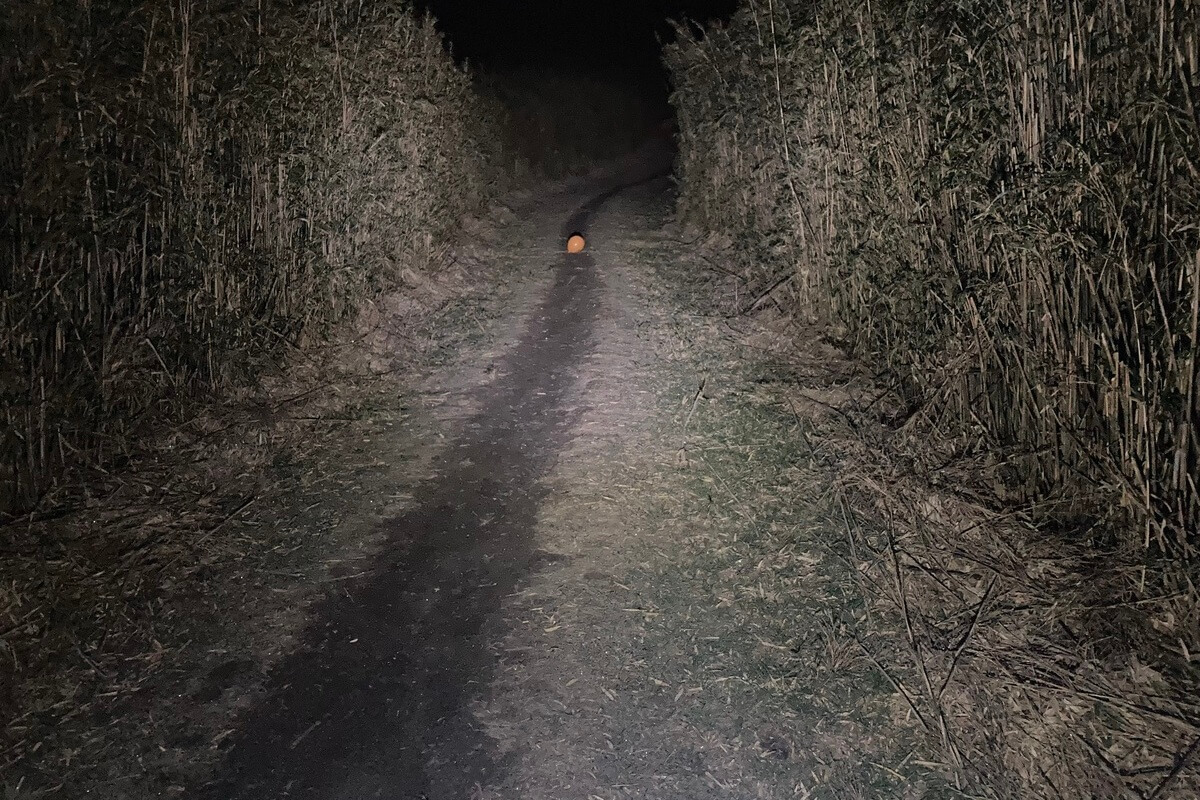
When you try shining different lights on the same trail, you'll see that it's not enough to just have a long reach. The ideal light is one that provides a balanced light that also covers your feet and the surrounding area
By combining the "light distance (m: meters)" and "light output (lm: lumens)", you can finally get an idea of the overall brightness of the headlamp
In reality, there are headlamps that have the same light output but have a lighting distance that is nearly twice as long, so when comparing the brightness of headlamps, it is important to compare brightness comprehensively in terms of both lumens and lighting distance, rather than just comparing the light output value
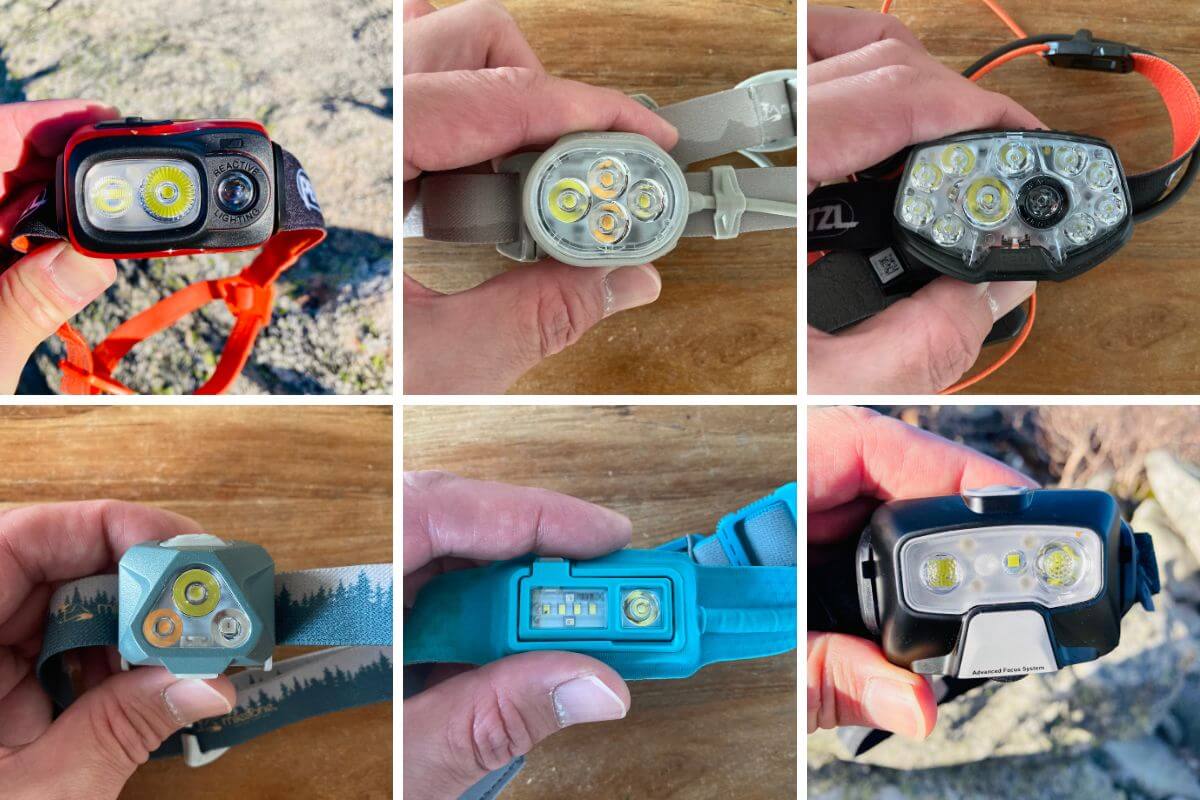
The lens and reflector determine whether the light reaches far or spreads to nearby areas. The performance of these parts determines whether the light is efficient, flat, and easy to see
Step 2: Check the type and mode of light that can be emitted
Choose the appropriate beam type depending on the area you want to illuminate (application)
If you want to read the text in your hand, illuminating one point too brightly will make it hard to see, and if you want to illuminate a road at night, but can only illuminate your immediate surroundings, it will be difficult to find your way. As you can see, the type of light required varies depending on the situation, even in dark times
With the exception of some entry-level models, outdoor headlamps come with multiple light modes to provide lighting suited to a variety of situations. Below we will first summarize the features and suitable uses of each mode (which are called different names depending on the manufacturer)
| type | Wide (short distance) beam type | Spot (long distance) beam type | Normal beam type | Mixed beam type |
|---|---|---|---|---|
| image |  | 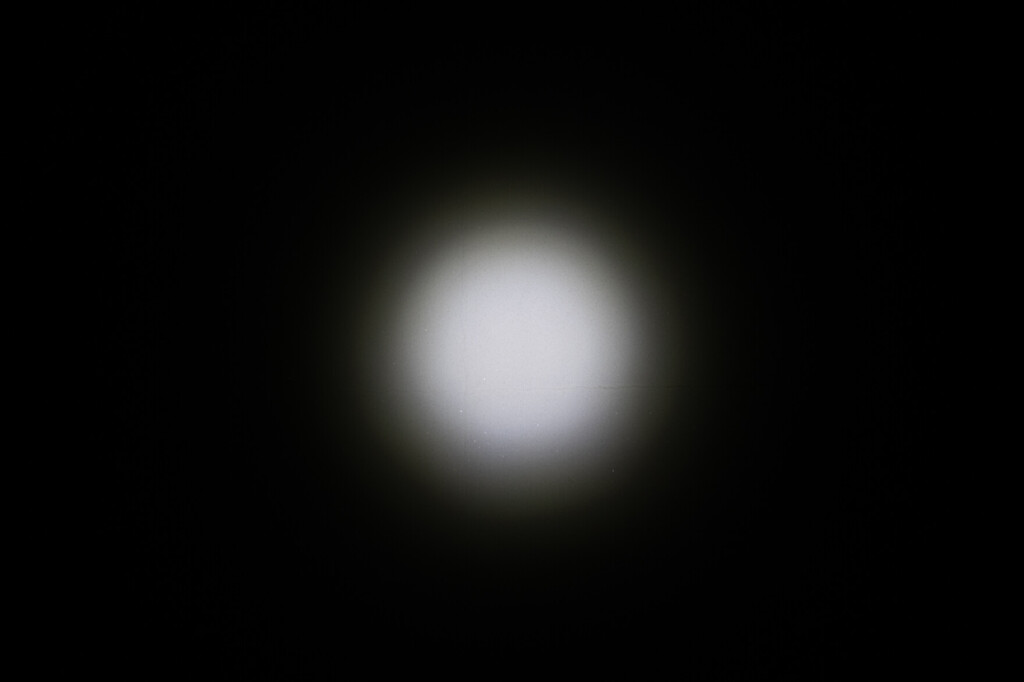 |  |  |
| Strong Points |
|
|
|
|
| Cons |
|
|
|
|
| Suitable Scenes |
|
|
|
|
It's always better to have a headset that supports as many beam patterns as possible, but if it has features that aren't necessary for your activity, it will be overkill and you'll have to carry around unnecessary weight and cost. It's important to find a balance between the type you need for your activity and the type you want to choose
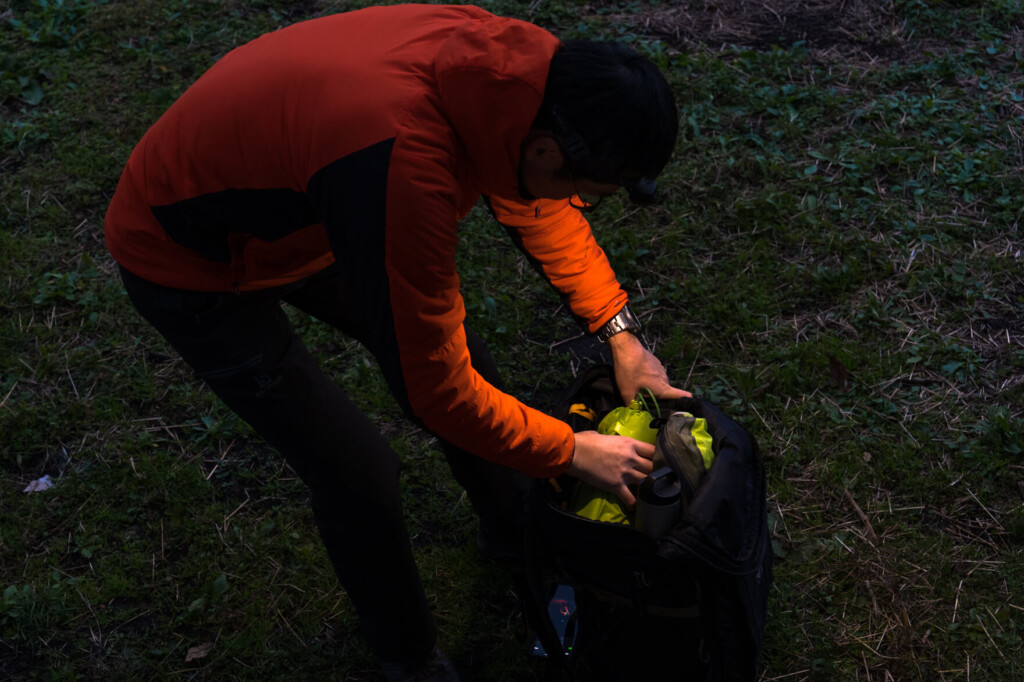
When searching inside your backpack in the dark, the close-range illumination makes it easy to see
Step 3: Check burn time and battery life
What does "exposure time" refer to?
Along with brightness, another important checkpoint you will likely be interested in is the burn time (battery life)
Although the LED light source reduces power consumption and extends battery life, continued use will consume the battery and eventually reduce output
You can check the exposure time from the number "xx hours (h)" written on the package. Of course, this number is measured under certain conditions, but there are still pitfalls that can easily lead to misunderstandings
There are roughly two standards for measuring this "exposure time," and they vary depending on the manufacturer. The specs displayed on the packaging should be judged with this in mind
The first is the brightness of a full moon night, which has long been a standard for mountain climbing situations, in other words, "the amount of time that an illuminance of 0.25 lux or more can be maintained at a distance of 2 meters from the lamp" (for convenience, this is called the full moon method)
The other is the new standard, the "ANSI FL1 STANDARD." Under this standard, burn time is the time it takes for the brightness to drop below 10% from maximum output 30 seconds after the light is turned on. For example, if a light starts out at 300 lumens when fully charged, the ANSI FL1 standard defines it as the time it takes for the brightness to drop below 10% (30 lumens) .
The tricky thing here is that with the ANSI method, the minimum brightness limit is a "percentage" rather than a specific value like the full moon method, so while it is possible to judge the superiority or inferiority of each model's battery consumption efficiency regardless of the original brightness level, if the headlamp has a very high light output, it may still be perfectly practically bright even at 10%
For example, the irradiation time of a 100 lumen light is the time it takes for the light to reach 10 lumens, but the irradiation time of a 700 lumen light will end even if it still has 70 lumens. 70 lumens is a certain amount of brightness, so it may actually be usable for much longer than the irradiation time stated in the specifications
Some manufacturers have responded to this by displaying a time in "reserve mode."
Black Diamond and Petzl also list in their specs the "reserve mode" time, which is the time the light continues to emit a usable amount of light even if it drops to 10% of the initial output after the ANSI burn time has finished (see photo below). Incidentally, Black Diamond's manual states that the brightness during this reserve period is 0.25 lux at 4m
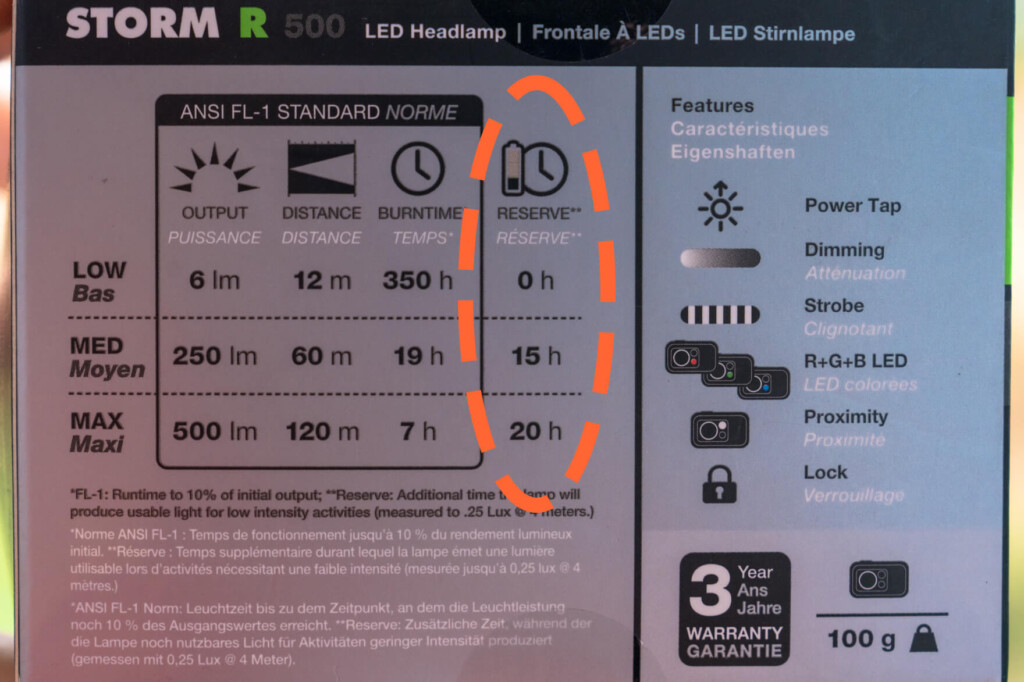
Be careful as the way brightness "decreases" varies depending on the headlamp
For example, if you continue to use a headlamp with a 10-hour burn time with a full battery, how will the brightness decrease over time?
Most headlamps only reach maximum output when fully charged for the moment they are turned on, and then within a few minutes, the brightness drops sharply to around 50-70% of its original level. The rate at which the brightness drops after that varies depending on the model. This rate of decline cannot be determined without continuously measuring and graphing the brightness, but unfortunately, this is not required data even in the FL1 standard, so some manufacturers make this information public and others do not
Here, we will pick out three items that have the same maximum brightness from the items that we have actually tested on this site, and compare how their brightness decreases over time
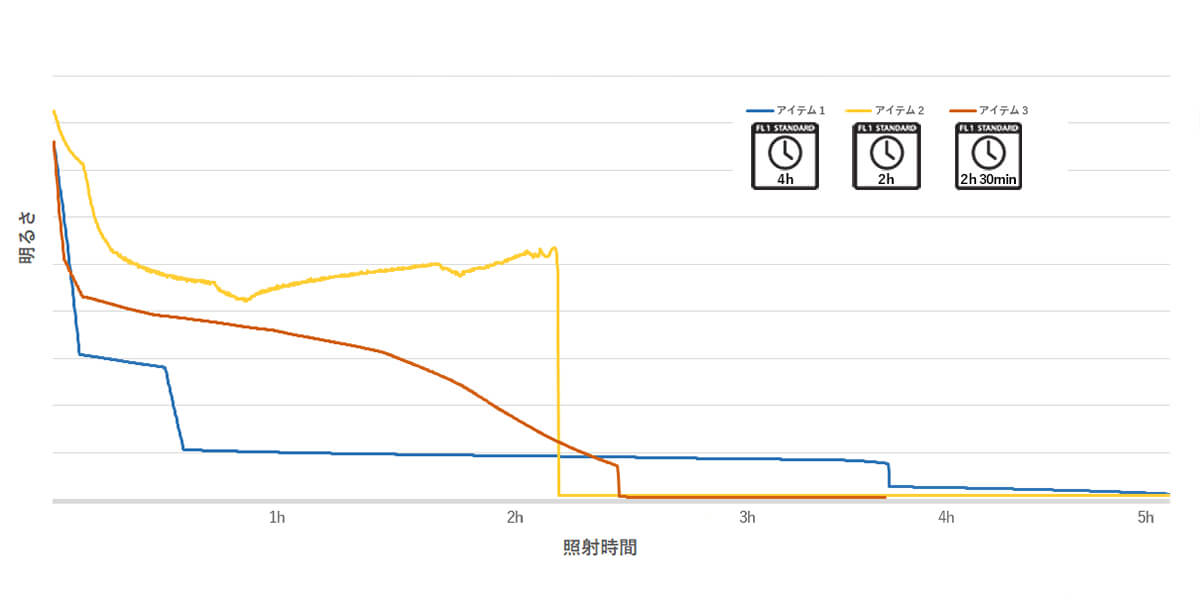
The graph above shows the following facts:
- Item 1 (blue) quickly loses brightness to less than half of its initial value, but it has the longest exposure time
- Item 2 (yellow) has the shortest maximum output time, but maintains a constant brightness even after the output is reduced while the light is on
- Item 3 (red) has a longer-lasting high output than item 2, but its brightness decreases over time
Looking at the numbers on the surface, you might be tempted to choose "Item 1" with a 4-hour exposure time, but for those who want the highest possible performance and the ability to last for several hours, "Item 2" is more suitable, and for those who can't decide between the two, we recommend 3 (of course, the ideal would be something like Item 1, with brightness close to maximum and as long an exposure time as possible)
In order to choose the ideal exposure time for you, it is important to read not only the numbers themselves but also the "contents" of those numbers .
Unfortunately, these brightness curve graphs over time are currently only published for some manufacturers and models, so it is not possible to check this information for all models
For now, all we can do is infer these characteristics by checking product information as much as possible. However, we are researching and publishing as many irradiation time graphs as possible on this site, so we hope you will find them useful.
The mainstream of batteries is shifting from alkaline to rechargeable
With the recent advances in technology that have led to larger capacity and smaller batteries, headlamps are increasingly being replaced by rechargeable dedicated lithium-ion batteries rather than general-purpose alkaline batteries
By using a dedicated lithium-ion battery for the headlamp, not only has the battery lasted for a significantly longer time even with a high-output light, but with the spread of smartphones and the general practice of carrying mobile batteries to charge other electronic devices, eliminating the need for spare batteries has also been a definite plus in terms of weight reduction
However, considering that it takes a long time to charge, and that if you were to buy a spare battery to avoid this, it would cost much more than regular batteries, it would certainly be very useful to be able to use alkaline batteries in case of emergency
like PETZL's which can use alkaline batteries in addition to the dedicated battery, are currently a very smart choice in terms of convenience. Which one to choose should be considered in terms of the spare batteries you will be carrying, and you should think about the most efficient configuration.
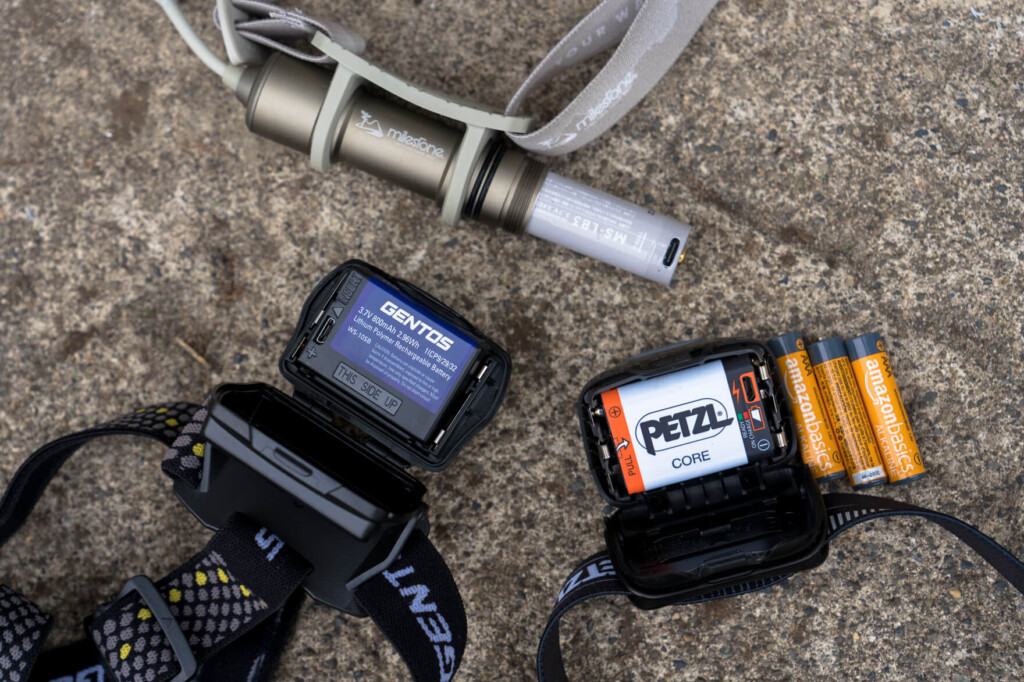
Gradually, the number of convenient "hybrid" lights that can use both alkaline batteries and dedicated batteries has increased, and recently models that even function as mobile batteries have also appeared
Models that can be used with an external battery are convenient for long-term activities
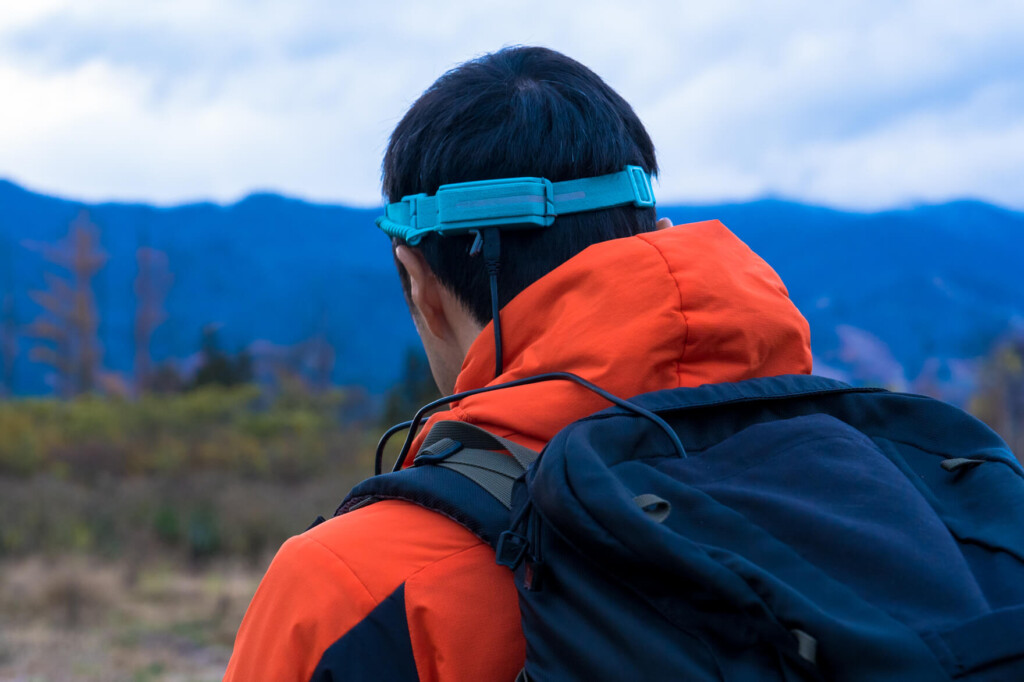
With BioLite's Headlamp 330, you can keep it powered at all times by slipping a mobile battery into the head compartment of your backpack
Among the high-power headlamps, there are some unique models that can be powered directly from a mobile battery in addition to the regular dedicated battery
If you connect it to a mobile battery, you can continue using it at high output for a long time, which also shortens charging time, making it more convenient and practical than you might imagine
Step 4: Check durability (water and dust resistance rating)
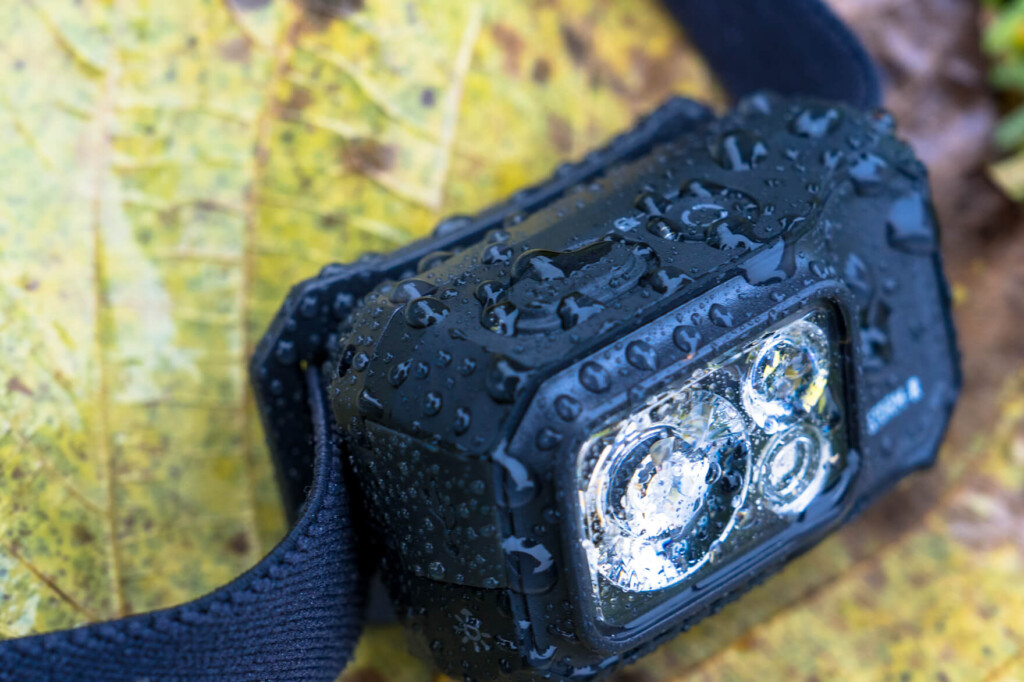
Headlamps are often used in tense situations such as at night or in emergencies, so durability is more important than other gear to ensure that they are not rendered useless when the time comes .
Headlamps are particularly vulnerable to water and dust, so you'll want to check whether they have at least some waterproof and dustproof properties to withstand getting wet
The waterproof and dustproof performance of a headlamp is indicated by an international standard called the "IP code."
The IP code numbers determine the waterproof and dustproof rating, and are written as "IP ◯◯." The larger the number on the right, the better the waterproof performance. The left circle indicates dustproof performance, and models that offer this level of protection (with a number other than X clearly displayed) can be even more reassuring
Below is a summary of the level of waterproofing for each class
| standard | Waterproof performance guideline |
|---|---|
| IPX4 | Protection against water splashes from all directions |
| IPX5 | Protection against water jets |
| IPX6 | Protection against strong water jets |
| IPX7 | Protected against temporary immersion in water (1 m for 30 minutes) |
| IPX8 | Protected against prolonged immersion in water (greater than 1 m for a period of time specified by the manufacturer) |
| standard | Dustproof performance guideline |
|---|---|
| IP4X | Protection from wires etc |
| IP5X | Dust protection |
| IP6X | Completely dustproof |
Looking at the standards in the graph, we can see that IPX4 provides "protection against water splashes from any direction," so it is sufficient waterproof performance for use in mountain climbing or trail running
When engaging in water activities such as stream climbing or canoeing, it is best to use a headlamp with an IPX7 rating or higher to protect against submersion in water
Step 5: Check weight and fit
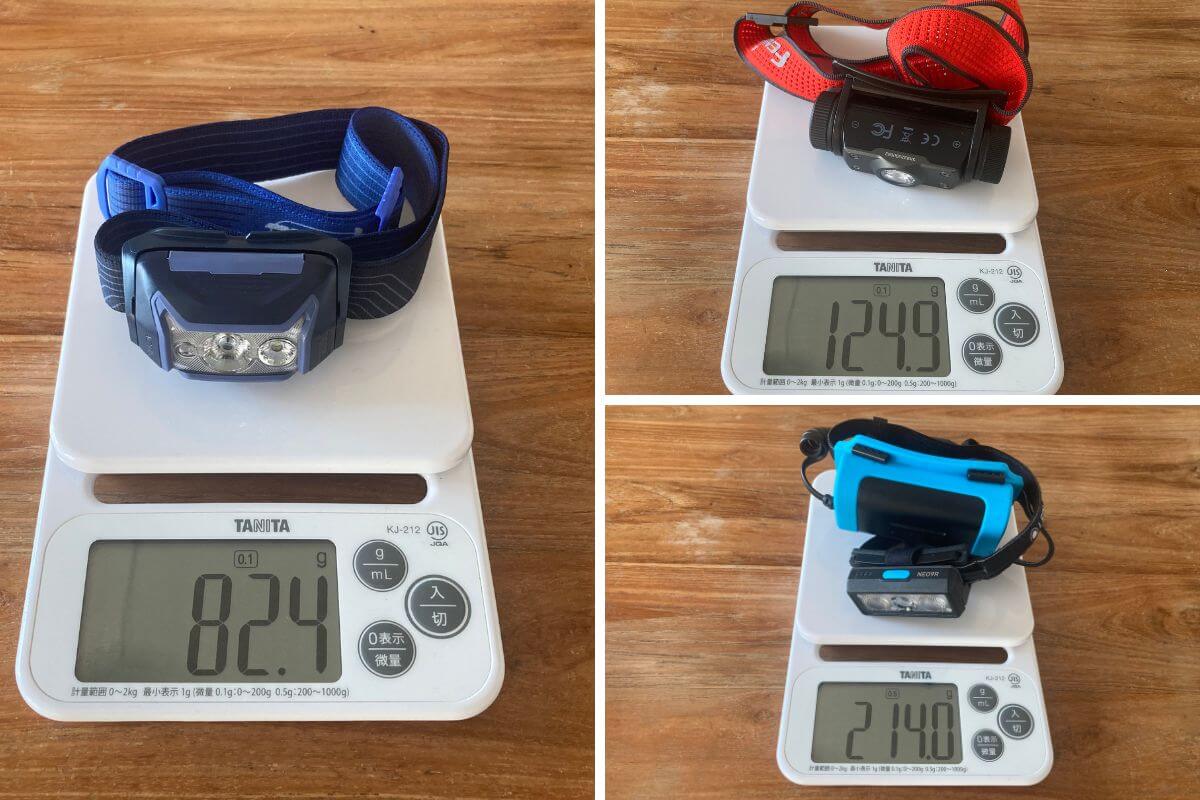
It is important to check the weight of the headlamp carefully from the perspective of reducing the weight of the equipment and ensuring a good fit
Most headlamps weigh around 100 grams with the battery installed, and a headlamp weighing less than 80 grams can be considered lightweight
Headlamps weighing less than 50g are among the lightest in their class, but as they get smaller and lighter, their output and durability tend to decrease. Carefully consider the balance of output and weight, and if you plan to be out and about at night, we recommend choosing a headlamp with a brightness of 200 lumens or more
The weight of the headlamp not only affects the weight of the equipment, but also affects how well it fits when worn and how tired you feel when wearing it for a long time. If it is heavy and you wear it on your head, it will naturally be a burden
Some high-power models have particularly heavy batteries, weighing in at over 200 grams. Some headlamps have batteries located at the back of the head to accommodate long-term wear. The material, shape, and fastening method of the band also play a major role in the fit and stability of the lamp
After testing nearly 20 headlamps, we felt that for most headlamps with a simple structure and band, a weight of roughly 100g was the dividing line before they became a burden when worn
Headlamps with an integrated battery that weigh over 100g feel heavy and tiring when worn for long periods of time. Models with a separate battery or a tight-fitting band are less tiring to wear even at 200g, and headlamps weighing less than 100g remain comfortable for long periods of time even when worn normally (this is for reference only, as headband fit and individual differences may apply)
Step 6: Learn about useful additional features
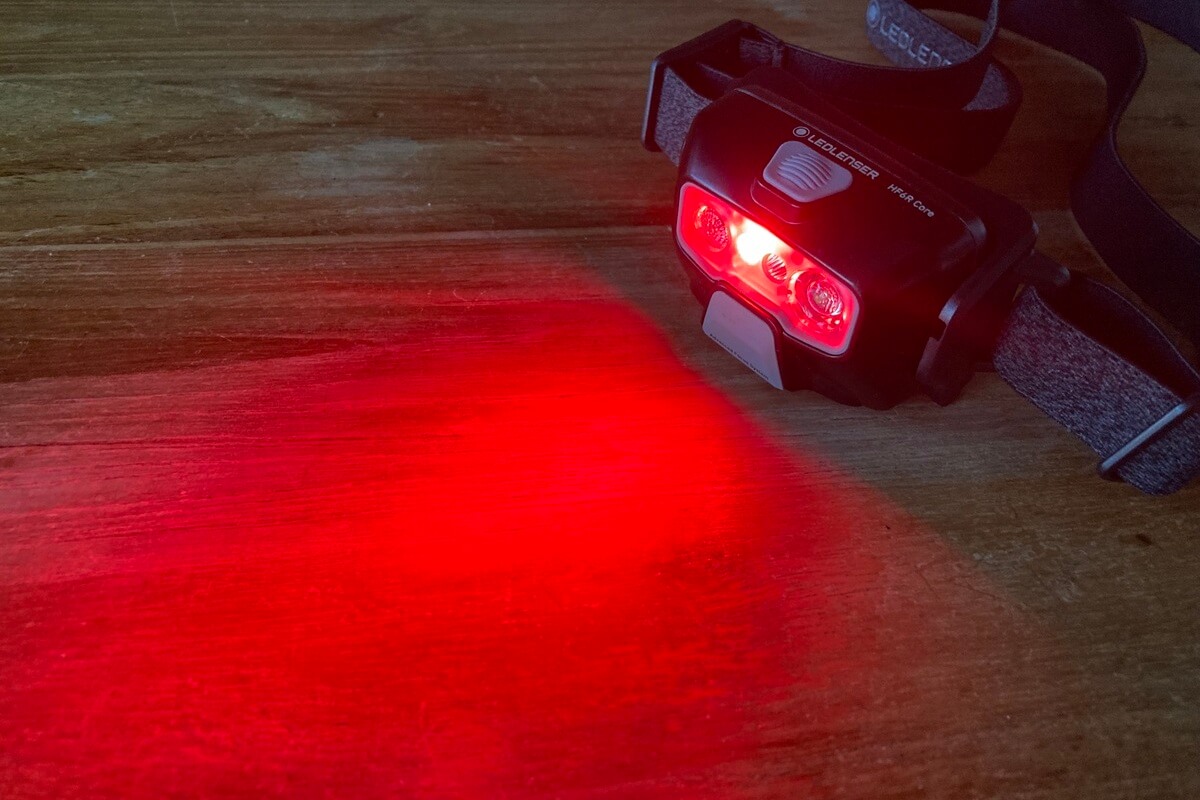
Easier to use and more versatile lighting modes
High-performance models offer a wider variety of light intensity and type settings, which gives the advantage of allowing you to select the optimal light for a variety of situations. However, the downside is that the increased number of modes can make operation more complicated and difficult to use, so having more modes is not necessarily a good thing
| mode | explanation |
|---|---|
| HIGH(Power) | This mode provides the brightest light and is ideal for use in the dark. It also consumes the most battery power |
| MID | A mode that provides dimmer but more energy-efficient light than high output |
| LOW | This is the most power-efficient mode and provides the smallest beam, which is often sufficient for chores on the trail or at a campsite at dusk |
| Boost | A function that temporarily emits a light that is stronger and brighter than HIGH for a short period of time (consumes battery significantly) |
| Stepless brightness adjustment | A function that allows you to adjust the light intensity more precisely than the three levels above (also known as dimming mode) |
| Reactive Mode | The sensor automatically adjusts the optimal light shape and intensity, ensuring comfortable viewing at all times and saving battery power |
| strobe | This mode flashes at regular intervals. It's not something you'll normally use, but it's extremely useful in emergencies to let others know you're there. Naturally, it consumes very little power |
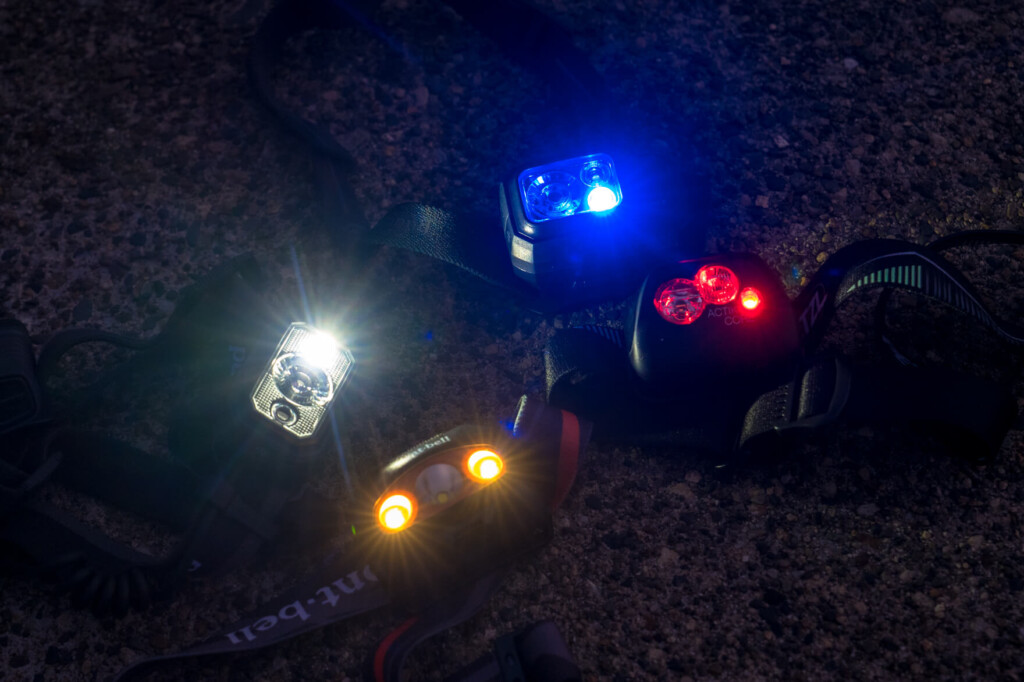
| Colored Light | The red light mode is convenient for illuminating your hands at night with a type of light that doesn't stimulate the pupils. It's useful when moving around in a tent or hut without waking others who are sleeping. It's also useful when taking nightscape photos. Other modes include yellow, green, and blue, which provide colors that are easy to see in specific scenes |
| SOS mode | A mode that flashes red to indicate an emergency |
Ease of adjusting the beam angle
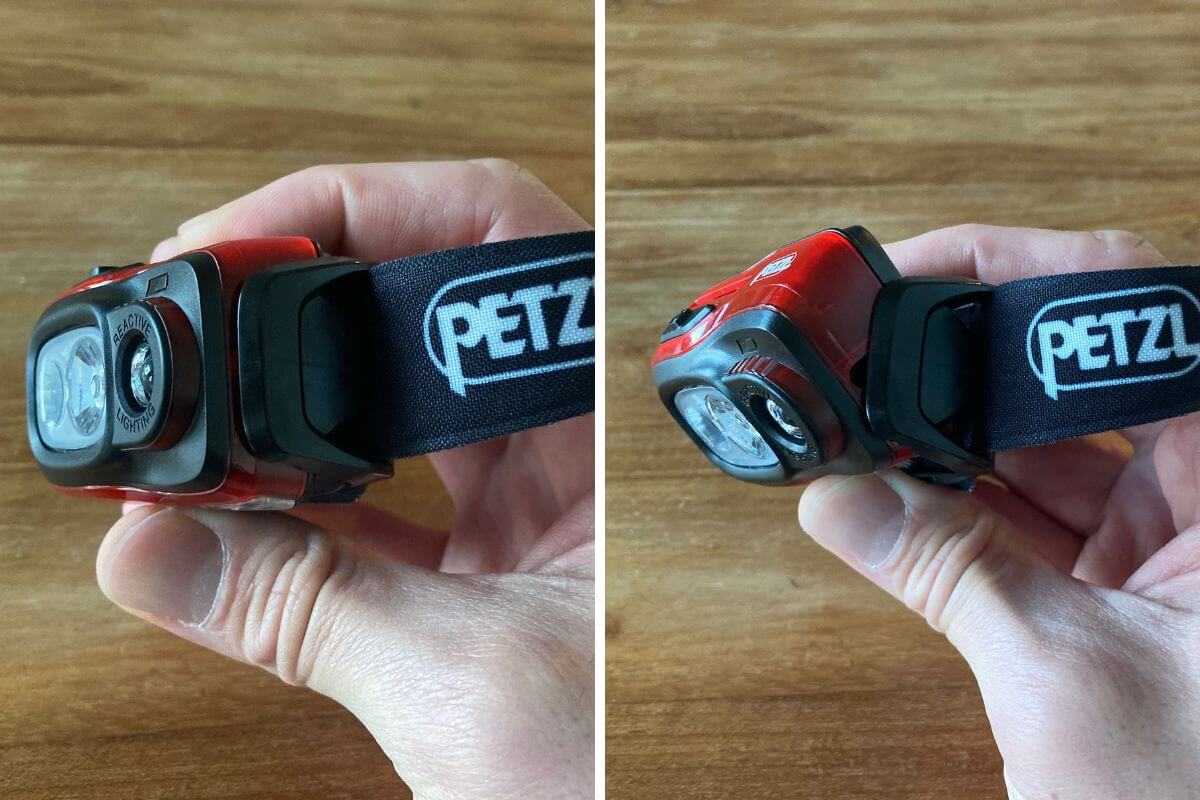
Headlamps are designed so that the angle of the lamp can be adjusted up and down after being set on your head. Most people adjust it so that it points downward when looking at something close to them, and upward when searching for a road in the distance, so the ease of adjusting the angle of light is one of the factors that determine how easy a headlamp is to use.
Some types, like Black Diamond and LEDLENSER, are continuously adjustable, while others, like PETZL, are incrementally adjustable
Strap fit and support
The strap that attaches a headlamp to your head is a delicate part that requires more attention than you might think, such as width, thickness, elasticity, ease of adjustment, and durability. As shown in the photo below, it is best if the part that touches your skin is not made of hard plastic or a rough rubber band, but rather a flat, cushioned pad that feels comfortable against the skin
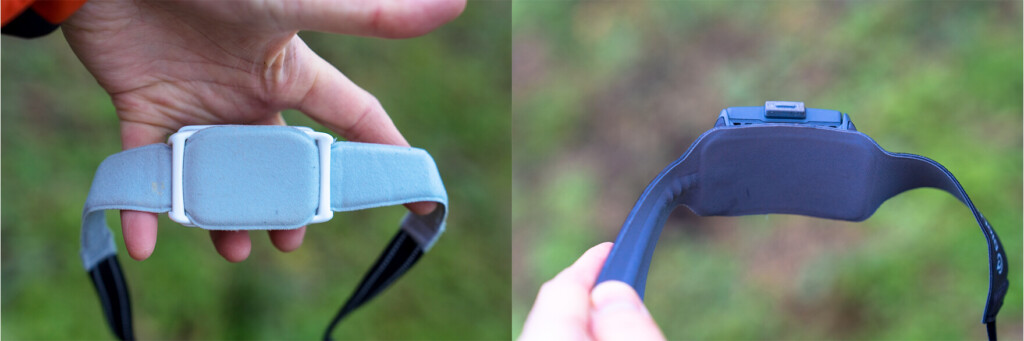
If the part that touches your skin has comfortable padding, it will cause less damage even if you wear it for a long time
Also, if you are using a heavy headlamp or intend to do strenuous exercise such as trail running, it is important to consider not only the performance of the light but also the quality of the device itself, with an emphasis on whether the fit can be fine-tuned and whether it will stay in place
Button lock function
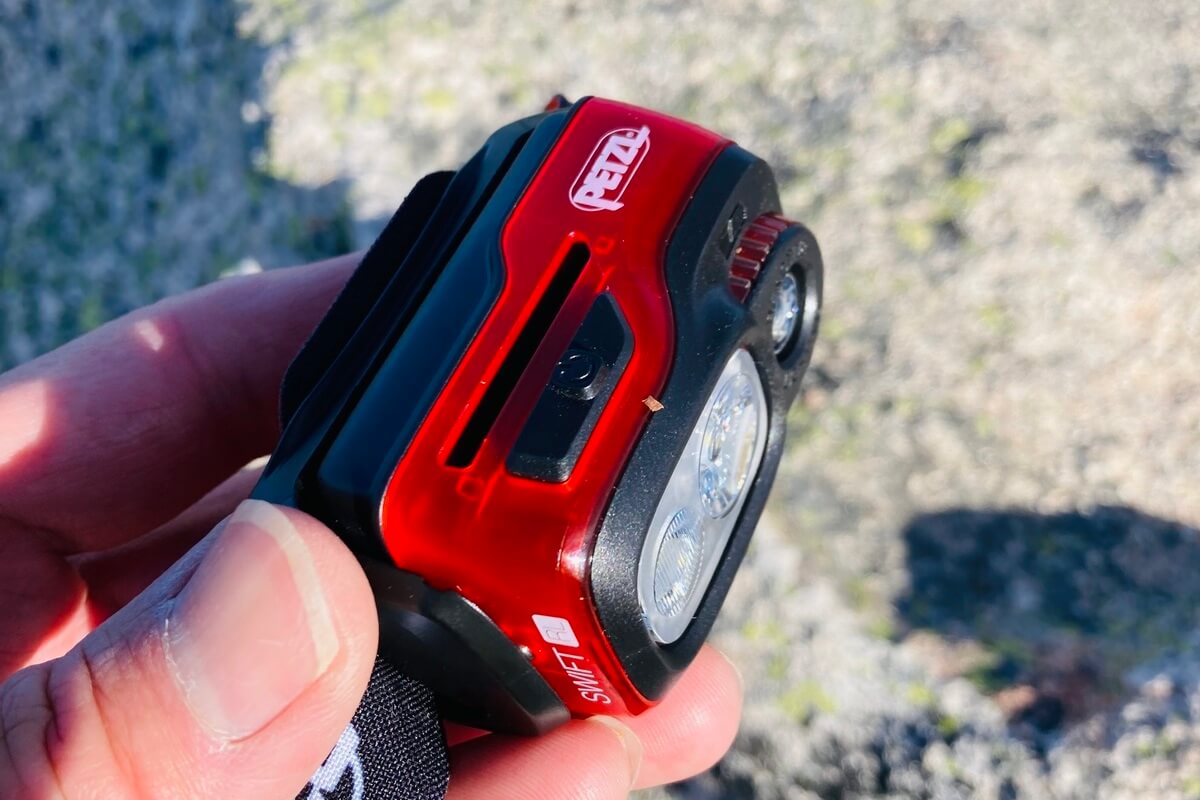
The PETZL Swift RL locks when you press and hold the button for 6 seconds. You can unlock it by pressing and holding it for 4 seconds or pressing it four times. It takes some getting used to
The tragic story of accidentally turning on your headlamp while it's in your backpack, only to find that the battery is at 0% when you try to use it, is actually quite common on mountain climbing trips. Most mountain climbing models are equipped with a "button lock" mechanism to prevent this, but in rare cases they may not be included, so be careful. It's best to choose a model with a locking mechanism whenever possible
summary
Headlamps are a rather "unspectacular" piece of equipment, but they are a piece of gear that can even mean the difference between life and death in the event of an emergency, so choosing the right model is extremely important for safely enjoying the outdoors
In the past, these were simple gadgets powered by AA batteries and small light bulbs, but with the advancement of technology, the advent of LED lights, smaller, larger-capacity batteries, and advances in electronic control technology, lights equipped with amazing technology have appeared
Headlamps are packed with more technology than you'd expect from their appearance. Headlamps were once simple gadgets powered by AA batteries and a miniature light bulb, but with the advent of LED lights, smaller, larger-capacity batteries, and advances in electronic control technology, they have evolved dramatically. Finding the perfect headlamp from the many options available can be difficult, considering factors like light output, illumination distance, illumination time, weight, and holding power.
Use the 7 steps for selection explained in this article as a guide to finding the best model for your needs from the published comparison table!
Please consider a paid membership to support the website while enjoying exclusive articles and events!
Related reading
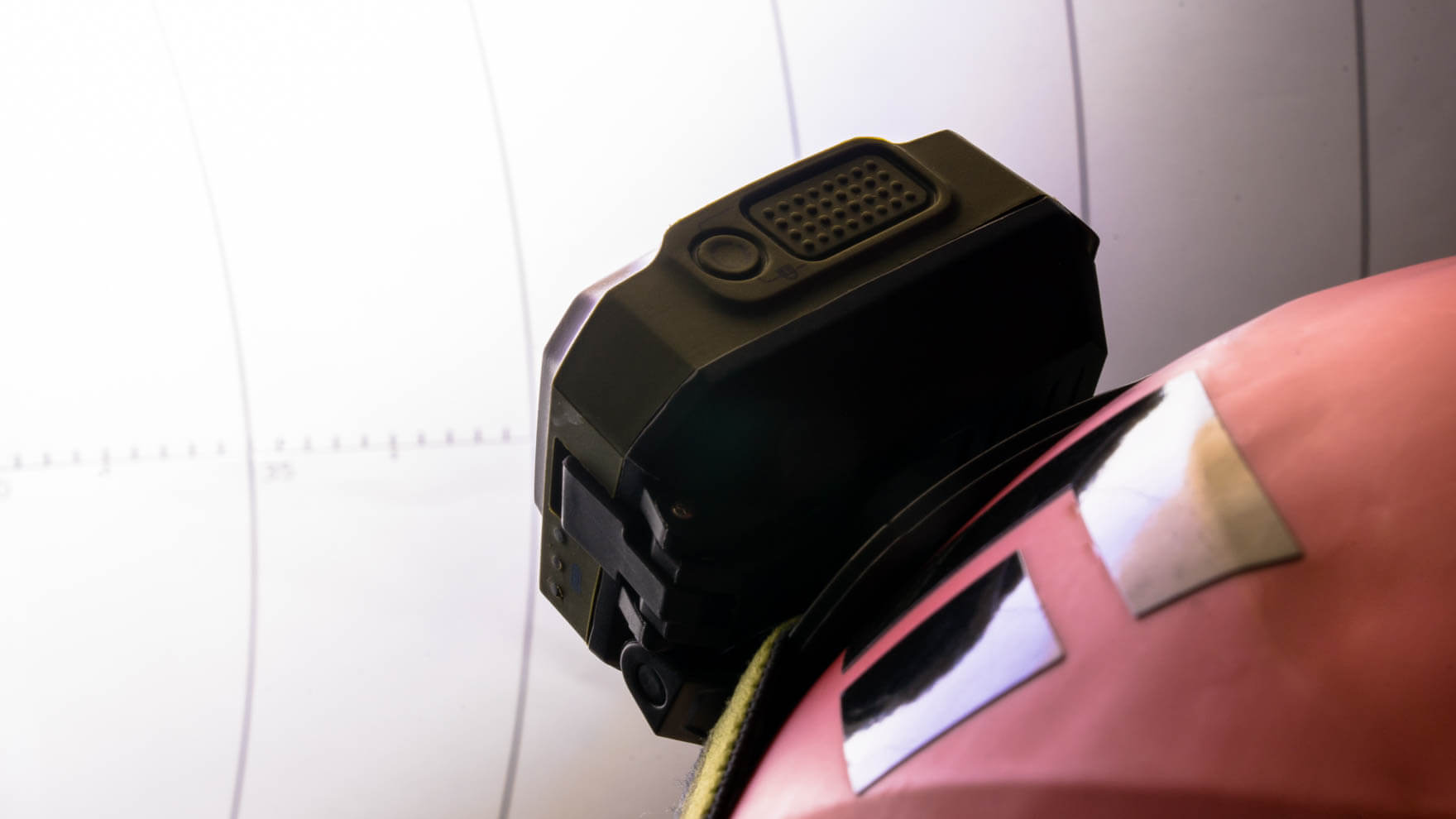 Comparison Review: Searching for the Ultimate Outdoor Headlamp in 2020 [Detailed Review]
 Comparison Review: I couldn't tell which headlamp was truly usable just by looking at them in the store, so I tried them out and compared them 2017
 [An honest, self-funded comparison review] Recommended headlamps for outdoor use, based on a thorough comparison and different scenes and purposes
 Series Comparison Review 1: Stand out at night. Considering the best lighting for night riding [Headlamp Edition]