



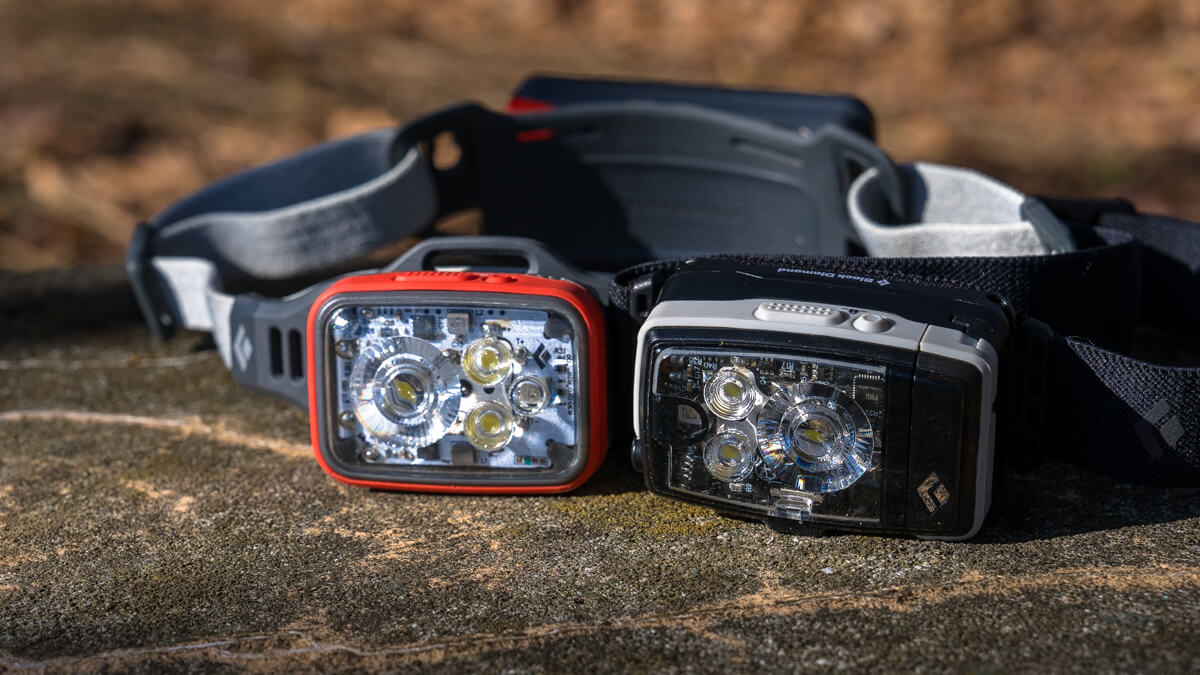
Black Diamond Distance LT1100 & Distance 1500 Review: State-of-the-art headlamps with excellent brightness and fit perfect for night riding

Written by Yasushi Hisatomi
Is a headlamp enough to light your feet? Many hikers who only walk slowly at night may think this way
However, if you are running on a trail at night or participating in a long-distance race where you have to keep running all night, the story is very different
What's dangerous about running all night is the difficulty of instantly determining your direction with a narrowed field of vision. Furthermore, in many cases, cognitive ability declines and judgment becomes clouded due to the combination of bodily rhythms and fatigue. Running at night can be several times more nerve-wracking than usual
In that sense, trail runners who race through pitch-black, unstable mountain paths at maximum speed, or skiers who ski down courses in the twilight, need a wide, strong light that can illuminate the distance ahead of them, even if it's not as bright as midday, and a large battery that lasts as long as possible
The latest headlamp, the Distance LT1100 Black Diamond , a global leader in outdoor headlamps, is the latest in a series of high-end headlamps that offer high power and a stable fit even during intense activity. We were able to test this latest headlamp in the field alongside the flagship model in the series, the Distance 1500 , and will review them together.
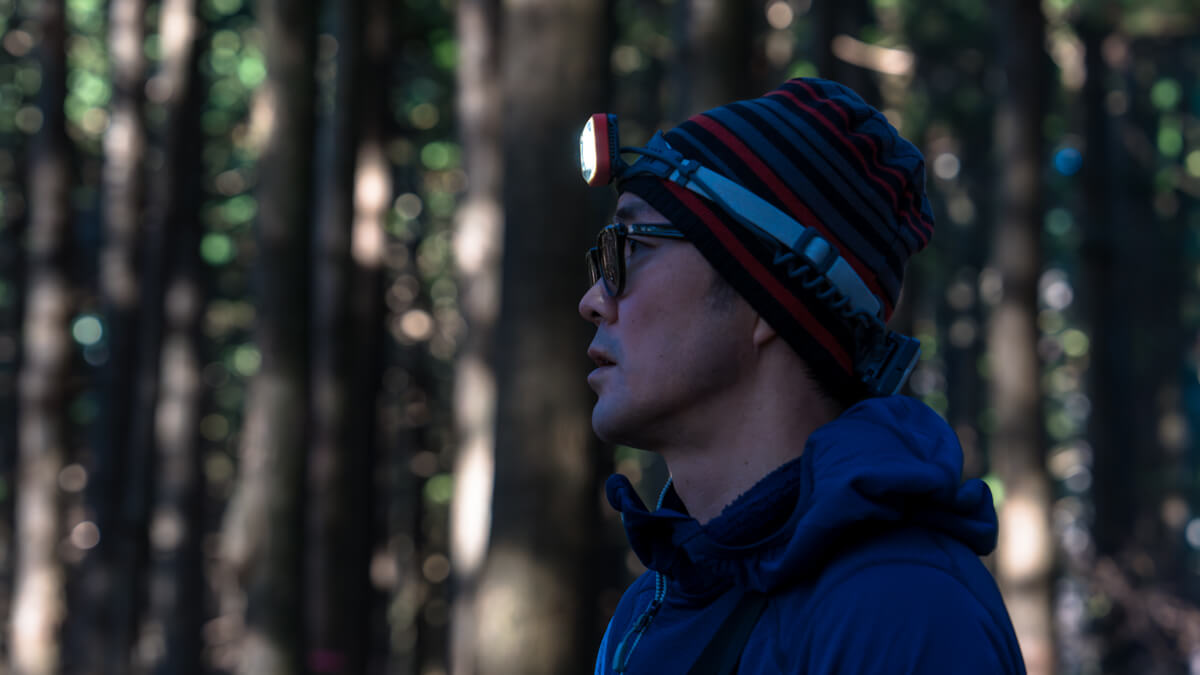
table of contents
Key Features of BlackDiamond Distance 1500 & Distance LT1100
The Distance 1500 and Distance LT100 are high-output headlamps from Black Diamond designed primarily for trail running, emitting a dazzling maximum output even at night. With a maximum instantaneous output of 1500 lumens (1100 lumens for the LT1100) and a large-capacity rechargeable lithium-ion battery, they are among the brightest and most well-equipped outdoor headlamps on the market
The polyhedral optical lens, which combines spot and wide-angle beams, achieves a wide and deep light distribution that is easy to see. In addition to its lightweight body, the separate design of the light unit and battery unit ensures a stable fit even when adjusting the light angle, minimizing shaking while on the move. It also boasts practical features like a red, green, and blue tri-color LED, IP67 waterproofing, and a rear flasher light (Distance 1500 only)
It provides the ultimate in comfortable visibility during high-speed, long-duration activities in harsh environments, such as speed hiking, trail running, ultramarathons, mountain biking, skimo, and backcountry skiing
Favorite points
- Powerful, bright, and easy-to-see light for peace of mind even at night
- Long-life, replaceable battery
- Fast charging with Type-C charging port
- Sufficient waterproof performance
- Lightweight for its power (LT1100)
- Highly comfortable fit and stable fit (1500)
Points of concern
- Unique rechargeable battery
- Headband with normal fixing strength (LT1100)
- USB-C charging port not protected by a cover (LT1100)
- A little too heavy to carry (1500)
- price
Main specifications and evaluation
| item | BlackDiamond Distance LT1100 | Black Diamond Distance 1500 |
|---|---|---|
| Light intensity (lm) |
|
|
| Official irradiation distance (m) |
|
|
| Official irradiation time (h) (min/max) |
|
|
| Actual weight (g) | 108g (measured value including battery) | 206g (measured value including battery) |
| Dedicated battery | BD LT Battery (3.7V / 2200mAh) | Distance 1500 Battery (7.4V / 1500mAh) |
| Use while charging | × | × |
| Waterproof and dustproof performance | IP67 (dustproof/unaffected by immersion in 1m of fresh water for 30 minutes) | IP67 (dustproof/unaffected by immersion in 1m of fresh water for 30 minutes) |
| Light Type |
|
|
| accessories | USB-Type C cable, stuff sack | Hard case, stuff sack, extra headband, USB-Type C cable |
| long distance irradiation | ★★★★★ | ★★★★★ |
| short distance irradiation | ★★★★☆ | ★★★★☆ |
| Battery life | ★★★★★ | ★★★★☆ |
| Wearing comfort | ★★★☆☆ | ★★★★★ |
| Ease of use | ★★★★☆ | ★★★★☆ |
| weight | ★★★☆☆ | ★★☆☆☆ |
| waterproof | ★★★★★ | ★★★★★ |
| durability | ★★★★☆ | ★★★★☆ |
Detailed Review
Appearance, weight, and comfort: Smart construction and comfortable fit without feeling heavy
First of all, it's important to note that the name "Distance Series" is a series name also used for other Black Diamond products, such as backpacks and trekking poles, and items bearing this name are generally designed for activities that involve quick movement, such as speed hiking, fastpacking, and trail running
In that sense, this headlamp has been designed with the intention of being worn while riding in mind, and many aspects of it are evident
Distance LT1100
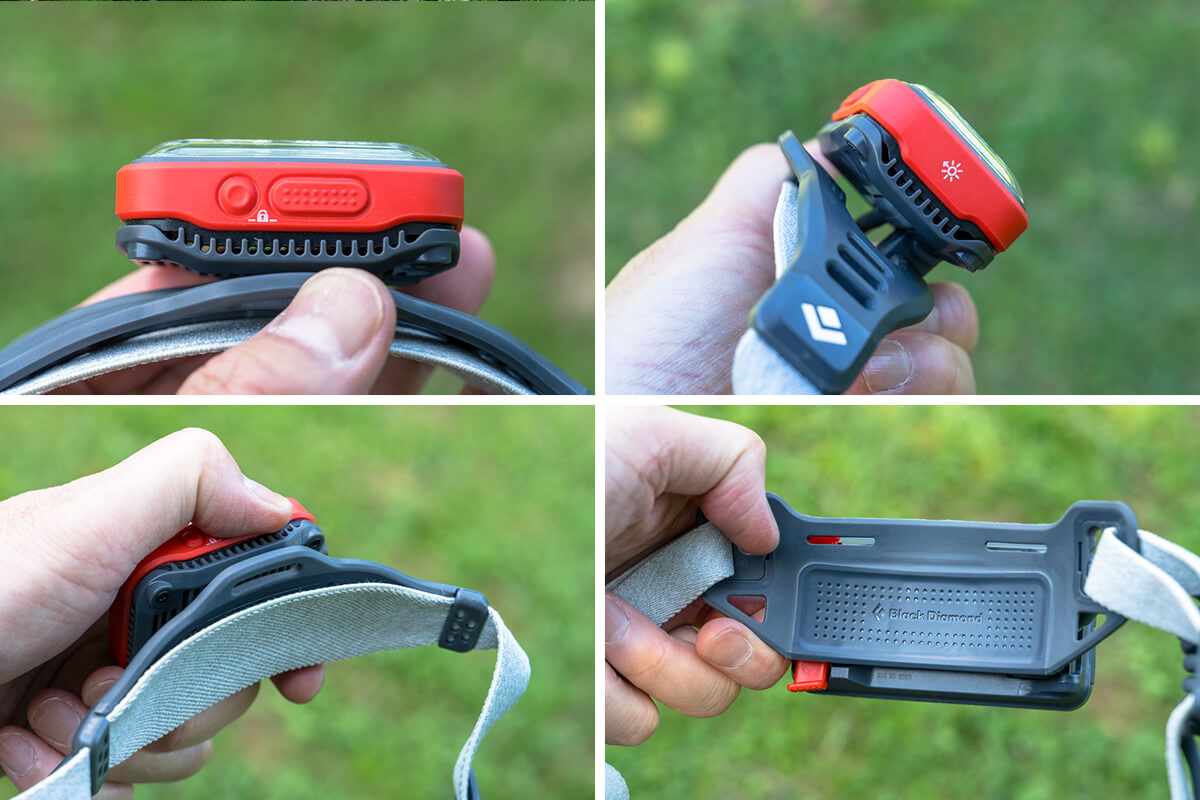
The Distance LT1100 weighs approximately 108 grams. When I held it in my hand, I felt it was much lighter than it looked from the outside
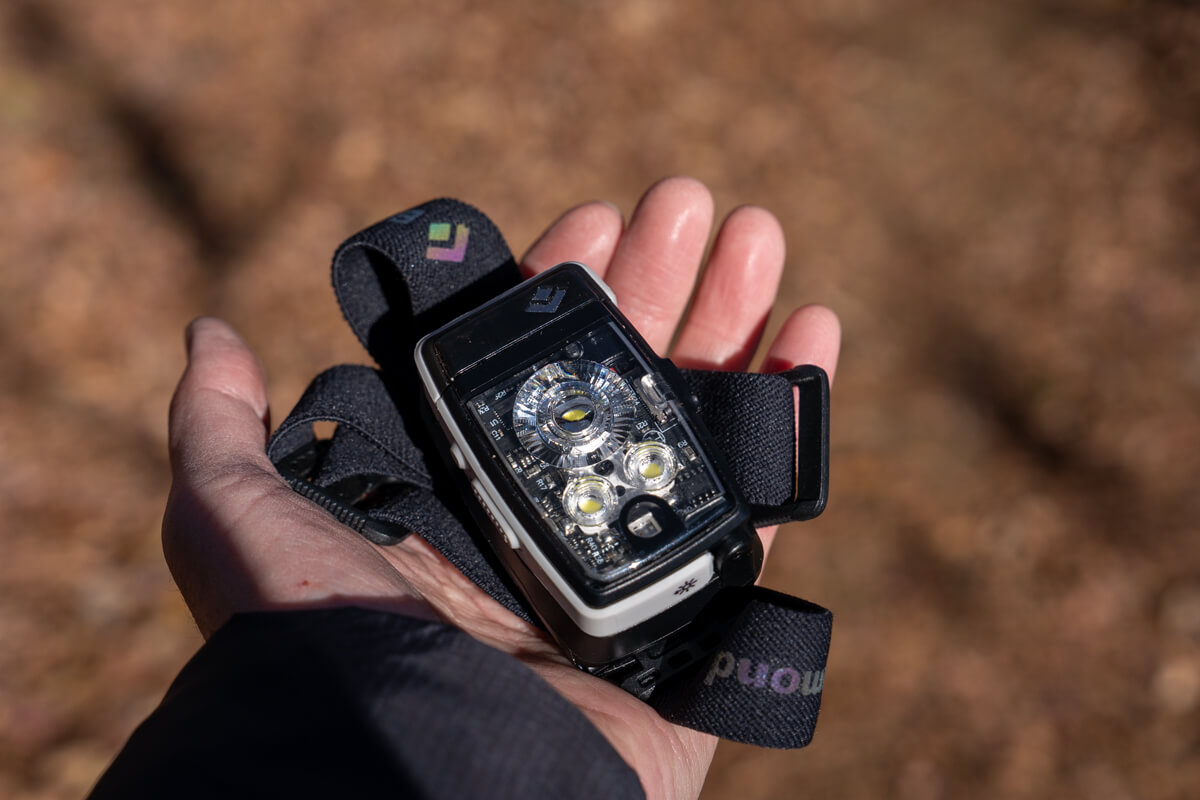
The top has the mode change, ON/OFF, and output adjustment buttons, and the bottom has the USB port. The exposed port without a cover seems like it could easily get dirty or wet, which is a bit of a concern
The back of the headphones has a soft and comfortable headband, and the back of the device is made with fabric so that no plastic parts touch your forehead when wearing them. This means that you won't get sticky or sweaty even after wearing them for hours, and they fit well. Despite the standard strap design, they feel quite stable whether you wear them directly on your head or over a hat (see photo below)
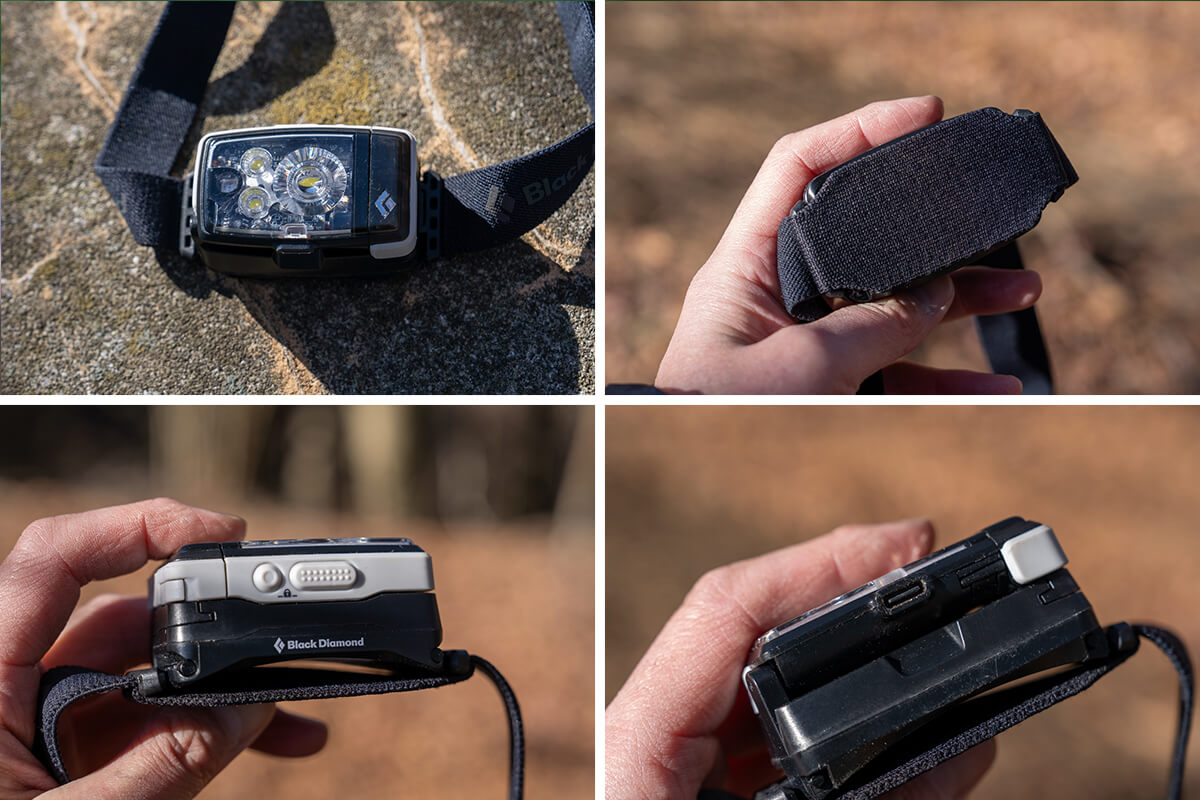
However, personally, I think it would have been better if they had taken a step further and made the quality of the band more secure, or perhaps added more bands on the top of the head to improve the fit. To keep the band in place even when running, you need to tighten the band quite a bit. It's a shame, as I'm not dissatisfied with the current state of the product
Distance 1500
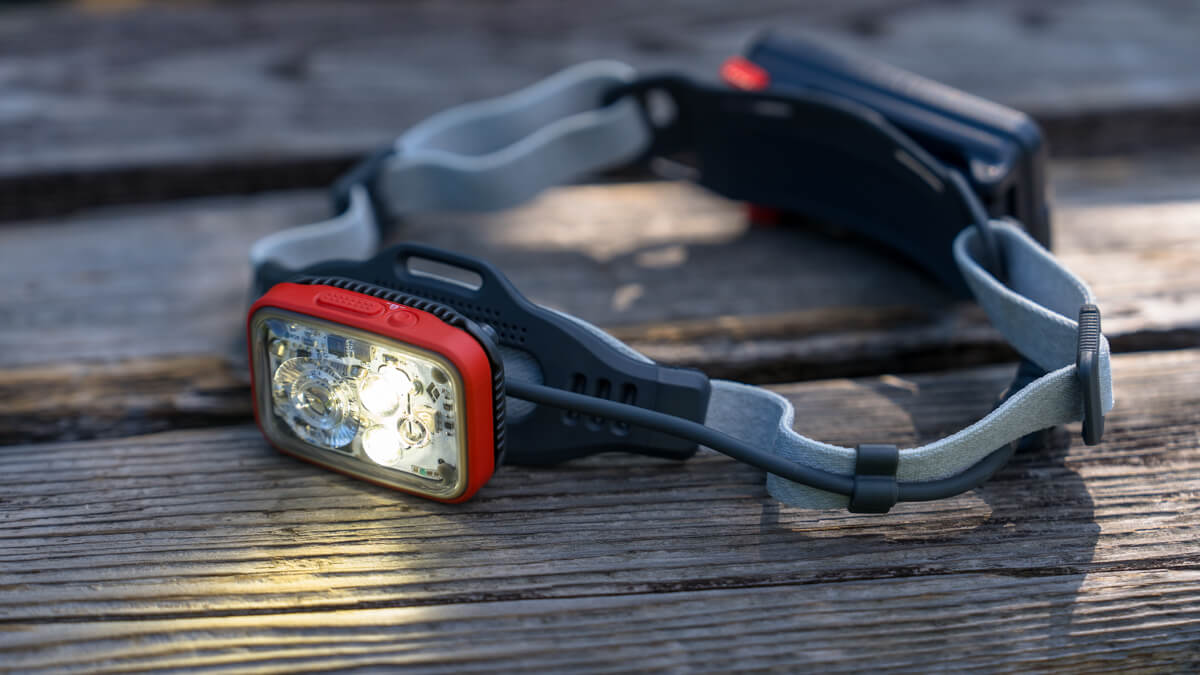
The Distance 1500 has a structure where the battery pack and light unit are separated front and rear, which is common in high-intensity headlamps (see photo below).
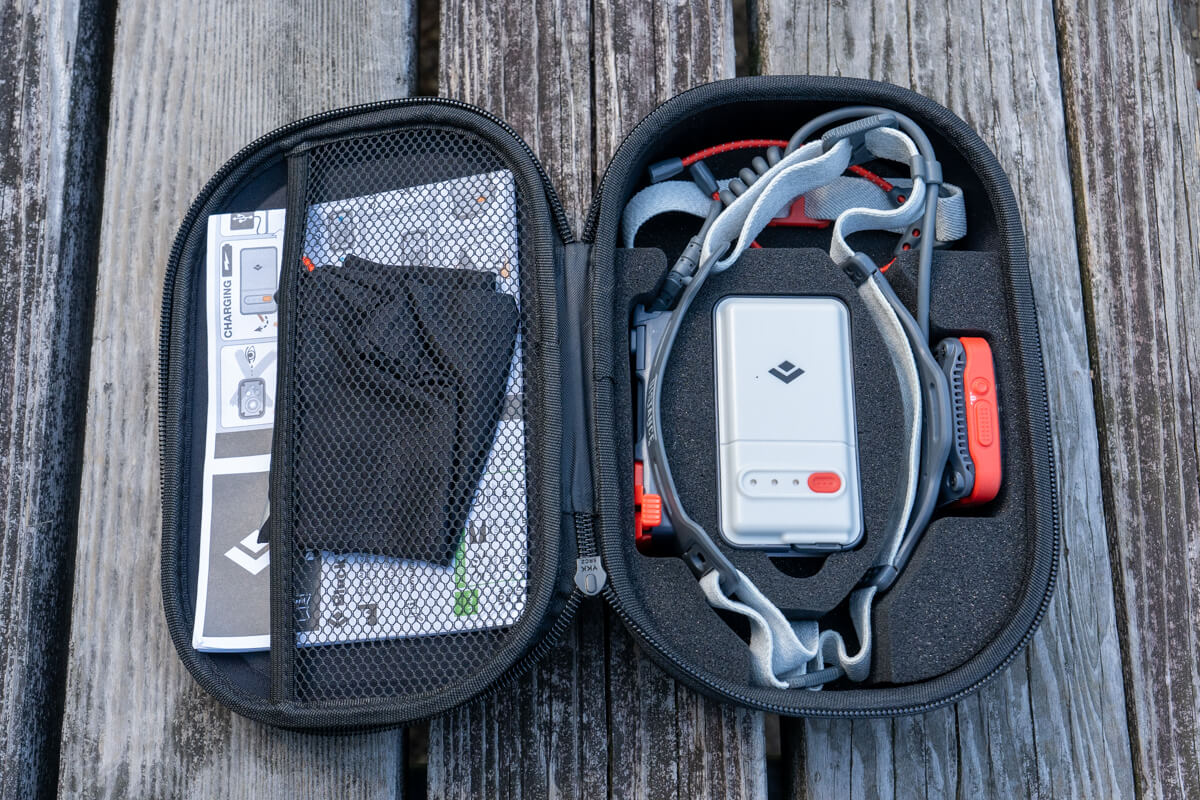
The luxurious package includes a dedicated hard case and accessories such as a storage bag and an additional band for the top of the head (photo below)
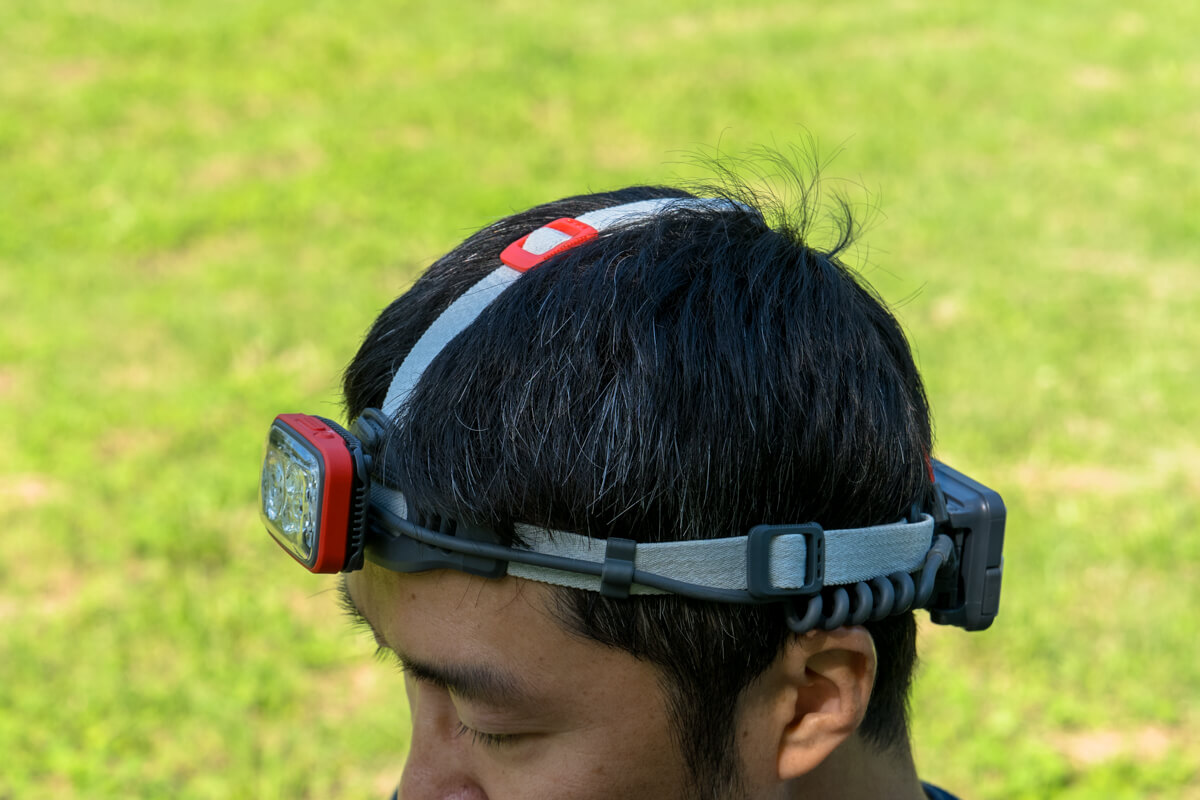
The control buttons are a mode change button, an ON/OFF button, and an output adjustment button on the top, and a boost button on the side. Once you get used to it, it's not that complicated. The overall weight is 213 grams, which is about twice as much as the LT1100 , so it's quite heavy. However, the front light unit is very thin, and there are molded resin protectors on the forehead and back of the head (the fabric of the band touches the forehead), and the band is soft and stretchy, so it fits very well and the weight is barely noticeable.
Furthermore, a vertical band can be added to the top of the head, which further improves the fit. If you do this much, you won't have to worry about it moving around (despite its weight) even when you're doing active activities like trail running (see photo below)
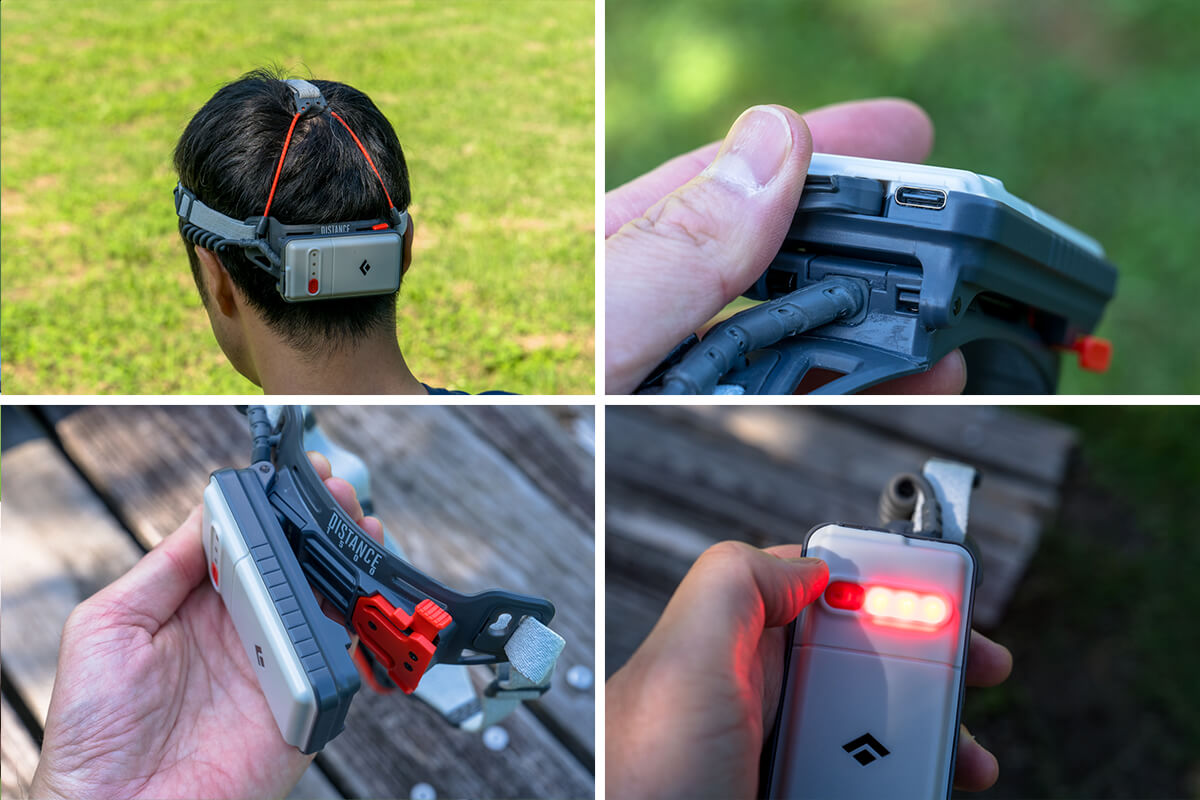
The USB port is covered and located on the back of the head, just like the battery pack, and the remaining battery level is displayed on the battery pack itself
A thin light unit that remains stable even when the light angle is changed
One of the main reasons why this light's weight and shaking are less noticeable is the "new slim light unit structure" that is common to the LT1100 and 1500
Both Distance Series headlamps have a separate structure consisting of a removable battery unit and a thin, lightweight light unit (the photo below shows the LT1100 ).
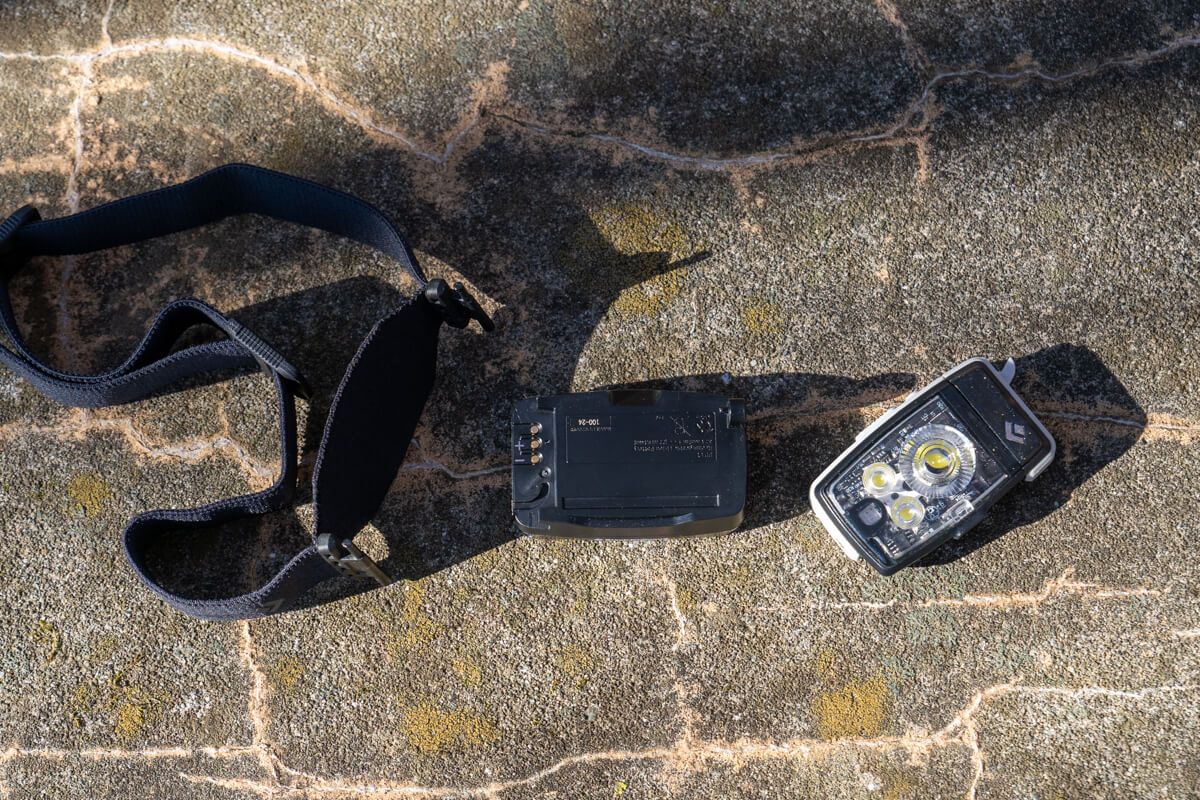
The LT1100 can be easily separated into three parts: the light unit, battery unit, and band
With conventional headlamps, when the light is angled downwards, the entire body, including the battery, moves away from your forehead and bows downwards (when using a headlamp, the light is usually angled slightly downwards)
With the separated structure shown above, even when the light is tilted downwards, most of the weight remains attached to the forehead (in the case of the 1500, it remains fixed to the head), and the center of gravity does not move away from the forehead. This means that the headlamp is always fixed in a fixed position, making it less likely to shake (see photo below)
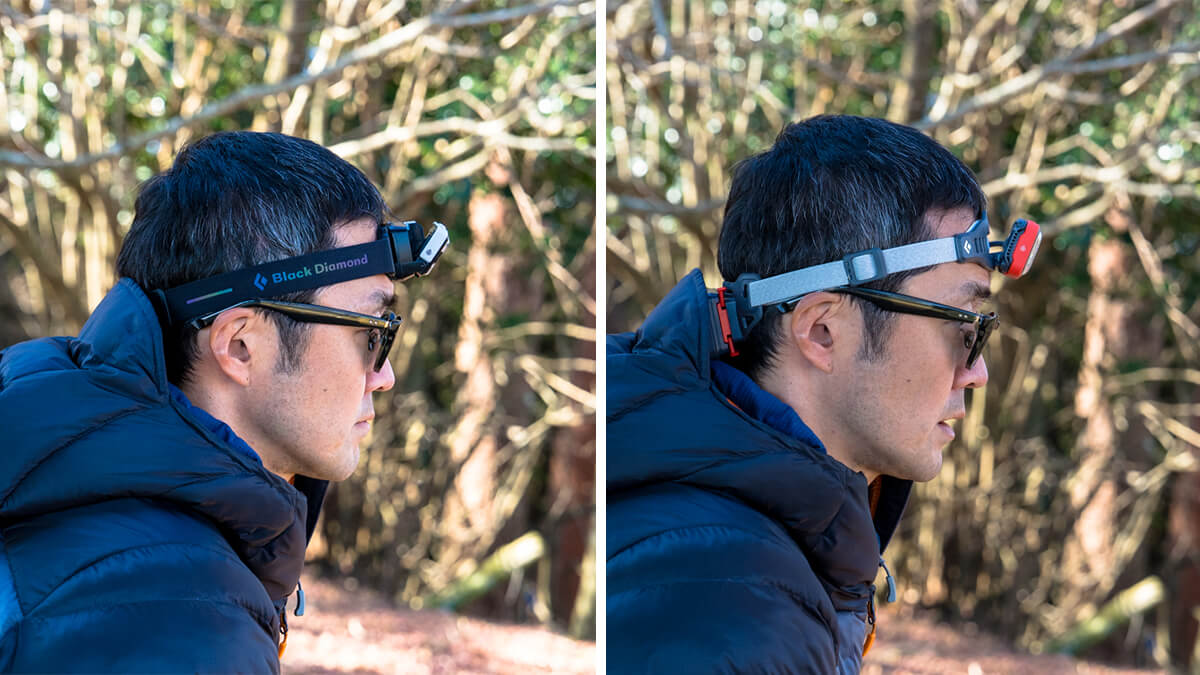
During my test run on the trail with a load on my back, apart from a slight sway, it was generally comfortable and stable, fitting perfectly in place and the lamp never slipped out of place
Brightness and battery life: High output and long battery life for even the toughest night runs
Another appealing feature of the Distance Series, designed for speedy activities, is its high-output light that can illuminate far and wide
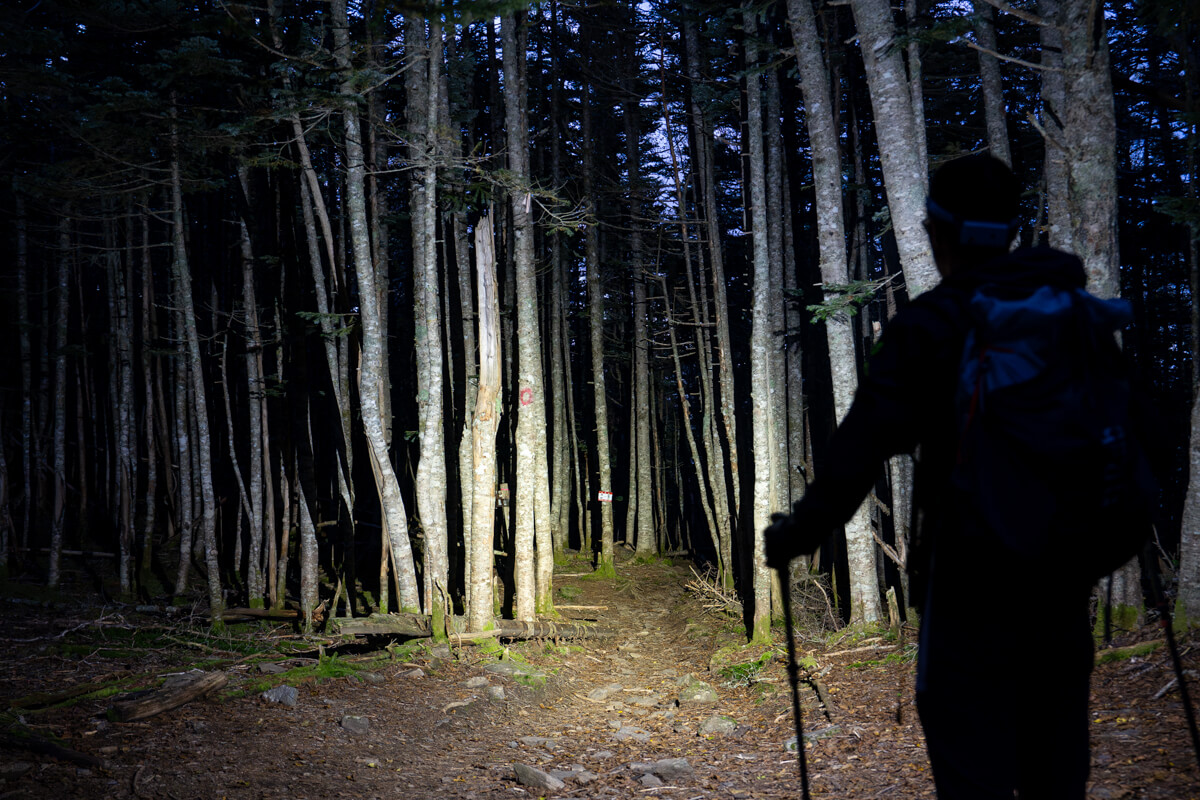
The Distance Series lights are large and come with a variety of modes: Spot/Wide, Continuously Adjustable Power, 10-Second Boost, Red, Blue, Green, and Strobe. Both lights also have a locking mechanism
To ride safely on mountain trails at night, you need clear, bright illumination that reaches far into the distance. On the other hand, if you're walking slowly and looking for a tent or the road, a wide field of view is more important than the distance the light reaches. You can choose from two light distribution patterns, "spot" and "wide," to suit your needs
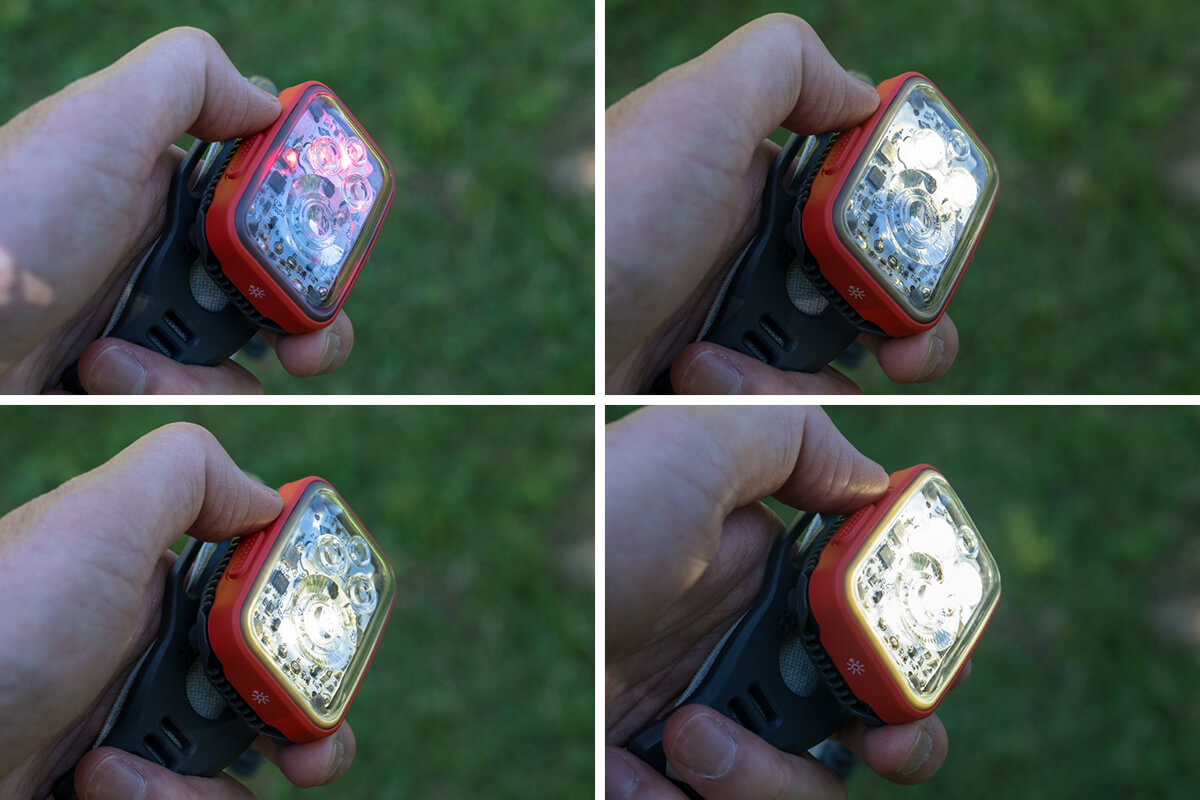
The light is equipped with a spot LED and a wide LED, as well as a matching polyhedral optical lens
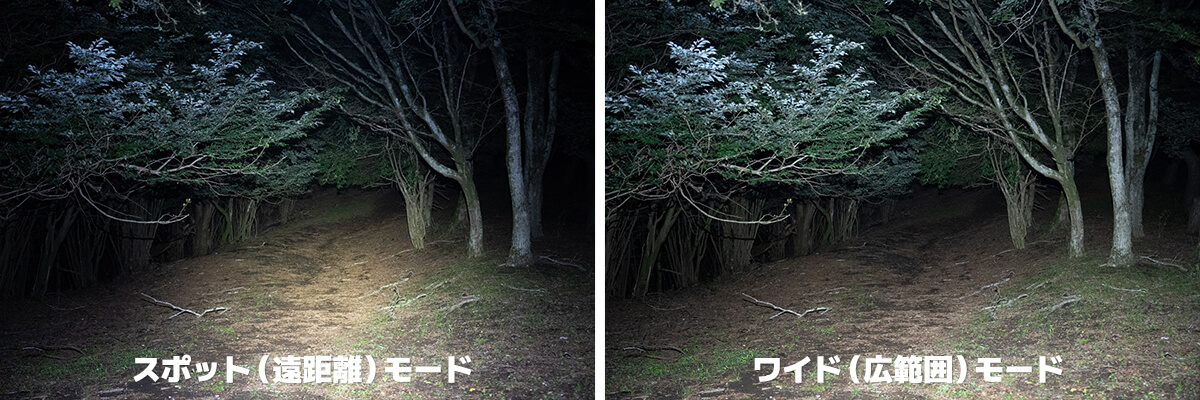
The spot mode provides bright, deep illumination in the center, while the wide mode provides even illumination all the way to the periphery of the field of view. Of course, both light intensities are adjustable
Furthermore, in each mode, you can adjust the brightness continuously by pressing and holding the button, and when set to maximum brightness, it will emit a beam that is a mix of both spot and wide light
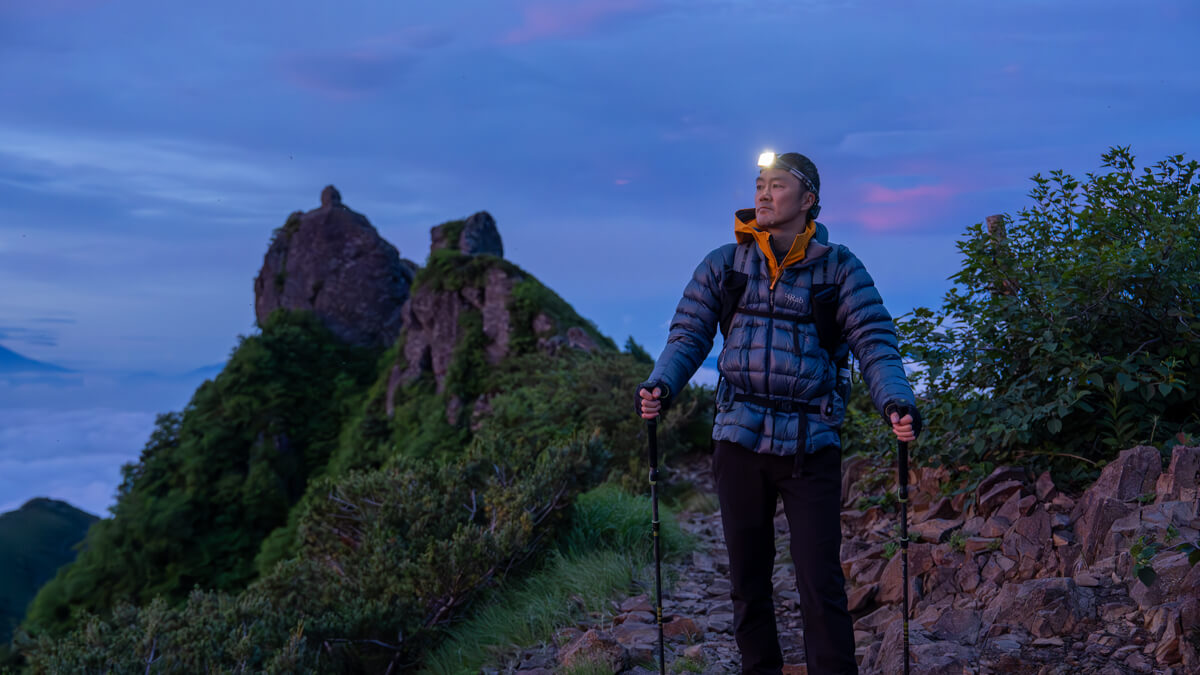
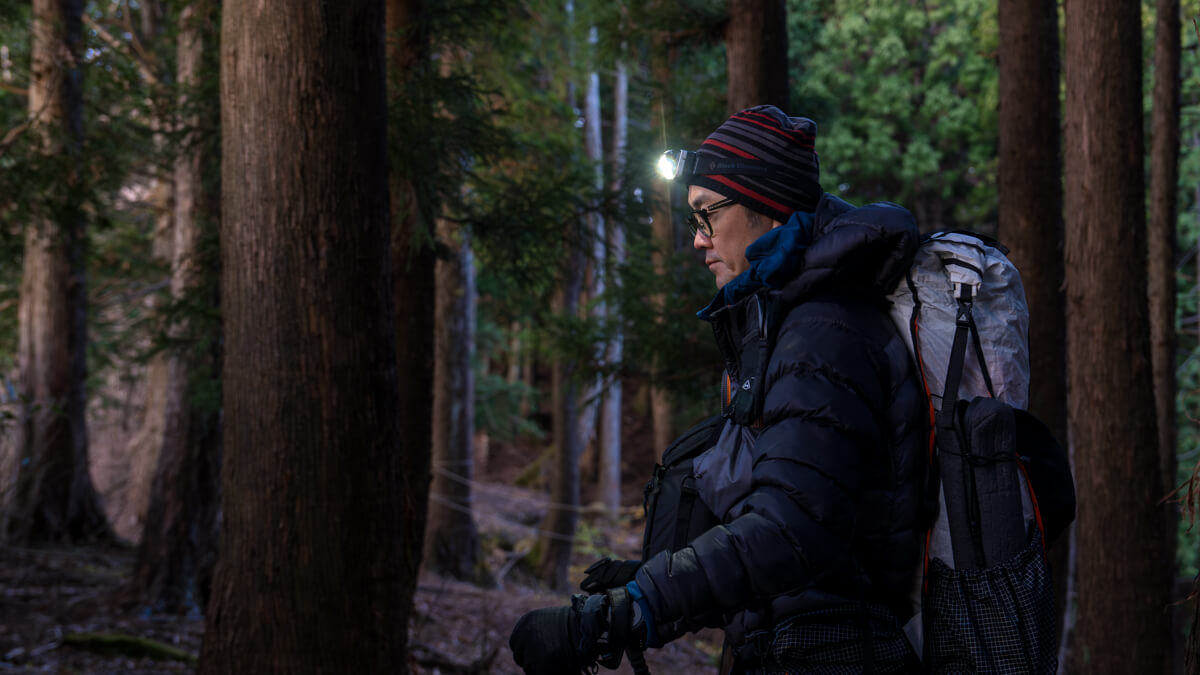
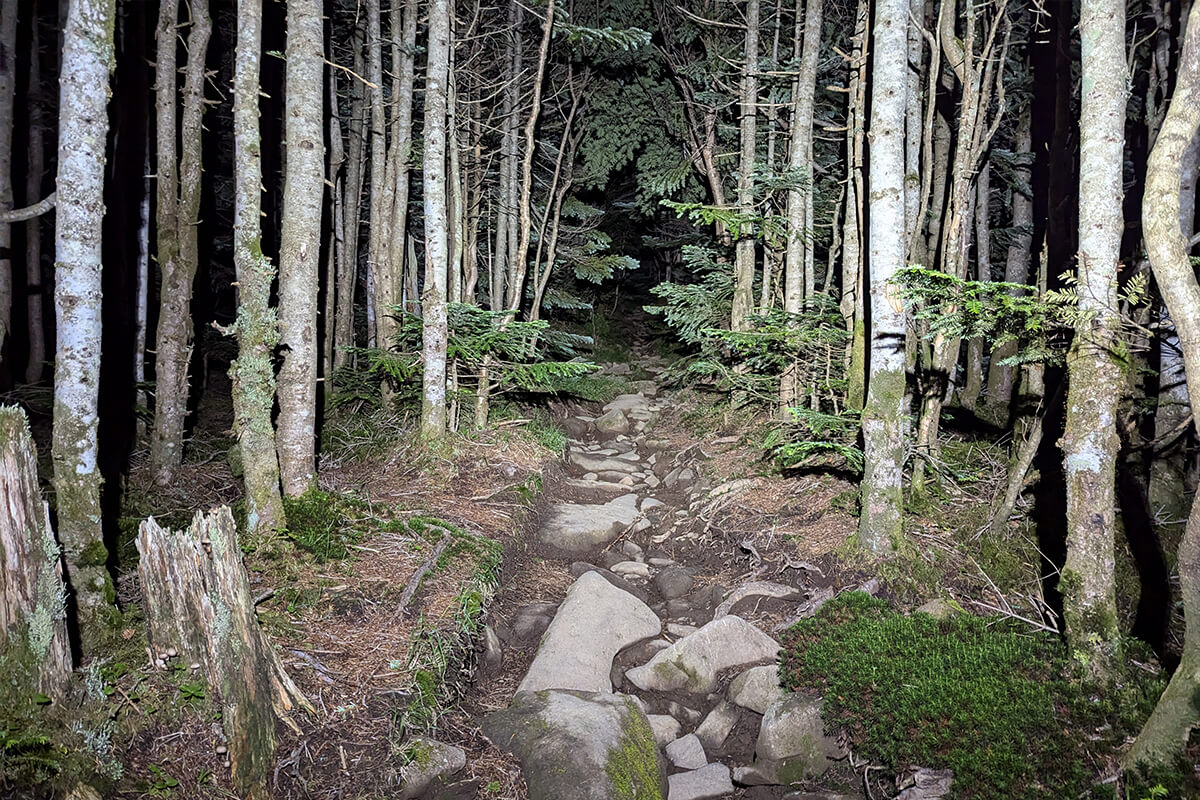
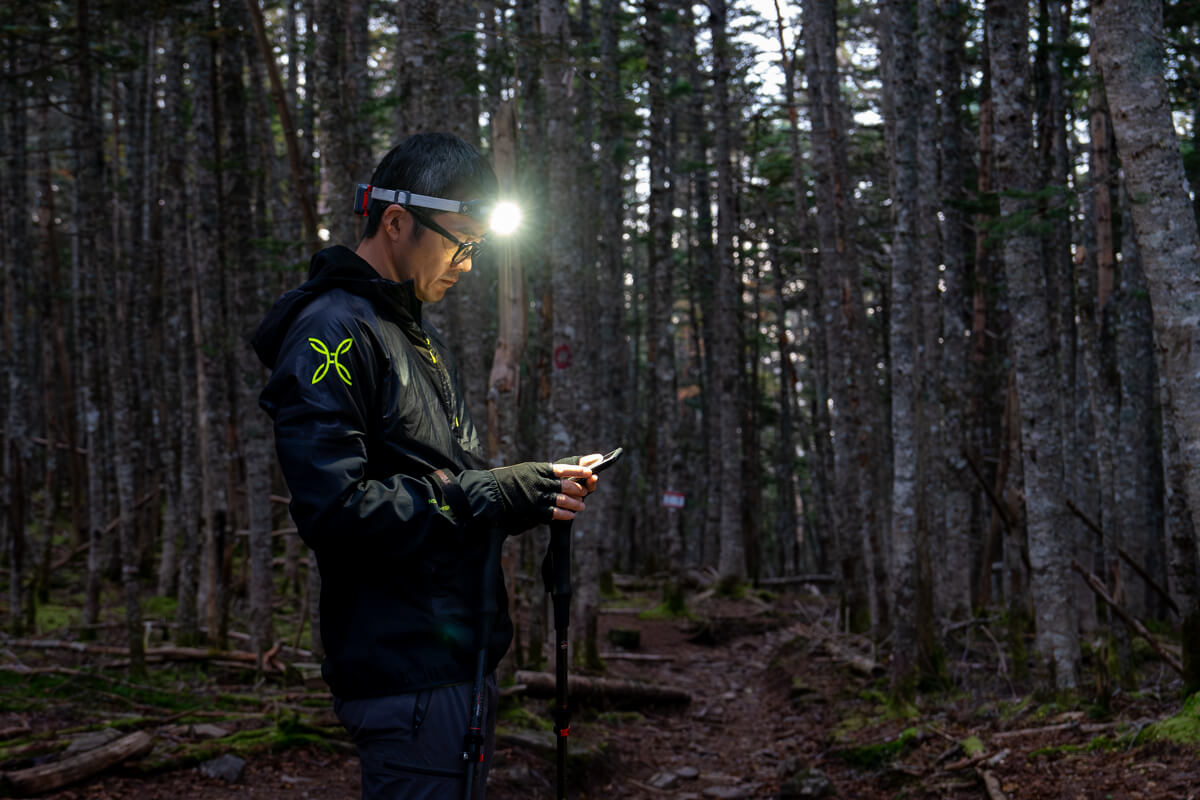
The brightness can be adjusted continuously in each mode, and at maximum output, the entire field of vision, from the back to the front, is as bright as daytime, allowing me to walk confidently even on a path between trees (photo below is 1500 ). The newly developed polyhedral optical lens provides a balanced illumination of both distant and close objects, while also smoothing the edges of the illumination range. The light distribution is extremely suitable for outdoor activities.
The maximum output allows for continuous illumination for approximately 10 seconds, providing powerful light to illuminate both the interior and exterior
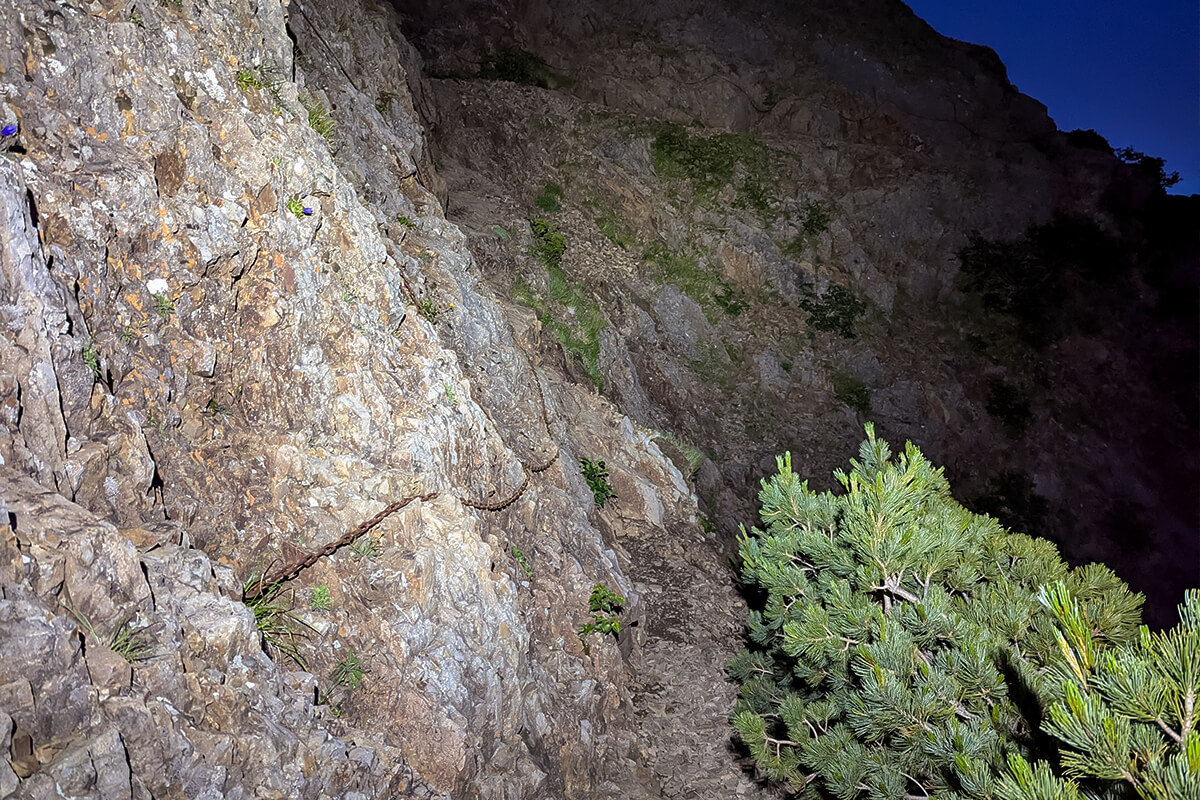
For example, if you momentarily lose track of a rocky route, you can double-tap the side of the case to switch to "Boost Mode," which temporarily increases the output to its maximum value ( 1500 lumens for the 1500 the LT1100 ), making it easier to find landmarks like red tape, red paint, chains, and handrails. Once you get used to using this by keeping it at a medium brightness level normally and boosting it as needed, you'll find it surprisingly useful as it also helps conserve battery power (the photo below is of the 1500 ).
How much difference in brightness is there between the LT1100 and 1500?
The maximum output in normal mode is 600 lumens for the LT1100 the 1500 , a difference of 200 lumens. While I personally can clearly tell the difference, the lack of 600 lumens in the LT1100 is hardly a problem unless you're a very serious athlete, and there's no doubt that both are satisfactory in terms of ease of viewing.
In the first place, with a model this powerful, it will usually be sufficient to reduce the output a little (except for skiing, motorcycling, racing, etc.) when considering battery life
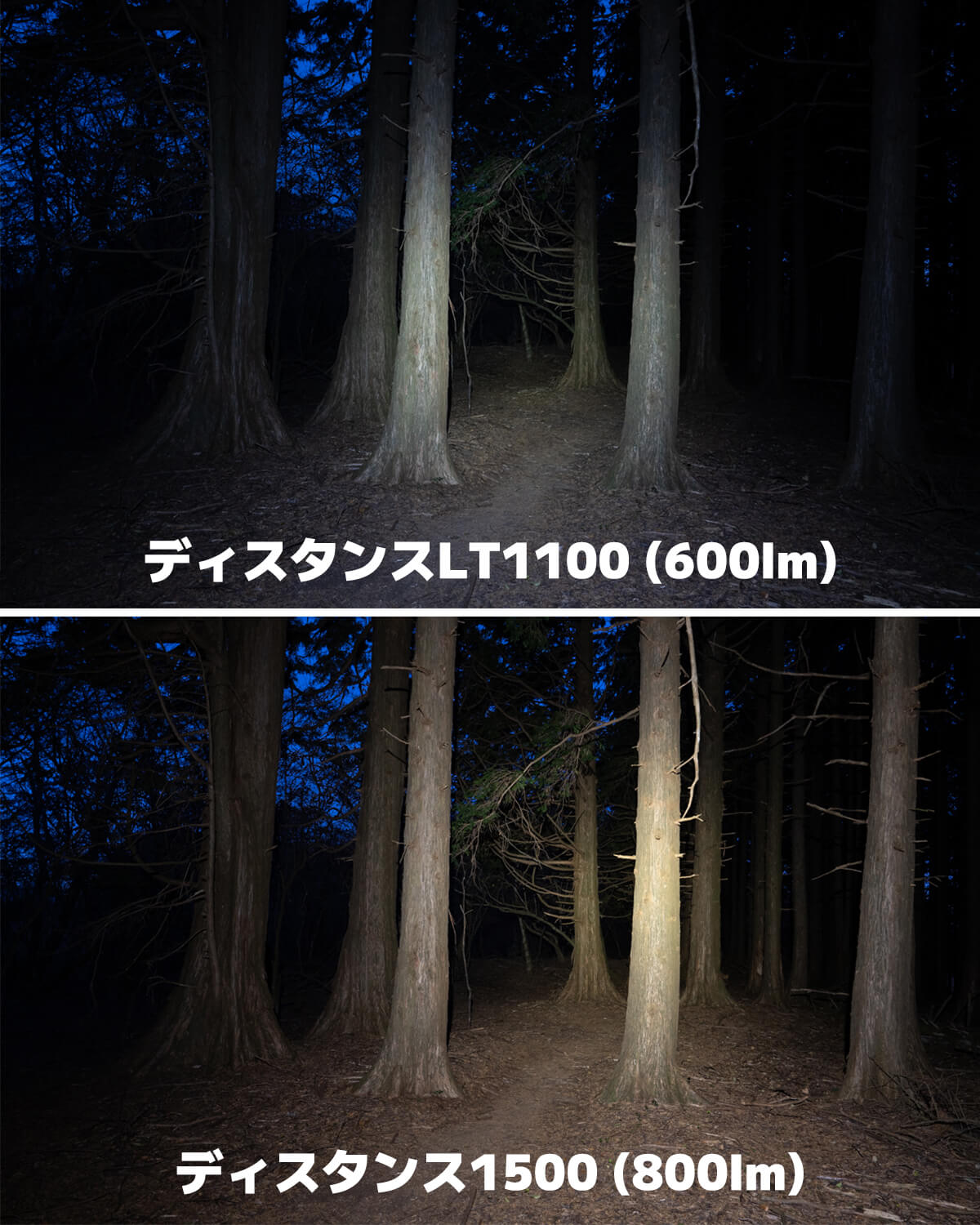
The LT1100's light is a cool white, while the 1500's light color is slightly softer, making it easier to reach even in hazy early mornings
Various modes for unusual uses
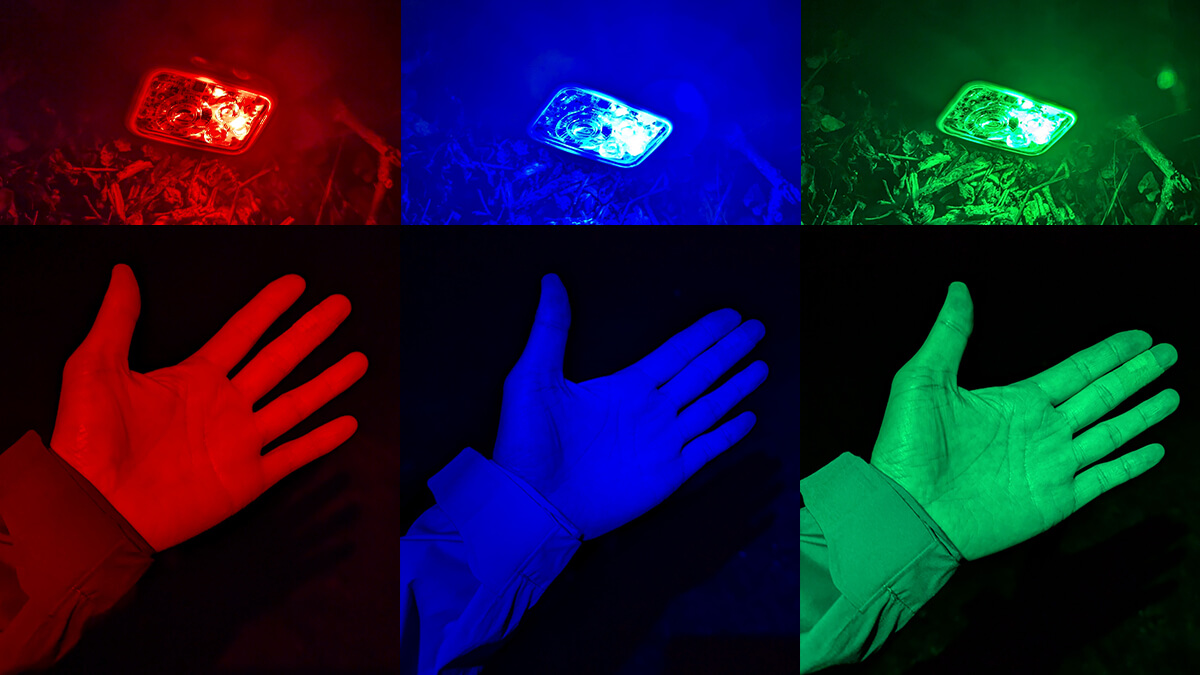
It also has a multi-color mode that emits red, blue, and green light (red is useful for astronomy, blue and green for hunting, and various other scenes and activities), and a strobe (flashing) mode that is useful in emergencies
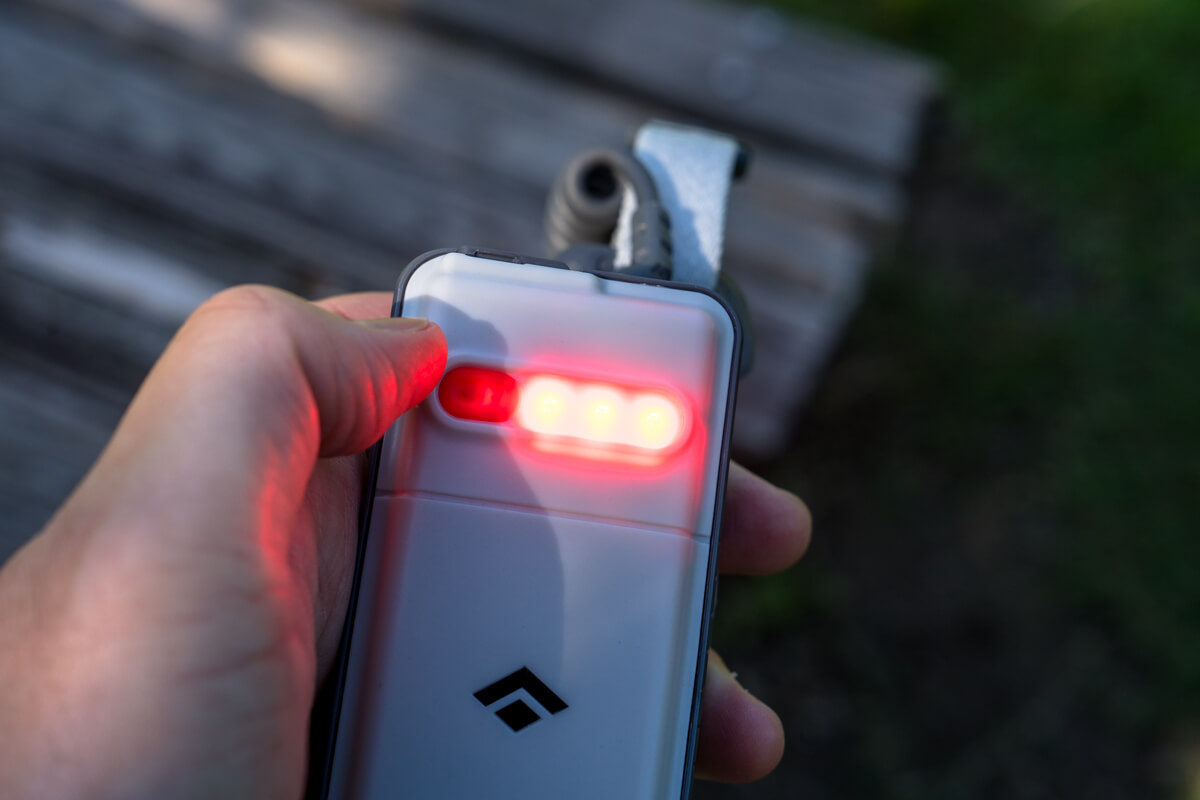
Additionally the 1500 model is equipped with a red light attached to the rear battery unit, which acts as a landmark for those following behind (see photo below).
Battery life and brightness over time
As we always do on this site when testing headlamps, we held a maximum output light about one meter away from the LT1100 and LT1500 at a light meter and measured the change in brightness over time for five hours. The results the LT1100 and LT1500 . The graph below shows this.
It should be noted that the batteries used in this test were the 1100, which was a model that had been used immediately after purchase, and the 1500, which was a model that had been used several times since purchase
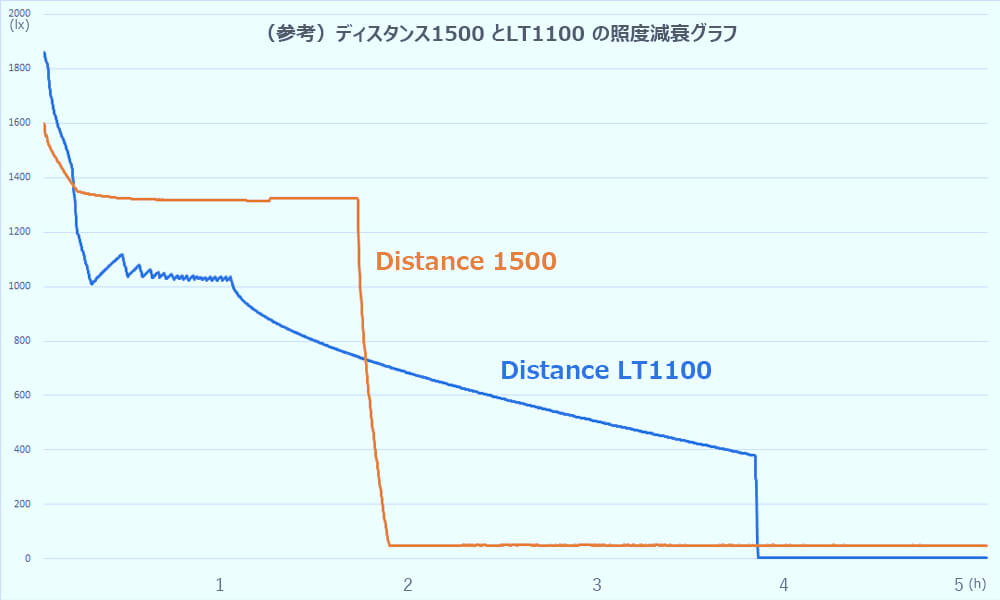
What we can see from this graph is that (when kept lit at maximum brightness) the Distance 1500 can emit an extremely bright beam of 1300 lux the LT1100 in short-term use, but on the other hand, if the usage time is extended to nearly 4 hours (and of course longer with medium illumination), LT1100 than the 1500 (incidentally, we found that these figures, which are listed in the manufacturer's manual, are generally correct).
Furthermore, when comparing manufacturer figures for burn time at medium brightness, the LT1100 is 14 hours, while the 1500 the LT1100 's design concept places emphasis on practicality over long distances and long periods of time. In short, if you're looking for a light that lasts longer, the LT1100 seems to be the better choice.
Large-capacity dedicated batteries have their pros and cons
The removable dedicated battery unit allows for efficient power utilization tailored to the device, and also provides the convenience of being able to quickly replace the battery with a spare. However, the spare battery is sold separately and is not compatible with other products. Naturally, it cannot be used with alkaline AA or AAA batteries, which is a bit of a problem
Summary: For the best performance in racing, choose the 1500. For overall practicality outside of running, choose the LT1100
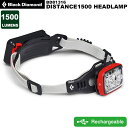
The Distance 1500 and Distance LT1100 pack a high-output, easy-to-read light and ample functionality into a sleek body that doesn't feel light. If you're only using them for lighting at the tent site or for a few minutes before dawn, they may be overkill. However, for climbers who are active from dusk until dawn, off-trail navigation on uncharted terrain, nighttime trail running races, ultra-trail skiing, cycling, and other high-speed activities, they're incredibly reliable and have all the essentials. The difference between the two can be summed up simply: the 1500 the LT1100 for those looking for a high-end lamp for a wide range of uses, including climbing, running, skiing, and racing .
Competing headlamps include the Distance 1500 and PETZL Nao RL , the Distance LT1100 and PETZL Swift RL , both of which are flagship models from top brands, but the PETZL is heavier, the power and fit are almost identical, the BD is better in terms of functionality (auto-dimming and one-tap boost), and the price is higher, so although there are subtle differences, it's honestly hard to say which is better. So, as long as you choose the one that is better in the areas you value most, you won't regret your choice.
Please consider a paid membership to support the website while enjoying exclusive articles and events!
Related reading
 Black Diamond Pursuit Trekking Poles Review: These all-season trekking poles feature natural cork and flexible straps for a comfortable grip
 [Unbiased, Self-Funded Review] The Black Diamond Distance 22 is a masterpiece hybrid backpack perfect for both runs and hikes. This time, you can even camp in it!
 Review: The new standard in snow mountain safety equipment: Avalanche airbags. Black Diamond Jet Force Pro recommended
 Review: Black Diamond Distance 15: A versatile hybrid pack that completely eliminates barriers to activity