



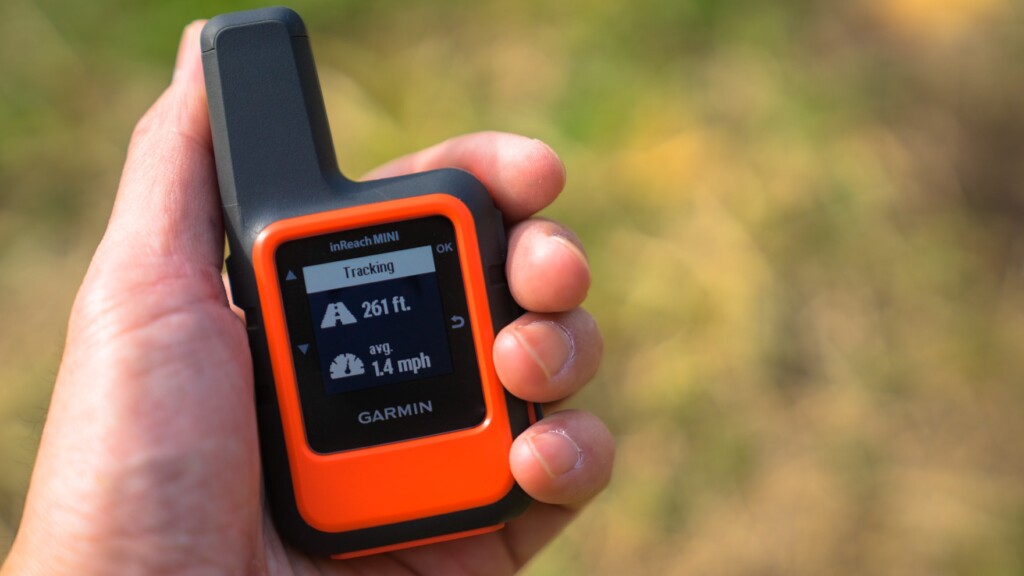
Garmin inReach® Mini: A revolutionary satellite communication device that everyone who goes into the mountains should know about

Written by Yoshihiro Murakami
table of contents
Example of use in Okutama
Here's an example of how I use it on a circular route around Okutama (counterclockwise). The tracing function requires a fee, but sending preset messages is free, no matter how many you like, so I occasionally send my current location while walking. The usual walk takes about three nights and four days, but I chose to walk four nights, including breaks
As explained earlier, my preset messages are:
- Rest stop. I will go further
- Lunch time. I rest at least for half an hour
- Tent here. A good place to spend a night
We can simplify this to L (lunch), R (rest), and T (tent), and write the paid message as $ on the map in Photo 20
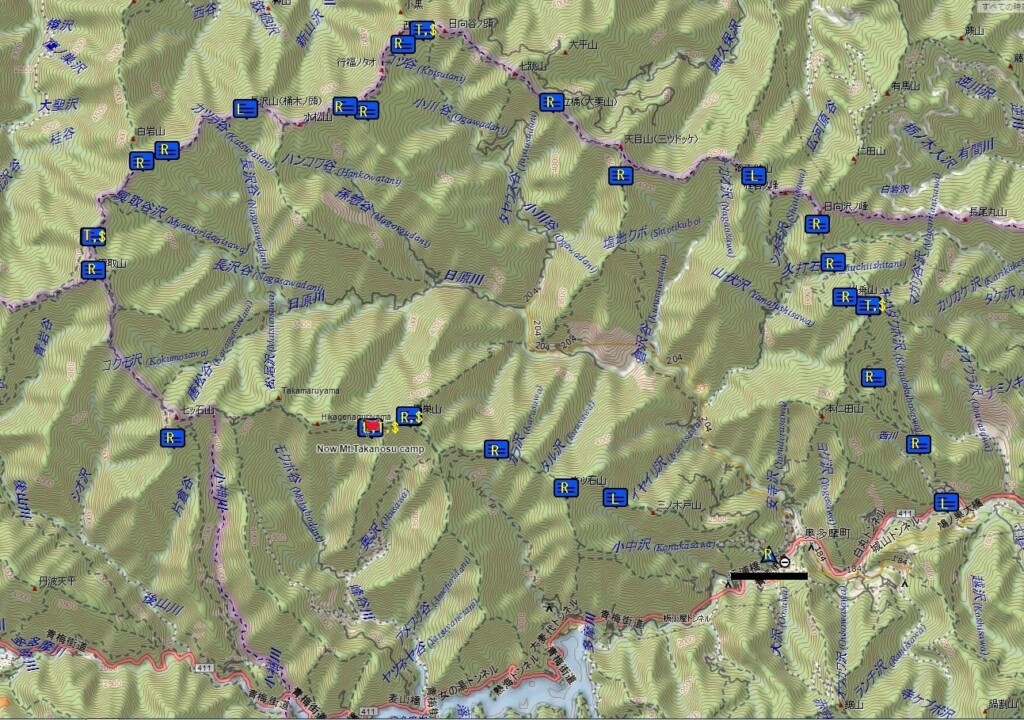
Photo 20: Okutama circular route, counterclockwise
first day
The inReach Mini's preset message is L, R, R, T from Hatonosu Station. After lunch, I received a message from a friend saying, "Have a good trip!" I didn't reply because it would cost $0.50. When a message is received, a loud warning sound is emitted, allowing me to immediately check the message on the inReach Mini
We secured 8 liters of water at a water source on Mt. Kawanori and pitched our tent on a nearby ridge, but it was already dark. Clouds were gathering and the weather was bad. After eating, we tried to send a message to conclude the day, but the GPS wouldn't converge, so we gave up. This was probably due to the thick clouds
Day 2
In the morning, the weather cleared up, so I sent a paid message to reassure everyone
Clear sky, slept for a long time, steak of the last night was delicious. I will start in
30 minutes
It was
The preset messages after this are R, R, R, L, R, R, T. We took a photo of Mt. Fuji from the peak of Mt. Kawanori, had lunch at Mt. Sobaguru, repaired the water source (repairing a loose pipe, fixing the pipe with rocks, stacking stones to place the water bucket horizontally, etc.), and arrived at Toridani Hut at 16:40. As it was unmanned, we stayed overnight. The final paid message is,
Now, Toritani hut. No one here, started 7:30, Odori-daira 9:00, Mt.Sobatsubu, lunch, 11:00, Ippaimizu 13:30, here 16:40
Now, Toritani hut. No one here, started 7:30, Odori-daira 9:00, Mt.Sobatsubu, lunch, 11:00, Ippaimizu 13:30, here 16:40
It was
Toridani Hut is built on a steep slope, with little open sky. It took about five minutes to send a preset message, and more than ten minutes to send a paid message. The Mini's GPS seemed less stable in adverse conditions. The older Explorer model also took a little longer, but still less than ten minutes
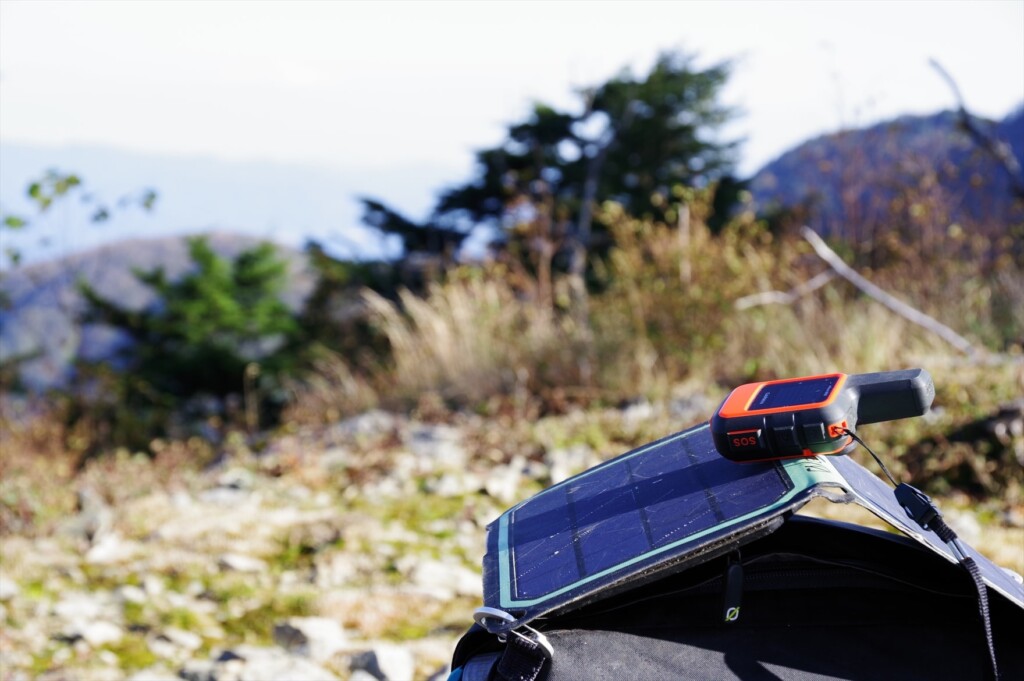
Photo 21: inReach MINI sending a preset message during a break
third day
The weather and my physical condition improved, so I walked smoothly. The preset message was R, R, R, L, R, R, T. I had lunch near Imonoki Dokke, and remembered all the ups and downs of the Nagasawa Foreland, so I passed through without any difficulty. I arrived at the Kumotoriyama campsite at 14:30. The weather was getting worse, and I was able to use my smartphone while it was still light, but it lost signal in the evening. The message after dinner was,
Now Mt.
Kumotori campsite: started 7:00, Mt. Nagasawa 10:15, lunch 12:10, Mt. Imonoki-dokke 13:00, here 14:30
It took some time to send this message. When clouds appear, GPS location calculations seem to be delayed
Day Four
It was a cloudy, windy, and cold day. The preset messages were R, R, T. The summit of Mt. Kumotori was out of range, and we could only see the base of Mt. Fuji, so our motivation was dropping, and we took a detour from Mt. Nanatsuishi to Mt. Takamaru. Around noon, we set up our tent at the campsite on Mt. Takanosu. The final paid message was,
Now Mt. Takanosu campsite: started 7:30, Mt. Kumotori, slight view of
Fuji, Alternative trail of Mt. Nanatsuishiyama, here 11:50Now Mt. Takanosu campsite: started 7:30, Mt. Kumotori, slight view of Fuji, Alternative trail of Mt. Nanatsuishiyama, here 11:50
I couldn't think of the English word for the detour, so I decided to take another route, but it wasn't too winding, so it didn't seem too bad. I brought 8 liters of water, took a nap, and stayed in the tent until after dinner. The radio said it would rain in the evening. There was no one staying in the shelter, so I packed up my tent and moved away
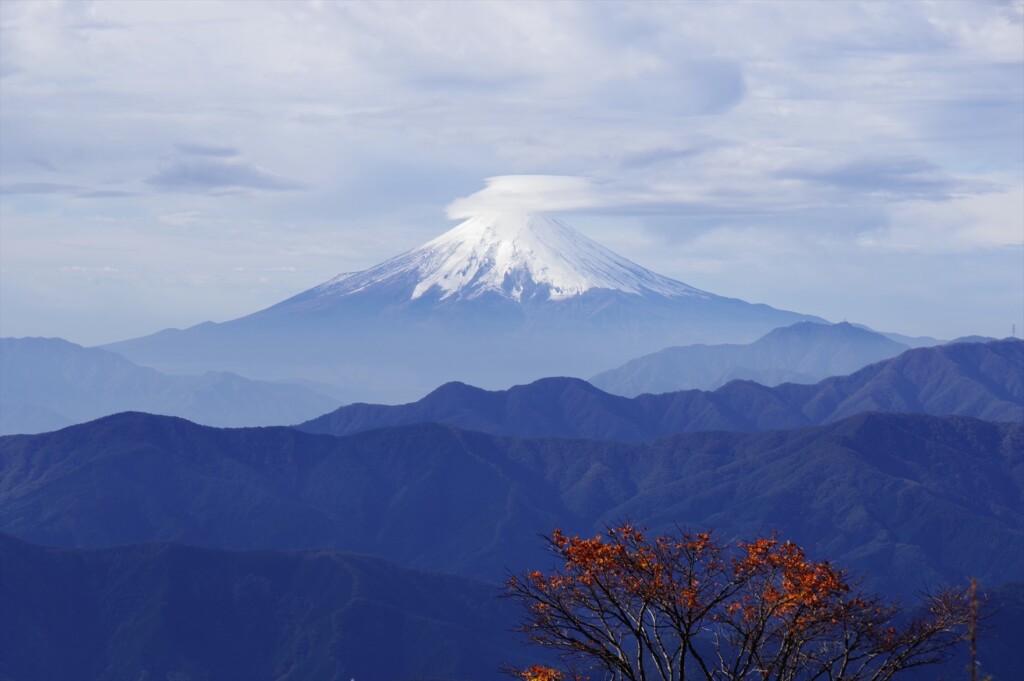
Photo 22: I waited an hour for the clouds to disappear, but the cap clouds remained
Day 5
On the last day, I took a photo of Mt. Fuji from Takanosuyama, then just went down. The preset message was R, R, R, L, R. I didn't need a paid message, but the weather was improving. So I waited for an hour at Takanosuyama and took a photo of Mt. Fuji. I didn't want to worry anyone,
for a clear view of Mt. Fuji. Cloudy,
rained at night
I sent "R." I had lunch after finishing Ishione Ridge, and from here on, my smartphone was within range. I sent "R" near Okutama Town, so that I could confirm that I had arrived safely
Experience using inReach Mini
The inReach Mini packs an Iridium satellite communication device and a GPS device into a tiny 100g case. The screen is small and the display is simplified. The GPS performance is not very high
On older Explorer models, once the GPS position calculation is complete, the word "3D" will appear. If the Iridium satellite is detected and communication is in progress, a two-way arrow will appear. This tells you that communication will end after a short wait
However, with the inReach Mini, you cannot tell if the GPS position calculation is complete unless you switch to the Location screen in the menu. Also, you cannot tell if the Iridium satellites have been identified unless you return to the top screen. This is shown in Photo 23. It is still inconvenient
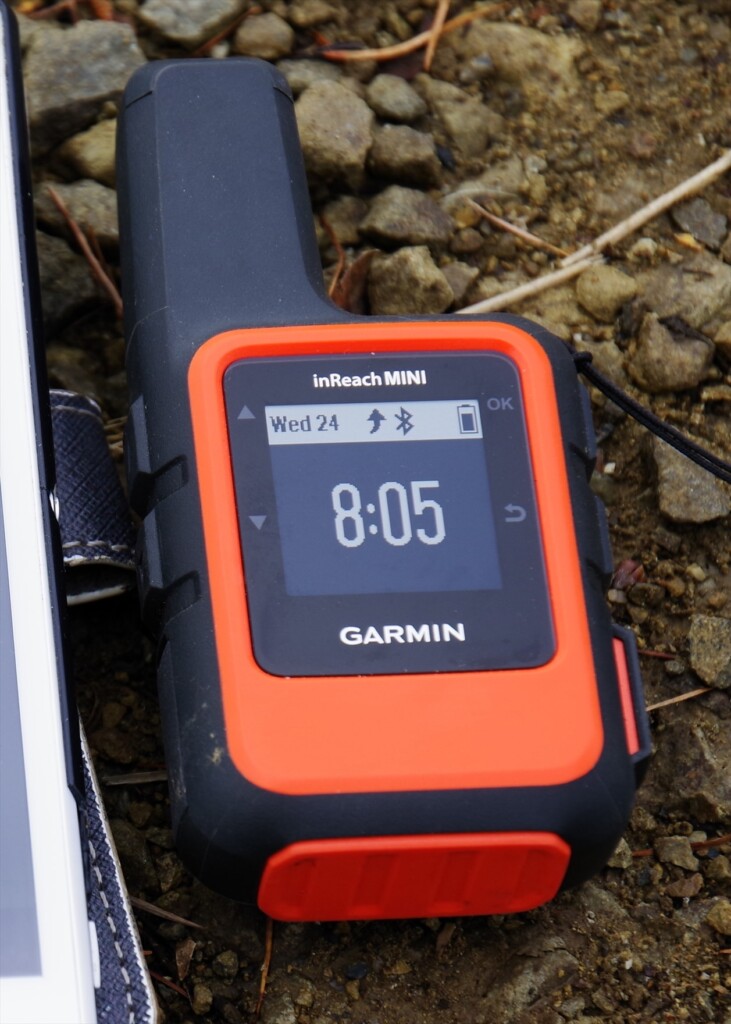
Photo 23: Once the GPS position calculation is complete and you are communicating with an Iridium satellite, a curved upward arrow will appear. After a while, the transmission will be successful
A GPS device tracks three or more GPS satellites and uses the slight time difference in the radio waves from them to calculate its current position, then uses this provisional position to repeatedly calculate and reduce the error.When this error falls within an acceptable range, the current position is considered to have converged
The Mini's built-in GPS works quickly in clear weather. It's very accurate, with a position error of about one meter. However, the speed of position calculation drops significantly in cloudy weather, through woods, etc. This may be because the sensitivity of the GPS unit is not very good. In any case, it won't finish calculating the position until it can calculate an accurate position
In fact, I always carry a standalone GPS called Map64s with me. This GPS is extremely capable; it calculates your current location and displays it on a map within 10 to 20 seconds of turning it on. It even successfully calculates your location in the woods, on a train, or on a bus. Garmin's standalone GPS displays your current location even if there is an error of about 100 to 200 meters, and then corrects the error over the course of 1 to 2 minutes, eventually reducing the error to about 1 meter. It's a bit rough, but it's practical
The inReach Mini and the old Explorer do not consider their location calculations complete until they have determined an accurate location using GPS. This seems to be a difference in strategy, or rather, in their calculation philosophies. They seem to dislike sending inaccurate location information. Delore was absorbed into Garmin about two years ago, but I get the impression that Delore still exists independently within Garmin
Although Explorer+ can display maps, I suspect that its GPS performance and location calculation algorithms are far inferior to those of the Garmin Map64s. Standalone GPS devices like the Map64s have the advantage of being able to download free topographic maps from around the world from GPSFileDepot (https://www.gpsledepot.com/). For the time being, it's probably best to use both a stand-alone GPS and an inReach Mini
When GPS does not converge
What to do if the GPS position calculation does not converge and you cannot send an email? In most cases, the Mini will be able to detect the Iridium satellites, so it is best to ignore the GPS and send the email. In other words, if you cannot send the email no matter how long you wait, leave the smartphone as it is
- Power your inReach Mini OFF, then ON
- If a message is being sent, a menu appears with the options Wait for GPS and Send Anyway
- Select Send Anyway
This option will solve the problem if necessary. If a message is in the process of being sent, resetting the smartphone will not cause the message to be lost. In my experience, turning on the inReach before composing the message on the smartphone increases the chances of the message being sent successfully
When was it useful?
Let me share some experiences that I found very helpful
The water purifier broke
In August 2012, while hiking south from Yosemite on the John Muir Trail, the pump in my water filter broke after passing Muir Pass. The water in the United States isn't clean, and I wanted to drink unpasteurized water, so I was in a difficult situation. Fortunately, I was with a Japanese hiker for a while, so I borrowed his water filter for a day. My wife and I were scheduled to meet up in Bishop, so I sent a message via inReach to secure the water filter
There's a large mountaineering equipment store in Bishop, but they don't always have it in stock. They arranged for a water filter to be secured before I arrived. This was the first-generation InReach. It ignored my location information, so it seems I was in Africa
My camera broke
In July 2015, I retired and stayed in Pinedale for two months, hiking the Winds. On my second hike, the autofocus on my SLR stopped working. Manual focus was possible, but it was inconvenient. So I sent an email via inReach to my wife in Japan, asking her to send me a replacement camera. When I returned to the hotel after my second hike, my other SLR was waiting for me
After my first hike, I managed to hitchhike and get a ride. However, the roads were the worst in the winds, and I was bouncing around in the car. The autofocus part of the lens broke, and the camera itself was on the verge of collapse, and it stopped working after a while. However, thanks to a replacement model, I was able to capture many spectacular views of the winds. This was also thanks to the first-generation inReach. It's common for there to be no camera stores in rural American cities
muscle tear
In August 2017, I was walking north on the John Muir Trail. It was a year with record-breaking snowfall, and I avoided river fording and did a lot of cross-country skiing. Perhaps this fatigued my leg muscles. As soon as I jumped over a stream and landed on a rock on the opposite bank, I felt a sharp pain in my left leg. I later learned I had torn a muscle in my calf
I was still south of Mather Pass, and it was still three days and two nights until I reached Bishop. I was planning to meet my wife there and hike the loop trail that included Muir Pass. I was in a lot of trouble, but after taking some painkillers, the pain went away and I was able to walk. I called in to say I'd be delayed due to an injury to my foot. In the end, my wife extended my stay at the motel by about three days. I couldn't use my legs on the climb, so I arrived in Bishop a day late
Because I had internal bleeding in my leg, I gave up on the loop trail and decided to hike to Bishop Pass, a three-day, two-night round trip. My leg recovered in about a week, and I walked to Yosemite. I used the inReach Explorer, which I still use today
I didn't press the SOS button because a torn muscle is just a small piece of muscle, and I can walk after taking painkillers. If it was a torn Achilles tendon, I would have had no choice but to press the SOS button
To sum up
The inReach Mini's GPS has the drawback of slow convergence under adverse conditions. However, in good weather, the location information is accurate. Even if the GPS does not converge, two-way communication using Iridium satellites is possible anywhere. The cost of the device is around 40,000 yen, and a one-year contract costs $12 per month. It weighs 100 grams. Honestly, there's no reason not to use it
The SOS button on the inReach Mini should only be pressed in a desperate situation. If you find yourself in a difficult situation, you can send an email to a friend to try to resolve the situation, even if you don't press the SOS button. Currently, there are very few Japanese inReach users, so I have shared my experience and how to use it
It's not uncommon for a missing person to take a week or even two to search for in the mountains of Japan. A long search can mean lost lives. However, this sort of thing could be prevented by introducing the inReach Mini. I hope that tragic accidents in Japan will never happen again
I borrowed an inReach Mini from Outdoor Gearzine and had the opportunity to write a review. I'm simply a longtime inReach user and have no vested interest in Garmin

[Editor's Note] As mentioned earlier, in addition to the basic usage explained here, we have written a new article on more practical usage. If you are interested, please also refer to the article below
Nobuhiro Murakami
Born in 1950. Currently Professor Emeritus at Toyama University. Specializes in educational psychology and educational measurement. His outdoor-related works include "The Complete Guide to Sleeping Noshiki" (Sanichi Shobo), "Outdoor Gear Considerations: The World of Backpacking" (Shunjusha), and "Hiking Handbook" (Shinyosha). His psychology-related works include "Psychological Tests Are Lies" (Nikkei BP), "What Can Psychology Tell Us?" and "The Deceived Intelligence" (Chikuma Shobo). His most recent work is "The Complete Guide to Hiking in the United States" (Ei Publishing), which compiles the author's know-how from long-term annual hikes on numerous American long trails, including the Glacier Trail, the John Muir Trail, and the Winds Trail


Related reading
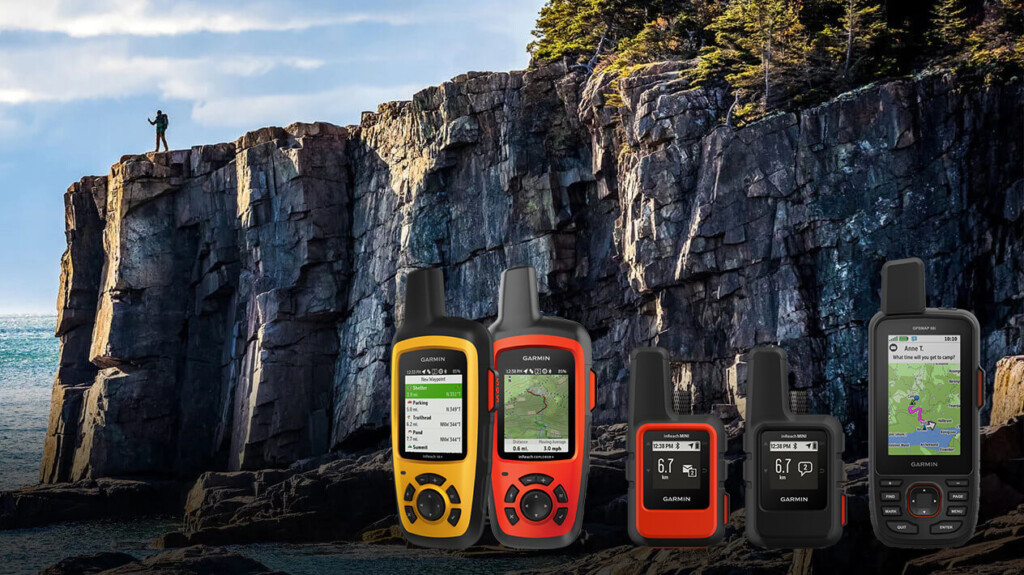 Practical Use of the Garmin inReach, an Affordable Satellite Communication Device, for Hiking - Two-Way Messaging, Facebook Integration, and More
 Goodbye Garmin inReach. Welcome au Starlink Direct
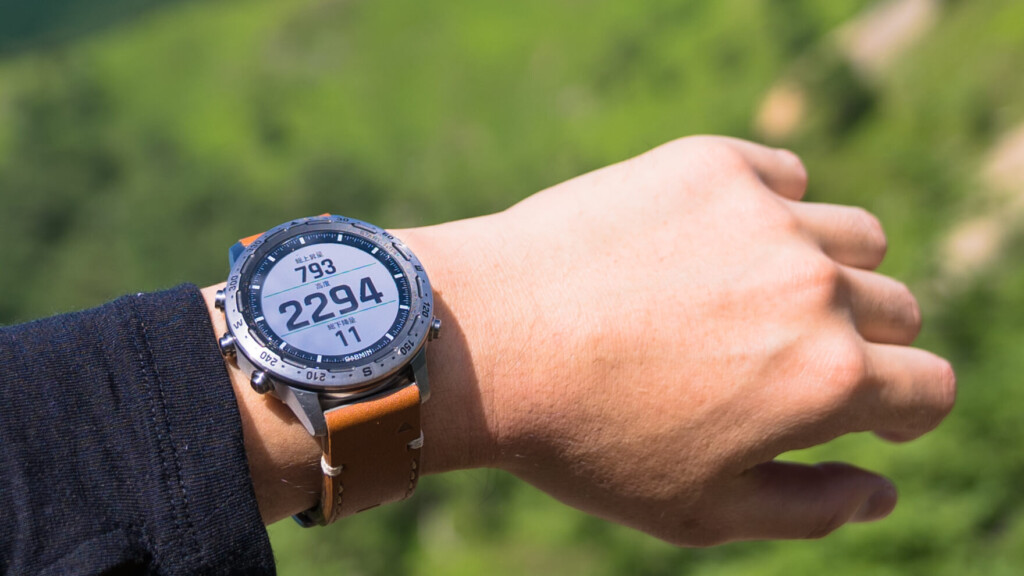 Review: Garmin MARQ Expedition The unique joy that resides in Garmin's premium outdoor smartwatch can't be measured by specs alone
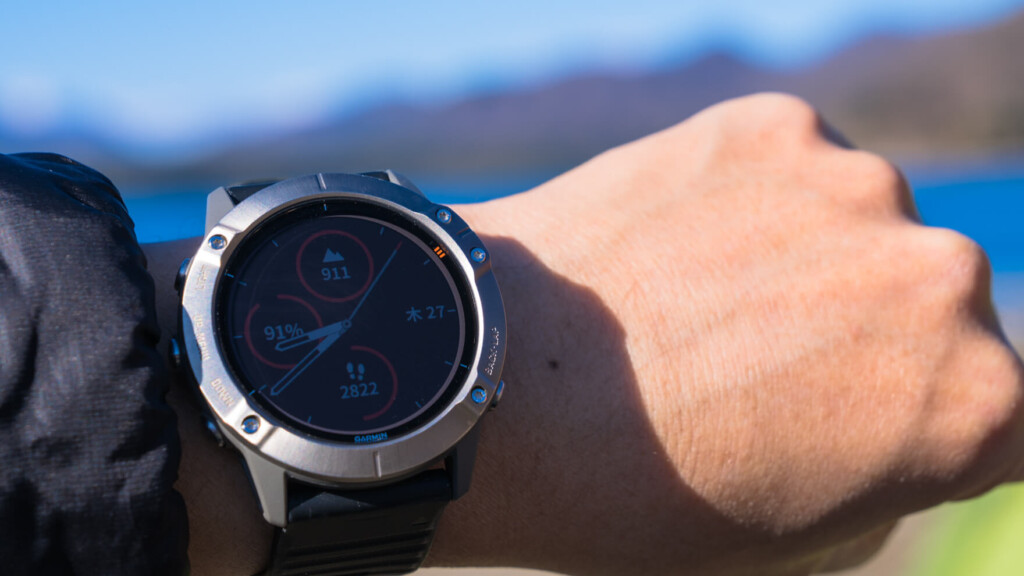 Review: Garmin Fenix 6X Pro Dual Power This is what we've been waiting for: an outdoor smartwatch that satisfies the desires of all athletes and weekend adventurers