



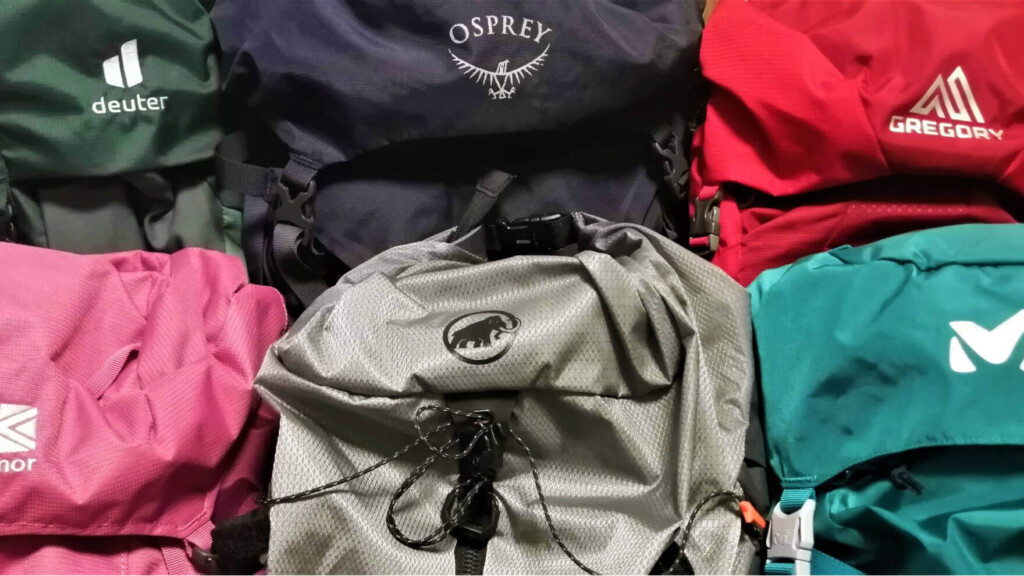
[An unbiased, self-funded comparison review] Women's backpacks. Will a new Cinderella backpack emerge for this Osprey-loving, 100-mountain-famous female mountaineer?
Written by Mioko Matsubara
I love the backpack brand Osprey. My previous companions have been the VIPER 13 → EXOS 38 → Kyte 36. My compression bags and attack backpacks are also Osprey. Before I knew it, I had become an Osprey fanatic. So what is it about Osprey that I love?
[What I like about Ospreys]
- Attention to detail ←Very important
- Plenty of small storage compartments ← the most important thing to me
- Sturdy ← Amazing (No noticeable damage even when hitting rocks or trees or being stabbed by an ice axe)
- Despite having the above features, the price is reasonable
The Attack backpack is packable and has a top compartment and side pockets, which is a great feature. As for the Kyte 36 that I currently use, I have found almost no flaws with it so far
[My personal favorite points about Kyte 36]
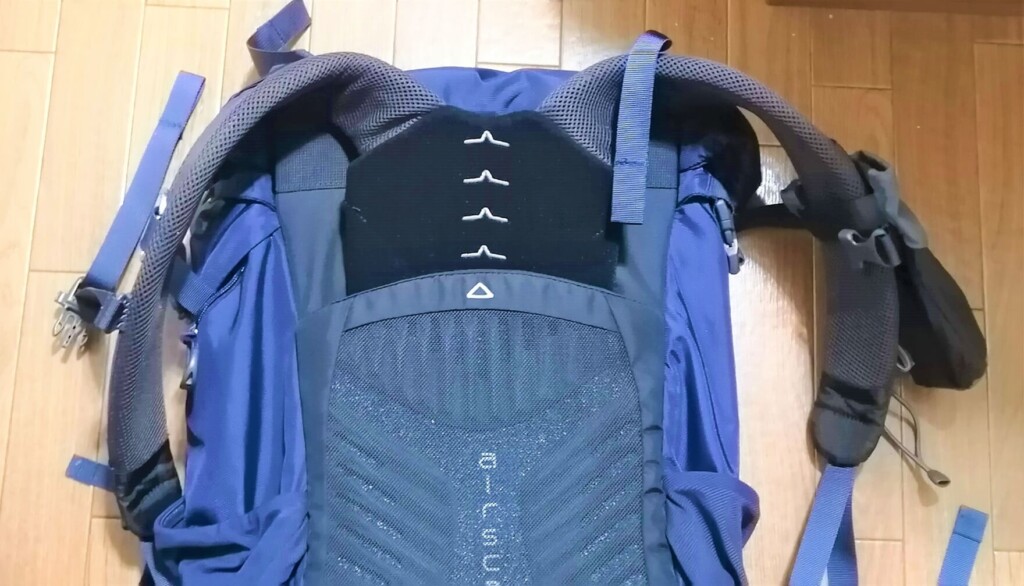
You can adjust the height in 5 steps by removing the Velcro on the back panel
- It is a women's model (the men's version is Kestrel) *For a review of Kestrel, please click here
- Back length is adjustable
- Plenty of storage space (mesh side pockets that can be accessed from both the top and sides, pockets on both waist belts, a large pocket on the front, and many other small compartments)
- You can attach trekking poles to your armpits (Stow-on-the-Go trekking pole attachment)
- Hydration storage is on the outside of the pack, not inside
- It has a strap to pull the backpack closer to your waist
- Easy to use, with functions that can be roughly understood at a glance
- Large zipper on the side for direct access to the main compartment
And so, he is in an invincible state, with no enemies in sight
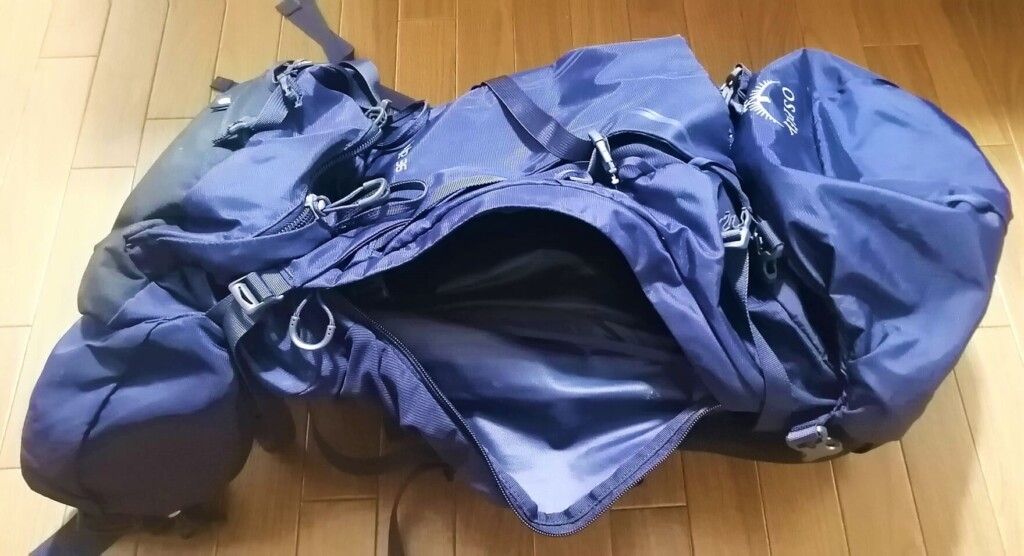
Direct access to the main compartment makes packing easy, organizing your belongings, and retrieving your belongings
This Osprey enthusiast recently received an unreasonable offer from Outdoor Gearzine: "Would you like to do a comparative review of backpacks?"
We decided to test out some of the most famous backpacks from other outdoor brands to see if there is any other backpack that can beat the Musou Kite
Because of this, I honestly don't know if this is a fair and unbiased comparison review. But I'm not an Osprey ambassador or anything. To be honest, I've barely ever properly carried a backpack other than the Osprey, so if I find a backpack that fits me better than the Kite, I might easily cheat on it. Will this review make me love the Osprey even more, or will it lead me to find a new companion? Enjoy reading!
table of contents
- Select a comparison candidate
- Find a backpack bigger than the Osprey Kite 36! The competition begins!
- Round 1: "The hero of North America" GREGORY Amber 34 x OSPREY Kite 36
- Round 2: "UK Fashion Leader" Karrimor Ridge 40 x OSPREY Kite 36
- Round 3: "Backpacks from Germany, the outdoor powerhouse" Deuter Futura Pro 34 SL x OSPREY Kite 36
- Round 4: "Bonjour from France! We'll never forget the Japanese attention to detail" Millet Saas Fee 30+5 LD x OSPREY Kite 36
- Round 5 (Special Edition) "Mammoth from Switzerland" MAMMUT Dukan Spine 28-35 Women x OSPREY Kite 36
- Summary: Has a new Cinderella backpack emerged?
- Match Results & Spec Comparison Table
- [Supplementary information] Backpack comparison review
Select a comparison candidate
First of all, I limited myself to backpacks made for women. Generally, most backpacks are unisex, but sadly there aren't many backpacks for women. Most are made to fit the male body type, so there are quite a few cases where the back length or waist belt position doesn't quite fit
By the way, the features of women's backpacks are:
- The waist belt is designed to support the weight on the waist
- Shoulder straps and frames designed to accommodate shoulder width and bust
- The back length is designed for women
- There is ample storage space
And so on
This time, we've picked out backpacks that are around 35-40 liters in size and are relatively versatile, suitable for overnight stays in huts or day trips with lots of luggage. One fast-packing backpack we were interested in is around 30 liters, but that's okay. So, below are the chosen warriors who will be taking on the king of kite riding
- Deuter Futura Pro 34 SL
- GREGORY Amber 34
- Karrimor Ridge 40
- MILLET Saas Fee 30+5 LD
- MAMMUT Dukan Spine 28-35 Women's
Find a backpack bigger than the Osprey Kite 36! The competition begins!
Round 1: " The hero of the North American continent" GREGORY Amber 34 x OSPREY Kite 36
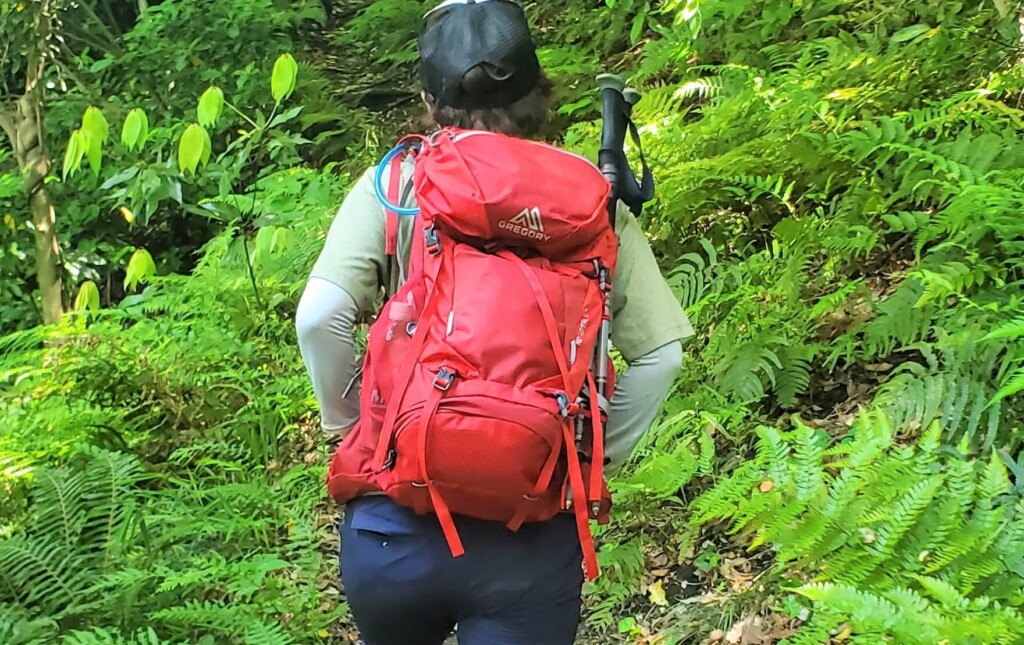
The overall image of Amber 34. Red really stands out against green
Here is ◎
- Back length can be adjusted
- The strap on the main compartment is easy to open and close
- Easy-pull zipper
Here is △
- Rain cover storage in the rain cover
- The front pocket is small
- The main storage is one compartment
- My back gets surprisingly hot
The challenger is Gregory, known as the Rolls-Royce of the backpack world. Their rival is Osprey, a backpack brand created by a current founder with exceptional craftsmanship that could be called the Steve Jobs of the backpack world. So, how will the battle turn out?
<Comfort when wearing> It's hard to say which is better, it's a draw!
The comfort of carrying the backpack and the fit around the waist are almost equal or even better. It's truly comfortable. If I had to say something, it was that my back felt a little sweaty. The back length for women is apparently shorter than the men's version, but since I have a long torso, I stretch it out to the maximum
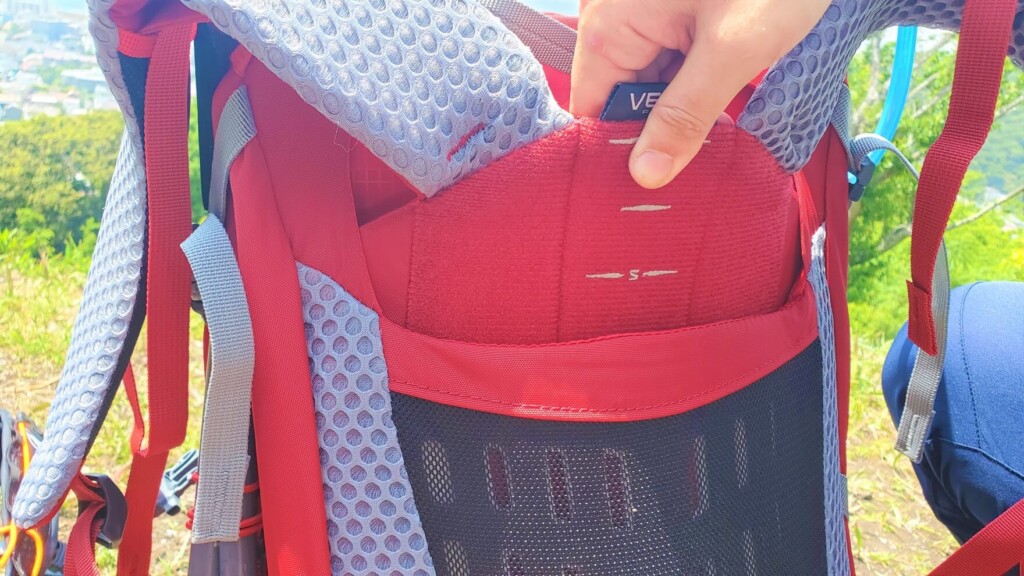
Being able to adjust the back length is "very" important
The waist belt can be tightened to wrap around the hip bones, allowing the weight to be firmly supported by the waist

A soft, wide waist belt that hugs your hips
The back length can be adjusted, and the seatback is supported firmly and softly. It's truly a Rolls-Royce, as you'd expect. It's a match for the Jobs Osprey
<Usability> Gregory wins!
The strap at the entrance to the main compartment is extremely easy to use! It opens and closes smoothly and comfortably
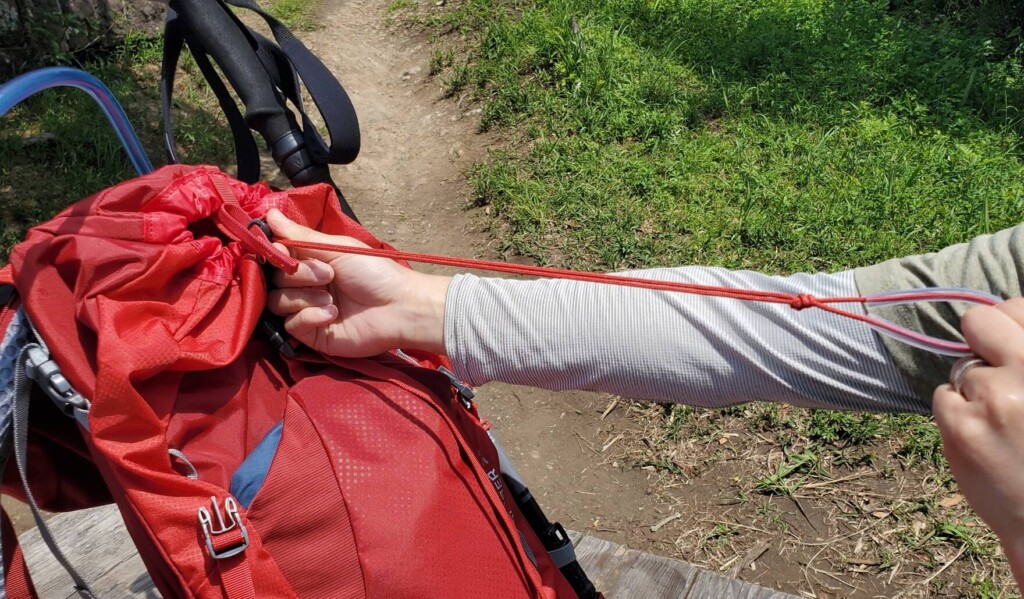
The handle on the right side of the photo has a transparent cover, which is a nice touch to prevent your fingers from hurting
Generally, bags are designed to close tightly, so it's nice that you don't have to open it all the way. Gregory wins here, along with other small details like easy-to-use zippers and straps
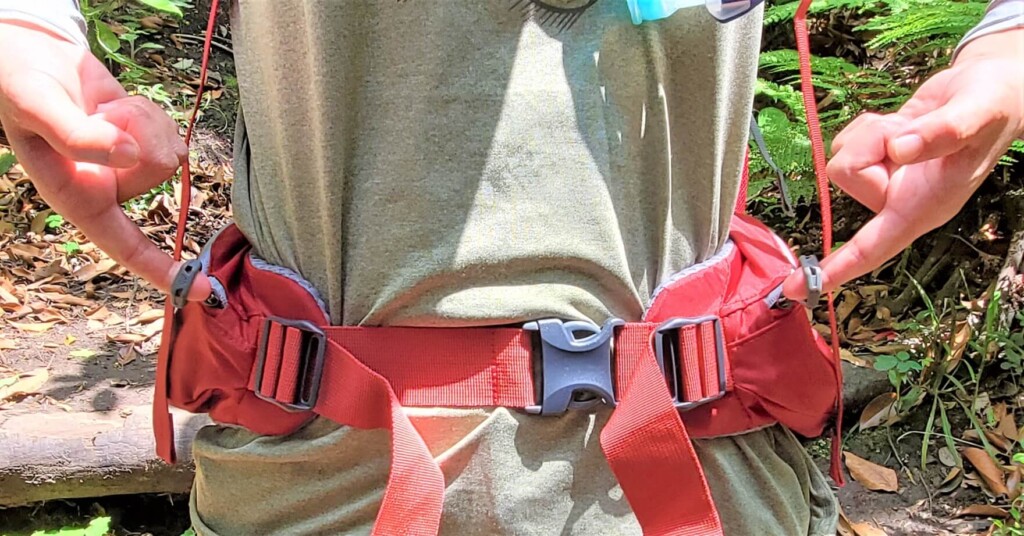
The zipper on the waist pocket is easy to pull
In terms of storage, Osprey wins!
I was wondering why the rain cover storage is on the top of the rain cover (the storage capacity of the rain cover for frequently used items is very important), the front pocket is too small to fit multiple pieces of clothing, and the main storage compartment cannot be separated. These three points are painful. As someone who carries small items and loves to store things separately, I would give the edge to the Osprey in terms of pocket size and storage capacity
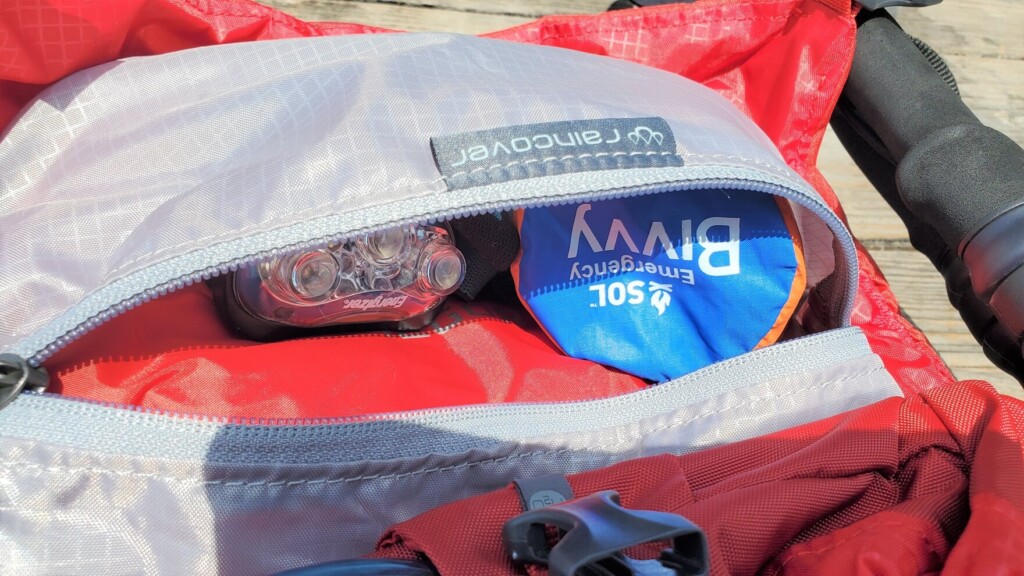
The rain cover is attached to the rain cover, but the storage capacity together with the rain cover is limited
<Result> (Slightly) Osprey wins!
In terms of comfort and ease of use, the Gregory is a close second, but in terms of the most important storage convenience, the Osprey wins in many areas. Therefore, the Osprey wins

Round 2: "UK Fashion Leader" Karrimor Ridge 40 x OSPREY Kite 36
Here is ◎
- Plenty of storage space (10 in total)
- The height of the rain cover can be adjusted
- Direct access to the storage compartment behind the rain cover
- Soft shoulder
- Good color
- It doesn't feel heavier than it actually is
Here is △
- The back length cannot be changed
- My back gets sweaty
- The price is high
Karrimor, whose trademark brand logo resembles the UK flag, was founded in a town in the northwest of England as a manufacturer of cycle bags. It has been a favorite of the British Alpine Club and famous mountaineers in the country. The backpack used by the late Junko Tabei when she first reached the summit of Everest was actually a Karrimor (fun fact). The origin of the brand's name is said to be "carry more," meaning you can carry more. Will it really be "carry more" this time? What will the results be?!
<Storage> Karrimor wins by a narrow margin!
The Ridge 40 has a ton of storage! It has a gusseted front pocket, a zippered pocket inside the front pocket, two side pockets (for drink bottles and other items), two zippered side pockets, two waist pockets, and two compartments in the rain cover, for a total of 10 small compartments
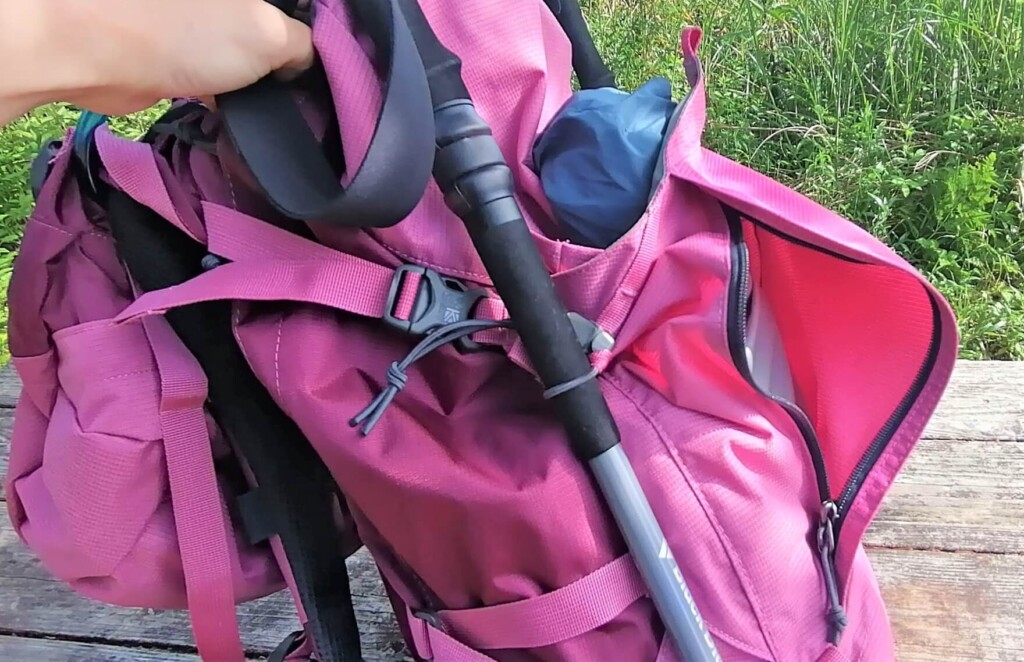
The zippered pocket inside the front pocket is officially a pocket for storing maps. However, even if you put your clothes in the front pocket, you can still fit more than just a map, so this is convenient
All pockets except the front and side (for drinks) have zippers, which is great for someone like me who often drops and loses things
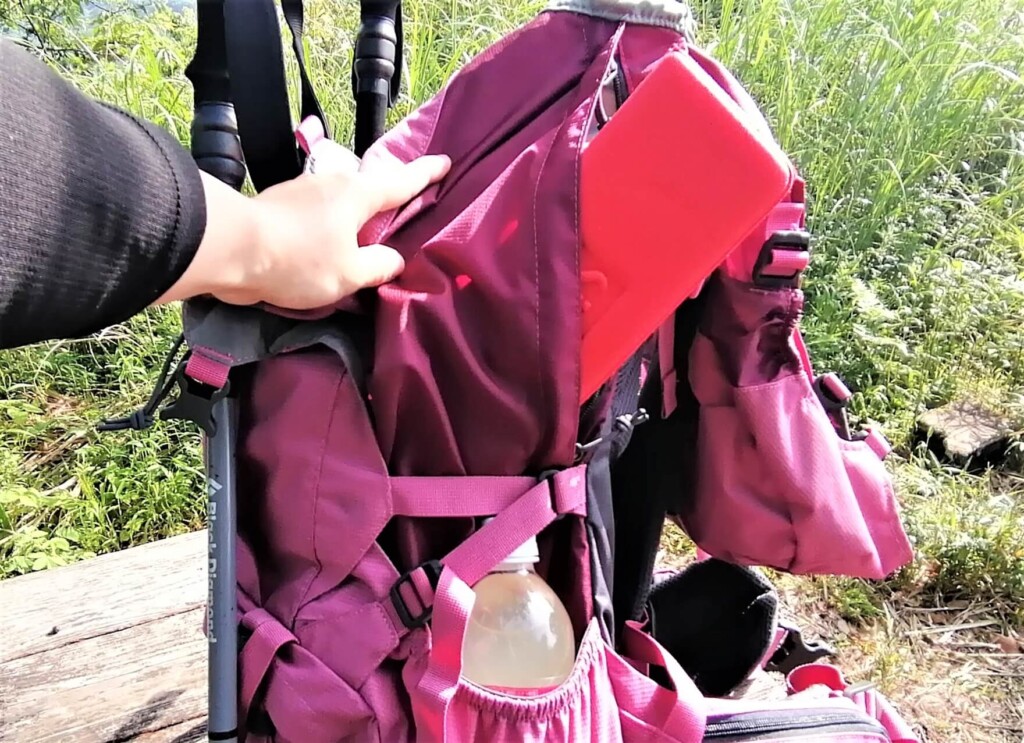
The zippered side pocket is perfect for storing vertical gear such as a mat or umbrella. You can even fit lightweight crampons in it. You can also put a hat, neck gaiter, and gloves in it. It was revolutionary to have a pocket here
The waist pocket is long and large, so you don't even need a sacoche. A sacoche is convenient to have, but it can really stiffen your shoulders if you hang it from your shoulder for a long time. I'd rather not carry one if possible. So, Karrimor wins here
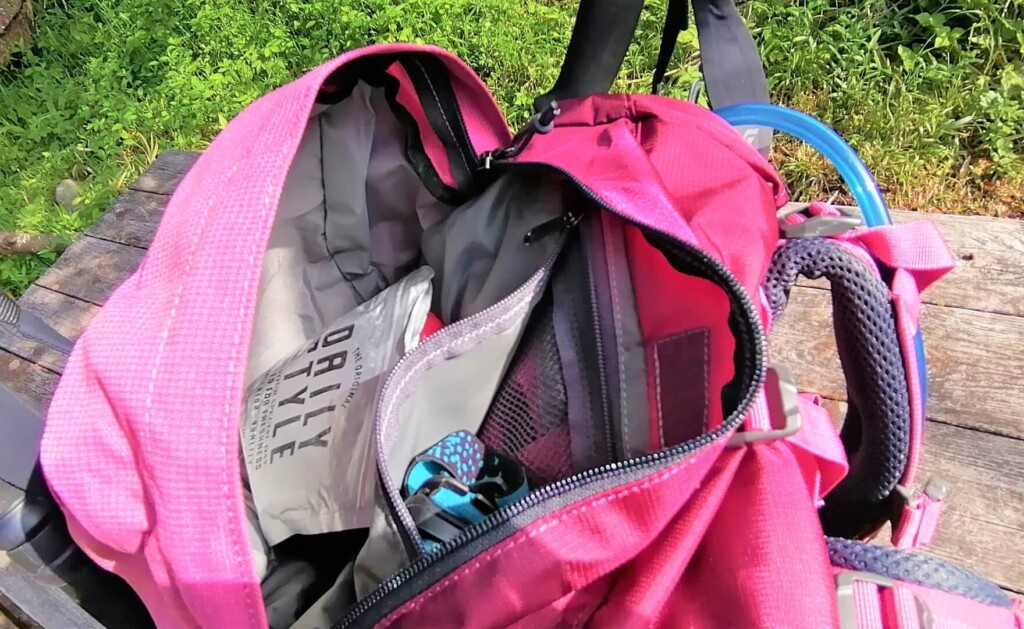
Direct access to the underside of the rain cover
<Comfort when wearing> Slightly like Osprey!
The capacity is said to be 40L, but the rain cover is adjustable, so it looks like it could hold an additional 5-10L. And while it weighs 1640g, which should make it the heaviest of the backpacks we've picked out, it doesn't actually feel that heavy. This is probably due to the wide, thick waist belt and shoulder straps, and the "3D back panel" on the back that distributes the load

The waist vest and shoulder straps are thick
It fits snugly against your back, creating a sense of unity, and is soft and comfortable to wear. However, it does get quite humid. It's not extremely humid, but it does get hot where it touches your back
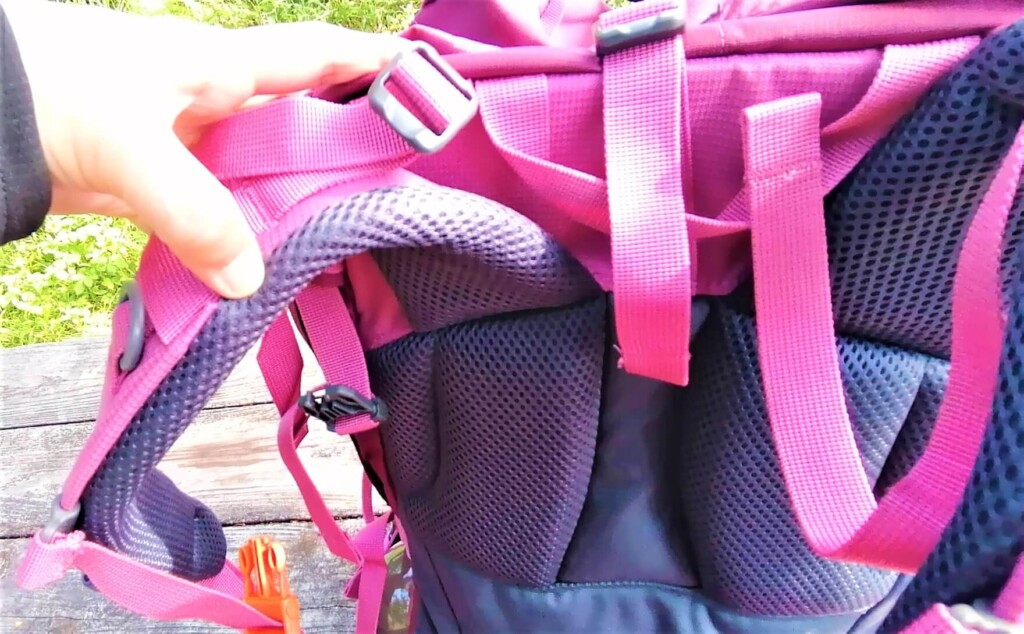
The soft padding on the waist and back is comfortable, but it gets quite stuffy
The Osprey has a mesh back that maintains breathability while also fitting snugly to the back, creating a contradiction. This is a matter of personal preference, but the result is, hmm, slightly better than the Osprey
<Dorsal length> Osprey wins!
It has a lot of storage space and isn't heavy, so you'd think the Karrimor would win, but unfortunately, the Karrimor doesn't allow you to adjust the back length. The back length is 42cm. On my Osprey, I set the back length to the maximum of 51cm, so the positioning of my waist doesn't quite fit. When I pull on the loose shoulder straps, the waist belt shifts upwards and rests on the small of my waist. When I put weight on the small of my waist, it digs in and hurts, and I don't feel like my waist is supporting me. When I try to force it to fit my hipbone, the shoulder straps loosen
If you want a backpack that cannot be adjusted for torso length, either know your torso length or try it on at the store. If you try to wear something that does not fit your torso length, your shoulders will bear the weight (which can lead to stiff shoulders and neck, which is painful), or your body will be pulled by the backpack. It is very important to choose a backpack that fits your torso length. I've digressed, but my vote goes to the Osprey
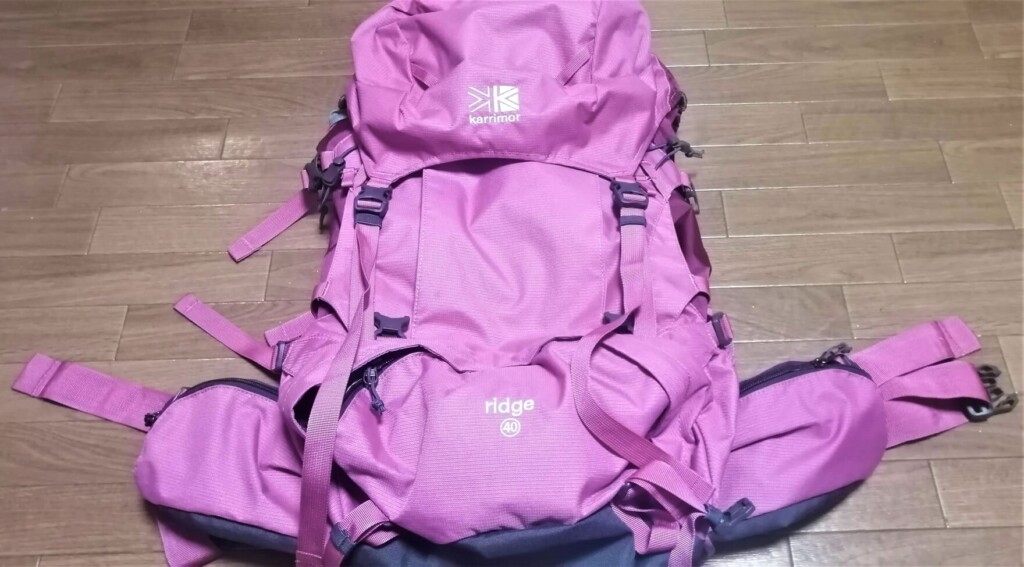
The vivid pink color is cute and unusual, so I like it
<Result> It depends on your preference and body type, but for me it's a draw!
The Karrimor is by far the strongest in terms of storage. The comfort of carrying it on your back is comparable, depending on your preference. The Osprey's back length can be adjusted. So, the result is a draw

Round 3: "Backpacks from Germany, the outdoor powerhouse" Deuter Futura Pro 34 SL x OSPREY Kite 36
Here is ◎
- Plenty of storage space (8 in total)
- My back feels cool
- You won't feel the weight of your luggage on steep climbs or descents (your body won't be pulled down by the backpack)
- The strap on the main compartment is easy to open and close
- The poles are easy to store
- Glasses loop for glasses and sunglasses
Here is △
- It feels heavy
- The back length cannot be changed
Deuter is a well-established German brand, known for its "d" logo. I have often seen foreign women traveling in Japan carrying large backpacks of around 70L. Deuter is also often recommended in outdoor shops, and the brand has a strong image as a backpack brand for women. As an aside, in the past they also ran a tent rental business, and it is said that the first Deuter tents were set up at the famous Oktoberfest beer festival. Now, Deuter, which has just completely revamped its FUTURA series this spring, is fighting against Osprey, the Steve Jobs of the backpack world!
<Storage> Surprisingly good performance, a draw!
The Deuter also has plenty of storage, just like the Osprey. It has a front pocket, two side pockets (for drink bottles and other items), two zippered side pockets, two waist pockets, and two in the rain cover, for a total of eight compartments. It's a close match! The zippered side pockets are the same as the Karrimor, but it's still nice to have storage here. It can hold long items and makes good use of the extra space in the side pockets
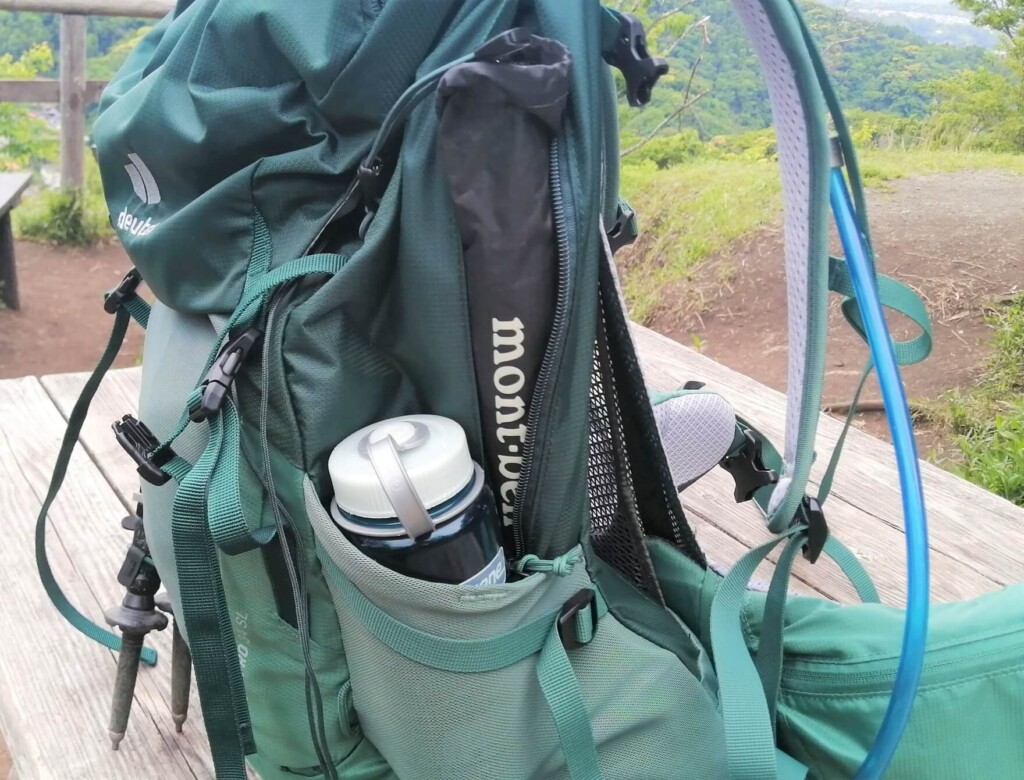
It can fit about two folding umbrellas
However, the only downside is the limited capacity of the waist pocket. The padding on the waist belt is thick, so it doesn't hold much. As someone who likes to climb without a sacoche, I wish the capacity here was larger. The Osprey has cleared that hurdle. The result here is a draw
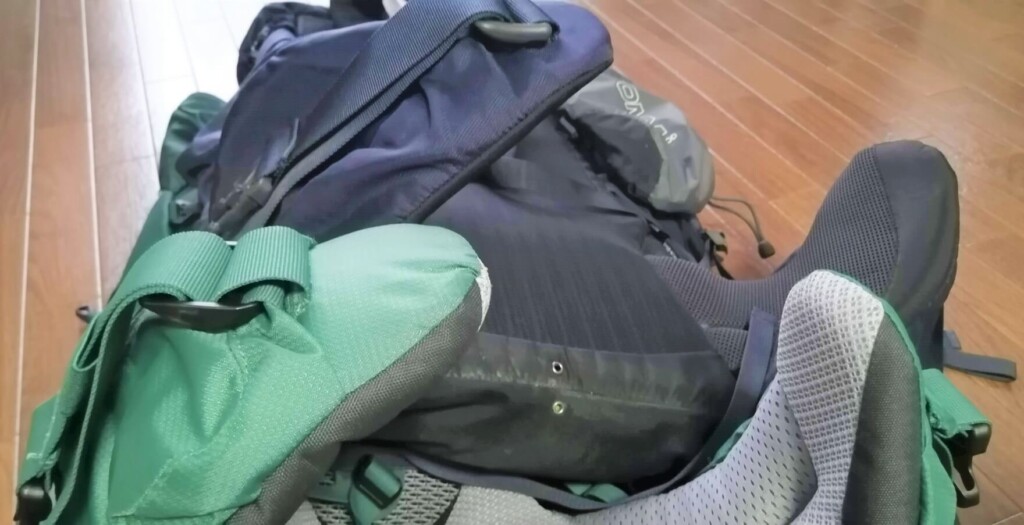
The one in the foreground is a Deuter, and the one in the background is an Osprey. The thickness of the waist belt padding is different
<Back system> When you consider everything, it's a draw!
Deuter was actually the first to introduce the "comfortable back ventilation system that increases breathability by creating space between the back and the backpack, preventing the back from getting sweaty." As the original, the comfort of the back is impeccable. On the other hand, Osprey also features an "Airscape Back Panel" that creates airflow between the back and the backpack, preventing heat from building up, so it is also cool. If anything, I feel that Deuter, which has a larger space at the back, is even cooler
However, Deuter's sturdy frame for the rear ventilation system cuts into the main compartment, which can make packing difficult
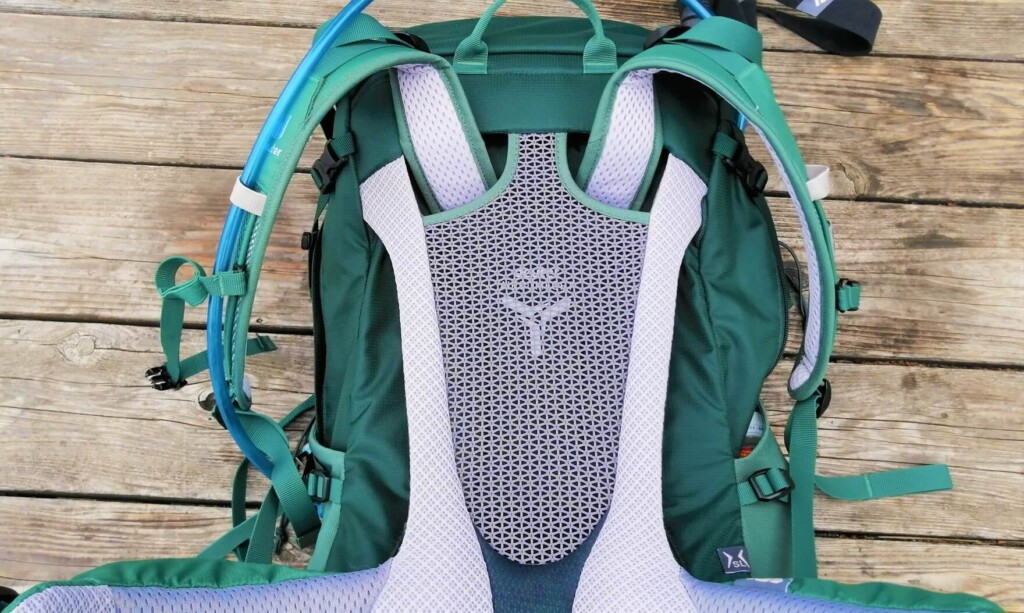
Deuter rear
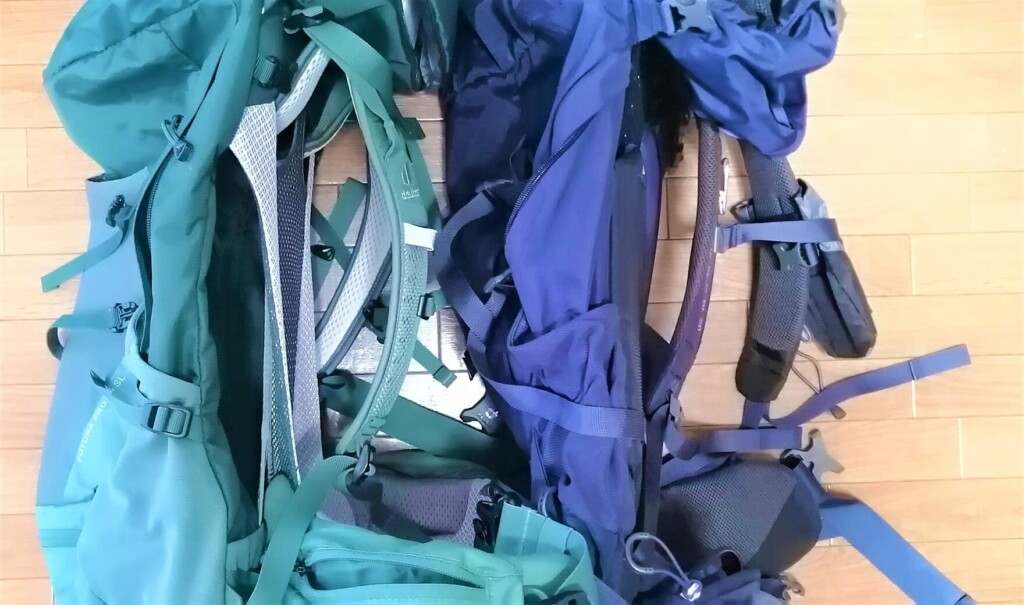
Left: Deuter, right: Osprey. The rear specs are completely different
It may be particularly difficult to store the hydration pack on the back of the pack. For example, if you fill the Platypus with 2L of water, it may be difficult to push it in. Taking all factors into account, the result is still a draw
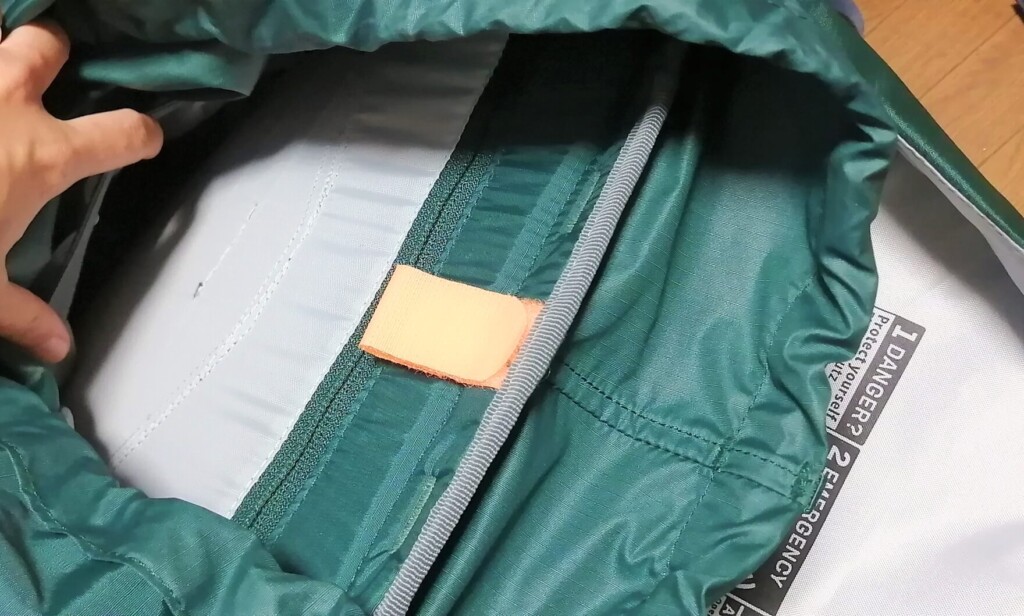
The inside back of the Deuter. The part you are opening with your hand is the hydration compartment. The frame is very sturdy
<External attachments> Deuter wins with lots of clever parts scattered throughout!
Looking at the attachments, Deuter's attention to detail is evident everywhere. First of all, the strap for the main compartment is easy to open and close. This is also the case with the Gregory, but it's a very convenient feature when you want to quickly access something inside the backpack. Being able to open it quickly is important when it's raining, for example

If you pull here, it will open
Secondly, the elastic rubber allows you to quickly secure your poles. Of the six backpacks we compared, Deuter was the easiest to attach. This is extremely convenient, as storing your poles can be surprisingly difficult when climbing rocky terrain
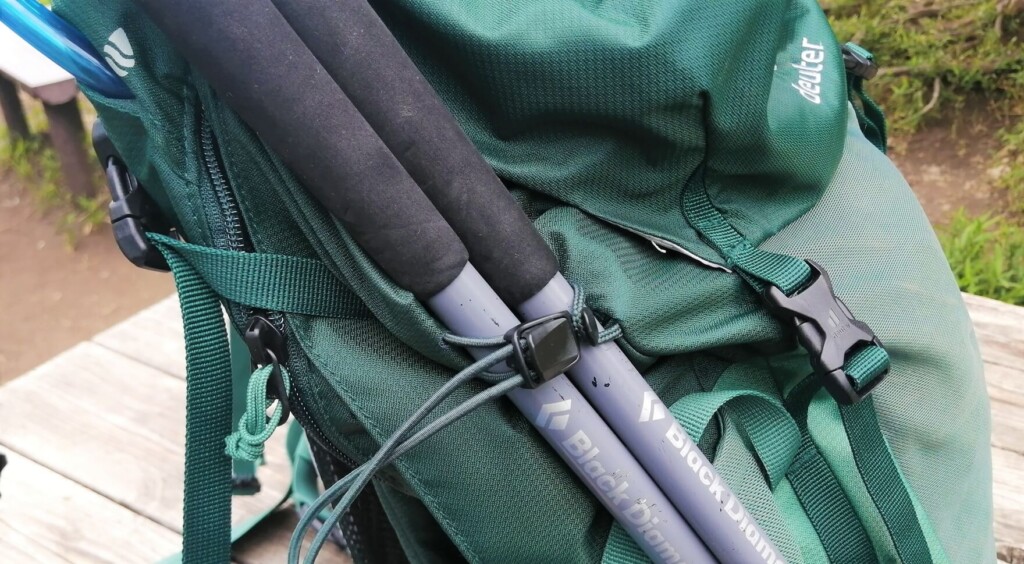
Stop at the top..
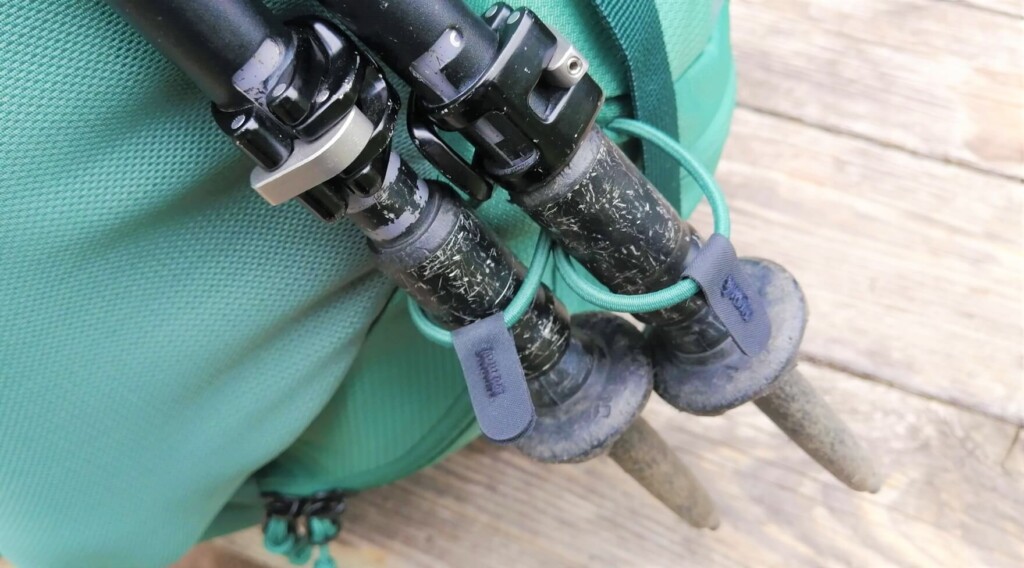
Just put it through this loop
One thing I found unusual was the glass loop. It's what's known as a "glasses loop." In my case, I sometimes go hiking wearing glasses, and if I need sunglasses, I can just have them already hooked onto the loop, so it was a very useful feature. I don't have to panic and wonder, "Oh, where are my glasses (sunglasses)?" Deuter wins here
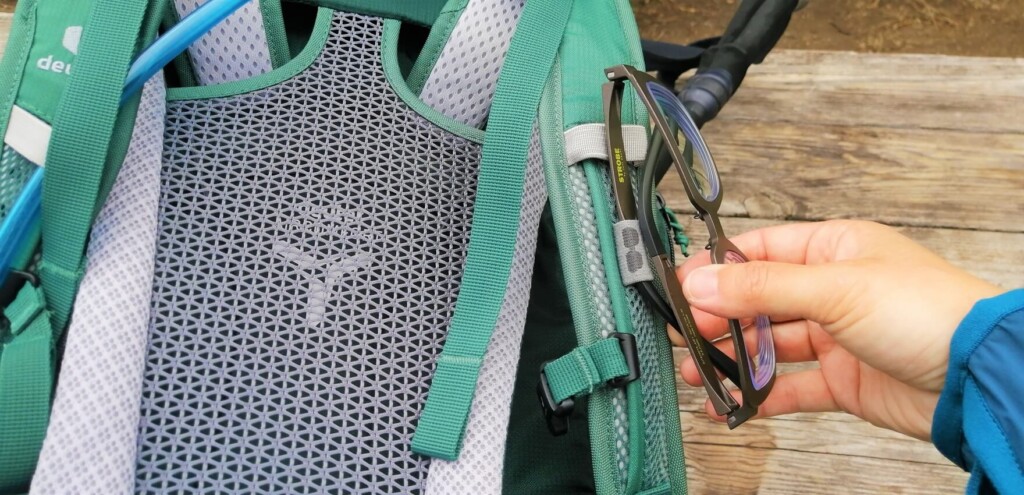
Glass Loop is a great help for people who wear glasses
<Comfort> It's comfortable, but the back length is still an issue. Osprey wins!
Now, the all-important question: how comfortable is it to wear? The fact that the back length of the Deuter backpack cannot be adjusted is a drawback. I measured the back length and it was 42cm. My size is 51cm... I loosened the shoulder straps and forced it to rest on my hips. On steep climbs and descents, I felt like my hips were supporting the weight firmly, making it easy to move around, and I thought, "As expected." However, when walking on flat roads, I could feel the weight of the backpack on my shoulders, which made me tired
The waist belt should have excellent support, but unfortunately I couldn't fully utilize its capabilities. I think it would perform extremely well for those with a perfect torso length. It's a shame that my torso is long... I'd give the edge to the Osprey, which fits my torso perfectly
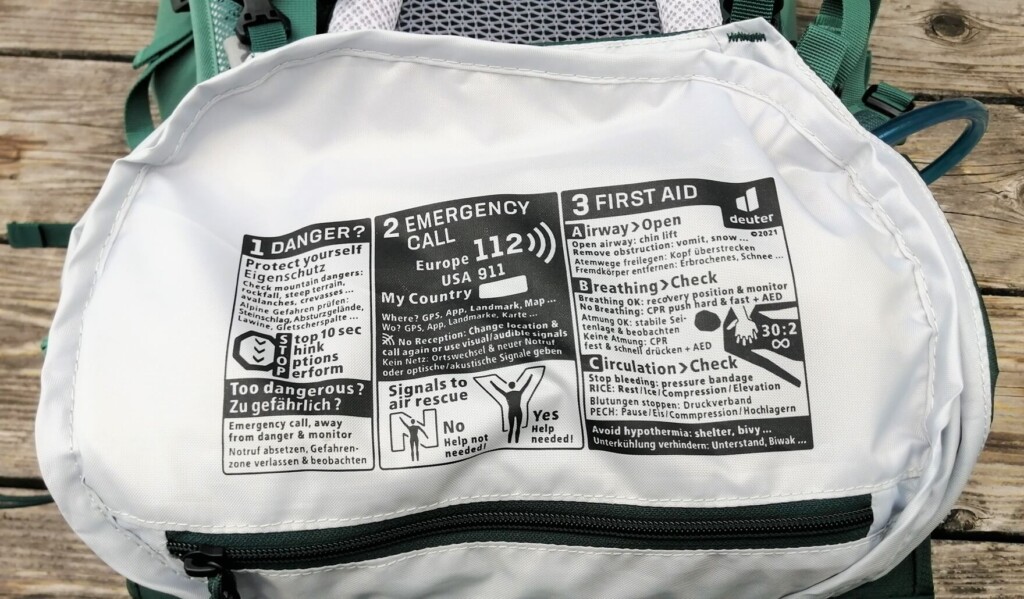
Bonus! An emergency manual is printed on the back of the rain cover. It will come in handy in case of an emergency
<Results> The overall score is a draw! (Evaluations may differ depending on body type and preferences.)
In terms of storage and back system, it's Draw. In terms of small attachments, it's Deuter. In terms of comfort, it's Osprey. So, again, it's a draw

Round 4: "Bonjour from France! We'll never forget the Japanese attention to detail" Millet Saas Fee 30+5 LD x OSPREY Kite 36
Here is ◎
- Unique and ample storage space (9 in total)
- Easy-pull zipper
- Hand rest loops reduce fatigue
- The rain cover can be extended to increase capacity
Here is △
- No pockets on the front
- The back length cannot be changed
- It's hard to understand how to use the straps at a glance
Millet's signature long-selling backpack, the Saas Fee, is widely known for offering "first-class comfort." An acquaintance recommended the Saas Fee backpack, and I often saw people carrying it while hiking, so I wanted to try it out. The fact that the backpack itself is named after a favorite Swiss town already gives it a big plus. So, will it be able to beat the Osprey?!
<Storage> As long as there's a pocket on the front...it's a draw!
Now, let's compare the storage options. The Saas-Fee has nine compartments in total: two side pockets (for drink bottles and other items), one zippered side pocket, two hip pockets, three in the rain cover, and one on the shoulder strap. What's more, the left hip pocket is foldable and can be expanded to double its size. It's big enough to fit a water bottle and a mountain and plateau map, a surprising departure from the norm. It's a very useful pocket
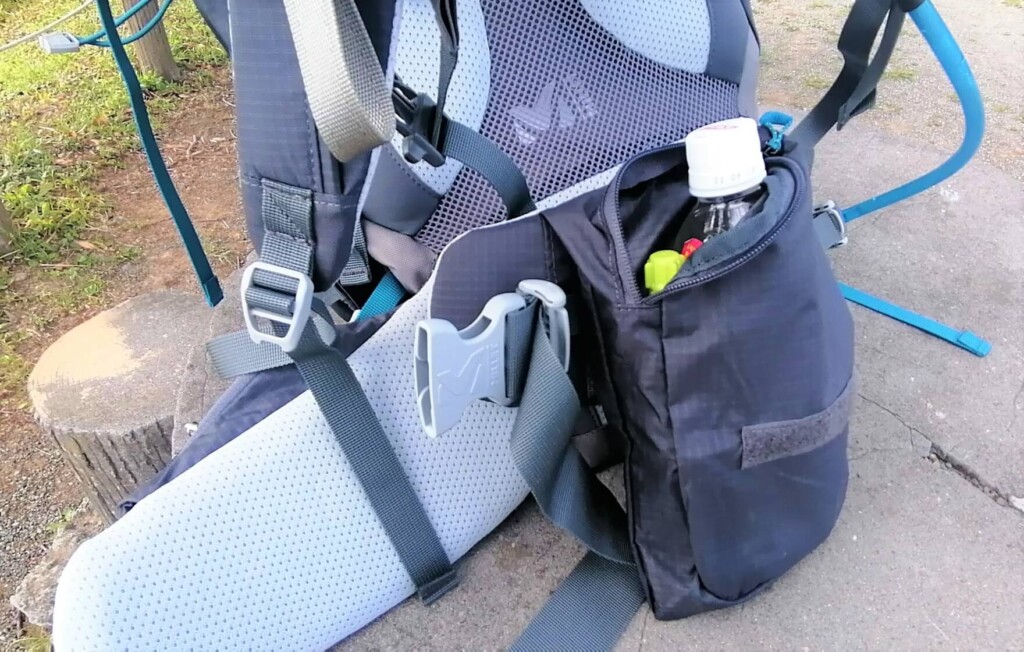
It holds both plastic bottles and jelly drinks
The shoulder strap pocket is also foldable and can be unfolded to fit a smartphone. Most backpacks require a separate chest pouch, so it's nice to have one already included
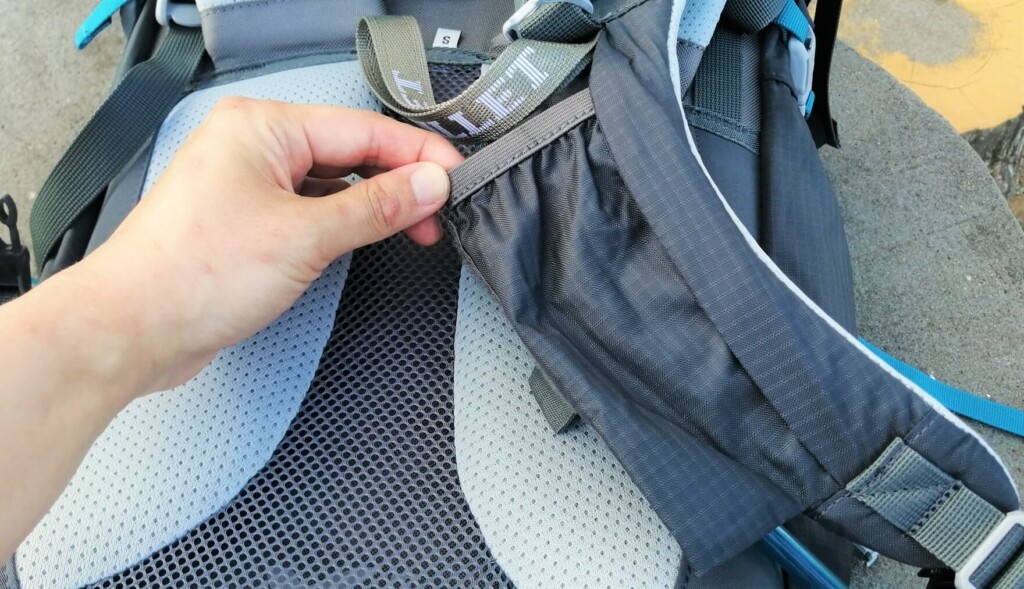
When you unfold the Velcro, it looks like this
You can use two rain covers by utilizing the pocket where the rain cover is stored. The top pocket is small, but it's not a problem if you think of it as a small compartment. Each zipper is easy to pull
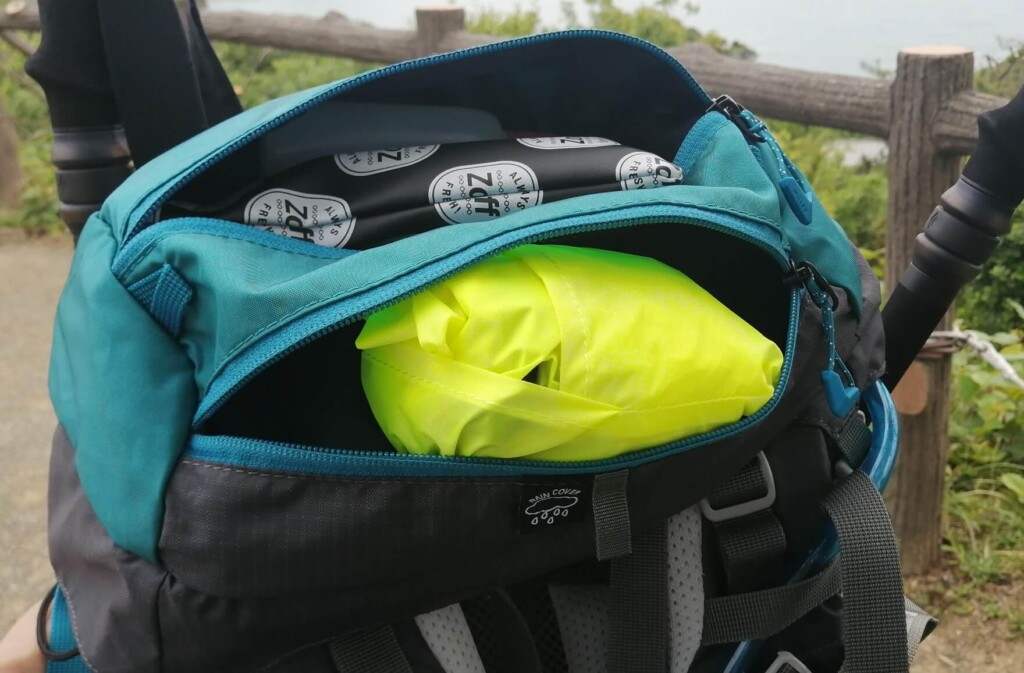
The yellow one on the bottom is the rain cover. The inside is spacious
However, the only disappointing thing is that there are no pockets on the front! You can't quickly store your outerwear or other gear! The lack of a pocket here isn't a fatal flaw, but it's a pretty painful point. The only way to store things without opening the main compartment is in the pocket where the rain cover is stored on the lid, but storing things there doesn't feel right. It would be perfect if there was a pocket on the front. It's an alpine-style backpack to begin with, so maybe I shouldn't be so picky... But it does have some unique and practical storage, so I'll give it a go
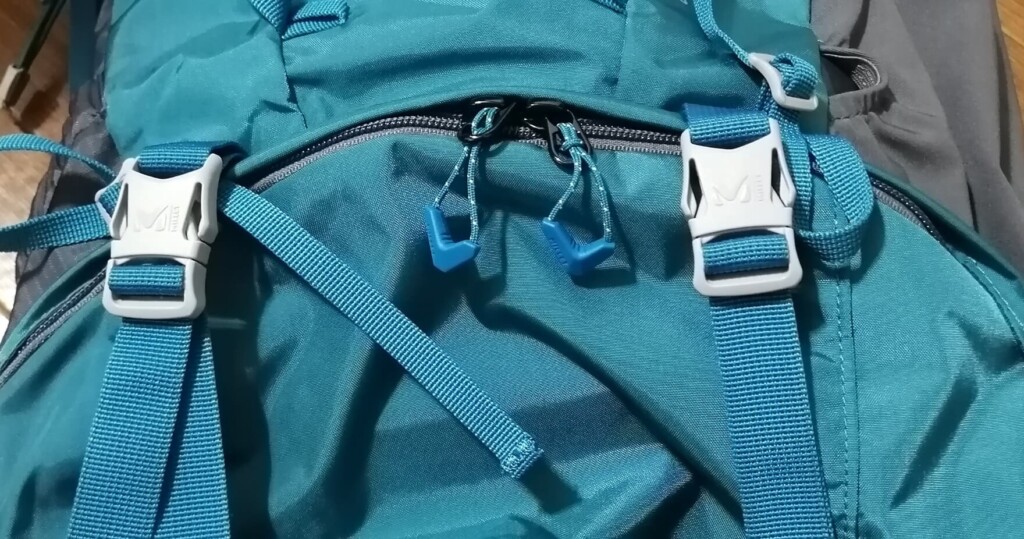
All zippers are easy to pull
<Attachment> Hooray for the hand rest loop! If only we could adjust the back length... Draw!
The best thing about it is the hand rest loop! This was my first time using the hand rest loop, and it really helped support both my body and mind. Until now, when I was tired, I would just hook my hands onto the shoulder straps while walking. This put pressure on my back and shoulders, which ultimately made me even more tired. However, when I use the hand rest loop, my arms don't get tired and there's no unnecessary pressure. In fact, it makes my load a little lighter, reduces fatigue a little, and calms my mind (which can be frustrating when you're tired). The back length can't be adjusted, and it doesn't fit my torso and back length, but I'm happy with this loop. So, net zero, another draw
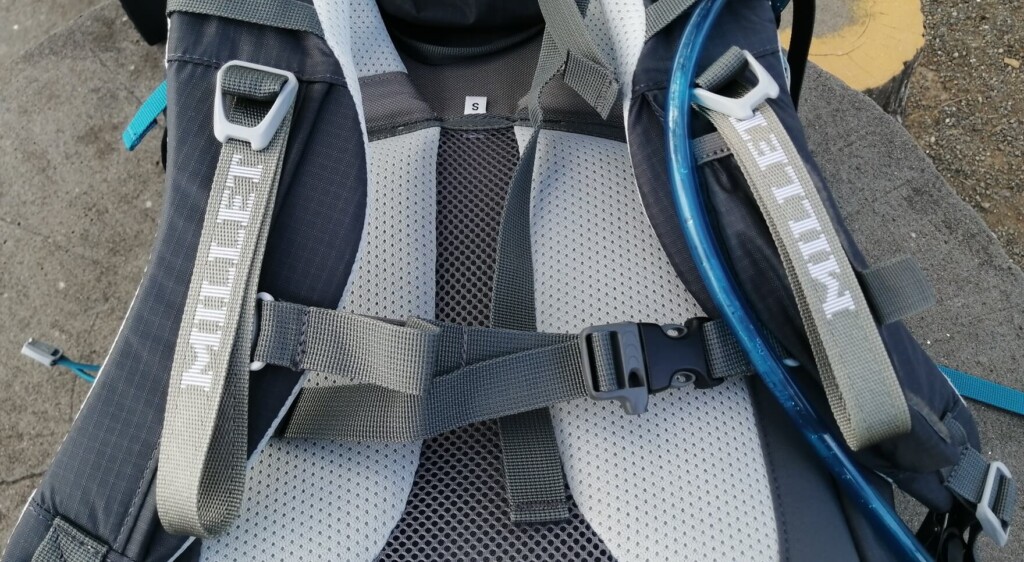
This is the hand rest loop. I wish every backpack had one
It's great that the capacity can be expanded even further from its already full capacity, so Saas-Fee wins!
Even though you've packed carefully, your luggage doesn't fit in as originally planned. You end up buying more souvenirs at mountain huts than you intended, so you have to cram everything into the trunk. This is a common occurrence when staying overnight, and I often regret it. That's when the "+5" extension of the rain cover comes in handy. Having 5L of extra storage space gives you peace of mind. Better safe than sorry. It would be even more convenient if Osprey's rain cover was designed to be extendable with a strap. So, my vote goes to Saas-Fee
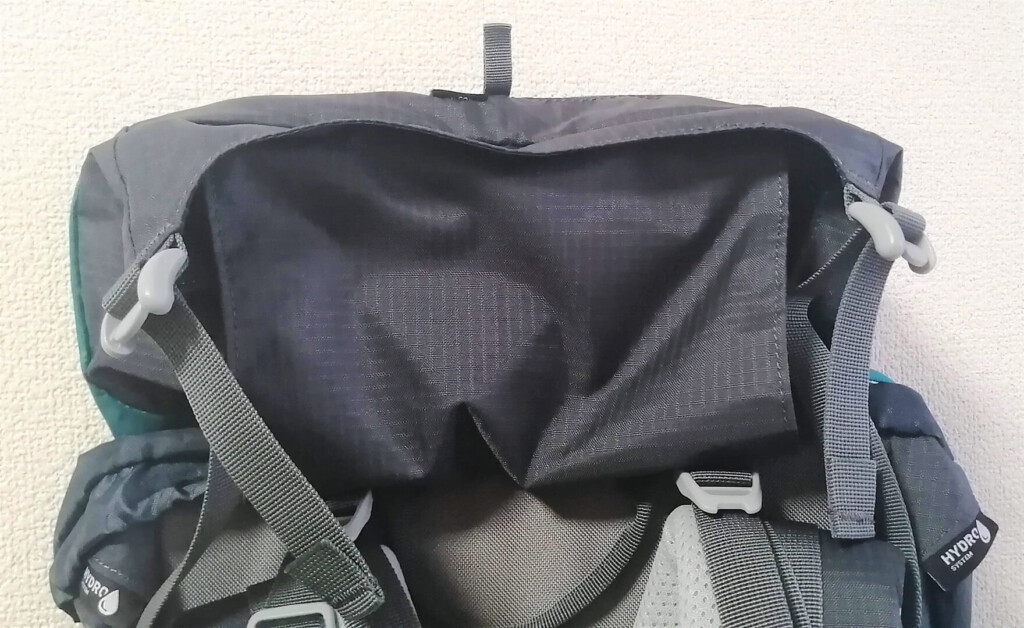
The rain cover seen from the back. The straps are stretchable
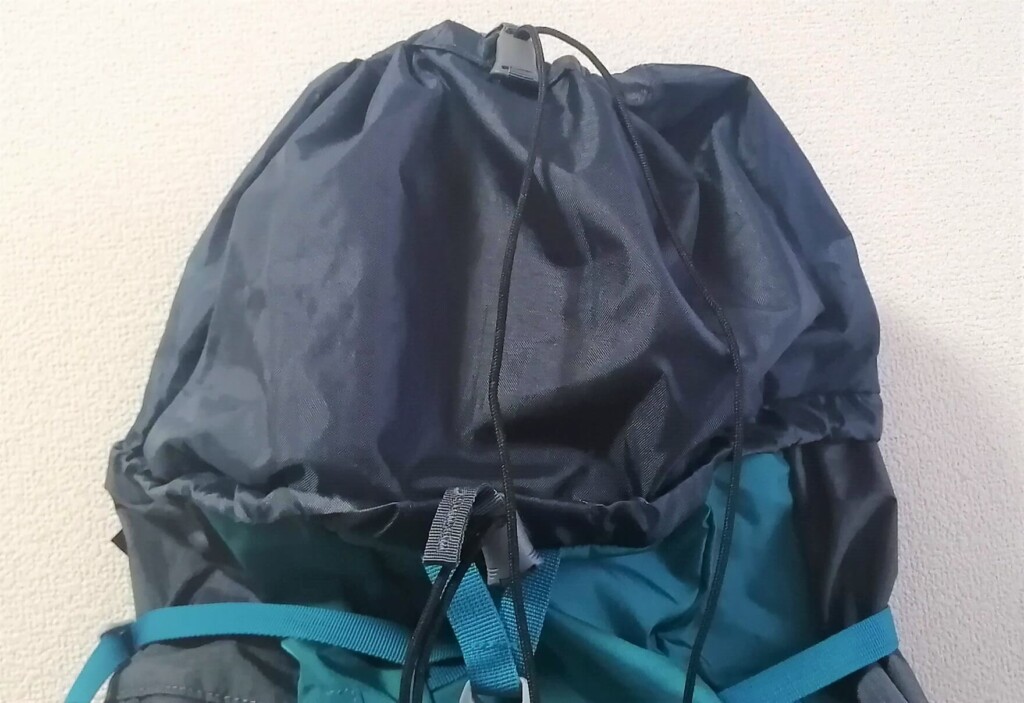
The opening and closing part of the main storage compartment seen from the front. The luggage compartment expands
<Usability> For first-time users, there are many parts that are difficult to understand, making it a little hard to get started, but Osprey wins!
Ospreys have a simple design, and even without a manual, you can figure out most of their functions at a glance. However, the Saas Fee has a fair number of strap attachments that leave you wondering, "What are they for, and how do they work?" You have to think about how to use the six loops on the front and the loops inside, and the Velcro on the back of the waist pocket actually allows you to store any excess hip belt. Some might say, "I should know that," but I want a design that's easy for beginners to understand. That's why I vote for the beginner-friendly Osprey
<<Comfort>> First class is good, but Jobs's ingenuity is also quite good. So, draw!
Well, the Saas Fee is truly a first-class backpack, offering comfortable comfort. The padded area (white area) that directly touches the body is certainly very gentle against the skin. Compared to the Osprey, the Saas Fee has padding on the waist and back, making it even gentler. It also has a strap that pulls the waist area tightly to the backpack, and it fits snugly to the body. It feels like a fit similar to Yuming's song "Yasashii ni Tsutsumareta Nara." The Osprey is no slouch, either. Even though it's not as comfortable against the skin, it is cooler from the back to the waist than the Saas Fee. It also has a strap that pulls the waist area to the backpack, and the stability is the same as the Saas Fee. Whether you prefer comfort against the skin or coolness is up to your preference. It's a draw here
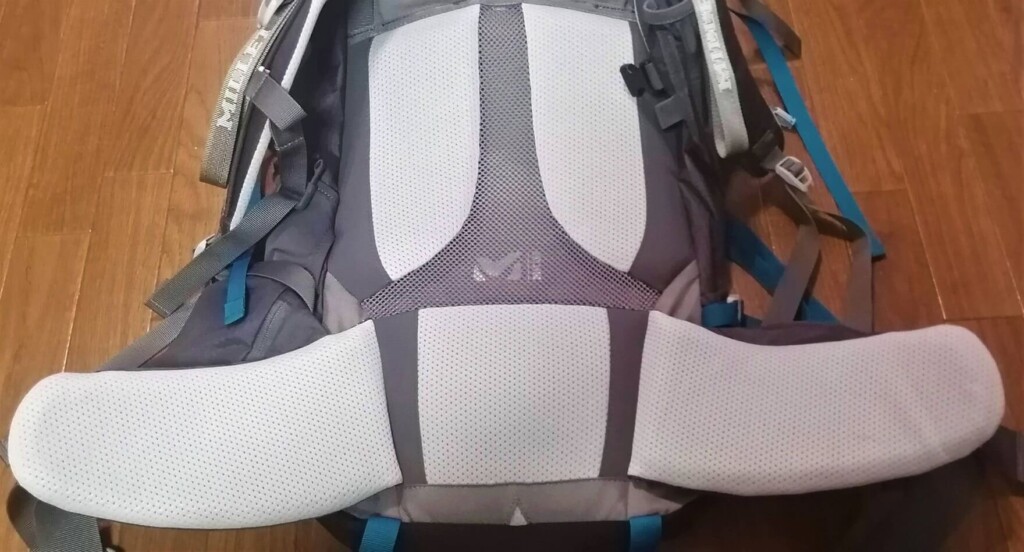
The padding feels really nice, especially on the lower back
<Result> There is a lot of potential. A draw!
In terms of storage, the hand rest loops and back length are a draw. In terms of the adjustable rain cover, the Saas Fee. In terms of the construction of the backpack itself, the Osprey. So, this time too, it's a draw

Round 5 (Special Edition) "Mammoth from Switzerland" MAMMUT Dukan Spine 28-35 Women x OSPREY Kite 36
Here is ◎
- Direct access to the main compartment
- The capacity can be freely changed
- The printed diagrams make it easy to understand
- Drawcord is easy to use
- Anyway, my shoulders don't hurt and I don't feel any weight
- My back feels cool
Here is △
- There are almost no pockets (even if there are, they are small)
- I'm worried about the drawcord's fixing strength
- The shaking of the pole is quite bothersome
- The price is high
Mammut is a long-established outdoor brand with over a century of history, having started as a rope manufacturer in Switzerland. When I traveled around Switzerland, I saw the Mammoth logo everywhere, and I remember that the guides' union in Zermatt also wore Mammut uniforms. For the final round, I'll be changing things up and introducing a backpack for fastpacking. The basic principle of fastpacking is to "move fast with light equipment." I wonder if it will be able to accommodate my heavy equipment?!
<Storage> It was probably impossible to compare them in the first place...Osprey wins!
Fastpacking backpacks are generally very simple. They strip away unnecessary elements and only include the bare minimum of functionality. This Mammut backpack is no exception. There are five pockets in total: two side pockets, one around the back of the neck, one on the left hip, and one attached pouch. Just looking at the number of pockets, it's clear that there aren't enough small storage compartments. And each compartment is very small. Well, maybe it's a bit off the mark to compare a fastpacking backpack to the backpacks we've seen so far..
Although there aren't many compartments, I wonder if it would be more comfortable to use if I divided my belongings into stuff sacks. This is also an interesting new discovery. In the end, I guess the Osprey will win by default..
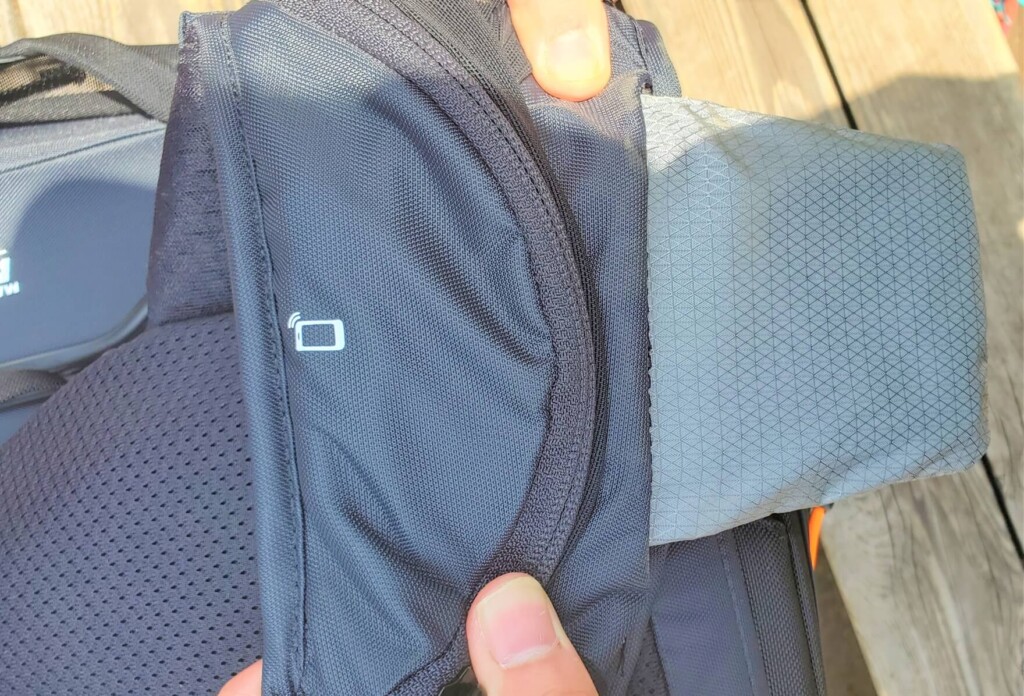
The pocket for a smartphone is located on the left hip. The diagram is also very detailed and well-illustrated. It's a smartphone pocket, but it's not big enough to fit a smartphone in
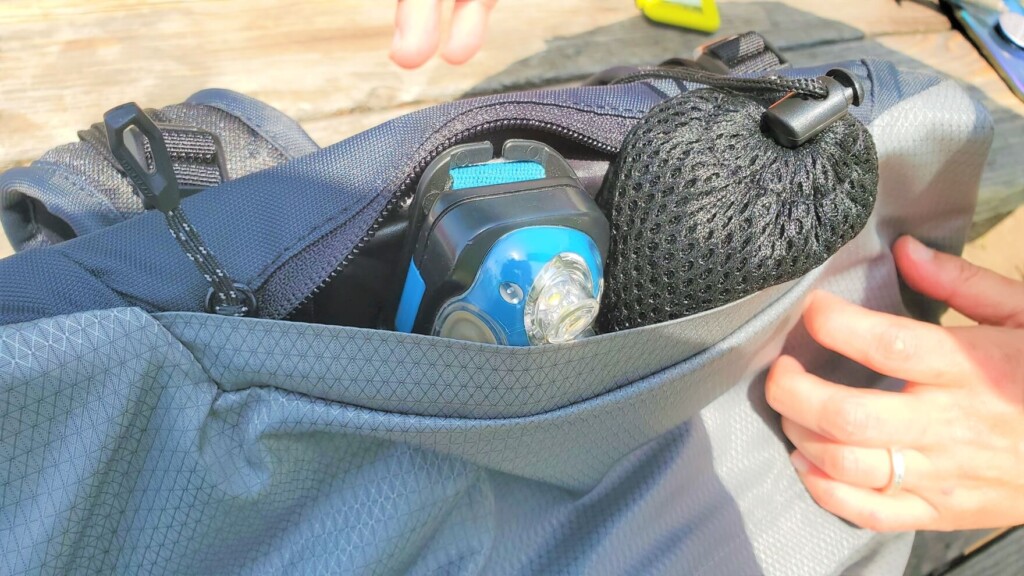
The storage compartment at the back of the neck is just big enough to fit a headlamp and a smartphone charger
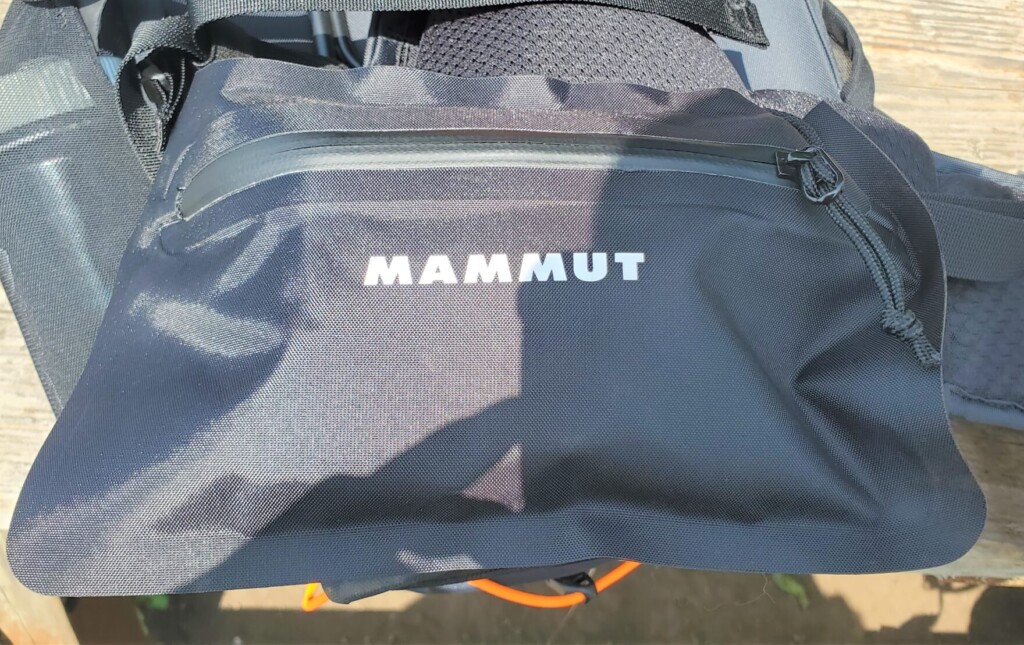
The included pouch is waterproof and has a waterproof zipper
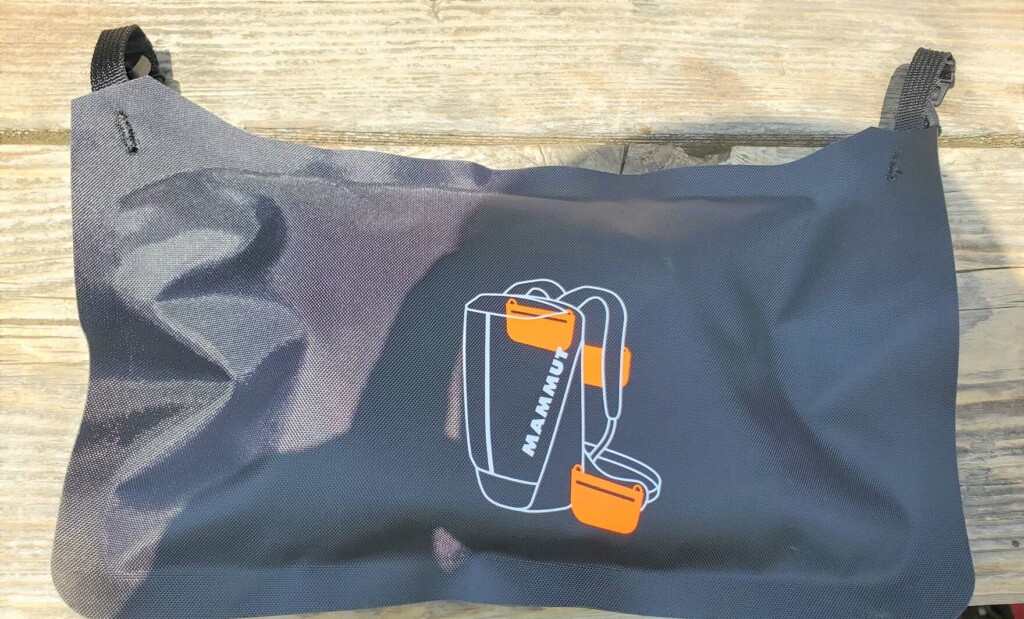
The back of the pouch is printed with information that it can be attached to various positions on a backpack. This pouch also has a small capacity. I guess it's best to only put in things that shouldn't get wet
<Usability> It's designed to be beginner-friendly, and well thought out. Draw!
Mammut has made it very easy to access the main compartment from the front. I love this innovative design. It's also great that you can quickly take your clothes in and out
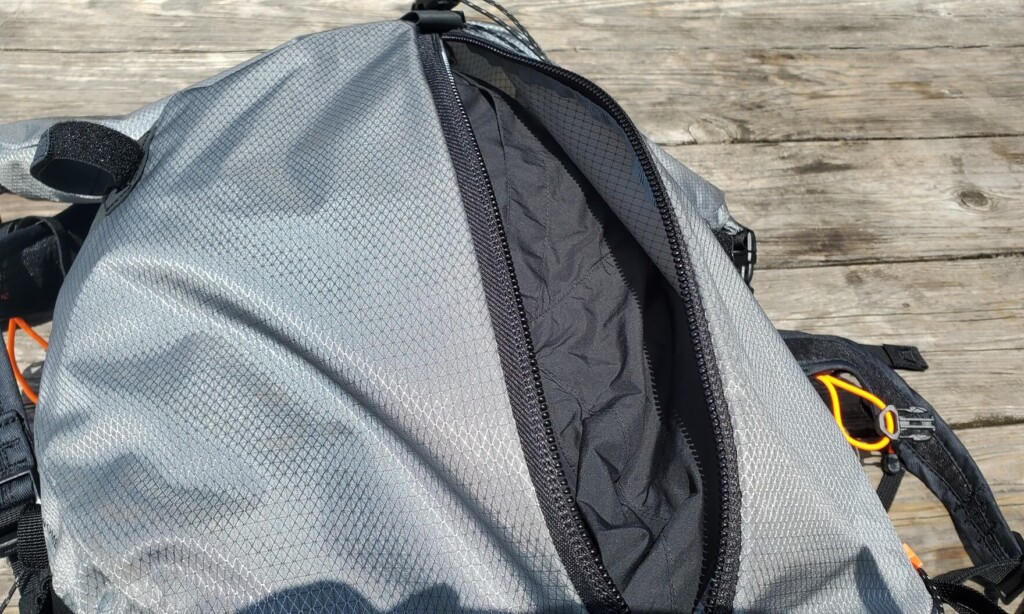
Full-length zipper on the front
The opening of the main compartment looks like this. It's a roll-top type with a zipper. Lighter backpacks don't have zippers, so having a zipper gives you a sense of security
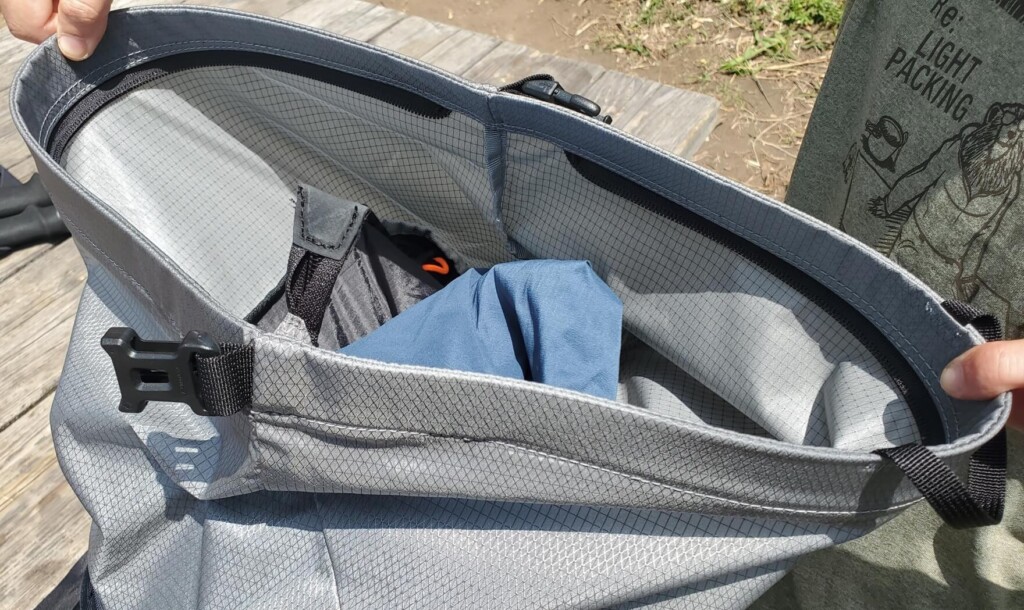
Opens wide
The buckle can be fastened either on the top or on the side
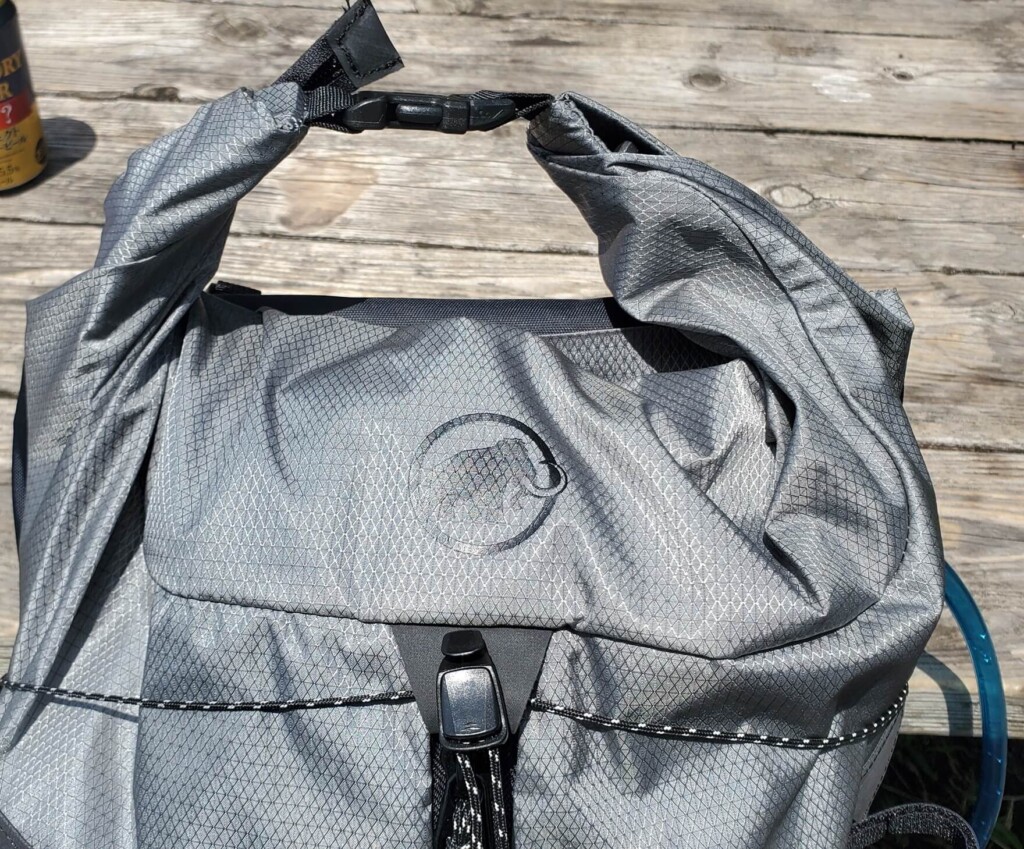
This is what it looks like when you fasten the buckle at the top
It's nice and easy to change the capacity depending on how you fasten the buckle
Simply pull the drawcord and hook it, and you can secure your clothes, sleeping bag, etc. inside the cord. At a glance, it's easy to see that it's designed to be beginner-friendly
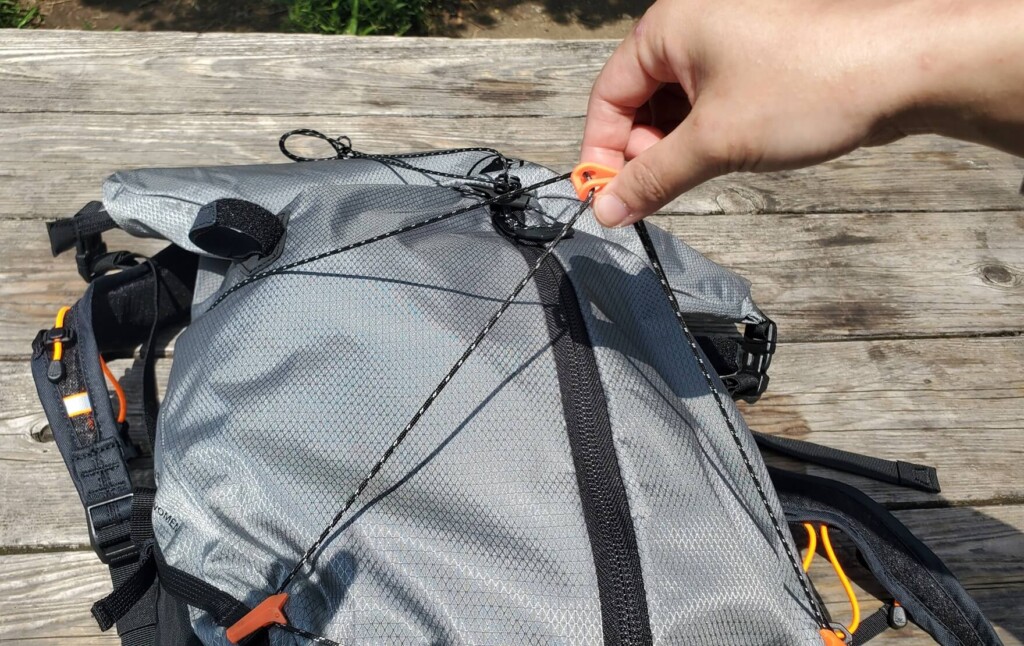
This is where you can fasten your clothes
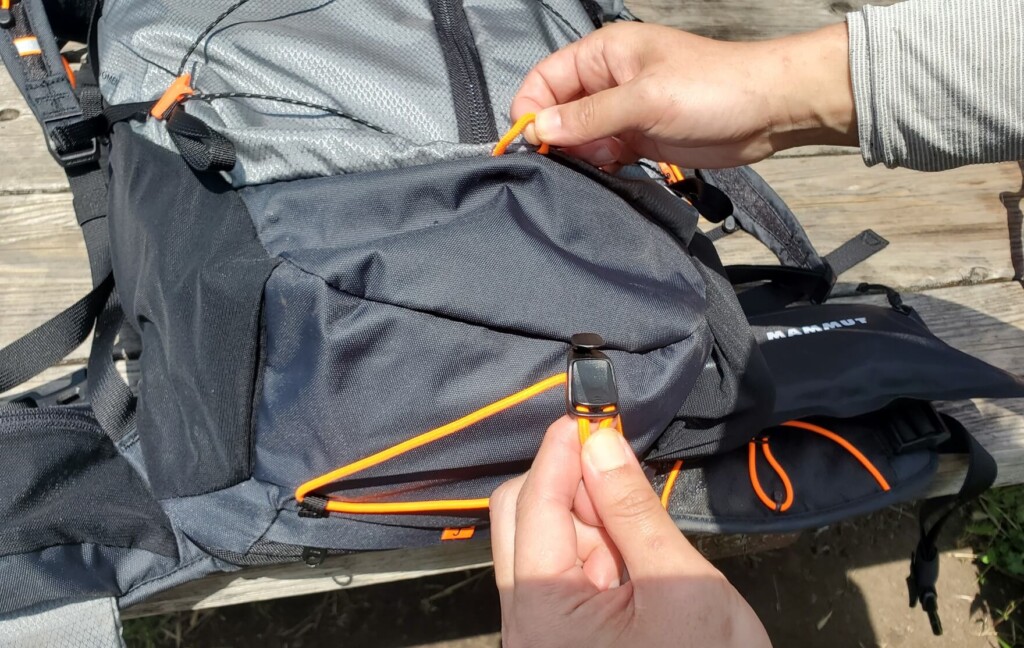
The bottom can store a sleeping bag
Store unused stock here
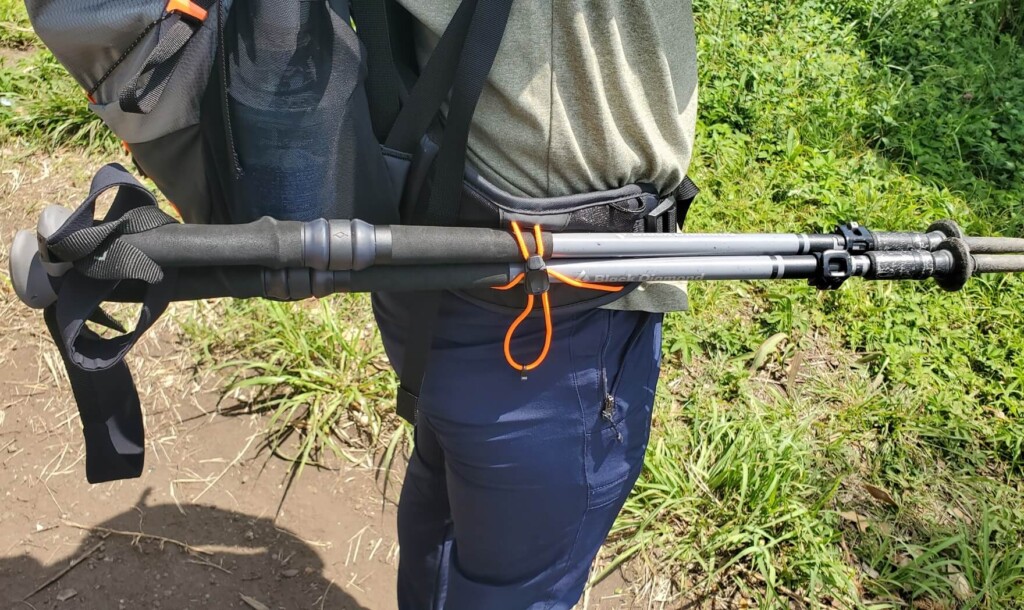
My stock is not Z-shaped so it's not shown here, but I tried storing it anyway
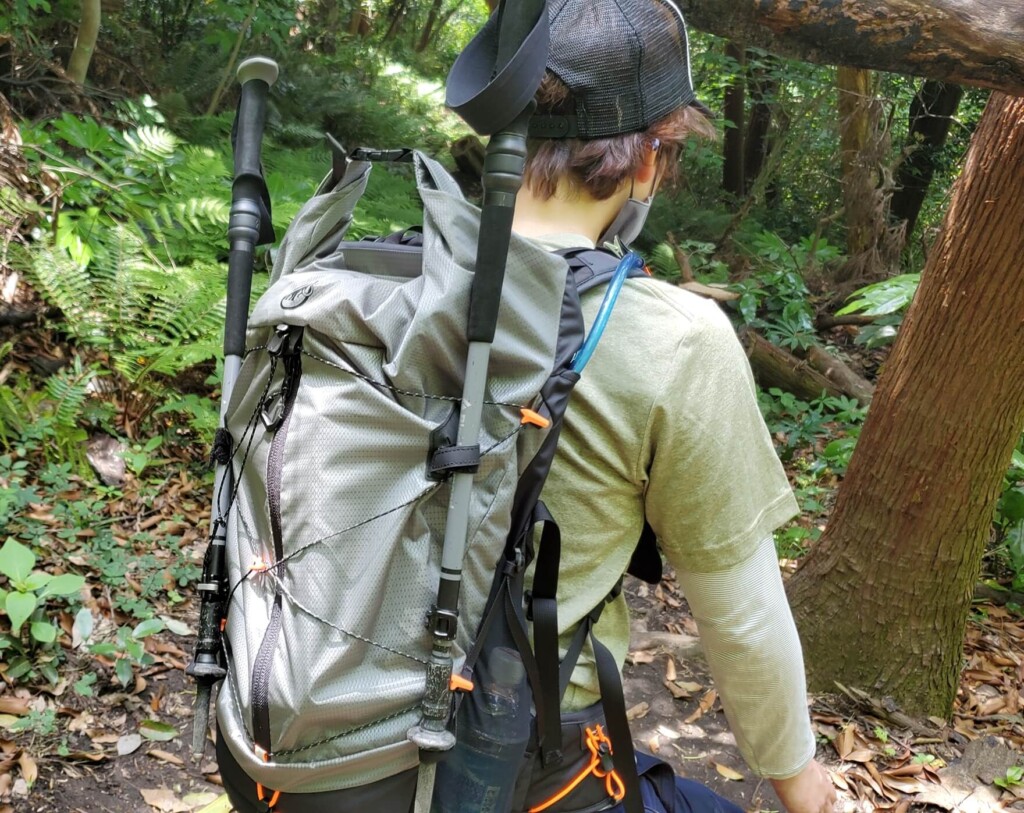
The telescoping type is stored here
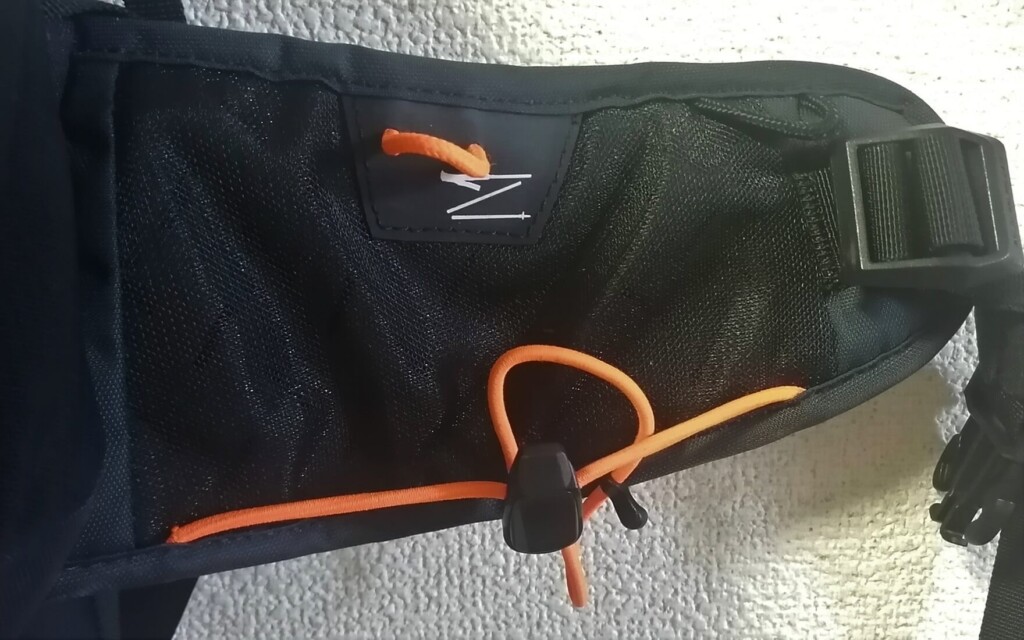
Stock diagrams are printed for easy understanding
It's good that the drawcord is easy to use, but I'm concerned about its holding power. My poles dangled around while I was out and about, which was quite annoying. The drawcord for the main compartment is particularly thin, so I often had to look back to make sure my clothes wouldn't fall out. It seems like it would be better to store thin items inside
Although I was comparing the feel of the Dukan Spine with the Osprey, I ended up reviewing the feel of the Dukan Spine... They share the same beginner-friendly design, so I'll call it a draw
<Comfort> It's not on the same level as a Kite, but both are comfortable! Draw!
Mammut's backpack boasts a "back system that distributes loads well, provides a comfortable fit, and makes the backpack almost weightless," so there's no way to compare it to anything else. Sorry, this is turning into a review. The waist belt doesn't look as sturdy as other backpacks, so I thought, "Oh, this is a fastpacking backpack that's tiring to carry on your shoulders." Not believing Mammut's claims, I tried walking with it for a few minutes. My always-annoying shoulder pain isn't there! I don't feel the weight of the load! And my back is incredibly cool! What's with this complicated-looking back system?! I felt it firsthand. It's amazing how technology evolves. I'm sure more backpacks like this will be produced in the future
I digressed. The Osprey is certainly comfortable to wear thanks to its back system and straps. However, the comparison with the Mammut is on a completely different level, so I'll call it a draw here as well
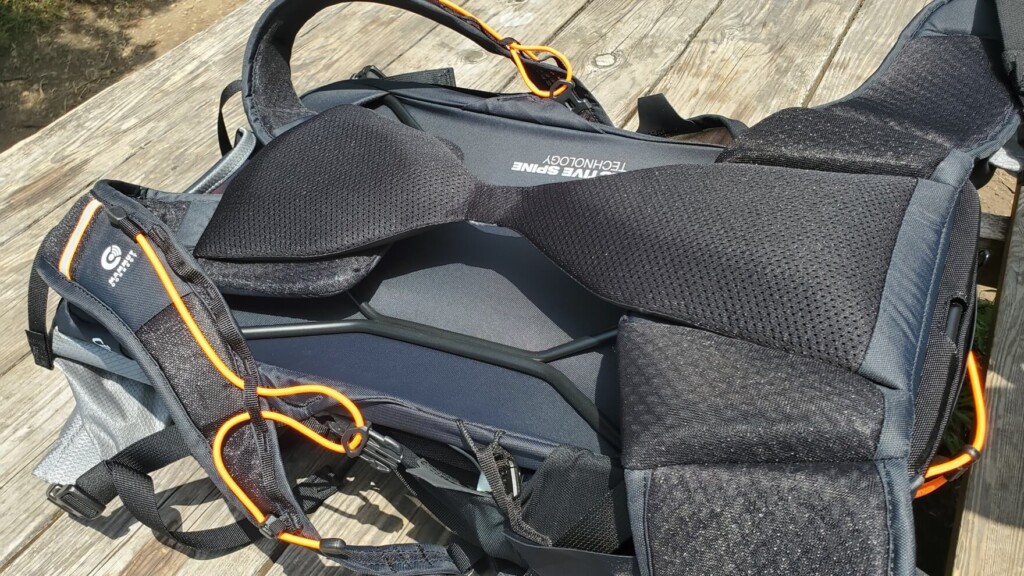
This hourglass-shaped back system is the patented "Active Spine Technology"
<Result> If I were to fastpack, I might choose this one...tie!
The Osprey wins in terms of storage, but it's a draw in terms of ease of use and carrying. I'd like to say that the Osprey wins, but Mammut's technology is also excellent, so the result is a draw

Summary: Has a new Cinderella backpack emerged?
The results are in! The Cinderella backpack is... "Osprey"!
Where was Cinderella?!
The hydration compartment is on the outside of the backpack (a unique feature), it has plenty of storage, direct access to the main compartment, fits your body well, keeps your back cool, the back length is adjustable, and it has many thoughtful touches, is beginner-friendly, and is priced at just under 20,000 yen! Despite all the ingenuity, isn't it amazing value for money?
This is the result of the efforts of Mike Pfotenhauer (Osprey's founder and current designer). At first glance, Osprey may look modest and unassuming, but it's actually a dazzling backpack packed with numerous ingenious ideas
So, if I may be greedy..
If there was a backpack full of all the essentials, equipped with Gregory's easy-to-use zippers and straps, Karrimor's storage capacity, Deuter's clever attachments and outstanding waist belt support, Millet's unique storage, hand rest loops and extendable rain cover, and Mammut's Active Spine Technology, that would be my Cinderella backpack!
This time, I didn't cheat on my Osprey. However, the world of backpacks is currently evolving more and more. This 100 Famous Mountains Hunter girl continues to search for the next Cinderella backpack!

Match Results & Spec Comparison Table
| comprehensive evaluation | AAA | AAA | AAA | AA | A | A |
|---|---|---|---|---|---|---|
| item | 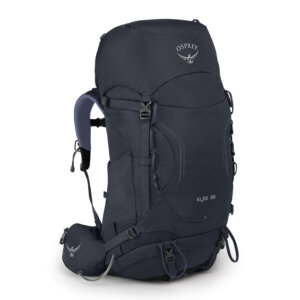 Osprey Kite 36 Osprey Kite 36 | 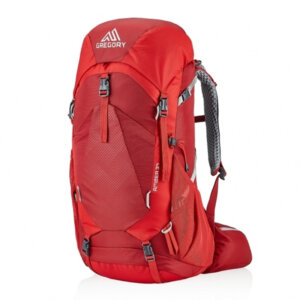 GREGORY Amber 34 GREGORY Amber 34 | 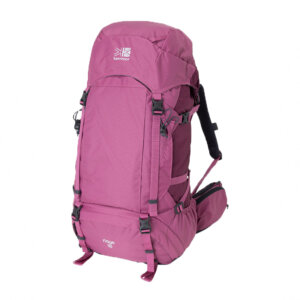 Karrimor Ridge 40 Karrimor Ridge 40 | 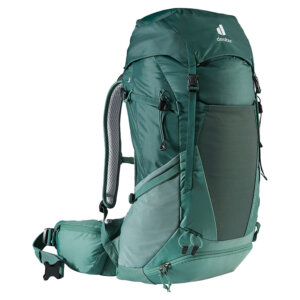 Deuter Futura Pro 34 SL Deuter Futura Pro 34 SL | 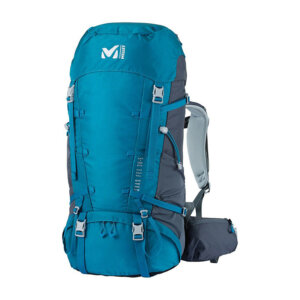 MILLET Saas Fee 30+5 LD MILLET Saas Fee 30+5 LD | 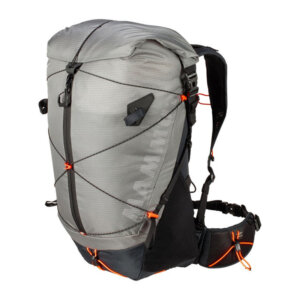 MAMMUT Dukan Spine 28-35 Women's MAMMUT Dukan Spine 28-35 Women's |
| Here is ◎ |
|
|
|
|
|
|
| Here is △ |
|
|
|
|
|
|
| Comfort | ★★★★☆ | ★★★★★ | ★★★★☆ | ★★★☆☆ | ★★★★☆ | ★★★★☆ |
| stability | ★★★★★ | ★★★★☆ | ★★★☆☆ | ★★★★☆ | ★★★★☆ | ★★★★★ |
| Storage capacity | ★★★★★ | ★★★☆☆ | ★★★★★ | ★★★★☆ | ★★★★☆ | ★★☆☆☆ |
| Ease of use | ★★★★☆ | ★★★★★ | ★★★☆☆ | ★★★★☆ | ★★★☆☆ | ★★★★☆ |
| durability | ★★★★★ | ★★★☆☆ | ★★★★☆ | ★★★★★ | ★★★★★ | ★★★☆☆ |
| weight | ★★★☆☆ | ★★★★☆ | ★★☆☆☆ | ★★☆☆☆ | ★★★☆☆ | ★★★★☆ |
| Specifications | ||||||
| Body fabric and material |
|
|
|
|
|
|
| Official weight (g) | 1470 | 1230 | 1640 | 1560 | 1450 | 1260 |
| Size (cm height x width x depth) | H70×W34×D32 | H63.5×W30.5×D24.1 | H70×W32×D26 | H68×W28×D24 | H64×W27×D17 | H50×W28×D12 |
| Direct access to the main compartment | ◯ | △ (bottom) | △ (bottom) | △ (bottom) | △ (bottom) | ◯ |
| Back length (cm) | S/M=40.5 – 51 | 35.6 – 48.3 | 42 | 42 | 43 | - |
| Back adjustment function | ◯ | ◯ | ||||
| Rain cover | ◯ | ◯ | ◯ | ◯ | ◯ | ◯ |
[Supplementary information] Backpack comparison review
Test environment
The event took place on the hiking trails of Mt. Sengen in Hayama, Kanagawa Prefecture, which is famous among trail runners. Despite being a low mountain, the trail is rich in variety, with steep climbs, long concrete approaches, and slippery red clay trails
The contents of the backpack are
2L hydration pack, two 500ml plastic bottles, inner sheet, emergency sheet, synthetic down jacket, one quick-drying T-shirt, one skirt, rainwear top and bottoms, socks, snacks (candy, gummies, chocolate, kakinotane, etc.), sweets (potato chips, karinto, etc.), breakfast and lunch (bread, rice balls, fish sausage, cheese, boiled eggs), powdered drinks, overnight kit (underwear, toothbrush, makeup remover, body wipes), headlamp, small charger, money, sunscreen, regular medications, insect repellent spray, sunglasses, portable audio player, two tenugui (hand towels), disinfectant, mask, tissue paper, plastic bags
I packed these. I realized that I have a lot of small items. But I can't reduce them any further... That's why I need small storage!
Evaluation points
The six evaluation criteria are as follows. Why are these criteria important? Please refer to our previous article, " How to Choose a Backpack, " for more details. Incidentally, in the "Checkpoints for Choosing the Best Backpack" section of the article, there is an item called "Whether there is a model for women." After all, choosing a backpack for women is the most basic of all mountain climbing basics.
- Comfort: Fit to the back, waist, and shoulders, comfortable against the skin, and good breathability
- Stability: No stress when walking, your body is not shaken by the backpack
- Storage: Ease of organization, packing, and access
- Ease of use: Back adjustment, pocket size, attachment straps, and zippers are easy to use
- Weight: Not the actual weight, but the "feeling" weight
Related reading
 [An honest, self-funded comparison review] Perfect for those just starting out in mountain climbing. A summary of recommended medium-sized backpacks for outdoor activities, classified by scene and purpose
 [An unbiased, self-funded comparison review] A longtime outdoor industry veteran compares popular mid-size backpacks suitable for both hut and tent camping
 [An honest, self-funded comparison review] Which style will you choose for your long-term tent camping trip this season? We compare the latest models from America's three leading backpack brands
 A quick review of the new backpacks released this season: 2019 [New & Updated]