



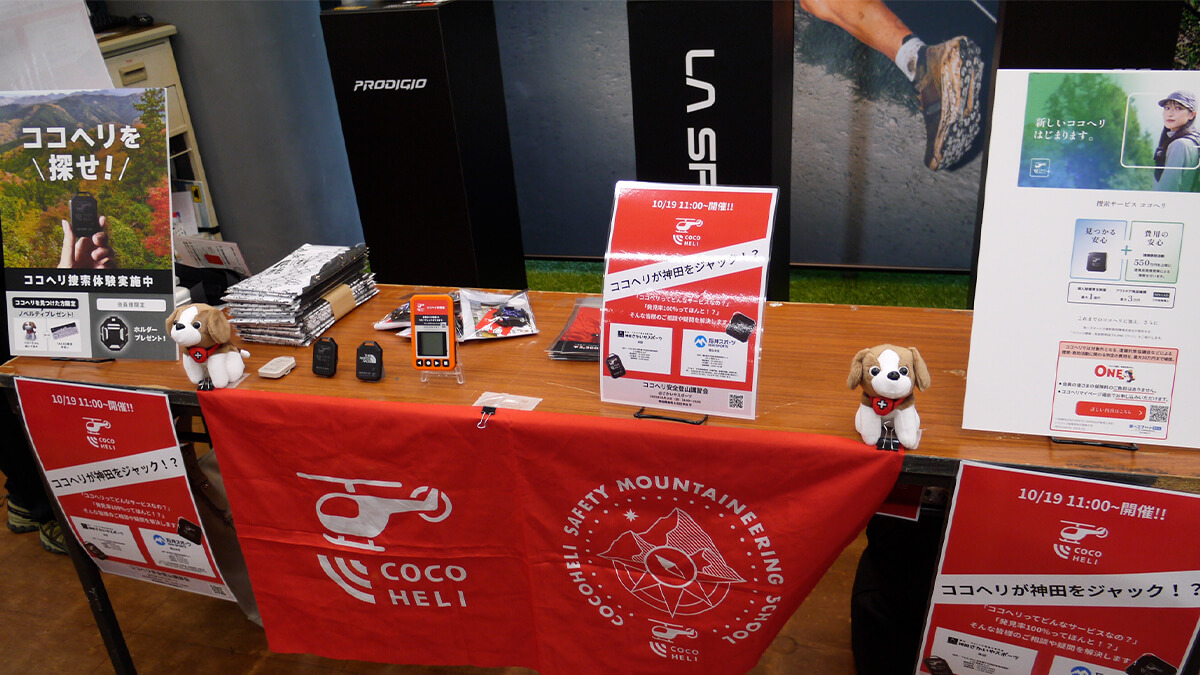
[The Truth About Cocoheli] Cocoheli x Sakaiya x? Hijacking Kanda!? Safe Mountain Climbing Seminar [Event Report]
Written by yans
table of contents
- The true essence of Cocoheli is not helicopter rescue, but the truth is clear when you listen; its essence lies in quickly "discovering" those in distress!
- First, head to Sakaiya Main Store
- Cocoheli takes over the Kanda area!?
- Cocoheli Safe Mountain Climbing Seminar Venue
- The current state of the disaster and the true nature of Cocoheli are described in terrifying detail!
- Now, let's take a look at how to join the Cocoheli service.
- Conclusion of the Cocoheli safe mountain climbing seminar.
The true essence of Cocoheli is not helicopter rescue, but the truth is clear when you listen; its essence lies in quickly "discovering" those in distress!
Cocoheli. So, how much do you know about the services offered by Cocoheli? You probably think it's just a service where you can get a helicopter to search for you, right? Actually, it's not quite the same, and I was a little mistaken about that myself. I was starting to think that the word "helicopter" was getting the better of me, and then I heard that an event delving into the details of Cocoheli was being held at Kanda Sakaiya, where I was also helped out a while ago, so I decided to go and learn more about it.
From past event reports
This is an event report that we believe was undertaken with the same feelings as our readers who are wondering, "What is Cocoheli?"
First, head to Sakaiya Main Store
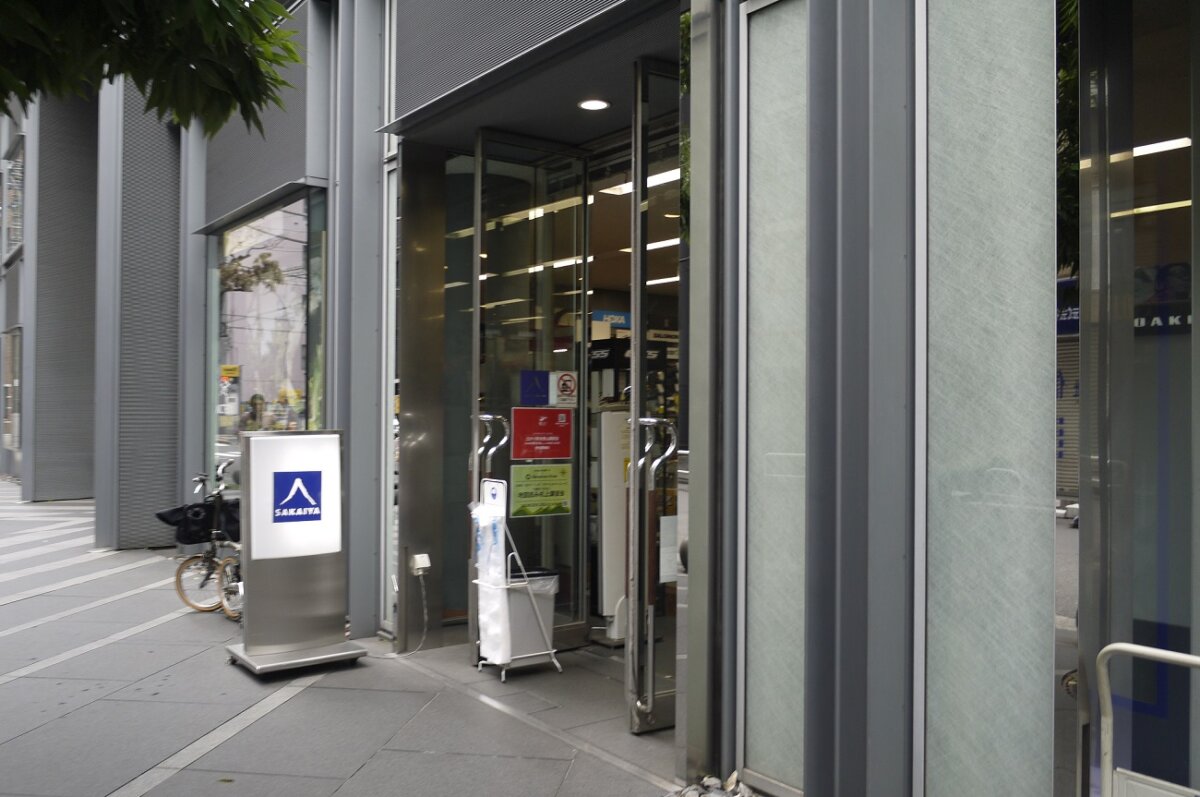
On the day of the event, the Cocoheli pop-up will also be held at the same time! So we headed to Sakaiya main store.
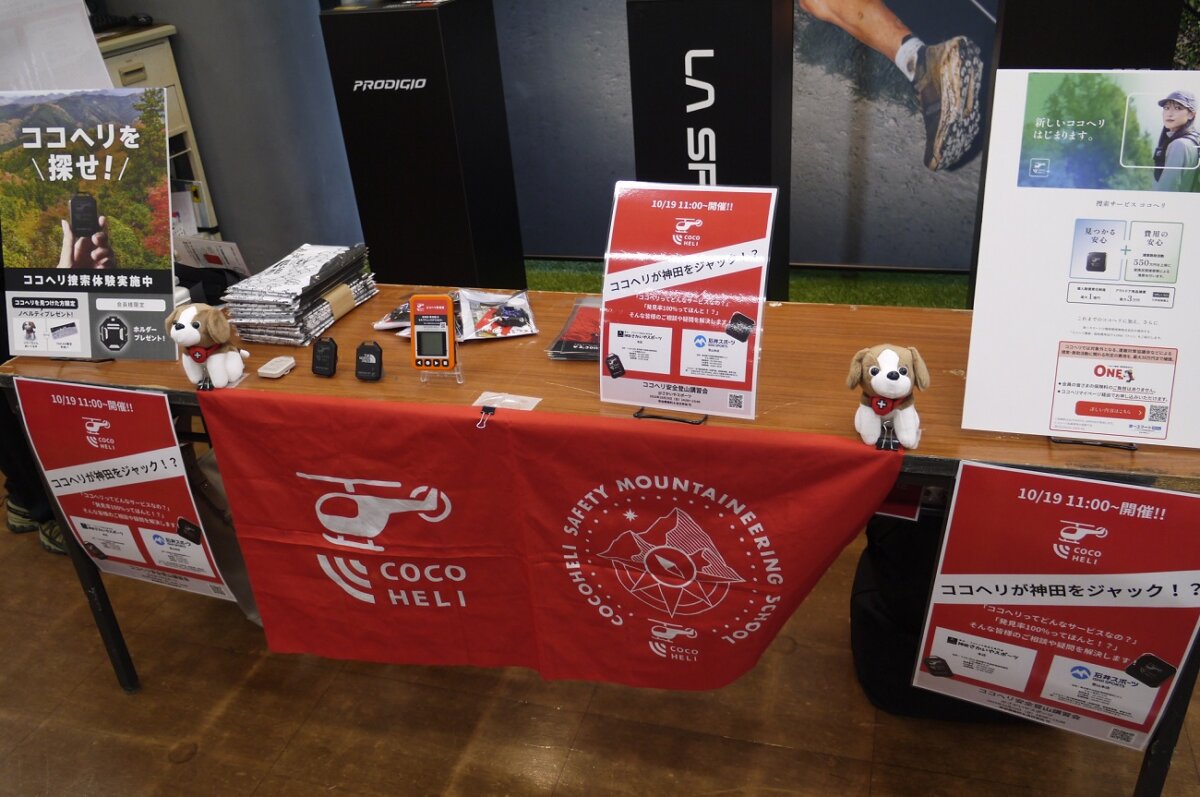
A pop-up store will also begin operating at the same time as Sakaiya opens.
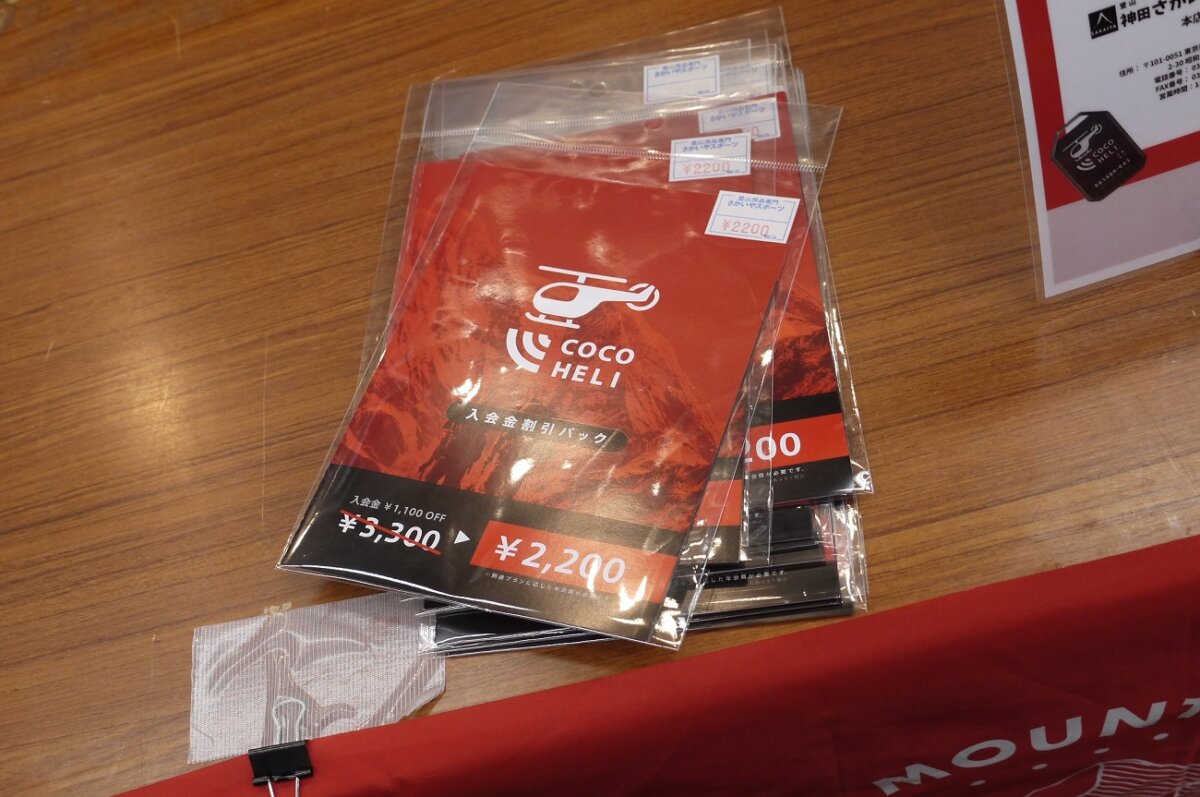
You can get a little discount on membership during the pop-up!
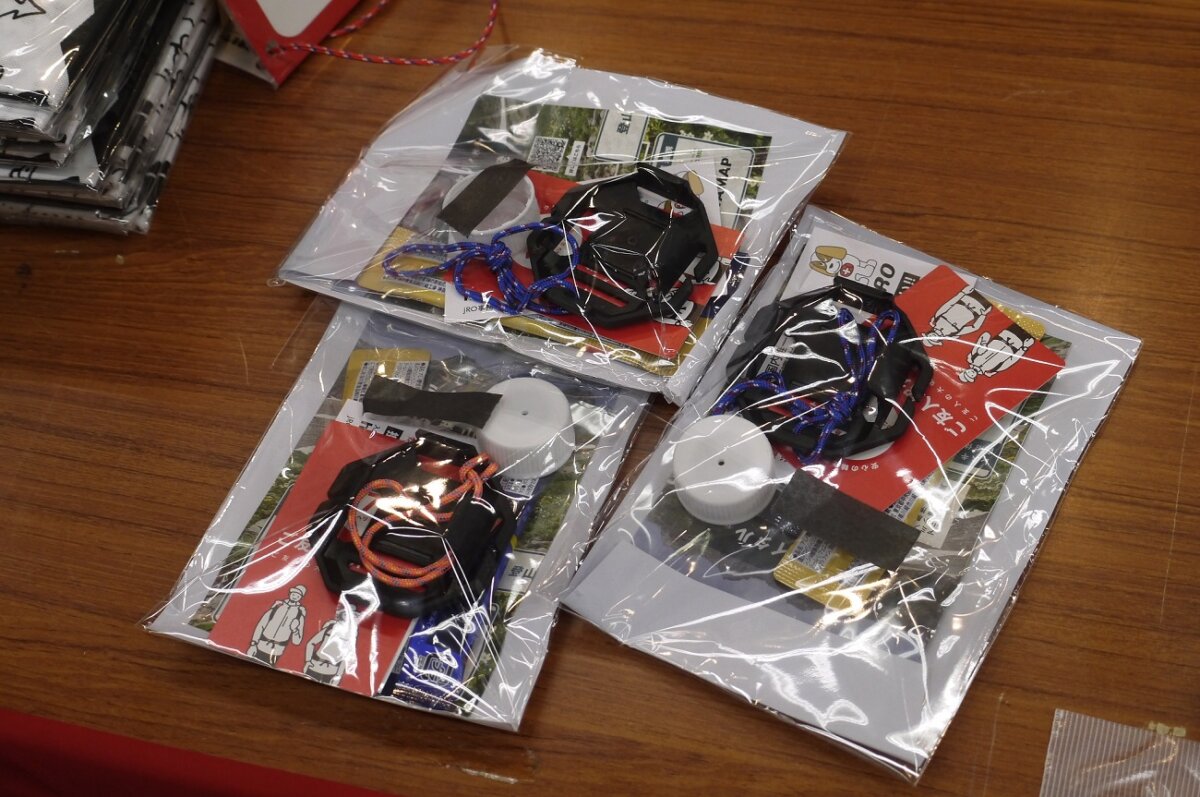
Plus, you'll receive some great novelty items as a bonus!
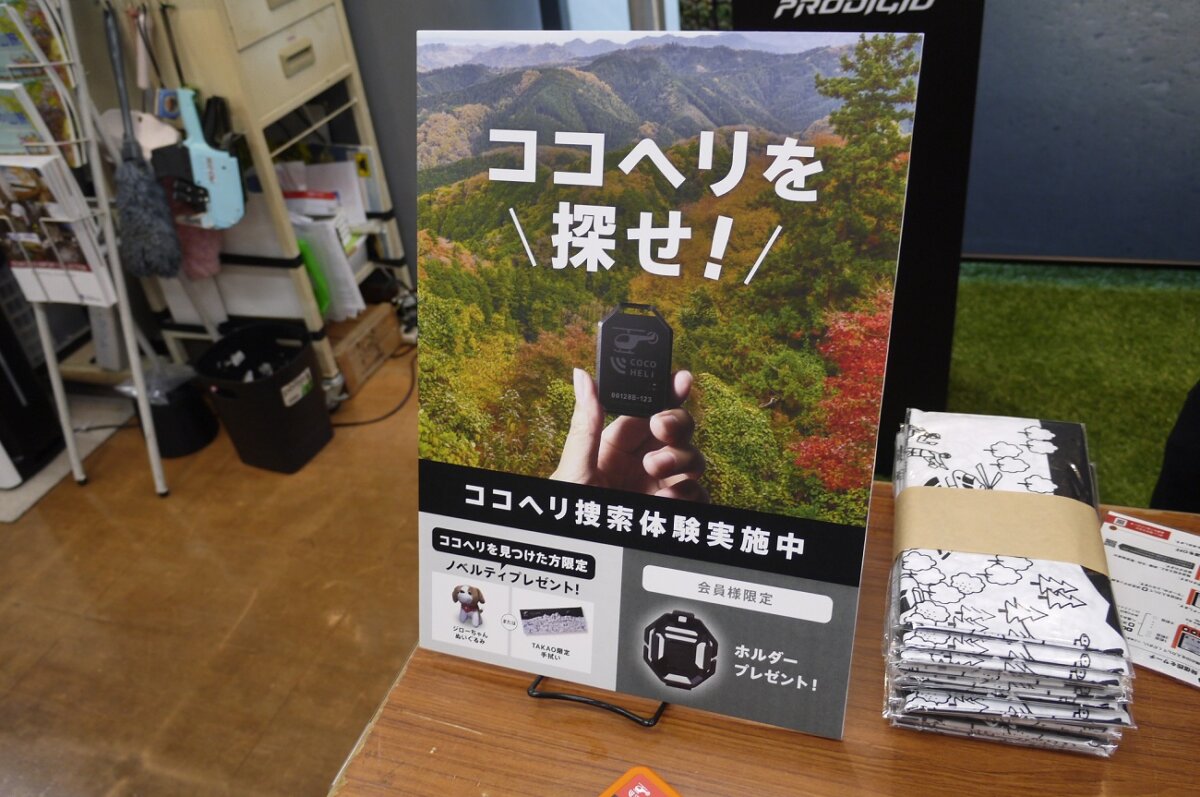
You may be wondering how Cocoheli searches, but there is also a system that allows you to experience this.
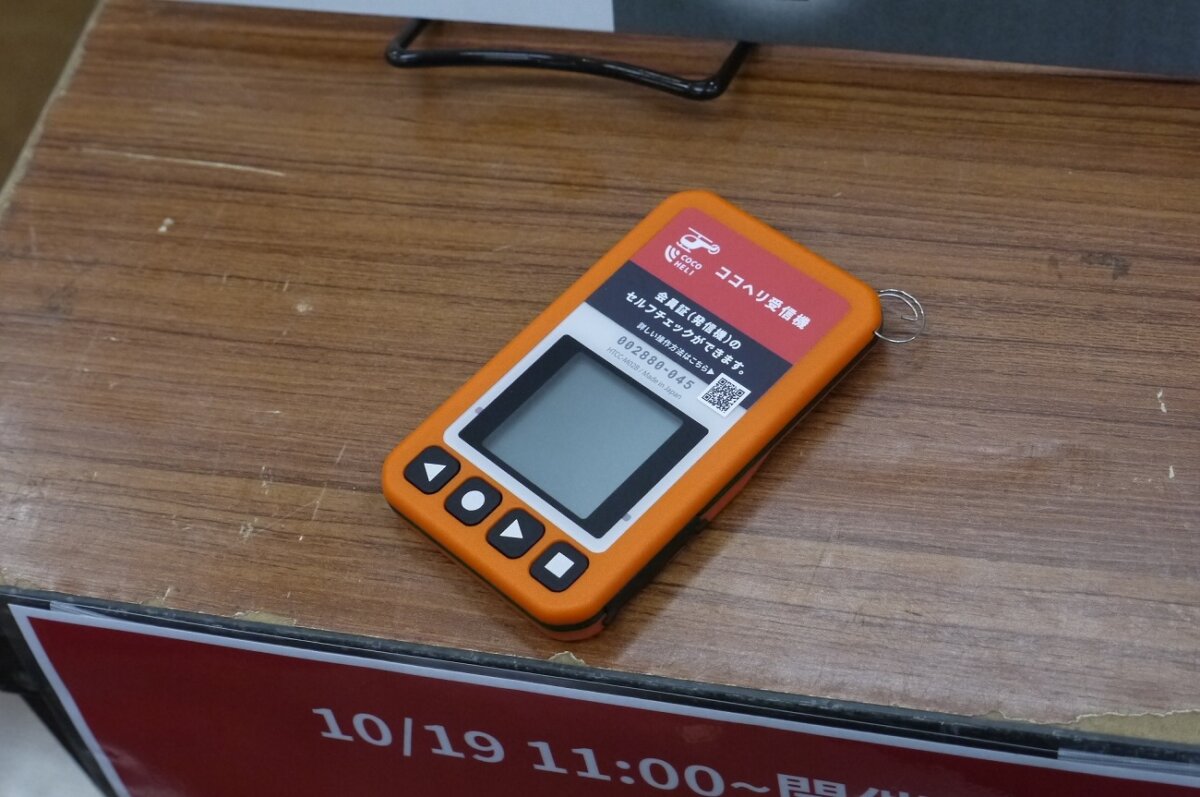
This is a receiver that is originally owned by the search team. It is designed to be extremely simple and easy for anyone to use. This receiver is not something that customers will ever get their hands on, but as an experience, they will search for the mascot character Jiro-chan, who is meant to represent a missing person, inside the store.
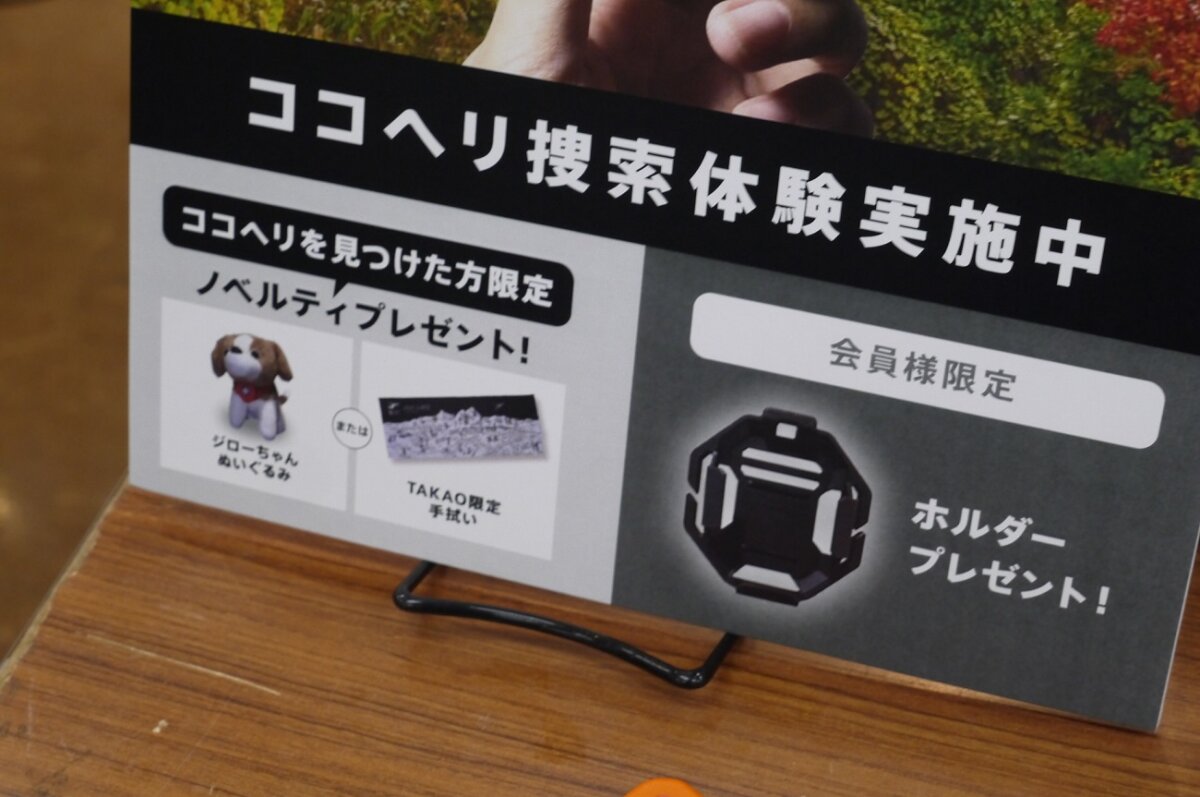
Customers who participated in the experience were given a free novelty item.
Cocoheli takes over the Kanda area!?
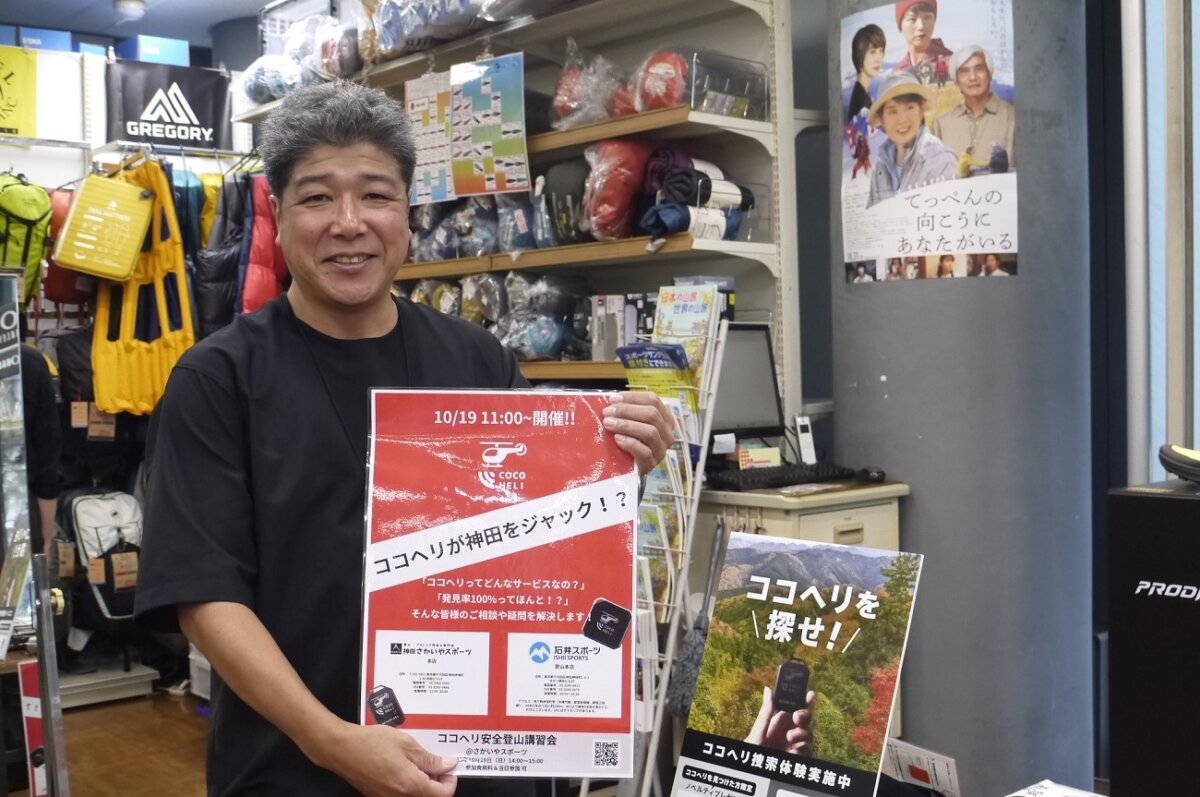
Today we are trying something new! says Cocoheli Shimizu, who also helped us out at the Star Shoji x Katadyn water purifier experience event.
From past event reports
So I'm heading to another venue, Shimizu said. I followed him and...

What's more, Ishii Sports Mountaineering main store is located in the same area!
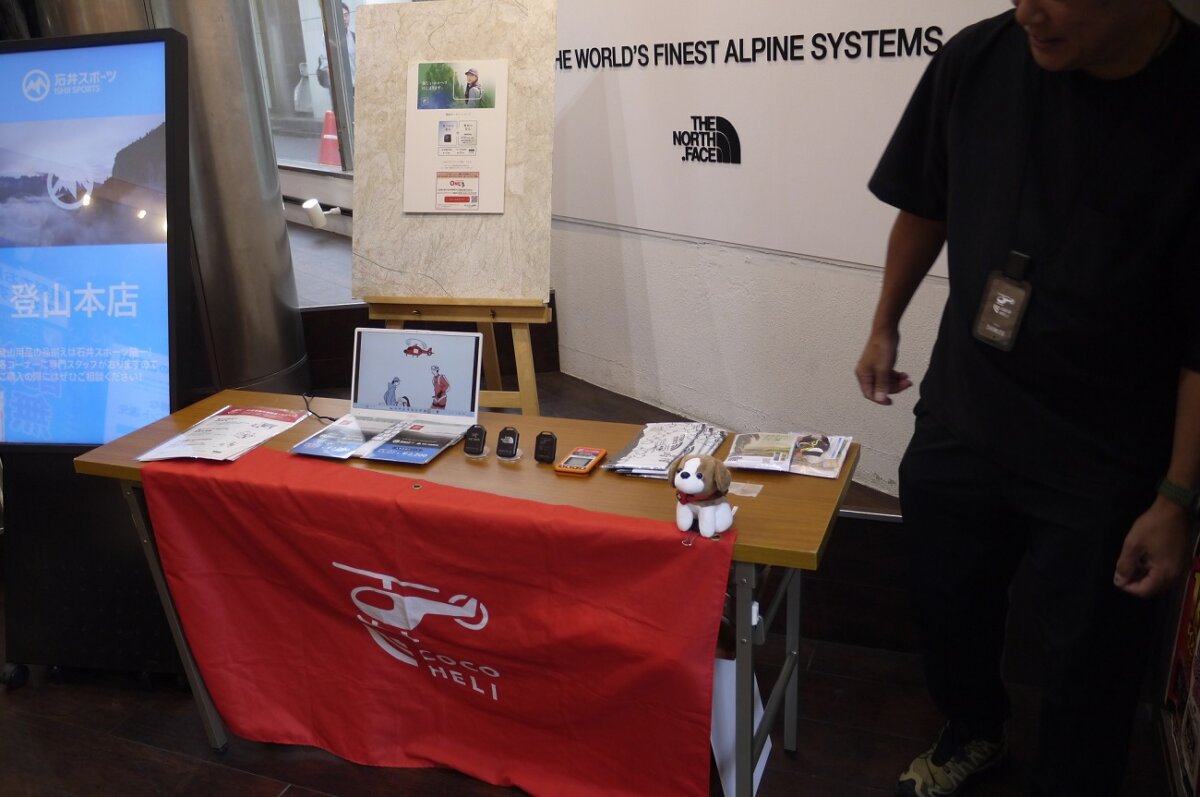
A pop-up will also be held at the entrance of this store!
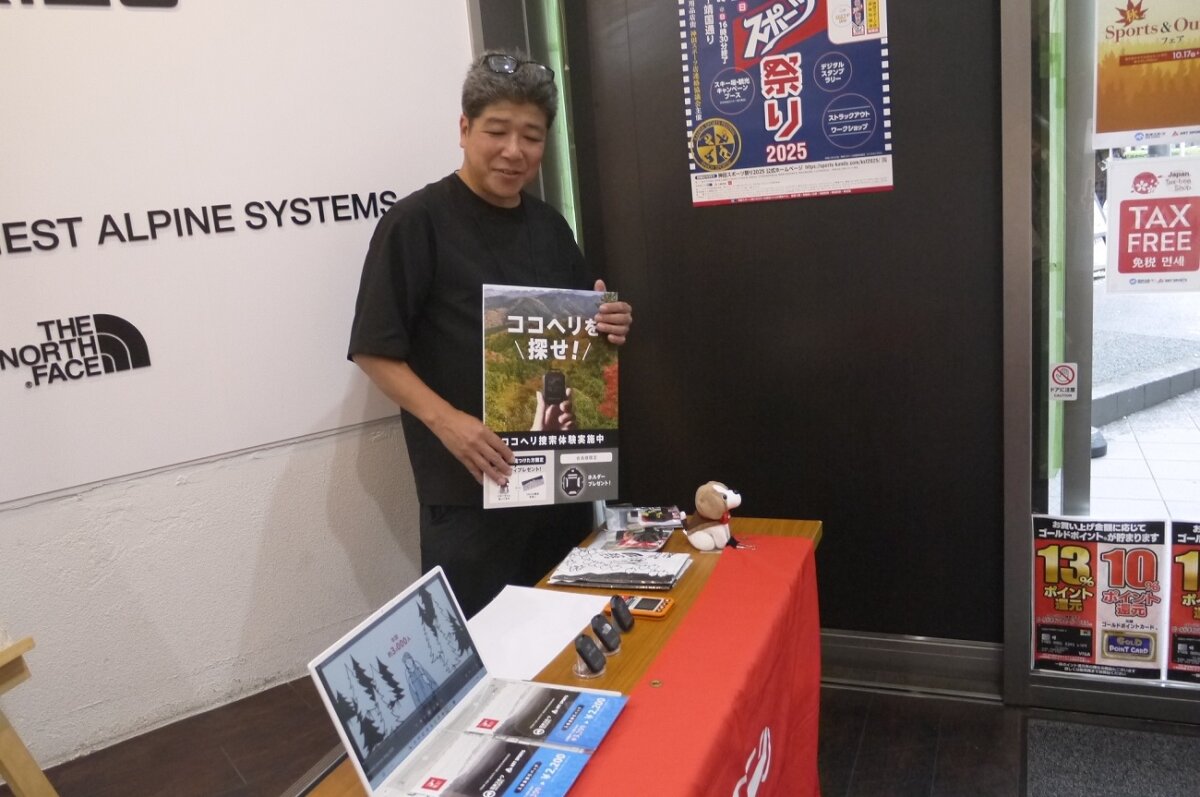
I'll do my best here! It was a day when Sakaiya and Ishii Sports had a simultaneous pop-up, transcending the boundaries of the stores and taking over Kanda!? That was so cool.
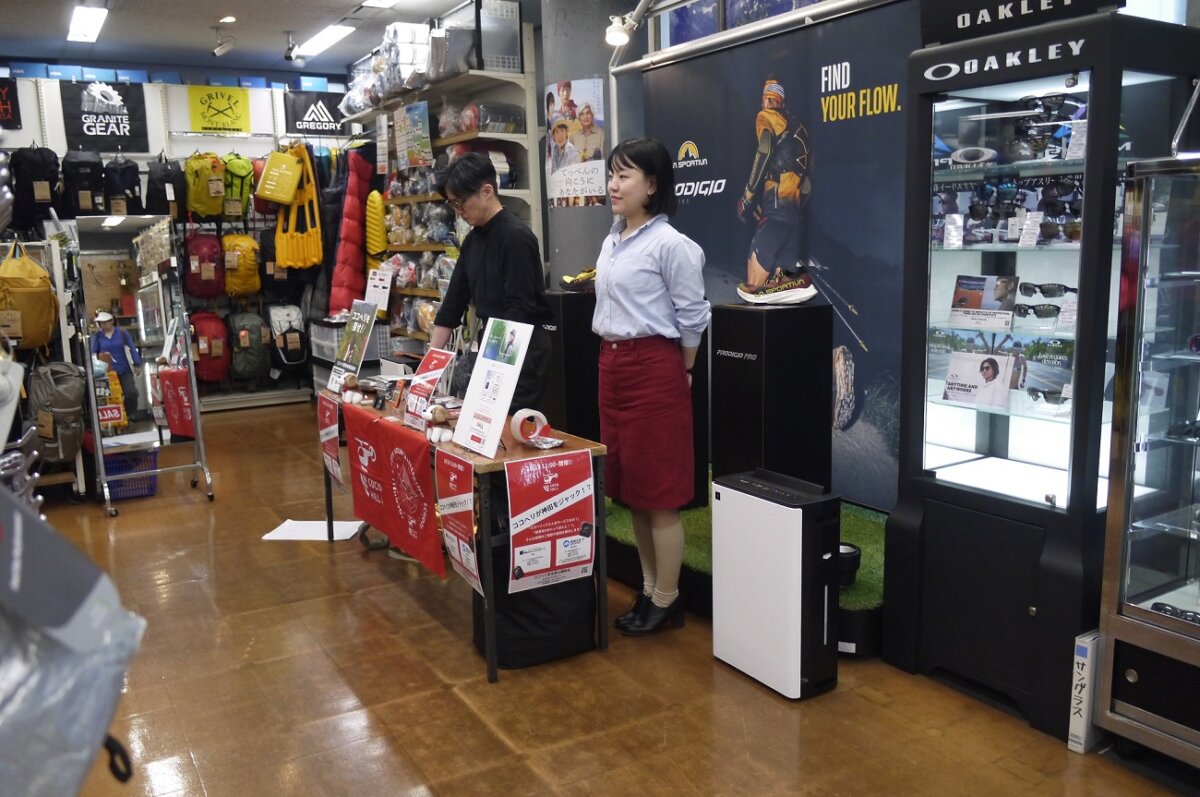
At the same time, Sakaiya was also simultaneously developing the project.
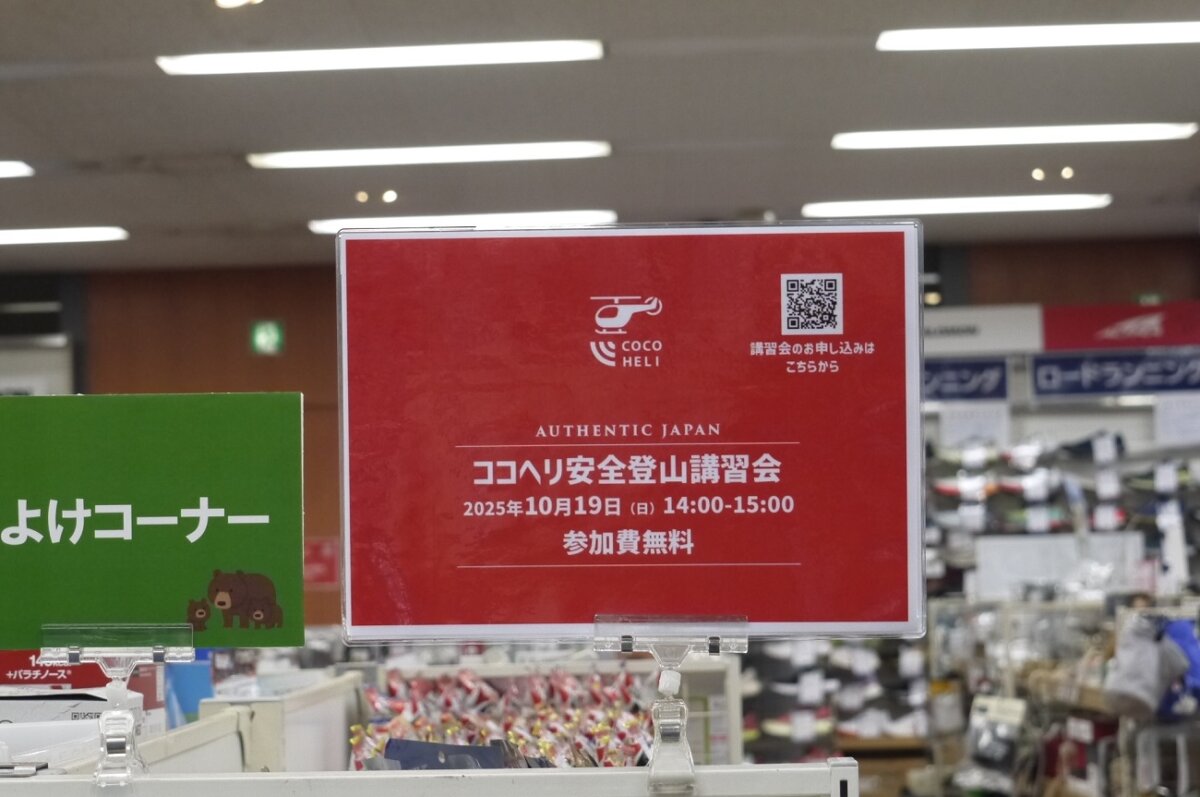
But that's not all today, this is the main event: the Cocoheli Safe Mountain Climbing Seminar! I'm very interested in what's about to begin.
Cocoheli Safe Mountain Climbing Seminar Venue
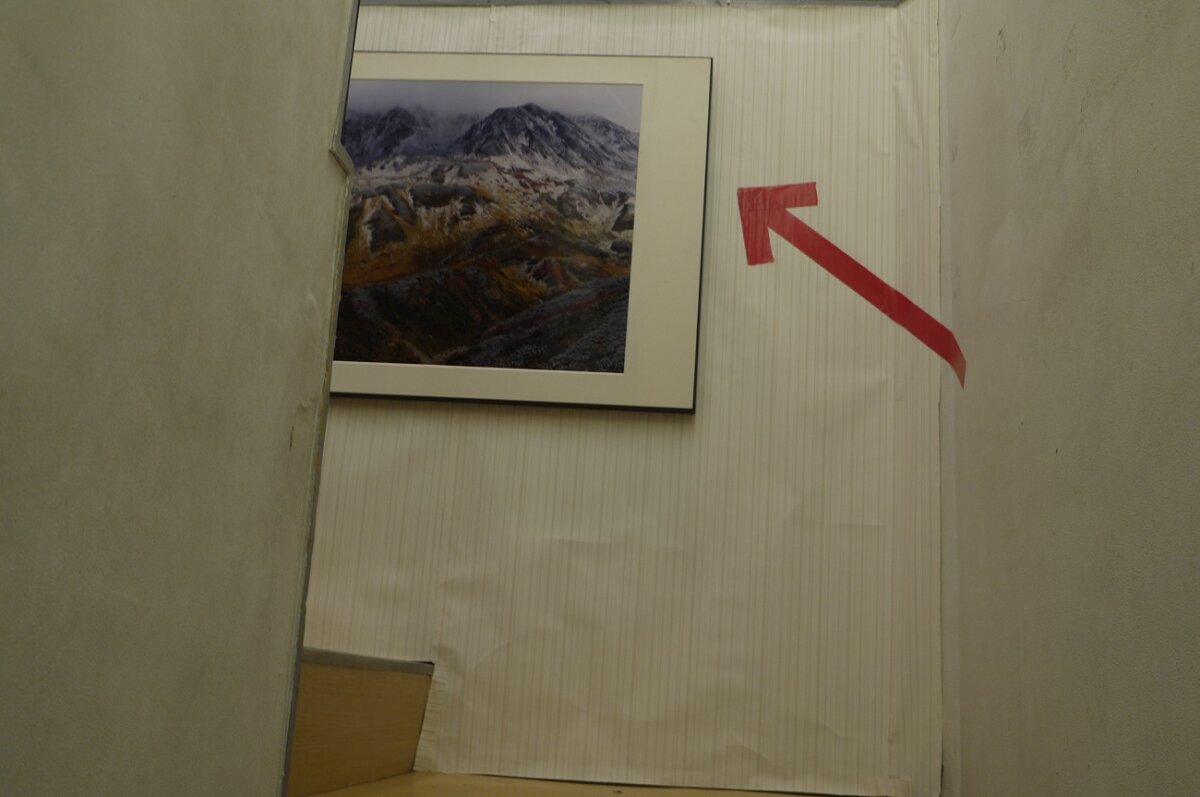
So, just before the start time, we headed to the third floor of Sakaiya Climbing Hall, the venue (the store functions have now been moved to the main store).

We will be waiting for you to arrive a little earlier than the participants.
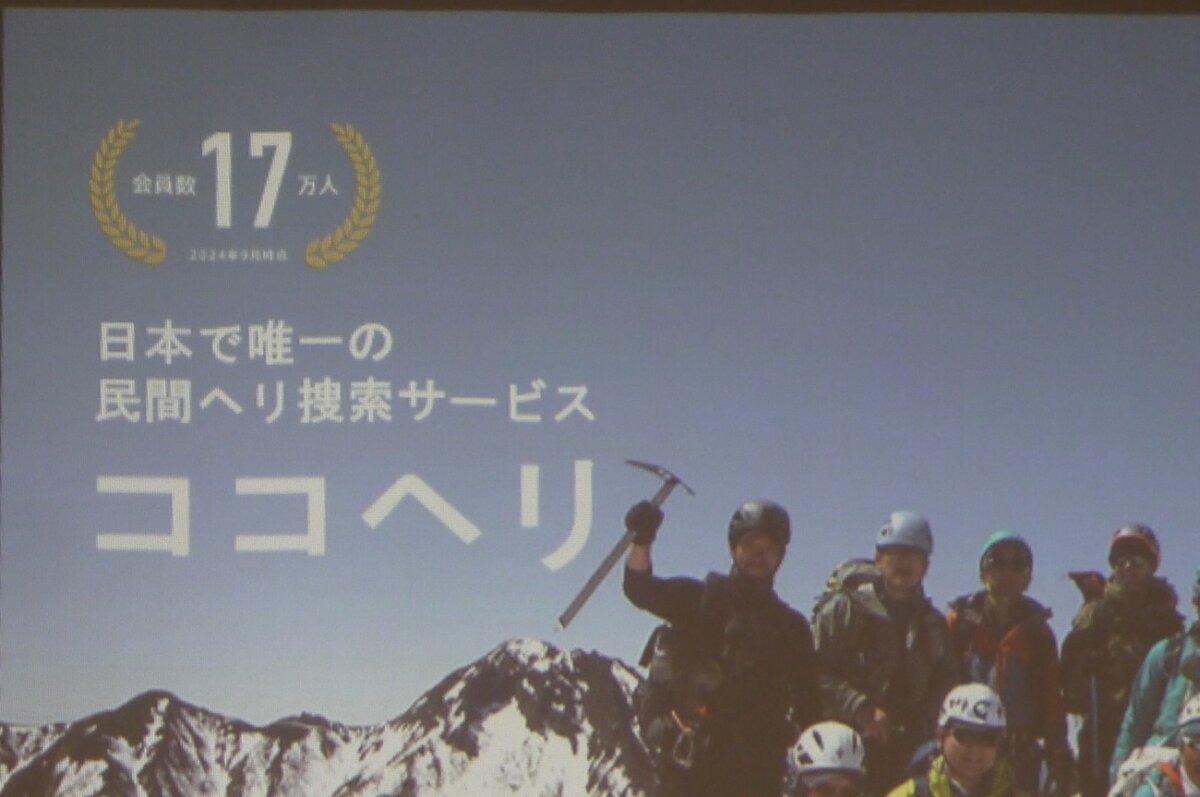
Once the participants have gathered, the Cocoheli safe mountain climbing seminar begins with slides.
The current state of the disaster and the true nature of Cocoheli are described in terrifying detail!
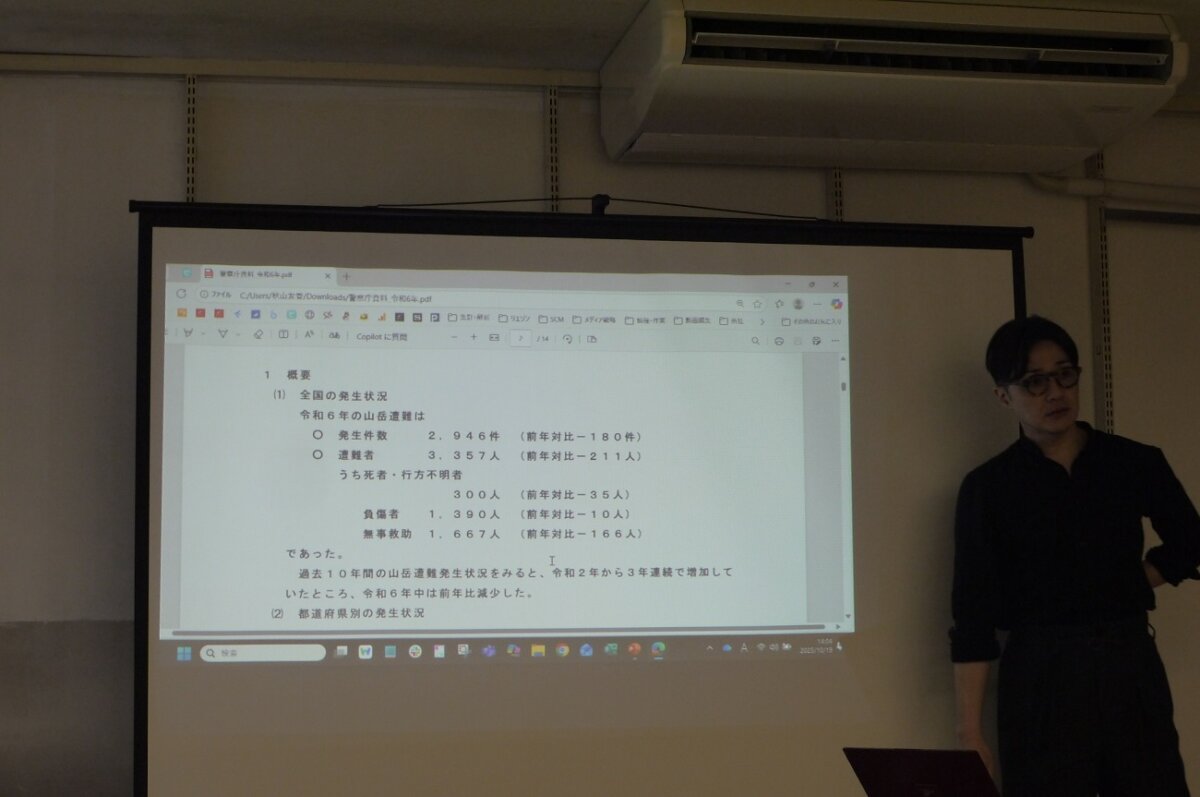
The seminar has begun.
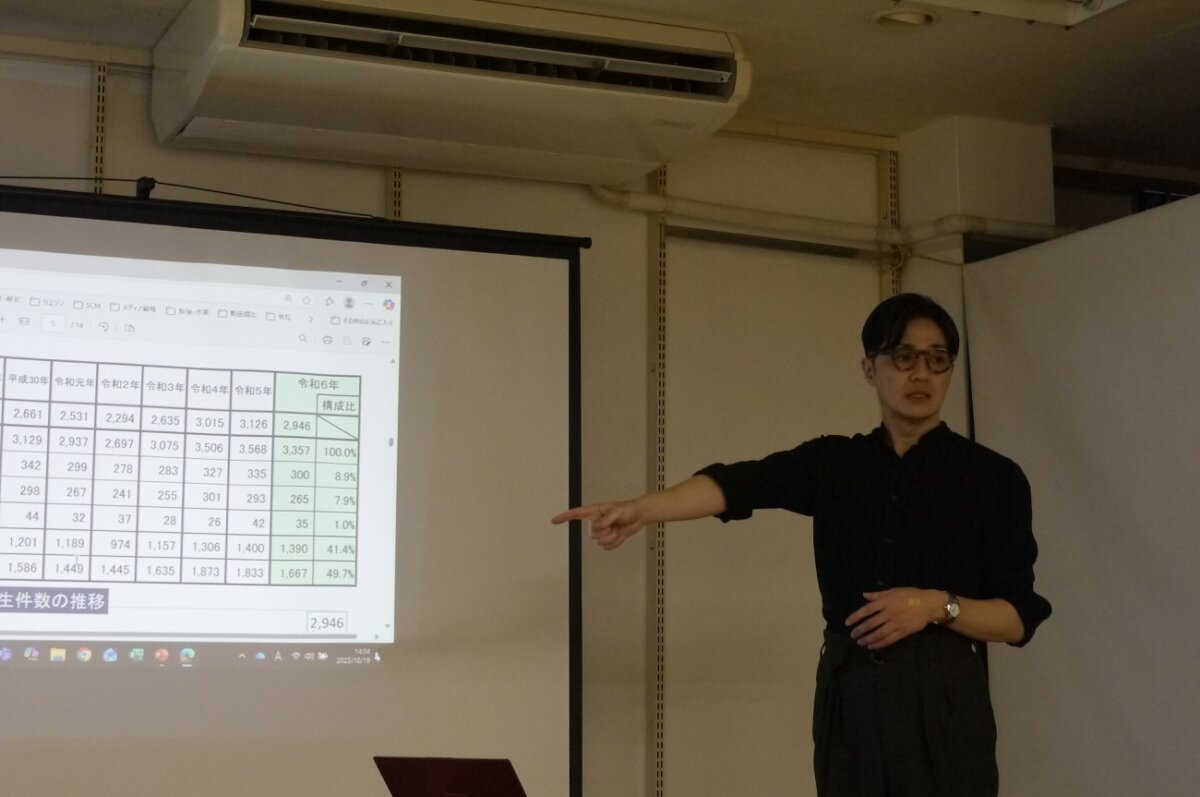
The host and lecturer will be Mr. Takayanagi from Cocoheli Authentic Japan. From here on, we will be sharing some of his narration.
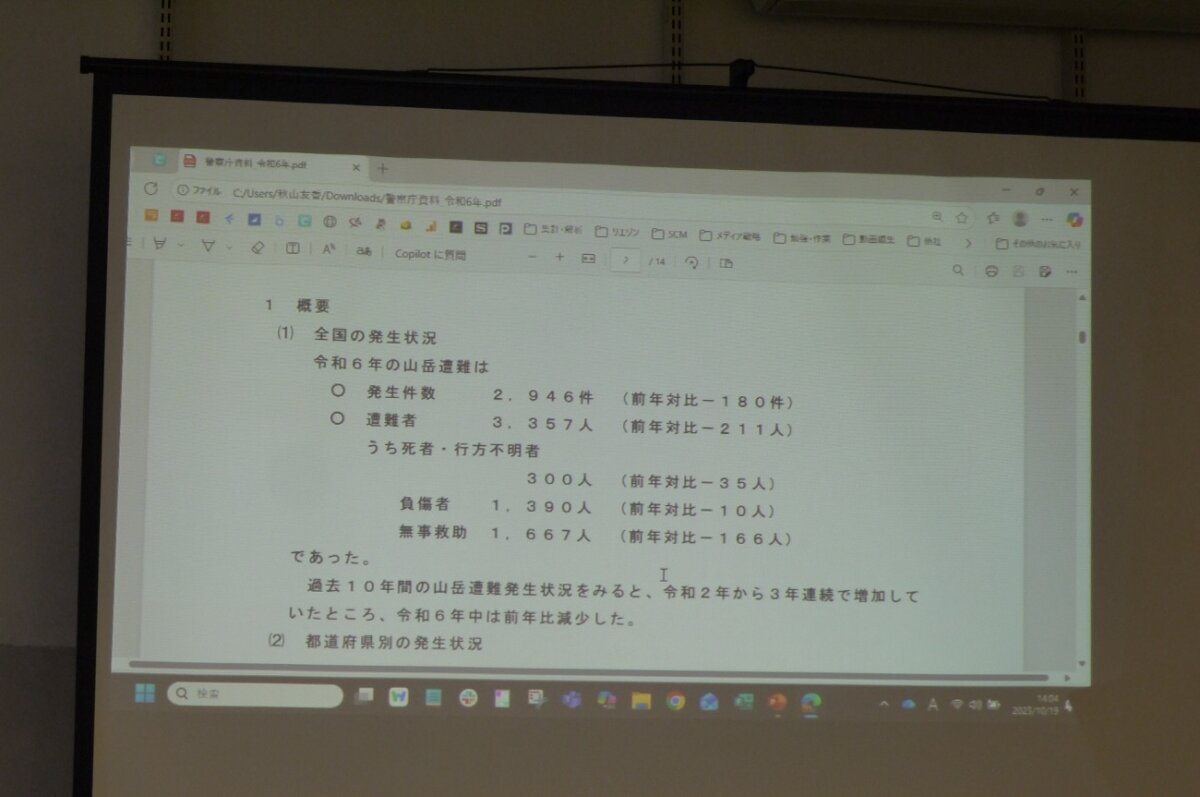
First, we are hit with some grim figures from the Metropolitan Police Department's recent mountain accident reports. The relief is that in 2024, the number was on the decline. "What I want you to take note of here is the fact that out of the roughly 3,000 people who get lost each year, 300 are killed or go missing, meaning that nearly one in ten people end up in this situation."

"If you can use your smartphone or other device in the mountain area, about 70% of the incidents will be reported by yourself, but the remaining 30% are unable to report it themselves for some reason, such as being unable to move after a fatal fall, having their mobile phone broken, or being outside the prefecture and having no signal because about 40% of Japan's land area is outside the prefecture."
"While satellite-based services such as Starlink have emerged in recent years, the fact remains that they are meaningless unless you can operate them yourself."
It is understood that such services and products are commonplace and very convenient if used properly, but if you run into trouble and your smartphone has no signal, is out of battery, or is unable to operate, having one more precaution can dramatically increase your chances of survival, and that's where Cocoheli comes in!
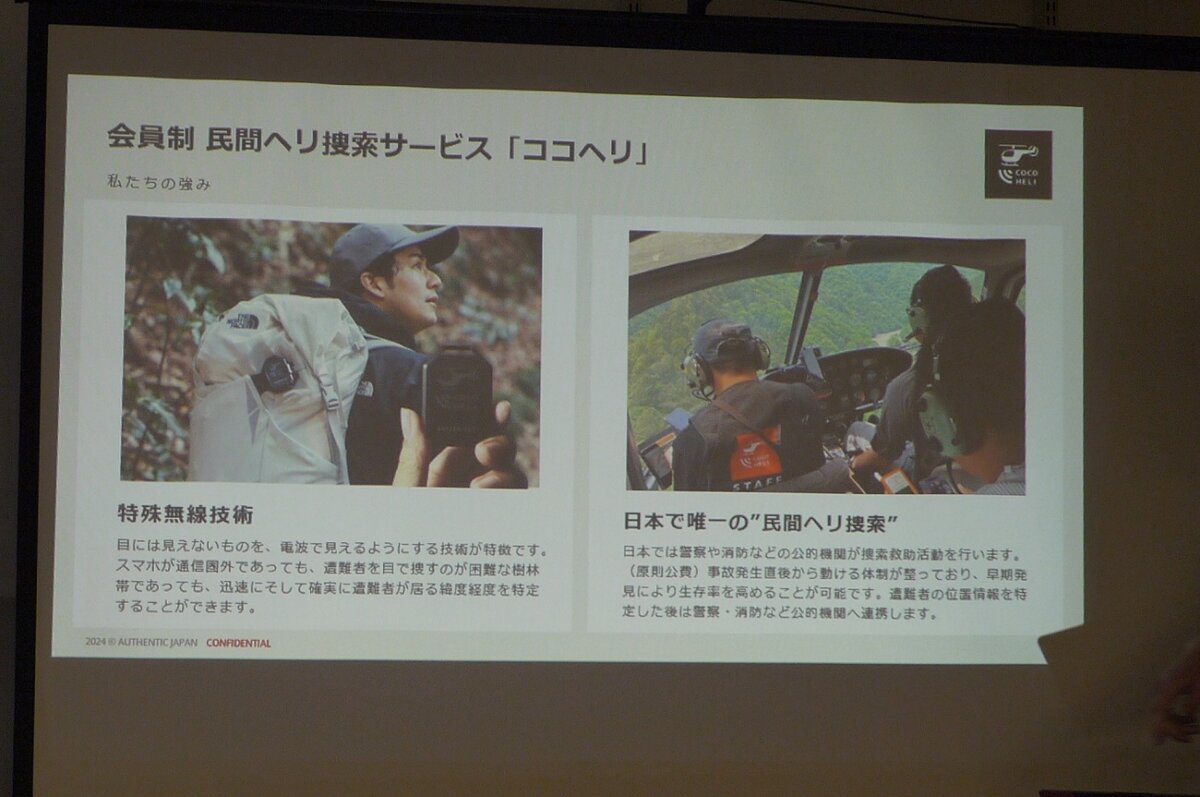
So what exactly is Cocoheli? He explains its strengths and uses a simulation that simulates an actual search. "So what kind of service is Cocoheli? First of all, it uses special wireless technology; its greatest feature is that all you need is this transmitter. This device is completely different from smartphones and is an extremely simple system that constantly emits radio waves that do not use a network and are picked up by a receiver."
"It's like a string telephone. A string telephone is always connected, right? It's almost the same as that image. Within the signal range, the transmitter and receiver are always connected, so even if there's a tree in between or they're in the gap between a cliff where you can't see, you can just pull it in and find it. So you can be sure to find it even in situations where you can't see anything."
"However, string phones do have their weaknesses. Since they are made of a 'string', there is a limit to their length. The radio waves can only travel 10 to 20km, so how do we search for lost people within that distance? That's where helicopters come in. We load a receiver onto the helicopter and fly it with a dedicated team."
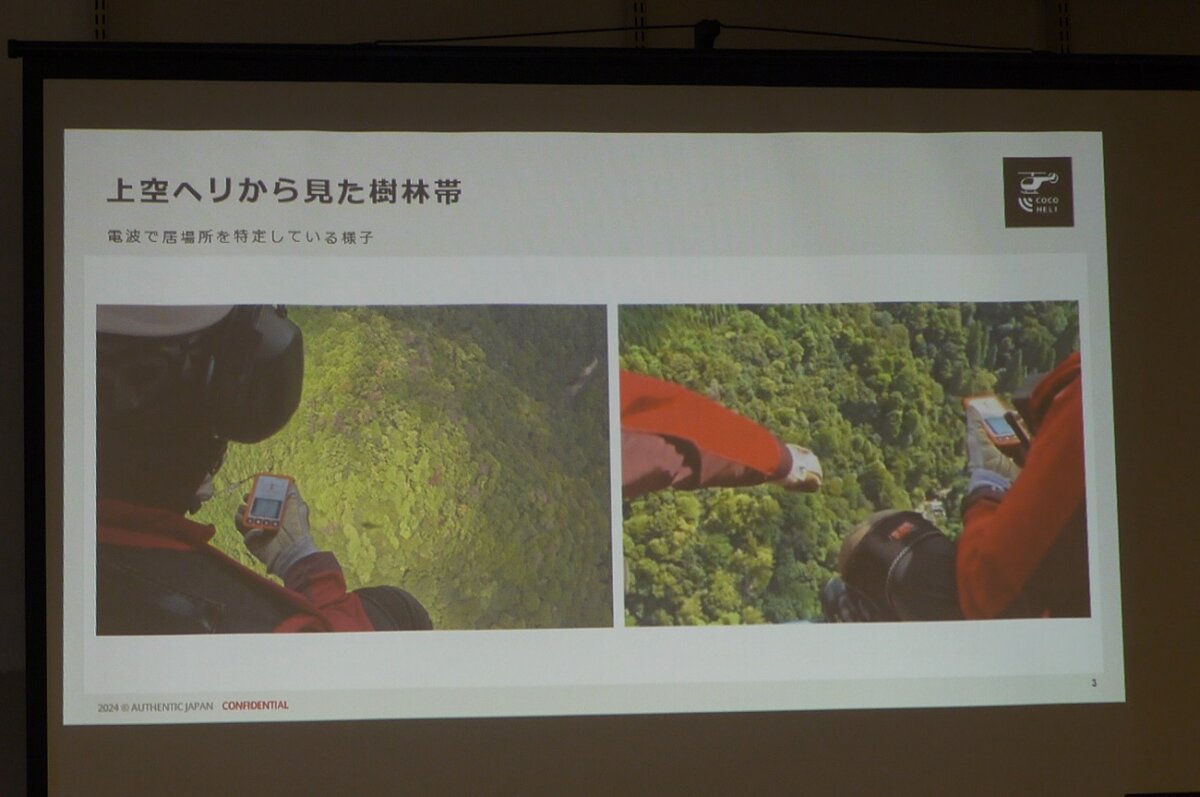
"In the past, when searches were conducted using private helicopters, the search was done visually, but if the scene was as shown in this slide and the situation was like this, even if you looked through the forest, you wouldn't be able to confirm where the missing person was, right? But with the radio waves from Cocoheli, we can determine their location reliably and quickly! All we have to do is pull in the radio wave thread."
Indeed, there are many mountainous areas in Japan where visibility is not necessarily good. It is self-evident that it would be extremely difficult to pinpoint someone with the naked eye from here.
"Our mission is to quickly identify missing people, so we have actually been using drones to conduct practical searches for them for the past two years."
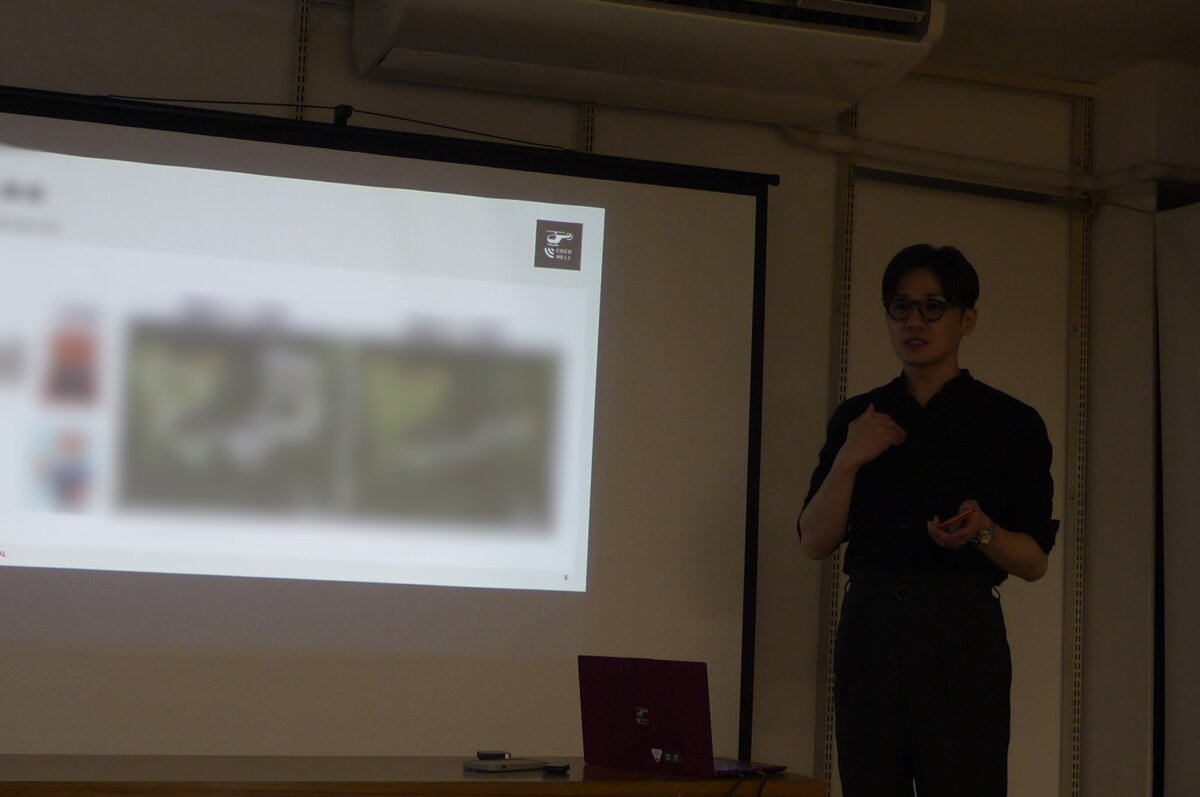
And so here's this slide. I would like to say that, but it's not allowed to be published, so I'll just say, "This is an experiment at an agricultural experiment station. It compares the search for a calf that was assumed to be lost by sight and by Cocoheli radio waves. The white lines show the search movements of the star-marked person searching for the lost person at the red mark. On the left, the person searching by eye and by voice calls first goes out onto a hill with good visibility, makes sure there are no people nearby, and then searches in circles through the poorly visible forest on the right, making sure not to miss anyone. This is the general search method, and as you can see from the scale, even in such a short distance, they had to move around quite a bit to find the person. That's why it takes so long, but it can't be helped."
"In contrast, the search using the Cocoheli radio waves on the right simply involves going almost in a straight line to the source of the radio waves! This alone makes a huge difference, and this is the moment when radio waves changed the world of search."
Knowing the search location makes a huge difference in the amount of time that passes, which is a significant advantage when it comes to saving lives.
More details about the experiment can be found here.
Here is the link to the demonstration experiment!
"However, we ask all members to do three things. After carrying the transmitter, please share with Cocoheli where you are going to the mountains. Since we don't use a network, the search distance is limited, but as long as we know which mountain the person is on, we can find them! We can cover mountain areas with a 10km radius, so we can search for most mountains! So you can use Yamap or Yamareco. Cocoheli asks that you submit a climbing plan, even if it's just on paper."
"For example, if someone said, 'My husband is out there somewhere, please find him,' it would be difficult. (This is the premise of the basic plan, explained later.) But if we can just know that he's roughly in this area, and even further, that he's in these mountains, we can find him. Our track record over the past three years has been a 100% search and discovery rate. And about 90% of the time it takes to find someone is within three hours of the start of the flight. Three hours is an extremely short time for a typical mountain rescue."
I think this also shows that Cocoheli's equipment is specialized for search. Cocoheli's main purpose is to use a helicopter to quickly find people in distress, and once the actual location is determined, it carries out the most appropriate search, thereby completing the rescue quickly. This is the truth about Cocoheli.
"Another thing is to make sure your beacon (transmitter) is charged before you go into the mountains. A fully charged one will last for two months! There's no point in neglecting to check it just because it will last a long time."
It's basic but true.
"The third and final point is to share information with your family in case you are unable to return home as planned, and to be prepared for them to report it properly. This alone will significantly reduce the time it takes to be rescued."
Be prepared just in case.
"And as an important aside, these Cocoheli receivers and terminals have been introduced and are being operated by public institutions (police and fire departments), and they have now been installed in all 41 prefectures, so places that could previously only be searched visually can now be searched by radio waves if the receiver is in possession of one."
This isn't really well known, but it's amazing.
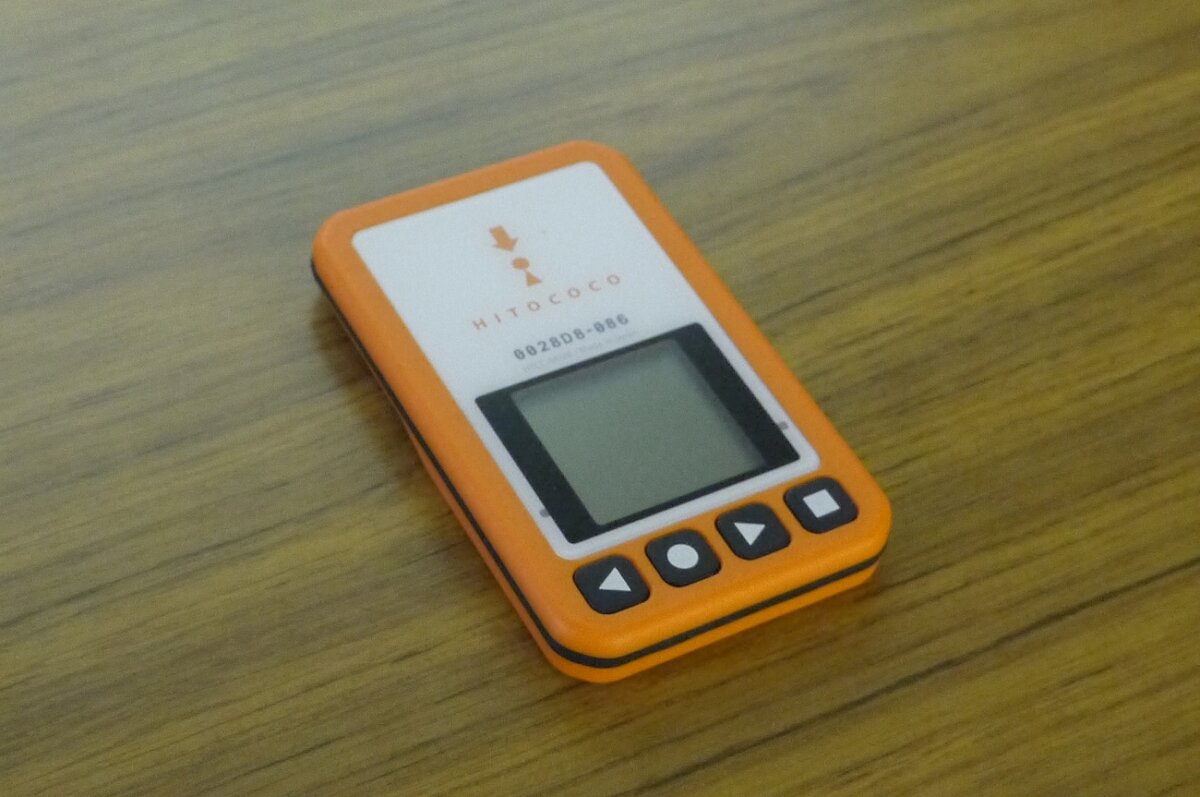
Cocoheli receiver. Its simple operation makes it easy for searchers to use.
Now, let's take a look at how to join the Cocoheli service.
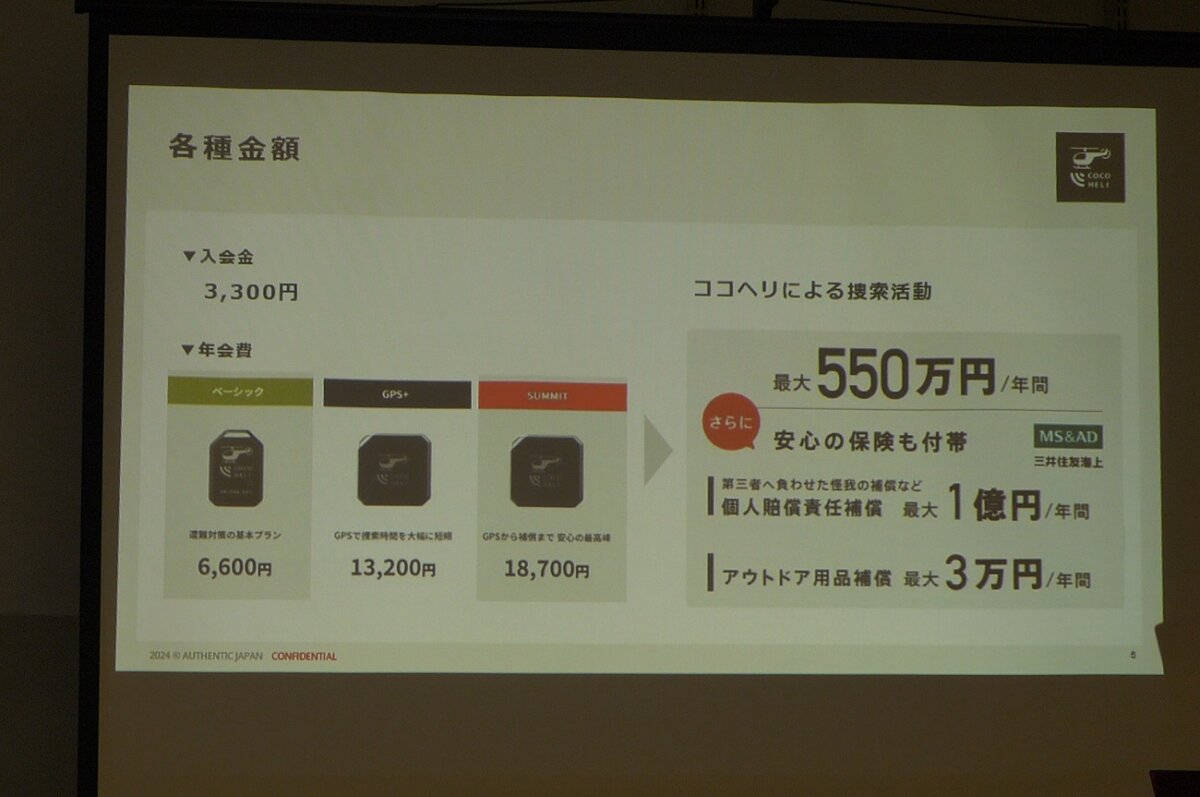
After visiting this much, I found out that the membership fee was 3,300 yen (with discounts during events as mentioned above), and the annual fee for the basic plan was 6,600 yen, which seems quite reasonable.
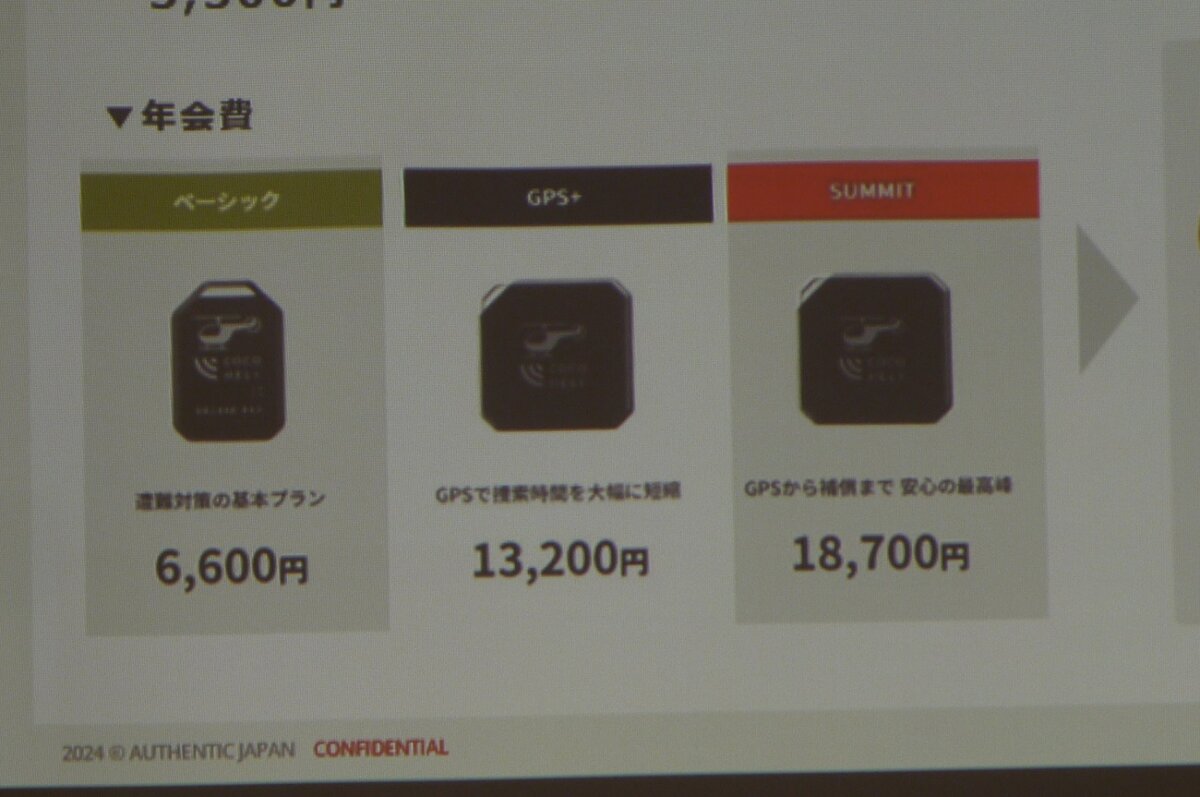
"So far, we've been talking about the basic plan, which costs 6,600 yen, and the annual fee is about 500 yen a month. If you think of it as the same amount as stopping by a convenience store before a hike, it's actually quite cheap. And the search fee is guaranteed up to 5.5 million yen a year! In reality, you can find someone quickly with a radio wave search, so it's unlikely that it will cost that much... but there was an actual case where someone slipped and fell while climbing."
"We were unable to contact the person in question, and the location was in a valley with large cracks in the snowfields. We don't know how far he had fallen. An initial search (visual) from the air did not find him. However, in the evening of the same day, we discovered that he was a Cocoheli member. We worked with public institutions and were able to pinpoint the location of the missing person through radio searches from Cocoheli and searches using receivers on the ground."
"The site was a deep crevice in the snowfield, making technical rescue difficult, so we dispatched a highly skilled private search and rescue team. They descended to the bottom of the crevasse several dozen meters below and secured the body, then later pulled it up to a location where a public helicopter could rescue it."
"This incident is a huge event for us at Cocoheli, and I don't think he would have been found without radio wave search. We have partnerships with various private search and rescue organizations, so we are able to rescue our members from distress using the best means and systems at the time. This incident has incurred high search costs, but of course we have not charged our members any of them. This is because searches up to 5.5 million yen are included in the Cocoheli annual membership service."
Well, it's a heavy story, but it's true.
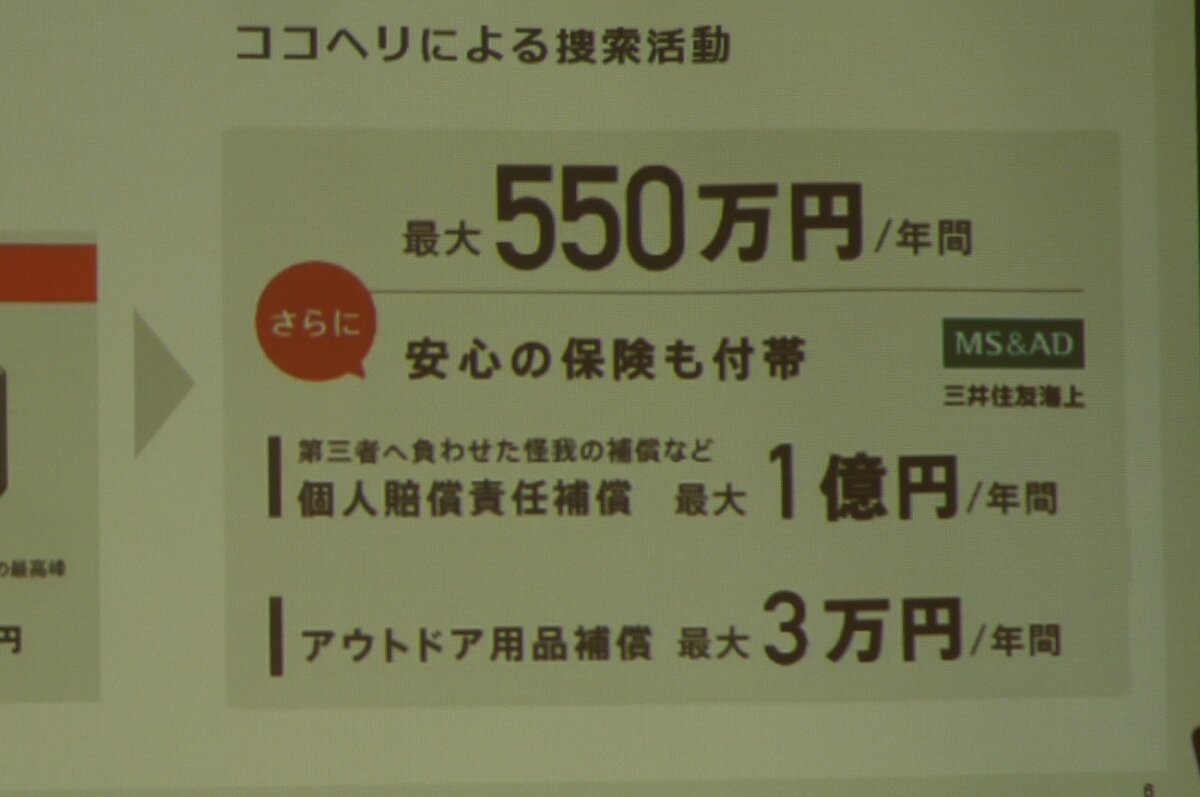
So, that 5.5 million yen a year is a "means" for search and rescue costs, and until now it was difficult to understand that it was different from "insurance," but Cocoheli has recently started including this insurance. What's more, even though you need to apply for it separately, it's a generous offer with no "additional costs."
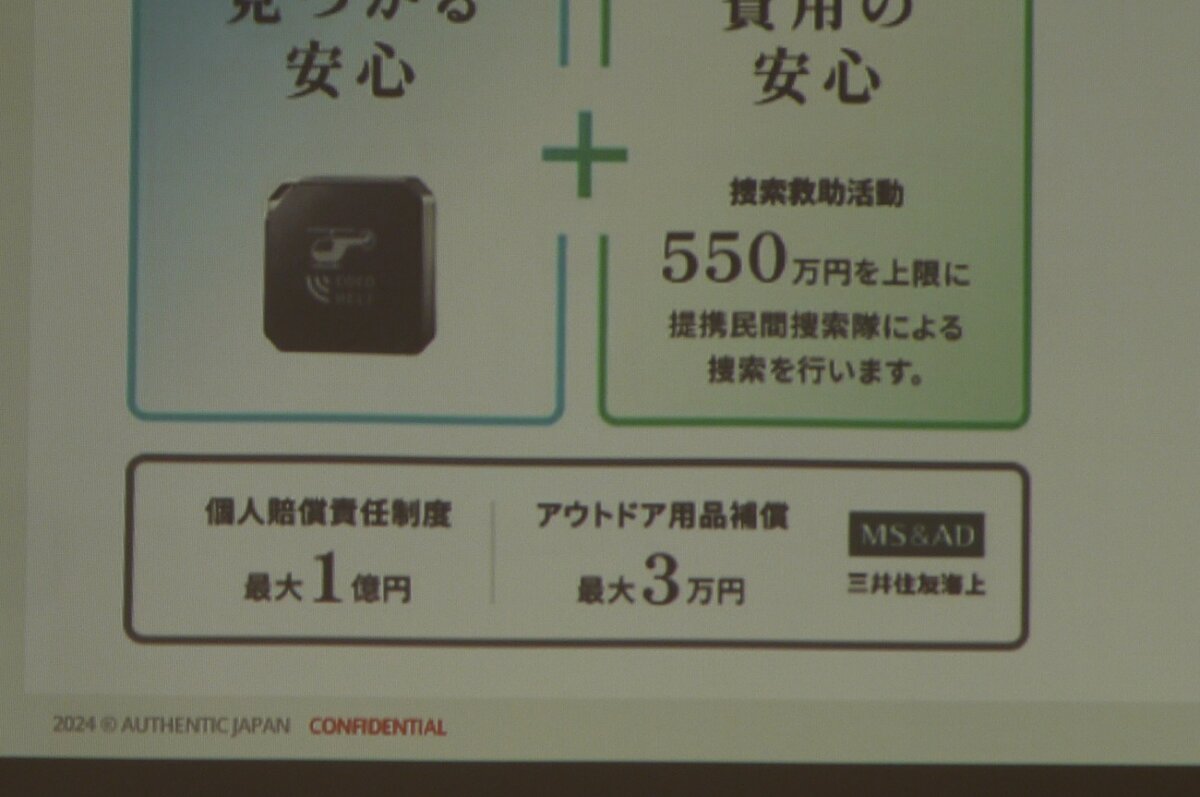
"As I mentioned earlier, it's true that Cocoheli is the only service that offers helicopter searches starting at 500 yen a month. It's worth signing up just for that, but the search operation limit is 5.5 million yen. The personal liability policy is also capped at 100 million yen. "For example, this is the amount that applies if someone else is injured in a rockfall caused by you. The outdoor equipment warranty has a 5,000 yen deductible, so if your walking poles break, the insurance will effectively cover 25,000 yen. These two were originally included."
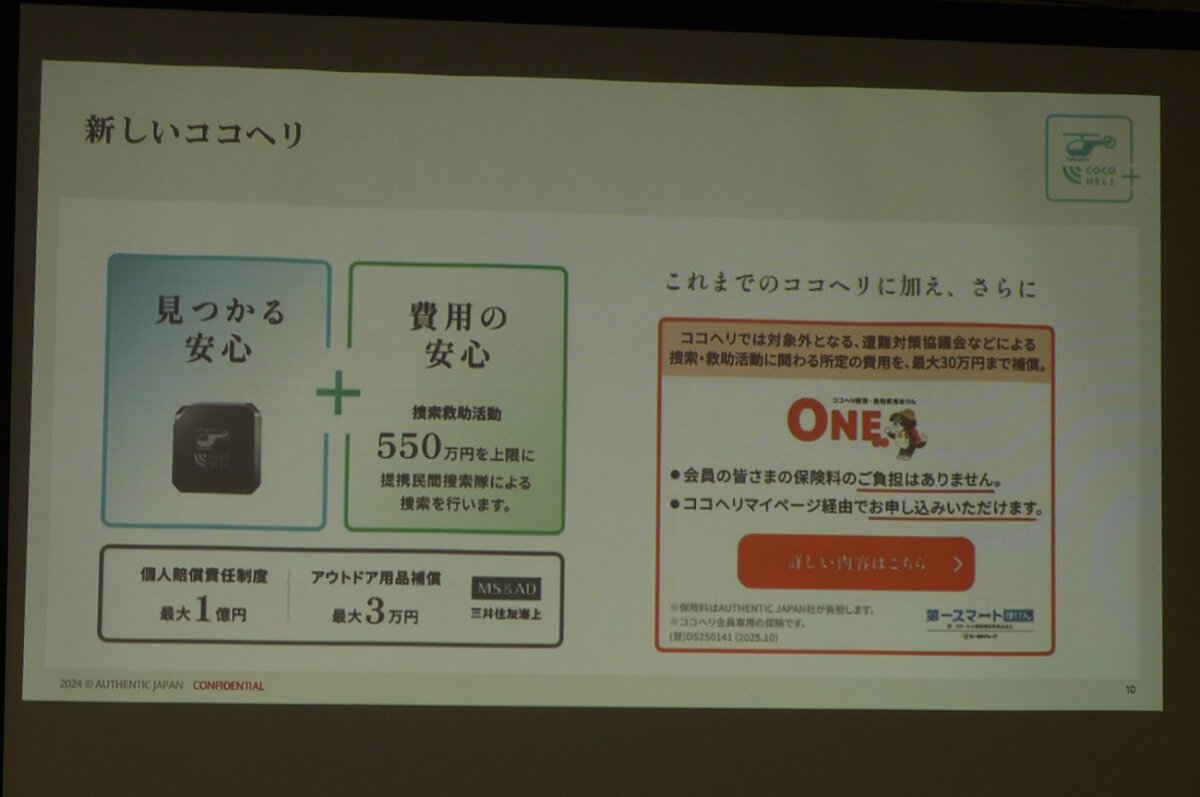
Furthermore, a new system has been introduced that will cover expenses that were previously not covered by insurance! So if you apply for insurance, you can be reimbursed up to 300,000 yen for small expenses. "There is no additional cost, but since it is an insurance contract, you will need to apply for it yourself. After joining Cocoheli, you can easily complete the procedure via your personal page. And if you're wondering what to do if the expense is over 300,000 yen, you'll be fully covered as there is 5.5 million yen of coverage." All services can be applied any number of times during the subscription period (within the annual guaranteed amount), and unlike regular insurance, there are no grades, so the subscription amount will not increase midway. Isn't that amazing?
For more information about the rescue costs of Hoken ONE, click here!
Rescue Insurance ONE details!
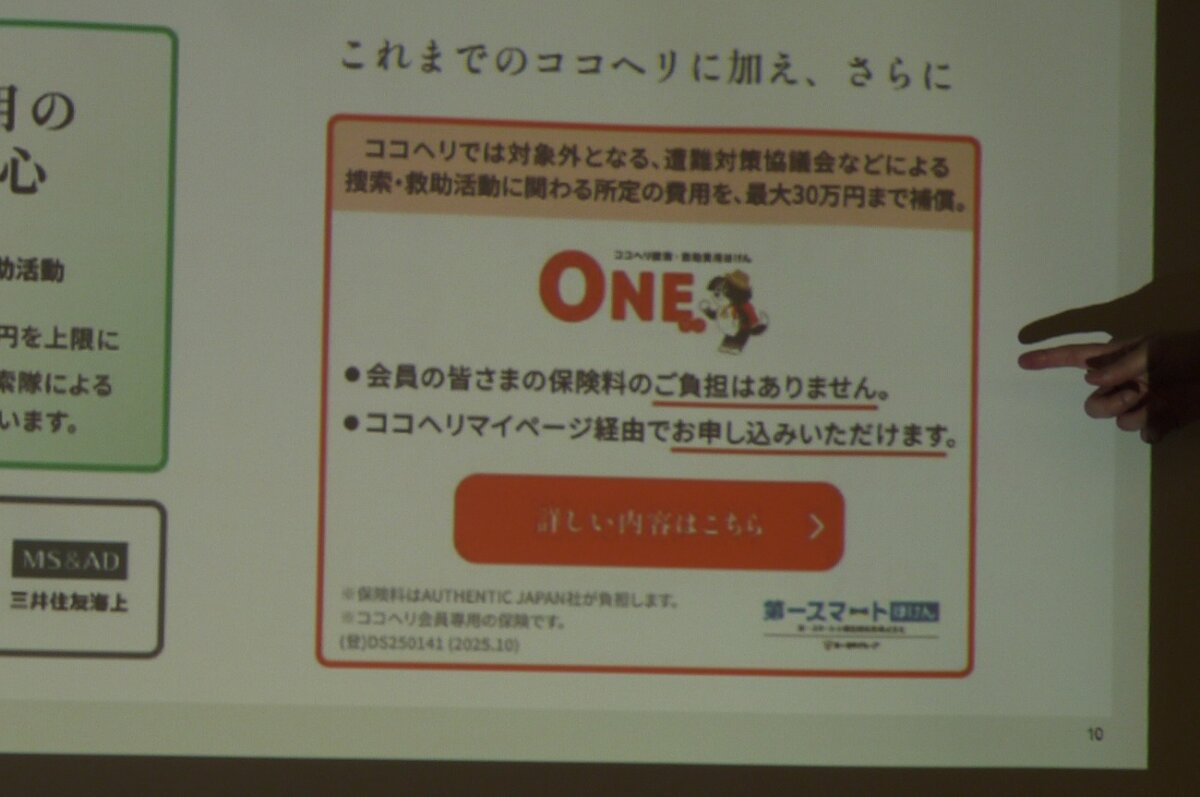
This means that things that weren't covered before are now covered, eliminating any gaps. I hope you can see that this is a completely different type of insurance from regular insurance or mountain insurance.
Furthermore, if you add the GPS⁺ function to this basic plan, it will also cover the "somewhere" part of the story I mentioned earlier. "With the basic plan, it was just a string telephone, but with GPS⁺, there's a network connection beyond that. This will allow us to know where in the country you are, so if you go into the mountains, you can even find the network, which would normally be cut off, and it will make it easier to search and find you in a shorter time. And from there, you can just use the string telephone."
"If you need even more coverage, we also offer the top-of-the-line SUMMIT."
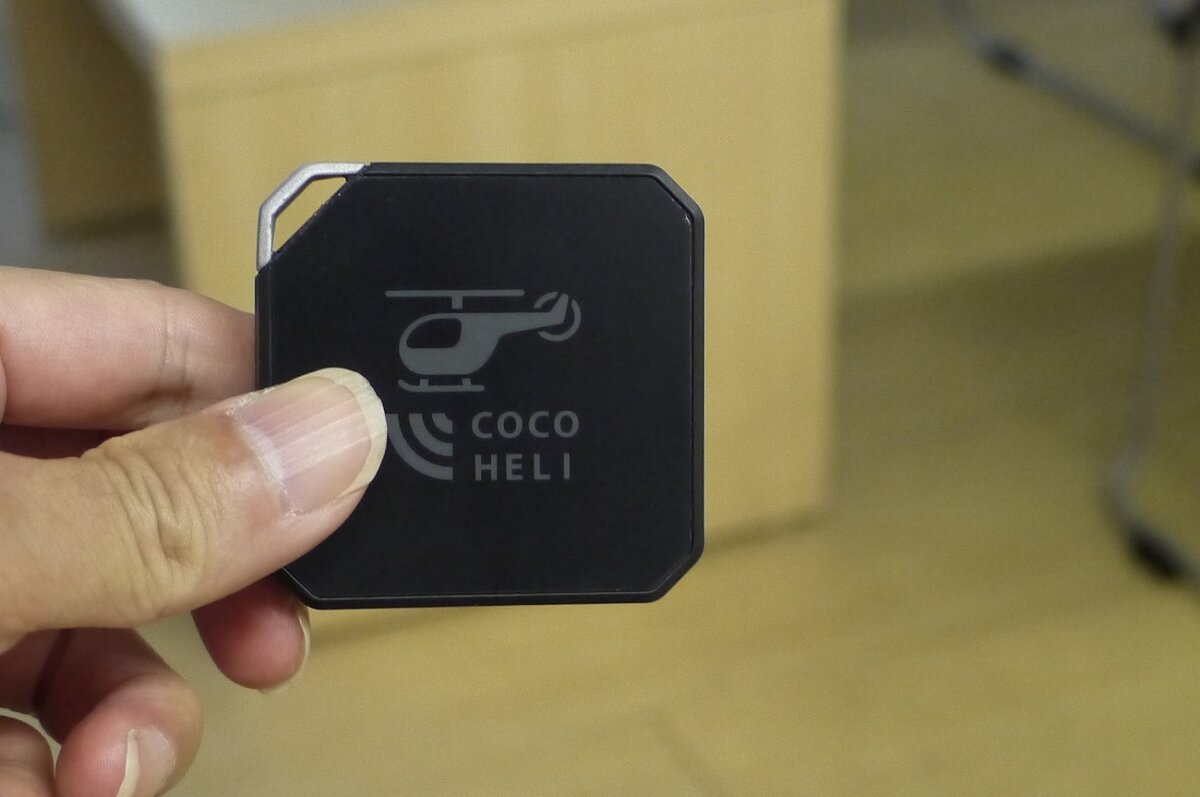
However, Cocoheli is not without its weaknesses. In fact, this is more of a general problem with the nature of radio waves than with Cocoheli itself. In response to a question from a participant asking, "Where is the best place to wear a beacon?", Takayanagi replied, "One characteristic of radio waves is that they are vulnerable to water. For example, let's say you wear a beacon on the front of your body and you fall forward. In that case, your body will cover the beacon, right? Since the human body is mostly water, the radio waves cannot escape to the back. Therefore, we recommend wearing it in a position where it will not be a problem if you fall, either in front or behind, around the shoulders of the shoulder harness of your backpack. It will be easier to wear if you use the holder that we give you when you become a member."
"So, exposure to water is not a problem, but the water pressure and the situation of being completely submerged in a stream are currently hopeless. However, this is true for all general devices that use radio waves, so it is not just a problem for Cocoheli."
Finally, from Takayanagi-san.
"The best thing is to return home safely and without incident. Even if you subscribe to our service, it would be best if you don't have to use it. If you absolutely have to search for someone, the professional team led by Cocoheli will search for you and rescue you."
Conclusion of the Cocoheli safe mountain climbing seminar.

Here, we received an overall review from Mr. Akiyama of AUTHENTIC JAPAN, who was participating in the Kanda Coco Helijack.
"During our in-store promotional activities, we were able to speak directly with Cocoheli members. We explained the details of the new Cocoheli that will be available in October 2025, and it was great to hear their positive feedback. Furthermore, at the information session, we provided detailed explanations to those considering joining about 'What is Cocoheli?' We explained in detail how it works, actual search examples, how to use it, etc."
"People were particularly interested in the features of radio wave search, early detection, and starting a search immediately after an accident occurs. We were pleased to hear comments such as, 'Having a way to get back to your family gives you peace of mind,' and 'I can now enter the mountains safely even when traveling alone.' We will continue to prioritize the safety of climbers, and will continue to provide support in-store and hold information sessions so that more people can learn about Cocoheli."
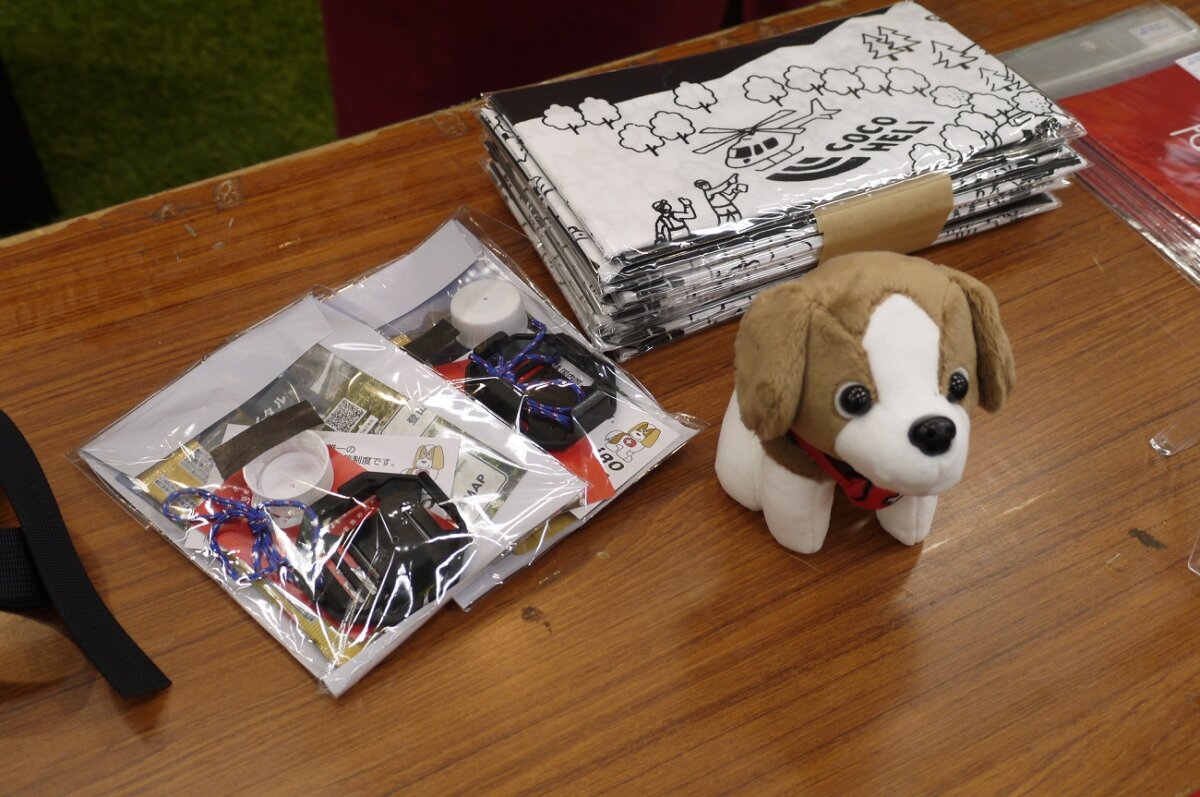
Cocoheli novelty.
What did you think of Cocoheli? It was better than I expected. For such a generous service, the basic plan costs just 6,600 yen per year, which is definitely worth it. There are currently various risk reduction/avoidance methods available, but the more there are, the higher the chance of survival if something were to happen! I think Cocoheli should be one of them.
Please consider this as a way to avoid risks in the mountains.
Cocoheli official website https://cocoheli.com/
Cocoheli official Instagram: https://www.instagram.com/cocoheli_official/
Cocoheli official YouTube channel https://www.youtube.com/channel/UCKRLB7YdexcTsx0-zWVPDwg
AUTHENTIC JAPAN official website : https://www.authjapan.com/
Please consider a paid membership to support the website while enjoying exclusive articles and events!
yans
 My love for gears has led me to write for Gearzine. I'm a hardcore gear enthusiast who loves modifying and building things, and I also love outdoor events. I'd like to focus on brand exploration and shop reviews
Related reading
 [Event Report] GENTLE HIKER STAND2025! @ Tochigi Prefecture -MOKA-
 [Event Report] We all climbed a snowy mountain in spring! [Outdoor Gearzine Membership Offline Event]
 [Event Report] TRAIL OPEN AIR DEMO 2025!
 [Sake barrel breaking and free sake on Mountain Day!] Sakaiya Sports 70th Anniversary Event! [Event Report]