



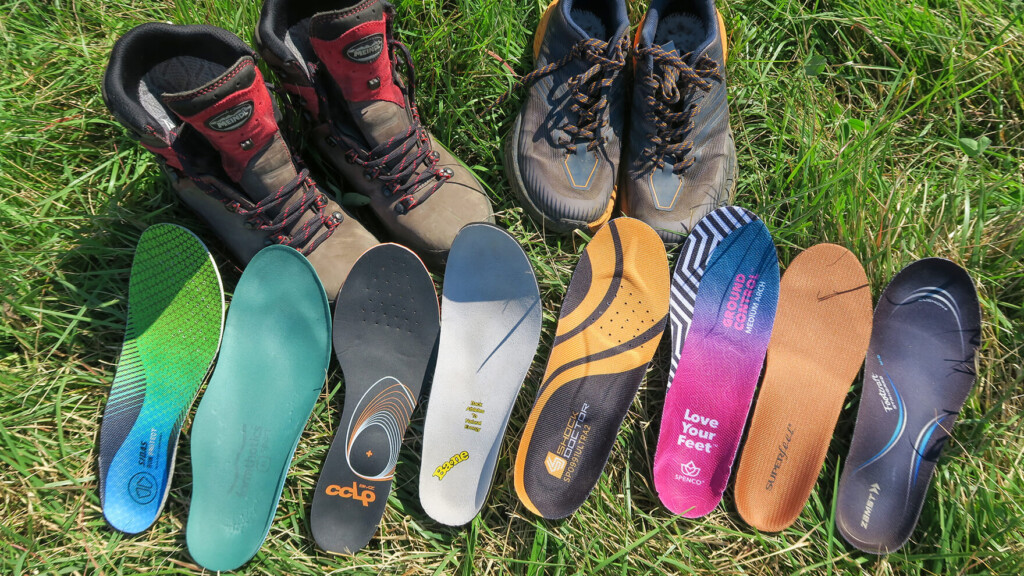
[A no-nonsense, self-funded comparison review] Truly the unsung hero. I tried out 8 mountaineering insoles one by one
Written by Keroppa
The insole is the interface between your foot and the shoe
It goes without saying that shoes are important when climbing mountains, where you have no choice but to move forward using your own feet, but the insole is an important part that brings out the best in the shoes and supports your feet and body
If the foundation isn't solid, the object on top will be unstable, right?
By using insoles that fit your feet and support the arch of your foot, you can often solve many of the problems you experience when walking in the mountains. They are truly the unsung heroes. It's not that you can't walk without them, but if they change, your posture will change too, so first-timers will be surprised! If you've never thought about it, please bear with me for a moment
However, using insoles that don't fit properly can actually cause more damage to your body, so be careful about that. First, try them out thoroughly around town, and once you're sure there are no problems, use them on the field
table of contents
Comparison review of insoles for mountain climbing
Select a comparison candidate
I go into the mountains in a variety of ways, including traverses, fastpacking, and trail running, so I wanted to find insoles that could be used for as many different things as possible! With that in mind, I searched the internet for insoles that are currently available
The insoles we're introducing today are all designed by manufacturers using their own unique theories based on the foot's anatomy and movement. We've tested eight of them. Most of them use plates to support the arch, but there are also types that can be heat-molded to fit your arch, and types that support the arch using their own unique theories. Each brand has put a lot of research and ingenuity into their products
- SIDAS Run 3D Protect JP
- ZAMST Footcraft STANDARD CUSHION+
- Bane Insole Athlete Grip
- Superfeet COPPER
- Spenco Ground Control
- Formthotics Hike Dual
- BMZ Calpower Smart Sports CL-K364
- SHOCK DOCTOR ULTRA 2
Test environment
From June to September 2021, I first tried them on in my sneakers during my daily work. Then I put them in trail running shoes when fastpacking. I also wore them on mountaineering trips, mainly traversing the Northern Alps, and on weekends when I couldn't go to the mountains, I tested them by wearing them during 10k runs. In any case, I always used the insoles every day when I was active in shoes
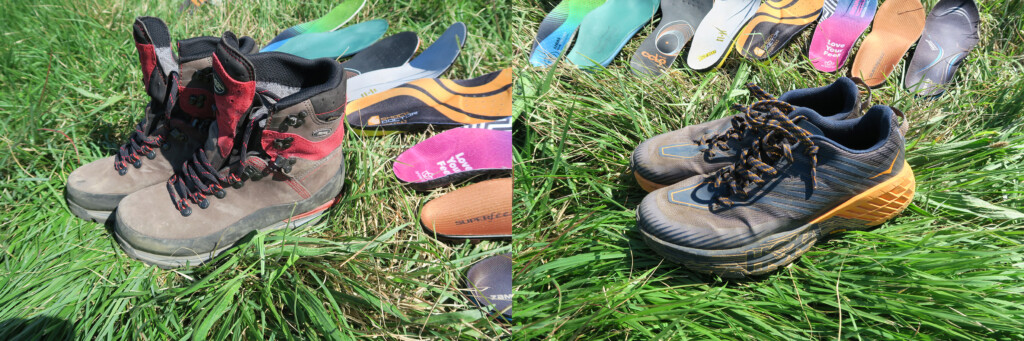
Evaluation points
- Support: How well does it support the three arches (inner, outer, and lateral)?
- Shock absorption: This is great for hiking boots with little cushioning, but for running shoes, it checks the rebound power when you kick off
- Fit: Contact with the top sheet. Check the grip strength of the toes to see how the force is transmitted
- Comfort: Since you will likely be wearing them for long periods of time, check their breathability and how well they feel
I don't have any qualifications related to feet, but because I sell shoes, I wear more shoes than the average person and I think I have more knowledge
However, fitting-related products such as insoles vary greatly from person to person, so my evaluation may not necessarily match your impressions. In that sense, I do not believe that the results of this review apply to everyone. However, I do believe that there is some merit in one individual comparing multiple models under roughly the same conditions, so I hope you will find it useful
By the way, my feet measure 25.2 cm. My arch height is medium, leaning towards high arch. My shoe size is 26.5 cm, and all the insoles I'm using this time are adjusted to fit 26.5 cm, and I use medium for those with selectable arch heights
Here are the results (impressions of each model)
Overall No. 1! SIDAS Run 3D Protect JP
Very well-balanced arch support type
This is 〇
- It provides strong support for the three arches
Here is △
- The top sheet may be a little slippery
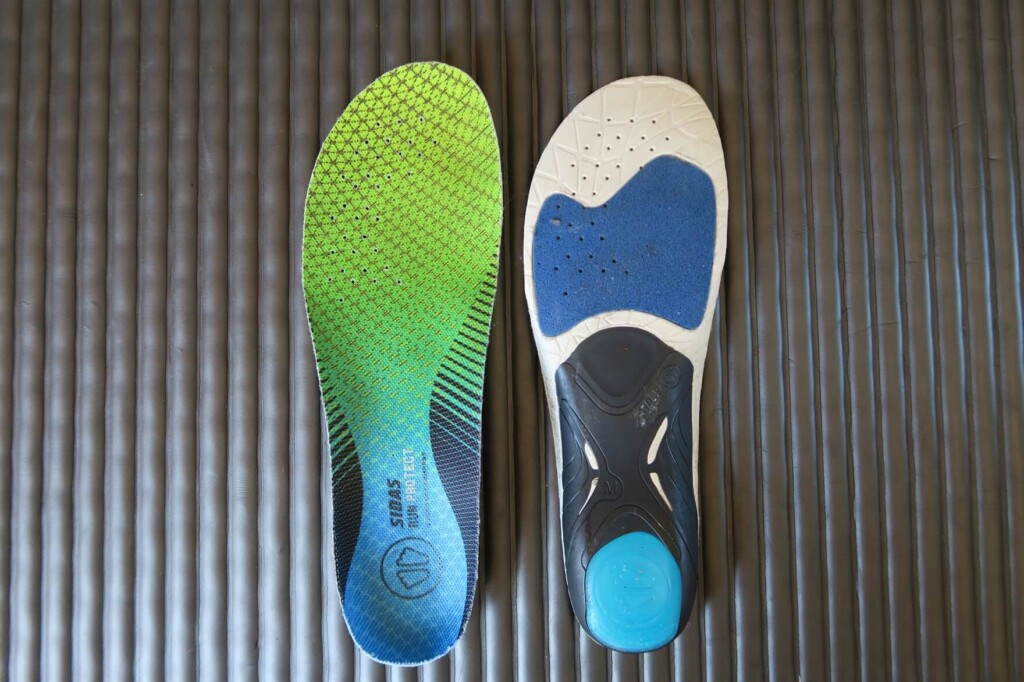
Sidas, a French insole manufacturer
Personally, I first encountered them in ski insoles, and for the past 10 years or so I've been using heat-molded insoles for various activities. This time, I picked out a ready-made running insole for the general public and tested it
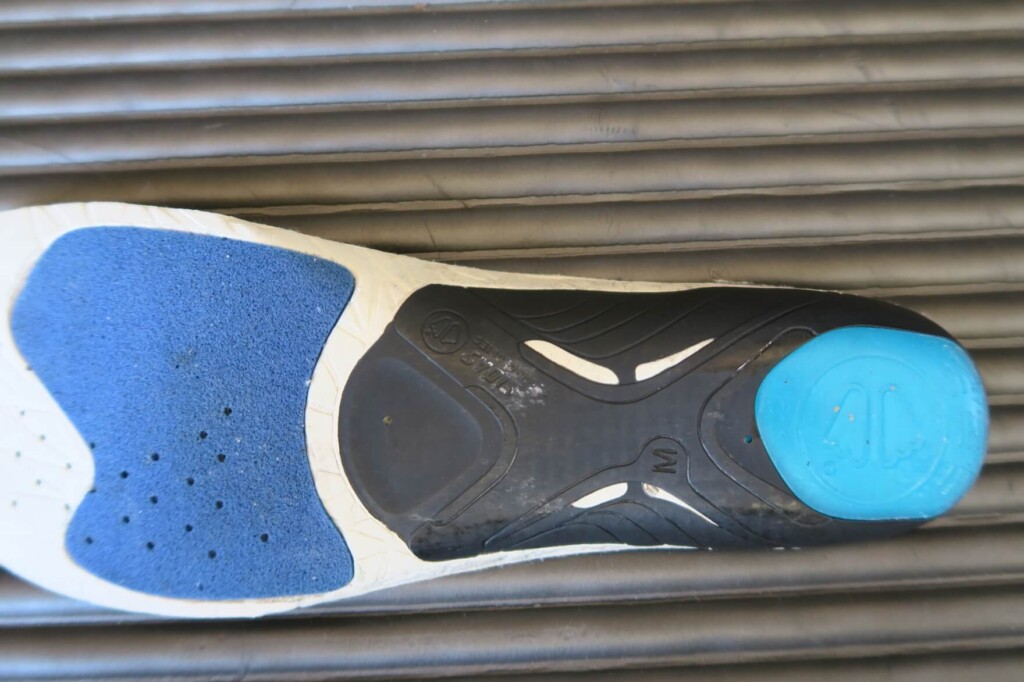
Shock absorption is provided by gel padding in the heel and EVA sheet material in the forefoot. The forefoot provides a good rebound when pushing off, which is a nice touch. The gel padding in the heel worked well and was helpful when climbing. Arch support is provided by a plate on the underside
Of the eight insoles we tested, this one provided the most support for the outer arch. The inner arch is also lifted from the base of the arch relatively close to the heel, giving the entire arch a feeling of some room. The lateral arch is also lifted at the base close to the heel, so there is space in the forefoot itself and the arch functions properly
When moving sideways, the outer arch firmly supports your feet, preventing your upper body from shaking and reducing unnecessary fatigue.The inner arch supports the base of your heel, preventing your foot from slipping forward when descending and not interfering with the arch's movement as a shock absorber
The textile top sheet feels a little slippery, but it is well textured and has ventilation holes so you don't feel stuffy
If you've never used arch support insoles before, you might be surprised at first by the stimulation it causes to your inner and outer arches, but I personally find these to be the most balanced insoles. I can confidently recommend this model for both trail running and mountain climbing

2nd place overall: ZAMST Footcraft STANDARD CUSHION+
Best value for money! Recommended for first-time visitors
This is 〇
- This performance is good enough for this price
Here is △
- I would be happy if the material and texture of the top sheet were improved
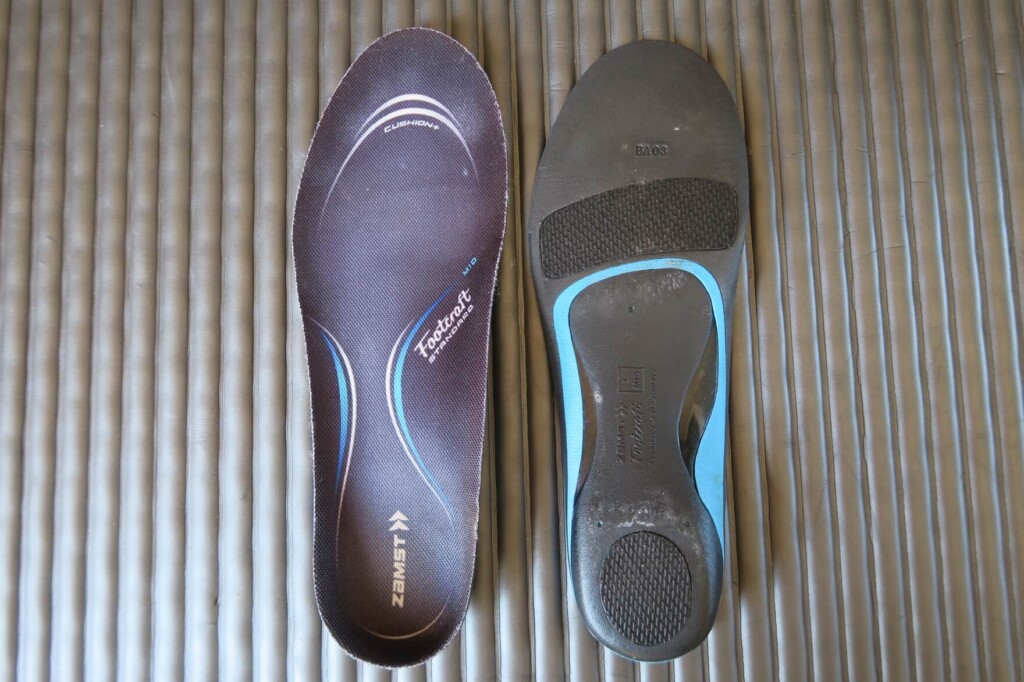
Zamst is a Japanese brand that mainly sells care items such as supports and bandages. You won't find them in many mountaineering stores, but they do have a section in general sports stores. Personally, it's a brand outside of my area of expertise, but when I tried it, I thought, wow, this is great! I guess you have to keep an open mind
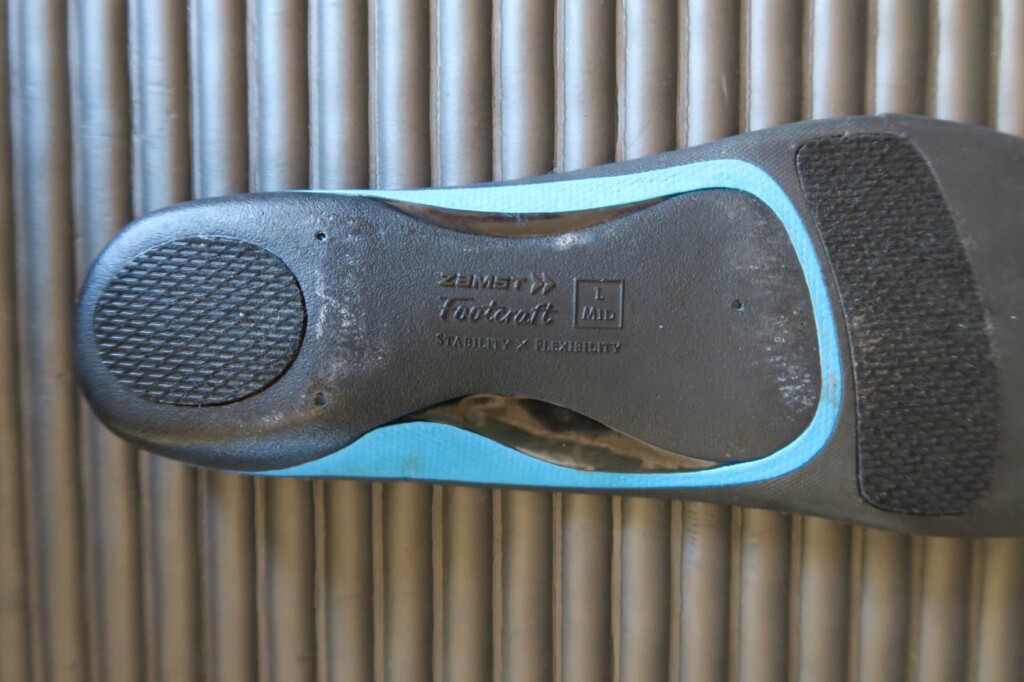
The design of the plate and the use of shock absorbing material are similar to Sidas, but the difference in price is due to the materials used. In particular, the shock absorbing materials cannot be compared to Sidas
However, it is functional enough. You can definitely feel the difference, so don't worry, I think it will probably make a big difference over time. On the other hand, the plates are made of different materials with different hardness, so it seems like they cost more..
The arch support is the same as Sidas in that it supports the three arches, but each feels a little softer. On the other hand, I think this insole is easier for beginners to use
Personally, I'm disappointed with the design of the top sheet (weaving method, size of the bumps). It makes a difference in how quickly it dries and how well it holds up, so I think changing this will make a big difference. I highly recommend it for mountain climbing. It can also be used for trail running, but I'm a little hesitant on descents. If you think the arch fits well, it's fine. The top sheet is a little slippery, so if the arch doesn't fit, it's easy to slip forward

3rd place overall: Bane Insole Athlete Grip
This model has great grip. It really doesn't slip!
This is 〇
- Firm support for the three arches
Here is △
- Breathable for long-term use
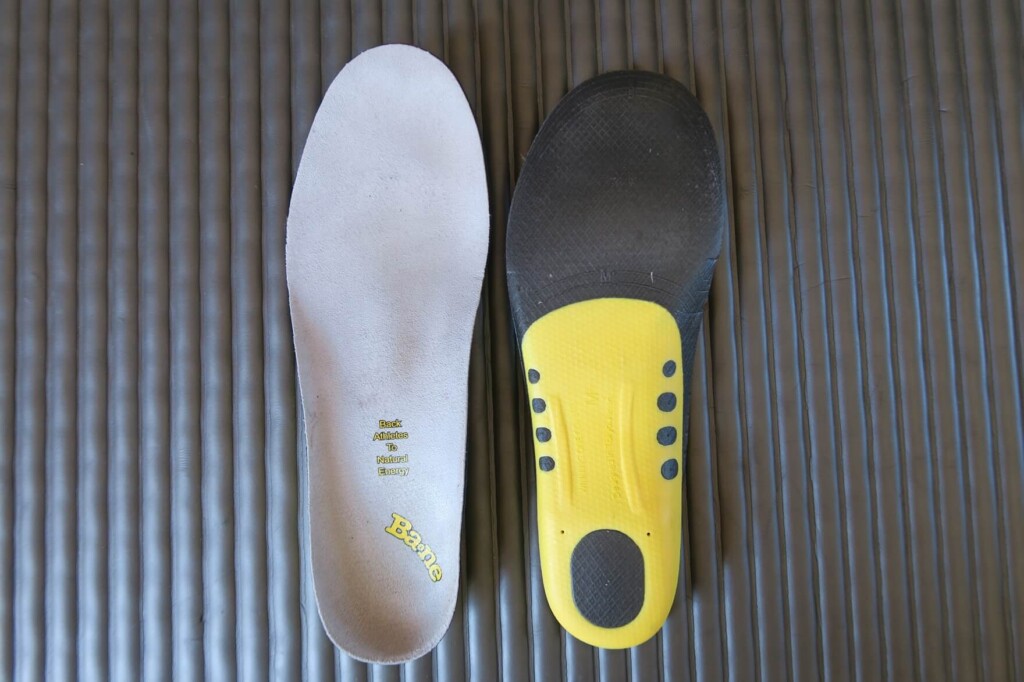
This is a Japanese insole brand. I had seen them in stores for quite some time, but this was my first time using them
Of the two models with the same insole but different top sheet designs, I chose the Athlete Grip this time, but perhaps the Basic model would have been better for comparison... Still, the support is the same, so let's get straight to the review
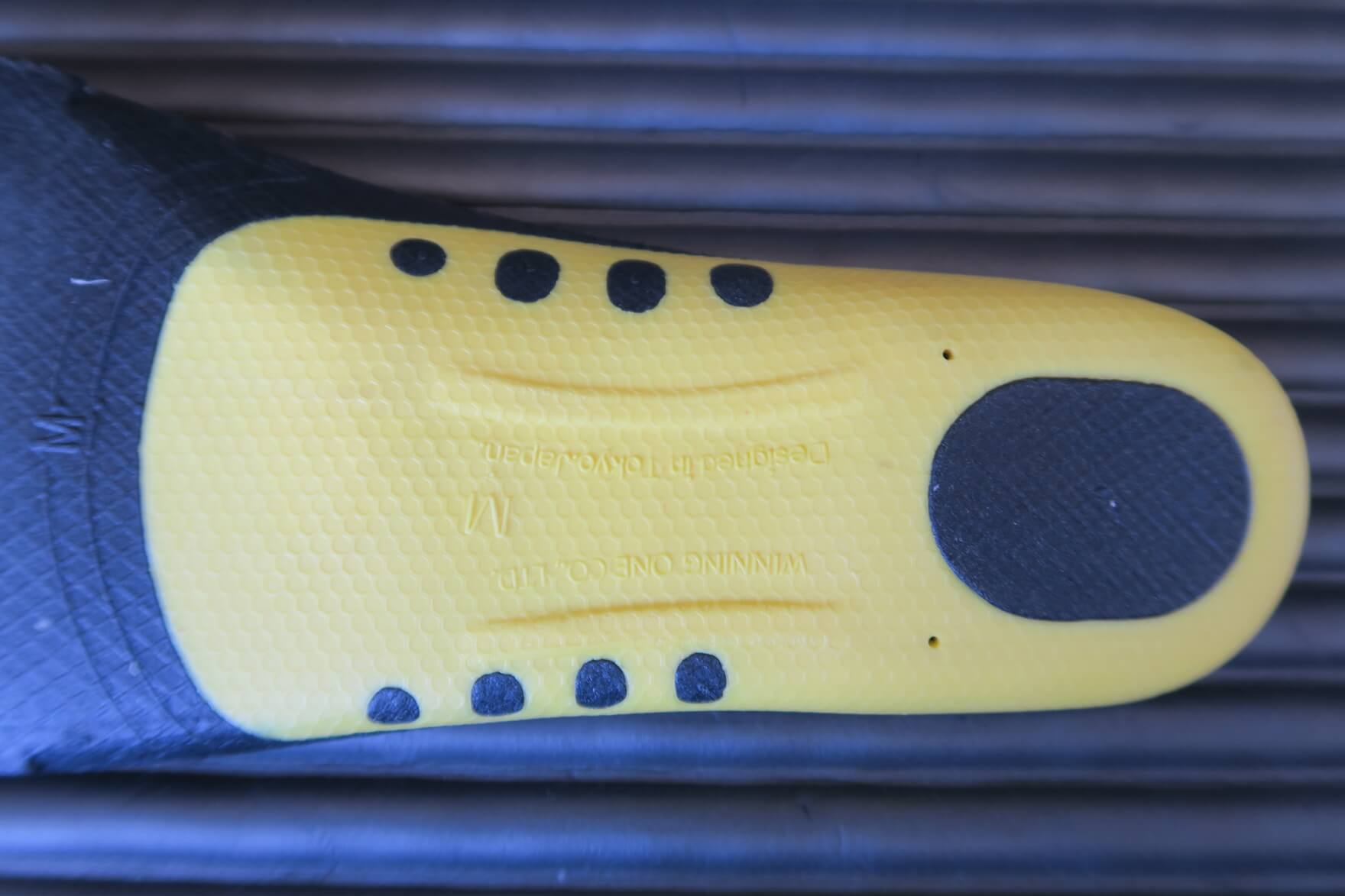
Shock absorption is provided throughout the forefoot and heel, and works well. Support is roughly the same as Sidas. Firm support is felt in the three arches. The plate flex (flexibility) is softer than Sidas, so the spring is what gives the plate its rebound force. Combined with the grip of the top sheet, it feels powerful when running
The extremely high grip means that the force is directly applied to the foot when landing downhill. Since it's called Athlete Grip, it can be tolerated by athletes, but for the average person, it might be better to have the entire shoe absorb the impact, even if it slips a little. In that sense, the basic model might be more recommended. However, there are many areas where the good grip comes into play, such as lateral movement and kicking off, so for energetic people who like to go all out, this is a recommended model as it also has solid arch support
Another thing that bothered me was the stuffiness. The top sheet is like this, so it gets quite stuffy if you wear it for a long time. If you sweat a lot, you'll need to be careful with your socks
I haven't used the basic model, so I can't comment on it, but if it can reduce stuffiness to some extent, I would recommend it for both mountain climbing and trail running. There are models available for a variety of activities, and it might be the best for skiing

Superfeet COPPER
A world-renowned brand familiar to mountaineering equipment stores. Mid-cut or larger shoes are fine
This is 〇
- High shock absorption and inner arch support
Here is △
- The heel piece is too high after all
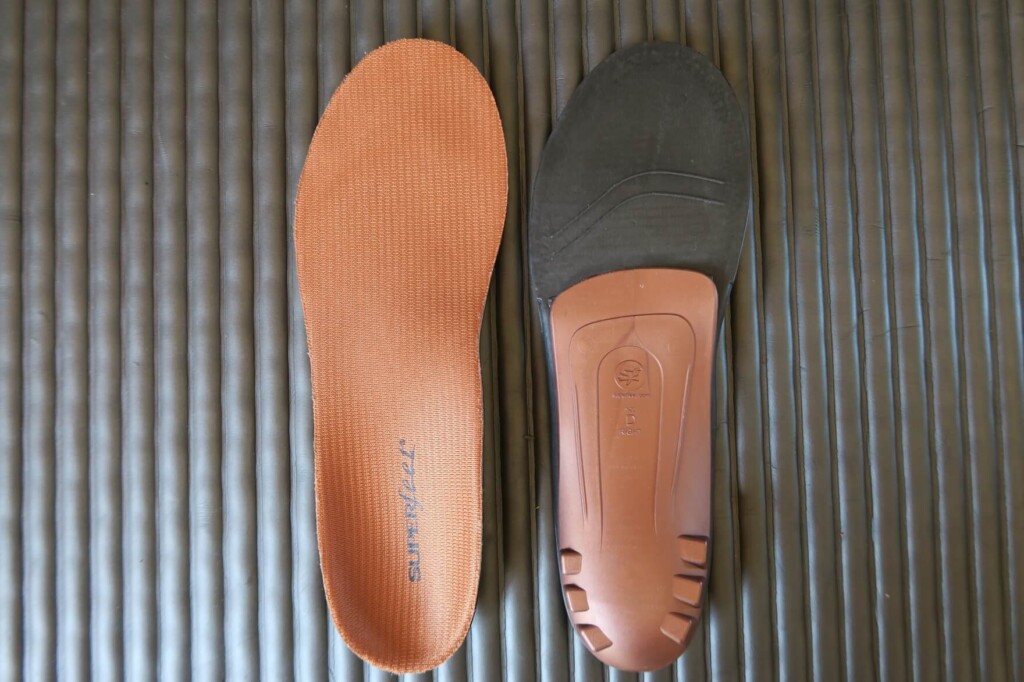
Superfeet is an American insole manufacturer. It's a brand you often see in hiking equipment stores, and I'm sure many people actually use them. I personally own some, but honestly, I don't use them often. However, they have many patents, and people all over the world use them. I'm sure it's a good product for those who find it suitable
The Superfeet has a heart plate that is too large, so in low-cut shoes, the heel often does not fit into the heel cup. I tried the Copper, which has a smaller plate, as a test model
Although it is small, the large plate still has height in the heel area, which makes it highly shock absorbing, but it cannot be used with low-cut shoes as it feels like the heel will slip off
The drop is about 2mm, so if you're using a model with a large drop in the shoe itself, you'll feel like you're leaning forward quite a bit
The copper is 6mm thick in the forefoot area and is made with a material that remembers the shape of your fingers, so it feels great when you take off. The overall thickness also works well in terms of shock absorption
The arch support is only felt on the inner arch, lifting the base of the arch on the heel side. The arch moves well. However, although there is an outer arch and a lateral arch, I didn't feel it as much as with the above types
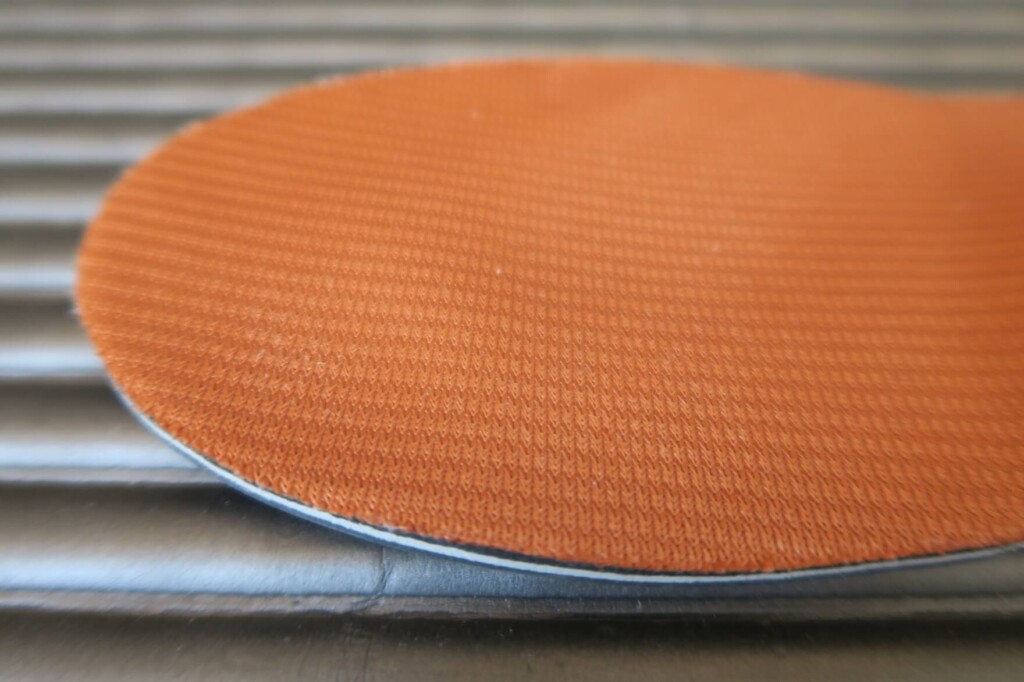
The textile material and weave of the topsheet are excellent, leaving a good impression with little stuffiness. Personally, I don't recommend this brand's products for low-cut models. The insole, which changes the fit of the shoe, is no longer a shadowy presence, but rather a prominent feature. However, I think that in mid-cut or high-cut shoes with uppers that reach above the ankle, it will be able to fully utilize its central role. The insole itself is one of the great products, so as long as you use it in the right place, I would recommend this brand

Spenco Ground Control
Artificial plantar muscles!!! I think they've gotten even more powerful
This is 〇
- The feeling that the footwork has been powered up
Here is △
- Don't expect much support
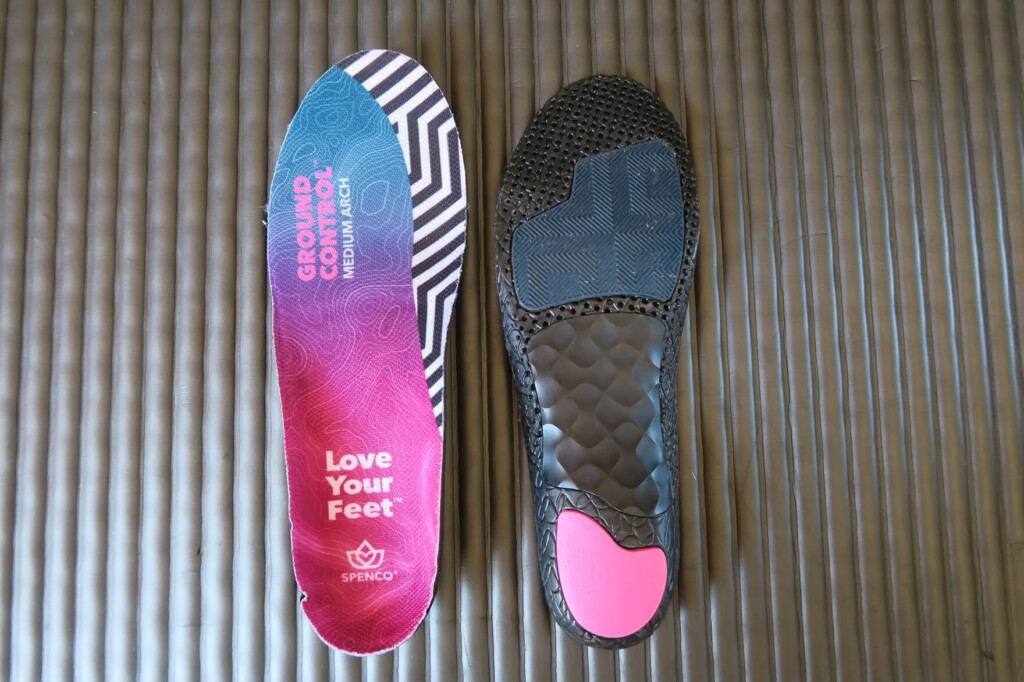
Spenco is an American insole brand. It may not be well known, but they sell a variety of insoles. I had heard of it personally, but I had never used it, so it was a new experience for me!
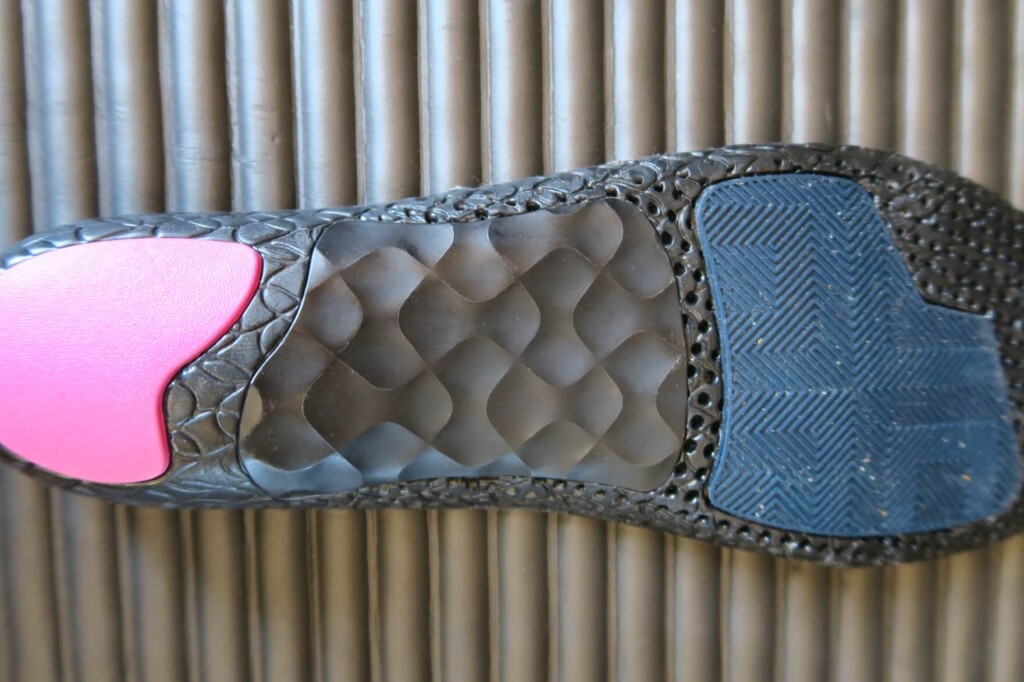
To be honest, this is the weakest model in terms of arch support. However, if you understand that and choose the right place to use it, it can be interesting in its own way. Since it was originally designed for general sports, it is thin and fits comfortably with any type of shoe
In terms of shock absorption, the forefoot has the most rebound, and the plate is soft and flexible. The heel also absorbs shock well. All three have arch support, but the entire insole is soft, so it doesn't provide strong support. The top sheet material and texture are good, and there are ventilation holes throughout the insole, making this the most breathable model of all the ones we tested
Even though the arch support is weak, it still lifts the arch. On the other hand, it doesn't interfere with arch movement, so this might be better for long-term use. Some people find that if the support is too strong, they may feel pain in that area when they get tired
When going downhill during trail running, the support was weak and my feet would slip forward. However, the high breathability and cushioning were good impressions for hiking boots that are worn for long periods of time. The insole that increases agility made this an interesting model that made my heart race

Formthotics Hike Dual
I'll dye it in your color and follow you wherever you go
This is 〇
- Thermoformed for a sense of unity
Here is △
- Might hurt a little if used for a long time
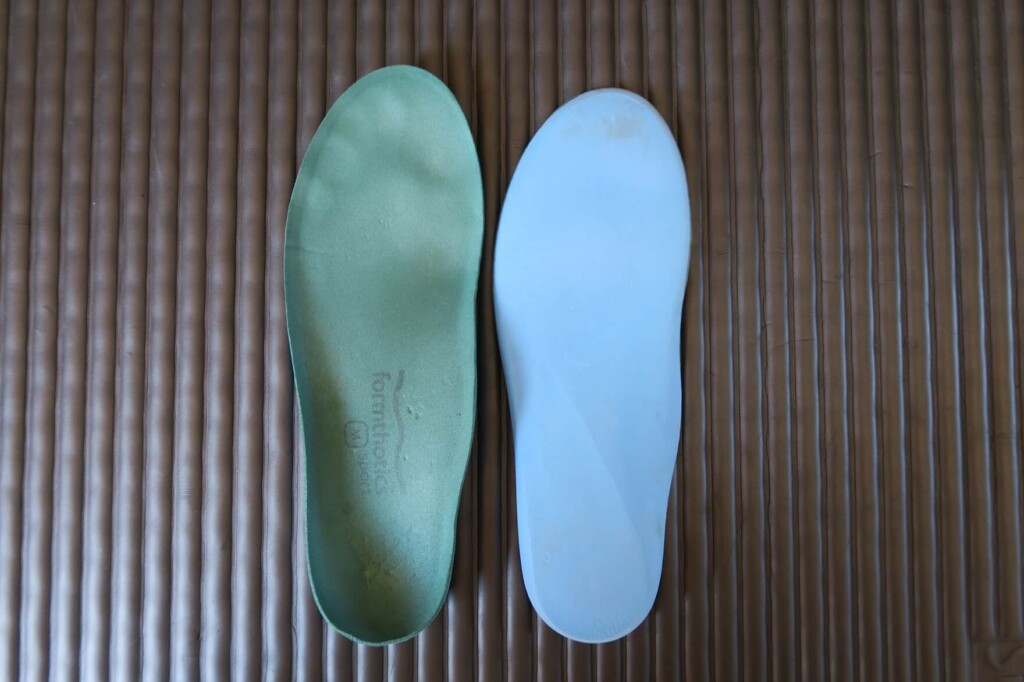
Formthotics is a New Zealand insole manufacturer. It's approved by doctors. I found this manufacturer online and it was my first time using them
Heat-molded insoles that fit your feet are common in the medical field, but they have become rare in sports. Let's take a quick look at what happens when you use these types of insoles in sports
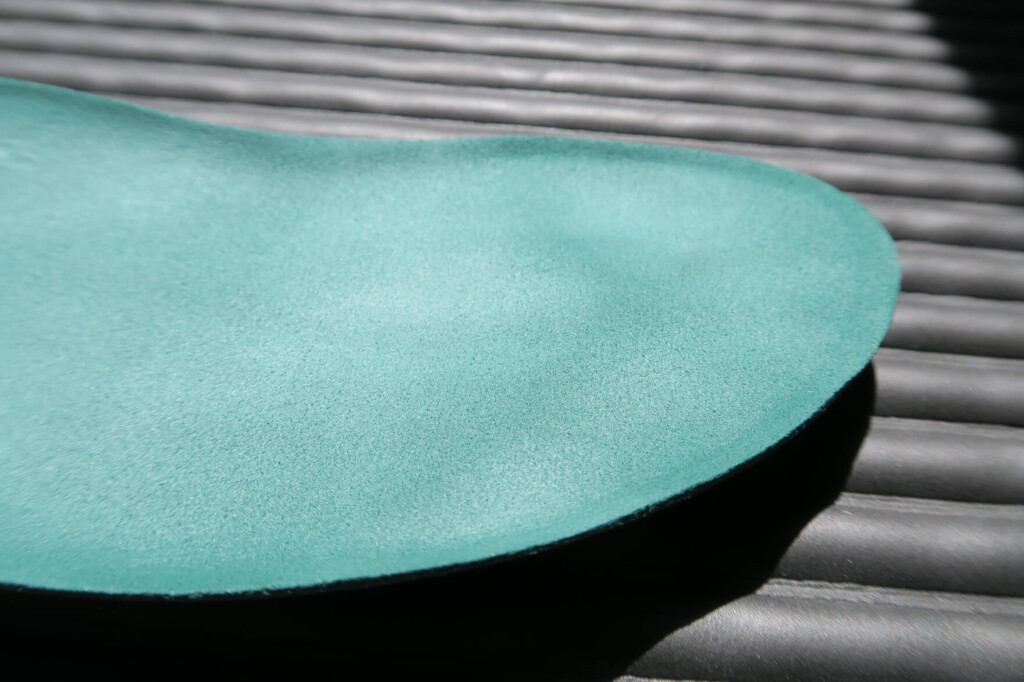
My first impression was that they were very light. The base, however, holds its shape well without collapsing, while the surface changes shape with heat. They don't really absorb shock, and there's no rebound. The arch support is firm on the inner and outer arches, but there's no lateral arch. The top sheet is rough and provides excellent grip, and the heat molding allows your toes to sink in, so the force of your toes is transmitted firmly
This model is designed for mountain climbing, but when I actually used it for mountain climbing, the cushioning was weak, and the arch support felt like it was pushing up against the arch of my foot from below towards the end of the climb, to the point of being painful. I didn't notice it when using it normally around town, but if you're doing long exercises, it may be difficult if there isn't enough play
When wearing them around town or running, they have a strong kick-off, which is a great impression
BMZ Calpower Smart Sports CL-K364
CCLP insoles are based on the unique theory that supports the arch with bones
This is 〇
- Above all, CCLP theory supports bones
Here is △
- In the end it all comes down to muscle strength?
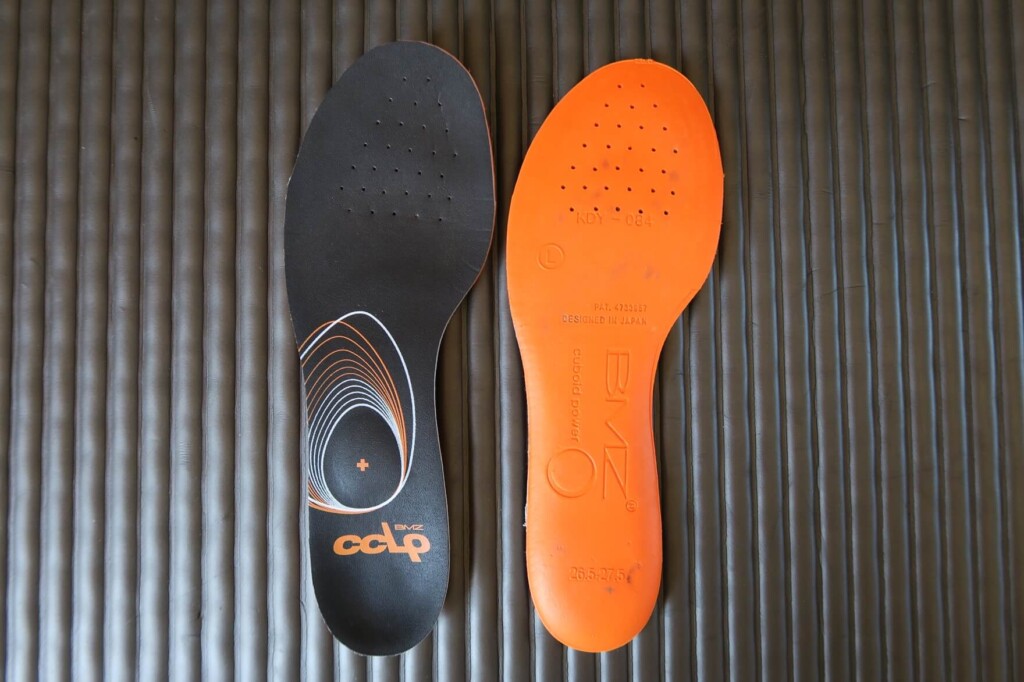
This Japanese insole manufacturer has patented their unique technology. I bought an entry-level model to try out, but I couldn't really feel the benefits, so this time I chose a more expensive model and tried it again
For more information, please check the manufacturer's website. From what I understand, the insole supports the entire foot by lifting up part of the bones (the heel bone and the area next to it). This also seems to support the three arches. When you actually place your foot on the insole, lo and behold, the inner arch is lifted up firmly
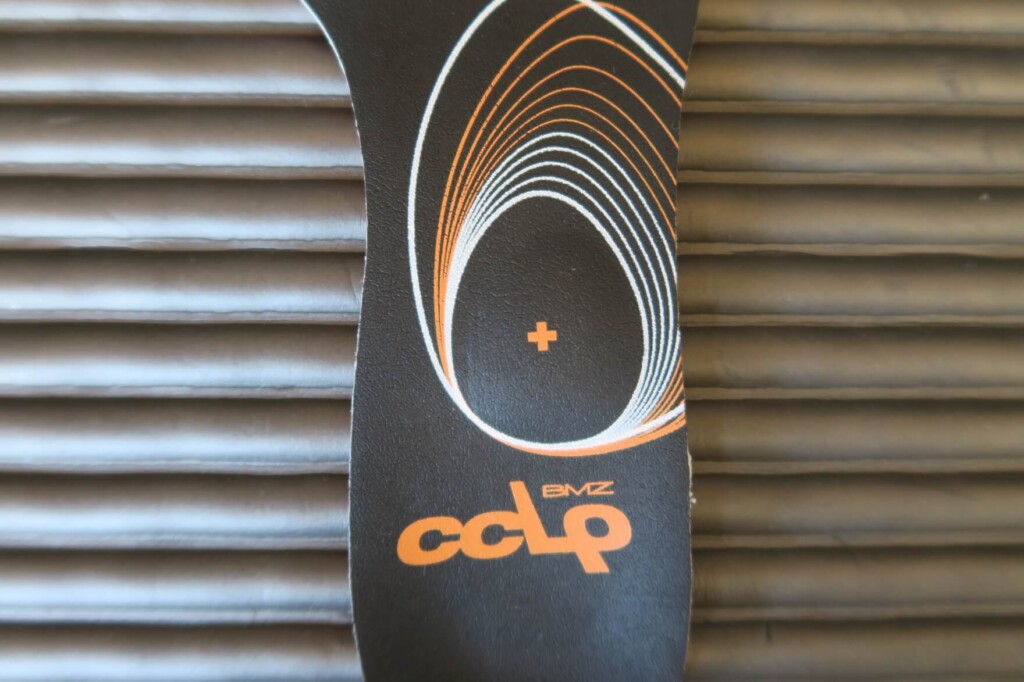
The shock absorption is distributed throughout the entire insole, and you can really feel the effect. I can definitely feel the arch support the moment I put them on, but once I start moving, it's a bit vague. I wonder if it's something wrong with my feet, if the shoes don't suit me, or if I'm wearing them wrong... It was there until I tied the shoelaces, but after a while I couldn't figure out why. In the end, I had bruises on my fingernails... The surface has an extremely good grip. The feeling of firmness is among the best I've seen so far
There were ventilation holes so it didn't feel too stuffy
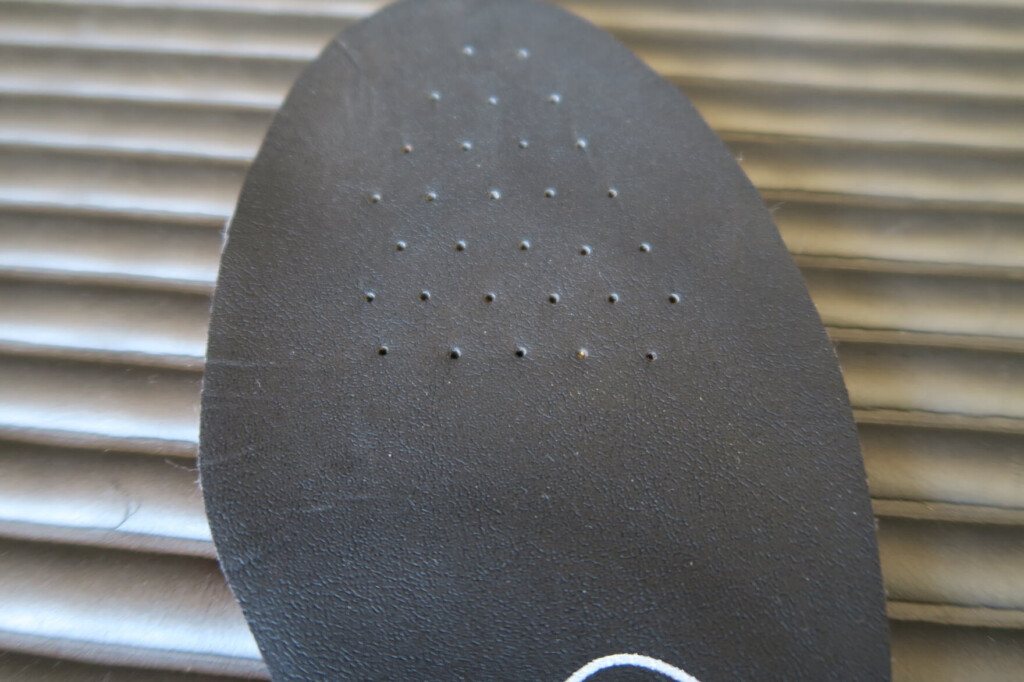
This model doesn't work unless one point stays in place. It may take some practice with the shoes you use and how you wear them, but I apologize if it's just my lack of knowledge. However, in my case, I didn't really feel the effect of the arch support

SHOCK DOCTOR ULTRA 2
It feels like it has really high specs
This is 〇
- Multifunctional. We added a lot of thought into it
Here is △
- Sorry, it's too big for my foot
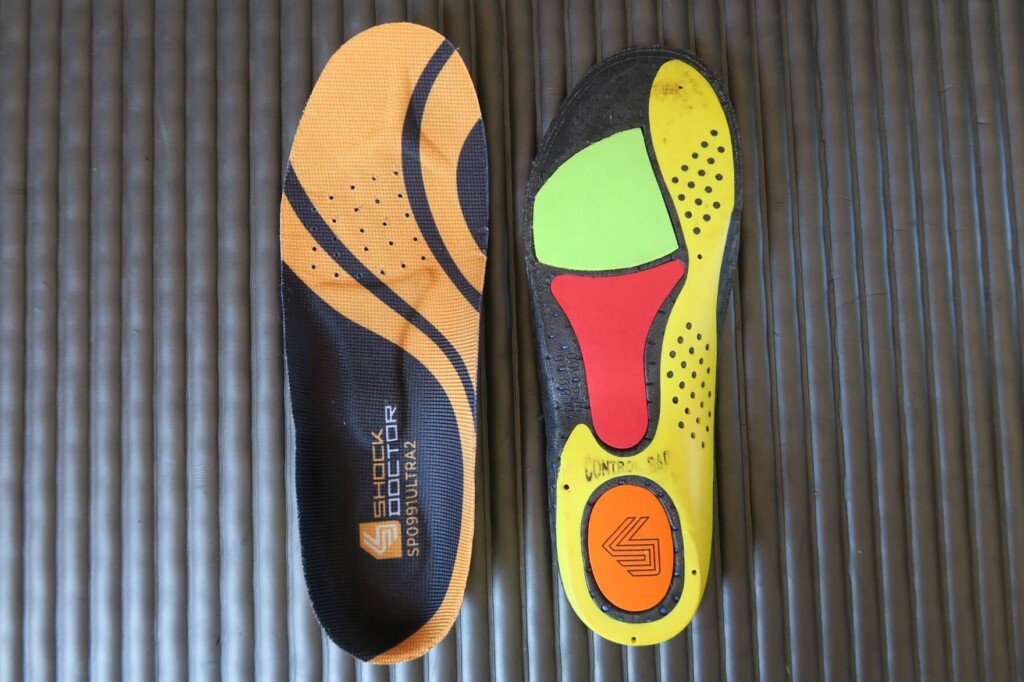
Shock Dockter is an American insole brand. They also offer a variety of insoles. Like Spenco, I know about this brand, but I've never used it
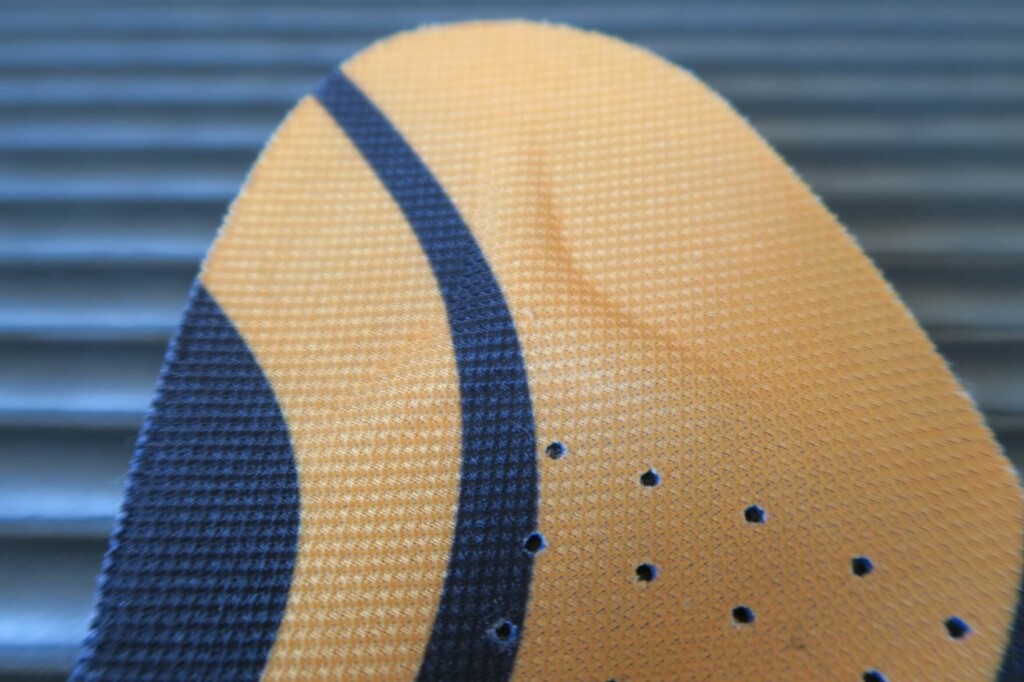
First off, I should point out that the heel of this insole is too large for my feet, causing the heel to slip out of place, so it's not suitable for evaluation in hiking boots. While I had no issues with the Spenco insole, which is also an American brand, this model had a gap and I didn't feel like using it in the mountains. Still, I used it for city wear and running, so here are my impressions
Shock absorption works well in both the forefoot and heel. As for arch support, perhaps because the size isn't right, the inner and lateral arches are OK, but the outer arch? The top sheet is good, and the protrusions that transmit the force of the toes work well when pushing off

Test Results & Spec Comparison Table
| comprehensive evaluation | AAA | AAA | AAA | AAA | AA | AA | AA | AA |
|---|---|---|---|---|---|---|---|---|
| item | SIDAS Run 3D Protect JP | ZAMST Footcraft STANDARD CUSHION+ | Bane Insole Athlete Grip | Superfeet COPPER | Spenco Ground Control | Formthotics Hike Dual | BMZ Calpower Smart Sports CL-K364 | SHOCK DOCTOR ULTRA 2 |
| Here is ◎ |
|
|
|
|
|
|
|
|
| Here is △ |
|
|
|
|
|
|
|
|
| Support | ★★★★★ | ★★★★★ | ★★★★★ | ★★★★☆ | ★★★☆☆ | ★★★★☆ | ★★★☆☆ | ★★★☆☆ |
| shock absorption | ★★★★★ | ★★★★☆ | ★★★★☆ | ★★★★☆ | ★★★★☆ | ★★☆☆☆ | ★★★★☆ | ★★★☆☆ |
| Fit | ★★★☆☆ | ★★★☆☆ | ★★★★★ | ★★★★☆ | ★★★☆☆ | ★★★★★ | ★★★★☆ | ★★★★☆ |
| Comfort | ★★★★☆ | ★★★★☆ | ★★☆☆☆ | ★★★★☆ | ★★★★☆ | ★★★☆☆ | ★★★★☆ | ★★★★☆ |
Detailed review of evaluation items
From here, we will compare and review each model for each evaluation item
Support
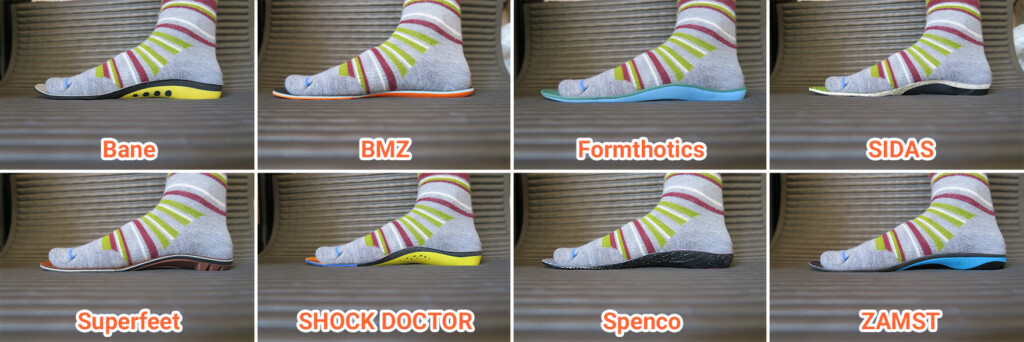
Arch support insoles support the three arches connecting three points on the sole of the foot (heel, ball of the foot, and base of the little toe), thereby supporting the entire sole of the foot in its natural shape
This corrects misalignment and tilt of the body, supporting natural movement. When you use this type of insole, you may feel as if you have grown taller because the medial arch is collapsed and the inward tilt of the knee is corrected. Supporting the medial arch brings the movement of the ankle and knee closer to their natural movements, which may alleviate pain for those who have been experiencing it
The shoes that I felt the most supportive were Sidas, followed by Bane and ZAMST. Formthtics also provides very strong support, but if you only use support, it can cause problems during exercise
The arch acts as a shock absorber, so if there is no space for the arch to move, it will come back as pain. Considering that, wouldn't a plate-type insole be a better choice for now?
shock absorption
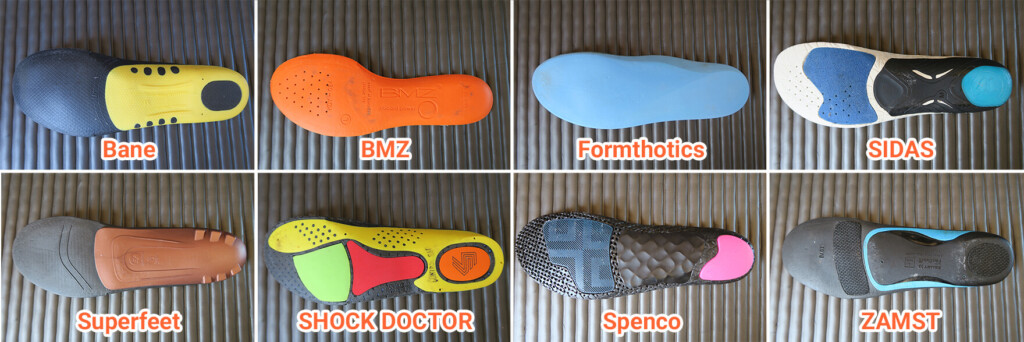
Another incentive to change your insoles is to improve shock absorption. Each model has shock-absorbing material in the forefoot and heel. Recently, many materials have been developed that not only absorb shock but also output that force as a rebound force, and some models use this technology. In this regard, Spenco and Sidas perform well in terms of shock absorption and rebound, while if you're only concerned with shock absorption, you can definitely feel the effects of BMZ and Superfeet
Fit
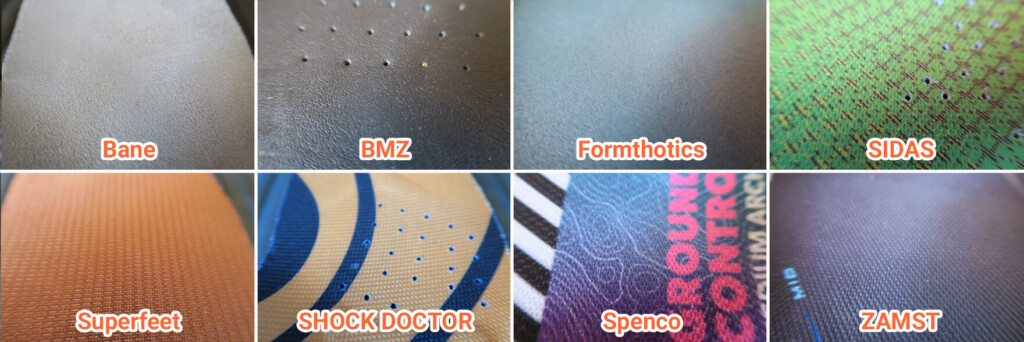
The material of the top sheet, which is the point of contact between your foot and the insole, has a big impact on the fit. If the force is not transmitted properly when you push off, you will end up tiring yourself out unnecessarily. The closer the shape of the insole to your own foot, the more the force of your toes is transmitted directly, reducing loss. Superfeet, Formthotics, and Schock doctor are types that transmit the force of your toes directly. The top sheet materials of Bane and formthotics have a strong grip, so you will feel a difference in the sensation of pushing off
Comfort
Finally, there's the issue of comfort. If you wear shoes for long periods of time, stuffiness is bound to become an issue. While you don't need to be too concerned about breathable trail running shoes, we recommend using insoles with as much breathability as possible for trekking shoes with GORE-TEX membranes. You want to enjoy walking and prevent sweating, which can weaken the soles of your feet and make them more susceptible to blisters. Some of the models with good breathability this time include Spenco, Sidas, and Superfeet
I'm sure there are also people who are concerned about odor, so before we get into that, I'd like to confirm: Do you remove the insoles and dry them thoroughly?
If you dry them thoroughly in the sun, I don't think it's a big deal even if they aren't antibacterial treated. In my case, when I come down from the mountain, I first remove the insoles from my shoes, and if the sun is out, I leave them to dry. Moisture is the cause of all deterioration, so please dry them as often as possible
summary
I tried out eight models this time, and they can be roughly divided into three types. From my experience, the models with plates provided the most satisfactory results. However, even with the models that use plates, I found that the impressions actually vary greatly depending on the concept of each model. I don't think the content of this review will necessarily reflect how you feel, but I hope it has given you some understanding of the differences between each model
I've personally been interested in insoles due to knee pain, and have tried a variety of them, but this product really varies greatly from person to person. This review is for reference only, so please try them on your own feet and gradually get used to them. I would be very grateful if this review can be of help to you on your mountain trips
So, have fun with your new gear and enjoy your mountain trip!
Keroppa
 It's been over 30 years since I first became interested in mountains and started wandering around. I didn't join any mountaineering clubs, but instead enjoyed testing out information from books, magazines, and the web, and somehow ended up working for an outdoor gear manufacturer. I spend my weekends in the mountains year-round, enjoying peak hunting, traverses, fly fishing in riverhead areas, river climbing, backcountry skiing, trail running, fastpacking, orienteering, and more, depending on the season. I love gear, and I always buy things I'm interested in as samples! I've recently been given the opportunity to write about them here. While I'm grateful for my work in this industry, I'll be writing reviews from a user's perspective, without bias. I hope to contribute in some way to the activities you all enjoy through new gear!
Related reading
 [A no-nonsense, self-funded comparison review] An important but often overlooked point: A 30-year mountaineering veteran compares 11 mountaineering socks
 Comparison Review: What's the difference between insoles that are strong for running? We compared them on a trail
 Comparison impressions: Ease of walking? Comfortable? What I learned from trying out different insoles for mountain climbing
 [An honest, self-funded comparison review] Perfect for those just starting out in mountain climbing. A summary of recommended medium-sized backpacks for outdoor activities, classified by scene and purpose