



Revealing my regular backcountry skiing gear list for this season (Part 2) [How to avoid being accused of reckless behavior]

Written by Yasushi Hisatomi
Following on from last time , I will write about the equipment list that I currently carry with me when enjoying backcountry skiing (for day trips to the mountains of Honshu during the peak season in January and February).
As with the last time, I'd like to clarify that this list is merely the actual lineup I currently carry in the backcountry, and is not a perfect, ideal lineup. It is entirely possible that it will change depending on the purpose, season, and the person's ability and style, and please understand that there may be better equipment or items that I am missing that I am not yet aware of. I hope that you will read it as a reference, including some ideas, to give you an idea of what kind of equipment you should actually bring when going backcountry
Related articles
table of contents
- Selection criteria (reprinted)
- 2023 season regular equipment list and comments (skiing and mountain climbing gear)
- Skis: RMU Butterknife SR126 / ATOMIC BENT CHETLER 120 (depending on the snow and mountain conditions)
- Binding: G3 ION 12
- Ski boots: K2 DISPATCH PRO
- Ski poles: Black Diamond Carbon Whippet poles (2 poles)
- Ski seals (climbing skins): POMOCA FREE PRO 2.0/Climb 2.0
- Backpack: Osprey Soleden Pro 32 / The North Face Chugach Guide 45
- Avalanche Beacon: PIEPS Micro BT
- Snow shovel & probe: ARVA ACCESS TS / MAMMUT Probe 240
- Insulated bottle: SOTO Titanium Bottle 300
- Crampons & Harness: BLUE ICE Harfang Tour & BLUE ICE Cocus Light
- Auxiliary rope, carabiners, and slings: 6mm or 8mm x 20m rope, carabiners, and slings as needed
- Other small items
- I made a list of all the gear I was wearing and all the things I had
- summary
Selection criteria (reprinted)
When choosing tools, I paid particular attention to the following three points, in order of most to least expensive
- Safer: Even in the snowy mountains, you'll be entering valleys and streams where it's difficult to escape and there's a high risk of avalanches, so it's natural to be more careful than usual
- Lighter: It is important to avoid wasting unnecessary energy and to be able to demonstrate mobility in case of an emergency
- More powder...With my skiing skills and experience, I prioritize support for descending steep powder slopes over climbing crunchy slopes
Since we will be entering a dangerous area during the most dangerous season, January and February, preparation for avalanches and getting lost is the top priority. We will do our best to mitigate risks that can be resolved financially, and then use the remaining energy to take the easy way out
2023 season regular equipment list and comments (skiing and mountain climbing gear)
Skis: RMU Butterknife SR126 / ATOMIC BENT CHETLER 120 (depending on the snow and mountain conditions)

I generally choose skis with a fairly wide waist width, based on the criteria of being able to ski comfortably in the powder skis of January and February. My preference is for skis that are light, soft, and easy to handle (safety takes priority over speed), so the ATOMIC BENT CHETLER 120 that I've been using since the 2020 season is still going strong. It has a wide waist and rocker shape that's great for powder, and the moderate stiffness makes it easy to handle, and with the added camber, the turning feel is so natural you wouldn't believe it's a 120. With this, you can basically enjoy the backcountry anywhere (but on the flip side, the ski flap around a lot on the piste, making it less enjoyable).
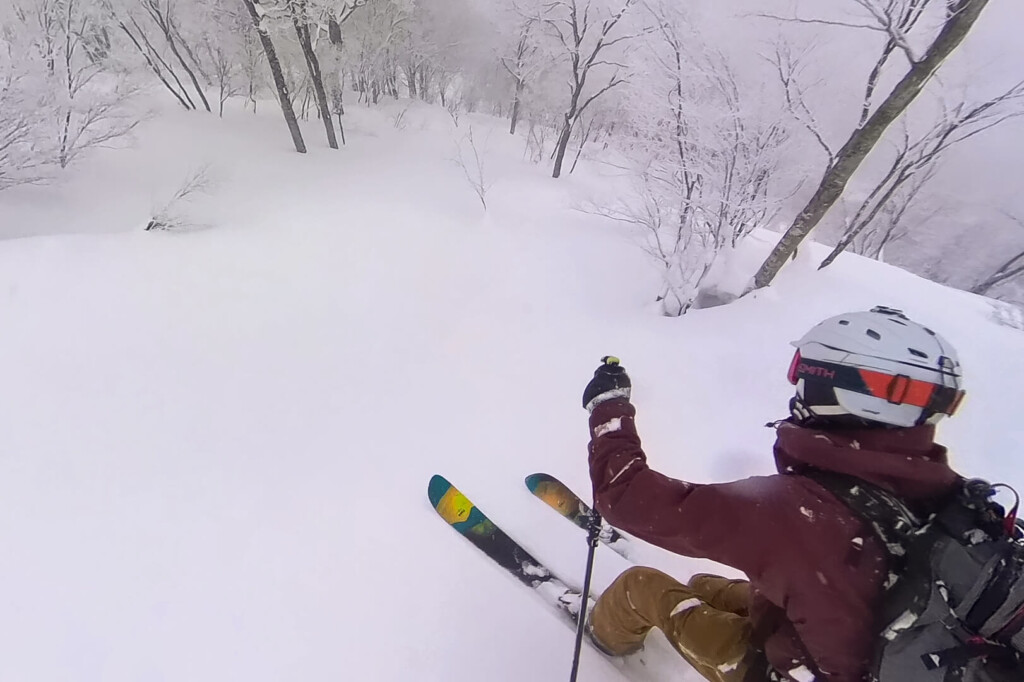
However, this season, my goal was to "enjoy tight turns on Hokkaido's buff-pow forest trails." I decided to push the boundaries of ski width with the new RMU Butterknife SR126 . Its unique design, like a splitboard, combined elements of surfing with its asymmetrical design, reminiscent of a vertically cut surfboard. The waist is an impressive 126cm. The only available length option is a slightly shorter 176cm, slightly shorter than my height, but fortunately, it's the perfect size for my backcountry adventures. The board's light, flexible design with rocker and camber makes it easy to turn, just how I like it. Furthermore, the small 17m radius on the inside edge allows for easy turning even in deep powder, making it a real hit on my February trip to Asahikawa and Niseko. It also dramatically reduced the number of trips I made on the tricky forest slopes of the Satoyama area. Another unexpected benefit was that, even with skis, I was able to enjoy the bowl-shaped terrain of streams quite well. It may not be suitable for those who seek speed or want to make large, high-speed turns on big mountains, but in some ways it is perfect for beginners like me to experience the floating sensation and fun of turning that is the true joy of powder snow.
One thing to note is that there are no climbing skins that fit this board perfectly. Ski skins are usually not wide enough (even 140mm is not enough), and splitboard skins are usually not long enough (the longest is around 160cm). This was a bit of a problem for me. I searched online but no one had written an answer, and from what I could find, it seemed that most splitboard skins were stretched out somehow. So I consulted with the store clerk and tried out a few different ones, and the one that fit best the POMOCA Climb 2.0 splitboard skin. Be careful when choosing this board.
For reference, here is a lineup of other items I use depending on the snow, humidity, and mountain
- K2 COOMBA (waist 104, length 177) - For spring touring skiing. Ultra-lightweight, just the right waist width, and well-balanced, it's perfect for spring skiing
- Black Crows Skis BLACKCROWS CAMOX (waist 97, length 180) - For on-piste and powder skiing. Provides the most stable skiing on flat ground
- 4FRNT Hoji (waist 112, length 187) - All-around powder (I wanted to try full rocker, so it's fun to ski, but hiking up steep slopes is difficult)
Binding: G3 ION 12
When it comes to so-called tech pin-compatible bindings for backcountry skiing, I started with the basic Dynafit ST ROTATION moved on to the MARKER KINGPIN M-WERKS and SALOMON S/LAB SHIFT MNC prioritizing glide performance above all else, the FRITSCHI TECTON and G3 ION . I'm generally satisfied with all of them, and each has its own excellent advantages, but overall I've settled on the G3 ION .
Of course, models with excellent gliding (KINGPIN and SIFT) offer excellent stability and safety. However, the weight increases accordingly, which means that the benefits of a light board are not fully utilized. And while this stability is more effective for hard edging in high-speed turns, it's not yet necessary for safe skiing like mine. What's more, I'm more pleased with the good balance between lightness and overall ease of handling, including hiking up, and usability
In that respect, the G3 ION was the most well-balanced and excellent binding, meeting all of the above needs. It's not particularly light, but it has a durable body that won't break even if handled roughly, a toe area that makes it easy to set ski boots, a two-stage heel lifter that's easy to operate, ski crampons that allow you to quickly put on and take off your skis without taking them off, and a ski brake that comes as standard, making it head and shoulders above other models in terms of ease of use. Of course, the holding power while skiing is inferior to the aforementioned KINGPIN, SIFT, and TECTON, but at my level of skiing, I didn't feel any instability on the surface that was a concern
Ski boots: K2 DISPATCH PRO
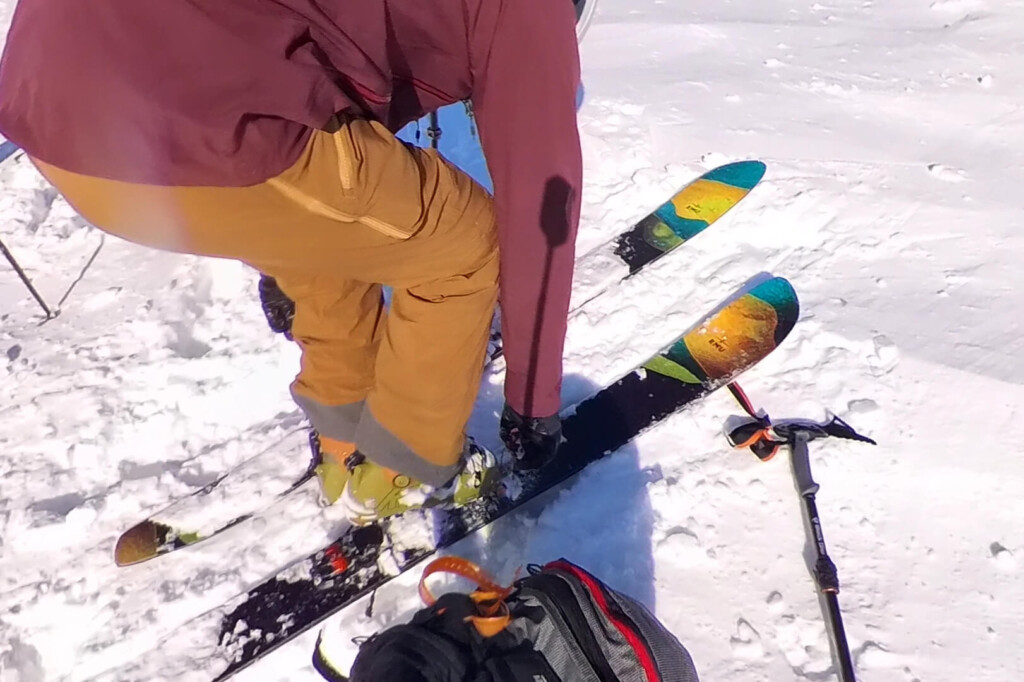
My preferences for backcountry ski boots have also changed over the past three or four years. First, I bought the ultra-lightweight SCARPA F1 EVO the TECNICA COCHISE 120 (2017/2018 model), a freeride boot focused on glide. Finally, I was able to enjoy skiing with these, and then I pushed that trend even further with last year's SALOMON SHIFT PRO 130 AT. The fit, hold, and comfortable cushioning made them literally the pinnacle of glide.
However, for some reason, they are not a good fit for hiking, and after walking for two hours, the skin under my inner ankle would peel off. I tried everything from heat molding to socks, insoles, and padding, but nothing really improved the situation
So, looking for a new direction this season, I decided to try out K2's DISPATCH PRO , a full-fledged touring boot, and was extremely satisfied. The TourFit BOA liner in the inner boot not only provided an excellent fit and completely eliminated blisters, but its light weight of 1500g, Vibram outsole, and walk mode with a 60-degree range of motion made hiking incredibly comfortable. Meanwhile, the downhill mode was also excellent. Its four buckles ensured a secure fit, and its stiff flex of 130 ensured that power was transferred firmly to the board. So far, I haven't found any flaws with it, and I doubt there will be a better boot soon.
Ski poles: Black Diamond Carbon Whippet poles (2 poles)

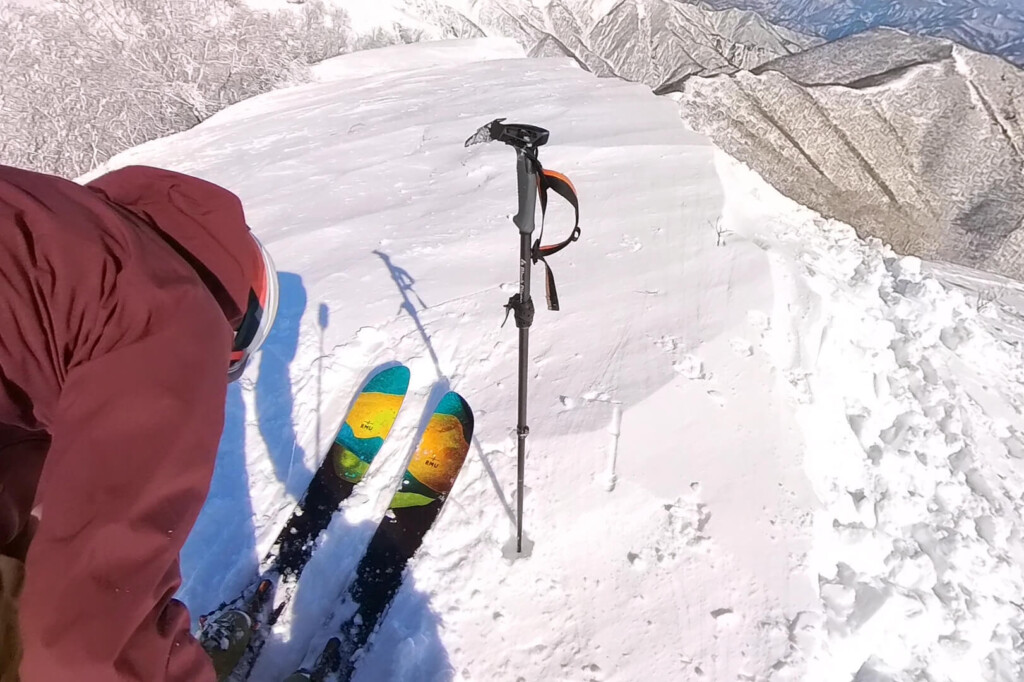
Even in the backcountry, ice axes are essential equipment when climbing high mountains above the tree line or on steep slopes, when carrying skis on your back and walking over rocky terrain, or when taking on unfamiliar, unknown routes. However, unlike winter mountain climbing, you rarely need to be firmly planting the tip of an ice axe into your feet while walking, so in most cases an ice axe large enough or heavy enough to be used as a fulcrum is not necessary; it is more useful as a hold when traversing slightly steep slopes, or as a safety device if you lose your balance on your skis
Until now, I had been carrying a lightweight aluminum ice axe (Petzl Ride), but after seeing my mountain climbing friends using them, I finally started using Whippet poles this season. Whippet poles are ski poles with an axe head (pick) attached, and they combine the convenience of a walking stick with the safety of an axe
This eliminates the need to frantically pull out your axe every time you enter a dangerous area and then put it away when you're done, dramatically increasing your sense of security and mobility on the jobsite. Compared to an axe, it's lighter and more compact, so you can bring it out without hesitation even when you don't feel the need to carry an axe. It can also be used as a convenient hold in situations where you're feeling a bit unsure, ultimately improving safety. While carrying one pole isn't necessarily a bad idea, I always use two, one on each side, for balance. If I had to point out a drawback, it's that while convenient, they're a bit heavy and cause shoulder fatigue... But in case you're unable to lend one to someone who doesn't have an axe, carrying two poles is reassuring. Incidentally, the picks are removable, so you can use them as regular poles on the slopes or other areas where you don't need them
Ski seals (climbing skins): POMOCA FREE PRO 2.0/Climb 2.0
While there are many options for climbing skins, they can be expensive and difficult to try out, making it difficult to find the perfect model. I myself started with my first pair of Colltex Clariden skins and have been on a long quest for the best model for the past few years. As always, each manufacturer has its pros and cons, and while each offers a certain level of satisfaction, unfortunately, I have yet to find a model that satisfies me in every way.
However, one manufacturer I'm confident is "almost foolproof" POMOCA . Its basic climbing and skiing performance is good, and the stickers are strong and long-lasting. I haven't experienced any significant deterioration even when wet or frozen. The front and rear attachments are both highly secure and versatile, so I feel safe using them. They're also lightweight, compact, and easy to carry—they have few drawbacks, which is why I chose them. The FREE PRO 2.0 is my favorite, as it's thin, easy to handle, and offers a good balance between climbing and skiing. I use this for my ATOMIC skis. Unfortunately, I can't find this model in 145mm width anywhere, so I'm forced to use the 145mm "Climb 2.0" for my RMU skis. Other than being a little bulky, I have few complaints about it.
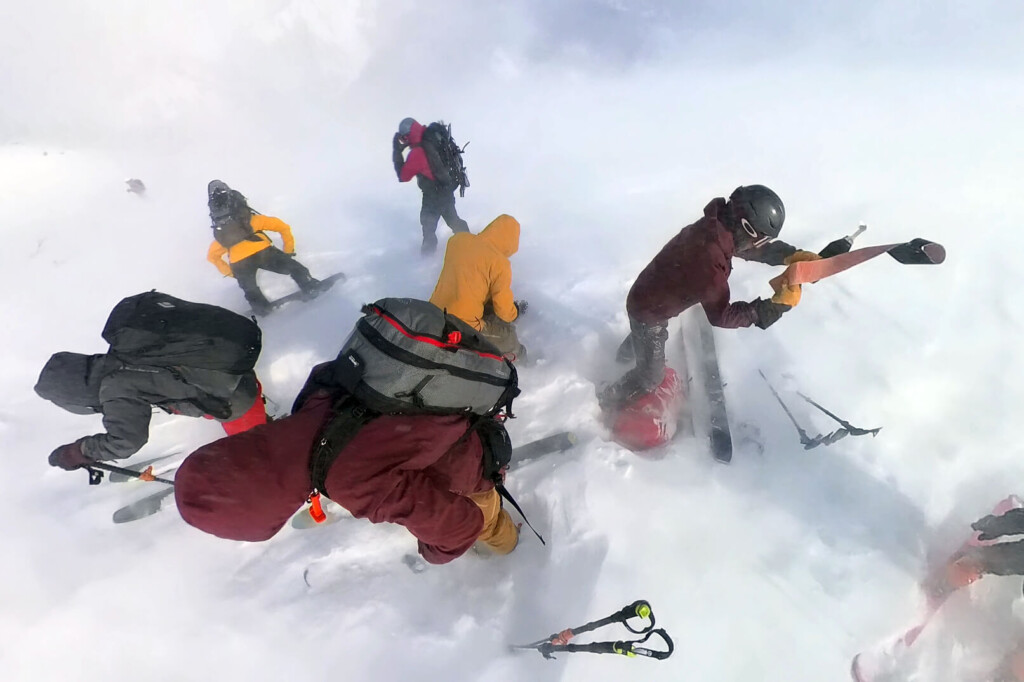
By the way, when folding your skins, the Caravan Easy Skin Saver is a convenient item that I personally find almost indispensable. With this, you can store (and re-attach) your skins smoothly even on ridges where you need to make a quick transition from climbing to skiing in strong winds. It's definitely worth checking out

Backpack: Osprey Soleden Pro 32 / The North Face Chugach Guide 45
Whenever possible, I try to use a backpack equipped with an avalanche airbag when backcountry skiing in powder valleys. I 've written extensively about this backpack in a previous review , but it's so comfortable it defies conventional avalanche airbag standards. It distributes the weight firmly across my waist, the waist buckle is easy to fasten, the back panel is firm, and the shoulder harness is well-cushioned. The packability is also satisfactory. The state-of-the-art supercapacitor-powered airbag system is reliable and easy to use, making it an almost impeccable model. Furthermore, the 2022-23 model has been updated with the latest airbag system, making it even lighter (though the price has skyrocketed). My only complaint is that I wish it came in a larger size (40L). Also, after a year of consistent use, I've noticed that the zipper that holds the airbag frequently pops off when packed to the brim (which requires constant re-zipping). However, this issue seems to be common with avalanche airbags, not just this pack, so I hope the manufacturer will make an improvement.
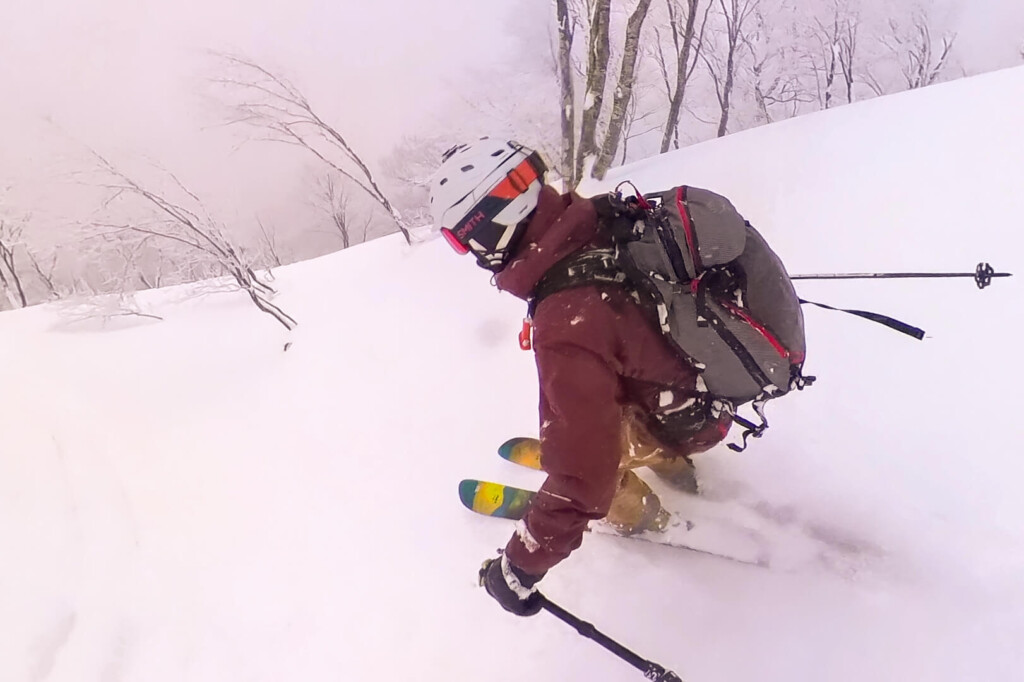
On the other hand, if you're on a route with extremely low avalanche risk, a regular backcountry snow pack is still easier. While there are plenty of options from many manufacturers, I prefer larger backpacks because I carry a lot of stuff, and I find the THE NORTH FACE Chugach Guide 45 useful. It's lightweight, has a large capacity (with a wide range of capacity adjustments), is highly packable, and is easy to access, plus it fits snugly around the back. I also really like how stable and comfortable it feels when I wear it.
Avalanche Beacon: PIEPS Micro BT

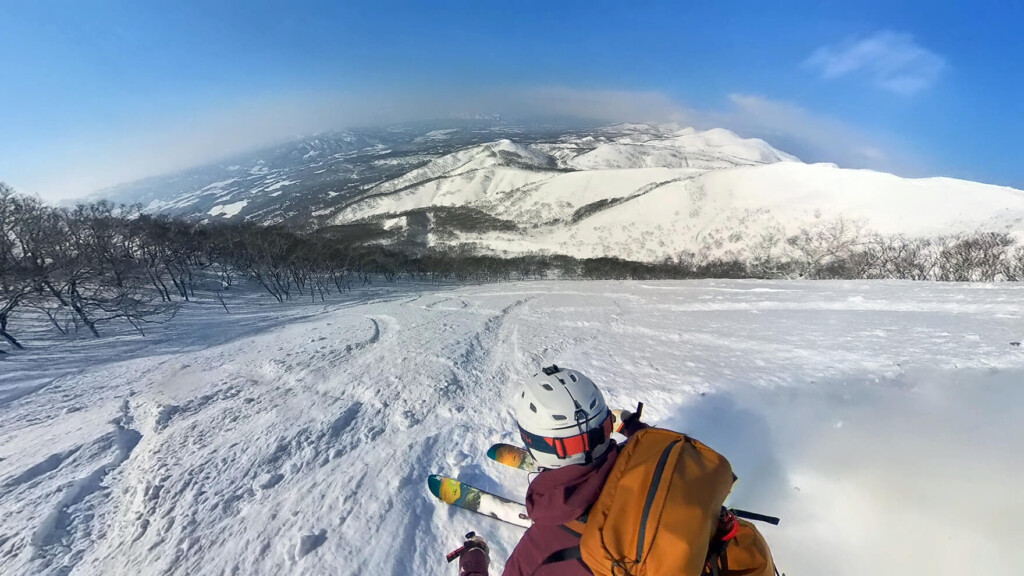
PIEPS , a long-established brand of snow safety gear . Beacons, essential for searching for buried victims during avalanches, are available from many manufacturers today, but because it's nearly impossible to compare them in the field, it's difficult to know which one is actually best, despite their high price (this year, I'd like to do a comparative review on this site!). However, it's not widely known that there are significant differences in antenna reception sensitivity, operability, and other detailed usability features, and that some models are more quirky than you might expect. Among these, I personally recommend the PIEPS Micro BT (incidentally, the one I was using until recently was the MAMMUT Barryvox).
Its biggest appeal is its light weight, and while its reception range isn't the longest, it's still wide enough (long). Additionally, the search area is a simple, spherical shape, which means buried victims can be found more quickly (and more smoothly) than with other manufacturers. The Bluetooth-connected smartphone app also allows you to check the device's status, offers a training mode for practical practice, and even allows for instant software updates, making it just as convenient as regular electronic devices, even in the world of avalanche gear
Snow shovel & probe: ARVA ACCESS TS / MAMMUT Probe 240

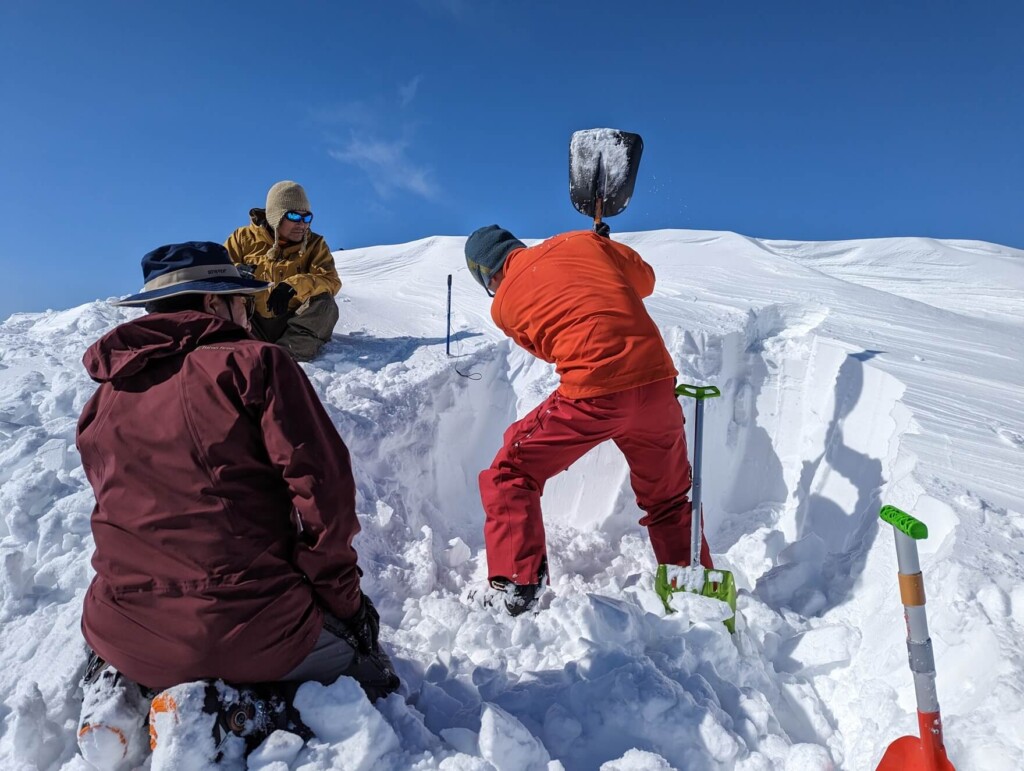
For gear that you don't normally use except for pit checks (checking the risk of avalanches), not necessarily for active use, I prioritize reducing the weight as much as possible (of course, it's extremely important in the event of an emergency, so minimum performance is necessary). So I chose the ultra-lightweight ARVA ACCESS TS, . While this is fine for carrying it just in case, as in this case, if you're planning to dig and pack snow for long periods of time, such as when setting up a tent on a snowy mountain, you'll need a more solid, more practical model.
To be honest, I wasn't too picky about the probe. Ideally, a 3m probe would be better, but I 'm still using the MAMMUT Probe 240
Insulated bottle: SOTO Titanium Bottle 300
I've been waiting for something like this! Released last fall by SOTO, this thermos bottle isn't the best in terms of heat retention, but instead is as lightweight and compact as possible. Avalanche airbags are inevitably small and heavy, so a thermos bottle that's as lightweight and compact as possible is extremely useful, and this is exactly what I need. If you're camping in a tent in the mountains during the harsh winter, this level of heat retention and capacity may not be enough, but for a day trip to the backcountry, it's more than enough
Crampons & Harness: BLUE ICE Harfang Tour & BLUE ICE Cocus Light

This trip does not assume long walks on rocky ridges or rappelling. For this reason, the climbing items I carry with me in case I need them are chosen based on the same criteria as the shovel: "minimal functionality, lightness as the top priority." Also, as I mentioned earlier, I no longer carry an ice axe, as I have now replaced it with a Whippet pole
So, what's left for the climbing gear: crampons and harnesses? Personally, I've been BLUE ICE . This cutting-edge French climbing brand creates minimalist, lightweight, and functional products. Their Harfang crampon series , boasts an innovative and ingenious design, offering exceptional packability and ease of fastening and unfastening compared to other lightweight crampons. While PETZL Leopard been the most popular choice for lightweight crampons for backcountry climbing, I honestly think this will replace them by a small margin. As for harnesses, the Caucus series is perfect for me, offering ultra-lightweight designs perfect for emergencies or temporary use, from summer stream climbing to winter backcountry.
Auxiliary rope, carabiners, and slings: 6mm or 8mm x 20m rope, carabiners, and slings as needed
Finally, every party should have a 20m rope. When backcountry skiing, especially when skiing down a stream, it's not uncommon to encounter a stream that isn't filled with water. In such cases, it's quite possible that you'll need to take off your skis to climb down or rappel. In such cases, an 8mm x 20m rope will give you peace of mind
However, this actually weighs quite a bit, so I honestly think it would be a pain to carry it on every mountain trip. One of my climbing buddies at the time was carrying a lightweight 6mm x 20m rope made of polypropylene or other materials, which isn't particularly strong. I found this to be surprisingly useful as a minimum rope to carry, and I've been using it almost exclusively lately. While it's not suitable for rappelling, it's strong enough to provide a handhold in case you slip while traversing or kick-stepping down, and it's much better than not having one at all in case of an emergency; in fact, it's a great help. It's not a tool I'd use often, but it's good to have on hand just in case. *Obviously, this usage is not proper, so you assume responsibility for any consequences that may arise
Other small items
- Snow saw or wire saw (for pit checks to gauge avalanche risk; one per party)
- Wax (ski wax, climbing skin wax)
- Repair tools (screwdrivers, pliers, scissors, wire, duct tape, etc.)
- Brush (useful for removing snow from climbing skins)
- Ski straps (I always bring at least two, as they can be used to secure skis to the A-frame and other things in case of an emergency)
- Radio/transceiver (including small digital simple radios)
- Spare gloves
- towel
- Behavioral food/drinking water
- Headlamp and spare battery
- Knives and multi-tools
- Compass Whistle
- map
- First aid supplies
- Bilt or emergency sheet
- Smartphone
- Toiletries
- duct tape
- Cocoheli emergency communication device
- Sunscreen and lip balm
- Identification card, insurance card, mountain climbing registration
I made a list of all the gear I was wearing and all the things I had
I've written this in two parts, but I've created a Google spreadsheet with a list of everything I brought. It's a bit clunky, with some comments and links and others not, but please feel free to use it
[Outdoor Gearzine] One-day backcountry skiing equipment list
summary
In recent years, BC has become increasingly popular, but at the same time, we have also seen many tragic accidents. Whenever an accident occurs, it is often criticized as reckless by people who know nothing about it (it's amazing how many people criticize without knowing the whole picture), and it is hard not to feel more embarrassed than before in today's situation, which is quite sad
Of course, I'm sure the majority of people have a strong sense of danger and follow the rules when playing, but it's also true that as equipment evolves and situations change, the equipment you should carry also changes. Avalanche safety gear in particular is rapidly evolving thanks to technology, and I think that airbags and other gear will become essential for BC in the not-too-distant future. In that sense, even experienced travelers should be aware that BC is a sport that involves entering particularly dangerous areas of the snowy mountains at dangerous times, and should always review their equipment
We hope that this list will be useful as a reference for people who are currently enjoying backcountry skiing, and also that it will help those who are thinking of trying backcountry skiing for the first time to get an idea of what equipment they should get
The snow season is finally halfway over. From now on, the season of spring granular snow will come, and we will be able to enjoy the deep joys of the backcountry for a while yet. So, please take care of each other and have a great season
Related reading
 Revealing my regular backcountry skiing gear list for this season (Part 1) [How to avoid being accused of reckless behavior]
 Revealing the backcountry skiing gear list I've been using a lot this season [Part 2]
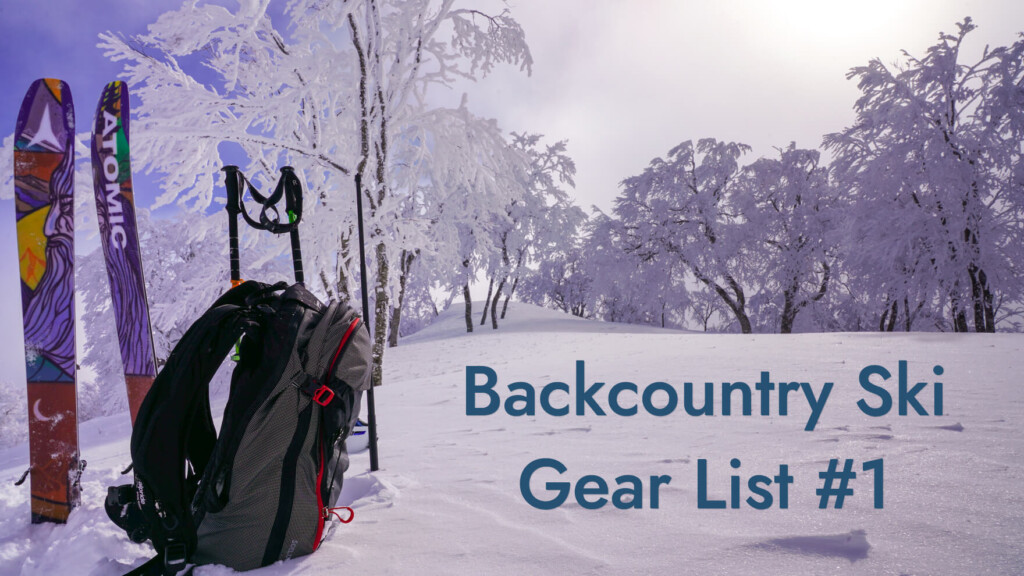 Here's a list of the backcountry skiing gear I've been using this season [Part 1]
 Comparison Review: Backcountry ski and snowboard backpacks for maximum efficiency