



Be careful not to let your hydration freeze

Written by Yasushi Hisatomi
Hydration freezes easily! Be careful when using it in sub-zero temperatures
This is a story about how I got carried away with using a very convenient hydration pack, and ended up having a terrible experience in the Yatsugatake Mountains in late autumn
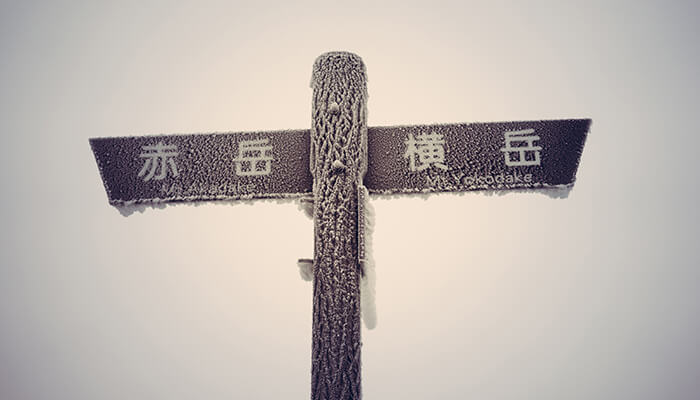
The other day (November 3rd), I hiked the Yatsugatake mountain range from Akadake to Yokodake for the first time in a while. As expected, I was hit by a strong cold wave, with temperatures dropping to around -6°C in the early morning on the ridge. I a comparative test of the hydration systems I published the other day , so I was just walking around with my tube outside. Within an hour, the water in the tube had frozen solid, and no matter how much I sucked, no water would come out (see photo below). I hadn't intended to test it that much, but I unexpectedly learned firsthand that hydration systems, with their thin drinking spouts and tubes, are extremely vulnerable to freezing.
At the time, I had brought another bottle with me, so I was able to deal with the situation without any serious problems, but it's a little scary to think about what would have happened if I had only brought hydration. Incidentally, even the type of tube with an insulated cover ended up freezing after a few hours, so to be honest, it seems best to think that insulated covers are unreliable at this point. So, personally, I don't really recommend using hydration in winter. Even if you do bring one, I recommend that you always bring another bottle (including an insulated bottle) with you!
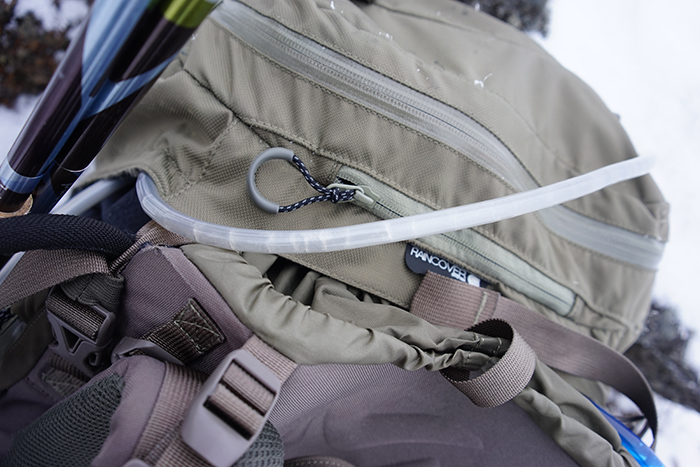
Hydration freezes easily in the sub-zero temperatures of Mt. Yatsugatake