



比較レビュー:日帰り登山やファストパッキングに最適な軽量ハイキングブーツを履き比べてみた
written by Yasushi Hisatomi
最適な登山靴選びでは、何をおいてもまず靴が自分の足型に合うということが第一。それは長い登山の歴史を経た今でも不変の鉄則ですが、ジャンルの多様化、細分化が進んだ近年ではそれだけで最適な一足にたどり着けるほど甘くないのが悩ましいところ。お店を何店も渡り歩き、その度に何足も試着しなければならず、靴選びはますます複雑で面倒なことになってきているのが現状です。
登山靴の中では最も軽量な部類に入るハイキングシューズについても事情は同じ。見た目も履き心地も日常使いのスニーカーに近く、比較的穏やかな地形での日帰りから軽装の小屋泊まりまで幅広く使えて入門者にも最適なこの登山靴は、技術の進化と手軽なハイキング人気によってますます選択肢が増えてきています。
今回はそんなハイキングシューズを約半年間かけてさまざまな観点から履き比べてみまた結果をまとめています。主要ブランドの2016年時点での販売モデルからおすすめ10点をピックアップし、それらをさらに同じ条件で履き比べ、履き心地、滑りにくさ、疲れにくさなどさまざまな視点から評価。個人的なイメージではスニーカーなんてデザイン以外にそこまで差があるのか?と若干不安でしたが、なかなかどうしてじっくり履き比べてみると細かい違いが積み重なり、最終的には評価する角度によってくっきりと差が出る興味深い結果になりました。
以上を踏まえ、いくつかの視点からOutdoor Gearzine的ベスト・ハイキングシューズを選出していますので、これから山登りやハイキングをはじめたいと思う人、ファストパッキングなど軽快な登山を志向する人、長期の旅行に疲れにくい靴を探している人などの靴選びに少しでも役に立てれば幸いです。
なお、一般的にはハイキングシューズという呼び名の方がメジャーですが、正しい呼び名は諸説あるものの、例えばアメリカのアウトドア・ギア専門店REIによると現在では「シューズ」はローカットモデルを指しているようなので、ここから先に取り上げるミッドカット以上のモデルは「ハイキングブーツ」という呼び方に統一したいと思います。
目次
目次
今回比較したハイキングブーツについて
登山靴といえば高価で頑丈、重さも片足500g~1kg近くあるトレッキングブーツ(登山靴)が一般的です。ただ都市部から日帰りできるような短いコースや、長いコースでも軽装で歩くという場合には、若干大げさでかえって疲れやすかったりすることもしばしば。このため最近では山道でも歩きやすく、そのうえ軽くて快適なハイキングシューズ、なかでも足首あたりまでをカバーしたハイキングブーツがおすすめです。その辺のメリットや、おすすめモデルについてはこちらの「これからとことん履きつぶしたい軽量ハイキングシューズ10足」でもまとめましたが、まず実際に履き比べるにあたってのおすすめ候補選定基準を押さえておきます。
- 重量は片足500g以下の軽量タイプ
- 足首を保護し、防水性も高いミッドカットモデル
- 基本的にはハイキング用途、アプローチシューズなど用途を特化しているモデルは除く
- 日本で購入可能、各メーカー1足まで
ハイキングブーツは基本的に「ドア to ピーク」で街中からずっと履いていくものなので、ぶっちゃけデザインは特に重要。このためピックアップの際にはどうしても個人的な好みが入らざるを得ませんが、それでも絞り込むのにはかなり苦労しました。悩ましいのが同じような用途でも500gをちょっと超えているモデル。現実的には100g程度の重量差が評価に大きく影響することはほぼ無いのですが、今回はキリがないので泣く泣くスルー。このため選定から漏れたモデルでも良さそうなシューズはまだまだあったのですが、後ろ髪を引かれながらも今回の10アイテムへと落ち着かせました。
テスト環境
ハイキングブーツのテスト期間は2016年5~10月初旬までの約6ヵ月。テストは筆者本人のみ。すべてのアイテムは独自に購入しています。東京近郊や奥秩父・上信越の山(1,000~2,000m前後)で使用しました。
テストはまず登り下りある日帰りコースを、7kg程度の荷物を背負い終日歩く(またはトレイルラン)という条件で最低限すべての靴を試します。その他、ランダムに左右別々のブーツを履き、同じコースで歩くことで同じ条件での比較を実施しています(ただし、10種類でのすべての組み合わせを比較しているわけではありません)。目安としては日帰り通常歩き(街中のウォーキング含む)で20km、左右比較状態で20km、合計各靴で最低40km程度は歩いているという計算です。
さらに濡れた一枚岩など特定の地形条件では同一カ所で10足すべてを履き比べテストしています。また特にランニングに強そうなモデルはトレイルやロードでランニングに履いたりもしています。その他詳細なテスト条件については各項目の詳細レビューにて補足しています。
評価項目については以下の想定により5つの指標を設定。なお、テスト結果の評価数値はあくまでもテストを行った評価者の判断による、テスト内における相対的な指標であり何らかの客観性をもつものではありません。
- 履き心地の良さや通気性など、気持ちよく長く歩くために必要な「快適性」
- 厳しい地形でも滑らずに着地し、足の力を逃がさず地面に伝えるための「グリップ」
- 着地・蹴り出しでのブレを抑える「サポート力=安定性」
- 軽快な足運びと疲労軽減に欠かせない「重量」
- 摩擦や引裂き、その他外部からの圧力から足を保護する「プロテクション」
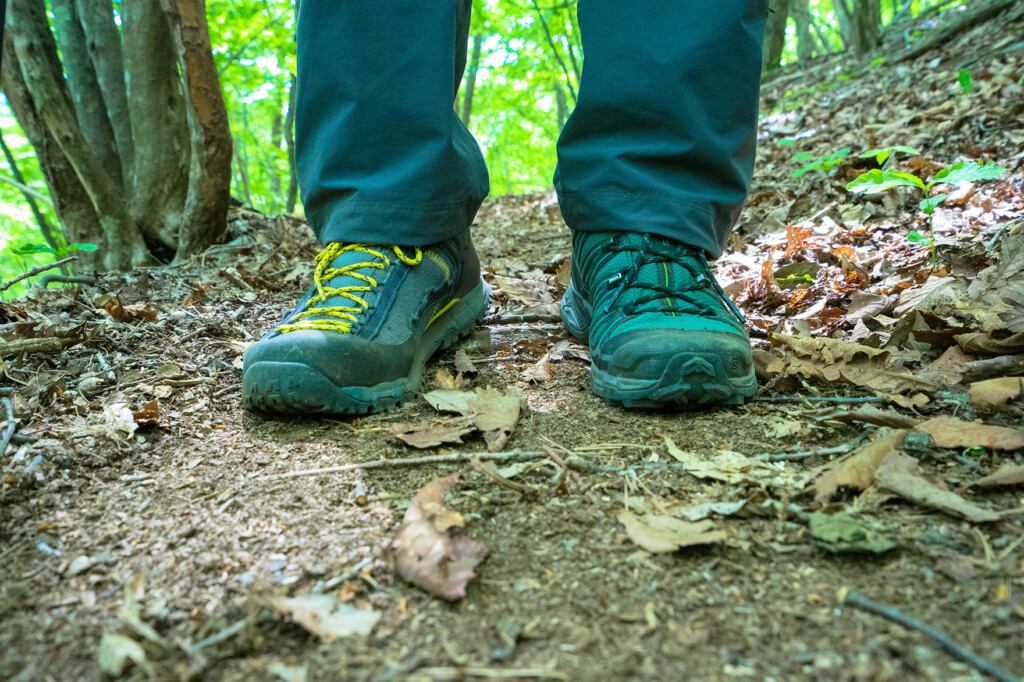
左右別々の靴を履いて歩くとクッションやグリップの違いが一目瞭然に分かる。
テスト結果&スペック比較表
| 総合順位 | 1位 | 2位 | 3位 | 3位 | 5位 | 6位 | 7位 | 7位 | 9位 | 10位 |
|---|---|---|---|---|---|---|---|---|---|---|
| アイテム |  THE NORTH FACE Ultra Fastpack II Mid GORE-TEX THE NORTH FACE Ultra Fastpack II Mid GORE-TEX |
![[アディダス] adidas トレッキングシューズ TERREX FAST R MID Gore-Tex AF5981 AF5981 (イーキューティーブルーS16/コアブラック/ダークグレー/26.5)](https://images-fe.ssl-images-amazon.com/images/I/41Fs0EDSkdL._SS300_.jpg) adidas TERREX FAST R MID Gore-Tex adidas TERREX FAST R MID Gore-Tex |
![[モントレイル] ハイキングシューズ シエラバダミッドアウトドライ GM2221 089 ダークグレーアズール 7.5(25.5cm)](https://images-fe.ssl-images-amazon.com/images/I/51XYR6NQy3L._SS300_.jpg) montrail SIERRAVADA MID OUTDRY montrail SIERRAVADA MID OUTDRY |
 mont-bell ラップランドブーツ mont-bell ラップランドブーツ |
TECNICA TCROSS MID SYN GTX | ![[メレル] MERRELL ハイキングシューズ Capra Bolt Mid GORE-TEX M J35359 Black (Black/7.5)](https://images-fe.ssl-images-amazon.com/images/I/41rXnSBprnL._SS300_.jpg) MERRELL CAPRA BOLT MID GORETEX MERRELL CAPRA BOLT MID GORETEX |
 La Sportiva SYNTHESIS GORE-TEX SURROUND La Sportiva SYNTHESIS GORE-TEX SURROUND |
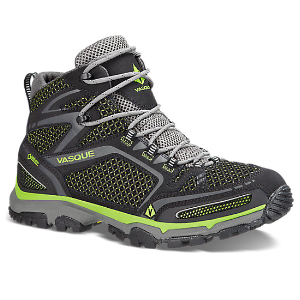 VASQUE インヘイラーⅡ GTX VASQUE インヘイラーⅡ GTX |
![[サロモン] SALOMON トレッキングシューズ X ULTRA MID 2 GTX L37103200 BETTLE GREEN / BLACK / SPRING GREEN (BETTLE GREEN / BLACK / SPRING GREEN/26.5)](https://images-fe.ssl-images-amazon.com/images/I/51pXeSnNZJL._SS300_.jpg) Salomon X ULTRA MID2 GTX Salomon X ULTRA MID2 GTX |
 Salewa HIKE ROLLER MID GORE-TEX Salewa HIKE ROLLER MID GORE-TEX |
| 総合スコア(100点満点) | 84 | 83 | 82 | 82 | 80 | 79 | 77 | 77 | 75 | 70 |
| 参考価格 | 21,600円 | 21,600円 | 17,820円 | 15,984円 | 21,492円 | 19,440円 | 25,920円 | 25,920円 | 19,980円 | 29,160円 |
| ここが◎ |
グリップ力、安定性、重量、プロテクション |
快適性、グリップ力、安定性、プロテクション |
快適性、グリップ力、安定性 |
グリップ力、安定性、プロテクション |
プロテクション、バランスの良さ |
グリップ力、重量 |
快適性、重量 |
グリップ力 |
快適性、プロテクション |
プロテクション |
| ここが△ |
特になし |
特になし |
重量、プロテクション |
重量 |
特になし |
安定性、プロテクション |
グリップ力、安定性、プロテクション |
快適性、プロテクション |
グリップ力、安定性、重量 |
快適性、安定性、重量 |
| 快適性 (30点) |
24 | 26 | 27 | 23 | 25 | 25 | 27 | 22 | 27 | 21 |
| グリップ (25点) |
24 | 22 | 22 | 24 | 21 | 22 | 18 | 23 | 17 | 19 |
| 安定性 (20点) |
15 | 15 | 16 | 16 | 14 | 12 | 11 | 13 | 12 | 11 |
| 重量 (20点) |
18 | 17 | 15 | 15 | 17 | 18 | 19 | 17 | 16 | 16 |
| プロテクション (5点) |
3 | 3 | 2 | 4 | 3 | 2 | 2 | 2 | 3 | 3 |
| スペック | ||||||||||
| アイテム | THE NORTH FACE Ultra Fastpack II Mid GORE-TEX | adidas TERREX FAST R MID Gore-Tex | montrail SIERRAVADA MID OUTDRY | mont-bell ラップランドブーツ | TECNICA TCROSS MID SYN GTX | MERRELL CAPRA BOLT MID GORETE | La Sportiva SYNTHESIS GORE-TEX SURROUND | VASQUE インヘイラーⅡ GTX | Salomon X ULTRA MID2 GTX | Salewa HIKE ROLLER MID GORE-TEX |
| サイズ | 27cm | 27cm | 27cm | 27cm | EU42 | EU43 | EU42 | 27.5cm | 26.5cm | EU43 |
| 実測重量(片足g) | 434 | 448 | 481 | 480 | 447 | 425 | 418 | 442 | 456 | 475 |
| アッパー素材 | ミッドフットサポートケーブル、ラバートゥキャップ | Synthetic | Synthetic | Synthetic, suede leather | Synthetic upper, stretch fabric. | Synthetic | AirMesh / Nano-Cell direct injection /PU Leather | 1.6mm防水レザー、エアーメッシュ | Synthetic (SENSIFIT) | 1.6mm suede leather, Stretch fabric |
| アウトソール | ビブラム MEGAGRIP | Continental rubber | ラバーアウトソール | トレール グリッパー | ビブラム アウトソール | ラバーアウトソール(M SELECT GRIP) | ビブラム Nano with Impact Brake System | ビブラム MEGAGRIP | ラバーアウトソール(CONTAGRIP) | ビブラム RGS Speed Ascent |
| 防水 | GORE-TEX | GORE-TEX | OutDry | GORE-TEX | GORE-TEX | GORE-TEX | GORE-TEX | GORE-TEX | GORE-TEX | GORE-TEX |
| フットベッド | Ortholite | Ortholite | オリジナル | オリジナル | Ortholite | M SELECT FRESH | Ortholite | デュアルデンシティEVA | Ortholite | MFF+ MULTI-FIT FOOTBED |
評価結果まとめ ~タイプ別おすすめハイキングブーツ~
総合1位:タフな地形もスピードハイクも、オールラウンドに活躍
THE NORTH FACE Ultra Fastpack II Mid GORE-TEX



総合1位は2016年シーズンに第二世代へと進化を遂げた、TNFの”ファストパッキング向け”軽量ミッドカットブーツ。決して軽快さだけではなく、登山靴としての安心感を両立させた高い完成度が高評価の大きな理由です。400gという軽さで個人的に衝撃だった前作。リニューアルされた今期のモデルを他との比較であらためて体験してみると、進化した今作では、軽さはもはやこの靴の魅力の一部でしかないことを実感します。
決してフカフカの肌触りではないものの、柔らかすぎず硬すぎない絶妙な厚みと強度のアッパーによる包み込むようなホールド感は、窮屈な感じが一切なく、シューズとの一体感は前モデルから引き続き素晴らしい出来映え。他よりも高めの足首はやや動きを制約する感じはあるものの、その代わり足首まわりの高い保護力と着地時の安定感をもたらしてくれます。
そして今回何よりも突出していたのは多様な地形におけるグリップ力の高さ。今回から導入された圧縮成型クレイドルガイドテクノロジーとビブラムMEGA GRIPアウトソールによるソール構造は、乾いた地形は当然のこと、濡れた岩場も泥や苔で湿った森のなかでも最も滑りにくくて蹴り出しもスムーズと、抜群の安定感を見せていました。特に他のモデルでも試して分かったビブラムMEGA GRIPアウトソールのグリップ力は本物。もちろん純粋に比べれば本格的な登山靴に劣るのは当然ですが、この軽さでここまで幅広い地形に対応できてしまう技術の進歩に驚きです。
ランニングシューズと登山靴のちょうど中間ラインを狙ってどっちつかずに終わってしまうモデルも少なからずあるなかで、やや本格トレッキングシューズに寄りながらもランニングシューズの軽快さを失わないバランスの良さは10足のなかでも随一。もちろん足型が合っているのが前提ですが、シーンを選ばずオールラウンドに活躍してくれるUltra Fastpack II Midは誰にでもおすすめできる、使い勝手抜群の1足です。
コストパフォーマンスNo.1
montrail SIERRAVADA MID OUTDRY
試履した瞬間に感じた履き心地の素晴らしさから期待を膨らませていたシエラバダは、実際にもほぼ期待通りの使いやすさを発揮。厳密にいうとモンベル ラップランドブーツの方が価格的には低いのですが、トレラン含めて多様なアクティビティに使えそうなのはこちらだろうということで、最も「お買い得」モデルとしてコスパNo.1を獲得です。
重量からいうと、実は今回の比較中最も重い。にもかかわらず、歩いた印象ではその重さの差はまったく感じられないのがこの靴の優れたところ。アッパーに使用されたしなやかな生地、ホールド感抜群のシューレース、衝撃吸収、柔軟性、クッション性に優れたFluidFoamミッドソールと独自のラバーアウトソールなど、快適さを演出する数々の仕組みが折り重なり、今回の比較のなかでも一二を争うほど山歩き(あるいはトレラン)が気持ちよく感じられました。
一方で、ほとんどランニングシューズに近いプロテクションの弱さや、濡れた岩などのテクニカルな地形に関してのグリップ力の物足りなさにはやや目を瞑らなければなりません。このためどんな山でも行けちゃうよとはいえませんが、あくまでも穏やかな地形で軽快にトレイルを駆け抜けるシューズと割り切って使うのであれば、はじめての1足としても非常におすすめしたい1足です。
ファストパッキングブーツNo.1
adidas TERREX FAST R MID Gore-Tex
アディダスの登山靴というとみんな驚くのですが、実は歴史も深く、トレイルランニングやファストパッキングの分野でもかなり優秀なモデルを多く揃えた世界的なアウトドアブランド。今回のTERREX FAST R MID Gore-Texでもその実力をはっきりと証明してくれました。
400g台前半の軽さや、クッション性とグリップ力に優れたコンチネンタルラバー、そして足首まわりの可動性の高さは素早く確実な足運びを可能にしています。さらに硬質プラスチックに囲まれたヒールとformotionテクノロジーによる独立したラバーユニットが巧みに機能し、衝撃吸収力と着地の安定感は格別。重荷で素早く移動するファストパッキングに求められる機能をどのモデルよりも的確に満たしています。
確かにTHE NORTH FACE Ultra Fastpack II Mid GORE-TEXもファストパッキングには適したモデルですが、よりスピードを重視するならばこちらがおすすめ。濡れた岩場や泥などの厄介な地形でのグリップ力ではやや劣るものの、快適なクッションと履き心地ではこちらの方に軍配が上がります。つまり総合的な安心をとるのであればノースフェイスが、よりスピードを重視するならばコイツが最適という訳です。実際、雲取山日帰り往復(約30km)にチャレンジしたときに選んだのはこちらでした。
いずれにせよ、カラフルな外見からは予想外にバランスの良さを備えていますので、そこまで難しいことを考えずに基本オールラウンドに活躍してくれる、軽快な1足であることは間違いありません。モデルチェンジが頻繁なこともあってか毎年よくシーズン終盤に特価販売をしていることも多いので、実はコスパもいいモデルだったりします。
グリップ力・プロテクション抜群の全地形対応型
mont-bell ラップランドブーツ
ランニングシューズライクな使用感が多かった今回の比較のなかで非常にユニークな履き心地を提供してくれたのがモンベルの軽量ミッドカットブーツ。乾いた山道から泥・砂・濡れた岩などの厳しい環境において、軽量ながらも最も安定した歩行を可能にしてくれました。
レザーで補強されたアッパーは軽量な割にややゴツい感触。硬めのソール、深い足首、通気性の弱さなど快適な足運びという面から見るとかなり分が悪いのは事実ですが、一方で登山に履く靴としての完成度の高さは実に隙がない。特に驚いたのは独自アウトソール、トレールグリッパーのパフォーマンスの高さ。濡れた一枚岩でのテストではビブラムMEGAGRIPに匹敵するほどの滑りにくさを発揮し、地形や天候を選ばず初心者でも安心して足を置いていくことができます。
今回の比較では気軽なハイキングやファストパッキングに最適なモデルということで、やや軽快さを重視した配点になっているためこのような結果になっていますが、ぶっちゃけ普通に登山靴としてみればこれだけの軽さ(と価格)でこれだけの強さを備えているモデルは珍しい。用途的にはランニング系のアクティビティには向かず、登山一択になるかもしれませんが、行ける場所という意味での汎用性は実はかなり高いんじゃないかと。これから山登りをはじめようという人の1足目として、実は案外おすすめな1足です。
異次元の快適さを追求したい人におすすめ
La Sportiva SYNTHESIS GORE-TEX SURROUND
登山では複雑な地形や天候、重い荷物、長時間の行動など、日常にはない多くの困難なシチュエーションに対応する必要があるのですが、そうした課題を無難に対応しながらランニングシューズにも匹敵する異次元の履き心地を提供していたのがLa Sportiva SYNTHESIS GORE-TEX SURROUND。
何より高い防水性と最高度の通気性を両立させた次世代防水素材GORE-TEX SURROUNDは予想以上にダントツの蒸れにくさ。防水メンブレンを必要としないランニングシューズにも引けをとらない通気性と速乾性を発揮していました。網目状の樹脂でアッパー全体を覆うナノセル・テクノロジーが強度を損なうことなく自然なフィット感と極限までの軽量化を実現。さらに今回のなかで最も浅い作りのヒールで足首の可動性も高く、柔らかくクッション性抜群のビブラムアウトソールと合わせて、このシューズで真夏の晴れたトレイルを歩けば、最高に快適な1日を送ることができるでしょう。
ただし、幅広い山岳アクティビティに対応した多くのシューズ製造を手がけるスポルティバにしては悪路でのグリップ力に若干の弱さを感じざるを得ませんでした。 ビブラムアウトソールの柔らかさはクッション性と引き替えに重荷での安定感を失ってしまい、弱い足首やアッパーのプロテクションと合わせて安定性もあまり高いとはいえません。このためこのモデルの良さが引き立つシチュエーション(穏やかな季節の低山で軽い荷物でのスピードハイキングやトレイルランニングなどの高い運動量のアクティビティ)ではこれ以上なくフィットしますが、以外で使用するのはあまりおすすめできないかもしれません。
なお、安定性をより高めたハイカットモデルLa Sportiva Core High GTXが日本の一部のお店のみで取り扱っているようですので、用途や好みによってはこちらがおすすめです。