Site icon Outdoor Gearzine "Outdoor Gearzine"

[2026] Those who laugh at fleece will cry over fleece. The best fleece models for mountain use and other uses, as well as tips for choosing the right fleece

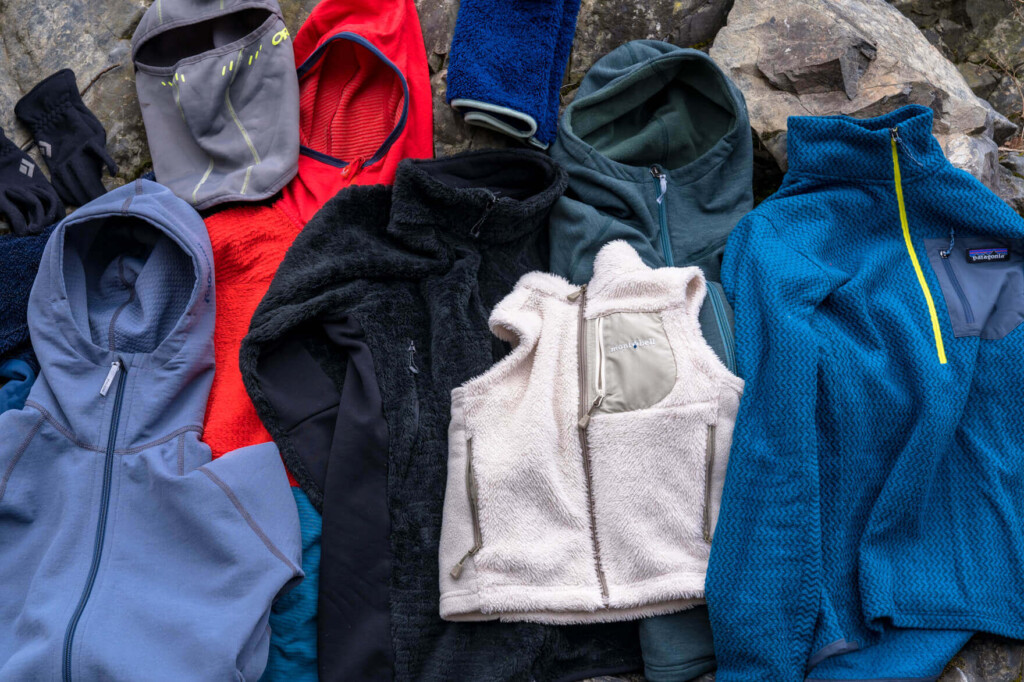
From jackets, pullovers, pants, gloves, beanies, blankets, and even pet wear, fleece is probably one of the most well-known and beloved outdoor products

Until recently, fleece was the only choice for cold weather clothing in the mountains. However, the situation has changed dramatically in recent years with the advent of so-called "active insulation." In this day and age, it seems that even those who are knowledgeable about mountain gear are finding it difficult to consider fleece as a cold weather clothing option

However, it would be a shame to dismiss fleece as obsolete. Fleece's overall well-balanced performance as cold-weather clothing for mountain climbing is still intact and not a lost cause. Furthermore, it's also true that fleece itself has been strengthened, improved, and diversified in many ways, not just in terms of functionality and design, thanks to technological innovation over the past half century. The requirements for fleece made by specialized outdoor brands and fleece sold at Nikro are completely different, and it's safe to say that the resulting products are completely different

In other words, even though we simply say "fleece," there is a much deeper world within it than you might imagine, and despite its true potential, fleece today is often underestimated as something that has a certain atmosphere

So this time, we thoroughly checked out around 127 fleece jackets (excluding versions with or without hoods, etc.) on sale in Japan for the 2025-26 season, and checked out those that cannot actually be used in the field in stores, and have picked out the best high-performance, high-quality fleece models that will still be useful outdoors, categorized by use and purpose

In the second half, we'll take a fresh look at the different types of evolved fleece available and the criteria you should use to choose one. We hope this will be helpful for those who are thinking about buying winter clothing for the outdoors, or for those who are overwhelmed by the sheer number of fleece-like products and don't know what to choose

Please note that we are only introducing one or two recommended models in each category here, but you can view a comparison list of all the best candidates, including other recommendations, by becoming a member

Outdoor Gearzine's content is made possible by your support. If you're interested, please consider becoming a member!

[By Use/Preference] Vests and Fleece Jackets

Best Overall Mountain Fleece: Patagonia R1 Air Full-Zip Hoody

First up is the overall best category, which is the pinnacle of all fleeces, and which fleece would you most like to wear if you were to wear fleece this season? I've mentioned this elsewhere recently, so it's not new, but I'll mention it again

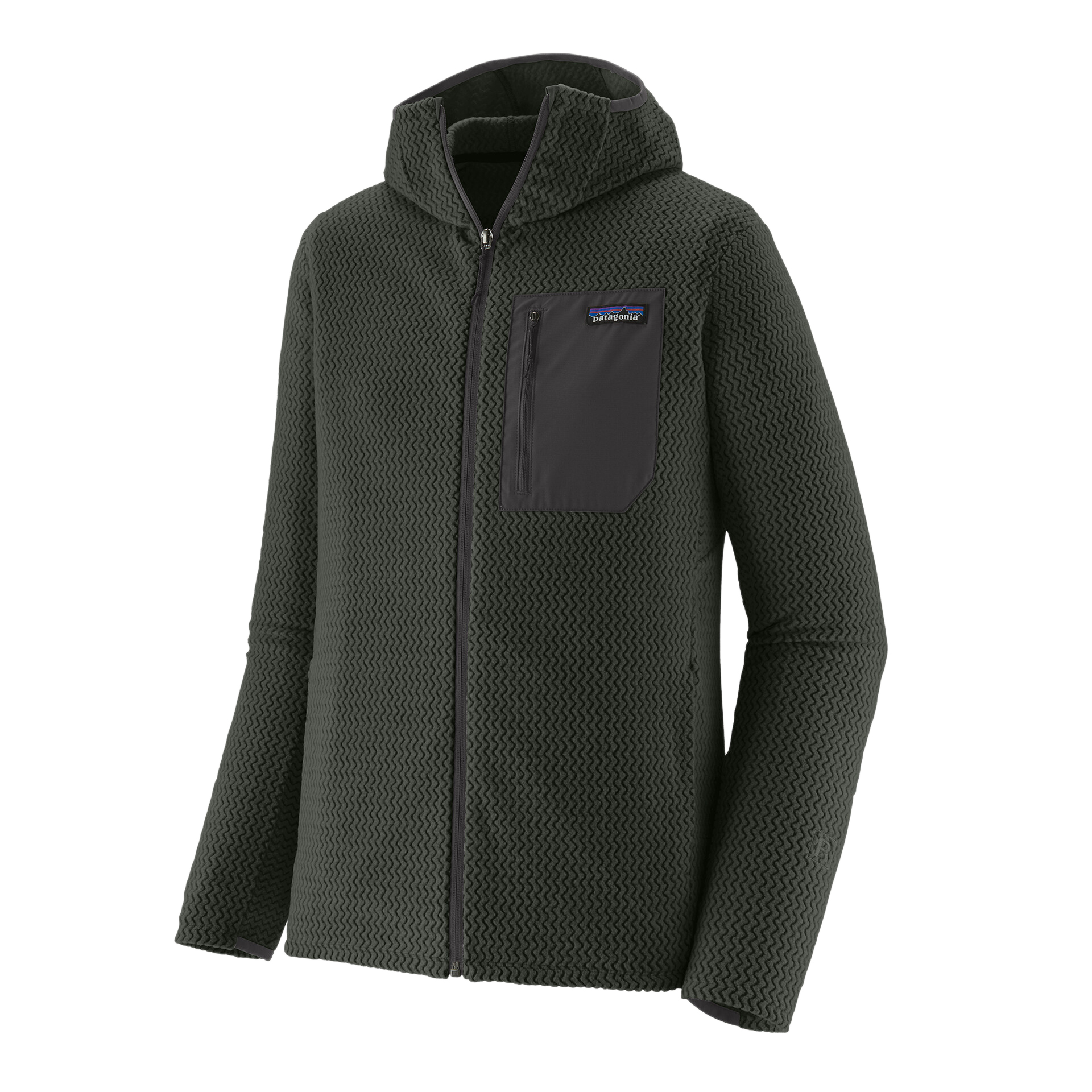
Patagonia, the pioneer of fleece, is currently recommending the latest fleece, the R1 Air Full-Zip Hoodie .

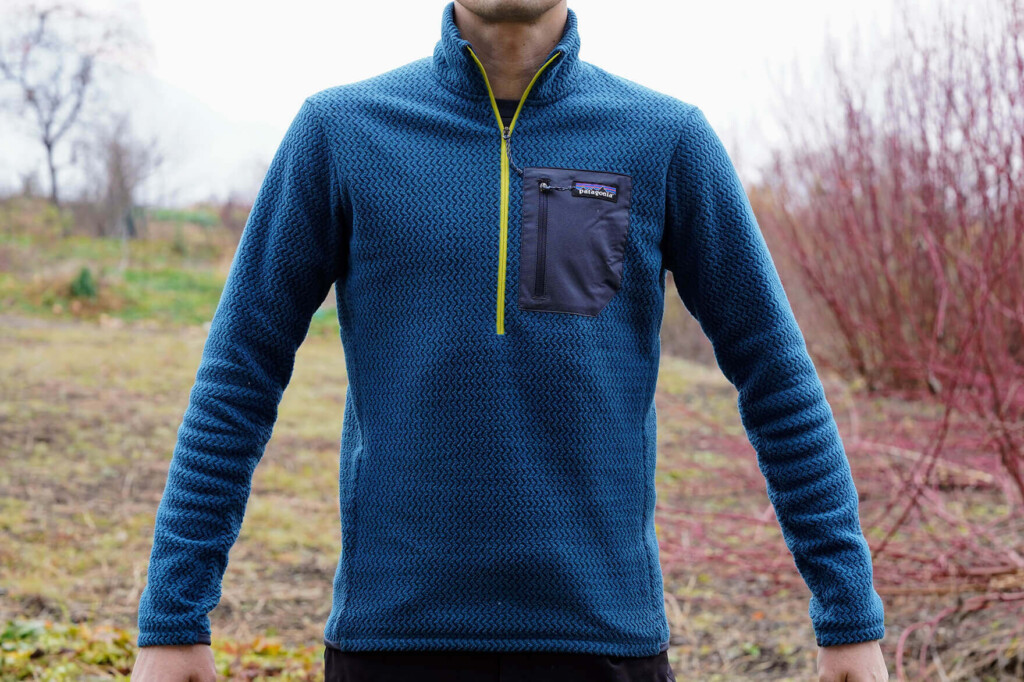
The appeal of this jacket can be summed up in one word: it combines the "good balance and comfort of traditional fleece" with the "high breathability and warmth of active insulation." The unique construction of the jacquard fleece, made from lightweight, highly insulating hollow fibers, combines lightness with warmth and breathability/quick drying at a high level. Because it's not too thin, it can be worn over a base layer for fall and winter trail running, ski touring, climbing approaches, and fast-paced hikes in cold weather. The jacket version without the hood has a slightly looser silhouette, making it perfect for both outdoor and everyday wear

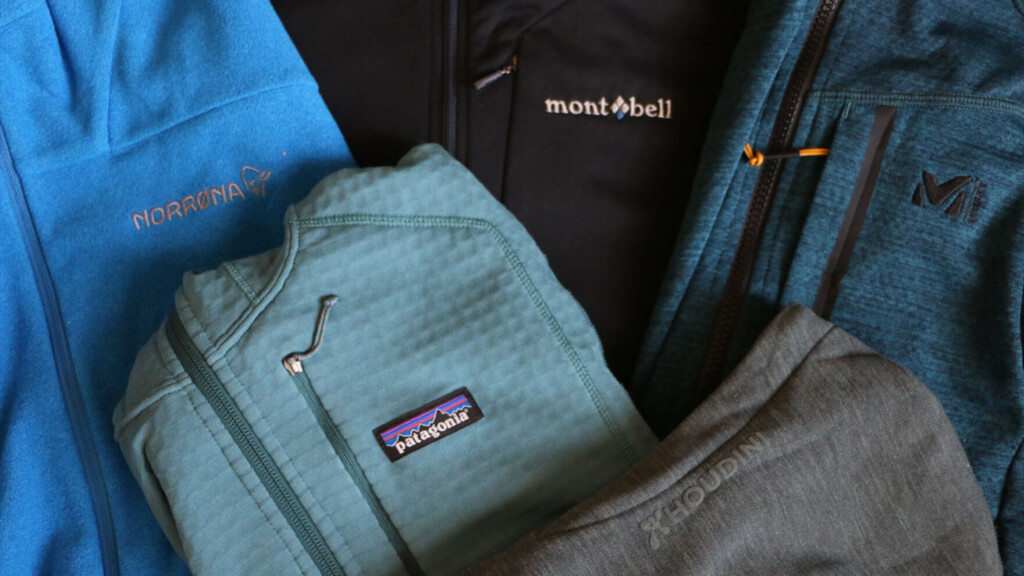
The NORRONA falketind Power Grid Hood and other Polartec® Power Grid-equipped models are specialized for mountain use

On the other hand, while they do not necessarily emphasize modern functionality such as "high breathability and light weight" like the R1 Air, various lightweight fleece jackets that use "Polartec® Power Grid" as their fabric are models that can be said to be "synonymous with modern outdoor fleece," as they have evolved while maintaining the sufficient versatility and balance of traditional mountain fleece and have high levels of heat retention, breathability, quick-drying, and stretchability

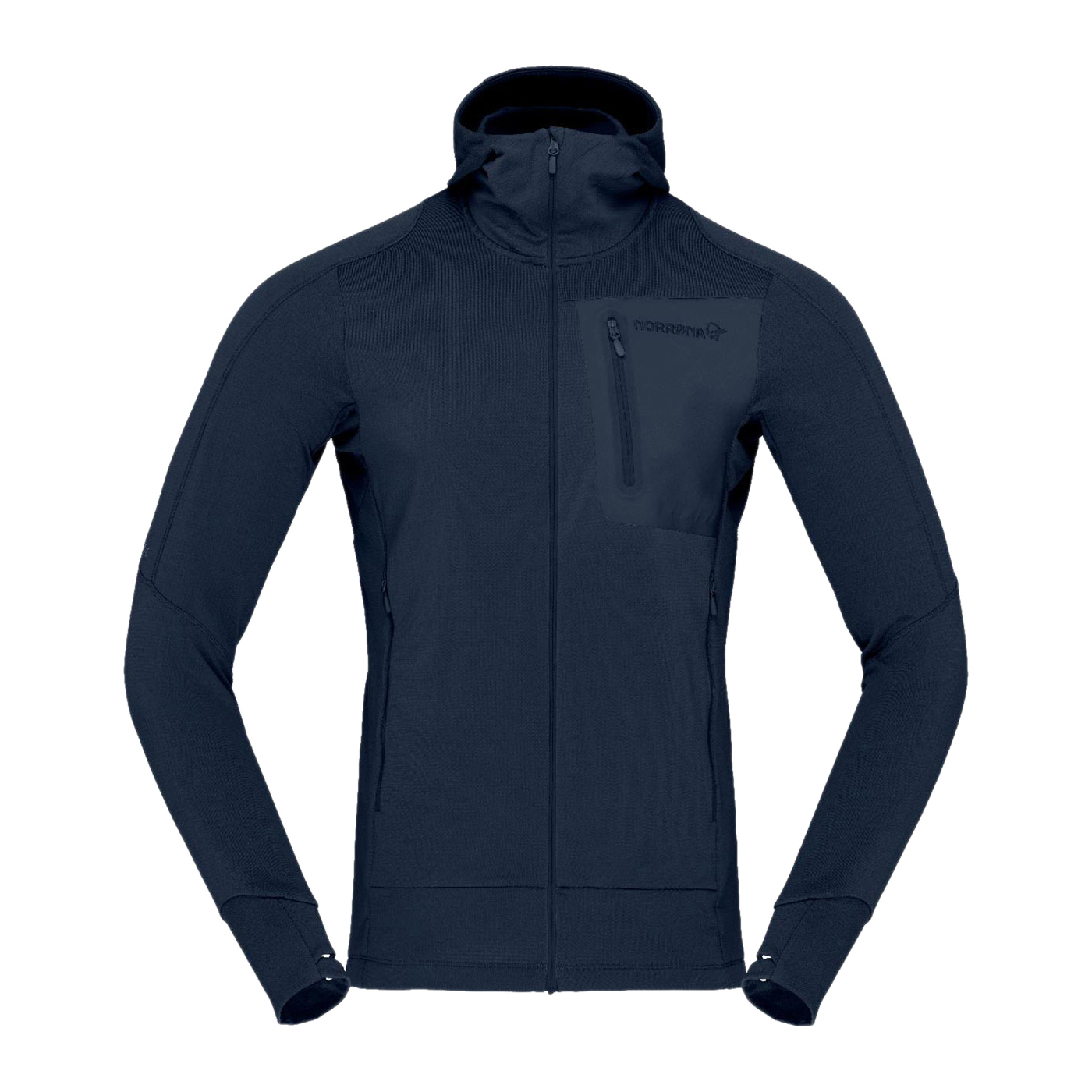
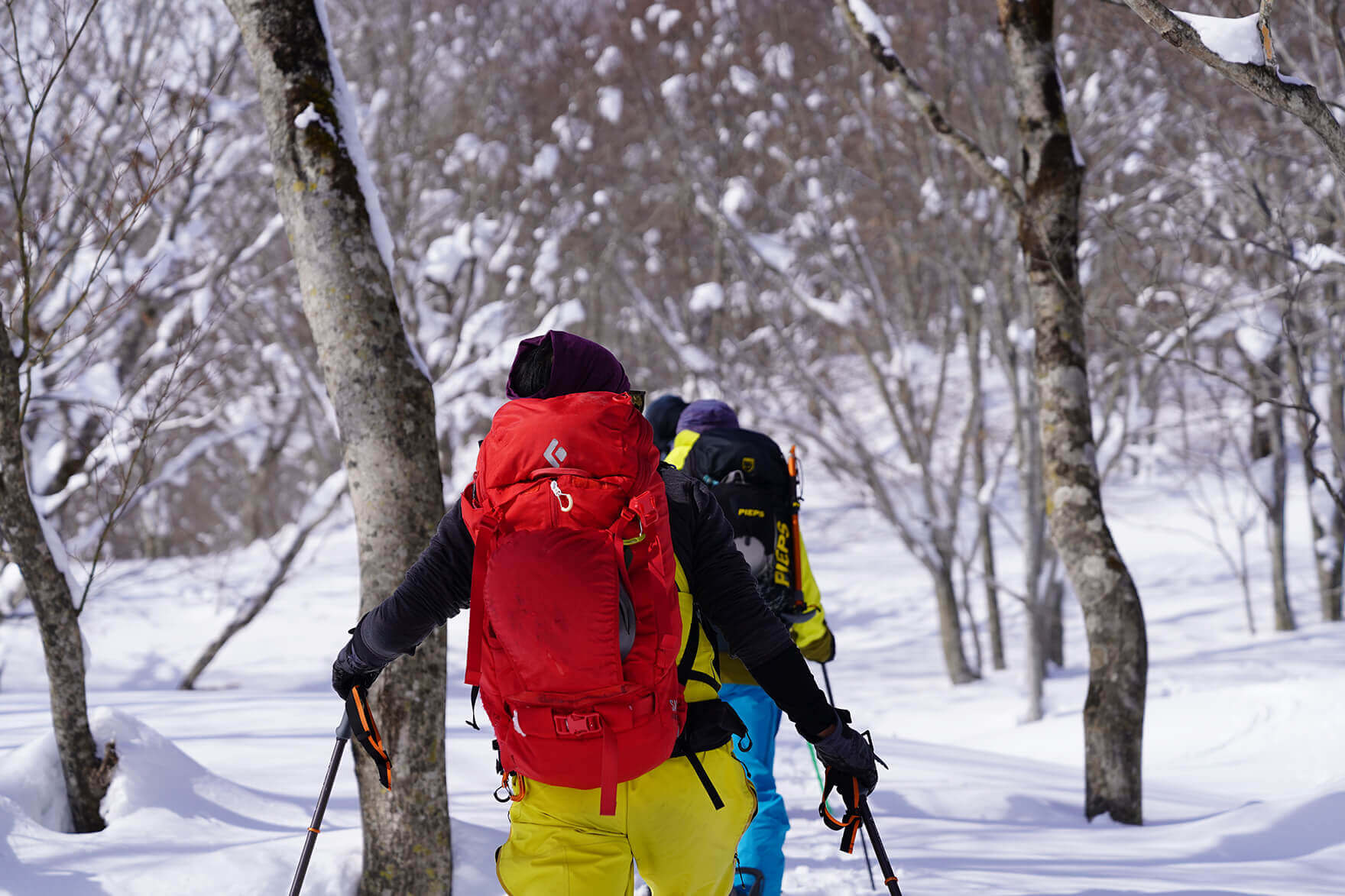
Take the NORRONA falketind Power Grid Hood for example . The excellent fit and ease of movement provided by Polartec® Power Grid™ make it ideal for mountain wear that requires maximum performance without unnecessary bulk. Despite its lightweight construction, it features a balaclava hood, full zip, thumbholes, left and right pockets, and a chest pocket, making it suitable for a wide range of situations, from an outer layer in early autumn to a mid-layer in the harsh winter.

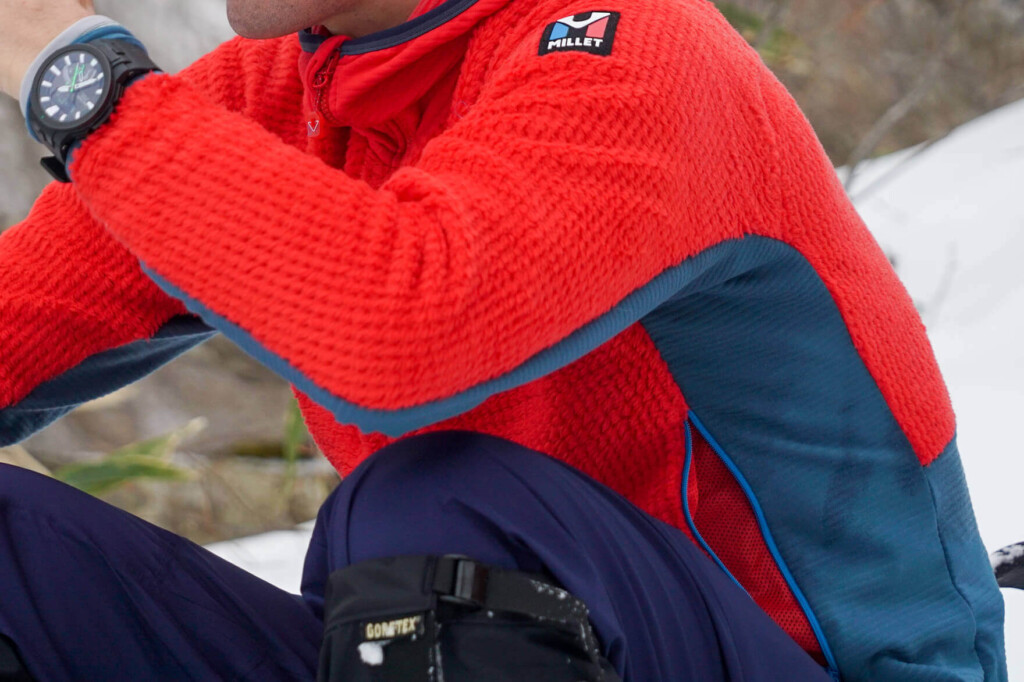
In addition, the Millet Fusion Grid Hoodie is slightly thick and can be used as a reliable mid-layer in winter. It has a rare and convenient double zipper on the front. However, it lacks thumb holes and a chest pocket. The Patagonia R1 Jacket has an excellent thickness and components, but it lacks a hood. The Mountain Hardwear Polartec Power Grid FZ Hoodie is thicker and more suitable for winter, but it is slightly heavier. In any case, it is a slim model, so it is best to try it on in the store to make sure the size fits you.

created by Rinker
NORRONA
¥22,330 (As of 2026/01/30 10:54:15, according to Amazon - details)

Best/Highly breathable, quick-drying fleece jacket: Houdini Pace Flow Hoody

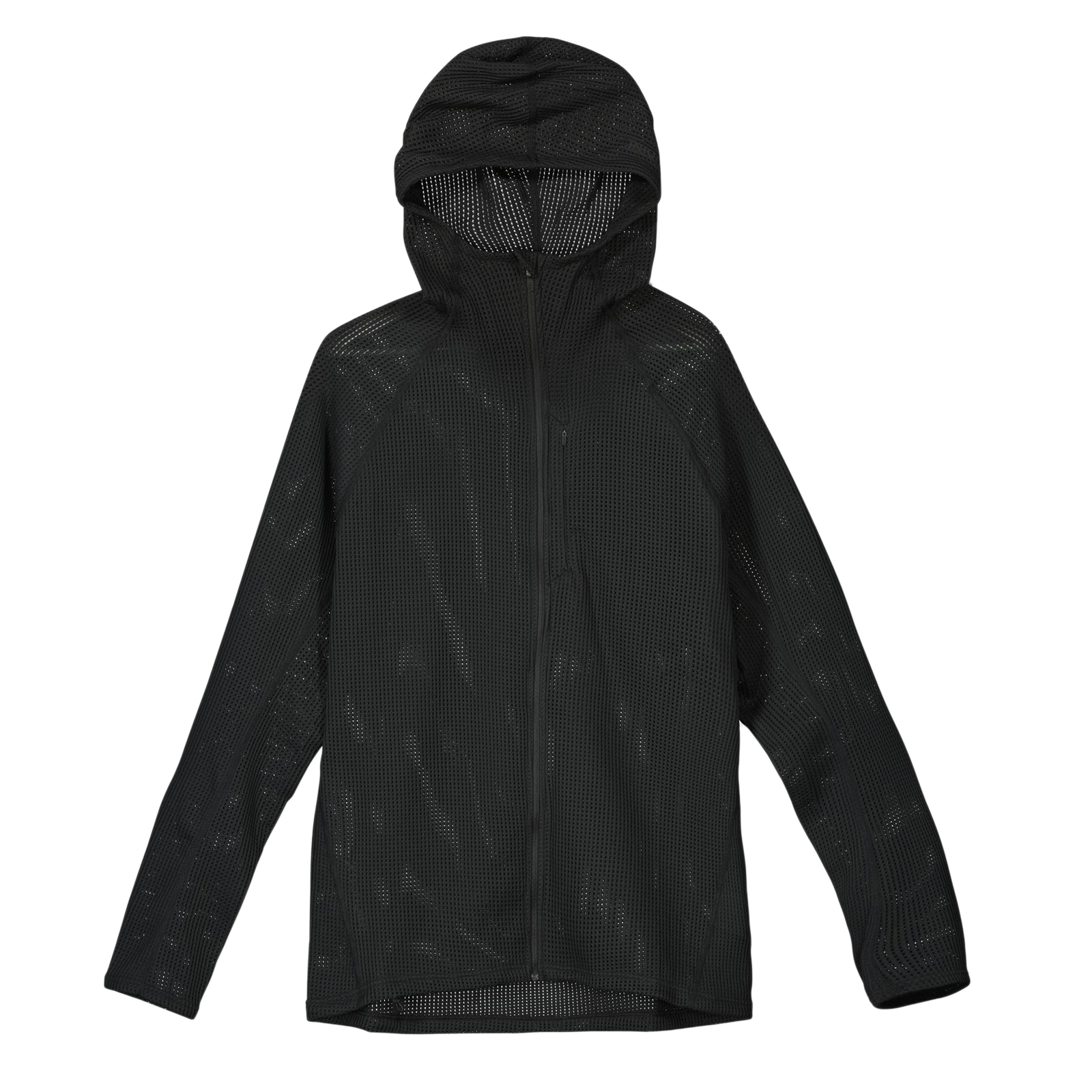
While it's unclear whether this can truly be called fleece, it is based on Polartec® Power Dry®, originally used in fleeces (or base layers). The " Houdini Pace Flow Hoody " is a mid-layer made from Polartec® Power Dry® Mesh, a highly functional mesh construction. The large mesh allows for powerful airflow within the garment, expelling excess heat and moisture. When worn under a shell, it creates a warm, insulating layer, providing excellent insulation. This makes it one of the most breathable fleeces available. When worn, it feels like the "sweat-wicking properties of a base layer and the insulating properties of a mid-layer" have been combined to dramatically increase breathability. In terms of breathability, it's used much like active insulation, so unlike the general fleeces we've discussed here, its use is more selective. However, its environmental friendliness and sophisticated design make it a highly useful jacket depending on how you use it.

created by Rinker
HOUDINI
¥28,710 (2026/01/30 10:54:16 Amazon survey - details)

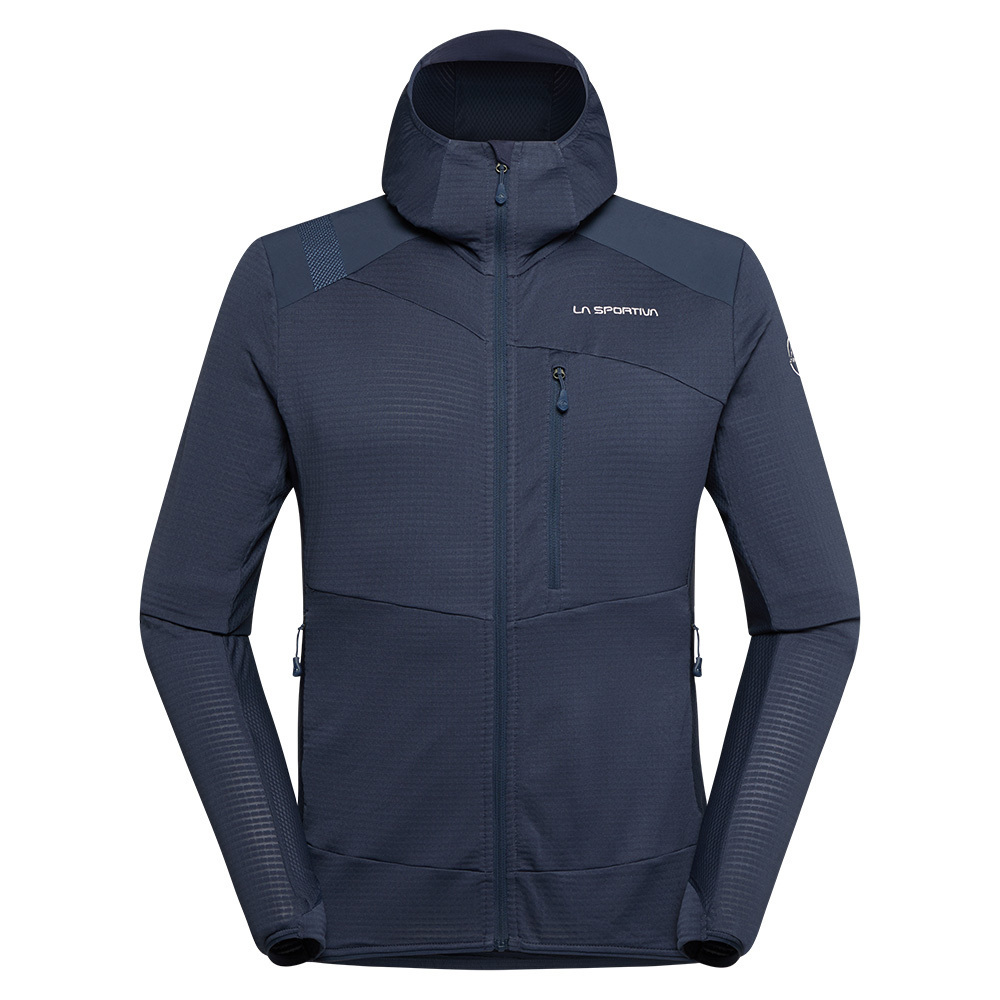
Best Fleece Jacket for Alpine Activities: LA SPORTIVA Lucendro Thermal Hoody / Aequilibrium Thermal Hoody
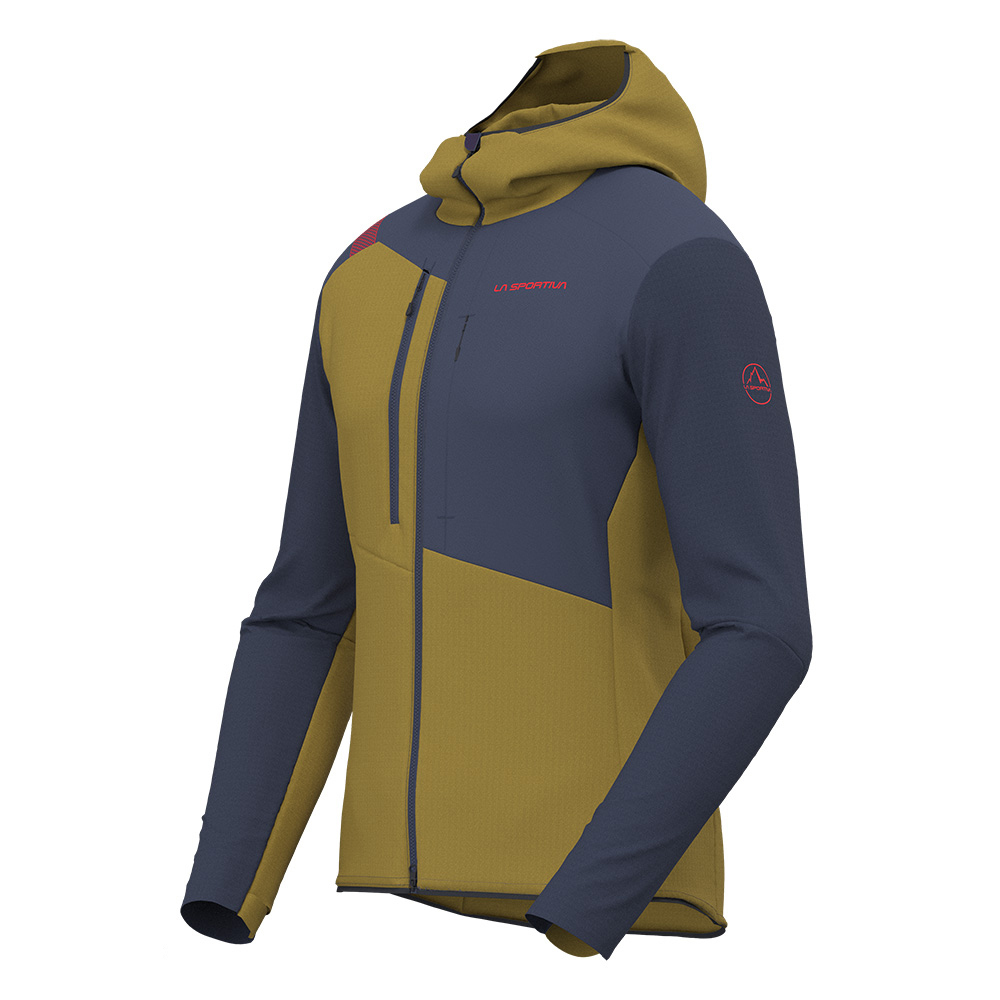
This fleece is ideal for climbing, high altitude areas, and rocky ridges with few obstructions, when considering performance during hard activities that require the full use of climbing equipment. It is basically the same as the overall vest above, but with this you also need to take into account high athletic performance, durability against rubbing and friction, and compatibility with harnesses, etc

For the best, I'd like to recommend the LA SPORTIVA Lucendro Thermal Hoody . First, when I put it on, I was relieved by the precise three-dimensional cut, and the main material is slightly thick Polartec® Power Grid, which ensures stretch and breathability and quick drying, and the nylon reinforcement around the shoulders makes it perfect, and it also has two chest pockets, thumb holes, a longer back length, and other details that are convenient for vertical situations.

Aequilibrium Thermal Hoody is from the same brand and has a similar concept, is also hard to throw away. This is an excellent thermal for spring and summer, as it is ultra-thin and lightweight yet well-thought-out in terms of durability.

However, considering the cold autumn and winter months like this, the Lucendro Thermal Hoody is the best choice. It may not be available in many stores, but if you can find it, be sure to check it out.

created by Rinker
¥28,600 (as of 2026/01/30 10:55:17, according to Rakuten Market - Details)
created by Rinker
¥26,400 (as of 2026/01/30 10:55:17, according to Rakuten Market - Details)

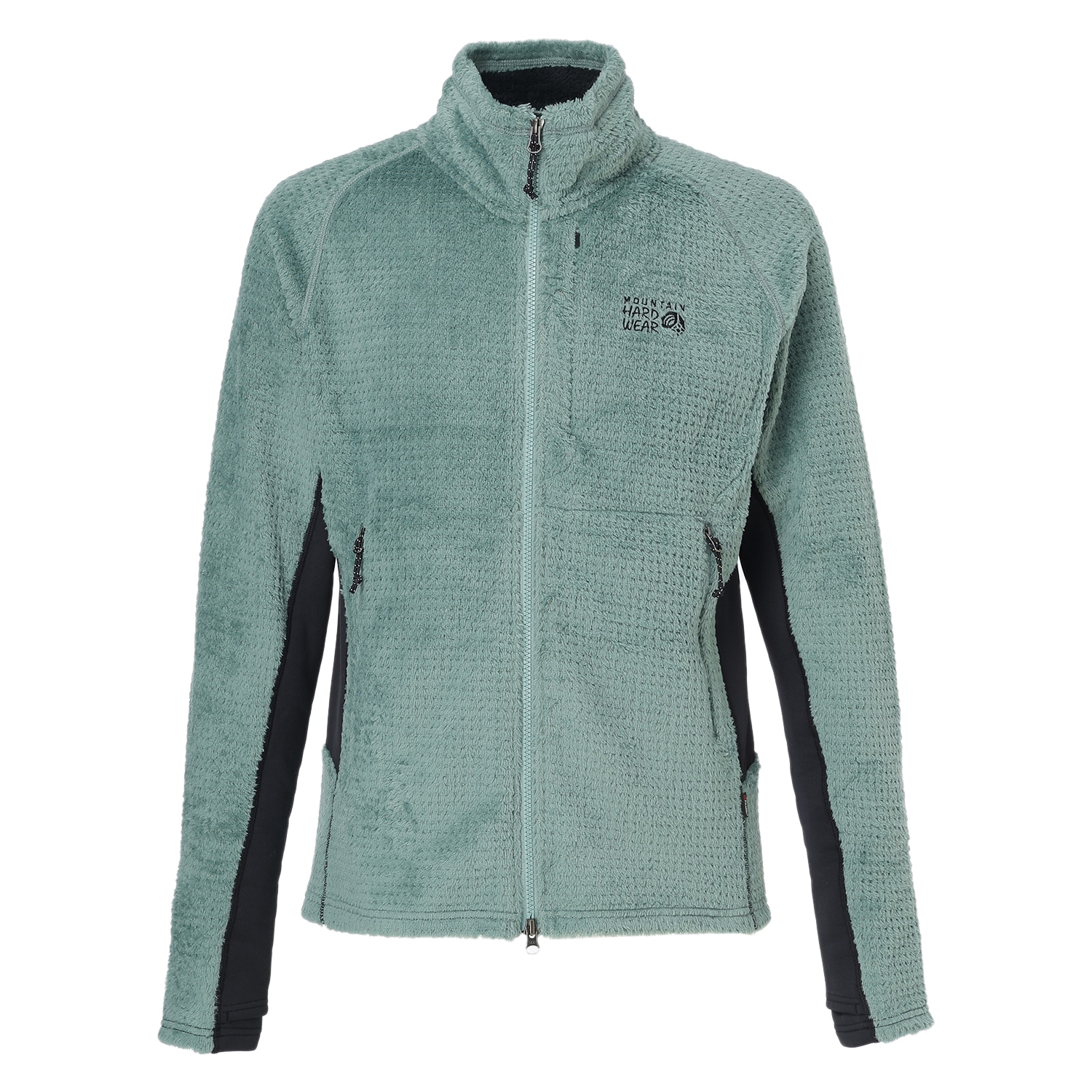
Best Warm & Comfortable Fleece Jacket: Mountain Hardwear Polartec Hi-Loft Grid Jacket

While offering the basic functionality of fleece, fleece is ideal for relaxing in a tent. This type of fleece is particularly lightweight, warm, and focused on a smooth feel and comfort. These fleeces feature a "high-loft" pile, a thick, brushed fabric with a long, voluminous pile. One of the most outstanding models is the Mountain Hardwear Polartec High Loft Grid Jacket . The long pile of Polartec® High Loft™ provides incredible warmth and a smooth feel that makes it a true blanket. What's even more impressive about this model is that it combines high loft with a grid construction for excellent breathability. This results in a surprisingly lightweight jacket with good airflow for its apparent volume. Stretch fleece around the armpits ensures freedom of movement and is suitable for active wear, even during long periods of activity. Its versatility is another appealing feature of this model.

created by Rinker
¥27,500 (as of 2026/01/30 10:56:22, according to Rakuten Market - Details)

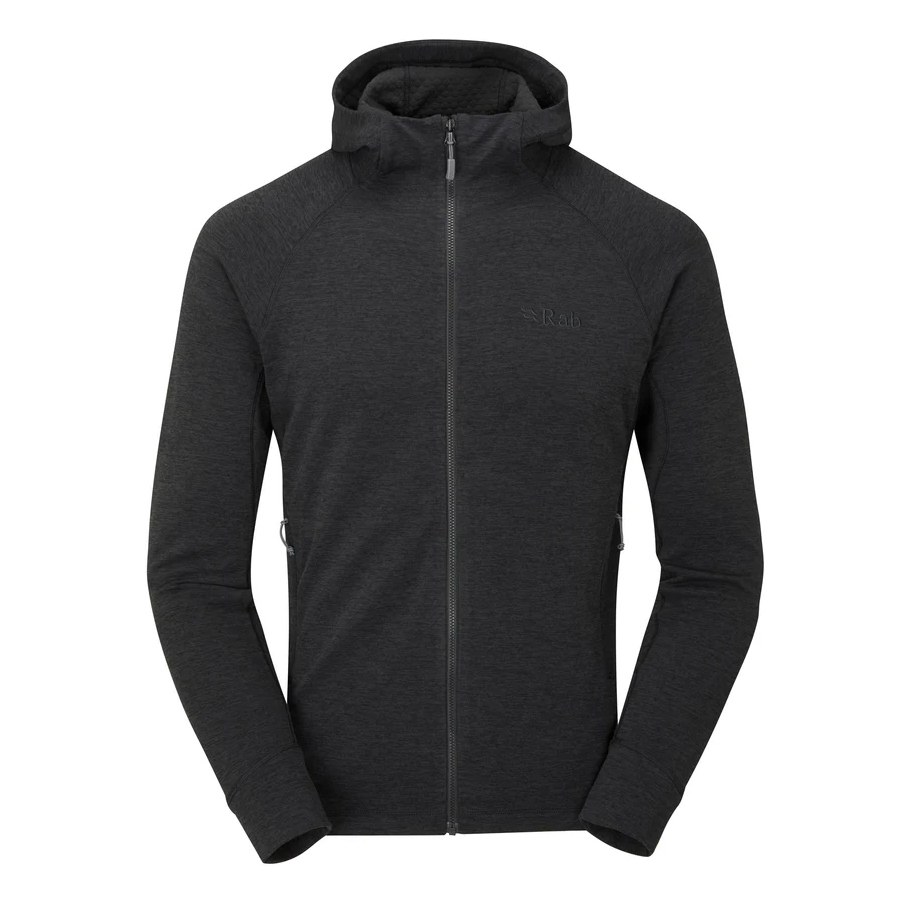
Best cost-effective fleece jacket: Rab Nexus Hoody / Mont-bell Trail Action Parka

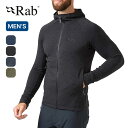
With fleece becoming so popular, it's true that there are plenty of affordable options available. Here, we're not simply looking for low-cost models, but rather for truly exceptional value, offering performance at a price that will have you wondering, "This performance at this price?" The top choice is the Rab Nexus Hoody . Rab's signature, consistently excellent three-dimensional cut provides a comfortable fit and ease of movement, a level of quality you wouldn't expect for the price. The unique Thermic™ material, with just the right thickness, offers excellent stretch, and the textured back ensures breathability, making it a highly functional piece for all-season activewear. The design is also outstanding, and if you can get it at this price, you'll definitely want one.

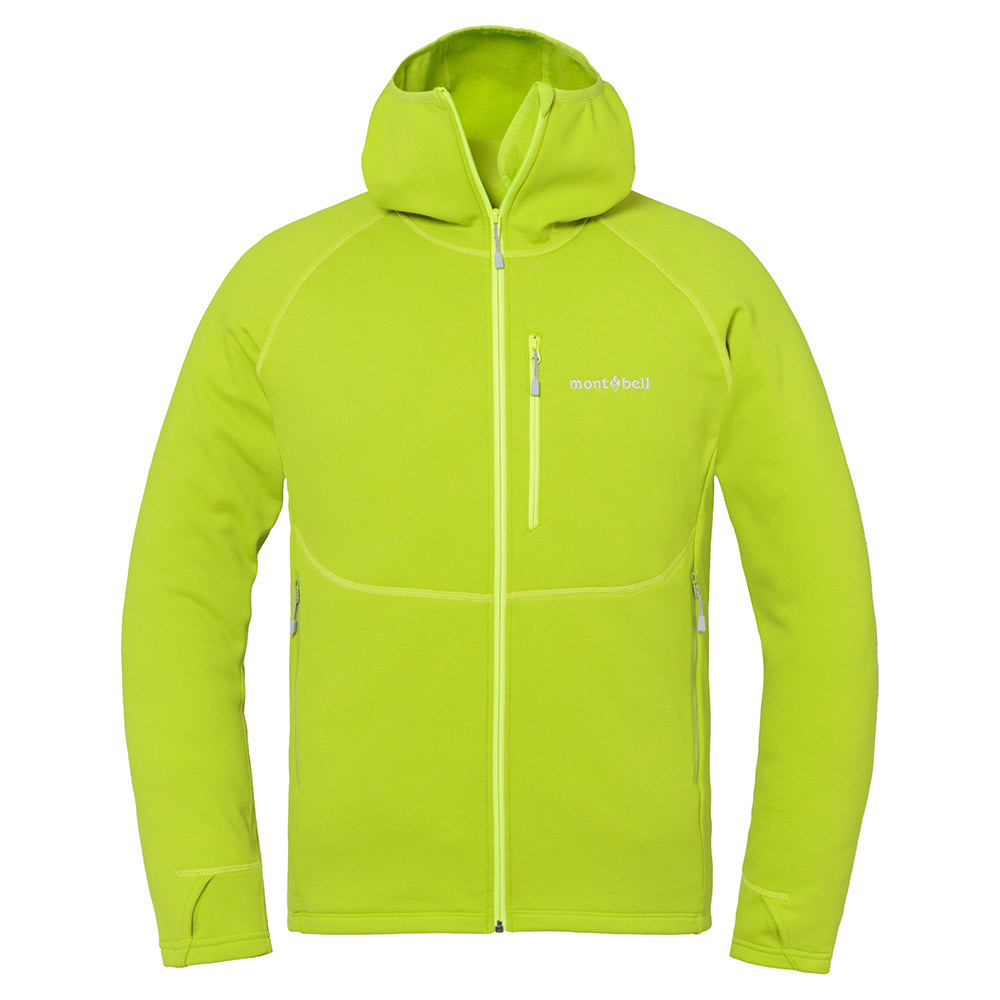
If you're only looking for functionality, you can't go wrong with the Mont-Bell Trail Action Parka

However, if you look at functionality and price alone, honestly, no one can beat Montbell. Montbell fleece is honestly very high quality, but because the price is always set at a level that doesn't match the quality, it tends to go unnoticed. However, Montbell fleece is truly impressive in both quality and variety. If your style matches, you won't find a better bargain

Vest/Outdoor Fleece Jacket that Can Also Be Used as an Outerwear: Patagonia R1 Tech Face Hoody

Finally, we have the best fleece model that has added functionality that makes it convenient to wear as an outer layer. The advantage of this type of outer layer fleece is that it provides comfortable warmth and ease of movement that windshells and softshells don't, while also providing moderate protection from wind and rain. It is easier to move around in and more comfortable to wear than active insulation with a shell

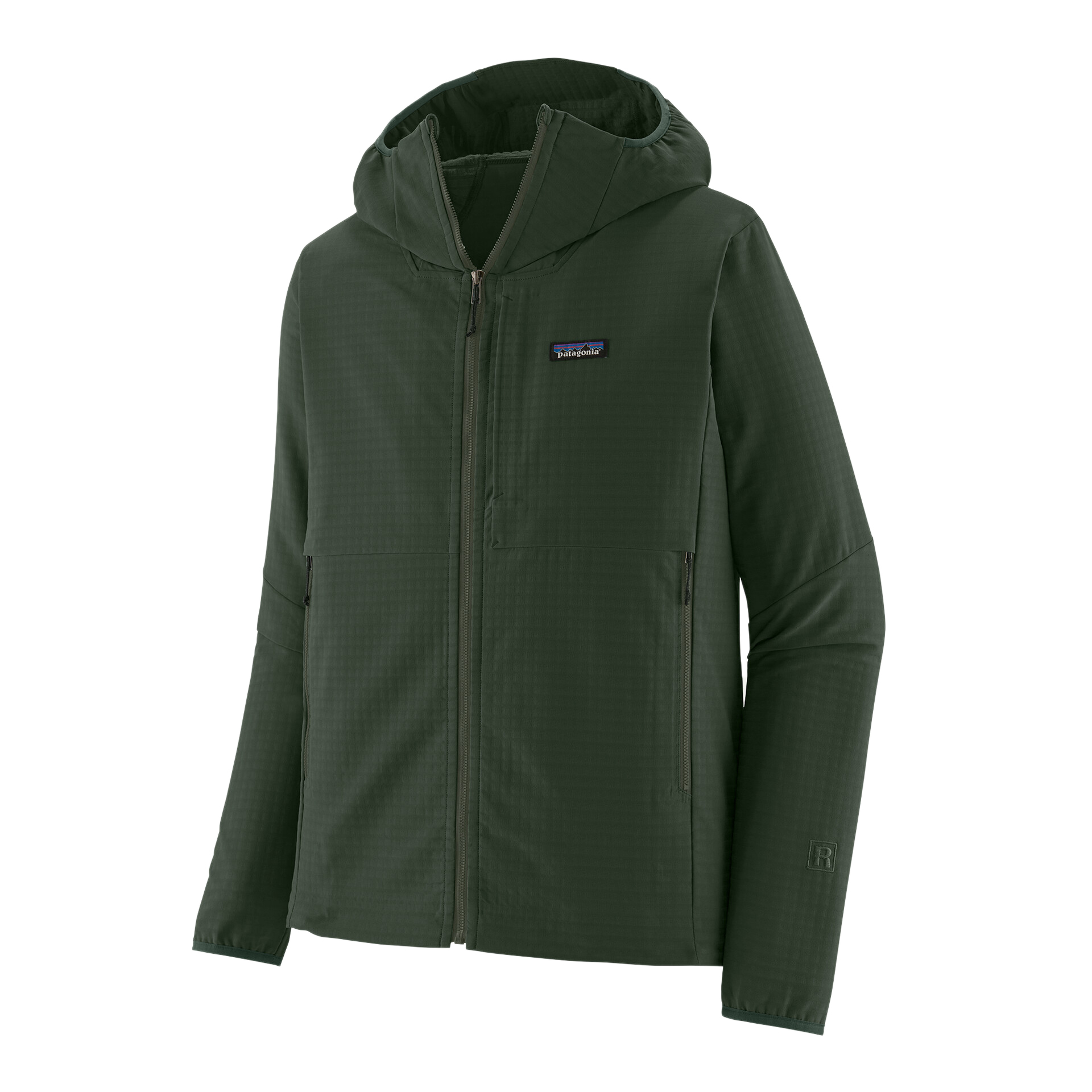
I was equally impressed with all the best candidates in this category, but ultimately I settled on the pioneer of this genre, the Patagonia R1 Techface Hoody . The deciding factor was its balance. The durable water-repellent (DWR) treated hard face outer fabric repels light rain, snow, and wind, and is extremely tough, resisting pilling even when wading through bushwhacking or coming into contact with rocky surfaces. The lining also has a textured grid structure for excellent breathability. While the other candidates offer a fair amount of warmth, I personally prefer this jacket for its understated warmth that doesn't make you feel unnecessarily hot (there's also the R2 Techface Hoody ).

How to choose: What is fleece and when, where and how to wear it?

The birth of fleece

Until the 1970s, wool sweaters were the main focus of mountain winter clothing. However, as you know, while wool has sufficient heat retention, it gets heavy and hard to dry out when wet, it tingles, it is difficult to maintain, and it also requires the need to source the ingredients from animals, so this was not a satisfactory condition.

To solve this problem, legendary climber and founder of Patagonia, Yvon Chouinard searches for a new material to replace wool, and finally arrives in a pile sweater made of synthetic fiber (polyester). Scintila Snap T was released after several evolutions, which is still in the lineup with almost the same design .

*The famous birth story in this area is detailed in a column published by Patagonia. If you are interested, please refer to this as well

Features of fleece (benefits and weaknesses)

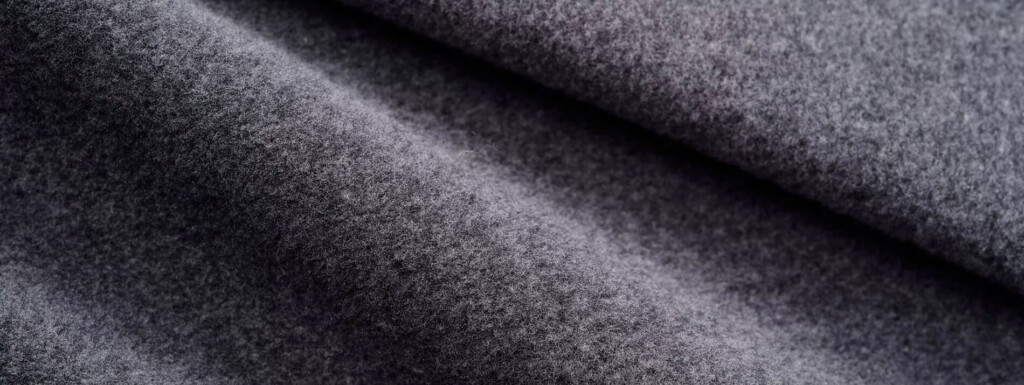
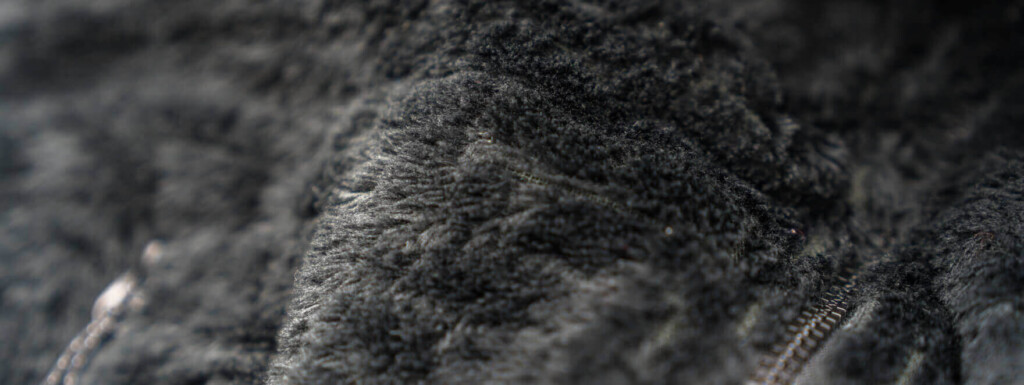
Fleece is generally made from polyester (chemical fibers) fabrics that have been brushed to ensure a loft. These are significantly lighter than cotton and wool, yet have the same level of warmth as wool, breathable and moisture-passing, do not lose heat even when wet, and the fibers themselves do not contain water, so they dry quickly, and are durable and easy to wash in the washing machine , making them the ideal outdoor insulation material for the time. Additionally, fleece has a comfortable feel that is less likely to itch and allows you to create as many colors and patterns as you can imagine, making it an excellent everyday wear, and even in the field you can feel comfortable as if you were relaxing on a sofa.

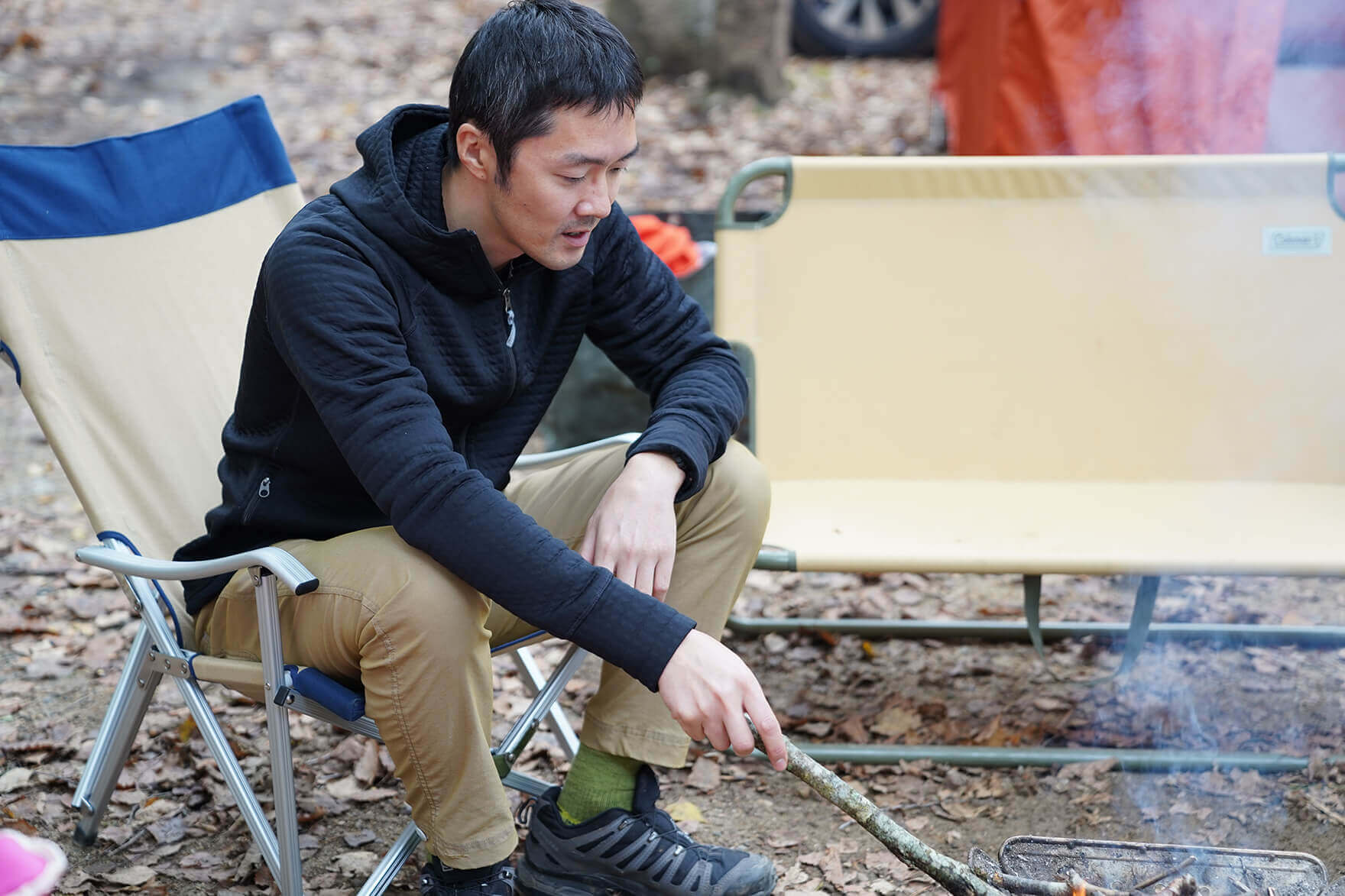
On the other hand, such fleece also has its weaknesses. For example, when comparing with the same heat retention, is heavier and bulkier than down . Other it is not generally windproof . Also, although it is highly breathable, thick fabrics can easily get stuffy when exercising. Another drawback is that pilling is likely to occur when washed, and odors easily caused by sebum stains It is also prone to static electricity, attracting lint, pet hair, dust , It is also not easy to overlook the fact that it is sensitive to fire and can easily be burned if worn by a bonfire

Although it's not as good as it used to be, repeated washing makes it easier for pilling to form, and lint and dust that cling to the ends of the hair can be difficult to remove.

For reference, we will summarize the comparisons with winter clothing made from other materials by their characteristics. Of course, performance can increase or decrease depending on the individual product's individuality, the thickness of the fabric, and the quality and quantity of the filling, so please consider it as a guide only.

kinds Wool sweater Fleecewear Down insulation Synthetic fiber insulation (emphasis on heat retention) Active insulation (synthetic fiber insulation for behavioral wear)
Insulation per weight
Compact ×
Breathable and quick-drying ×
Strength against wetting ×
Comfortable to wear
Ease of movement
Windproof
Easily care

In the end, what fleece is clever and how to wear it?

Up until this point, we have discovered that fleece is generally a versatile player who is warm and comfortable to wear, is easy to move around, is resistant to wet, and is extremely easy to maintain, but the more heat retention the more likely it is to become bulky and weak to the wind. However, on the other hand, once you clear this, you will still be able to wear a comfortable, balanced outfit. That is, if you wear fleece,

How to use and wear it so that it ignores weaknesses such as "bulky and weak to the wind" such as "bulky" or "will"

If you can do this, you can wear the strongest and most comfortable winter clothing without worrying about the weaknesses of fleece. So, as the outline of the perfect fleece for mountaineering enthusiasts is gradually starting to emerge, we will finally summarize the clever ways to choose the fleece we recommend on this site.

How to choose: 5 points to check to choose the best fleece

Point 1: Thermal insulation (thickness of fleece fabric)

Since fleece is a warm-weather clothing, the most important thing is to choose the heat retention performance that suits your purpose.

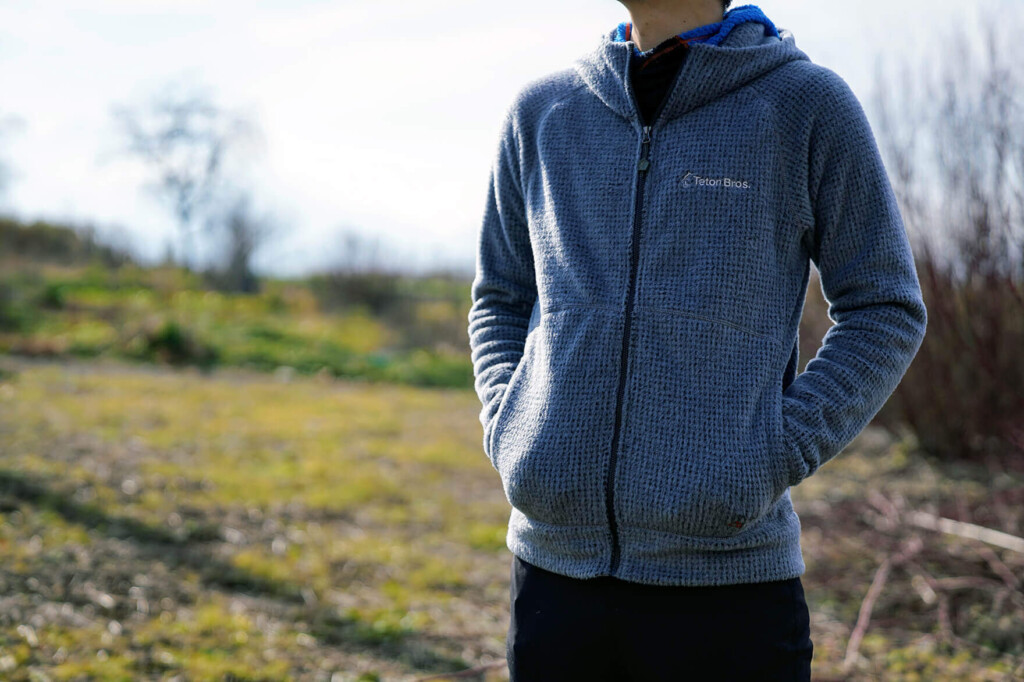
Taking Polartec's outdoor fleece products, which are probably the most people wear, the thickness (weight) of the fleece is basically divided into three or four stages, depending on the weight per unit. First, choose your product by being aware of the difference between these four levels of weights: micro (or lightweight, midweight, and heavy weight.

1. Micro (or) Lightweight (below 200 g/m2)

Image: polartec.com

To put it simply, it is the most convenient volume for fleece used in the mountains at the moment. If you are thinking of fleece for use in the mountains, you should first consider the thickness of this area.

As the name suggests, lightweight is a thin fleece. Of course, it is light because it is thin, so it is sure to be easy to use when climbing. It also has excellent breathability, does not warm the body too much and does not interfere with movement. However, of course, the heat retention is not that high.

Among the lightweights, the type called "micro fleece" is often a high-quality model that uses particularly thin, soft threads. It is lightweight yet has high insulation, and is easy to move around with, and the smooth texture of the surface makes it addictive.

Lightweight fleece is an outdoor activity that involves moving and stopping repeatedly, and is "just right" to make your skin surfaces easier to keep while exercising, without being overly warm or too cold. Some manufacturers call this lineup "regulator (adjust, adjust, adjust, adjust) fleece." Combined with the basic balance, I think there are many models that are extremely easy to use all year round.

The basic way to wear it is to wear it as a rain jacket or as an intermediate piece under an outerwear. The chilly weather from early spring to early winter is useful for a wide range of activities, including hiking, fast packing, running, and cycling.

2. Midweight (200-300 g/m2)

Image: polartec.com

As the name suggests, this is also medium-thick fleece. Compared to lightweight, it has a higher heat retention, so it can be worn not only as an intermediate item but also as an outerwear, so in a sense it is a highly versatile item.

However, in your own experience, "medium-thick" fleece can be insufficient as a winter wear while you are on the go, or as a winter wear on a tent site, so be careful. If there is too much volume, you will feel too hot when you go, and if there is not enough volume, you will be scared that it will be a cold night.

Due to this difficulty, I rarely choose a fleece jacket with this volume unless I personally am particularly particular about it and are confident. It's perfect to wear it as a middle-wear, especially during the cold season, or carry it as a winter clothing for a gentle hike in early spring or autumn/winter, or wear it in the city.

NORRONA norrona Warm2 Jacket Men's 5227-20

3. Heavyweight (300 g/m2 or more)

Image: polartec.com

The thickest, bulky, voluminous fleece is heavyweight. Naturally, it has the best heat retention, and is also comfortable to wear and has a decent windproof finish. Conversely, moisture inside the clothing is less likely to escape, but in this case it is difficult to imagine as an intermediate piece, and is generally assumed to be worn as an outerwear. Of course, the weight and portability are also incredible.

Such heavy weights are perfect for those who relax all day long in winter mountain huts or base camps, or for those looking for an outerwear that can be worn comfortably in the city, but if you are using them on hiking where there is movement and portability, I think it's safe to say that they're not necessary.

Point 2: Additional functions (do they enhance their strengths and cover weaknesses)

There are now many variations of fleece, and most of the time they are processed to suit your needs, such as what to make from the fabric and the type of activity.

Malden Mills, who developed fleece, decided not to patent this fleece fabric at the time, and fleece quickly became popular, and even to this day, fleece continued to continue on the path of evolution and diversification.

For example, to develop advantages such as making them more comfortable and warm. Or, it has evolved to make up for weaknesses by aiming to create more perfect, easy-to-use winter clothing. In that sense, I have mentioned the basic advantages and disadvantages of fleece up until now, but in reality, over the past 50 years, many models have emerged that overcome many of the problems faced by early fleece.

In other words, the key to choosing the best fleece for us right now is to take into account the basic fleece features and choose a model that incorporates cutting-edge features that suit your purpose. So, from here on, we'll look at some of the important additional features that have been introduced in outdoor fleece up until recently.

1. More breathable fleece

In these days, short and high-load outdoor activities such as trail running and fast packing are popular, and "higher breathability (quick drying)" is required no matter what kind of clothing you wear. The latest trend in cutting-edge fleece is how you can stay dry even while sweating a lot.

Image: polartec.com

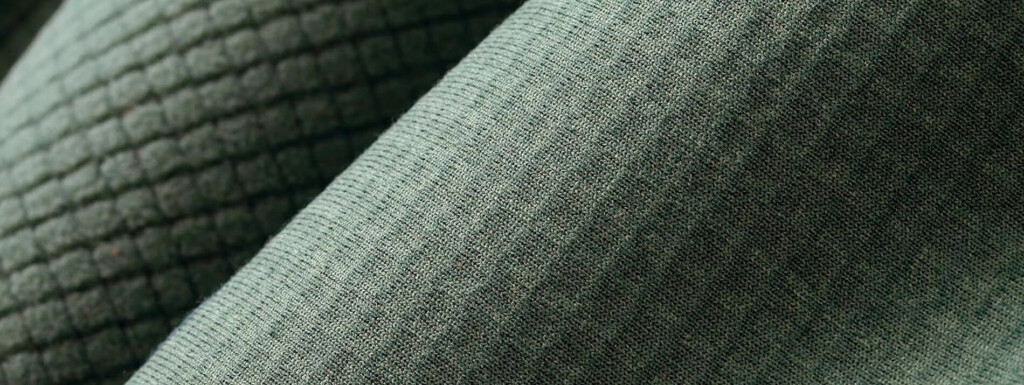
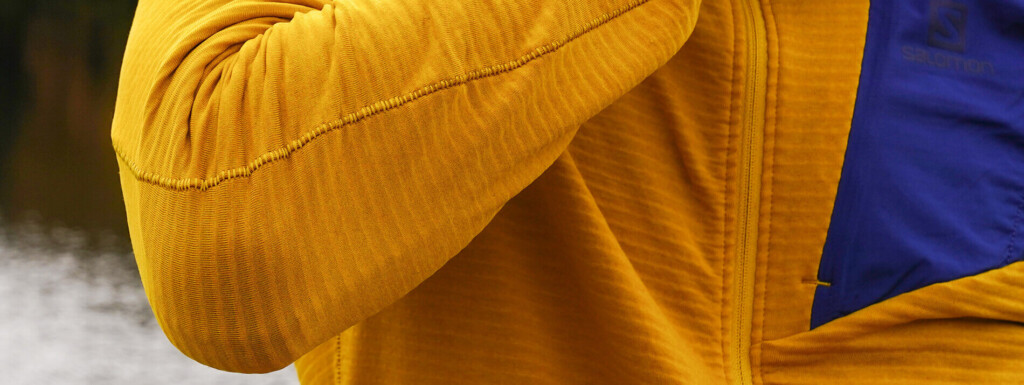
A typical example of achieving this excellent breathability grid fleece , and although it has reasonably heat retention, it is lightweight and compact, with fine grid-like (or border) grooves stretched across the lining to create air passages, making it a fleece material that is both thin and light and breathable.

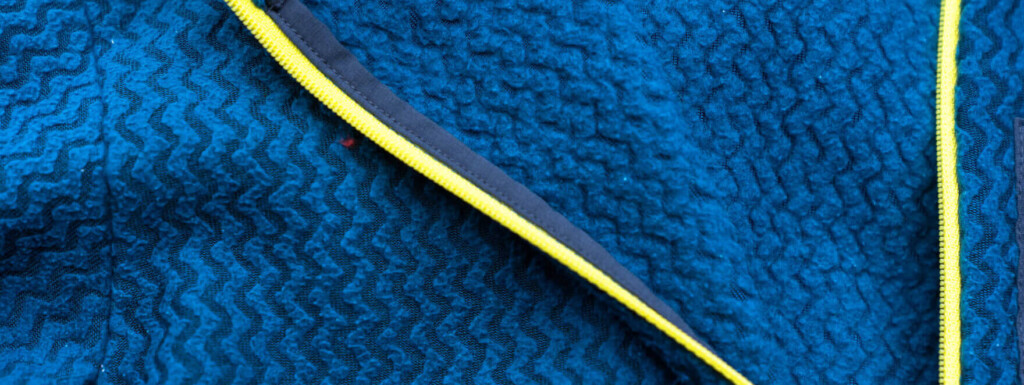
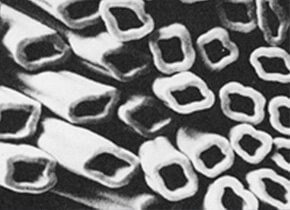
the Patagonia R1 Air has improved lightness, breathability and quick-drying properties thanks to its unique hollow fiber and wavy uneven structure without compromising heat retention .

2. Lighter and warmer fleece

Since fleece is a winter wear, the pursuit of heat retention is the ultimate proposition. Warmer fleece jackets are generally made of thicker fabrics or fluffy fabrics like boa fleece (searing fleece, sherpa fleece), which are known as cut wool, but in this case you have to prepare for a reasonable amount of weight and volume, so they are usually used as outerwear for everyday use. Unfortunately, the reality is that it is difficult to enter the strike zone when choosing a fleece for outdoor activities.

On the other hand, as it is a material that has been undergoing research and development for many years, the story does not end there. Not only does it improve heat retention, it also has cutting-edge fleece fabric that does not lose its strength, lightness. One of its signature techniques is a fleece called "high loft fleece,"

The heat-insulating effect of fleece is achieved by the small air pockets (lofts) created within the fabric trapping body temperature, but high loft fleece uses the brushed treatment of long piles to make this loft to the ultimate extent (while reducing weight), maximizing the air pockets (= heat-insulating effect). If you wear it again, you'll notice that high loft fleece is not only warm, but the fluffy and smooth fabric makes it comfortable. It's truly addictive and comfortable.

Teijin "AERO CAPSULE®"

Another technique is a detailed technique that you may overlook unless you are careful, but if the fleece fabric uses hollow fiber, As the name suggests, hollow fibers are processed yarns in which the inside of the thread is hollow, and not only can air accumulate in the cavity of the fiber, but they are also lighter because the inside is hollow.

I've actually tried a few of them in the past, and although it certainly looks similar to a regular fleece, it's clearly light and warm. Over the past few years, materials and fabrics using hollow fiber technology have been appearing one after another, and this is one of the techniques that you should never miss.

3. More durable fleece

It's not a bad idea to take advantage of the goodness of fleece and actively use it as an outerwear. However, in such cases, you will inevitably be concerned about the weakness of the fabric itself with typical fleece. If it gets caught on a branch, it will tear quickly, and will wear out quickly from the area that hits the belt or from washing. The idea was to a fleece that is designed with the outer fleece material that is resistant to wear and pilling, and has a DWR (durable water repellent) finish that is resistant to slight bad weather. Perfect for those who want to use it without worry even if it's tough climbing. However, be aware that this may cause a slightly heavy handicap.

4. Fleece that is easier to move in

Basically, fleece is not a stretchy fabric, so at first it has a loose silhouette as a winter wear to wear when it's quiet, and it was not intended to be worn during intense exercise.

As demand for fleeces to wear even when exercising, the Polartec POWERSTRETCH®PRO ™ a tight silhouette.

Made from a blended fabric with elastic yarns such as polyurethane, it achieves a comfortable feel and four-way stretch while maintaining the heat retention, air-drying properties, and abrasion resistance. It always provides a natural feel even during intense activities. Its exquisite fit makes it a piece that makes you want to wear all day long, even if it's not a strenuous exercise.

created by Rinker
¥39,600 (as of 2026/01/30 21:44:59, according to Rakuten Market - details)

5. More comfortable fleece

Fleece was originally created as an alternative to wool winter clothing, but recently, have been appearing again, using materials that are fused with natural fibers such as wool to complement the weaknesses of fleece

The good thing about natural materials such as wool is that they do not exhibit any outstanding functionality, but to put it simply, they have a balanced variety of functions that we animals need to maintain comfort.

Especially when exercising, when your body gets too hot and sweating, traditional 100% polyester cools the skin surface so you can feel cold, while when wool is blended, its natural moisture absorption and release function helps relieve temperature changes on the skin, which is said to reduce the sudden drop in body temperature and the body's cold after exercise. Polyester is a digital function of either "0 or 1", while wool is an analog function. It's not that either is correct, but it's important to use and use this difference effectively depending on the purpose, purpose, and season.

In addition, if wool adds to the natural antibacterial and deodorizing properties and natural comfort, it does not have the comfort that synthetic fibers have, then it seems that fleece will become a more unpleasant winter clothing than ever before.

NORRONA Falketind warmwool2 stretch zip hood

6. Wind-proof fleece

When you want the comfort of fleece and the convenience of being able to use it as an outerwear, you will inevitably want a fleece jacket that will protect you from the wind. Naturally, products with this feature have been produced up until now. The windproofing mechanism includes large methods such as laminated windproof membranes between fleece fabrics, as well as knit structures that are tight enough to keep the air in.

However, although these techniques are certainly present, in today's world where there are many excellent middle and shell layers options, we honestly cannot recommend using a fleece jacket as an outerwear unless there is a lack of circumstances. In fact, this type of windproof fleece product has been less and less released by outdoor brands recently.

7. Fleece (hybrid) with a balanced function

Of course, the various additional features and features we've talked about up to now are not just one item. The last thing to check is the existence of hybrid products, which are skillfully combined with these functions for your purpose and purpose.

For example, a typical example is Patagonia's R2 fleece , allowing you to maximize the effectiveness while minimizing weight.

Alternatively, the NORRONA lyngen hiloflex100 Jacket , which uses a soft shell material with wind resistance and water-repellent properties and fleece fabric with a front and back structure, and a grid fleece-only fabric on the back where heat is efficiently released (is this a soft shell jacket rather than a fleece jacket?).

NORRONA Lyngen Hiloflex100 Jacket

Models that use these hybrid fleece are usually made for specific activities. Rather than looking for an all-rounder that can be used for a variety of purposes, it is likely that this will be the perfect item for those who have a certain way to use it. I also love this type of fleece, and by using multiple models of these, I can really feel the potential and gratitude of fleece.

Point 3: Style (design)

Jackets, pullovers, hoodies, vests... Thanks to the widespread use of fleece, fleece in a variety of styles (designs) is no longer uncommon, but in addition to the person's preferences, the type suitable for each activity and purpose, such as mountaineering, hiking, running, and cycling, are slightly different.

Of course, there's not just one answer, but if you're aware of what type of fleece is best for what scenes, you'll probably be less likely to regret it later on. It depends on the season and whether the person is hot or cold, but looking back at my own situation, I choose my style with the following in mind.

Best (full zip)

Pullover (usually 1/4 zip)

Jacket (full zip)

Is there a food or not?

The hood improves heat retention and prevents some rain and wind, but it's not enough to make it more than enough. I previously mentioned how to choose cold weather clothing when it comes to whether a fleece jacket requires a hood, but it is important to think about it throughout the layering, rather than just thinking about the jacket alone.

While keeping in mind that the three layers of the base layer, mid layer, and outer layer do not overlap very much, you can decide based on the season and overall coordination, such as whether the outer hood is sufficient, whether you want to increase the cold protection with a fleece hood, or whether you want to cover the head with a beanie or something so that a hood is not necessary.

Point 4: Zipper, pocket, hem, thumb loop

Fleece jackets are often worn on the inside as a middle-aged one, but it cannot be said that there is no occasion to use them as outerwear. So, in terms of other aspects besides the fabric material and design, I would like to summarize some points that you should be aware of when choosing from my previous experience, such as what functions (parts) would be great depending on the purpose.

zipper

Even if it is a pullover type, most fleeces have a zipper. This is because opening the neck allows for better ventilation, and a full zipper allows for full ventilation and excellent ventilation, but that makes it heavy and bulky. In the sense that this balance is well-balanced, we recommend a 1/4 (or 1/2) zipper, which is prioritized as a mid-layered one.

pocket

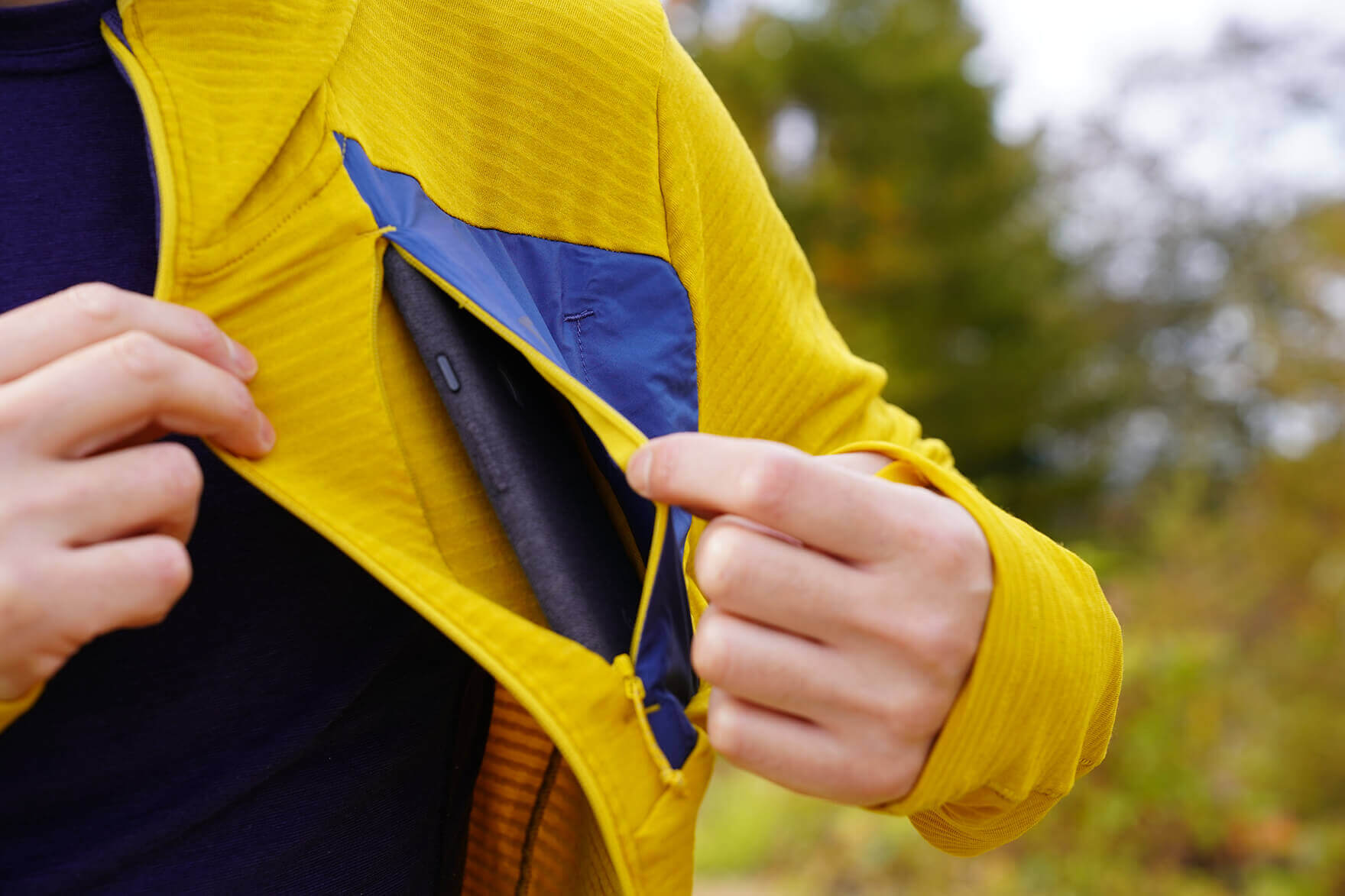
It's certainly convenient to have a pocket, but if it's too unnecessary, it can lead to weight gain. Also, pockets are almost essential for fleece for outerwear, but if you are only using them as a middle-wear item, hand warmer pockets on the left and right sides are not necessary for some people. Personally, I can't give up on the zippered chest pocket, no matter what type of fleece it is. Although it is small, it can store small items such as lighters, cards, glasses wipes, and supplements.

Sleeves, hems, neck circumference

This sturdy fleece jacket uses elastic material around the cuffs, hood and hem. There are also models with adjustable drawstrings on the hood and waist, which improves fit to prevent slipping and lock in warmth.

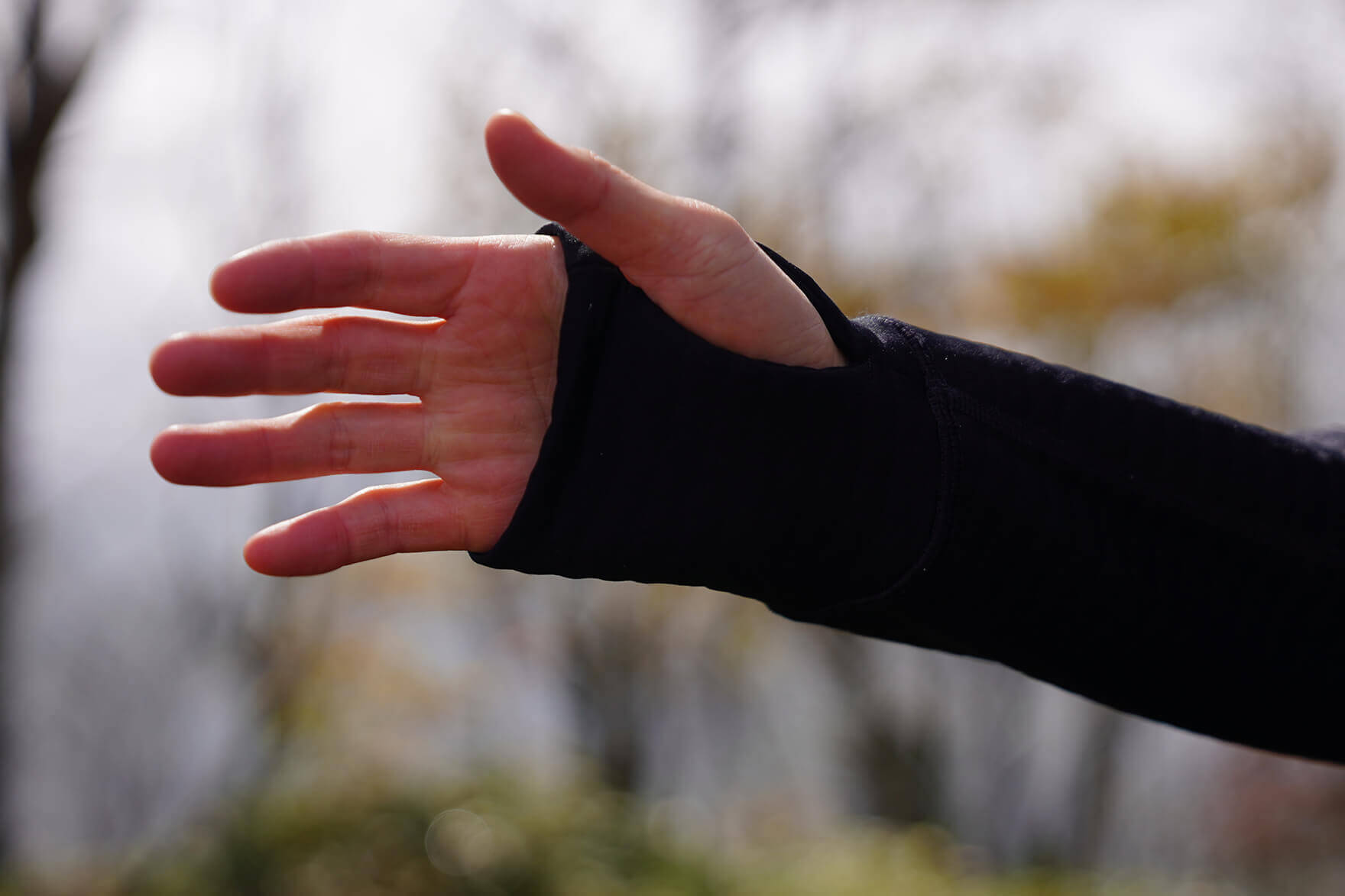
There are also models with fleece jackets with thumb loops on the cuffs. Many models are designed for technical activities such as rock climbing and backcountry, and are preferred because they warm your hands like gloves, making it difficult for your sleeves to slip up when layering outerwear, but if not, it won't be fatal, so you can just judge this by your preference. However, please be aware that jackets with thumb loops have longer sleeves, so for those who don't want to use thumb loops, the size may not fit.

Point 5: Sustainable

As mentioned at the beginning, early fleeces are clothing made from chemical fibers derived from petroleum. Although fleece made from virgin polyester was less of a problem when it first began when it was less environmentally conscious than it is today, it eventually became an inevitable issue for Patagonia, a company that faces sustainability head-on. We immediately began to improve the product, and in 1993 we released a product made from recycled polyester fleece.

Today, most polyester fleece products have been replaced with recycled materials, and other fleece products made with biodegradable fibers such as merino wool are also available.

More recently, not only the environmental impact of the materials themselves, but also the negative effects of microfibers (microplastics) released from fleece have been attracting attention on marine life, and fleece products such as Polartec® Power Air™

Houdini Men's Mono Air Houdi Men's 220714 Tops Jacket Outerwear Camping Outdoor Festival [Genuine Product]

This trend has definitely grown over the past few years, and whether you like it or not, whether you are conscious of it or not, the new products you will encounter in the future will surely become more sustainable-oriented products. In terms of whether products are considered sustainability, both in terms of cutting-edge technological trends and in terms of environmental initiatives that allow individuals to participate, the key points that we must not overlook in the future.

summary

I tried out a variety of fleece this winter, and it's amazing that it can be used in such a balanced way, such as the feeling of being able to do anything when wearing a high-quality model, and the thinness, lightness, warmth, comfort, stuffiness, and ease of care. Anyway, I once again feel that it has great potential in terms of overall ease of use.

If you think fleece has a somewhat old-fashioned feel, why not take this article and try out the cutting edge of fleece?

End of mobile version