Our review articles earn a small amount of revenue from product purchases made through affiliate links

[Fall/Winter 2025] Recommended base layers for this season and purpose, selected after comparing over 200 items, and how to choose the perfect one for you

As the weather finally starts to get chilly, layering becomes more and more important, and the key to this season is the base layer, which is the core of the layering system.

When hiking, where the environment changes drastically depending on the weather and the amount of exercise, it is no exaggeration to say that the base layer, which is the "first layer" that comes into direct contact with the skin, is the most important piece that directly affects your comfort while you are out and about.

The functionality required of a base layer varies depending on the purpose, so we selected the best buys for each category

The basic role of a base layer is to maintain a constant, comfortable temperature and humidity level on the skin. A good base layer wards off heat and cold and efficiently wicks away sweat from the skin. Furthermore, new models featuring various features, such as materials and designs, appear and disappear every year to suit different seasons and purposes, from light hikes in spring and fall to midsummer runs, winter mountain climbing, and even everyday wear. Trends come and go with the times, and the market is flooded with similar (but not necessarily bad) products that overshadow a select few truly innovative and practical models for outdoor enthusiasts. I've worn over 100 base layers, at least, but I've made countless mistakes by choosing one based on its feel. With so many options available today, finding the best base layer for you can be a challenge.

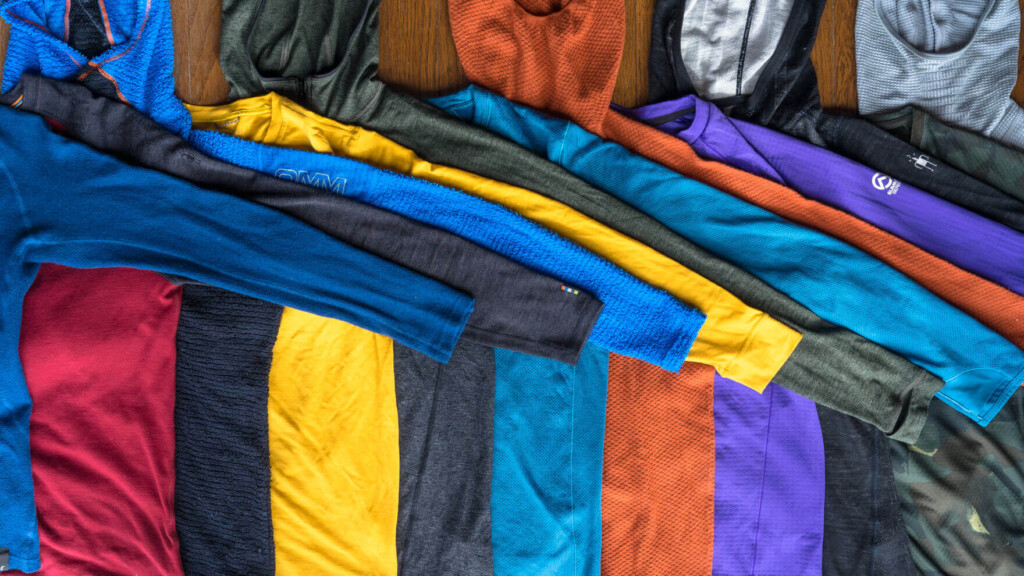
So Outdoor Gearzine has compiled a list of 225 base layers (as of Fall/Winter 2025) from specialist outdoor manufacturers on the market, and from there, we've considered this season's best buys for different purposes. We've divided the list into eight categories based on use and purpose, and selected the best from each to introduce models that best suit our readers' needs. In the second half of the article, we'll also explain, based on our past experience, the checkpoints that first-time base layer buyers should consider when choosing the best model for them.

Please note that while we are only introducing one or two items in each category here, the other best candidates and a comparison table of all 225 items including them are available to members. Outdoor Gearzine's content is supported by your support. If you are interested, please consider becoming a member!

Recommended base layers for different occasions and uses

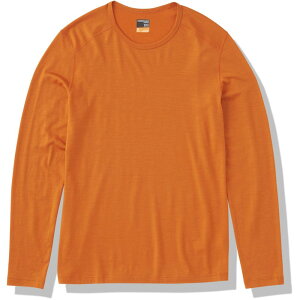
Best All-Round: ibex WOOLIES PRO TECH Q-ZIP

First of all, it's a highly balanced and excellent base layer that can be worn all year round, from mountaineering and hiking to climbing, trail running, ski mountaineering, fishing, and biking. If someone asks me, "What base layer do you recommend?", this is the first thing I think of.

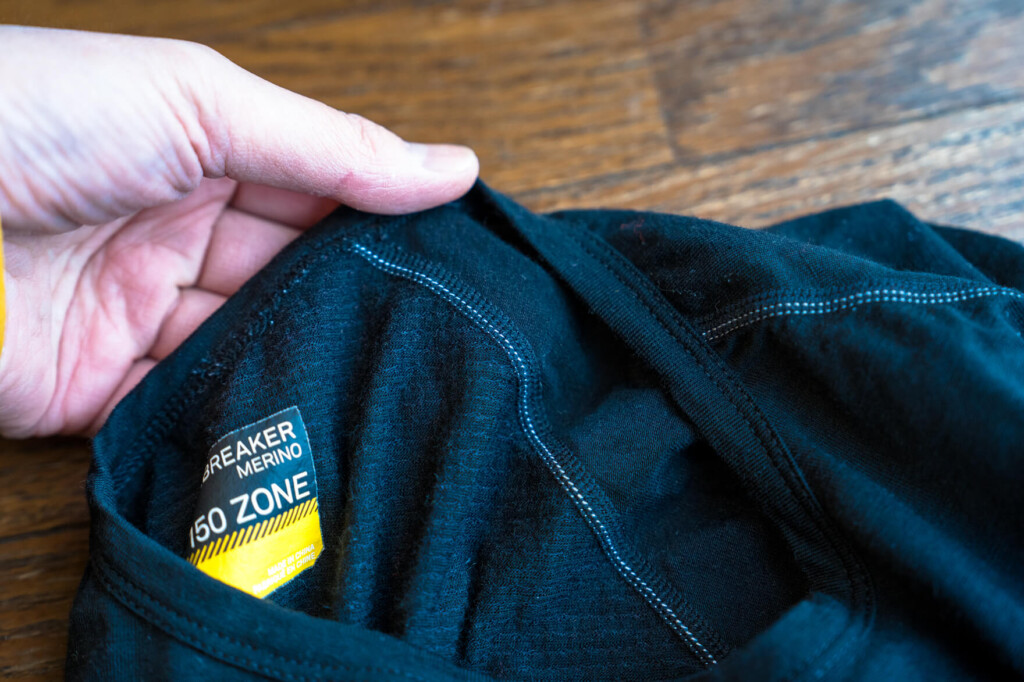
This season's king of this category is the " ibex WOOLIES PRO TECH ." Its superior material, cut, stitching, and thickness all contribute to its perfect balance for year-round wear. Most notably, it uses the innovative "NUYARN" fiber, which, thanks to its unique spinning structure, maintains the traditional properties of wool while improving its lightness, quick-drying properties, warmth, breathability, stretch, and strength . When you try it on, you'll be amazed at how comfortable it is for active winter activities—its fluffy lightness, stretch for ease of movement, and quick-drying properties when you sweat. While there are countless wool-synthetic blends on the market, NUYARN is the only one I've seen that elevates the power of wool to such a high level . In addition to the material, the pattern and stitching are also of exceptional quality, making this a truly exceptional base layer. It remains my favorite to date and continues to be a favorite.

Another noteworthy material that similarly compensates for wool's weaknesses without losing its appeal NIKKE AXIO® . This yarn was developed by Nikke Textiles, based in Bishu, Japan's largest woolen textile (wool) producing region. It's a new twisted yarn in which a spiral filament (polyester fiber) is wrapped inside the wool fiber bundles. Unlike traditional wool-polyester twisted yarns, the polyester fiber does not appear on the surface of the yarn, so it retains the feel and texture of wool while improving quick-drying properties, stretch, and durability. This season, several base layers using this material have been released, and it has gained attention from me as a useful all-around model.

Vest/Hiking Category: [Spring/Summer] SmartWool Active Ultralight Long Sleeve / [Fall/Winter] STATIC FRENZY Long Sleeve Shirt

In the Mountaineering and Hiking category, we have selected the best models that basically have the same well-balanced all-around features as the All-Round category, but which place a little more emphasis on "comfort" that will keep you comfortable throughout the day, including relaxing moments like lounging in a tent.

This season's new " Active Ultra Light Long Sleeve" SmartWool , one of the leading brands of merino wool products, is made with a blend of wool, which has temperature-regulating, moisture-regulating, and odor-resistant properties, and Tencel™ Lyocell fiber, which is environmentally friendly and has an excellent cooling effect that prevents the body from getting too cold even when sweat evaporates. Neither 100% merino wool nor synthetic fibers offer a refreshing feel even in the summer. The careful construction, with skillful cutting for a comfortable fit and flatlock seams to reduce bulk, makes this a garment you can't go wrong with.

Meanwhile, for autumn and winter, we recommend the "STATIC FRENZY L/S SHIRTS," which uses a special knitting method to create a two-layer structure with wool on the inside that touches the skin and polyester on the outside, allowing for the warmth of wool while still being comfortable to wear, making it suitable for activities that involve sweating.An feature is that you can customize the balance by wearing it inside out depending on the situation, such as by increasing its sweat-management function.

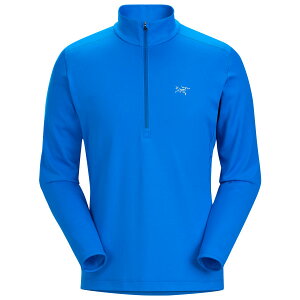
Best Activewear Category: [Spring/Summer] NORRONA Senja Equaliser Lightweight Long Sleeve / [Autumn/Winter] THE NORTH FACE Expedition Dry Dot Crew

In this category, we will select vests that prioritize comfort for active scenes, such as trail running, fastpacking, and ski touring, which are activities that cause a lot of sweating in a short amount of time, by preventing body heat from building up, efficiently expelling sweat, and maintaining a constant temperature and humidity level so as not to cool the body too much. The key points here will be breathability , sweat absorption , quick-drying , three-dimensional contact with the skin , light weight , ease of movement , odor resistance , moderate heat retention (autumn/winter) , UV resistance .

Each brand has a different approach and preferences are different, so it's hard to say which is best, but personally for the past few years, my go-to for spring and summer the NORRONA senja equaliser lightweight long sleeve , and for autumn and winter, the THE NORTH FACE Expedition Dry Dot Crew .

The spring/summer vest, the NORRONA Senja Equaliser Lightweight Long Sleeve , is made primarily from the moisture-wicking, quick-drying material "Teijin Deltapeak," which has been a hot topic in some circles. It's a high-tech fabric that combines incredible lightness and stretch, a smooth and soft texture, high abrasion resistance, excellent quick-drying properties, and UV protection. It dries quickly no matter how wet it gets with sweat or water, and is durable enough to withstand hard use without tearing, making it an essential piece of clothing for the past few spring and summer. While originally designed for trail running, it's advertised as being suitable for any activity requiring softness, light weight, moisture-wicking properties, and quick-drying properties, and I've found it suitable for hiking, stream climbing, and fishing without any issues.

created by Rinker
¥19,800 (as of 2026/02/01 21:31:39, according to Rakuten Market - Details)

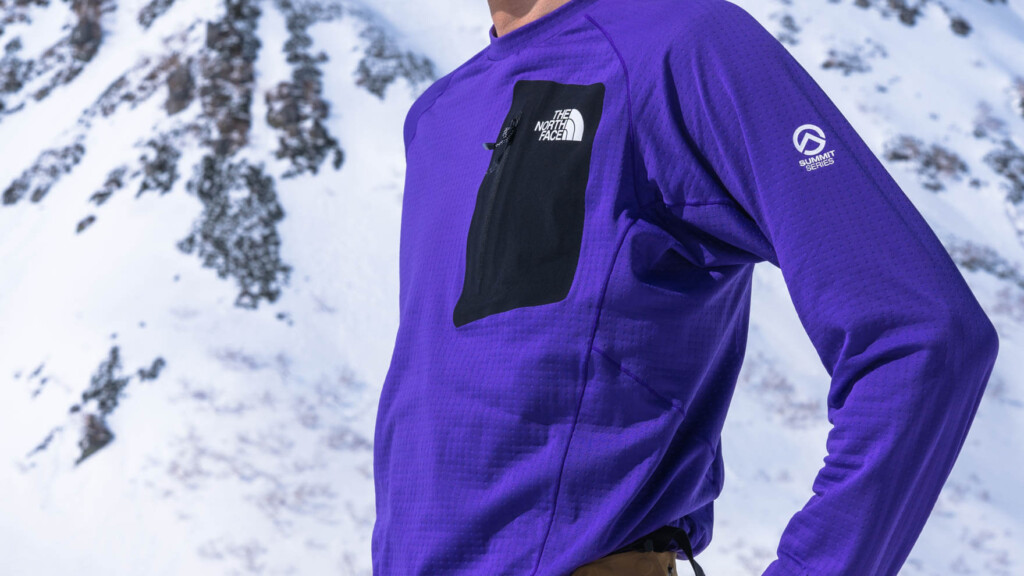
On the other hand, many people may already know about the autumn/winter vest " THE NORTH FACE Expedition Dry Dot Crew ," which has been highly praised for several years, including on this site, but even this year, it seems that no model has yet come out that surpasses it.

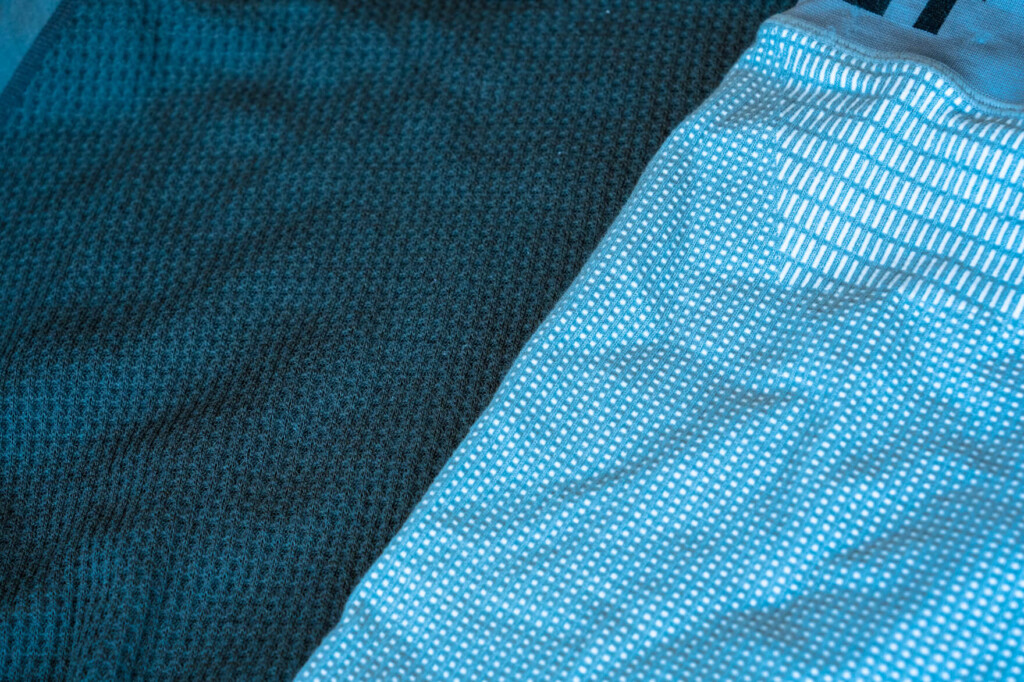
Future Dot Fleece uses innovative technology to quickly remove large amounts of sweat from the skin and efficiently evaporate it to the outside, providing amazing comfort during intense activities in cold weather. What's great about this piece is that it's not just quick-drying, but it also keeps the discomfort of sweat off the skin, keeping it dry and comfortable even while it's drying.

Best Value: [Spring/Summer] Mountain Hardwear Estero Long Sleeve Zip T-Shirt / [Fall/Winter] Rab Syncrino Base LS Tee

We've picked out models that offer performance comparable to top-class models at a price of around 10,000 yen or less. Incidentally, design and comfort have not been taken into consideration. The synthetic fiber category is primarily intended for spring and summer, while the merino wool category is primarily intended for fall and winter, but most of the models listed here are relatively thin and can be worn year-round, so you'll be able to wear them to your heart's content all year round.

My personal recommendations from these are the Mountain Hardwear Estero Long Sleeve Zip T-shirt, which the Rab Syncrino Base LS Tee , which is wool (though a bit pricey) and offers the best comfort and ease of movement . Actually, I still can't believe Rab's prices in Japan are so low, even if it's relatively low.

created by Rinker
¥7,920 (as of 2026/02/02 09:35:34, according to Rakuten Market - Details)

Best Versatility: HERENESS SMOOTH WOOL T-SHIRT LONG SLEEVE 2

Finally, as a bonus, among the many models, this is a model that combines functionality and design, and I thought, "This is enough to wear as a long-sleeved T-shirt around town." Of course, it can also be worn for hiking, but these models tend to be relaxed and have a slightly loose fit that prioritizes the silhouette, so in terms of ease of layering (though there may be some individual differences), which is an important role of a base layer, it is generally not suitable. So, while it is perfect for everyday wear or for quick wear on mild seasons and routes, I honestly cannot recommend it for tough mountain climbing, as it is difficult to use.

That said, I can sympathize with the desire to incorporate the comfort of merino wool into everyday life, so models like this are quite attractive.

Match your base layer to the season and activity

These are the vests for this season. If you only need one jacket, then the all-around category is definitely recommended, but if you have different jackets for different seasons and activities, then by paying attention to the points written for each category, you should be able to find a model that suits you better.

In this deep and complicated world of base layers, please use this as a reference to help you find the right answer!

How to Choose the Right Base Layer: 5 Tips for Choosing the Right Base Layer

Introduction: Layering Basics and the Role of Base Layers

First, let's understand the basic meaning and role of the "base layer" clothing, which is often heard in outdoor activities. To do this, you first need to understand the concept of layering

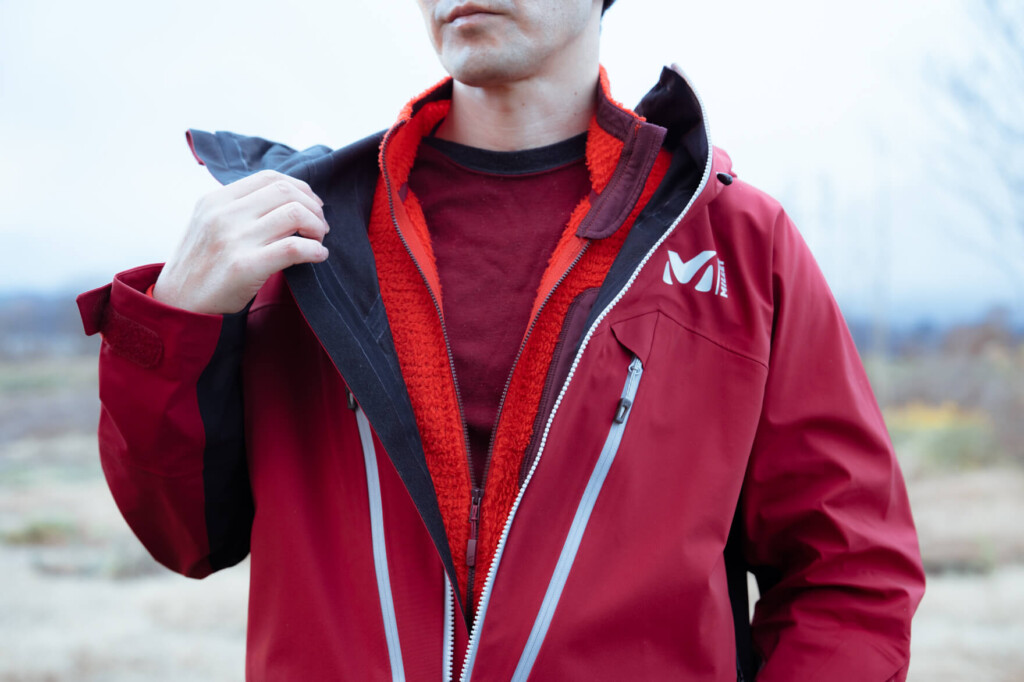
Layering means " wearing layers ." One of the best ways to quickly adapt to ever-changing weather and fickle physical conditions, such as hot and cold, is to "dress in layers" so you can make precise adjustments Layering is an efficient and versatile method (rule) for layering outdoors. Proper layering keeps your clothes at a constant temperature even during intense summer sweating, sudden thunderstorms, or biting cold, allowing you to always feel comfortable. However, improper layering can easily make you uncomfortable, no matter how expensive your outdoor clothing. To avoid this, be sure to first understand the simple system for practicing proper layering.

The basis of proper layering is that the three layers below work together to keep sweat (moisture) out of your clothing, retain heat, and protect you from wind and rain

  • Base layer (underwear layer): absorbs and wicks sweat away from the skin
  • Middle layer : Stores body heat and provides insulation (transfers moisture from the inside to the outside)
  • Shell layer : Protect yourself from wind, rain, snow, and cold

Strictly speaking, some clothing can fulfill multiple roles, and depending on the season and situation, such as when running in the middle of summer when there is no wind, you may not need to wear all layers. Smart layering involves understanding these functions and roles and adjusting them according to the situation

Here we summarize the basic role of each layer

LayerBase layerMiddle layerShell Layer
imagePatagonia M's Cap LW Crew 45641 UWTB LMountain Hardwear Monkey Man Jacket OM5381-F13 015 SHARK / BLACK MMountain Hardwear Seraction Jacket OM5524-F13 015 SHARK / STATE S
Main Role
  • Sweat absorption
  • Emission and dissipation
  • Temperature and humidity control
  • Insulation
  • Heat retention
  • Breathable
  • waterproof
  • Windproof
  • Block
Main clothing
  • Base layer
  • T-shirt
  • Underwear, innerwear
  • fleece
  • Synthetic insulation
  • down
  • Rainwear
  • Wind Shell
  • soft shell
  • hard shell

The base layer is the most important layer you should always wear

No matter what the situation, the base layer is literally the "base" and is an essential layer for any season or activity . While you may travel in just a base layer, it's almost unheard of to wear just a shell layer next to your skin. Base layers are such an important piece of clothing, and there are now so many different models available from various manufacturers that it can be hard to know what to choose. Here are five checkpoints to help you choose the perfect base layer for you from the wide variety available.

Point 1: Materials - Learn the difference between synthetic fibers and merino wool

One of the most important things to consider when choosing a base layer is the material it is made from

First of all, the basic premise is that you should avoid using cotton for outdoor base layers, as it loses its heat-retaining properties when wet. Commonly used alternatives are synthetic fibers (synthetic fibers) such as polyester, nylon, and polypropylene, which retain their heat-retaining properties even when wet and are quick-drying; merino wool, a type of wool produced in large quantities in Australia and New Zealand; and blends of these wool and synthetic fibers. (If you get more specific, there are different types of synthetic fibers, and besides merino wool there are also natural fibers like silk and cashmere, and recycled fibers like Tencel, but for now, it's enough to know the two main types: synthetic fibers and wool.)

The general characteristics of each material are summarized below. Each has its own advantages and disadvantages, so the same material is not best to wear all year round, but the key to staying comfortable is to wear different materials according to the season and activity

materialSynthetic fibersmerino woolWool + synthetic fiber
image
merit
  • Quick-drying
  • Sweat absorption
  • ventilation
  • lightweight
  • Scratch and wrinkle resistant
  • Easy to maintain
  • elasticity
  • Inexpensive
  • Sweat absorption
  • Temperature control
  • Humidity control
  • Heat retention
  • touch
  • Antibacterial and deodorizing
  • lightweight
  • elasticity
  • natural fibers
  • Quick-drying
  • Sweat absorption
  • Humidity control
  • Heat retention
  • Comfort
  • Antibacterial and deodorizing
Disadvantages
  • It easily gets smelly
  • Petroleum-derived materials
  • Temperature control
  • Comfort
  • quick drying
  • weight
  • durability
  • Some items shrink, making care difficult
  • expensive
  • Some things have incomplete features
Suitable Scenes
  • Summer Hikes
  • Activities that cause heavy sweating, such as trail running
  • Spring, autumn, and winter mountain climbing and general outdoor activities
  • High mountains with large temperature differences even in summer
  • All outdoor activities except those that cause excessive sweating in midsummer

    Point 2: Thickness of fabric – Choose according to the season and activity

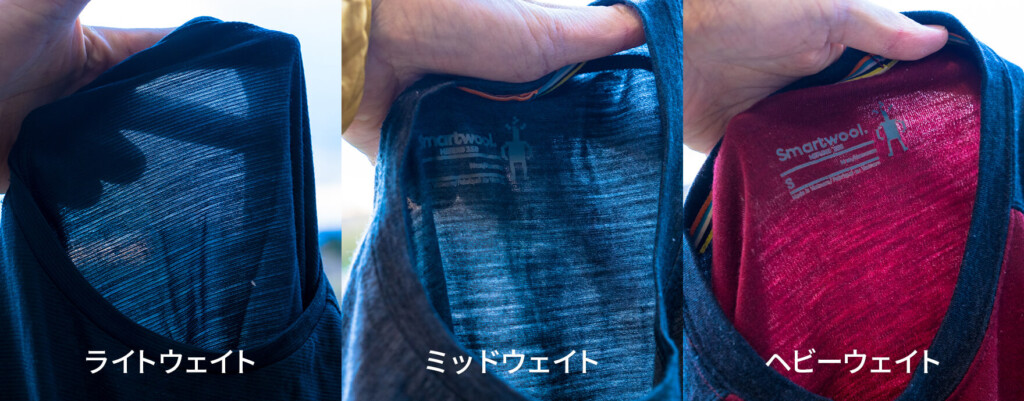
    Base layer models often come in different thicknesses, even for the same style, and manufacturers vary the thickness of the fabric to accommodate a variety of seasons and activities. Generally, the thicker the knit, the heavier the fabric, so the thickness of the fabric is often expressed in grams per square meter (g/m²)

    Thin (lightweight)

    Designed for summer or activities that involve heavy sweating, these layers offer little insulation but are lightweight, breathable, and quick-drying. Layering a base layer over this thin layer makes it suitable for year-round use. The recommended thickness is roughly between 100 and 170 g/m²

    Mid-weight

    This is the most versatile thickness, suitable for spring and autumn activities and can be used year-round. We recommend this thickness for your first jacket. The recommended thickness is roughly in the range of 160 to 250 g/m²

    Thick (heavy weight)

    It provides enough warmth to withstand the bitter cold of winter, but moisture management isn't a priority, so don't expect much moisture wicking. It's great for winter comfort, but can be too hot to wear in warmer months. A good rule of thumb is a thickness of at least 250 g/m²

    In my personal experience, unless you are planning to climb mountains in the coldest winter, thick base layers are not practical, so there is no need to rush to get one. It is best to start by preparing mid-weight or lightweight layers

    Point 3: Shape, knitting method, and sewing - Choosing the right design for your purpose will make it more comfortable

    There are four main types of base layer styles (shapes). Each type is suited to different seasons and activities, so we've summarized their advantages and disadvantages below. Please use this information to help you choose the style that best suits you

    Personally, I don't use short-sleeved (short-sleeved zip-neck) or hoodie types very often because they are limited to certain seasons and activities. Therefore, if you don't have any particular preferences, I recommend long-sleeved types for outdoor activities like mountain climbing and hiking. In terms of neck shape, zip-neck types are convenient because they make it easier to regulate temperature, but if you want to use them as an inner layer for everyday wear, crew neck types are easier to use, so it's a tough decision

    typeShort sleeve typeLong sleeve (crew neck) typeZip neck typeHoodie type
    image
    Coolness×
    Warmth×
    Ease of temperature adjustment×
    Suitable seasons and activities
    • Season: Summer
    • Activities that cause a lot of sweating
    • Season: All seasons except midsummer
    • All-round activities with a focus on mountain climbing
    • Season: All seasons
    • All-round activities with a focus on mountain climbing
    • Season: Winter
    • Winter activities such as skiing

    Focus on models with unique knitting and sewing techniques 1: Whole garment

    This is seamless knitwear, knitted in a three-dimensional fashion. It is made up of complex knitting techniques that incorporate different functions, such as breathability, softness, and stretchability, in just the right places, yet it can be knitted seamlessly without any stitching. It is light, warm, breathable, and has no bulky seams, achieving an amazing comfort and fit

    Focus on models with unique knitting and sewing techniques 2: Three-dimensional knitting

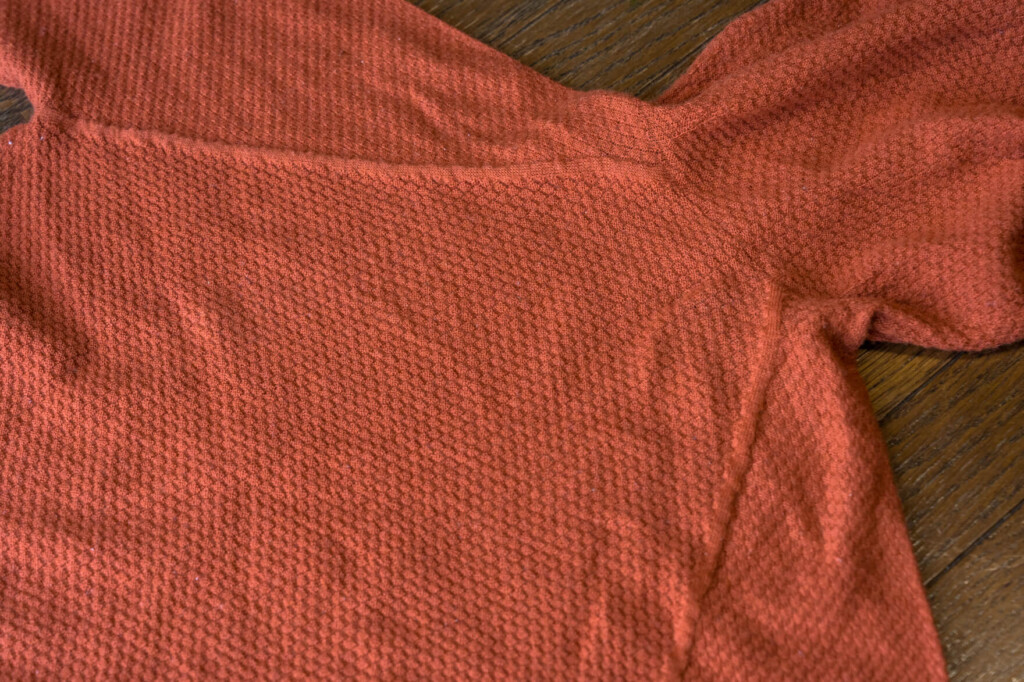
    As mentioned in the section on WHOLEGARMENT, by using three-dimensional knitting techniques such as waffle knitting that create air passages between the skin and the fabric, it is possible to retain more dead air while providing a moderate level of ventilation

    Point 4: Comfort and Fit - The basic principle is a silhouette that fits snugly against the skin

    The silhouette (fit) of base layers varies slightly, but they are generally slim and form-fitting, following the lines of the body

    There are two main reasons for this. One is that the fabric needs to be in close contact with the skin to absorb sweat produced while moving and pull moisture away from the skin surface, facilitating efficient evaporation. The other reason is that it is designed for layering, and a loose, baggy silhouette makes it difficult to layer clothes

    Conversely, models that intentionally have a slightly looser silhouette may have an additional purpose beyond their original, such as being designed to be comfortable when relaxed, or more casual so that they can be worn daily, or a breathable summer T-shirt type, or they may be designed to be used as both a base layer and a mid-layer. In any case, there is no single correct answer when it comes to fit, but you should consider the model's purpose in relation to the functionality you are looking for

    Although you can get a rough idea of ​​what these silhouettes will look like from labels such as "standard fit," "slim fit," or "trim fit" on the manufacturer's website, it's best to try them on and use your own sense of whether they fit your body type

    Point 5: Other detailed functions and features - Keep in mind the functions found in higher quality and more functional models -

    UV Protection

    Base layers with UV protection added to the fabric are especially common for summer. This literally means sun protection, but you might wonder if it's really necessary even if you're wearing clothes. In fact, when outdoors in places with strong reflective surfaces such as high altitudes or snow, you will still be affected by UV rays to some extent even through your clothes. For this reason, if you absolutely must avoid sunburn, it is especially effective to choose a model with this kind of functionality

    Antibacterial and deodorizing

    Base layers, especially synthetic models, have always had the problem of odor. This is because, during typical mountain climbing, you sweat a lot and have to wear them for days on end, and synthetic fabrics inevitably retain sweat residue and odorous substances in the fabric

    However, recent advances in technology have begun to provide some relief from odor problems

    One is to wear a base layer that contains wool. Wool has a strong natural odor-preventing property, so even if you sweat, the unpleasant smell will almost disappear once it dries, making it relatively comfortable to wear even for several days. Some people even say that they can wear it for a week without smelling, so in that sense, wool has the best properties for a base layer for mountain climbing

    Another option is to choose a synthetic fiber model that has deodorizing capabilities, even if not as strong as wool. For example, antibacterial and deodorizing clothing that uses silver ions* kneaded into the fabric (Montbell) or Polygiene deodorizing processing that uses natural antibacterial substances are becoming mainstream. Conversely, it may be worth remembering that you need to be careful about odor issues when choosing synthetic fiber models that do not have such functions

    *In recent years, from the perspective of sustainability, there has been a growing trend in Europe and the United States to avoid metal-derived raw materials such as silver salts used in deodorizing functions, and this field is also seeing an uptake of new environmentally friendly technologies

    Flat seams that don't rub against the skin

    Base layers are designed to be worn close to the skin, so if the seams on the lining are raised, they can rub against the shoulder harness of a backpack, causing discomfort and chafing. It may be a small detail, but it's important to make sure that your base layer is properly treated to prevent chafing

    For greater comfort, choose a model with careful considerations, such as flatlock seams that keep the seams flat to avoid chafing, or a cutting pattern designed so that there are no seams at the top of the shoulders where the shoulder harness touches

    When it comes to wool, you should be careful to check whether it will shrink when washed

    Finally, I'd like to point out something that people who buy wool base layers often forget. It has long been known that wool clothing will shrink if washed in a washing machine. This is still the case today. The surface of wool is made up of a layer of scales called "scales," which open up when wet, and the scales become entangled during washing, causing shrinkage

    However, recent high-performance wool products have been treated with excellent shrink-proofing during the spinning process, and these products can be washed in a regular washing machine. Of course, I don't think they will shrink 100% at all, but at least from my experience, they haven't become so catastrophic that they become unwearable after washing (or at least they have shrunk noticeably)

    This is why it's easy to assume that all modern merino wool base layers for mountain use are simply washable, but in reality this is not the case. It's not uncommon for even products that offer top-level performance to be prone to shrinkage and require careful care such as hand washing

    If possible, it is certainly desirable to have a product that is easy to care for, as you can wash it with other clothes without worry. For this reason, when choosing a merino wool base layer, check to see if there are any warnings about shrinkage, and if possible, choose a model that can be washed normally, which will make care easier. On the other hand, if there is a possibility that it will shrink when washed, be sure to wash it according to the care instructions specified by the manufacturer

    Summary: Assuming you use them according to the situation

    Base layers are important pieces of clothing that are in close contact with the skin. It's important to choose the right functionality and warmth for the season and activity. We hope that this review and tips on how to choose will pique your interest in the various roles and appeals of base layers, and help you find the perfect one for you. Of course, no matter how well-made your base layer is, don't forget to pay attention to the other mid-layers and shell layers as well. Have a great time on your mountain trip!